
Black Mold in a House: What It Looks Like and What to Do Next
Cal HewittPublished
- black mold removal
- black mold
- moisture source
- new jersey
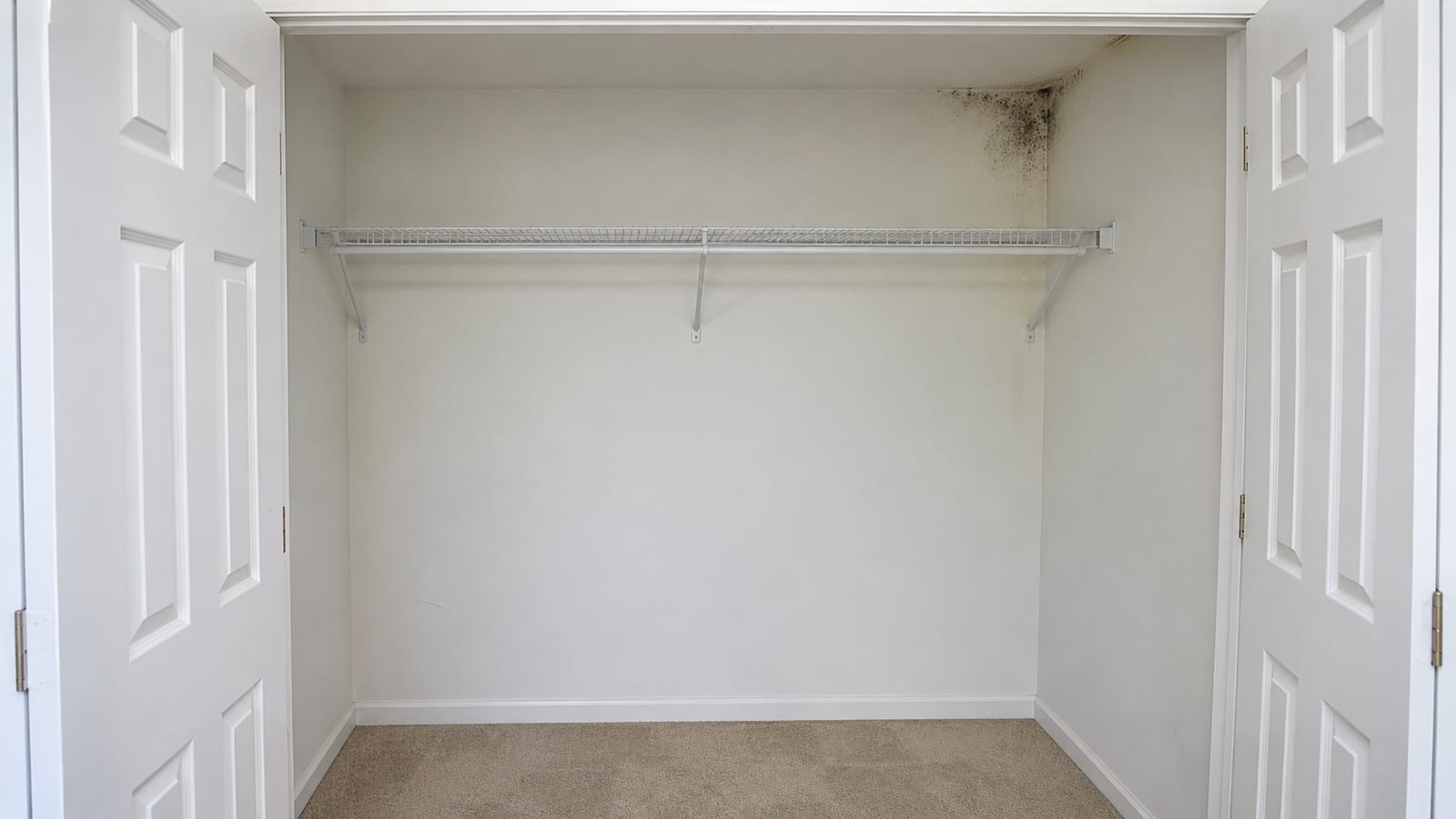
You have found dark growth on a wall, ceiling, window frame or basement surface, and you want to know what to do before anyone touches it. With black mold in a house, the first hour matters more than the first purchase: stop the water, leave the growth undisturbed and keep sensitive people away from it.
Next comes the cause. Excess moisture is generally the main driver of indoor mold, so the leak, condensation or humidity behind the growth has to be found and fixed before any cleanup holds. A small patch on a hard surface can often be cleaned at home, while larger growth or porous materials such as drywall call for a qualified assessment.
If you rent, written notice to the landlord is the first step. If you own, photographs and a prompt call to your insurer come first when the growth followed a water loss. You can start either one today.
Key Takeaways
First hour
Stop the water if it is safe, leave the growth alone, photograph it, and keep people with asthma, COPD or a weakened immune system away.
Moisture first
Excess moisture is generally the main driver of indoor mold, so the water source has to be fixed before cleanup.
The 10 square foot line
EPA separates under 10 square feet, 10 to 100 and over 100, and calls the 10-square-foot figure a planning guideline, not a health threshold.
Hard versus porous
Hard surfaces can be cleaned with detergent and water, while drywall, ceiling tile and carpet often have to be removed.
Rentals and insurance
Tenants give the landlord written notice and can call the local building-code office, and New Jersey's insurance summary lists mold as generally excluded unless it results from a covered loss.
Black Mold in a New Jersey Home Calls for Action in the First Hour
What you do in the first hour decides how much of the wall you can keep. Visible growth should be addressed even when its species is unknown, and CDC's cleanup guidance does not make species identification a step before cleanup. The aim is to stop adding water and to avoid spreading what is already there.
What should you do if black mold is in your home?
Work through these in order, and photograph before you disturb anything:
- Water: Stop the active water source if it is safe to do so.
- People: Keep people away from the wet or moldy area, particularly anyone with asthma, chronic lung disease or a weakened immune system.
- Hands off: Do not scrape, sand, cut into drywall or run fans that could spread spores before the area is assessed.
- Photos: Photograph the growth and the surrounding water damage, since EPA recommends photographs before cleanup.
- Landlord: If you rent, notify the landlord or property manager in writing and keep a copy.
If sewage, floodwater, electrical damage, a sagging ceiling or structural instability is involved, leave the area and call qualified help. When water is still coming in, extraction and drying through our emergency services come before any mold work.
The First Hour
- 1
Stop the water
Stop the active water source if it is safe to do so.
- 2
Keep people away
Keep people away from the wet or moldy area, particularly anyone with asthma, chronic lung disease or a weakened immune system.
- 3
Leave the growth alone
Do not scrape, sand, cut into drywall or run fans that could spread spores before the area is assessed.
- 4
Photograph it
Photograph the growth and the surrounding water damage, since EPA recommends photographs before cleanup.
- 5
Notify the landlord
If you rent, notify the landlord or property manager in writing and keep a copy.
Is it okay to live in a house with black mold?
It depends on the amount of growth, its location, whether the moisture is still active and who lives there. CDC says people with asthma, COPD or a weakened immune system should not stay in a moldy home or be present during cleanup. Everyone else should stay out of the work area, and symptom questions belong with a physician.
Dark Growth Appears on Drywall, Wood, Grout, Window Frames and Basement Walls
After a leak or flood, growth is most often found on drywall and gypsum board, and on wood framing, subflooring and sheathing. In basements and crawl spaces it follows seepage and condensation. In bathrooms it settles into tile grout, and around windows it collects on frames and sills where condensation sits. Ceiling tile, carpet backing, paper and fiberboard are porous and take it in easily.
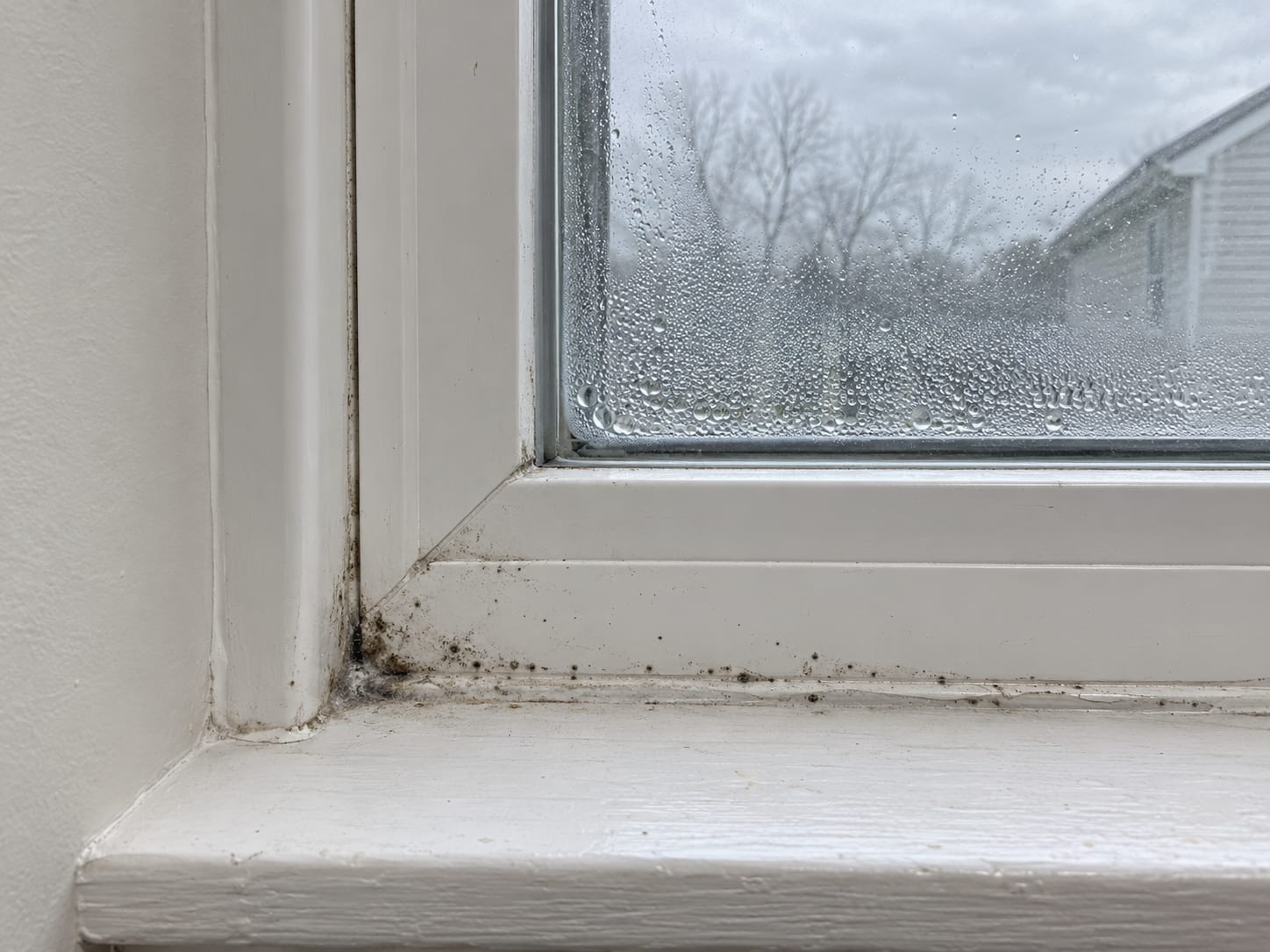
On the surface it may look like dark spots, patches, discoloration or staining. EPA notes that staining can remain after mold is removed, so a dark mark is not automatically active growth. Growth can also sit behind drywall, wallpaper, paneling and carpets, or inside a damp wall cavity. Our post on what looks like mold on walls helps sort mold from stains.
Can you tell if black mold is toxic by looking at it?
No. CDC says mold appears in many colors and that color does not show the species or whether a mold is more or less dangerous. CDC describes *Stachybotrys chartarum* as a greenish-black mold that grows on cellulose-rich materials such as fiberboard, gypsum board and paper when moisture persists. Whatever the shade, the decision comes from the size of the area, the material and the moisture, and health questions go to a physician.
Moisture Is the Cause, So the Water Source Comes First
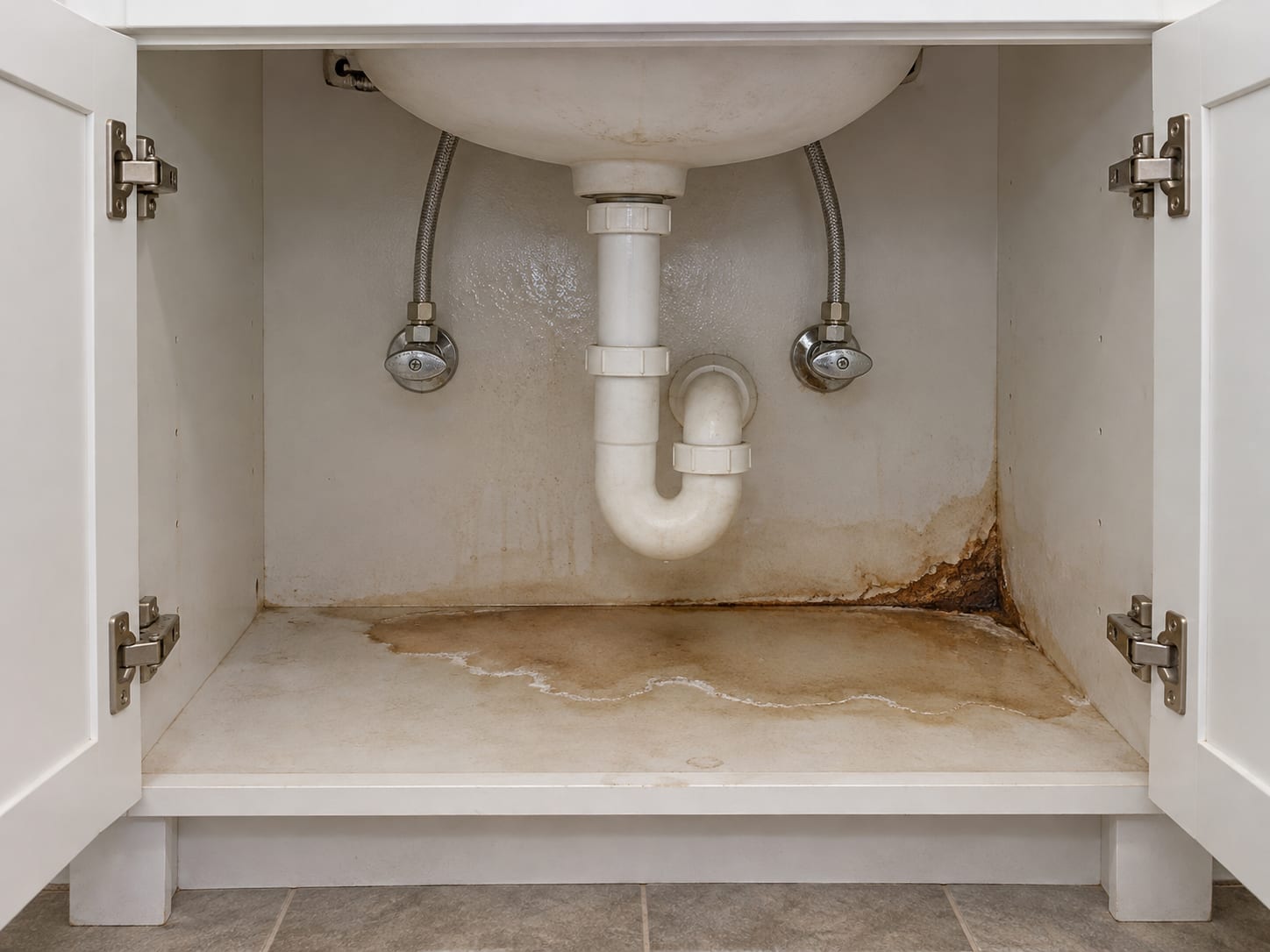
Mold needs moisture and something to feed on, and the New Jersey Department of Health says to identify and correct the moisture source before remediation. EPA says mold can grow on paper, cloth, wood, plant material, soil and other organic substances. In New Jersey houses the water usually arrives by one of these routes:
- Leaks: Roof, flashing, gutter and exterior-wall leaks, plumbing leaks and slow leaks from fixtures.
- Ground water: Basement seepage, foundation cracks, groundwater and storm-water entry.
- Condensation: Cold windows, walls, pipes and HVAC components.
- Humidity: High indoor humidity, poor bathroom ventilation and air-conditioning equipment that drains badly.
- Wet materials: Damp crawl spaces and attics, and anything that was soaked and not dried promptly.
Check nearby walls, ceilings and carpets for water damage and a musty smell. Our posts on basement humidity and bathroom mold that keeps coming back cover two common sources.
Will black mold go away by itself?
Mold does not reliably disappear while moisture remains. EPA says moisture must be corrected and moldy materials cleaned or removed. Drying wet materials within 24 to 48 hours prevents growth in many cases, but growth that is already established needs cleanup.
How quickly does black mold spread?
No single spread rate applies to every house. EPA says mold can develop when wet or damp materials stay wet, and CDC says spores can settle on moist surfaces and form new colonies. So, the practical answer is speed: stop the moisture and have wet or visibly moldy materials assessed promptly.
A Small Spot Becomes a Professional Job at About 10 Square Feet
EPA's guidance sorts mold areas into small (less than 10 square feet), medium (10 to 100 square feet) and large (more than 100 square feet, or any situation with significant exposure potential). EPA says the 10-square-foot figure helps remediation professionals choose techniques; it is a planning guideline, not a health threshold, and it does not mean smaller growth is harmless. Measure the surface before you decide.
Hover or tap a row to highlight it.
| Area | EPA category | What the post says |
|---|---|---|
| Less than 10 square feet | Small | A small area on a cleanable hard surface may suit home cleanup once the moisture problem is corrected |
| 10 to 100 square feet | Medium | A qualified assessment makes sense for growth larger than 10 square feet |
| More than 100 square feet, or significant exposure potential | Large | A qualified assessment makes sense |
| The 10-square-foot figure | Planning guideline | It is not a health threshold and does not mean smaller growth is harmless |
A qualified assessment makes sense when any of these is true:
- The growth is larger than 10 square feet, or it may be behind drywall, wallpaper, ceilings or paneling.
- The heating and cooling system may be contaminated, which is the work of HVAC mold remediation.
- Floodwater, sewage or contaminated water was involved, or the moisture source is unknown.
- The job will disturb a lot of drywall, insulation, carpet or other porous material.
- Someone sensitive lives in the house, or the growth returned after cleaning.
EPA says sampling is unnecessary in most cases when growth is visible, and CDC does not recommend routine air sampling, since no health-based indoor-air standards let a spore count declare a house safe. Professional sampling fits when the source is uncertain, hidden growth is suspected or post-remediation verification is needed; our page on black mold testing covers that choice.
When a Qualified Assessment Makes Sense
Larger or hidden growth
The growth is larger than 10 square feet, or it may be behind drywall, wallpaper, ceilings or paneling.
HVAC involvement
The heating and cooling system may be contaminated.
Contaminated water or unknown source
Floodwater, sewage or contaminated water was involved, or the moisture source is unknown.
Lots of porous material
The job will disturb a lot of drywall, insulation, carpet or other porous material.
Sensitive person or return
Someone sensitive lives in the house, or the growth returned after cleaning.
Hard Surfaces Can Often Be Cleaned and Porous Materials Often Have to Go
EPA says hard surfaces may be cleaned with detergent and water, while porous materials such as ceiling tile and carpet may need to be thrown away, because mold can grow into spaces that are difficult or impossible to clean completely. Moldy drywall, insulation, ceiling tile, carpet and carpet padding are the usual removals. Damaged wood can sometimes be cleaned, but severely contaminated or structurally weak wood needs professional judgment.
Hover or tap a row to highlight it.
| Material | What the post says |
|---|---|
| Hard surfaces | May be cleaned with detergent and water |
| Drywall, insulation, ceiling tile, carpet and carpet padding | The usual removals |
| Damaged wood | Can sometimes be cleaned; severely contaminated or structurally weak wood needs professional judgment |
Can you clean up black mold yourself?
A small area on a cleanable hard surface may be suitable once the moisture problem is corrected. EPA recommends detergent and water, gentle cleaning that limits airborne dust, and complete drying. Wear a fitted NIOSH-approved N95 respirator, goggles without ventilation holes, gloves, long sleeves and long pants. Never mix bleach with ammonia or other cleaning products; our post on what kills mold and what not to use covers the cleaners. People with asthma, COPD or a weakened immune system should not take part.
Do not paint, caulk or seal over active mold or wet materials. Larger areas, porous materials, hidden growth, HVAC contamination, sewage and floodwater call for a professional, and our mold removal service handles that scope.
Can a house with black mold be saved?
Often, yes. A house can usually be restored when the moisture source is corrected, contaminated porous materials are removed where necessary, salvageable surfaces are cleaned and the area is dried and verified. Structural damage, hidden growth and HVAC contamination can widen the scope.
New Jersey Tenants and Policyholders Have Specific Steps to Take
If you rent, notify the landlord or property manager promptly in writing, describe the leak or visible growth, ask for repair of the moisture source and allow reasonable access. The New Jersey Department of Health advises renters to contact the local building-code office about unrepaired leaks and plumbing or structural deficiencies, and notes that local government offices generally have limited authority over mold itself. The habitability bulletin from the Department of Community Affairs says tenants have a right to safe, sanitary and decent housing, and the state's local health department directory can point you to environmental-health help.
Rent questions are a legal matter, so do not withhold rent or move out on informal advice; ask an attorney or a tenant-advocacy organization, and see the landlord-tenant resources from the Department of Community Affairs.
If you own, tell your insurer promptly when the growth follows a possible water loss. The New Jersey Department of Banking and Insurance lists sudden and accidental water damage among common coverages and mold as generally excluded unless it results from a covered loss, and your policy controls. Keep photographs, dates, the water source, contractor scopes, invoices, moisture records and disposal records together, which also supports an insurance restoration claim.
Professional Remediation Should Come With a Written Scope and Records
The New Jersey Department of Health states that the state has no certification program for companies that perform mold services. So, ask a contractor for proof of insurance and relevant training, and ask for a written scope before work starts. A useful scope names the locations, the materials to be removed, how the moisture will be corrected, the containment, the cleanup steps and the paperwork you will receive.
Our black mold removal page describes assessment, moisture-source identification, containment, HEPA filtration, removal of porous materials, antimicrobial treatment and post-remediation verification, with projects following IICRC S520. It also describes rebuild work when walls or ceilings come out.
Before anyone visits, gather photographs, the location and rough size of the growth, when you first saw it, the likely water source, any repairs already made and your insurer's name.
Keeping the Moisture Problem Fixed Is What Keeps Mold From Returning
Work is complete only when the moisture is corrected, the visible growth and the mold odor are gone and the space is dry. EPA says staining and cosmetic damage may remain. Rebuilding or repainting before the area is dry and the source is fixed puts new drywall over the same problem.
After cleanup, check adjacent walls, ceilings, carpets, HVAC components and concealed cavities, and keep the records: photographs, moisture readings, material removal and invoices. Watch the places where water arrived, such as the window sill, the bathroom ceiling or the basement wall. If growth returns after cleaning, treat that as a sign the source is still active and arrange an assessment.
Frequently Asked Questions About Black Mold in a House
Do I need a mold test before cleanup?
Usually not. EPA says sampling is unnecessary in most cases when growth is visible, and the work starts with the moisture source and the size of the area.
Can I paint or caulk over it?
No. Paint, caulk and sealers do not belong over active mold or wet materials, and the surface should be dry and clean first.
How do I know the work is finished?
The moisture problem is corrected, visible mold and mold odors are gone and the space is dry. Staining may remain. Post-remediation verification fits when an insurer, property manager, lender or buyer asks for proof.
Can the property still be sold?
The effect on value depends on the extent of damage, the documentation, the repairs, disclosure obligations and what buyers or insurers require. Written remediation records help.
Black Mold Quick Check
1. What does EPA call the 10-square-foot figure?
2. Can you tell whether black mold is toxic by its color?
3. What has to be fixed before any cleanup holds?
4. How should a tenant start?
Pick an answer to begin.
Moving Forward
Stop the water, leave the growth alone, photograph it and keep sensitive people away. Then find the moisture source, measure the area, clean hard surfaces with detergent and water, and plan on removing porous materials. Call a professional for anything over 10 square feet, hidden growth, HVAC involvement or contaminated water, and give your landlord or insurer notice in writing.
Fixing the source and documenting the work protects the building and gives you a record if you sell, rent or file a claim. A dry, clean wall with the leak repaired is the result to aim for.
If you are looking at dark growth and are unsure where to start, ExecPro Restoration & Cleaning can assess it for your New Jersey home. Call us at (888) 300-3772 or reach us through our contact page, and tell us what you see, where it is and whether water is still coming in.
Black Mold Terms
Tap a term to see what it means.
Porous material. Material such as drywall, ceiling tile, carpet and paper that takes mold in and is often difficult or impossible to clean completely.
Related Articles
Black Mold Removal in Trenton, NJ: Whether to Stay, What to Touch and What It Takes
Is it safe to stay in the house tonight? Get the size-based answer, what not to touch and what black mold removal in Trenton, NJ takes to do properly.
How to Get Rid of Black Mold Yourself, and When to Call a Pro
Fix the water, wear an N95, clean hard surfaces and dry the area. Learn the 10 square foot DIY line and when New Jersey mold needs a professional.
Black Mold Removal in Bridgewater, NJ: Scope, Safety and Cost After You Find It
Dark growth on a wall or ceiling: is it safe to stay tonight, what black mold removal in Bridgewater, NJ involves, and what drives the cost of the job.