24-Hour Water Damage Response in Central New Jersey
When water is actively damaging your property, every minute counts. ExecPro Restoration & Cleaning responds to water emergencies any time of day or night, arriving on-site to stop the damage, extract standing water, and begin the drying process before conditions deteriorate further.
What Is 24-Hour Water Damage Response?
24-hour water damage response is emergency service that sends a trained restoration crew to your property at any hour, including nights, weekends, and holidays, to assess the damage, extract standing water, and set drying equipment in motion. The goal is simple: limit what water destroys before it destroys more. ExecPro Restoration & Cleaning provides this service across central New Jersey, following the ANSI/IICRC S500 standard, which governs every phase of water damage restoration from initial assessment through final inspection.
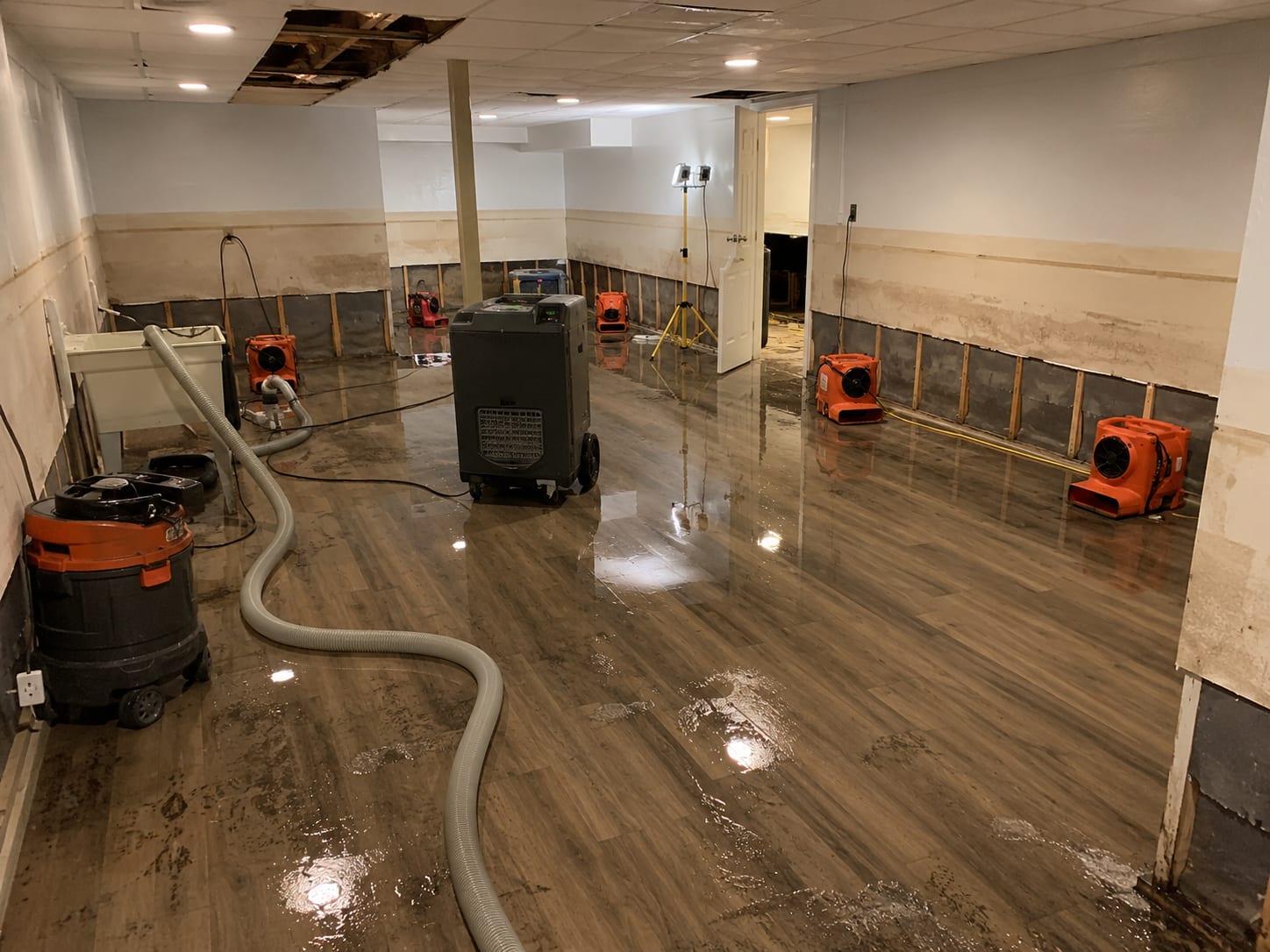
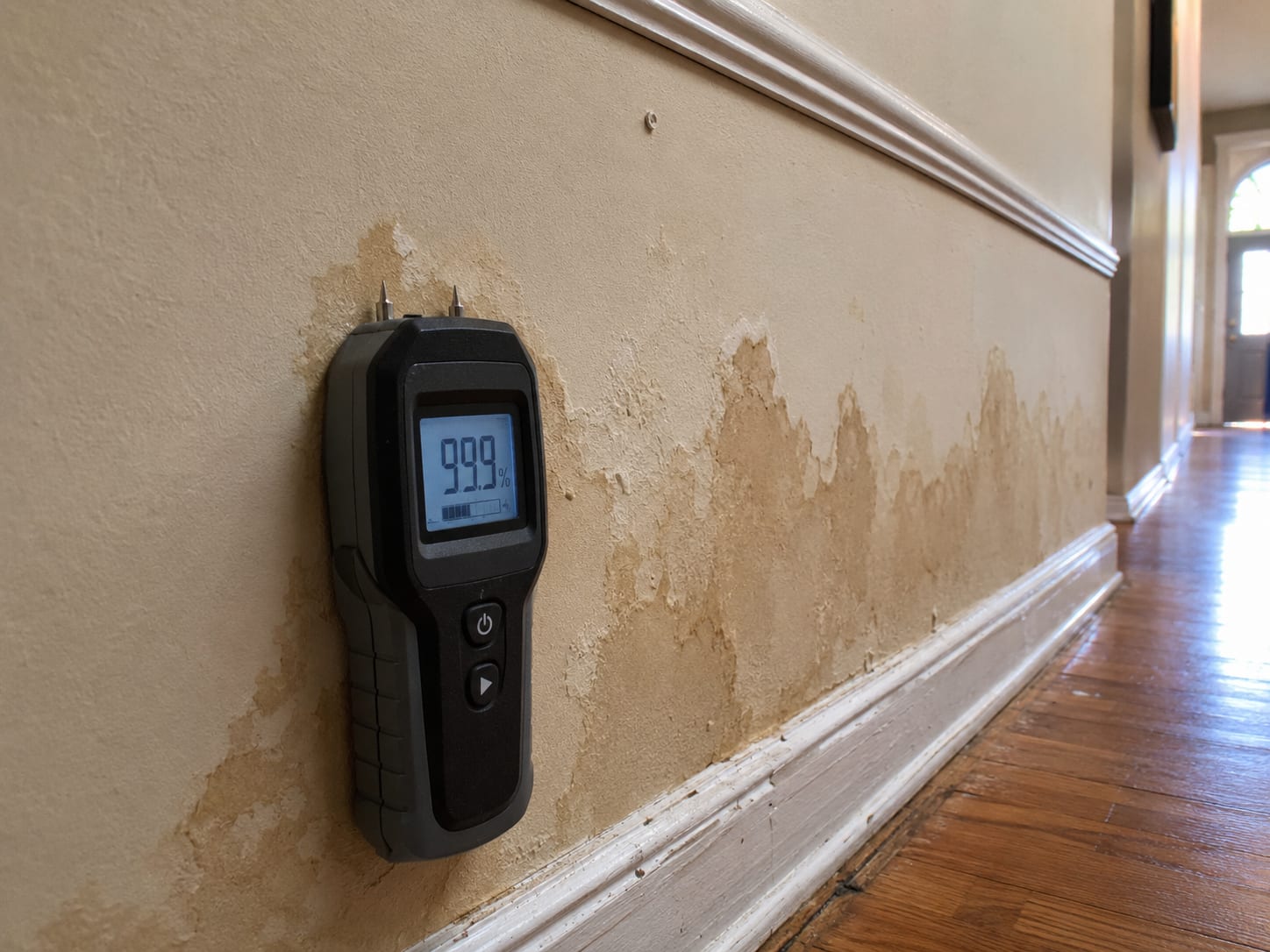
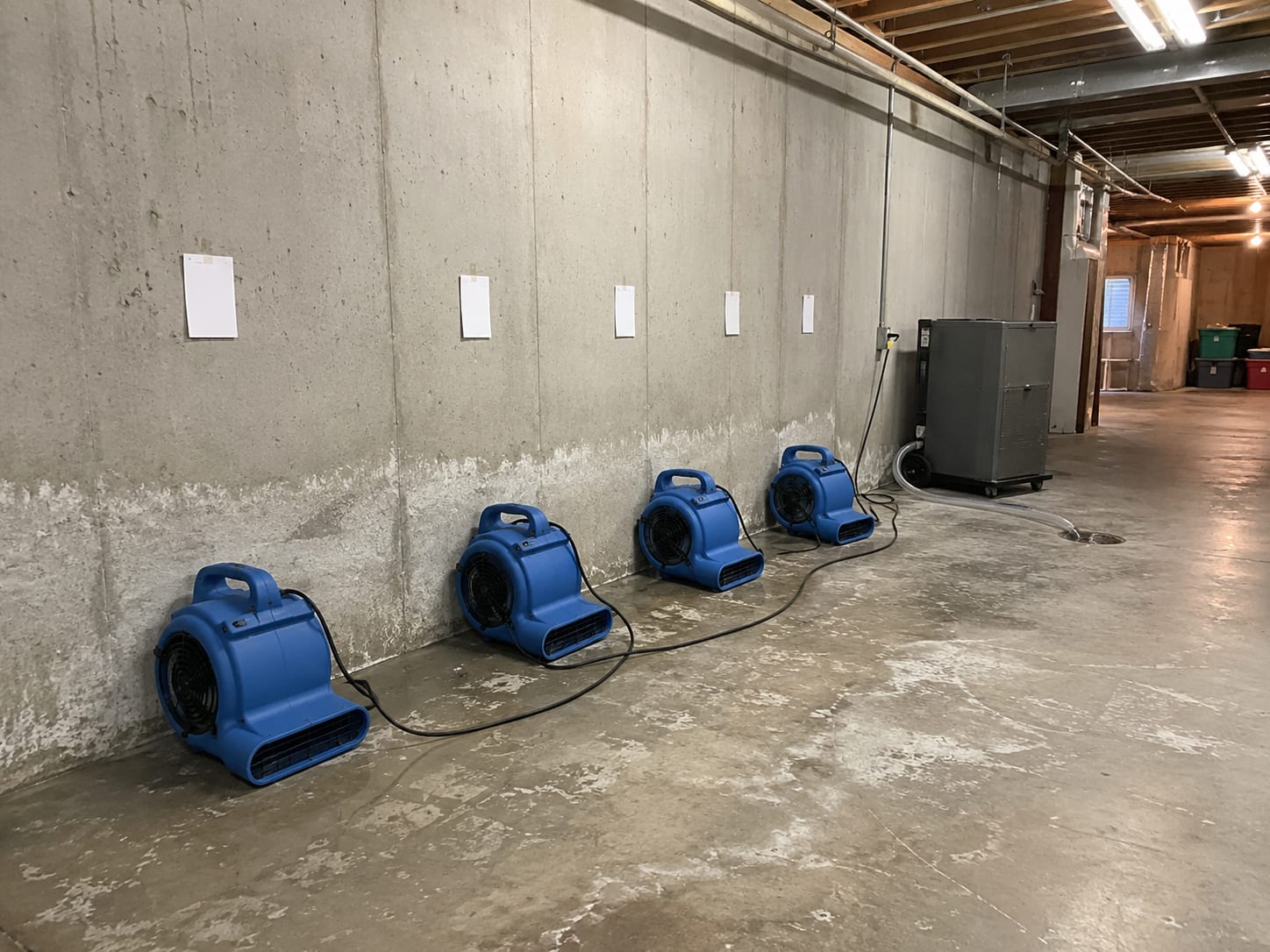
When you call about a water emergency, a technician arrives with moisture detection equipment, commercial-grade extractors, and industrial air movers. The crew identifies the water category, which determines how hazardous the water is and what cleanup protocols apply, then moves immediately into extraction and equipment placement. You get a clear picture of what happened, what needs to happen next, and how the work will proceed.
Why Does Response Time Matter So Much?
Water does not wait for business hours to cause serious damage. Within the first hour, it saturates porous materials like drywall, insulation, and subfloor. Within 24 to 48 hours, conditions become favorable for mold growth. The longer water sits, the deeper it travels and the more structural material needs replacement rather than drying.
The speed of the initial response shapes the entire outcome of a water damage event. A fast extraction and early equipment placement can mean the difference between drying a floor in place and tearing it out, or between a contained remediation job and a mold problem that develops weeks later when conditions looked fine on the surface.
New Jersey properties face consistent pressure from seasonal storms, nor'easters, rapid snowmelt, and aging water infrastructure. Burst pipes, sump pump failures, and flooding from heavy rain are not rare events here. Having a response partner who is actually available at 2 a.m. on a February night is a practical necessity, not a luxury.
What Happens If Water Damage Is Left Untreated?
In the first few hours, water is still primarily on surfaces and in the top layer of porous materials. This is when extraction is most effective and the least amount of material needs replacement.
After 24 to 48 hours, mold spores that are naturally present in the environment can begin to colonize wet materials, particularly drywall and wood. By the time visible mold appears, you are looking at a remediation project on top of a water damage project, and the cost and disruption roughly double.
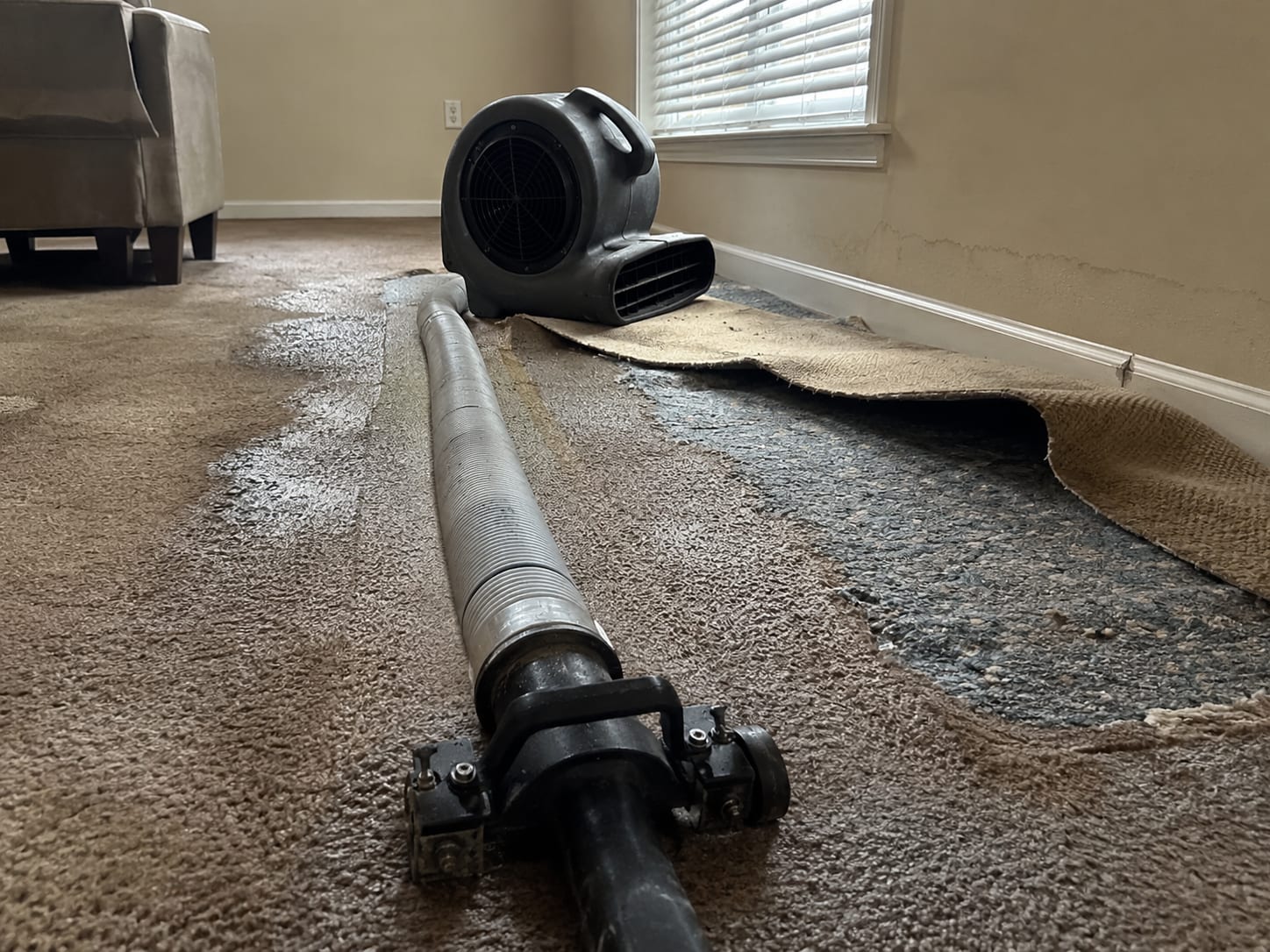
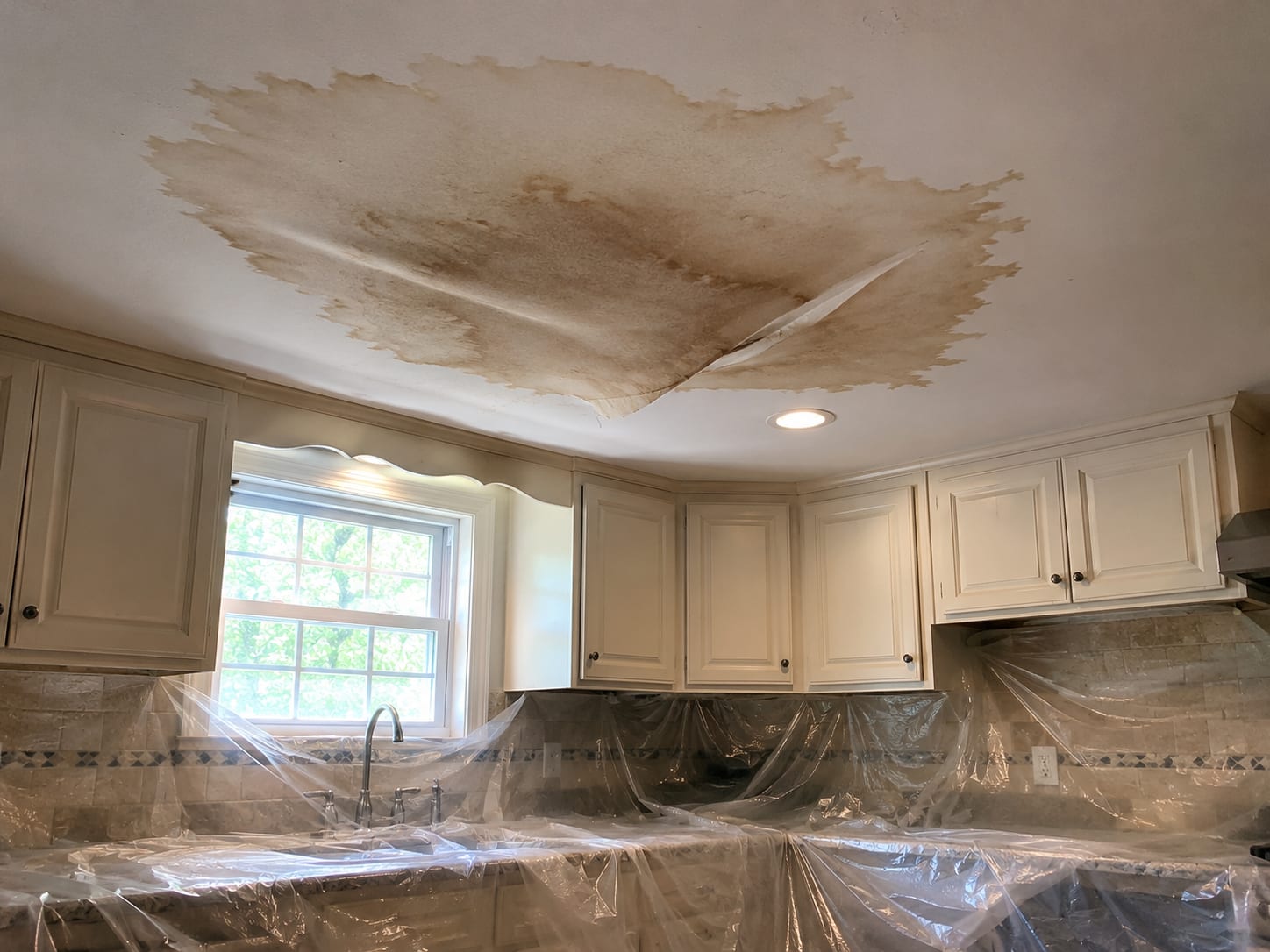
Extended moisture also affects structural components. Wood framing can swell, warp, and weaken. Subfloor panels delaminate. Insulation becomes permanently saturated and loses its thermal value. What started as a water extraction job can become a post-water damage reconstruction project involving drywall replacement, framing repairs, and flooring installation. The upfront cost of an emergency response call is consistently smaller than the downstream cost of delayed action.
How Does the Emergency Response Process Work?
ExecPro Restoration & Cleaning follows the IICRC S500 five-phase process for every water damage response, whether the call comes in at noon or midnight.
Scroll the steps sideways to follow the full process.
What Types of Water Emergencies Does ExecPro Handle?
ExecPro Restoration & Cleaning responds to the full range of residential and commercial water emergencies across central and coastal New Jersey.
Burst and Leaking Pipes
A burst pipe can release hundreds of gallons before the water is shut off. ExecPro Restoration & Cleaning extracts the water, dries the structure, and documents everything for your insurance claim.
Flooding and Storm Damage
Basement flooding, stormwater intrusion, and storm damage restoration all require rapid response. ExecPro Restoration & Cleaning responds to these events across the region, from initial extraction through structural drying.
Flood Damage
Flood damage cleanup after significant weather events involves categorizing the water, managing contamination risks, and drying materials that may have absorbed large volumes of water over an extended period.
Sewage Backups
Sewage cleanup is among the most hazardous water damage scenarios. Black water contains pathogens that require specific protective protocols and antimicrobial treatments as part of the response.
Appliance and HVAC Failures
Washing machines, dishwashers, water heaters, and HVAC condensate failures can release significant volumes of water before anyone notices. These situations often result in hidden moisture behind cabinets and under flooring.
Sump Pump Failure
When a sump pump fails during a heavy rain event, basements can take on water quickly. Basement drying after a sump pump failure involves extraction, dehumidification, and checking for moisture in the walls and floor system.
How ExecPro Restoration & Cleaning Works With Your Insurance
Insurance coordination is built into how ExecPro Restoration & Cleaning handles emergency response from the first hour. The documentation generated during assessment, extraction, and drying provides the record your claim needs: moisture readings, photographs, equipment logs, and material inventories.
ExecPro Restoration & Cleaning works directly with insurance carriers and adjusters throughout the restoration process, maintaining clear communication about scope, timelines, and costs. If you have questions about what your policy covers or how to file, the team can guide you through the process without requiring you to navigate it alone.
For property managers and commercial clients handling claims across multiple units or locations, water damage response and property management services can be coordinated under a consistent documentation and communication framework that makes the adjuster relationship more manageable. Insurance restoration services are available for projects that extend into the build-back phase.
Why Property Owners Across New Jersey Call ExecPro
ExecPro Restoration & Cleaning is licensed and insured, follows IICRC S500 standards on every water damage job regardless of size, and covers a wide swath of New Jersey: from Princeton Junction and Mercer County communities through Somerset, Union, Monmouth, Ocean, and Burlington counties. Whether you are in Bridgewater at 3 a.m. or in Cherry Hill on a Sunday afternoon, ExecPro Restoration & Cleaning can dispatch to you.
Beyond emergency response, ExecPro Restoration & Cleaning handles the full lifecycle of water-related property damage. When water damage leads to mold, the team performs mold remediation in the same property without requiring you to hire a separate contractor. When structural repairs are needed after remediation, build-back services cover drywall replacement, flooring, and reconstruction. You work with one team from the emergency call through the finished repair.
Frequently Asked Questions About 24-Hour Water Damage Response
ExecPro Restoration & Cleaning dispatches to water emergencies around the clock, any day of the year. Response time depends on your location within the service area, but emergency calls are treated as immediate dispatches, not scheduled appointments. Calling as soon as you discover the damage gives the crew the best opportunity to limit how far water spreads before extraction begins.