Structural Mold Repair in Central & Southern NJ
When mold works its way into your framing, subfloors, or wall assemblies, surface cleaning alone won't solve the problem. ExecPro Restoration & Cleaning repairs the damaged structure after remediation is complete, so your home is genuinely safe to live in again.
What Is Structural Mold Repair, and What Do You Actually Get?
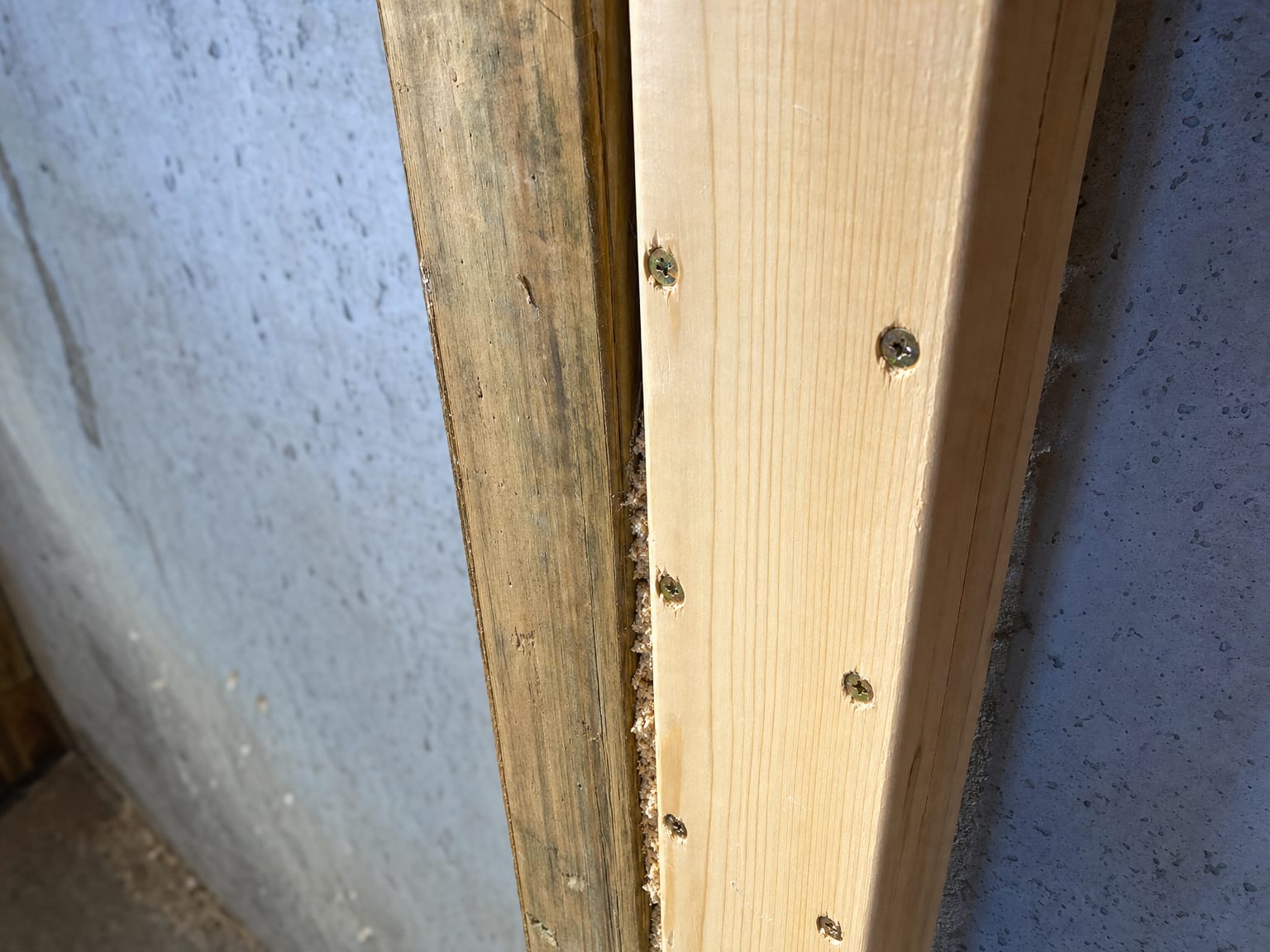
Structural mold repair is the process of restoring framing, sheathing, subfloors, joists, studs, and other building components that mold has weakened or contaminated. Once mold remediation removes the biological threat, structural repair brings those damaged materials back to sound, livable condition. A completed project from ExecPro Restoration & Cleaning includes moisture source correction, targeted demolition of unsalvageable materials, framing repair or replacement, drywall, insulation, flooring, and full documentation from start to finish.
Many homeowners find that remediation and repair are treated as two separate jobs by two separate companies. That disconnect creates gaps in accountability and delays. ExecPro Restoration & Cleaning handles both sides of the process, so nothing falls through the cracks between the crew that removes the damage and the crew that puts things back together.
Why Does Mold Damage Structural Components in the First Place?
Mold doesn't start in the framing. It starts with moisture. A slow roof leak, a burst pipe behind drywall, foundation seepage in a basement, or years of poor ventilation in a crawl space can saturate wood framing and sheathing long before anyone notices visible mold on a surface. By the time the smell shows up or a stain appears, the underlying structure may already be compromised.
Common causes in New Jersey homes include aging rooflines that allow water intrusion, plumbing leaks inside wall cavities, condensation buildup in attics and crawl spaces, and flood or storm damage that was never fully dried out. Without correcting the moisture source first, any structural repair is cosmetic work over an active problem. That's why ExecPro Restoration & Cleaning begins every structural mold repair project by identifying and addressing what caused the moisture to accumulate.
Knowing the root cause also shapes the scope of repair. A localized joist replacement after a burst pipe is a very different project from rebuilding a basement wall assembly after years of seepage. Both are manageable, but each requires an honest assessment before any repair work begins.
How Does the Structural Mold Repair Process Work?
Every structural mold repair project at ExecPro Restoration & Cleaning follows a defined sequence. Skipping steps or reversing the order is how recurrence happens, so the process below reflects the correct order of operations.
Scroll the steps sideways to follow the full process.
Which Parts of Your Home Are Most Often Affected?
Structural mold damage doesn't limit itself to one part of a house. The building components below most commonly require structural mold repair, and each presents its own considerations.
Floor Joists and Subfloor
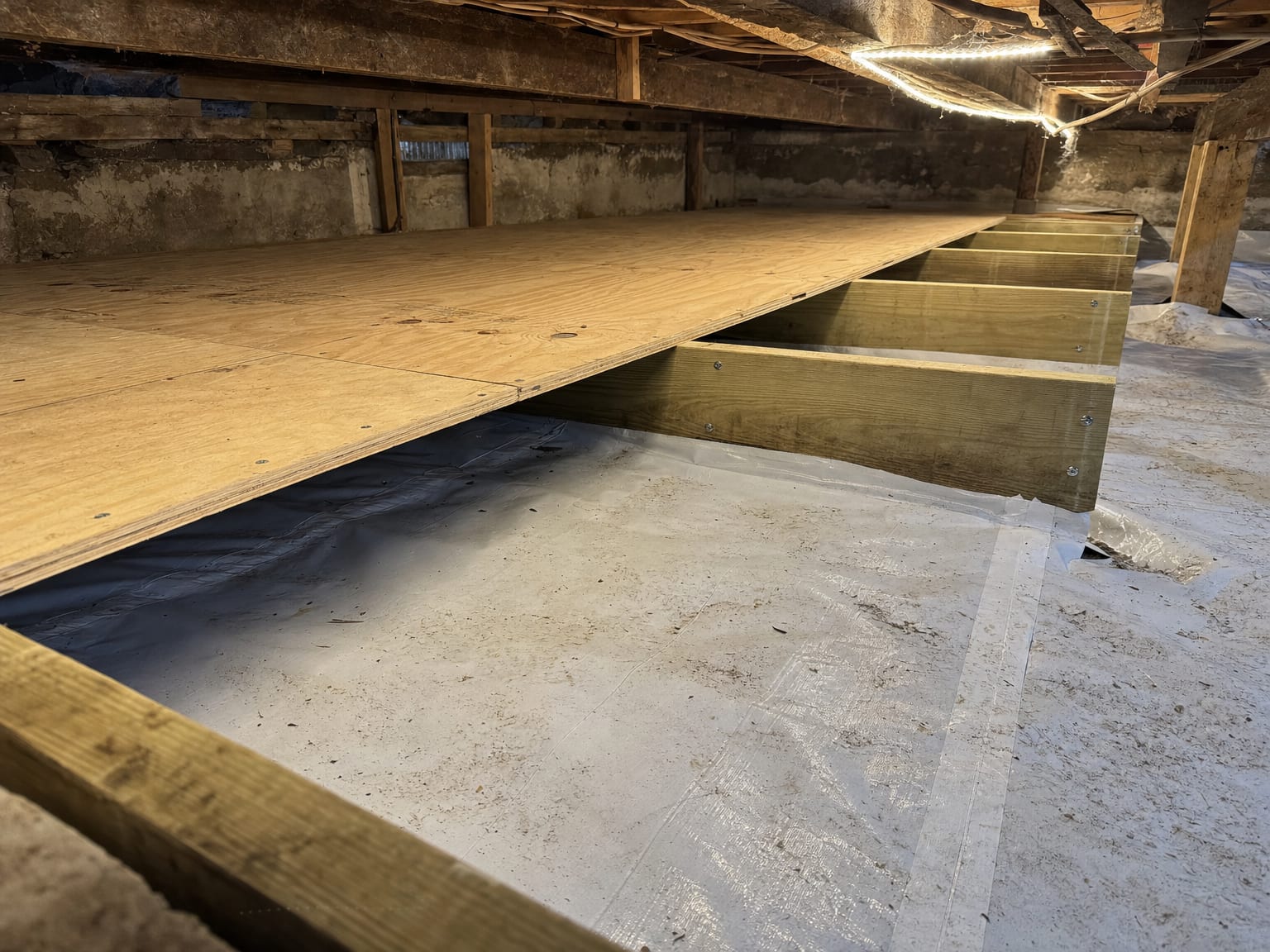
Crawl space moisture and basement flooding frequently saturate floor joists and subfloor panels from below. Soft spots underfoot, bouncy flooring, or visible mold in a crawl space are signs that framing damage may already be underway. ExecPro's crawl space mold remediation and structural repair work together to address both the contamination and the structural consequence.
Wall Framing and Sheathing
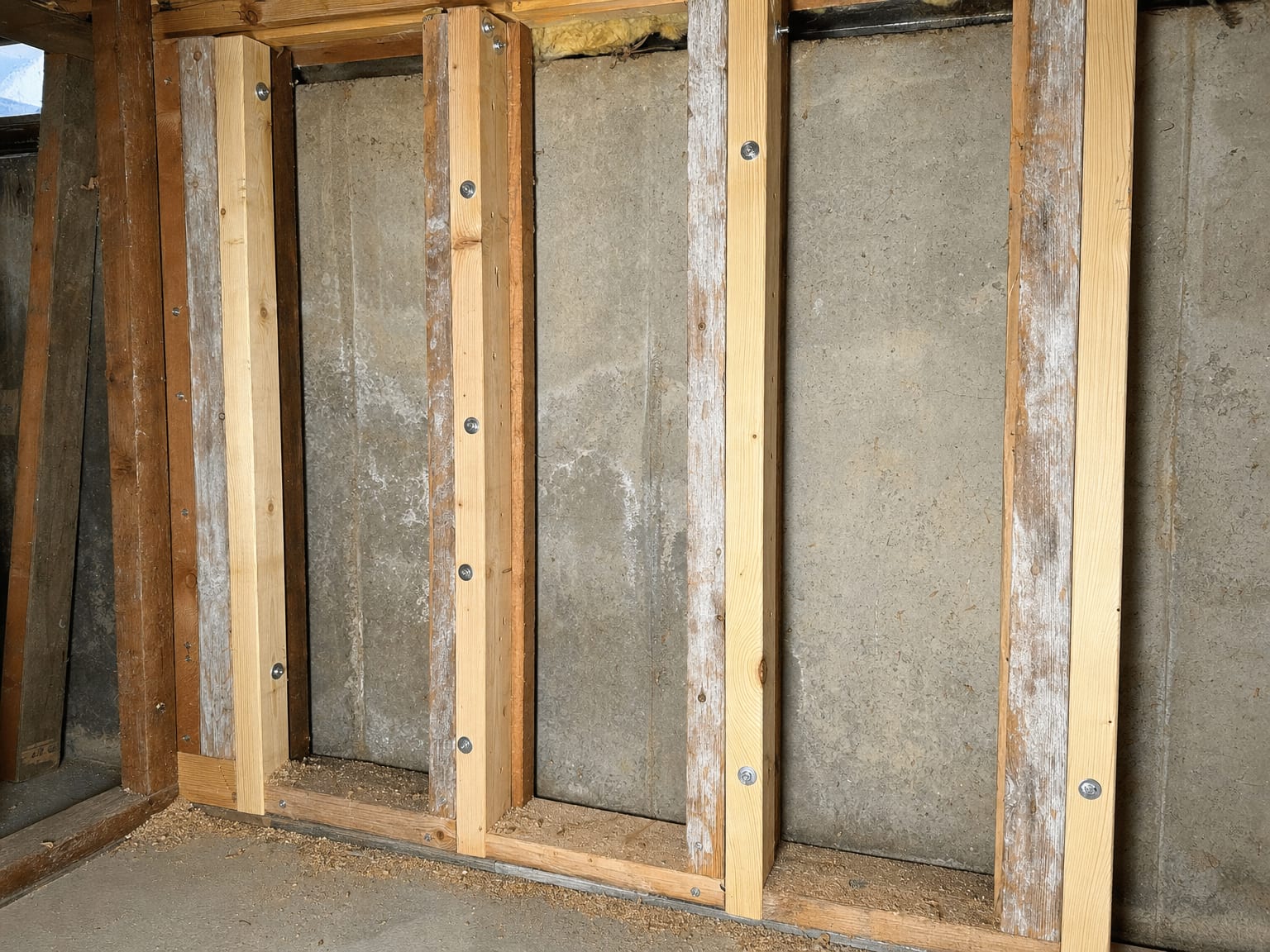
Wall studs and exterior sheathing are vulnerable to leaks from both sides. A slow roof-to-wall transition leak or a plumbing supply line inside the wall cavity can saturate framing for months before it's detected. Targeted stud repair or sheathing replacement restores the wall assembly without unnecessary over-demolition.
Attic Rafters and Roof Sheathing
Attic mold often grows on roof sheathing because of inadequate ventilation or a missing vapor barrier, not just a roof leak. When attic mold remediation reveals compromised sheathing or rafters, structural repair addresses those components directly before any rebuilt insulation or ventilation covers them.
Basement Walls and Rim Joists
Rim joists sit right at the foundation line where exterior moisture meets interior framing. They're among the most commonly mold-damaged structural components in New Jersey basements. Basement mold remediation frequently uncovers rim joist damage that requires both cleaning and partial framing repair.
Ceiling Framing
Upstairs plumbing leaks and roof intrusions can saturate ceiling joists before staining appears on the ceiling surface below. Ceiling mold removal sometimes reveals framing that needs repair or sister-joisting once the contaminated drywall comes down.
Drywall and Interior Assemblies
Drywall itself isn't structural, but it's often the first material removed to access structural damage beneath it. Drywall replacement after mold is a standard part of the repair scope and is coordinated as part of the full rebuild rather than treated as an afterthought.
What Should You Expect from the Documentation?
Documentation is one of the most important parts of any structural mold repair project. Homeowners need it to understand what was done. Insurance adjusters need it to process claims accurately. Real estate buyers and sellers need it to move transactions forward without ambiguity. Property managers need it to protect portfolios.
ExecPro Restoration & Cleaning produces a project record that includes initial moisture readings and thermal images, photos of the affected structural components before and after remediation, a written scope of materials removed and replaced, drying logs where structural drying was required, and post-repair documentation. If post-remediation air or surface testing was completed, those results are included as well.
That level of documentation is the difference between a repair that closes a chapter and one that raises more questions later. When a property sells, when an insurance claim is reviewed, or when a future contractor opens a wall and asks what happened here, a complete project record answers those questions clearly.
How Does Structural Mold Repair Fit with the Rest of the Build-Back Process?
Structural mold repair is one part of a broader post-mold remediation rebuild process. Once the structural components are repaired and verified, the rest of the space can be brought back to its finished condition. That might mean new drywall and paint in a bedroom wall that was opened to replace a rotted stud, new subfloor and finished flooring in a basement that flooded, or full interior restoration after significant water damage worked through multiple building assemblies.
ExecPro Restoration & Cleaning offers the full range of build-back services that follow structural repair, including flooring installation, interior painting, basement finishing, and more. That continuity means the quality and sequencing of the repair work carries through to the finished space, with a single point of contact throughout the project.
For projects that started with water damage rather than discovered mold, the path often runs through water damage restoration and structural drying before structural mold repair begins. ExecPro coordinates those phases as well, so the project moves forward in the right order regardless of where the damage originated.
Why Work with ExecPro Restoration & Cleaning for Structural Mold Repair?
There are contractors who will repair drywall and mold remediation companies who stop at cleaning. ExecPro Restoration & Cleaning handles the full arc of a mold damage project, from identifying the moisture source through completing the structural repair and documenting every step. Licensed and insured, ExecPro serves homeowners, property managers, real estate professionals, and insurance clients across central and southern New Jersey.
Remediation and Repair Under One Roof
You don't need to manage two separate contractors and hope they communicate. ExecPro coordinates mold remediation and structural repair as a single, sequenced project, so nothing is skipped or covered prematurely.
Honest Material Decisions
Not every mold-affected board needs to come out. ExecPro makes case-by-case decisions based on actual moisture levels, structural integrity, and contamination depth, not a default to maximum demolition or minimum cost.
Moisture-Resistant Rebuild Choices
When materials go back in, ExecPro uses moisture-resistant options where they make sense, including appropriate insulation, low-VOC paints and finishes, and proper ventilation details that reduce the conditions that allowed mold to grow in the first place.
Real Estate and Insurance Ready
Project documentation is prepared with the needs of real estate transactions, insurance claims, and property management records in mind. Insurance restoration services are available for projects involving covered losses.
Serving Communities Across the Region
ExecPro Restoration & Cleaning serves homeowners and property managers throughout central and southern New Jersey, including Princeton, Hamilton, Trenton, New Brunswick, Freehold, Cherry Hill, Lakewood, and dozens of surrounding communities.
Frequently Asked Questions About Structural Mold Repair
These questions cover the practical details homeowners and property managers most often ask when facing structural mold damage.
It depends on the scope of work. Localized framing repair or drywall replacement in a finished space may not require a permit, but structural changes, framing that affects load paths, or work that touches plumbing, electrical, or HVAC systems typically does require permits through New Jersey's local construction code process. ExecPro Restoration & Cleaning identifies permit requirements as part of the project scope before work begins and coordinates with licensed trades when the work demands it.