VOC Testing for Homes and Commercial Spaces in New Jersey
Chemical odors from paint, flooring, adhesives, or building materials are worth investigating. ExecPro Restoration & Cleaning provides professional VOC testing that identifies what's in your air and tells you what to do about it.
What Is VOC Testing and What Do You Get?
VOC testing measures volatile organic compounds in your indoor air, chemicals that off-gas from paint, flooring, adhesives, cabinets, pressed wood, cleaning products, sealants, and dozens of other common building and household materials. When ExecPro Restoration & Cleaning performs VOC testing at your property, you get a documented assessment of what compounds are present in the air, which sources are most likely responsible, what ventilation conditions are contributing to the problem, and a set of practical next steps you can act on. The process typically includes an on-site inspection, a review of recent product use and renovation history, and laboratory sampling by an accredited lab when specific compound identification is needed.
Most people who call about VOC concerns don't describe them as a VOC problem. They say there's a chemical smell they can't shake, a new-house odor that's been lingering for weeks, a paint smell that never quite went away, or a solvent-type odor they noticed after a renovation. That's exactly the kind of concern VOC testing is designed to address. You don't need to know the technical name for what you're dealing with to ask for help.
When Should You Ask for VOC Testing?
Not every situation calls for VOC testing, and part of what ExecPro Restoration & Cleaning does well is help you figure out whether it makes sense for your specific situation. That said, there are scenarios where it tends to be genuinely useful.
Post-renovation odors are one of the most common reasons homeowners reach out. New paint, flooring, cabinets, adhesives, and even new furniture all off-gas VOCs at different rates. The smell often peaks in the first days or weeks after installation and then fades, but in poorly ventilated spaces it can persist much longer than most people expect. If you've finished a renovation and something still doesn't smell right, that's a reasonable trigger for a professional assessment.
VOC testing also makes sense after mold remediation or water damage restoration work, where paints, primers, disinfectants, sealants, and flooring products are often applied in a short period. It can help you separate a chemical odor concern from a remaining mold or moisture concern, which is useful when you're trying to determine whether the work is actually done.
Real estate transactions are another common driver. Buyers who notice an unusual odor during a showing, or sellers who want to address an air quality concern before listing, can use VOC testing as part of a broader pre-purchase mold inspection or property evaluation. Documentation of indoor air conditions can clarify concerns and support a smoother transaction.
Persistent unexplained odors in older homes, spaces with significant stored chemicals or fuel sources, or commercial properties after major build-outs are also reasonable candidates. When something seems off and you can't identify the source on your own, a professional assessment is a practical next step.
How VOC Testing Works at ExecPro Restoration & Cleaning
Our approach to VOC testing follows a source-focused process, not a test-everything approach. Each step is designed to connect what we find to what it means for your property.
Document the Complaint
Before any equipment comes out, we sit down with you and document what you're experiencing. When did the odor start? Where is it strongest? What renovations or product changes happened recently? Are there any occupant symptoms or concerns? This conversation shapes everything that follows and helps us prioritize the most likely sources.
Inspect Likely Sources
We walk through the space and look at the most common VOC sources: paint, stains, adhesives, flooring, pressed wood products, cabinetry, cleaning chemicals, air fresheners, solvents, stored fuels, pesticides, combustion appliances, and any recent restoration or construction materials. Visual inspection often tells us a great deal before any sampling happens.
Evaluate Ventilation and Conditions
VOC concentrations can shift significantly based on temperature, humidity, how long windows have been closed, how recently products were applied, and how the HVAC system is operating. We note all of these conditions because they affect how to interpret any readings we take and what recommendations make sense for your space.
Choose the Right Sampling Method
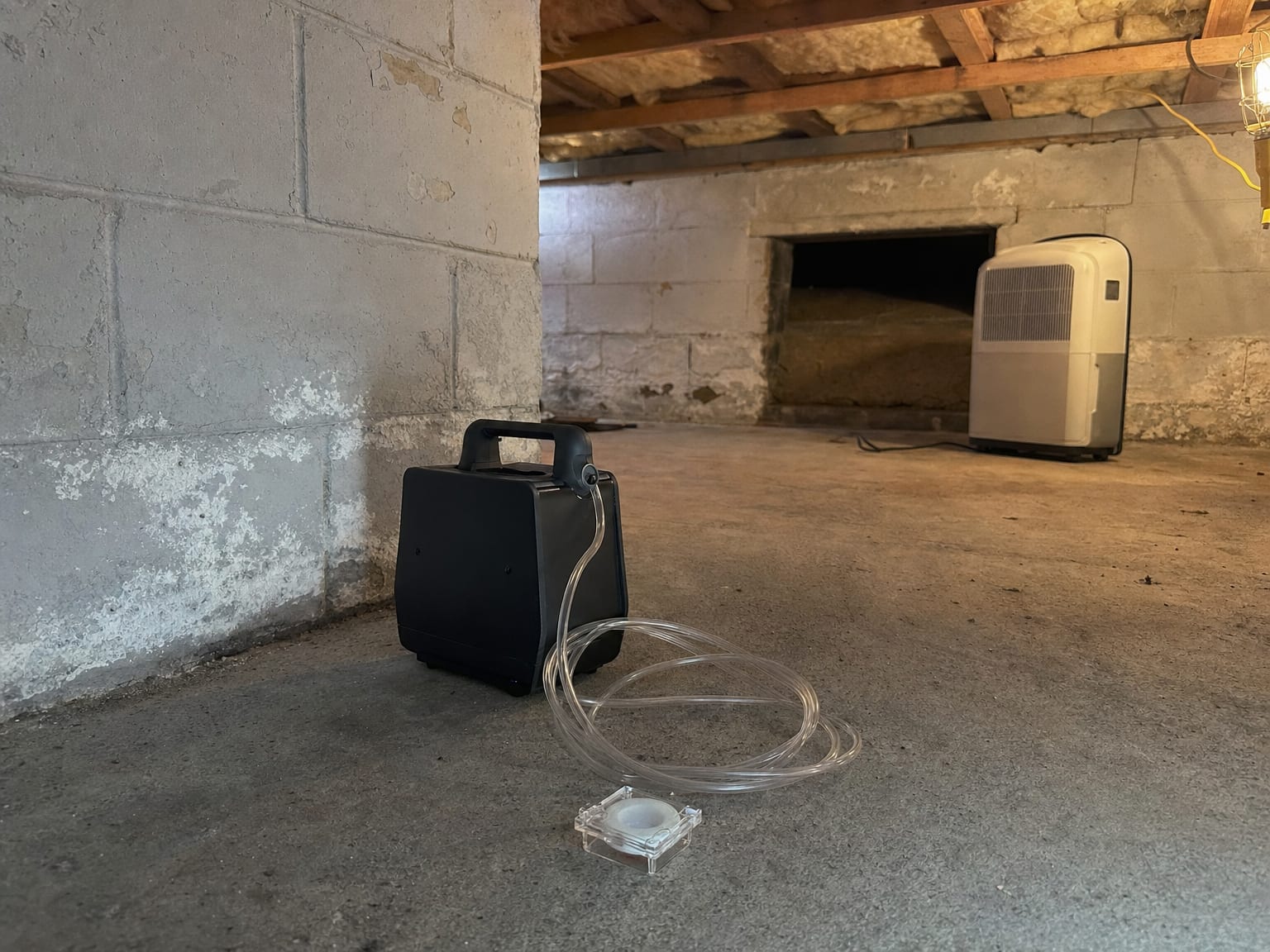
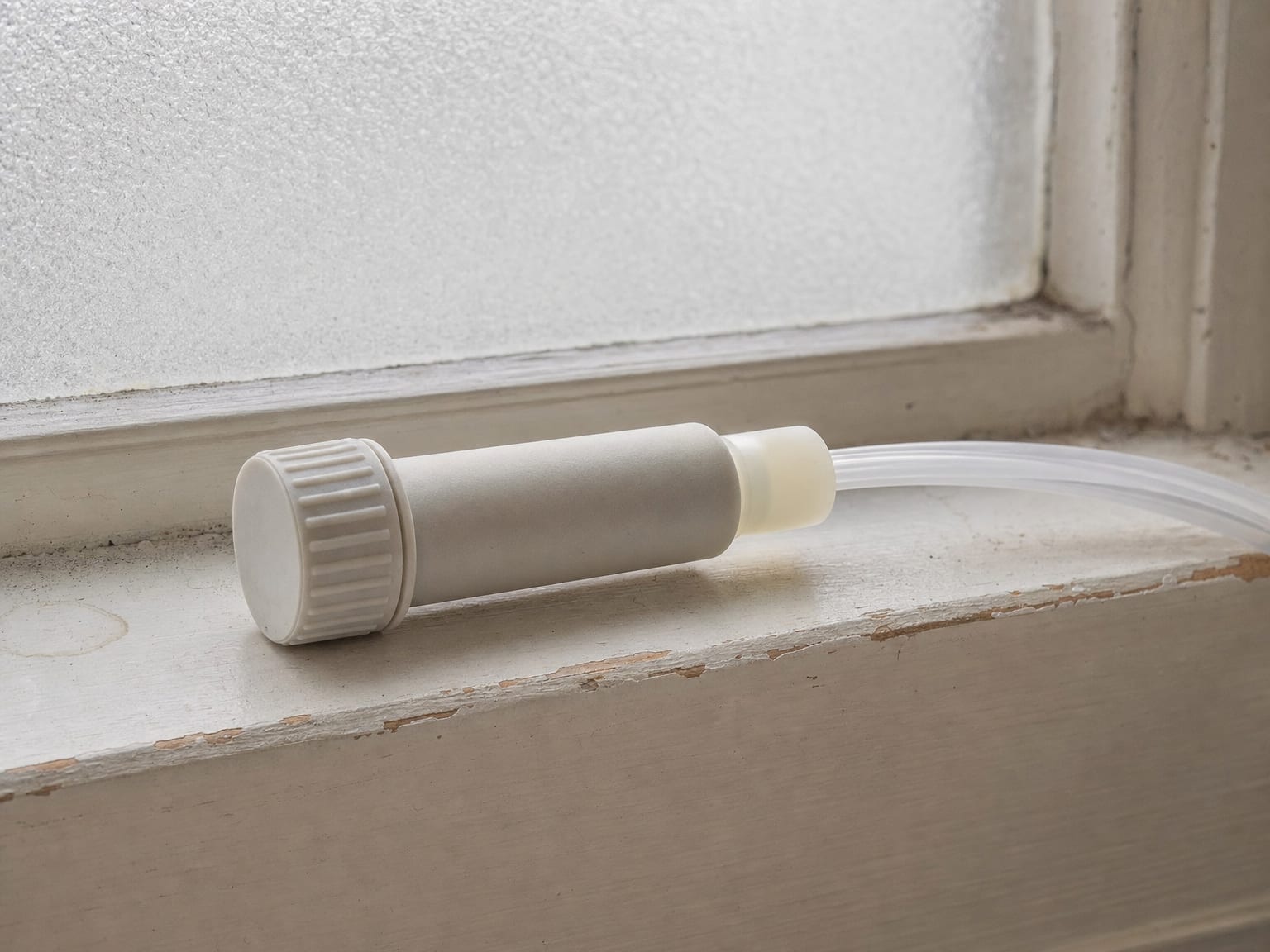
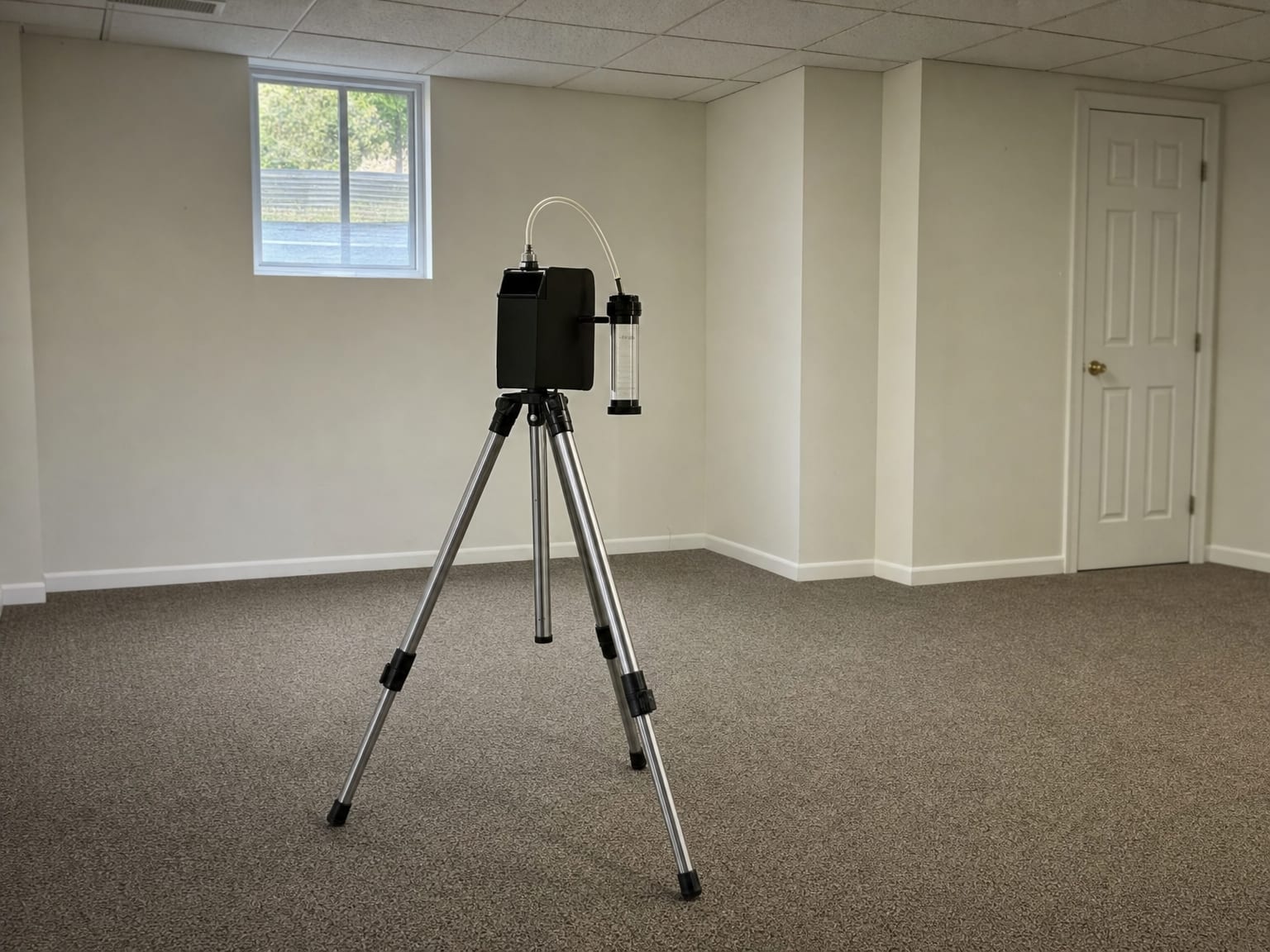
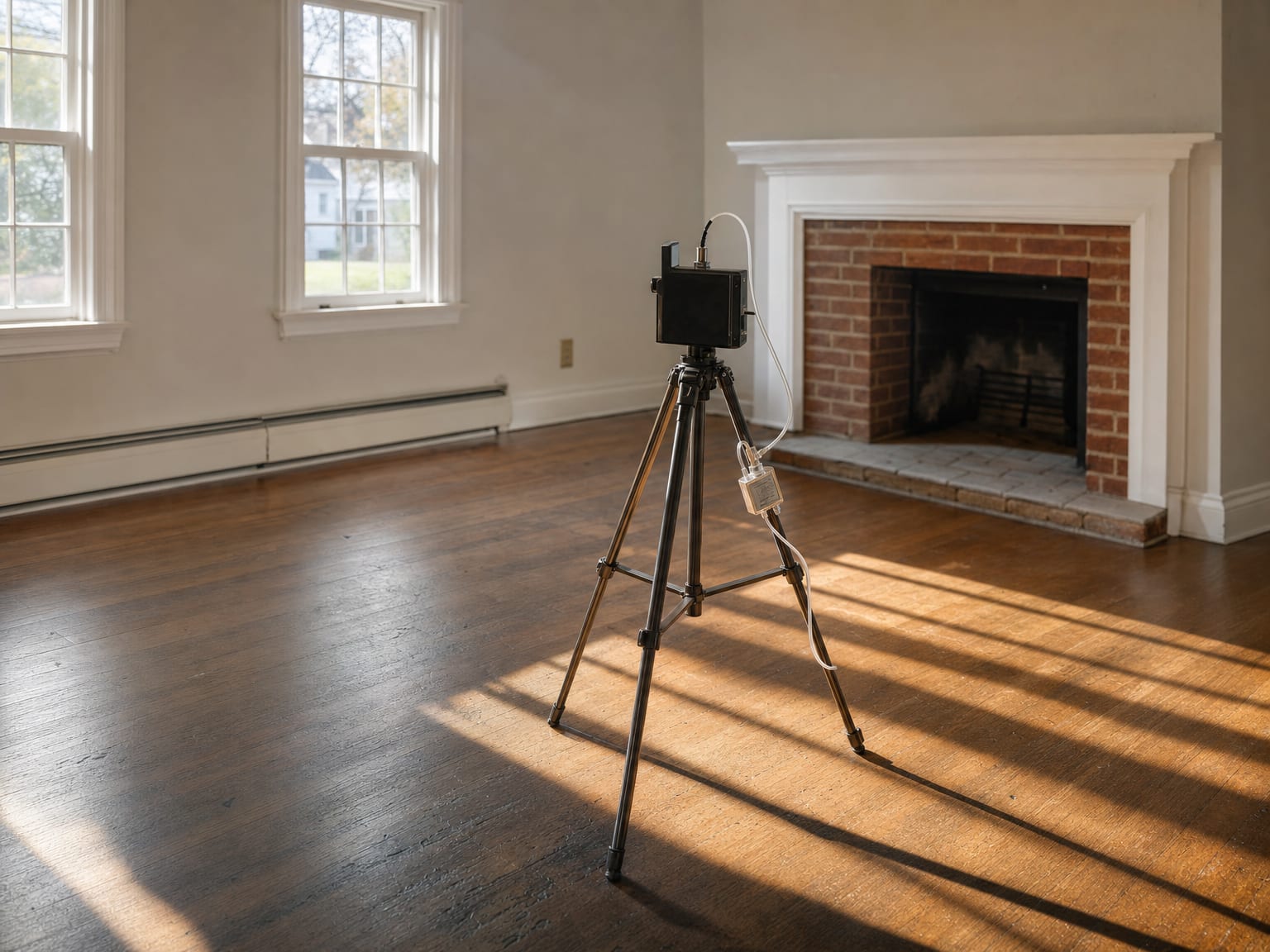
Screening instruments can detect elevated total VOC levels and help identify where concentrations are highest. When a specific compound needs to be identified, or when documentation is required for real estate or insurance purposes, we use lab-based sampling with analysis by an accredited laboratory. The right method depends on what question you actually need answered.
Deliver a Report with Practical Recommendations
Our report connects what we found to what you should do. That might mean better ventilation, removing or replacing a product, sealing off a source, changing cleaning practices, or simply letting time and airflow do the work. Results connect directly to recommended actions, and if you need to share the report with a real estate agent, insurance adjuster, or contractor, it's written to communicate clearly to all of them.
What VOC Testing Can and Cannot Tell You
VOC testing can tell you which chemical compounds are present in your indoor air at the time of sampling, whether those levels are elevated compared to typical outdoor or background concentrations, and which sources in the space are most likely contributing. A good assessment also tells you what to do about it, whether that's source removal, ventilation improvement, sealing, product substitution, or waiting out the off-gassing period as materials cure.
What VOC testing cannot do is serve as a comprehensive health guarantee. VOC levels can shift throughout the day based on temperature, humidity, and activity in the space. A single test is a snapshot, not a continuous monitor. Identifying indoor environmental conditions is also different from making medical conclusions. If you have health concerns related to indoor air exposure, those belong in a conversation with your physician, not your remediation company.
The distinction between low-VOC and no-VOC is worth understanding. Many homeowners have heard that low-VOC paint and flooring are safer choices, and in general that's true. But low-VOC doesn't mean zero emissions, and it doesn't mean no odor. Some products that carry a low-VOC label still off-gas enough to produce a noticeable smell, especially in enclosed spaces with limited ventilation. If you used low-VOC materials and still notice an odor, that doesn't mean the products are defective. It means the situation may benefit from testing and source evaluation.
VOC testing is also not a substitute for mold inspection, radon testing, lead assessment, or carbon monoxide safety checks. These are separate concerns that require separate methods and, in some cases, different credentials. If you're not sure which type of assessment your situation calls for, our indoor air quality testing overview can help you figure out where to start.

VOC Testing as Part of a Broader Indoor Air Quality Assessment
Most people don't call specifically asking for VOC testing. They ask for help with an odor they can't identify, an air quality concern they can't shake, or a post-renovation issue they want resolved. That's why ExecPro Restoration & Cleaning treats VOC testing as one part of a broader air quality evaluation rather than a completely isolated service.
When you contact us about an air quality concern, we help you figure out which type of assessment actually matches your situation. If the concern is biological, mold sampling and inspection are the right tools. If the concern is allergen-related, allergen testing may be more relevant. If the concern is chemical or off-gassing in nature, VOC testing fits. In many cases, a single visit can cover multiple concerns under a coordinated residential air quality testing assessment.
This matters practically because it keeps costs reasonable and avoids redundant testing. A homeowner who notices both a musty smell and a chemical odor after a renovation doesn't need two completely separate service calls. We can assess both concerns together, connect the findings, and give you one coherent picture of what's happening in your home.
After mold remediation work specifically, a combined assessment is often the clearest path to closure. Post-remediation verification confirms that mold levels are back to normal, and VOC testing can separately address any chemical odors from the sealants, primers, or flooring products applied during the rebuild. Together, those two services give you documentation that the job is done and the air is clear.
Why Property Owners in New Jersey Choose ExecPro Restoration & Cleaning
ExecPro Restoration & Cleaning is a licensed and insured remediation and air quality company serving residential and commercial properties across central and northern New Jersey. Here's what sets our approach apart from a generic testing service.
Source-Focused, Not Just Number-Focused
A VOC reading without context is just a number. Our assessments are built around identifying sources, understanding conditions, and giving you recommendations that actually change the situation. You're not paying for a report that raises more questions than it answers.
Restoration Background Makes a Difference
Because ExecPro Restoration & Cleaning also handles mold remediation, water damage restoration, and build-back work, our technicians understand the chemical products used in these processes. That knowledge is genuinely useful when evaluating post-restoration odors that might come from sealants, adhesives, or flooring rather than remaining mold.
Accredited Lab Analysis When It Matters
When your situation calls for specific compound identification, documentation for a real estate transaction, or a complex source investigation, we use lab-based sampling sent to accredited laboratories. That's a higher standard than a consumer monitor or a basic screening tool.
Wide Service Coverage Across New Jersey
ExecPro Restoration & Cleaning serves communities from Princeton Junction and Hamilton in the west to Holmdel and Red Bank on the shore, and north through Bridgewater, Basking Ridge, and Summit. If you're in central or northern New Jersey and have an air quality concern, we can get there.
VOC Testing for Real Estate Transactions
Chemical odors discovered during a real estate transaction can stall a deal quickly. A buyer who notices a strong smell during a showing, or an inspector who flags an air quality concern in a report, creates uncertainty that's hard to resolve without professional documentation.
Sellers can get ahead of this by scheduling a VOC assessment before listing, particularly if the home has been recently renovated, painted, or had flooring or cabinetry installed. Having a clean report in hand, or having addressed a known concern before it comes up in negotiation, is a practical advantage.
Buyers who encounter an odor concern can use VOC testing as part of their inspection contingency process. The results give them a clear picture of what's present, what the likely source is, and what remediation or ventilation steps would resolve it. That information supports better negotiation than an unanswered question about what the smell actually is.
ExecPro Restoration & Cleaning works with real estate agents, buyers, and sellers across New Jersey as part of our real estate inspection services. If you're managing a transaction with an air quality concern, reach out early. Most assessments can be scheduled and completed quickly enough to meet standard inspection timelines.
Frequently Asked Questions About VOC Testing
A standard home inspection is a visual assessment of the property's systems and structure. VOC testing specifically measures chemical compounds in the indoor air using sampling equipment or instruments. A home inspector might note an unusual odor in their report, but they're not equipped to identify what compounds are present or where they're coming from. A professional VOC assessment fills that gap with actual air sampling, source investigation, and documented results.
Schedule VOC Testing for Your New Jersey Property
Call (888) 300-3772 or email hello@execprorc.com to schedule your VOC testing assessment.