Residential Mold Testing in New Jersey
Air sampling, surface sampling, and moisture diagnostics that tell you what's actually in your home, where it's coming from, and what to do next. ExecPro Restoration & Cleaning serves homeowners across central and northern New Jersey.
What Is Residential Mold Testing and What Do You Get?
Residential mold testing is a structured environmental assessment that collects air samples, surface samples, or both from inside your home and sends them to an accredited laboratory for analysis. The results identify which mold species are present, at what concentrations, and how indoor conditions compare to an outdoor control sample. At ExecPro Restoration & Cleaning, every mold testing service is paired with a visual inspection and moisture readings so that lab data is interpreted in context, not in isolation.
What you actually get is a written report documenting sample locations, laboratory findings, moisture conditions, photos, and plain-language next steps. That report can support remediation decisions, real estate negotiations, insurance documentation, or simple peace of mind when you've been smelling something you can't find.
One thing worth stating upfront: the EPA says mold sampling is usually unnecessary when visible mold growth is already present. In that case, the priority is identifying the moisture source and beginning mold remediation rather than spending time and money confirming what's already visible. Testing earns its place when mold is suspected but not yet found, when a real estate transaction needs documentation, or when post-remediation verification is required before a space is reoccupied.
When Does Residential Mold Testing Actually Make Sense?
Not every mold concern calls for lab testing, and a provider who recommends it in every situation isn't doing you any favors. The situations where testing genuinely earns its place tend to fall into a few clear categories.
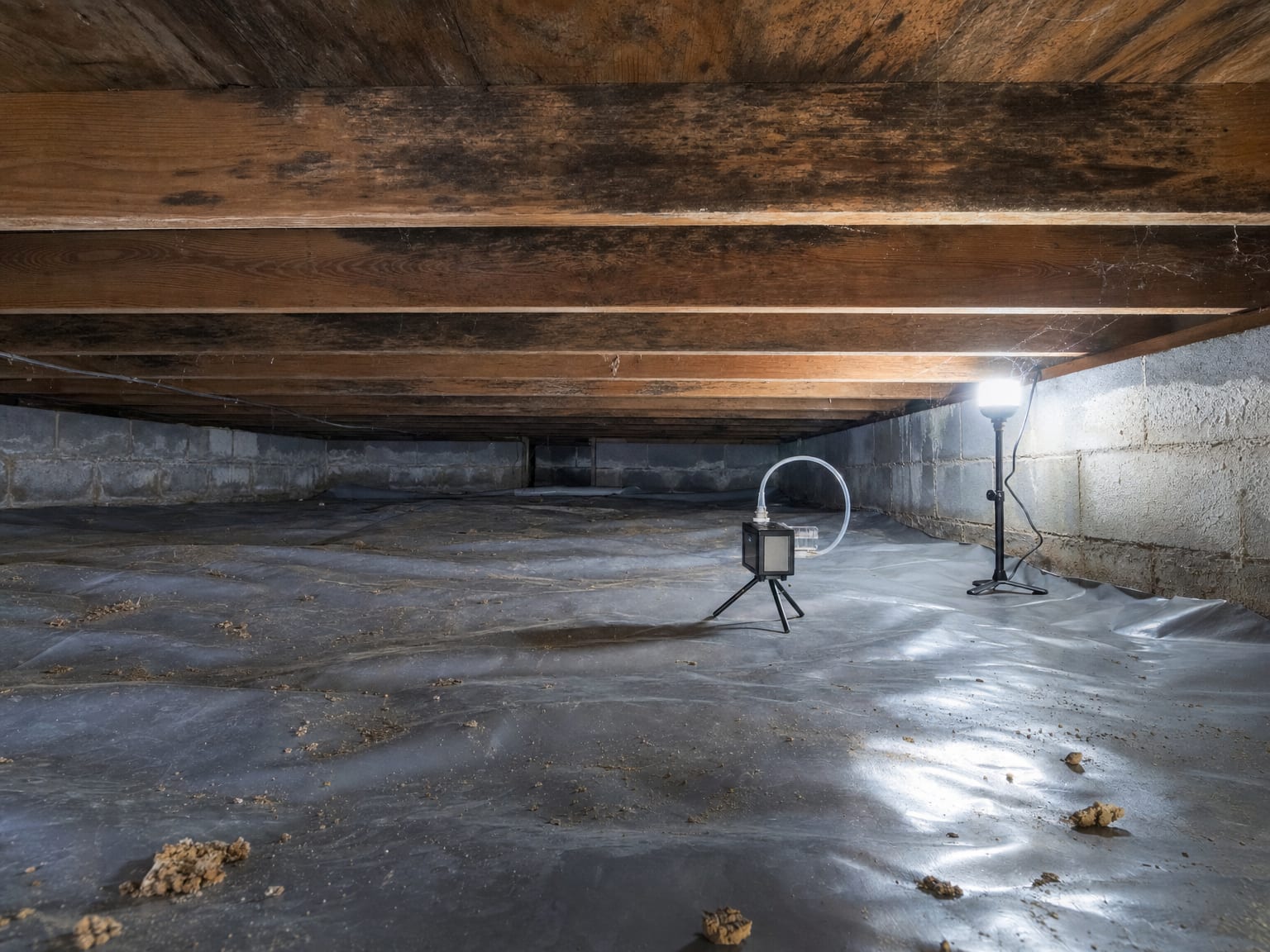
You smell mold but can't find it. That musty, earthy odor coming from a basement, crawl space, or HVAC system is one of the most common reasons homeowners call. Air sampling can confirm elevated spore concentrations in a space even when no visible growth has been located, giving you a defensible reason to open walls or investigate further rather than guessing.
You're buying or selling a home. Real estate transactions increasingly involve mold testing as a due diligence step, whether a buyer wants inspection contingency documentation, a seller is preparing to disclose, or both parties need a clear picture before closing. ExecPro Restoration & Cleaning works with agents and homeowners through real estate inspection services that include the documentation professionals need to move a transaction forward with confidence.
You've had prior water damage. A basement flood, a burst pipe, a roof leak that went unnoticed for a season, any of these creates the moisture conditions mold needs to establish. Testing after water damage gives you baseline data on current air quality and surfaces before you decide on next steps.
You need post-remediation verification. When a remediation project is complete, testing can document that affected areas have returned to normal conditions. This is particularly useful for insurance claims, contractor closeouts, or properties being returned to occupancy. That process is called post-remediation verification, and it's a distinct step from the initial testing that drove the remediation decision.
You have occupant health concerns or sensitive individuals in the household. Mold testing cannot diagnose medical conditions and results should never be interpreted as a health assessment, but testing can document environmental conditions when occupants are experiencing chronic respiratory symptoms, allergic responses, or persistent odor complaints that a physician may want to evaluate alongside environmental data.
How Residential Mold Testing Works at ExecPro
Every mold testing engagement follows a consistent process designed to produce results that are actually useful, not just a report that leaves you wondering what to do next.
Initial Consultation and History Review
Before anyone arrives at your home, the ExecPro Restoration & Cleaning team gathers information about your concern, any prior water damage, odor history, HVAC system layout, and areas of visible concern. This context shapes where samples are collected and which sample types make sense for your situation. A well-planned assessment produces better data than a generic one.
Visual Inspection and Moisture Diagnostics
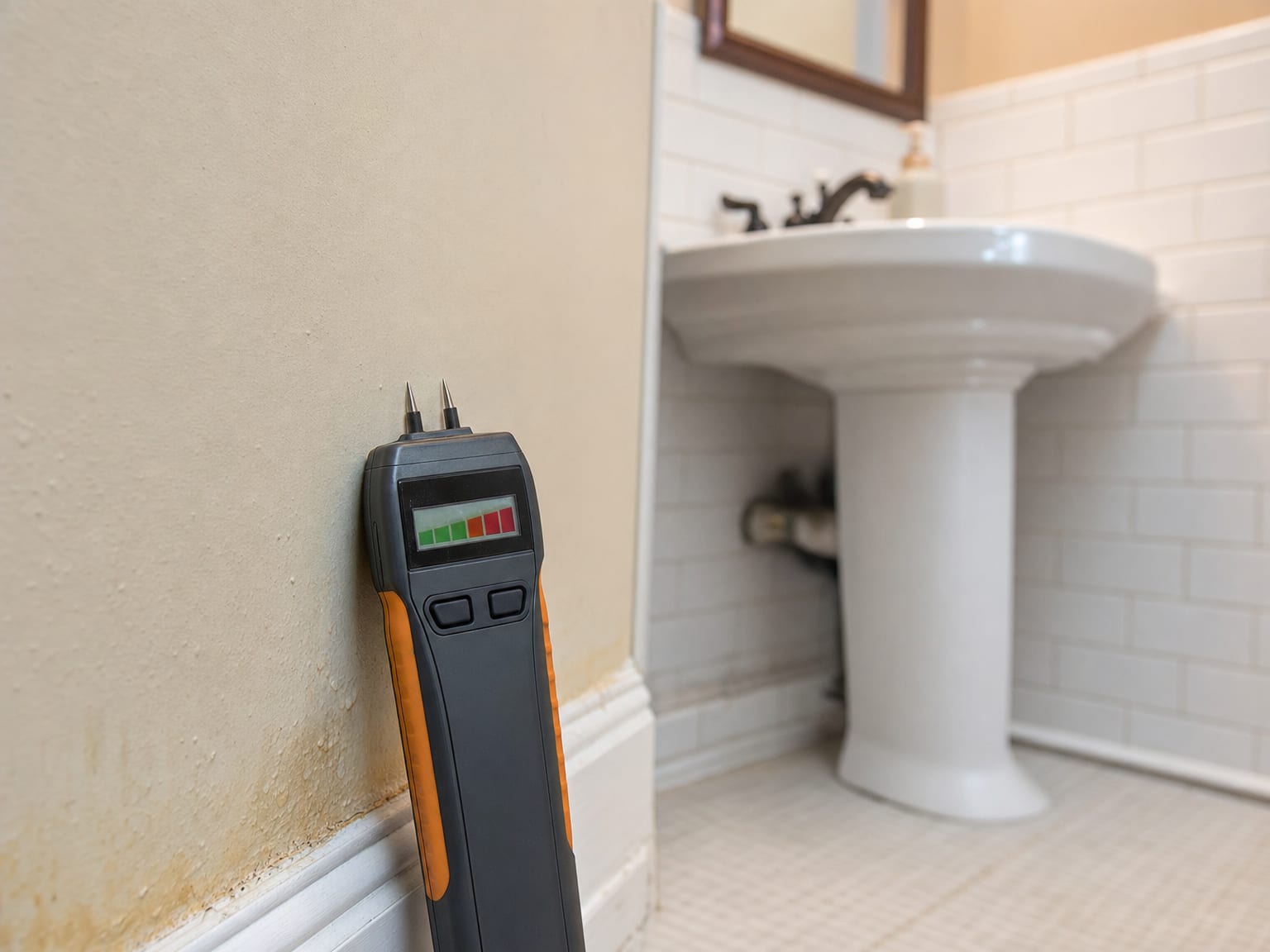
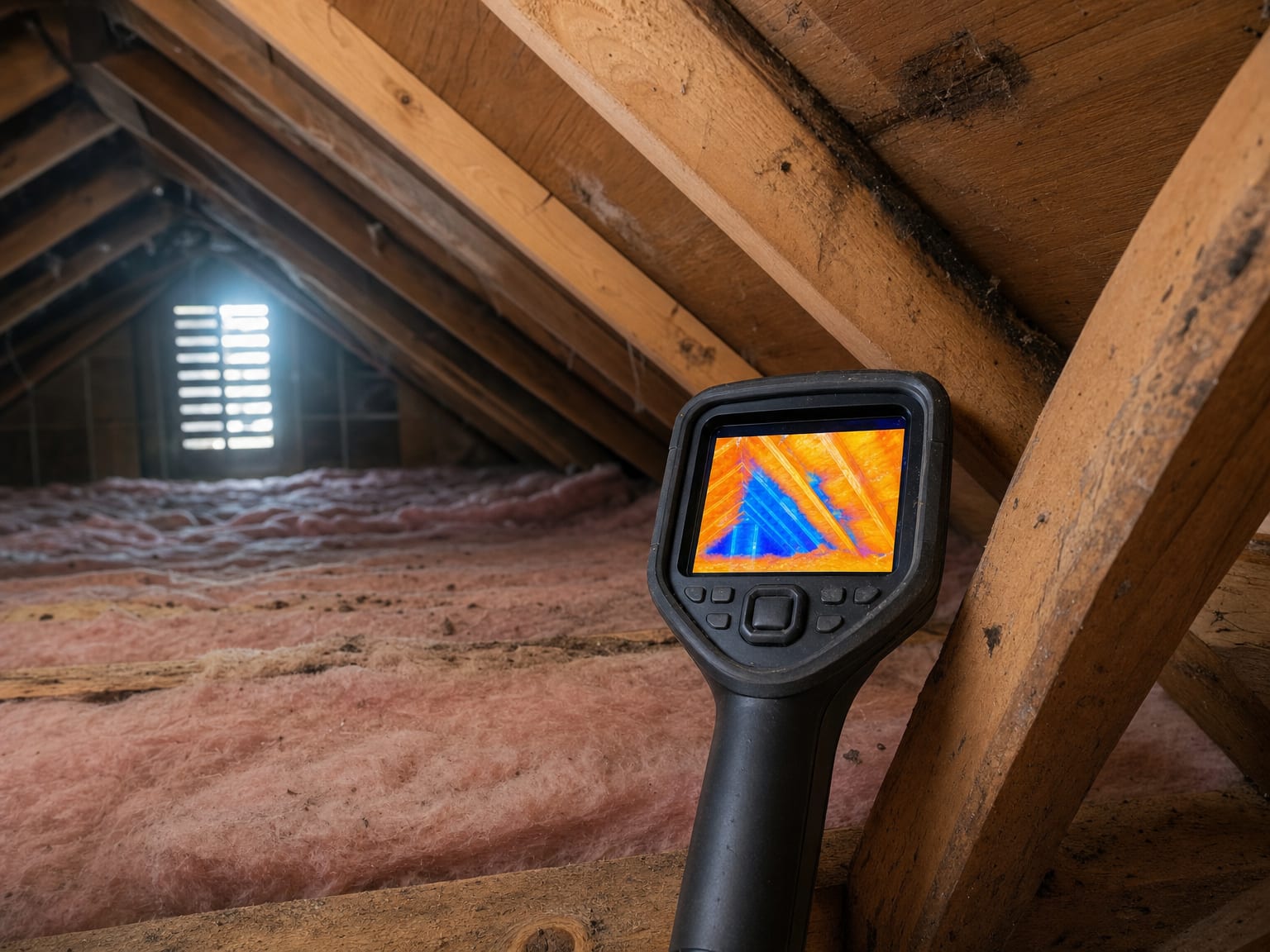
The on-site visit begins with a thorough visual assessment of the areas in question. Technicians use moisture meters and hygrometers to document moisture conditions in walls, floors, and ceilings. Thermal imaging support may be used to identify hidden moisture behind surfaces. This step informs the sampling plan and helps make sure samples are collected where they're most likely to answer the question you're asking.
Sample Collection
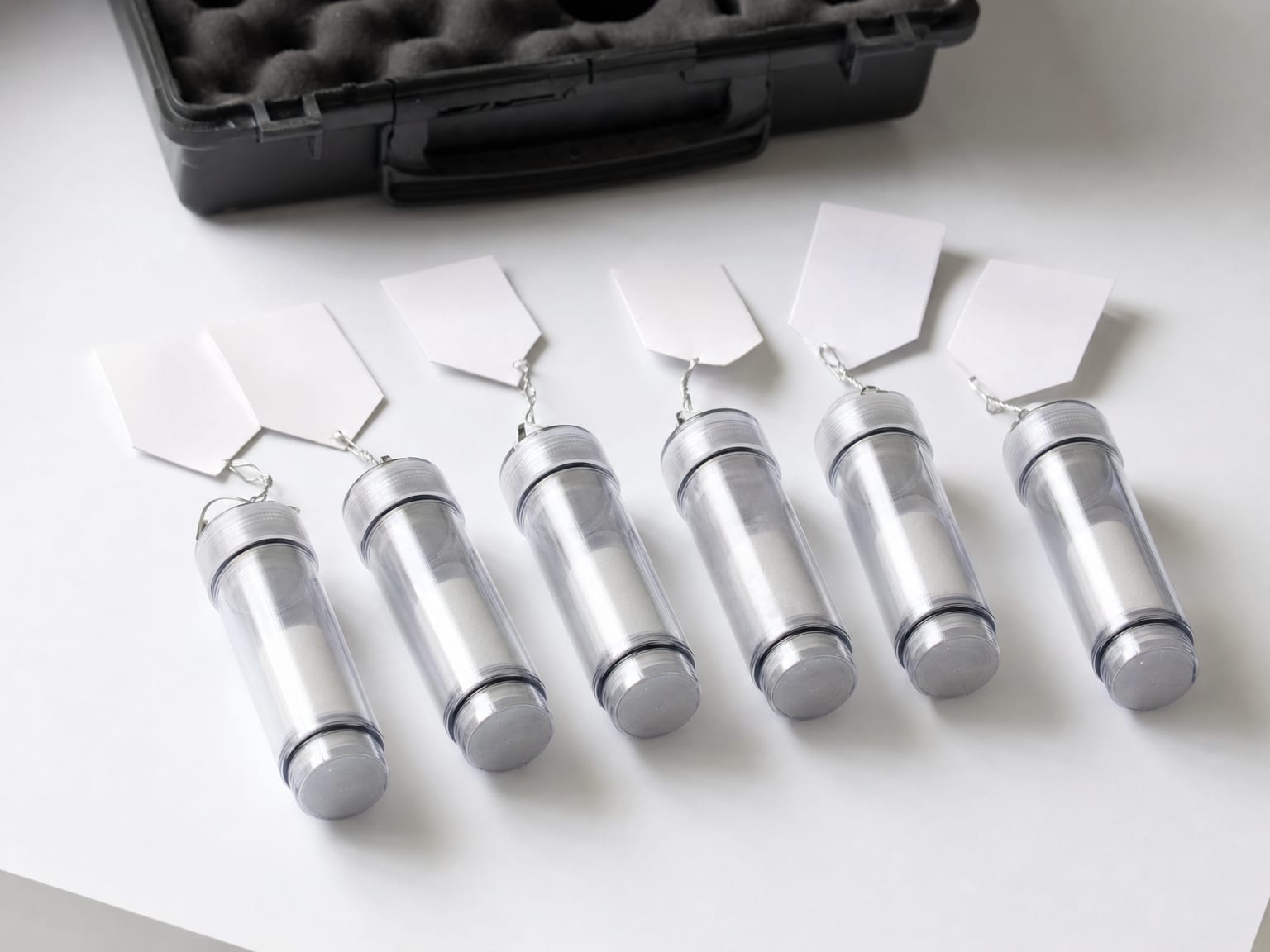
Depending on the situation, your testing may include air samples collected from affected rooms, unaffected comparison areas inside the home, and an outdoor control sample; surface samples via tape lift or swab from suspect materials; or bulk material samples from drywall, insulation, or flooring where visible growth is present. Each sample is labeled, documented, and handled following proper chain-of-custody procedures before being submitted to a qualified laboratory.
Laboratory Analysis
Samples are submitted to an accredited laboratory for identification and quantification of mold species present. Lab turnaround expectations are set before the assessment begins so that homeowners, agents, and property managers can plan accordingly. ExecPro Restoration & Cleaning takes real estate timelines seriously and communicates directly about when results will be available.
Report Delivery and Interpretation
Your written report documents sample locations, photos, moisture readings, lab findings, and limitations, along with a plain-English interpretation of what the results mean. Context matters most at this stage. An outdoor comparison sample showing higher spore counts than indoors tells a very different story than the reverse. The report concludes with specific recommended next steps, whether that's remediation, source correction, further investigation, or confirmation that no immediate action is required.
Next Steps Coordination
Testing without a clear path forward isn't a finished job. If findings indicate mold growth or elevated concentrations tied to a moisture source, ExecPro Restoration & Cleaning can coordinate the appropriate next steps through residential mold remediation, source correction, or further inspection. You're not handed a report and left to figure it out.
What Types of Samples Are Collected and Why Does It Matter?
The type of sample collected shapes what the lab can tell you, and not every method answers every question. Choosing the right approach is part of what separates a useful mold test from a generic one.
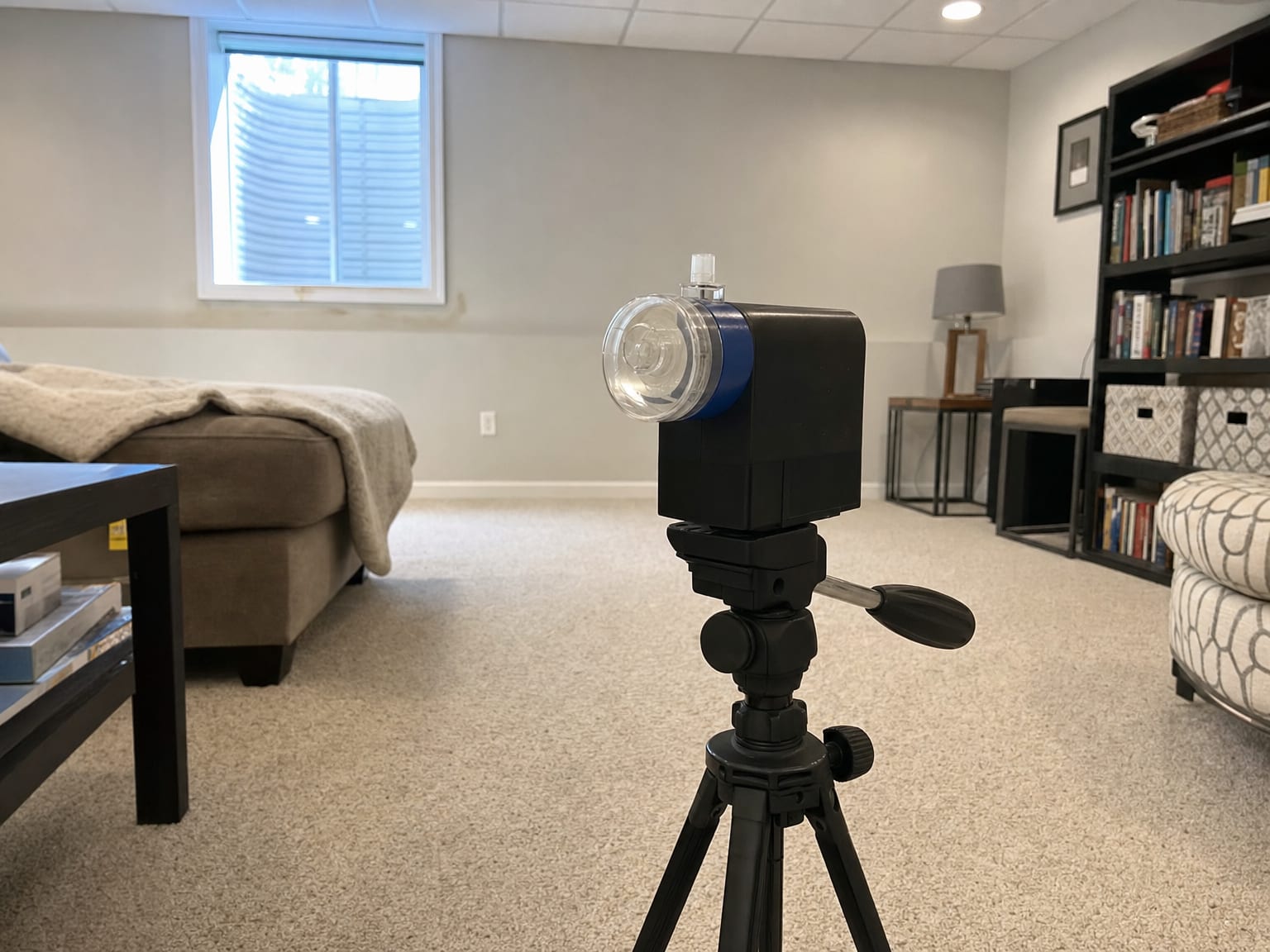
Air samples, typically collected using a spore trap cassette and an air pump, capture airborne spore concentrations in a given room over a short collection period. They're useful for comparing affected areas to unaffected rooms and to outdoor baseline conditions. An outdoor control sample is collected at the same time because outdoor spore levels change with the season and the weather, and those fluctuations directly affect what indoor readings mean.
Surface samples, collected by tape lift or sterile swab, identify what species are growing on a specific material rather than floating in the air. They're often used when there's visible discoloration that hasn't been confirmed as mold, when species identification is needed to guide remediation decisions, or when a particular surface type is a concern, such as an HVAC component, a ceiling tile, or a section of basement drywall.
Bulk samples involve collecting a small piece of suspect material, such as a section of drywall or insulation, and sending it to the lab. This method provides the most direct identification of what's growing on or in a given building material, and it's particularly relevant when remediation scope decisions depend on confirming contamination in a specific substrate.
The right mix of sample types depends on where you are in the process, what question you're trying to answer, and what the findings will be used for. A pre-purchase inspection may call for a different approach than a post-remediation verification or a hidden mold investigation. ExecPro Restoration & Cleaning plans the sampling approach to your situation before the first sample is collected.
What Mold Testing Cannot Tell You
Mold testing is a useful diagnostic tool, but it has real boundaries that any responsible provider will explain before you decide to proceed.
There are no federal exposure limits for mold or mold spores. The EPA is direct on this point: no regulatory agency in the United States has established acceptable or unacceptable spore count thresholds. That means a mold test cannot produce a simple pass or fail conclusion based on spore numbers alone. Results are interpreted relative to outdoor conditions, the species identified, moisture conditions, and the specific concern being investigated.
Mold testing is not a medical assessment. If you or someone in your household is experiencing health symptoms, a healthcare provider is the appropriate professional to consult. A mold test can document environmental conditions that a physician may find relevant, but it cannot diagnose illness, determine causation, or predict health outcomes.
Testing also cannot find mold it wasn't positioned to sample. Air samples capture what's airborne during the collection period. If a mold colony is contained behind a wall and not actively releasing spores into the air at that moment, an air sample may not reflect its presence. This is one reason why visual inspection, moisture diagnostics, and an honest discussion of limitations are part of every ExecPro Restoration & Cleaning assessment.
The goal is to give you accurate, useful information, not to validate a predetermined conclusion. If testing is unlikely to answer your specific question, you'll hear that before anything is collected.

Why NJ Homeowners Choose ExecPro Restoration & Cleaning for Mold Testing
Testing is only as useful as the knowledge behind it. Here's what separates an ExecPro Restoration & Cleaning mold test from a generic environmental inspection.
Inspection Paired with Every Test
Air samples collected without a visual assessment, moisture readings, and odor history rarely tell the full story. Every residential mold test at ExecPro Restoration & Cleaning includes inspection and moisture diagnostics as part of the same engagement, so lab results are interpreted with the full picture in front of us.
Reports Written for Real People
Your report documents sample locations, lab findings, photos, moisture data, limitations, and specific next steps in language that doesn't require a microbiology degree to read. Whether you're a homeowner, a real estate agent, or an insurance adjuster, the report is immediately useful.
Sample Planning Tied to Your Specific Question
There's no one-size-fits-all mold test. The number of samples, sample types, and collection locations are planned around what you're trying to find out, whether that's hidden mold, a real estate disclosure, post-remediation confirmation, or occupant concern documentation.
Licensed and Insured
ExecPro Restoration & Cleaning is licensed and insured, serving residential properties across central and northern New Jersey with the credentials and coverage property owners and real estate professionals require.
Clear Next Steps Every Time
A test result without a recommended path forward is an incomplete service. Every ExecPro Restoration & Cleaning report concludes with specific recommendations, whether remediation is needed, a moisture source requires correction, further investigation is warranted, or conditions are within normal range.
Connected to Full Restoration Capabilities
Because ExecPro Restoration & Cleaning handles mold remediation, water damage restoration, and build-back services, testing findings can be followed by coordinated action rather than a referral to another contractor you have to vet on your own. From testing through post-mold remediation rebuild, the same team stays involved.
Mold Testing for Real Estate Transactions
Real estate is one of the most time-sensitive environments for mold testing, and ExecPro Restoration & Cleaning works with buyers, sellers, and agents across New Jersey who need clear documentation and fast turnaround.
Buyers often request testing after a home inspector notes a musty odor, visible discoloration, prior water damage disclosure, or moisture-related findings in an inspection report. A targeted mold test before closing gives buyers defensible data to negotiate repairs, request price adjustments, or make an informed decision about whether to proceed.
Sellers benefit from pre-listing testing when there's any history of water intrusion, basement moisture, or prior mold concerns. Getting ahead of the issue with a clean report, or knowing the scope of a problem before buyers discover it, removes a major source of transaction uncertainty. A pre-purchase mold inspection can be scheduled before a property ever hits the market.
Agents who regularly work with ExecPro Restoration & Cleaning know that reports are written to support real estate documentation needs, that turnaround expectations are communicated clearly, and that if testing findings lead to remediation requirements, a trusted contractor is already in the loop. That continuity matters when a closing date is on the calendar.
For properties where mold findings have already resulted in remediation work, post-remediation air quality testing provides the verification documentation that buyers, lenders, and insurers may require before a transaction closes. This connected service, from initial testing through verification, is part of what makes ExecPro Restoration & Cleaning a consistent partner for real estate professionals across New Jersey.
Frequently Asked Questions About Residential Mold Testing
These are the questions homeowners and real estate professionals ask most often before scheduling a residential mold test.
Generally, no. The EPA's guidance is clear: when visible mold growth is present, the priority is identifying the moisture source and beginning remediation, not confirming through sampling what's already apparent. Testing is more useful when mold is suspected but not visible, when species identification would change the remediation approach, or when documentation is required for a real estate transaction or insurance claim.
Areas We Serve Across New Jersey
ExecPro Restoration & Cleaning provides residential mold testing across central and northern New Jersey. Whether you're in Princeton Junction managing a moisture issue in an older home, in Flemington working through a pre-listing inspection, or in Middletown dealing with a post-storm basement concern, the team is available to schedule an assessment.
Service communities include Princeton, West Windsor, Plainsboro, Cranbury, Lawrenceville, Pennington, Hopewell, Hamilton, Trenton, Robbinsville, East Windsor, Monroe, South Brunswick, New Brunswick, North Brunswick, East Brunswick, Hillsborough, Somerset, Bridgewater, Basking Ridge, Bernardsville, Clinton, Flemington, Lambertville, Summit, Westfield, Chatham, Madison, Florham Park, Holmdel, Colts Neck, Middletown, Red Bank, Rumson, Freehold, Manalapan, Marlboro, Lakewood, Jackson, Bordentown, Mount Laurel, Cherry Hill, Marlton, Medford, Burlington, and many surrounding communities throughout the region.
If you're not certain whether your address falls within the service area, call or email. ExecPro Restoration & Cleaning covers a broad footprint across New Jersey and can confirm availability quickly.