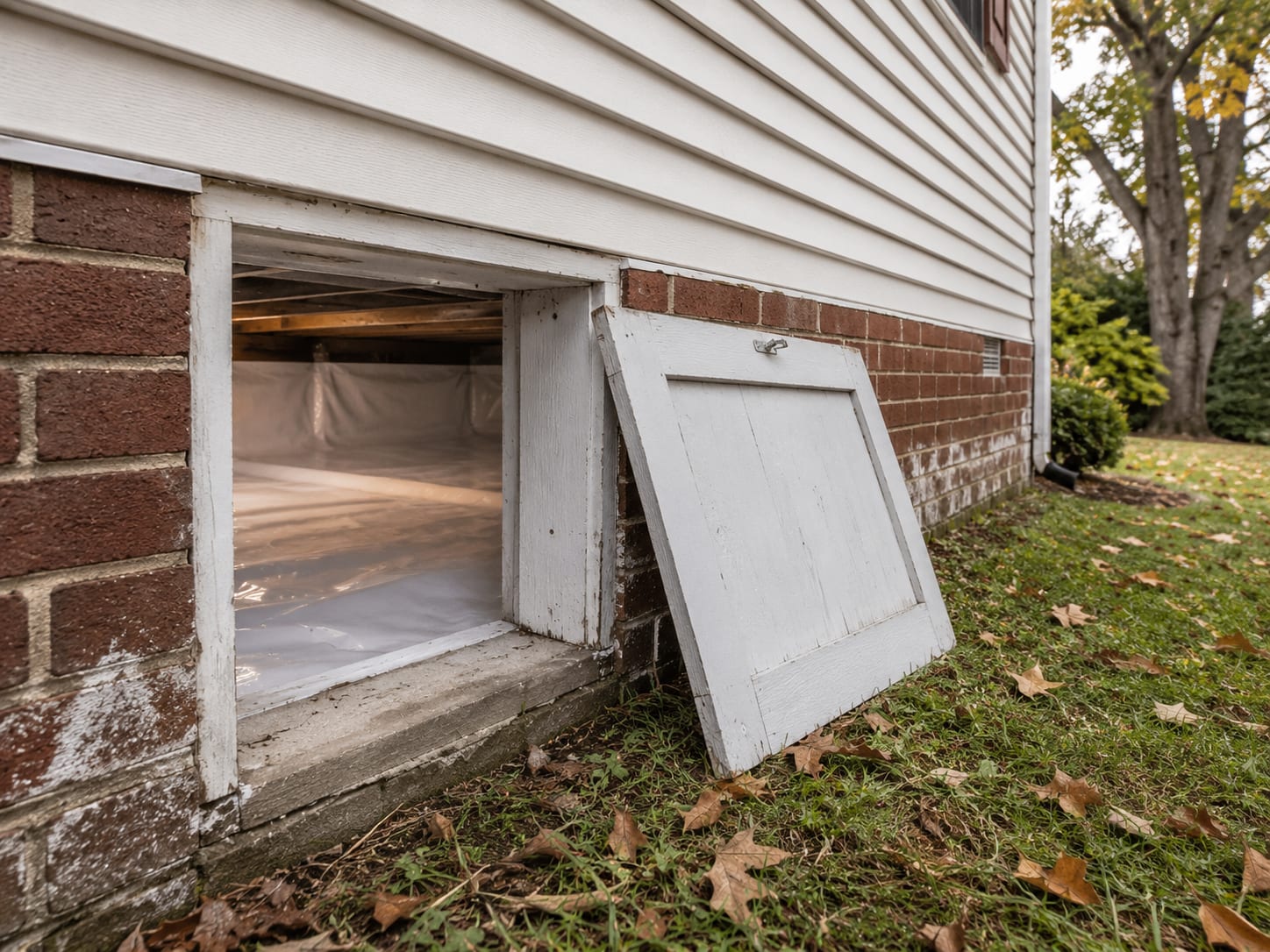
Crawl Space Mold Remediation in Central New Jersey
ExecPro Restoration & Cleaning removes mold from crawl spaces and addresses the moisture conditions that let it grow back. From vapor barrier installation and encapsulation to dehumidification and post-remediation verification, we handle the full scope so your home's foundation stays clean and dry.
What Is Crawl Space Mold Remediation?
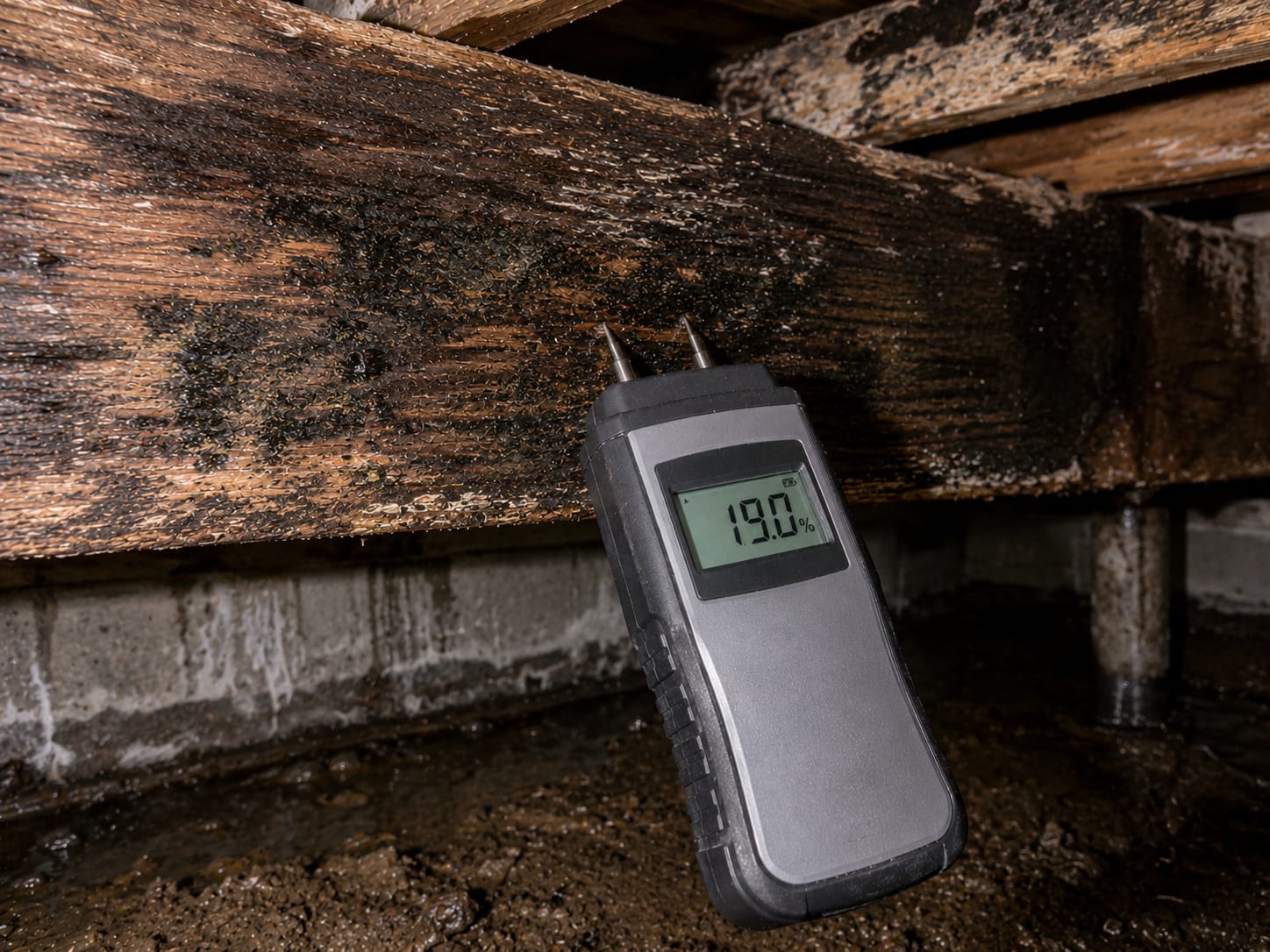
Crawl space mold remediation is the process of containing active mold growth, removing contaminated materials, treating affected surfaces, and installing moisture controls that prevent the problem from returning. A properly completed project leaves your crawl space with clean structural wood, a sealed vapor barrier or full encapsulation system, and humidity levels that won't support future mold growth. For most central NJ homes, remediation also includes ventilation assessment, because leaving crawl space vents open actually draws humid outdoor air in and makes mold conditions worse.
ExecPro Restoration & Cleaning performs crawl space mold remediation across central and northern New Jersey, following IICRC S520 standards from initial inspection through final clearance testing. If you've noticed musty odors, visible dark spots on floor joists, or elevated humidity readings below your home, a professional assessment is the right next step.
Why Is Your Crawl Space So Vulnerable to Mold?
New Jersey's climate creates near-perfect conditions for crawl space mold. The state's humid summers push moisture-laden air into any opening it can find, and the central NJ region sits above a high water table that keeps ground moisture active year-round. Storm events and flooding push that problem further, which is why crawl space mold is a routine part of the restoration calendar for local companies, not an occasional emergency.
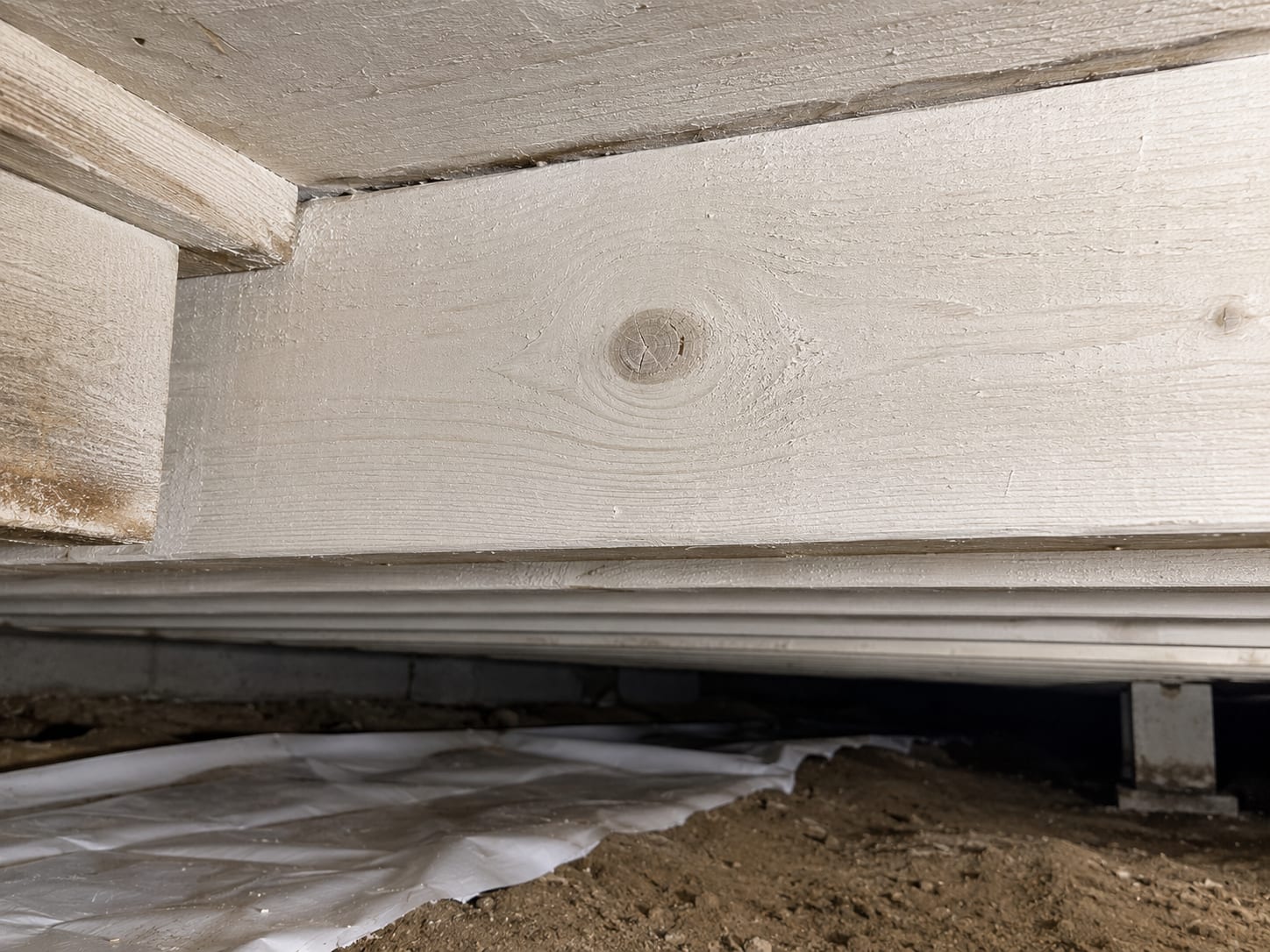
The construction of most crawl spaces compounds the issue. Traditional vented crawl spaces were designed with the assumption that outside air would dry the space out. Building science has since shown the opposite is true: venting invites warm, humid air into a cooler space, where it condenses on wood framing and creates the moisture layer mold needs to colonize. Once mold takes hold in floor joists and rim boards, it doesn't stop at the crawl space. Spores travel upward through gaps in subfloor materials, and the air quality inside your living areas reflects what's happening below.
Materials matter here too. Fiberglass batt insulation, which is standard in older crawl spaces, readily traps moisture against wood surfaces and creates a persistent breeding ground for mold. Replacing it with mold-resistant alternatives is often part of a complete remediation scope.
How Does Crawl Space Mold Remediation Work?
Every remediation project ExecPro Restoration & Cleaning handles follows a defined sequence. Skipping steps, particularly containment and post-remediation verification, is how mold problems come back.
Scroll the steps sideways to follow the full process.
What Does Crawl Space Encapsulation Actually Do?
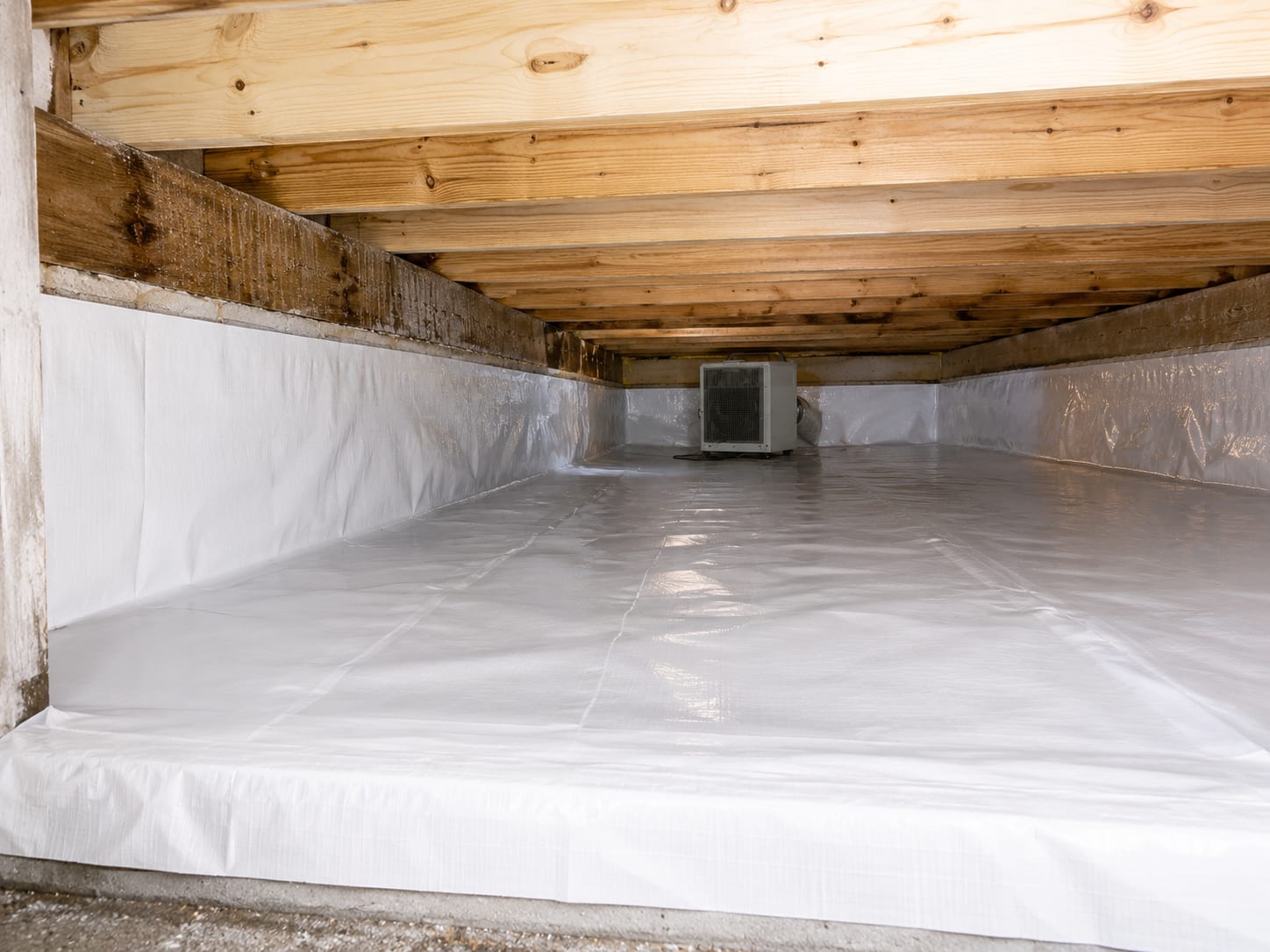
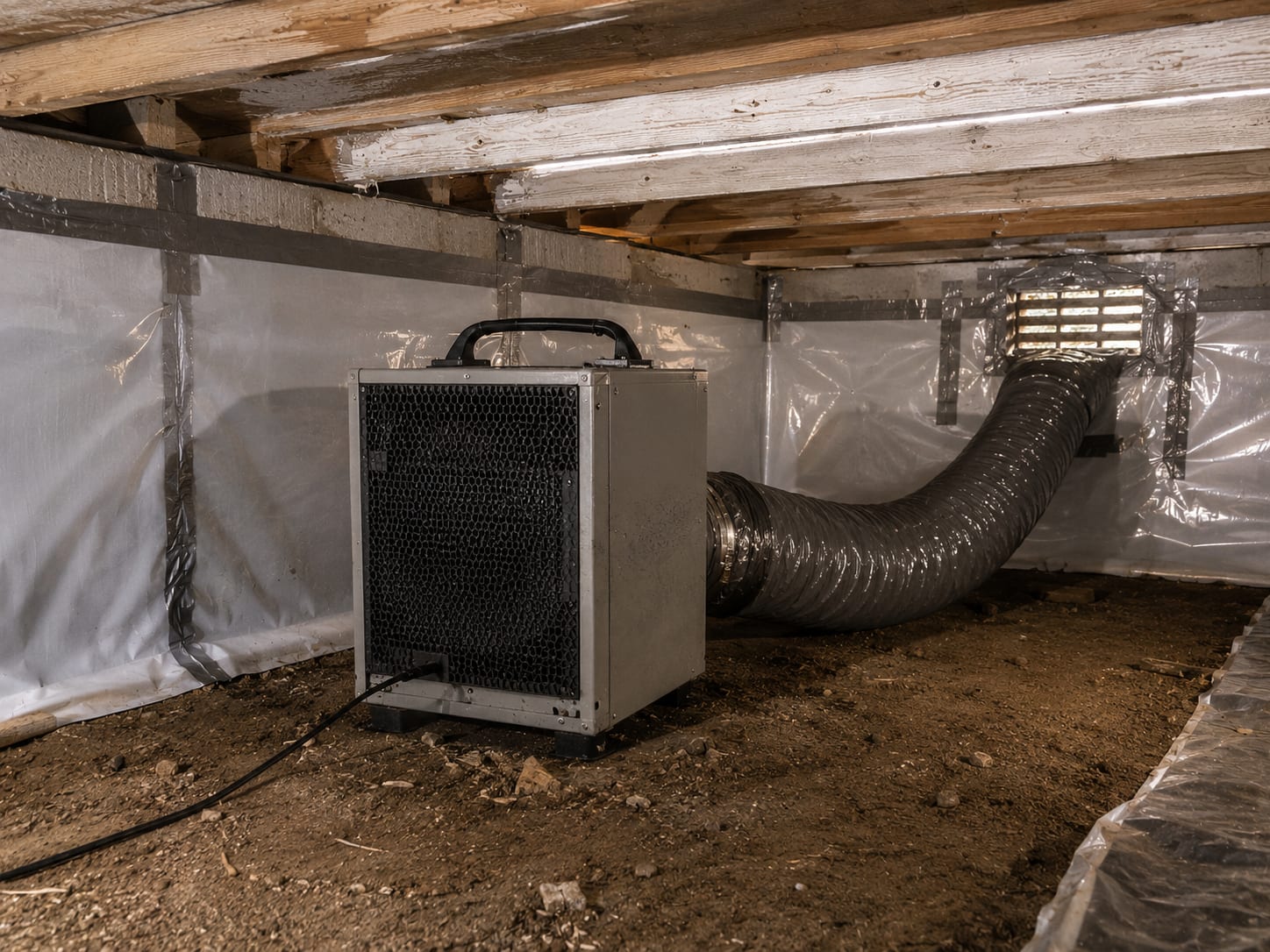
Encapsulation seals the crawl space from outside air and ground moisture using a continuous liner system across the floor and walls, combined with closed vents and active dehumidification. It's now considered the standard of care for mold prevention in NJ crawl spaces, replacing the older vented-crawl-space approach that building science has shown to be counterproductive.
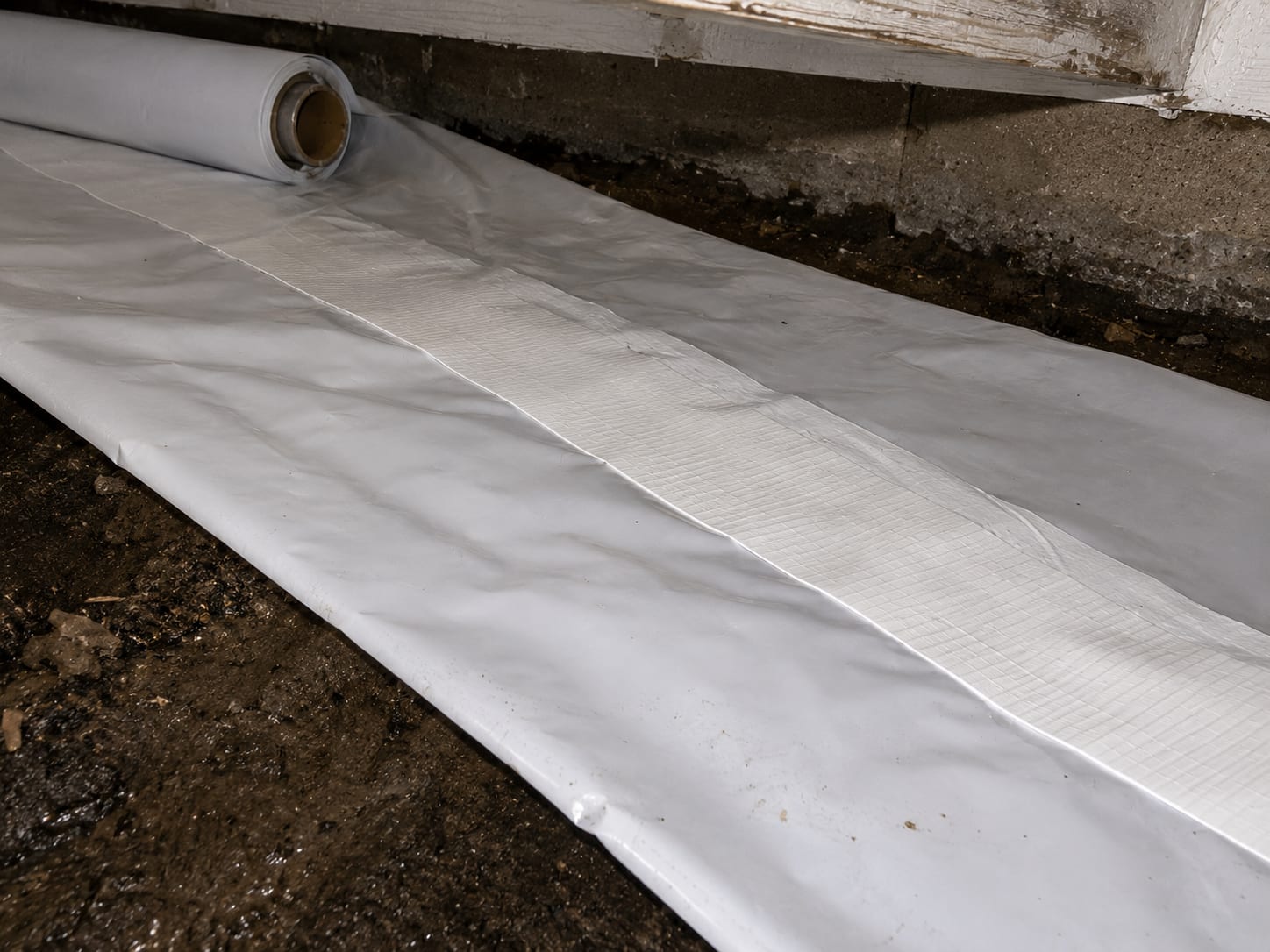
The liner materials used in modern encapsulation are reinforced polyurethane vapor barriers, available in thicknesses from 8 to 20 mil, designed to resist puncture and inhibit mold growth on their own surface. A properly installed system, paired with a correctly sized dehumidifier, keeps relative humidity below the 60 percent threshold where mold can sustain growth on wood. That means the structural framing above the encapsulated space stays dryer, with secondary benefits for floor stability and energy efficiency in addition to mold prevention.
Not every crawl space needs full encapsulation after remediation. Some projects require only vapor barrier replacement and improved drainage. The assessment ExecPro Restoration & Cleaning performs at the start of every project determines what moisture controls are appropriate for your specific space, rather than applying a one-size approach to every home.
What ExecPro Restoration & Cleaning Brings to Every Project
Choosing the right contractor for crawl space mold remediation comes down to process, transparency, and whether the company is fixing the root cause or just treating the surface.
IICRC S520 Standards
ExecPro Restoration & Cleaning follows IICRC S520, the industry standard for mold remediation. Containment, clearance testing, and documentation are built into every project, not offered as optional upgrades.
Third-Party Lab Testing
Mold samples go to accredited independent laboratories, not in-house analysis. That separation gives you objective documentation you can rely on when dealing with insurance carriers, real estate transactions, or future buyers.
Licensed and Insured in New Jersey
ExecPro Restoration & Cleaning is fully licensed and insured to perform mold remediation work in New Jersey. That credential matters when a contractor is working inside your home's structural foundation.
Moisture-First Approach
Treating mold without addressing moisture is a temporary fix. ExecPro Restoration & Cleaning evaluates and addresses the underlying moisture conditions in every crawl space project, because remediation that doesn't include moisture control isn't complete remediation.
Post-Remediation Clearance
Work isn't finished when the visible mold is gone. Air sampling after remediation confirms the space meets acceptable spore count levels before the project is closed, giving you documentation and peace of mind.
Full-Scope Capability
ExecPro Restoration & Cleaning handles remediation and the rebuild. If structural damage requires drywall replacement or other repairs after mold is removed, the same team can handle post-mold remediation rebuild work without requiring you to coordinate a second contractor.
Crawl Space Mold and Your Home's Air Quality
Crawl space mold is a structural concern, but it's also a significant indoor air quality issue. Because air moves upward through a home, the air in your living areas is partly composed of what's circulating below. Mold spores, mycotoxins, and elevated humidity from an untreated crawl space move through gaps in subfloor materials and HVAC returns, contributing to the air your family breathes every day.
Residents with allergies, asthma, or other respiratory sensitivities often notice symptoms before a visual mold problem is ever found. Persistent musty odors, increased allergy symptoms that don't match the season, or unexplained respiratory irritation are all reasons to schedule a crawl space inspection before assuming the problem is elsewhere. ExecPro Restoration & Cleaning offers indoor air quality testing as a companion service to mold remediation, which can help identify the full scope of contamination when symptoms are present.
After remediation is complete, post-remediation verification testing documents that spore levels in the crawl space and the living areas above have returned to acceptable concentrations. That documentation matters for your own confidence, and for anyone who may buy your home in the future.
Real Estate, Inspections, and Crawl Space Mold
Crawl space mold is one of the most common issues that surfaces during real estate transactions in central NJ. Home inspectors routinely flag mold on floor joists, and when they do, the deal often pauses until a remediation report and clearance test are in hand. ExecPro Restoration & Cleaning works with both buyers and sellers navigating these situations.
For sellers, addressing a crawl space mold finding before listing, or promptly after it surfaces during inspection, puts you in a stronger negotiating position and prevents the deal from stalling. For buyers, a professional remediation paired with clearance testing gives you documentation that the problem was resolved correctly, not just painted over. Real estate agents across the area rely on ExecPro Restoration & Cleaning for home buyer and seller protection assessments that move transactions forward with confidence.
If you're purchasing a home and want a mold assessment before closing, a pre-purchase mold inspection is a straightforward way to know what you're buying before the paperwork is signed.
Frequently Asked Questions About Crawl Space Mold Remediation
Costs for NJ crawl space mold remediation typically range from $3,000 to $8,000, depending on the size of the space, the extent of contamination, and whether moisture control upgrades like encapsulation are included. More severe cases involving structural damage or extensive material removal can exceed that range. Vapor barriers and humidity monitoring sensors generally add $500 to $2,000 but can reduce future remediation costs by controlling the conditions that allow mold to return. An accurate quote requires an in-person assessment, since crawl space conditions vary significantly from property to property.
Serving Central and Northern New Jersey
ExecPro Restoration & Cleaning provides crawl space mold remediation throughout central and northern New Jersey. Our service area covers Princeton Junction, West Windsor, Plainsboro, Cranbury, Lawrenceville, and Pennington in Mercer County; Freehold, Marlboro, Manalapan, Holmdel, Colts Neck, Red Bank, and the Jersey Shore communities in Monmouth County; New Brunswick, South Brunswick, and Hillsborough in Middlesex County; Bridgewater, Basking Ridge, Bernardsville, Flemington, and Clinton in Somerset and Hunterdon Counties; and communities throughout Burlington County including Moorestown, Mount Laurel, Cherry Hill, and Medford.
If you're in Princeton Junction, NJ or anywhere across the region and you're dealing with crawl space mold, the fastest way to understand the scope of your situation is a professional assessment. Mold in a crawl space doesn't resolve on its own, and waiting generally means more material removal and higher costs when remediation does begin.