Bathroom Mold Remediation in New Jersey
Persistent moisture turns bathrooms into mold's favorite room. ExecPro Restoration & Cleaning finds the source, removes the growth, and helps you keep it from coming back.
What Is Bathroom Mold Remediation?
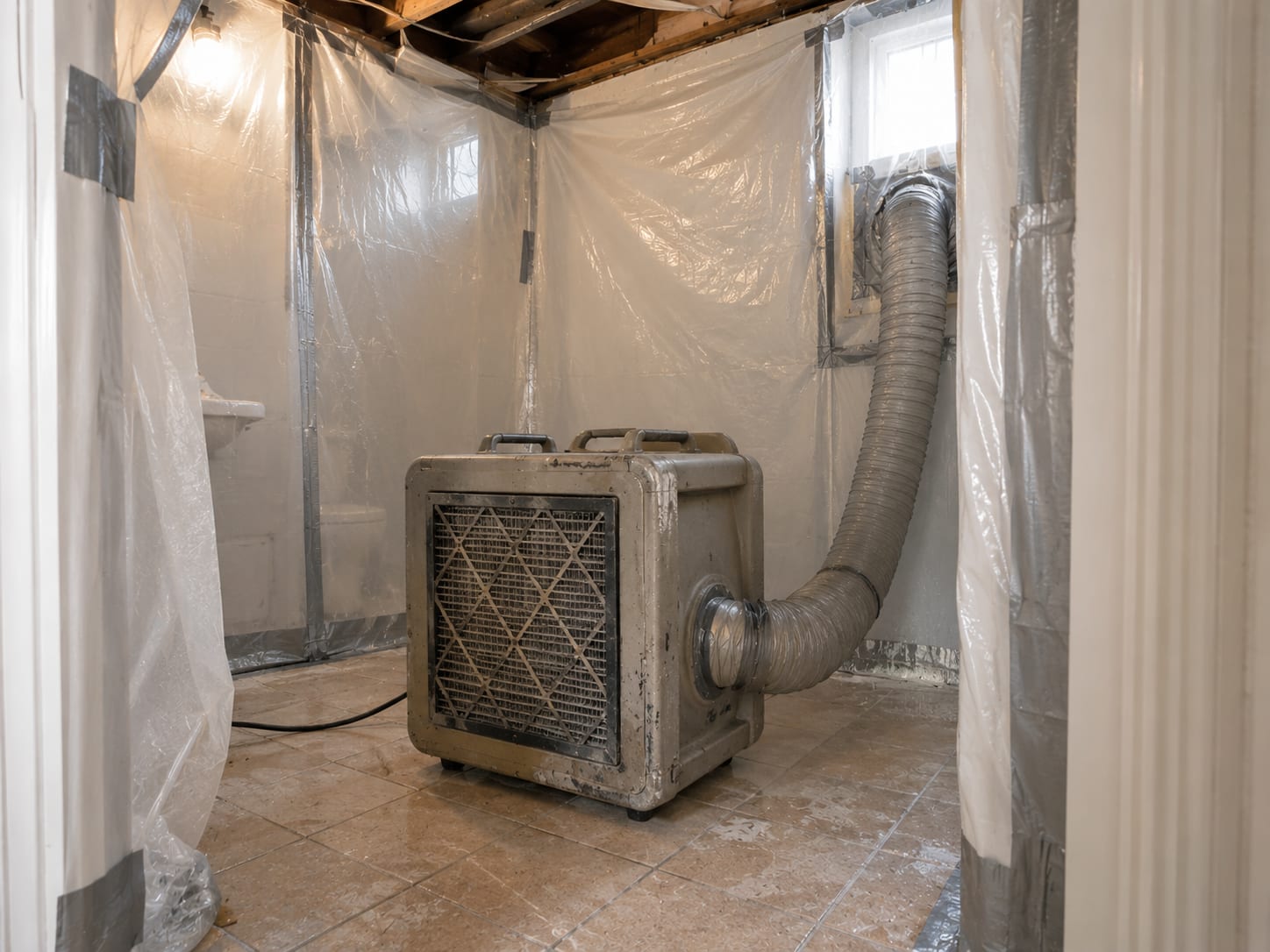
Bathroom mold remediation is the professional process of identifying why mold is growing in your bathroom, removing the affected materials, and correcting the conditions that allowed it to take hold. You get a scope-of-work assessment, containment when demolition is needed, material removal or cleaning depending on what surfaces are involved, thorough drying, and a final inspection confirming the work is complete. Most bathroom mold projects can be assessed the same week you call, and remediation itself typically takes one to three days depending on how far the growth has spread.
Bathrooms are the most mold-prone rooms in any home. Hot showers generate steam daily, grout and caulk degrade over time, exhaust fans underperform or vent incorrectly, and plumbing leaks stay hidden behind walls and vanity bases for months before anyone notices. That combination creates exactly the warm, wet environment mold needs to establish and spread. ExecPro Restoration & Cleaning serves homeowners, landlords, and property managers across central and southern New Jersey, handling bathroom mold whether it is a visible surface issue or a wall-cavity problem that has been quietly growing for much longer.
Where Does Bathroom Mold Actually Come From?
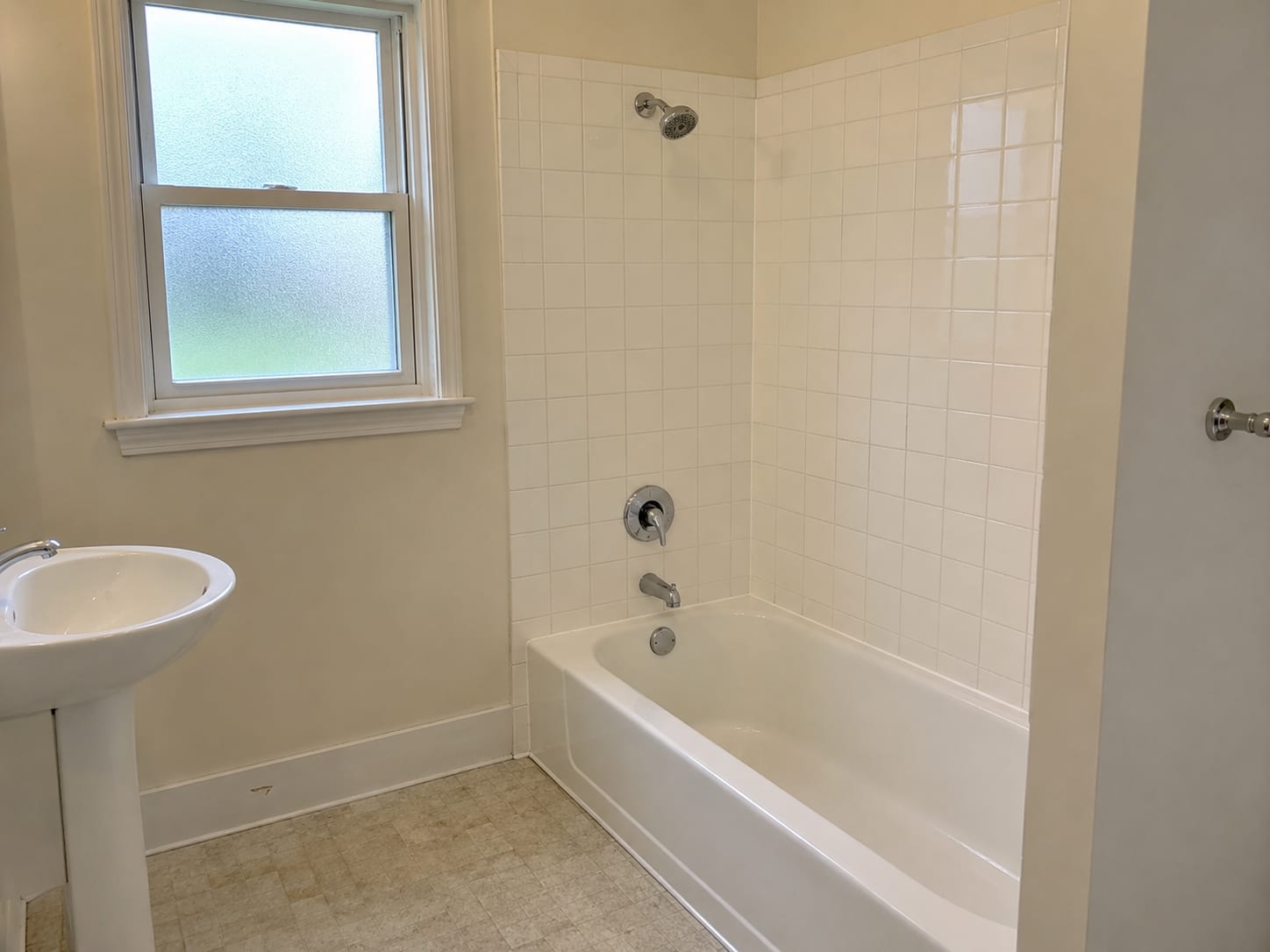
Most bathroom mold problems trace back to one or more of four root causes: chronic condensation, plumbing leaks, failed waterproofing, or inadequate drying between uses. Understanding which one applies to your bathroom matters, because cleaning the mold without fixing the source guarantees it will return.
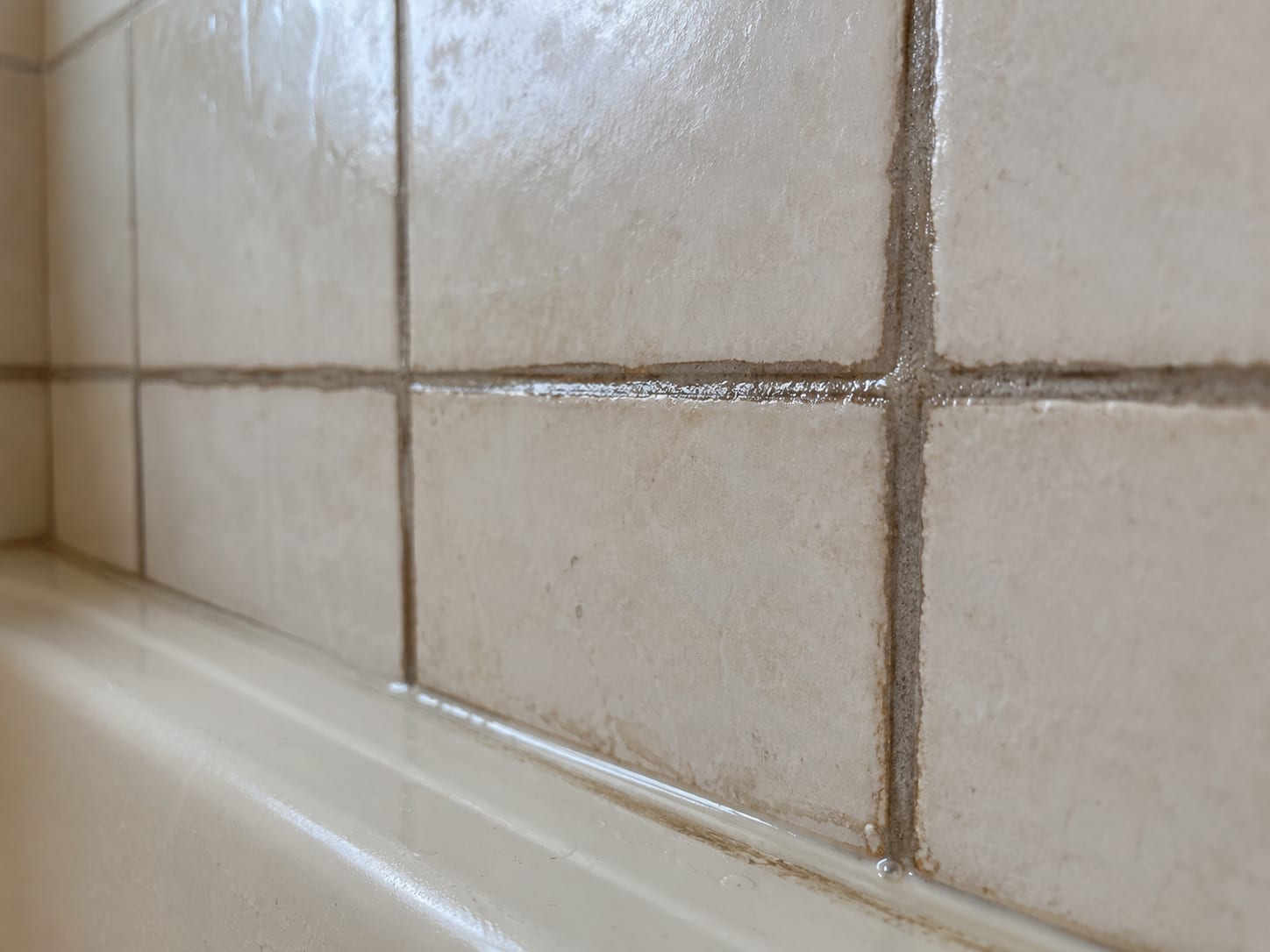
Condensation is the most common culprit in bathrooms with poor ventilation. An exhaust fan that vents into an attic instead of through the roof, or one that is simply too small for the room, cannot remove enough steam from a daily shower. Moisture settles on walls, ceilings, and grout lines, and mold follows within days. Bathrooms without operable windows or fans are especially vulnerable during New Jersey winters, when surfaces stay cold and condensation accumulates faster than surfaces can dry.
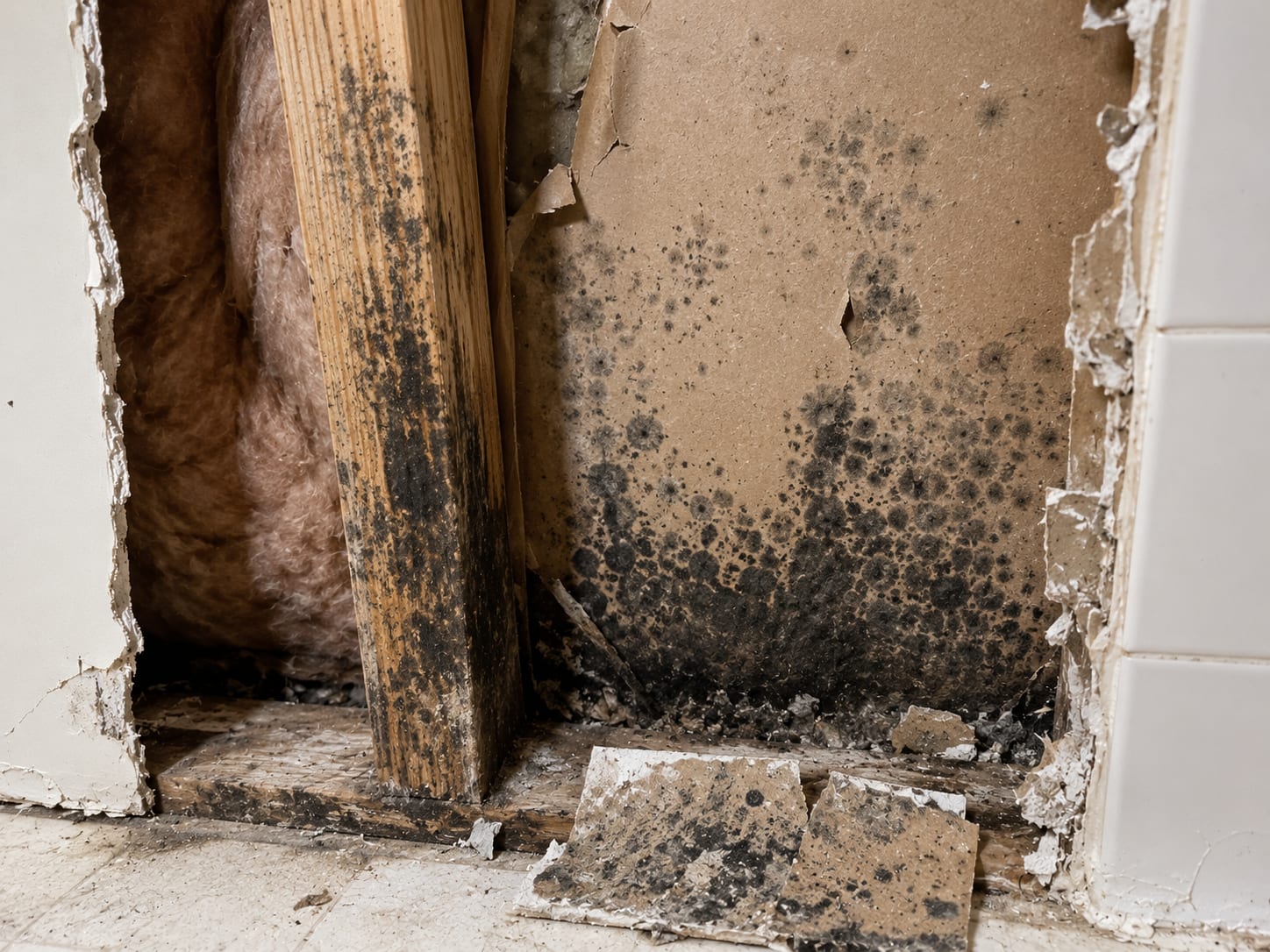
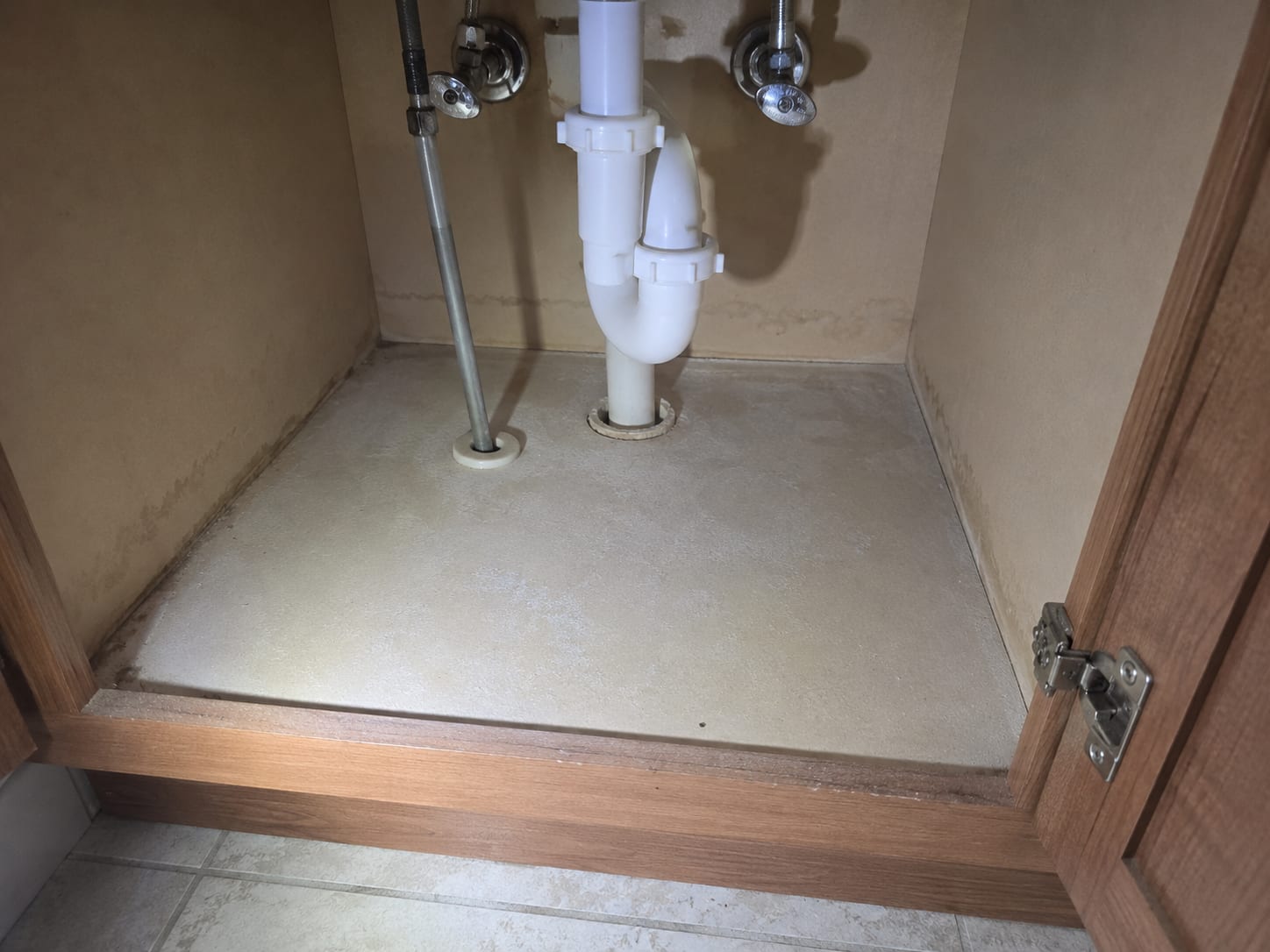
Plumbing leaks work differently. They tend to stay hidden, feeding moisture into wall cavities, subflooring, and the framing behind tub surrounds over months or years before the mold becomes visible. By the time you notice discoloration around a vanity base or a soft spot in the floor near the toilet, the growth behind the surface may be significantly larger than what you can see. Failed caulk and cracked grout create a slower but similar path, letting water seep into substrates that were never intended to stay wet.
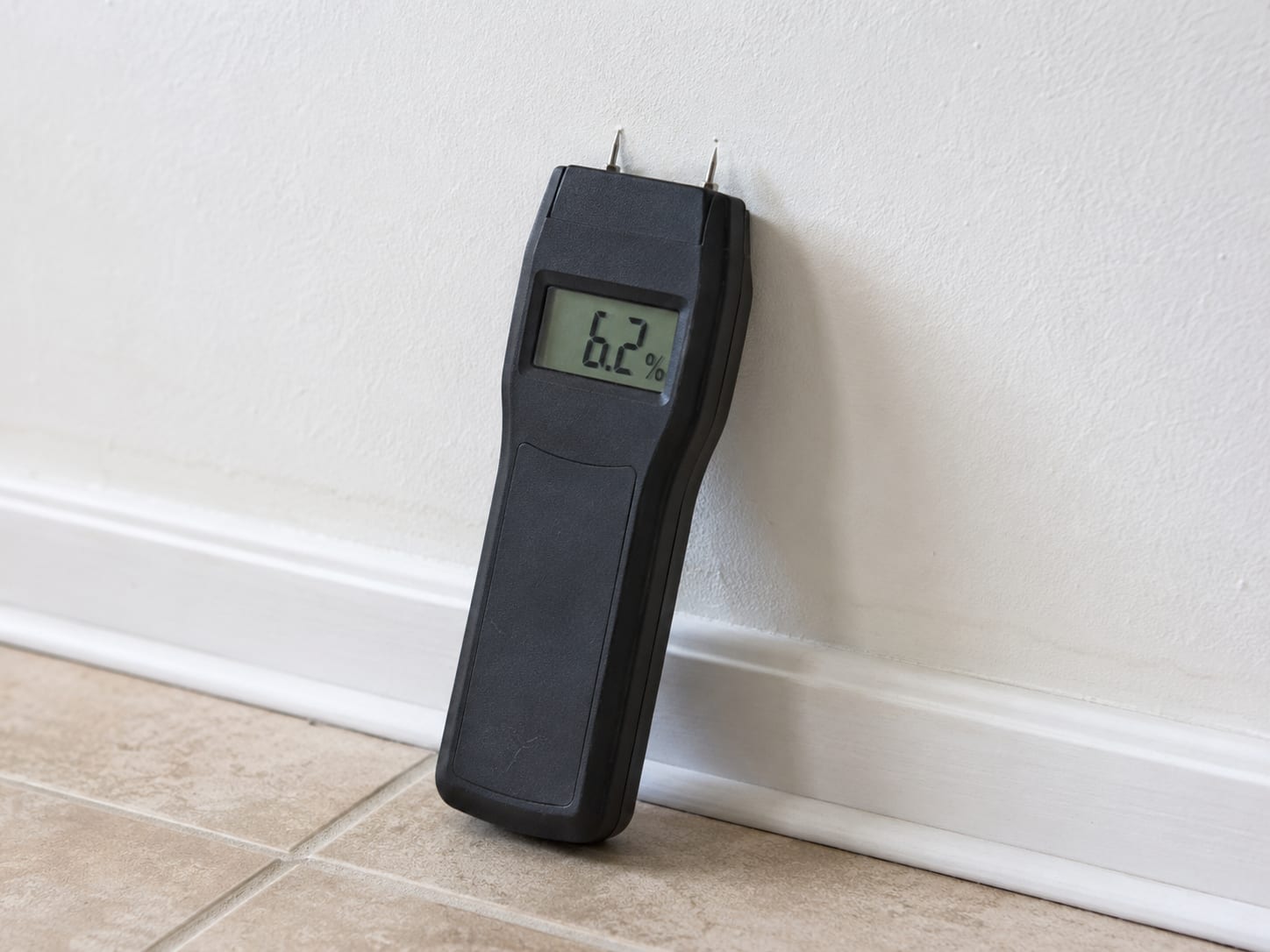
Identifying the actual source is the first thing ExecPro Restoration & Cleaning does on every bathroom mold project. Moisture meters, thermal imaging, and a careful visual inspection of the plumbing, ventilation, and waterproofing help separate surface staining from structural contamination, and that distinction drives every decision that follows.
When Should You Call a Professional Instead of Cleaning It Yourself?
Light surface staining on glazed tile or a glass shower door is often something a homeowner can manage with appropriate cleaning products and better ventilation habits afterward. The situation changes quickly when mold has reached porous materials. Drywall, wood framing, tile backer board, ceiling material, and flooring absorb moisture and allow mold to grow into the material itself, not just on the surface. Wiping the surface does not remove growth that has penetrated the material.
Contact a remediation professional when mold appears on drywall or ceiling material, when the affected area is larger than a small spot, when there is any visible water damage around the tub, toilet, or vanity, when a musty odor persists after cleaning, or when mold has returned multiple times in the same area. That last point is particularly important. Recurrence almost always means the moisture source was never corrected, and repeated surface cleaning does not address what is happening inside the wall or floor assembly.
New Jersey homeowners dealing with real estate transactions face additional considerations. Buyers and sellers both benefit from documented findings when mold is discovered during inspections, and a professional remediation report carries more weight than a DIY cleaning. Property managers overseeing multifamily units have habitability obligations that surface-level cleaning alone may not satisfy. In any of those situations, professional assessment and documentation are the responsible path.
How ExecPro Handles Bathroom Mold Remediation: The Process
Scroll the steps sideways to follow the full process.
What Makes Bathroom Mold Different From Other Areas of the Home?
Bathroom mold projects are distinct from attic or basement remediation in a few important ways. First, the moisture source is almost always ongoing and daily, which means source correction is not optional. Removing mold from a bathroom without fixing the ventilation or the plumbing leak guarantees regrowth. Second, bathrooms have a higher density of material types in a small space: tile, grout, caulk, drywall, cement board, wood framing, flooring, and plumbing components can all be affected, sometimes simultaneously.
Third, the geometry matters. Mold behind a tub surround or under a toilet base requires opening finished surfaces to reach the contamination, which means the remediation and the repair are closely linked. A provider that handles both sides of that work, remediation and bathroom renovation when the scope calls for it, can coordinate the project more efficiently than a remediation-only contractor who leaves you to find a remodeler for the second half.
Finally, bathrooms in multifamily buildings and rental properties carry additional considerations around occupant communication and documentation. Property management mold services for apartment buildings and rental portfolios require a different level of reporting and coordination than a single-family home project, and ExecPro Restoration & Cleaning has experience working in both settings across central and southern New Jersey.
Why New Jersey Homeowners Choose ExecPro Restoration & Cleaning
ExecPro Restoration & Cleaning is licensed and insured, following IICRC S520 standards for mold remediation on every project. Here is what that means practically for your bathroom mold project.
Source First, Always
Every bathroom mold project starts with finding out why the mold is there. Removing growth without correcting the moisture source produces temporary results. ExecPro finds the ventilation problem, the plumbing leak, or the waterproofing failure before remediation begins.
Honest Scope Assessments
Not every bathroom mold situation requires full demolition. ExecPro tells you what the inspection actually found and recommends only the work that the conditions justify. If a surface can be cleaned, that is what the scope says.
Documentation That Supports Your Goals
Whether you need a written report for a real estate transaction, moisture readings for an insurance claim, or lab results from mold testing, ExecPro can provide the documentation your situation requires.
Remediation and Rebuild Under One Roof
When bathroom mold remediation requires opening walls or replacing flooring, you should not have to find a separate contractor to finish the job. ExecPro handles both the remediation and the reconstruction, reducing coordination time and keeping the project on schedule.
Responsive Service Across Central and Southern NJ
ExecPro Restoration & Cleaning serves communities from Princeton to Burlington to Red Bank. If you are dealing with bathroom mold in this region, a fast assessment is realistic, not a promise that gets walked back after the first call.
Bathroom Mold and New Jersey Real Estate Transactions
Bathroom mold discovered during a home inspection creates a real problem for buyers and sellers alike. Buyers want to know the scope of the issue and whether it has been properly addressed. Sellers need documentation that remediation was completed correctly, not just that someone cleaned the visible growth. Real estate agents handling transactions in New Jersey increasingly rely on professional remediation companies that can provide written findings, moisture data, and post-remediation verification in a format that satisfies inspection contingencies.
ExecPro Restoration & Cleaning works with buyers, sellers, and agents across the region. A pre-purchase mold inspection before an offer is accepted can prevent a transaction from falling apart later. For sellers, having a documented remediation report in hand before listing a property removes bathroom mold as a negotiating point. For buyers whose inspections turned up mold findings, a professional scope and cost estimate from ExecPro gives you the information you need to make decisions with confidence.
Agents working with properties that have existing mold findings should consider connecting buyers and sellers with a remediator early in the process, before the inspection report becomes the only document driving the conversation. ExecPro provides real estate inspection services and can coordinate assessments on an appropriate timeline for active transactions.
Frequently Asked Questions About Bathroom Mold Remediation
Most bathroom mold projects take one to three days for the remediation itself, depending on how far the contamination has spread and whether wall or floor materials need to be removed. Small surface-only projects can sometimes be completed in a single visit. Projects that require opening wall cavities, replacing substrate, or addressing plumbing issues alongside remediation will take longer, and the rebuild phase adds additional time. ExecPro provides a specific timeline estimate after the initial inspection.
What Happens After Bathroom Mold Remediation Is Complete?
Once remediation is complete and the area has been verified clean and dry, the work shifts to putting your bathroom back together. If drywall or tile backer was removed, new material needs to go in. If flooring was affected, that needs replacement. If the source of the moisture was a ventilation problem, upgrading the exhaust fan or correcting the duct routing is part of preventing a repeat situation.
ExecPro Restoration & Cleaning handles drywall replacement after mold and structural mold repair when the remediation scope requires it. That means you do not need to manage a handoff to a second contractor while your bathroom is out of service. For bathrooms where the remediation reveals significant substrate or framing issues, a coordinated rebuild through ExecPro keeps the project moving without gaps in communication.
Maintaining your results after remediation comes down to a few consistent habits: running the exhaust fan during and for at least 15 to 20 minutes after every shower, checking caulk and grout lines seasonally and re-sealing any failures promptly, and monitoring under-vanity plumbing for slow drips before they become hidden leaks. Bathrooms that get this level of routine attention stay dry, and dry bathrooms do not grow mold.