Toxic Mold Remediation in New Jersey
Full-scope remediation for properties with confirmed toxigenic mold growth. ExecPro Restoration & Cleaning handles containment, source correction, contaminated material removal, and post-remediation verification so you can move forward with confidence.
What Is Toxic Mold Remediation?
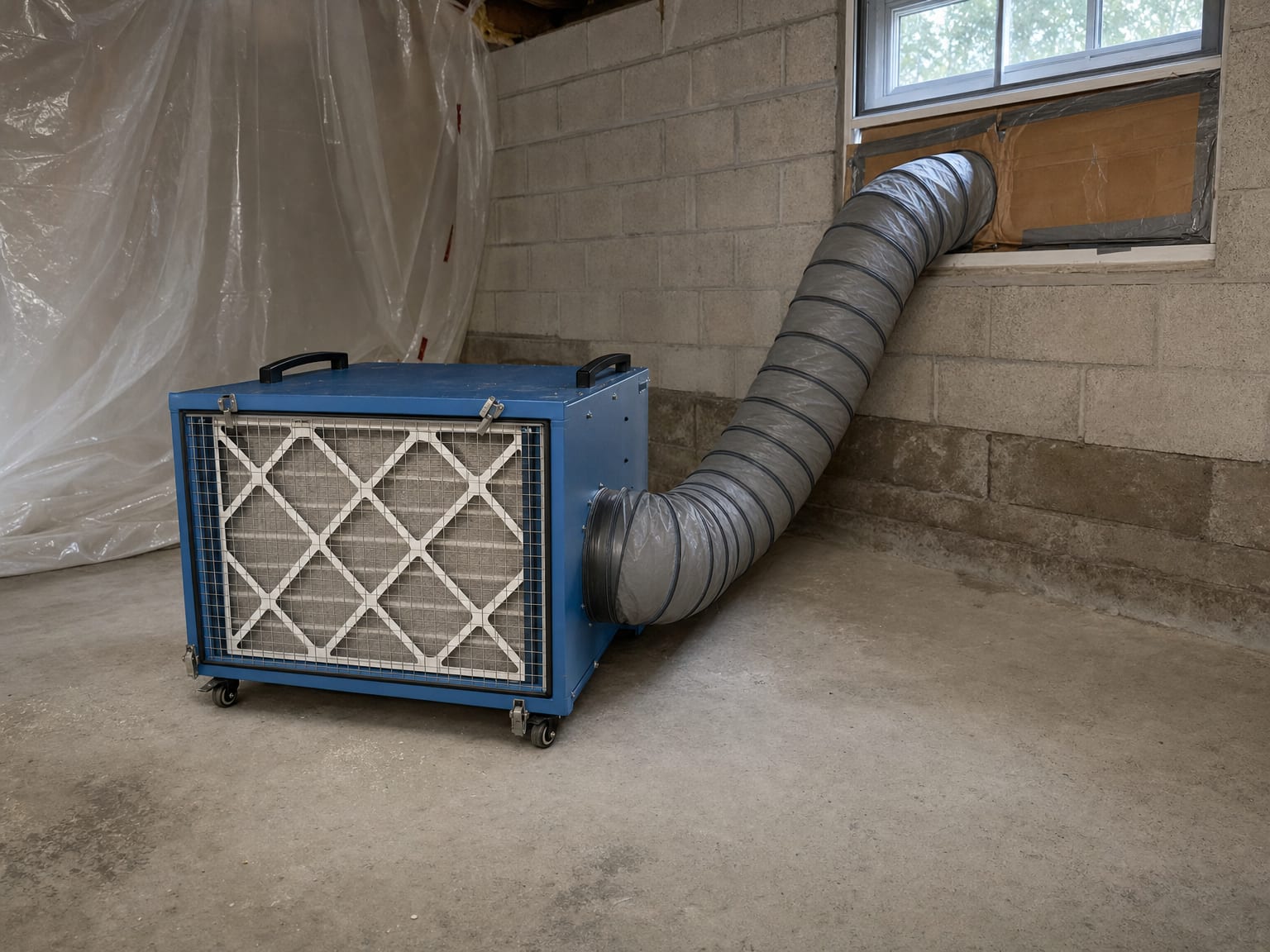
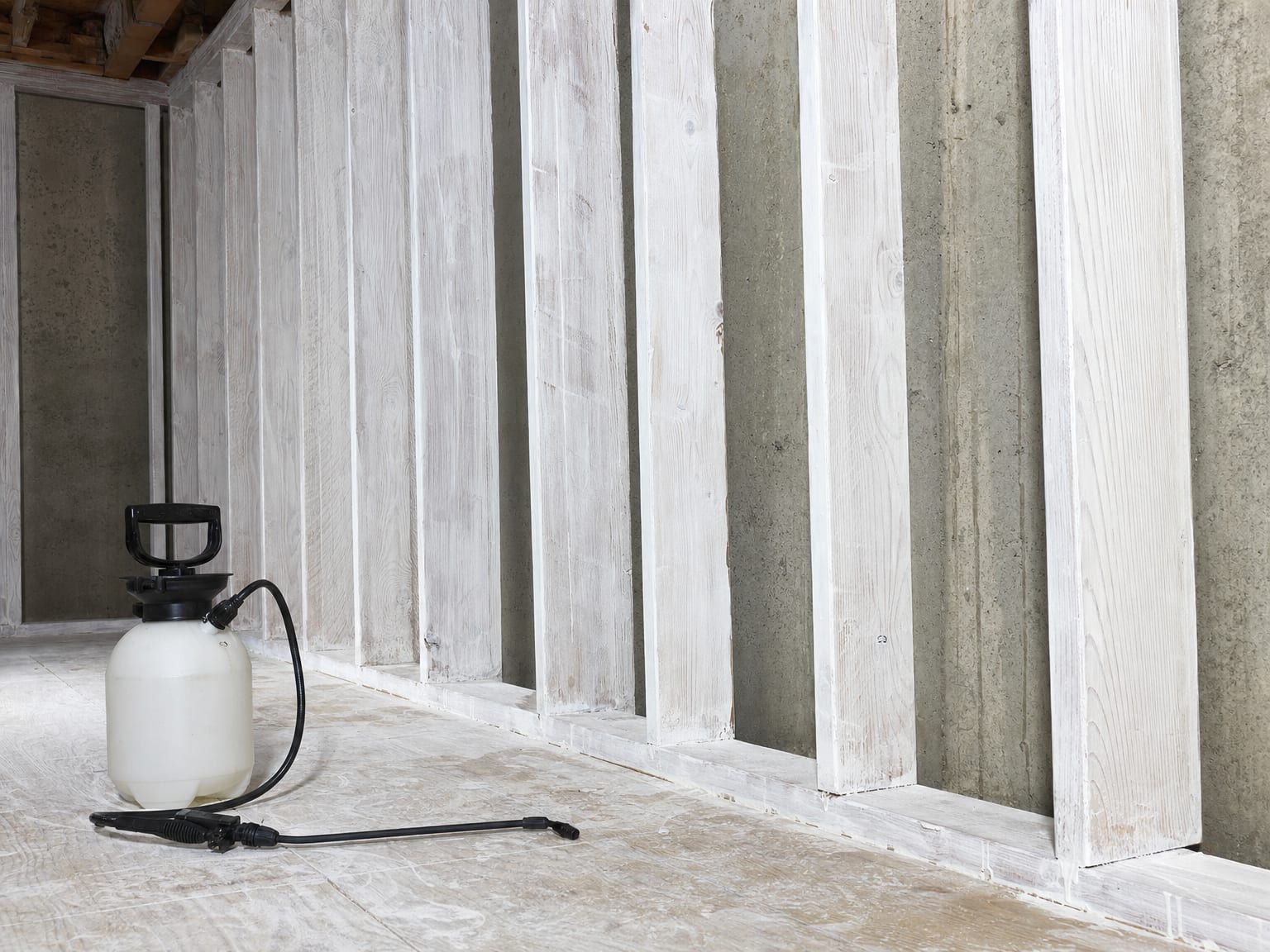
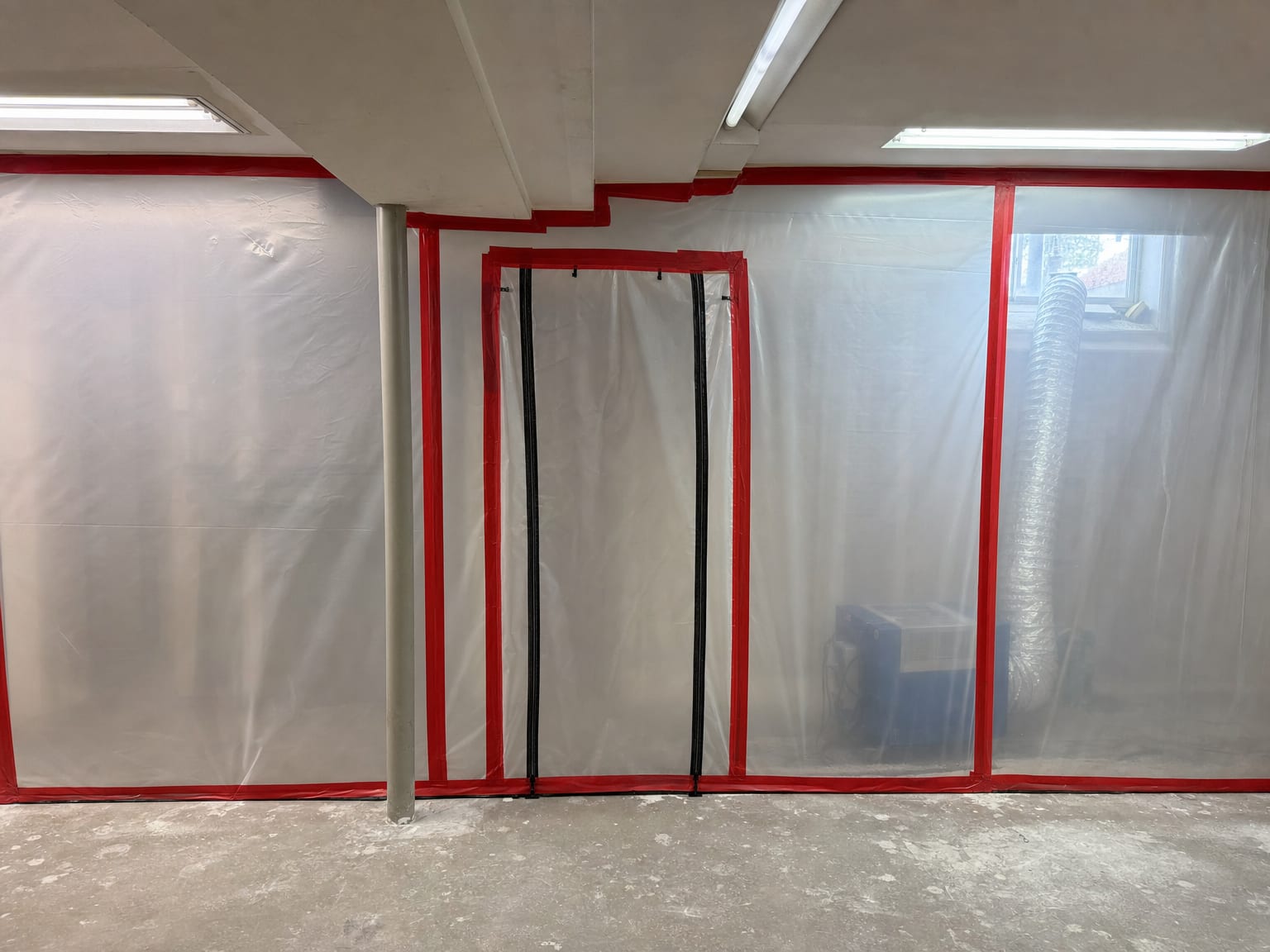
Toxic mold remediation is a structured process for removing confirmed toxigenic mold growth from a property, controlling its spread during removal, addressing the moisture source that caused it, and verifying that conditions are clear before rebuilding or reoccupying. At ExecPro Restoration & Cleaning, a full-scope project includes containment barriers, HEPA filtration, controlled removal of contaminated materials, surface treatment, structural drying, and documented closeout. Post-remediation verification and rebuild services round out the process when needed.
The term 'toxic mold' is how most homeowners describe what they're dealing with, especially after finding dark growth, noticing a persistent musty odor, or learning that a water intrusion has gone undetected. Professionally, mold is handled based on what you can see, where moisture is coming from, what materials are affected, and how far the contamination has spread.
One thing worth understanding early: cleaning up mold without finding and correcting the moisture source is not a lasting fix. The EPA and NJ Department of Health both emphasize this point clearly. ExecPro Restoration & Cleaning builds moisture source correction into every remediation scope because without it, the problem has a way of coming back.
What Are the Signs You Need Toxic Mold Remediation?
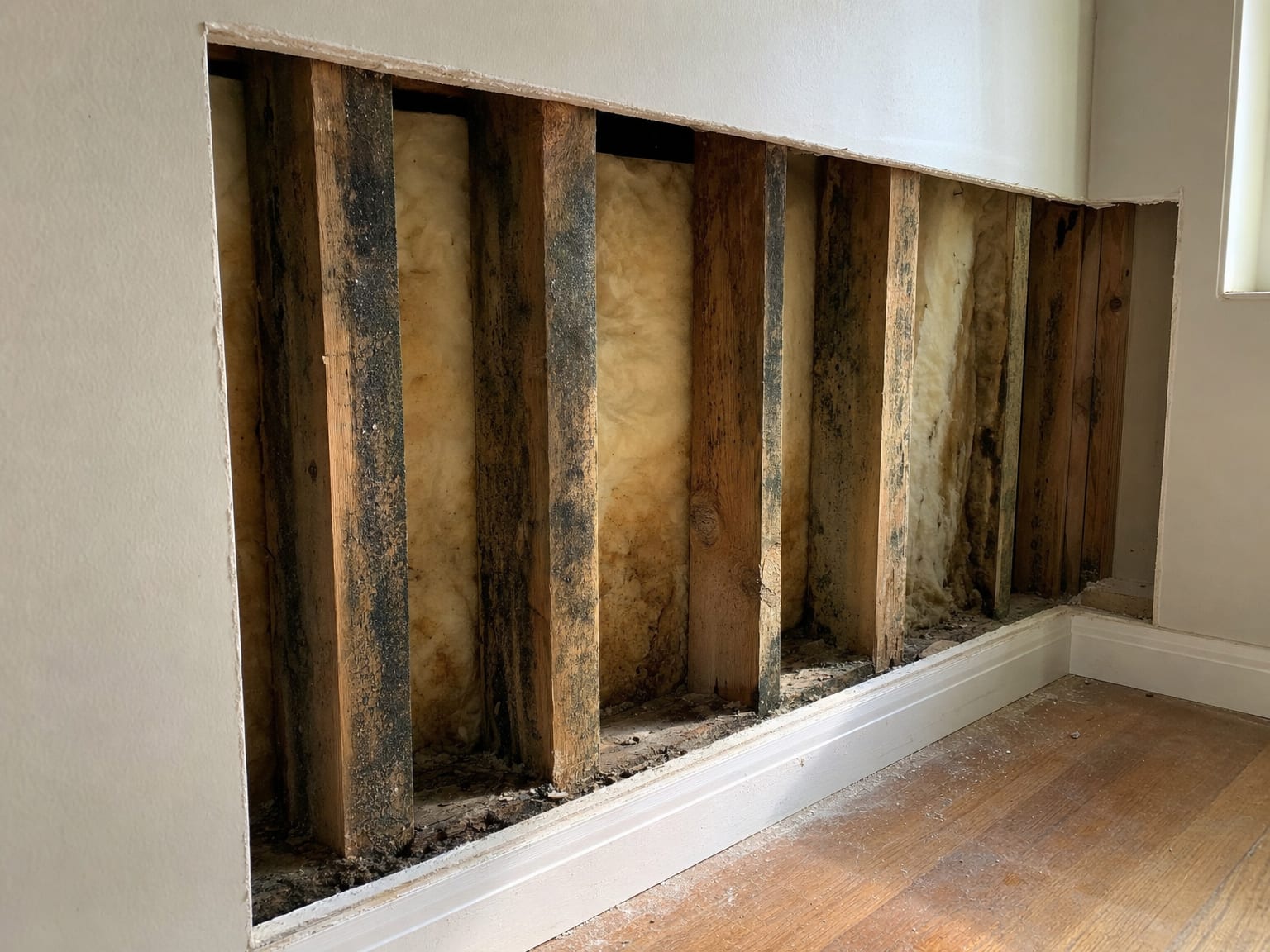
Mold doesn't always announce itself with a visible patch on the wall. Some of the most significant growth hides behind drywall, under flooring, inside HVAC systems, in attic sheathing, or in crawl spaces where nobody looks until something goes wrong.
A persistent musty smell in a basement, bathroom, or enclosed space is worth taking seriously even when nothing is visible. Discoloration or staining on walls, ceilings, or around window frames, especially following any kind of water event, warrants a closer look. If you've had a leak, a burst pipe, flooding, or extended humidity issues, the conditions for mold growth were likely present long enough to produce real contamination.
Residents sometimes notice increased allergy-like symptoms or respiratory irritation that seems to improve when they're out of the building. The CDC and EPA both note that mold exposure can contribute to these kinds of symptoms in sensitive individuals. If something feels off and you haven't found a cause, calling for a mold inspection is a reasonable next step.
How Does the Toxic Mold Remediation Process Work?
ExecPro Restoration & Cleaning follows a documented, step-by-step remediation process built around IICRC S520 standards. Every project is scoped individually because no two properties have the same moisture history, building materials, or contamination pattern.
Scroll the steps sideways to follow the full process.
Which Areas of a Property Are Most Commonly Affected?
Toxigenic mold tends to concentrate where moisture has been present for an extended period without detection or correction. ExecPro Restoration & Cleaning handles contamination across every area of residential and commercial properties throughout central and northern New Jersey.
Basements
Basements are high-risk spaces because of ground-level moisture, foundation seepage, and limited airflow. Finished basements are especially vulnerable because mold can grow behind drywall for months before anyone notices. ExecPro Restoration & Cleaning's basement mold remediation work addresses both finished and unfinished spaces with full containment and material assessment.
Attics
Attic mold is almost always tied to ventilation problems, roof leaks, or warm moist air from the living space below that condenses on cold roof sheathing. Because attics aren't visited regularly, contamination often has time to spread across large sections of the sheathing before it's found.
Crawl Spaces
Ground moisture, poor vapor barriers, and inadequate ventilation make crawl spaces one of the most common locations for extensive mold growth. The confined space and limited access make proper containment and removal more technically demanding.
Bathrooms
Chronic humidity, slow leaks behind tile, and inadequate exhaust ventilation create persistent moisture conditions. Mold inside wall cavities around showers, tubs, and supply lines often isn't visible until a renovation or inspection uncovers it.
HVAC Systems
Mold inside air handling units, on coil pans, or within ductwork can circulate spores throughout an entire building. HVAC mold remediation is a specialized scope that requires careful attention to containment and system cleaning so the remediation doesn't become a distribution problem.
Ceilings and Wall Cavities
Roof leaks and plumbing leaks above finished ceilings can saturate insulation and framing for a long time before surface staining appears. By the time you see discoloration on a ceiling, the contamination behind it may already be significant.
Do You Need Mold Testing Before Remediation Begins?
This is one of the most common questions homeowners ask, and the honest answer is: it depends on what you already know. The EPA is clear that when visible mold is present, testing is generally not necessary before starting remediation. You can see the problem, and the remediation scope is based on what's there, not on a spore count.
Testing becomes more useful in specific situations. If mold is suspected but not visible, air quality testing and surface sampling can help confirm whether contamination is present and give you a clearer picture of what you're dealing with. For real estate transactions, documentation from mold testing gives buyers and sellers a clear record. When a remediation project is complete, post-remediation verification sampling provides objective confirmation that the work area has been cleared before new materials are installed.
ExecPro Restoration & Cleaning approaches testing as a tool that answers specific questions, not as a prerequisite for every project. When a scope is already clear from a visual inspection, starting remediation quickly often makes more sense than adding a testing step that won't change the work plan.
Why Choose ExecPro Restoration & Cleaning for Toxic Mold Remediation?
What separates a well-run remediation project from a frustrating one usually comes down to documentation, communication, and whether the company you hired can handle everything from removal through rebuild. ExecPro Restoration & Cleaning is licensed and insured, and our approach is built around IICRC S520 standards for microbial remediation so that every project follows a defensible, documented process.
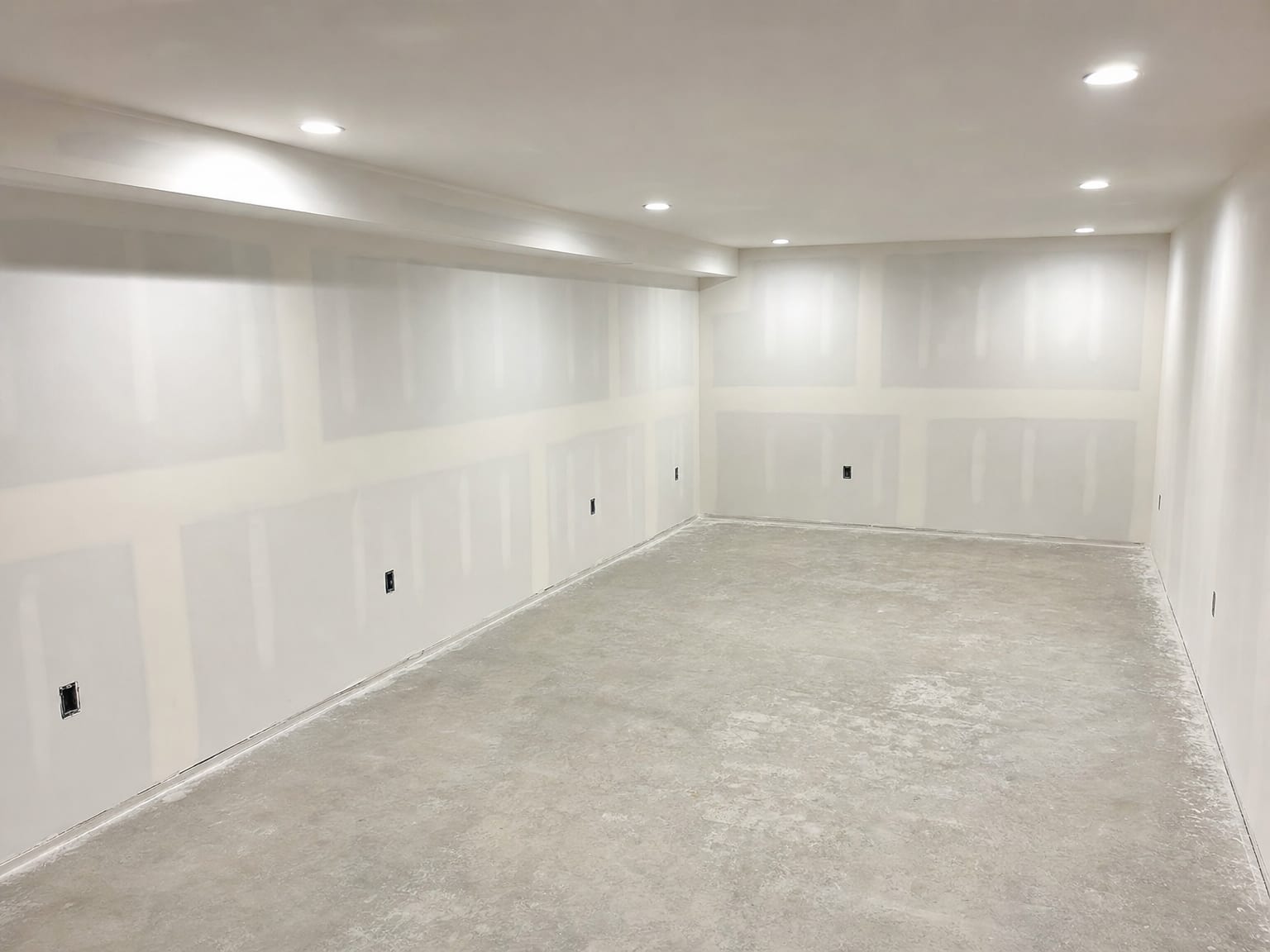
One thing our customers consistently appreciate is that we don't leave them with an open hole in their wall. After remediation is complete, our build-back services cover drywall replacement, insulation, flooring, painting, and final cleaning. That means one point of contact, one project timeline, and no gap between the remediation company handing off and a general contractor picking up.
We use moisture meters, hygrometers, and thermal imaging to locate hidden wet areas and document conditions throughout the project. Photos, moisture readings, work-area notes, and disposal documentation are part of every closeout package. For property managers, real estate professionals, and insurance adjusters, that kind of paper trail matters. For homeowners, it's simply the proof that the job was done right.
ExecPro Restoration & Cleaning serves properties across a wide stretch of New Jersey, from Princeton Junction and West Windsor through Bridgewater, Somerset, Red Bank, Freehold, Cherry Hill, and Burlington. Whether you're dealing with a finished basement in Princeton Junction or an attic situation in Flemington, the same documented process applies.
Who Typically Needs Toxic Mold Remediation Services?
Homeowners dealing with the aftermath of a water event are the most common caller. A burst pipe, a slow roof leak, a flooded basement, or years of humidity in an unventilated crawl space can all produce the kind of contamination that needs professional remediation rather than a weekend with bleach and a mask. If you've had water in your home and you're not sure whether mold has followed, a professional assessment is worth the time.
Real estate professionals and their clients are another significant part of what ExecPro Restoration & Cleaning handles. A mold finding during a home inspection can stall or kill a transaction. Buyers need to understand the scope and cost of remediation before closing, and sellers need documentation that the issue was resolved properly. Our home buyer and seller protection services are designed for exactly these situations, giving all parties a clear, documented path through the process.
Property managers and commercial building owners face a different set of pressures. Tenant health concerns, liability exposure, and regulatory documentation all add urgency to a situation that already needs prompt attention. ExecPro Restoration & Cleaning's property management mold services are built to handle multi-unit and commercial scopes with the documentation and project management that larger properties require.
Insurance claims professionals also work with ExecPro Restoration & Cleaning regularly. When a water damage claim involves mold, having a remediation provider who documents thoroughly and follows recognized industry standards makes the claims process cleaner for everyone involved. Our insurance restoration services connect remediation directly to rebuild so the full scope of the loss can be addressed under one coordinated project.
Frequently Asked Questions About Toxic Mold Remediation
The timeline depends on the size of the affected area, what materials need to be removed, how accessible the space is, and how long structural drying takes before rebuild can begin. A single contained area in a bathroom or small basement section might be completed in one to three days. Larger projects involving attics, extensive wall cavities, or crawl spaces with significant growth can take a week or more. ExecPro Restoration & Cleaning provides a written scope before work begins so you know what the project involves and roughly how long each phase will take.
Serving Properties Across Central and Northern New Jersey
ExecPro Restoration & Cleaning handles toxic mold remediation for residential and commercial properties across a broad stretch of New Jersey. Our service area covers communities in Mercer, Middlesex, Somerset, Hunterdon, Morris, Union, Monmouth, Ocean, Burlington, and Camden counties.
That includes West Windsor, Princeton, Plainsboro, Cranbury, Lawrenceville, Pennington, Hopewell, Hightstown, East Windsor, Robbinsville, Hamilton, Trenton, Ewing, Monroe, South Brunswick, New Brunswick, North Brunswick, East Brunswick, Hillsborough, Manville, Somerset, Franklin, Bridgewater, Watchung, Warren, Bedminster, Basking Ridge, Bernardsville, Far Hills, Flemington, Lambertville, Clinton, Summit, Westfield, Chatham, Madison, Florham Park, New Providence, Berkeley Heights, Holmdel, Colts Neck, Middletown, Red Bank, Rumson, Fair Haven, Freehold, Manalapan, Marlboro, Spring Lake, Manasquan, Lakewood, Jackson, Bordentown, Mount Laurel, Cherry Hill, Marlton, Medford, Cinnaminson, and Burlington, among many others.
If you're unsure whether we cover your area, call us or send a message and we'll let you know right away.