Emergency Water Extraction in Central NJ
When water is standing in your basement, spreading across your floors, or soaking into your walls, every hour matters. ExecPro Restoration & Cleaning dispatches truck-mounted extraction equipment fast, removing bulk water before it becomes a mold problem, a structural problem, or a much bigger repair bill.
What Is Emergency Water Extraction?
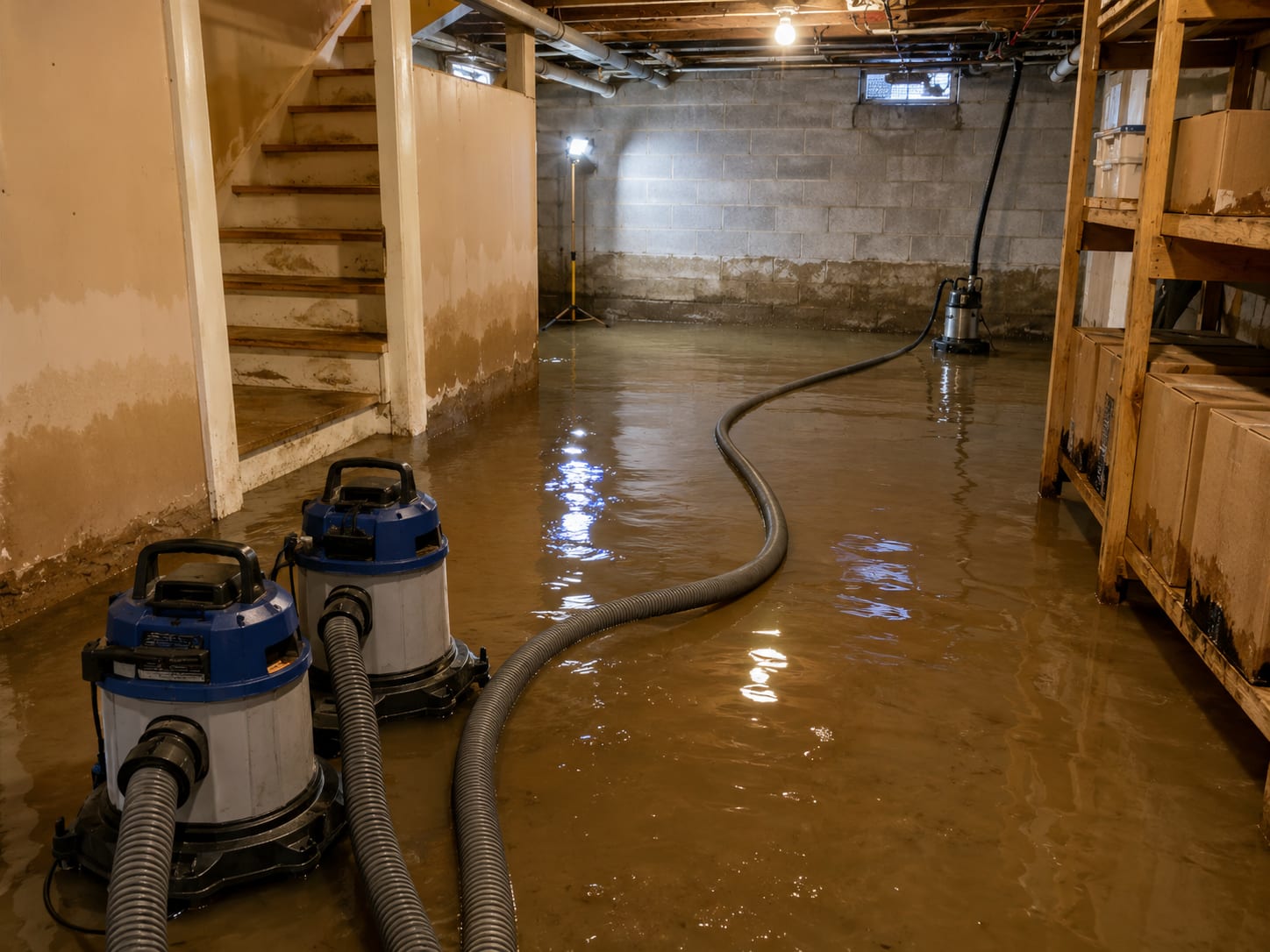
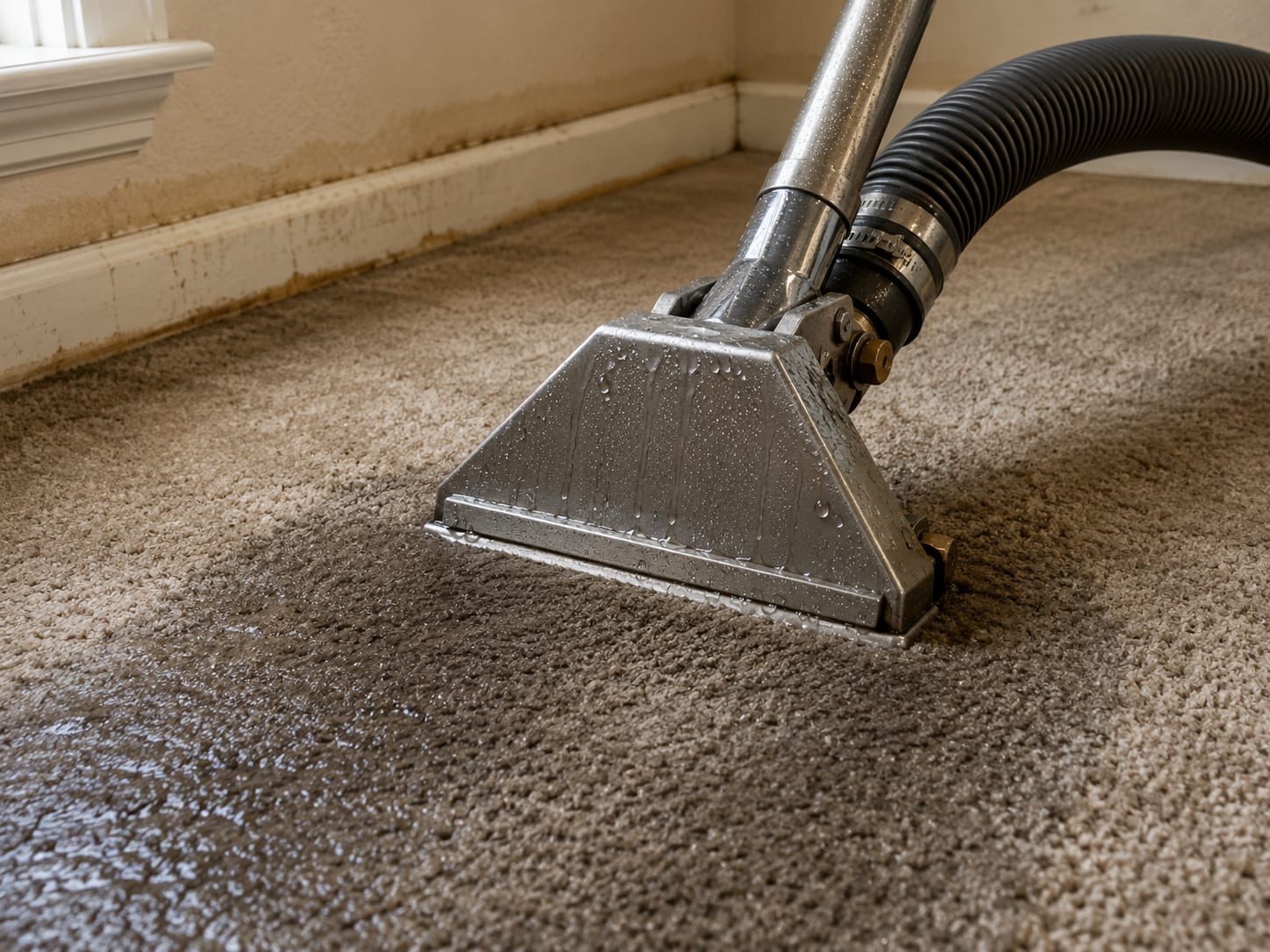
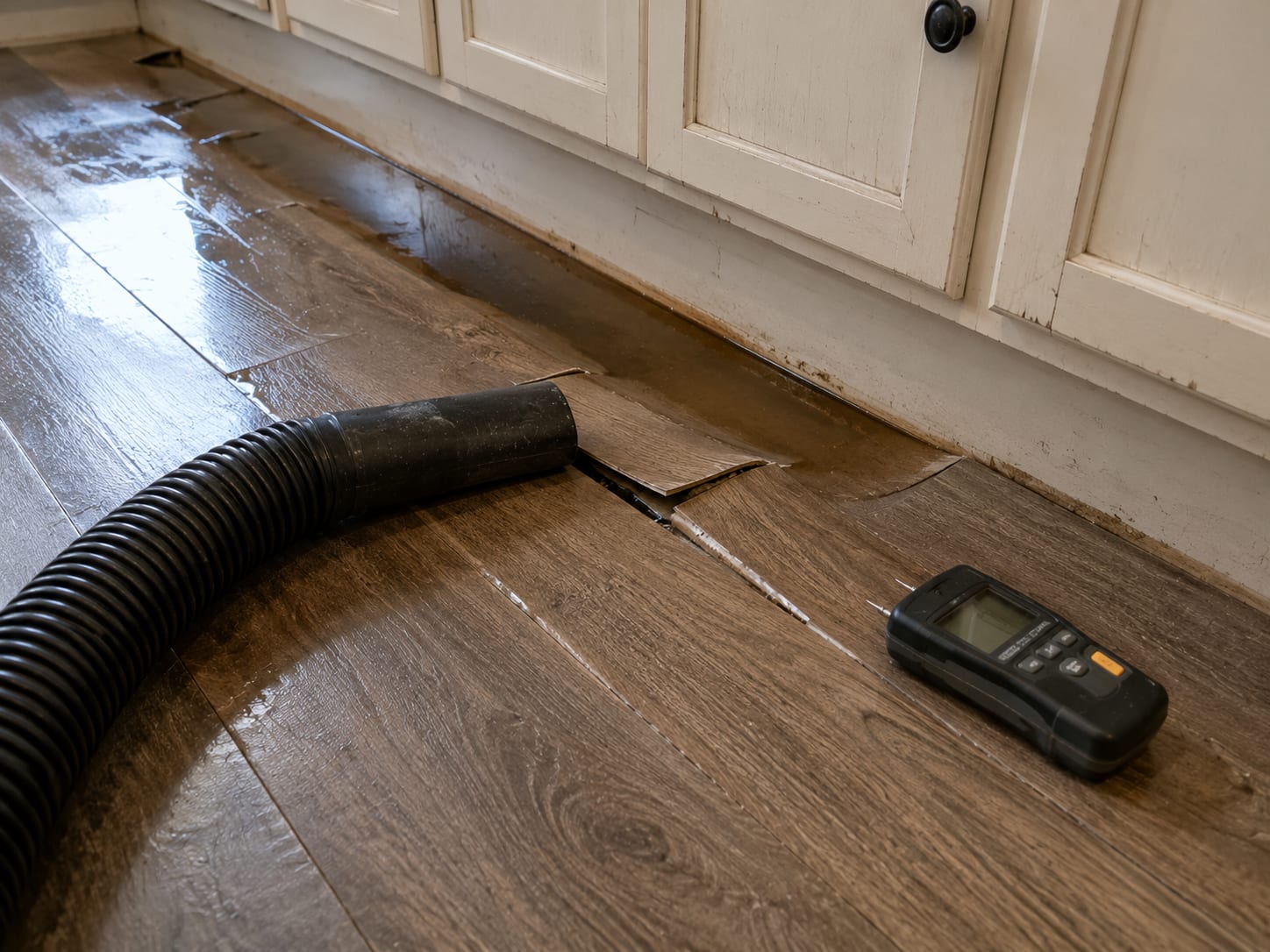
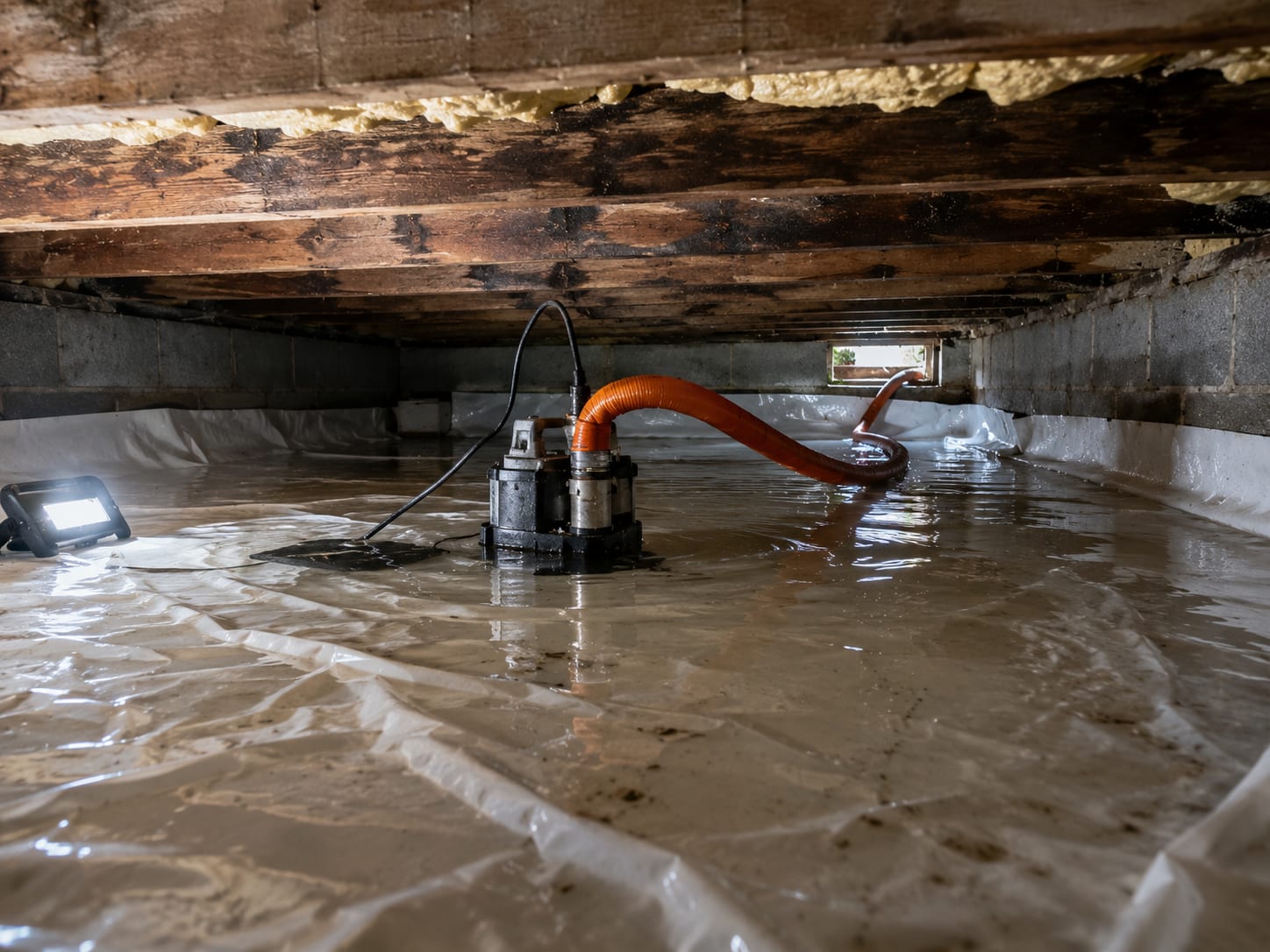
Emergency water extraction is the rapid removal of standing water from a flooded or water-damaged structure using professional-grade pumps and extraction equipment. When ExecPro Restoration & Cleaning responds to a call, the crew arrives with truck-mounted extractors, portable pump units, and submersible pumps capable of pulling large volumes of water out of basements, main floors, crawl spaces, and carpet in a fraction of the time a wet vac or shop vac could manage. The goal is simple: get the water out as fast as possible so the drying process can begin.
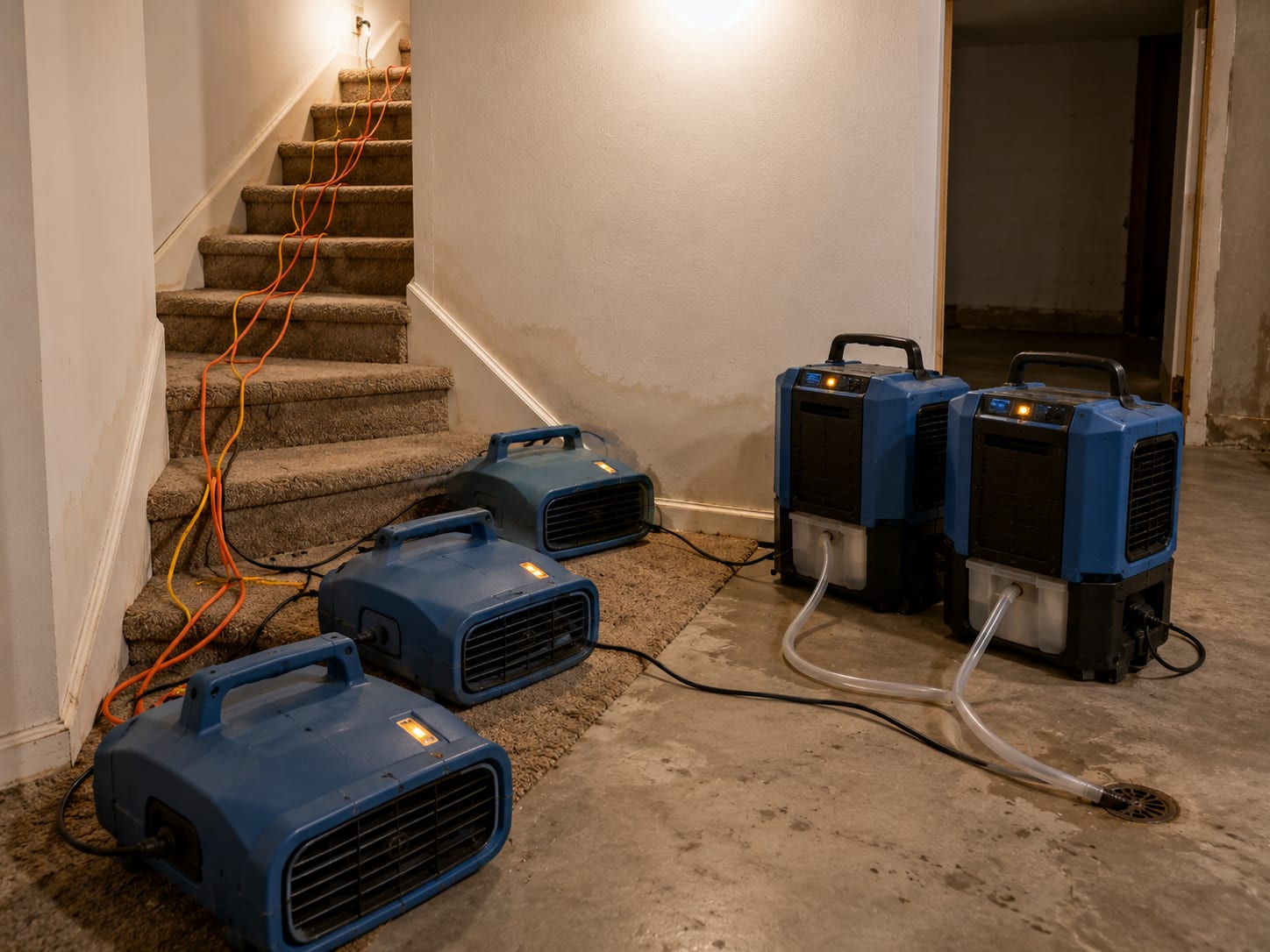
The EPA recommends that wet or damp materials be dried within 24 to 48 hours after a water intrusion event to reduce the risk of mold growth. That window is not generous. Once water works into drywall, insulation, wood framing, or subfloor materials, extraction alone is not enough. That is why ExecPro pairs emergency water extraction with structural drying, moisture mapping, and post-extraction monitoring as part of a complete water damage response rather than a pump-and-leave service call.
Extraction is the first critical step. It removes what you can see. Everything that follows, including dehumidification, air movement, material assessment, and documentation, is what protects your property from the damage you cannot see yet.
Why Does Fast Water Removal Matter So Much?
Water does not wait. The moment it enters a structure, it starts moving into the most porous materials it can find. Carpet absorbs it. Drywall wicks it upward from the base. Wood subfloors swell and warp under it. Insulation holds it against framing for days. The longer standing water sits, the more material gets saturated, and the harder and more expensive the drying process becomes.
Mold is the most widely understood consequence of delayed water removal, and for good reason. Mold spores exist naturally in every indoor environment, and they need only moisture and a surface to begin colonizing. Once mold establishes itself in wet drywall or framing, the job shifts from water damage restoration to mold remediation, which is a more involved and more costly process. Avoiding that outcome is exactly why extraction speed matters.
There are structural concerns beyond mold as well. Standing water can compromise wood framing integrity, cause hardwood floors to buckle, loosen adhesives, corrode metal fasteners, and introduce contaminants into your HVAC system. Properties in central NJ face particular risk from storm surges, sump pump failures, and basement flooding that recurs season after season. Catching each event early keeps repair costs manageable and keeps your property out of the deterioration cycle that repeated water damage creates.
What Causes the Flooding That Requires Emergency Water Extraction?
Water emergencies in central NJ come from a wide range of sources, and the cause matters because it affects how the cleanup needs to be handled. Contaminated water requires different procedures than a clean water appliance overflow, and groundwater intrusion behaves differently from a burst pipe. ExecPro Restoration & Cleaning identifies the source, classifies the water, and responds with the right protocol from the start.
Burst or Leaking Pipes
Frozen pipes that burst in winter, supply line failures behind appliances, and pinhole leaks inside walls can release hundreds of gallons before anyone notices. These are typically clean water events, but fast extraction is still essential because pipe water spreads through wall cavities, under flooring, and into adjacent rooms quickly.
Sump Pump Failure
One of the most common basement flooding causes in NJ, especially during heavy rain. When a sump pump fails mid-storm or loses power during a blackout, groundwater that would normally be diverted instead pools on your basement floor and saturates everything at grade level.
Storm and Flood Damage
Heavy rainfall, overland flooding, river overflow, and storm drain backup can push significant water volumes into structures quickly. Storm damage restoration in NJ often involves a mix of groundwater and surface water, which may carry contaminants that require additional cleaning and disinfection steps.
Appliance Overflows and Failures
Washing machines, dishwashers, water heaters, refrigerator ice makers, and HVAC condensate lines are all common sources of interior water damage. These events often go unnoticed for hours, giving water time to travel under cabinets, behind walls, and beneath flooring.
Sewage Backup
Sewer line backups introduce what the industry classifies as Category 3, or black water, into a structure. This type of event requires containment, protective equipment, removal of contaminated materials, and disinfection in addition to extraction. ExecPro Restoration & Cleaning handles sewage cleanup as a separate, more intensive protocol.
Roof and Foundation Leaks
Water entering through a failing roof, clogged gutters, foundation cracks, or window well failures tends to accumulate slowly before it becomes visible. By the time standing water appears, saturation has often already reached framing, insulation, and interior finishes.
How Does Emergency Water Extraction Work?
The process ExecPro Restoration & Cleaning follows for emergency water extraction is thorough and sequenced. Cutting corners on any step shifts the problem forward rather than solving it. Here is what happens from first arrival to documented completion.
Scroll the steps sideways to follow the full process.
What Sets ExecPro Restoration & Cleaning Apart for Water Emergencies?
A lot of companies can pump water out of a basement. Fewer can take that job from emergency extraction through structural drying, mold prevention, and full property restoration without handing you off to a second or third contractor. ExecPro Restoration & Cleaning handles the entire scope, which matters more than it might seem at first.
Every handoff between contractors introduces delay. Delay introduces the risk of mold. It also creates gaps in documentation that complicate insurance claims. When the same team that extracted the water also placed the drying equipment, monitored moisture readings, and prepared the property for post-water damage reconstruction, there is a clean, continuous record from the moment of the call to the finished repair. That continuity reduces stress, reduces disputes with adjusters, and reduces the total time your property is out of commission.
ExecPro Restoration & Cleaning is licensed and insured, and the team follows IICRC S500 standards for water damage restoration, the industry-recognized framework governing how extraction, drying, and related services should be performed. That standard is not marketing language. It defines specific drying goals, documentation requirements, and material handling protocols that protect both the property and the property owner.
For homeowners across central NJ, from Princeton Junction to Bridgewater to Cherry Hill, the ability to reach one team that handles everything is the practical difference between a contained event and a months-long repair project. Call (888) 300-3772 to reach ExecPro Restoration & Cleaning directly.
What Happens If You Don't Extract Water Fast Enough?
Delayed extraction compounds every problem that follows. Mold growth can begin within 24 to 48 hours of water intrusion on the right materials. Drywall that might have been dried in place if addressed within a few hours may need to be cut out and replaced if left wet for days. Hardwood floors that would have survived with prompt drying may buckle and require full replacement after prolonged exposure.
There is also the contamination question. Water that starts as a clean supply line leak can become a gray or black water situation if it mixes with standing wastewater, collects debris, or sits long enough to grow bacteria. The longer extraction is delayed, the more likely the response protocol needs to escalate, and with it, the cost and complexity.
For basement mold remediation that traces back to a flooding event that was not addressed quickly, or ceiling mold removal that follows a roof leak that soaked insulation for weeks, the remediation cost is always higher than the cost would have been if extraction and drying had happened promptly. The math on calling quickly is straightforward.
Emergency Water Extraction Across Central NJ
ExecPro Restoration & Cleaning provides emergency water extraction across a broad service area in central and central-south NJ. That coverage reflects real geographic awareness of where flooding happens and why. Properties near rivers and low-lying areas in communities like Lambertville, Trenton, Millstone, and Florence face different risk profiles than suburban properties in Bridgewater, Basking Ridge, or Marlboro, where sump pump failures and aging pipe infrastructure are more common triggers.
Coastal and near-shore communities including Red Bank, Fair Haven, Rumson, Long Branch, Sea Bright, Manasquan, and Bay Head deal with storm surge risk and seasonal flooding patterns that make water extraction a recurring need rather than a once-in-a-decade event. ExecPro Restoration & Cleaning serves these areas as part of the same 24-hour water damage response network that covers inland communities.
Whether the call comes from Hamilton, Somerset, Holmdel, Mount Laurel, or Burlington, the response protocol is the same: fast arrival, proper assessment, extraction with the right equipment for the situation, and a drying plan that gets documented from start to finish. If you are outside the towns listed above but in central NJ, reach out to confirm coverage for your address.
Frequently Asked Questions About Emergency Water Extraction
The EPA advises drying wet materials within 24 to 48 hours to reduce the risk of mold growth. In practice, extraction should begin as soon as the source is controlled and the area is safe to enter. The longer bulk water sits, the deeper it penetrates into structural materials and the more difficult the drying phase becomes. Calling for extraction the same day an event occurs is always the right decision.