Commercial Mold Remediation in Central New Jersey
ExecPro Restoration & Cleaning handles mold in offices, retail spaces, apartment complexes, and commercial buildings across central NJ. We work around your schedule, document everything, and fix the moisture source so the problem doesn't come back.
What Is Commercial Mold Remediation?
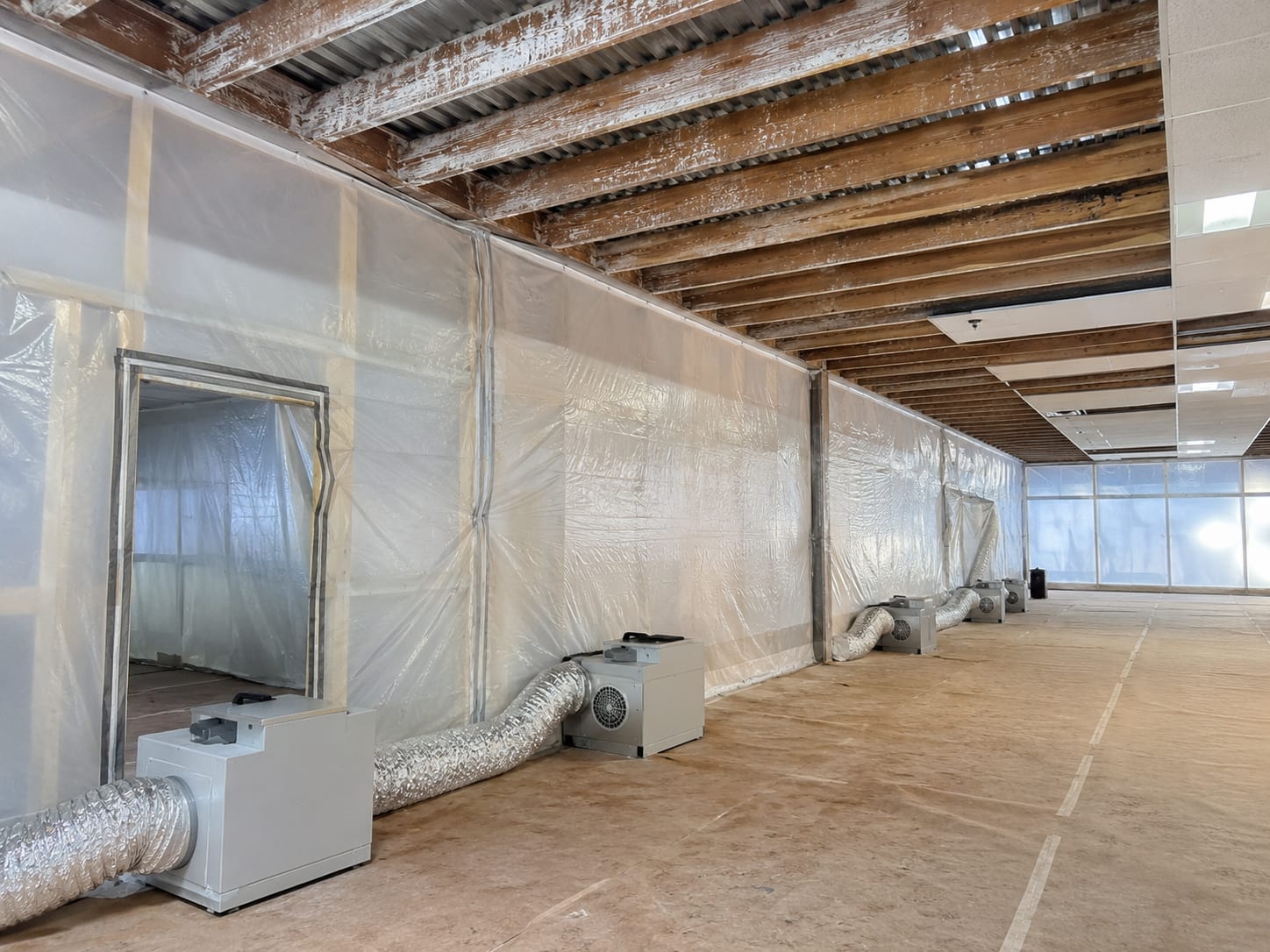
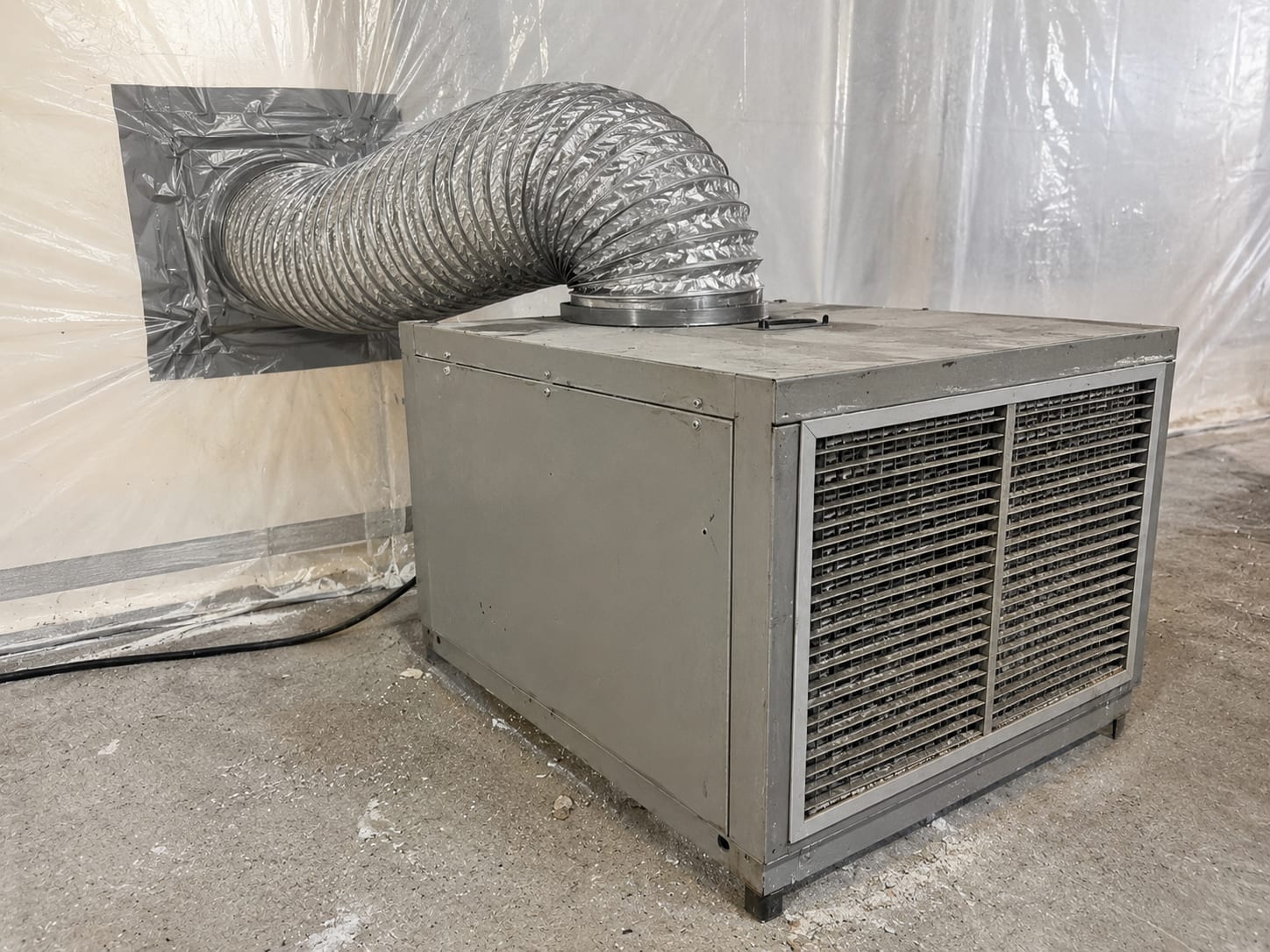
Commercial mold remediation is the structured process of identifying, containing, removing, and verifying the elimination of mold in a business or commercial property. At ExecPro Restoration & Cleaning, that process starts with finding where moisture is coming from, because mold without a resolved moisture source will return. The scope covers containment planning, removal of affected materials, HEPA-filtered cleanup, surface treatment, structural drying, and detailed closeout documentation, all coordinated to keep your operations running with as little disruption as possible.
Commercial properties involve tenants, employees, facility managers, insurers, and sometimes legal teams who all need clear answers. That's why documentation is a core part of every project ExecPro Restoration & Cleaning takes on, not an afterthought. You'll know what was found, what was done, and how the work was verified.
Whether you're managing an office building in Princeton NJ, an apartment complex in New Brunswick NJ, or a retail center in Cherry Hill NJ, the remediation approach accounts for occupied areas, access controls, and business hours. That's exactly how ExecPro structures commercial work.
Why Does Mold Keep Coming Back in Commercial Buildings?
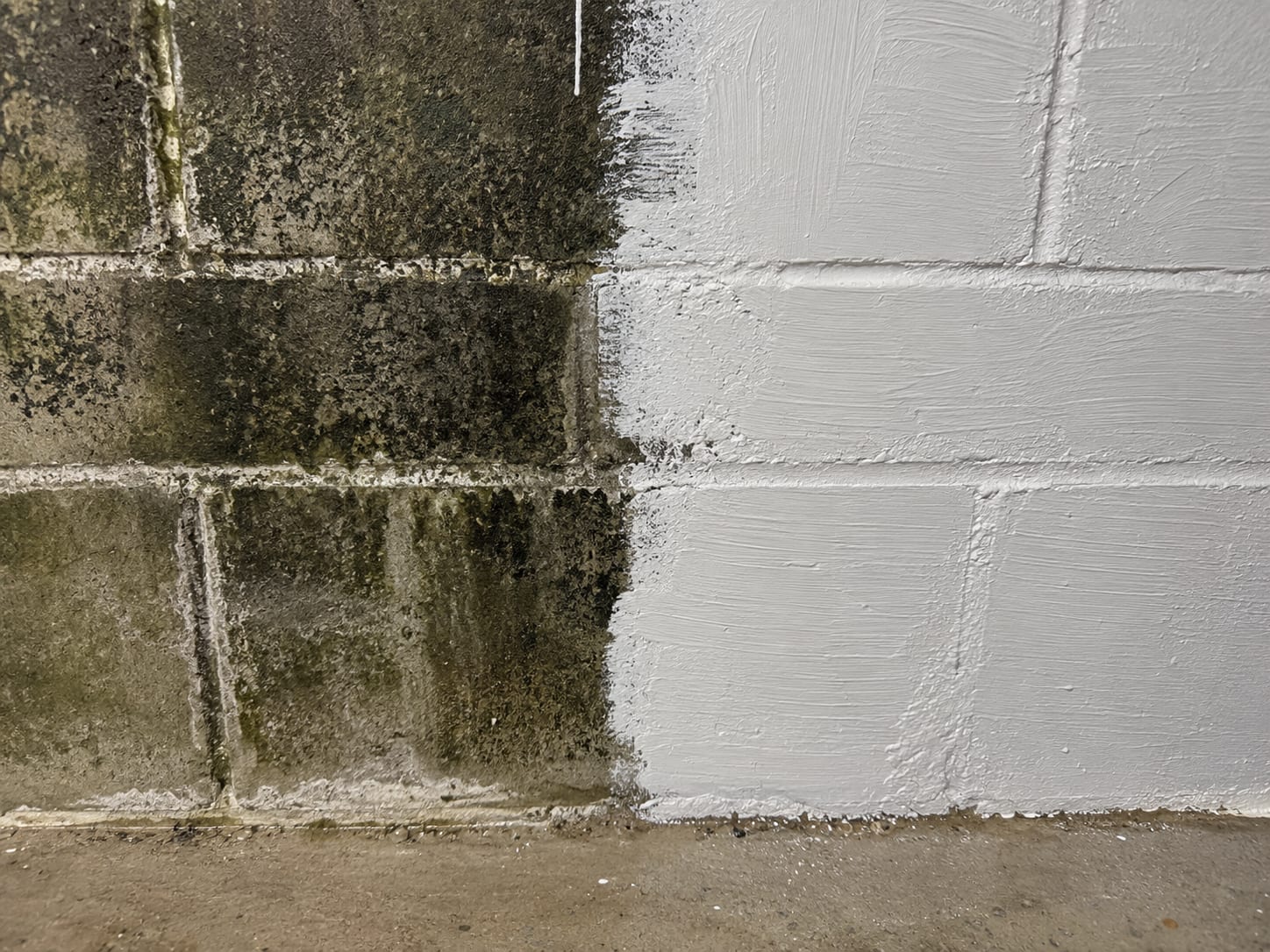
Mold doesn't grow without a moisture source. Roof leaks, plumbing failures, HVAC condensation, poor ventilation, basement seepage, and floodwater are the usual culprits in commercial properties. When remediation addresses the visible mold but leaves the moisture problem in place, recurrence follows within weeks or months.
Commercial buildings carry extra risk because their systems are more complex. HVAC units that aren't properly maintained can distribute mold spores through ductwork. Roof penetrations that haven't been repaired correctly allow water to migrate down wall cavities. Mechanical rooms and damp storage areas often go unnoticed until the mold colony is substantial.
ExecPro Restoration & Cleaning follows EPA and NJ Department of Health guidance in treating moisture correction as the foundation of any remediation plan. If the water source isn't identified and addressed before or during remediation, the project isn't finished. That principle drives how every commercial scope is written and executed.
For buildings where HVAC systems are involved, ExecPro offers HVAC mold remediation alongside the broader commercial project, keeping the ventilation system from spreading contamination to areas that weren't originally affected.
How Does the Commercial Mold Remediation Process Work?
Every commercial mold project follows a defined sequence. ExecPro Restoration & Cleaning moves from initial call to verified closeout in seven steps.
Scroll the steps sideways to follow the full process.
What Does Commercial Mold Remediation Cover?
Commercial mold problems show up in every part of a building. ExecPro Restoration & Cleaning handles the full range of affected areas and building types across central and southern NJ.
Office and Retail Spaces
Occupied suites require careful containment planning and scheduling. ExecPro works around your hours and tenant needs so business doesn't stop while remediation is underway.
Apartment Complexes and Multi-Unit Buildings
Mold in one unit can spread through shared walls, ceilings, or HVAC systems. ExecPro's property management mold services address multi-unit situations with coordinated access and thorough documentation for owners and managers.
Basements and Mechanical Rooms
Below-grade spaces and mechanical rooms are common mold hot spots due to condensation, humidity, and water intrusion. These areas require moisture source correction alongside remediation to prevent recurrence.
HVAC and Duct-Adjacent Areas
When mold connects to ventilation systems, the remediation scope must include duct-adjacent conditions. Ignoring the HVAC side of a commercial mold problem risks redistributing spores throughout the building.
Warehouses and Storage Areas
Damp storage areas often develop mold before anyone notices. Thermal imaging and moisture mapping help identify hidden wet zones in concrete walls, rooflines, and insulation assemblies.
Post-Water-Damage Situations
Roof leaks, burst pipes, and flooding that aren't dried quickly lead to mold. Water damage restoration and commercial mold remediation often run together when a building has had an unresolved water event.
What Makes Commercial Mold Remediation Different From Residential?
Scale is the obvious difference, but the more important distinctions are operational. A homeowner with mold in a basement can leave the house while work is done. A commercial property with mold in a storage room or mechanical space often can't shut down the building, and can't tell a full floor of tenants to work from home for a week.
Commercial remediation requires a different kind of planning. Phased work schedules, after-hours access, containment that isolates the affected area without restricting access to unaffected floors or suites, and clear communication protocols with building staff and tenants are all part of how ExecPro structures commercial projects.
Documentation requirements are also heavier on the commercial side. A residential project closes out with a clearance test and a technician's completion report. A commercial project often needs moisture readings at multiple stages, photos tied to the work log, containment records, waste disposal documentation, and a post-remediation verification package that satisfies both the building owner and the insurer. ExecPro builds that documentation into the project from day one.
For situations where a commercial mold inspection or commercial mold testing is needed before a remediation scope is defined, those services are available separately. Some building owners want to know exactly what they're dealing with before committing to a full remediation plan, and that's a reasonable place to start.
From Remediation to Rebuild: One Coordinated Path
One of the real frustrations commercial property owners run into is managing two separate contractors: one for remediation and another for the rebuild. Coordinating timelines, accessing the space twice, and reconciling two different scopes of work adds time and expense to every project.
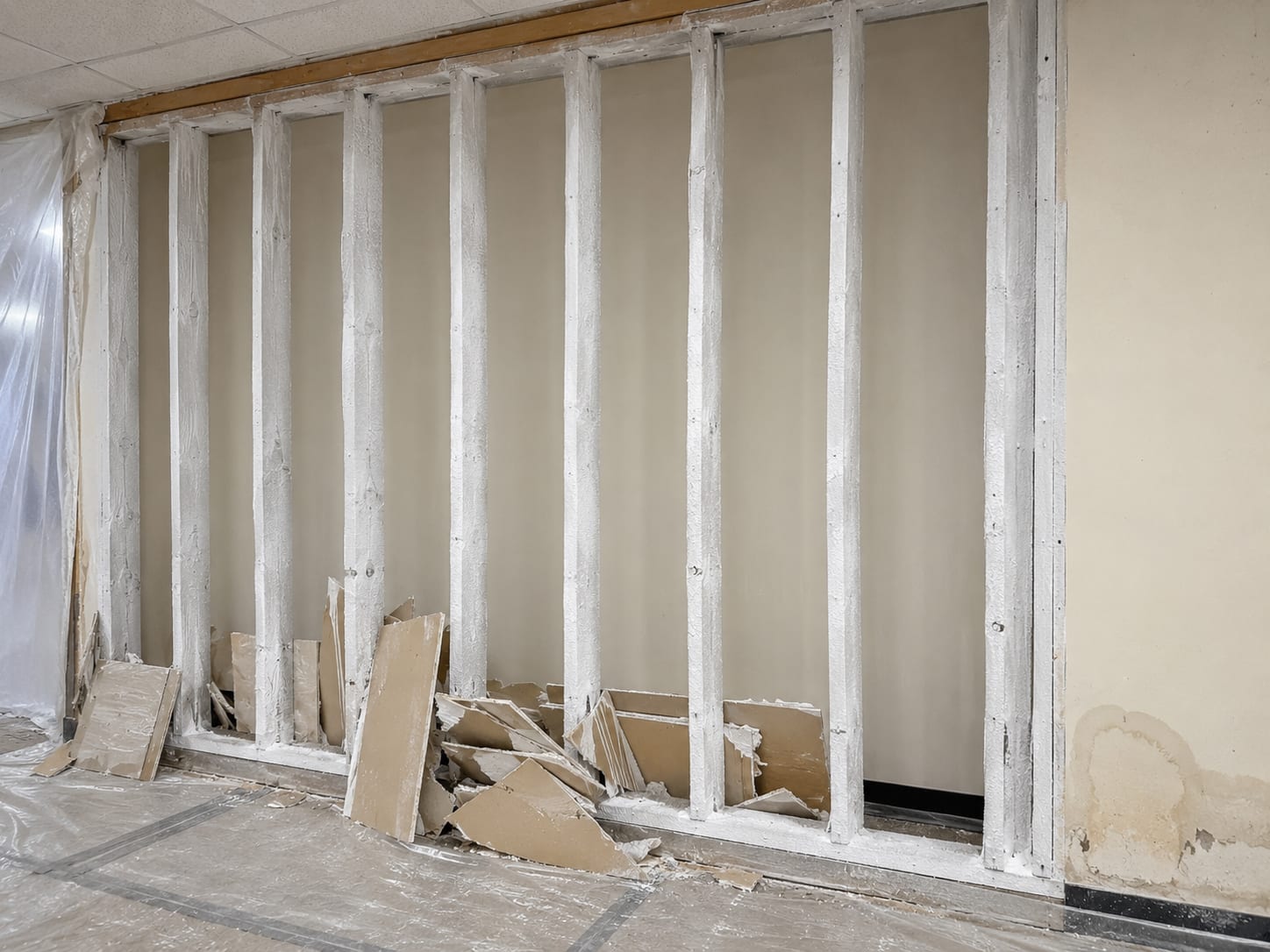
ExecPro Restoration & Cleaning handles both sides. After remediation and moisture verification are complete, the same team that handled containment and removal moves into structural repairs. That includes drywall replacement after mold, flooring, interior painting, and any other material that was removed or damaged in the process. The transition from remediation to rebuild is coordinated internally, which keeps the project timeline tighter and eliminates the communication gaps that come with multiple contractors.
For buildings where water damage preceded the mold, post-water damage reconstruction is part of the same workflow. You get one point of contact, one project timeline, and one closeout package covering the full scope from initial assessment through final repairs.
This matters most in commercial situations where downtime is expensive. A retail space sitting empty or an office floor partially out of service costs money every day. Getting from the discovery of mold to a fully restored, verified, and occupied space as quickly as possible is the goal, and having remediation and rebuild under one roof is the most direct path.
Who Handles Commercial Mold Remediation at ExecPro?
ExecPro Restoration & Cleaning is licensed and insured to perform commercial mold remediation across central and southern New Jersey. Technicians are trained to IICRC S520 standards, the industry benchmark for applied microbial remediation. Water damage knowledge drawn from IICRC S500 training is also part of the team's background, because commercial mold and water damage are frequently connected.
The work follows EPA guidance and NJ Department of Health mold guidelines from the start of every project. That matters in commercial settings where insurers, facility managers, and sometimes legal teams need documentation that holds up. Scope definition, containment, and closeout reporting are all treated as core deliverables, not optional add-ons.
For property managers and commercial property owners with ongoing needs, ExecPro offers property management mold services built around recurring inspections, rapid response, and coordinated documentation across multiple units or buildings.
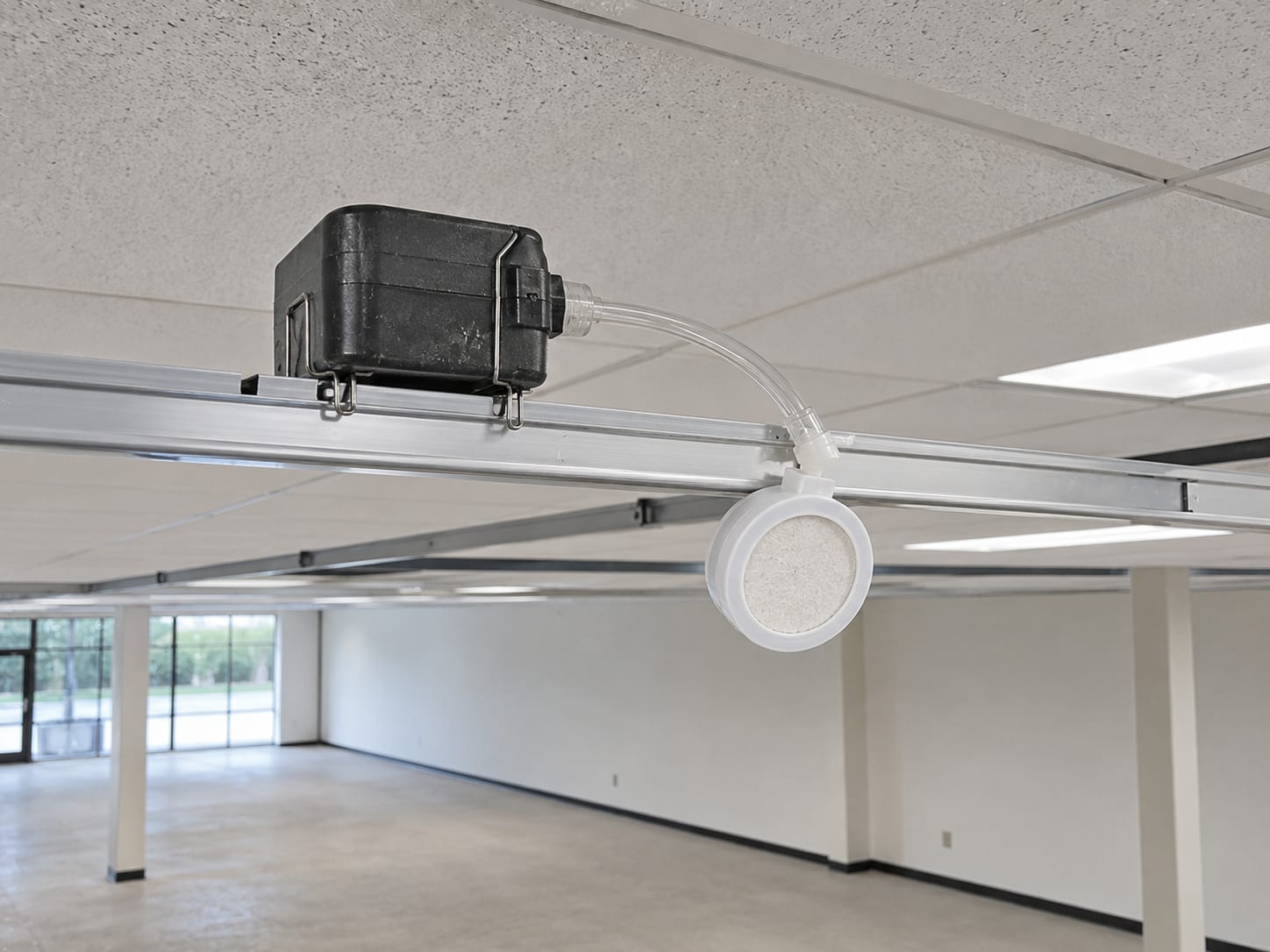
Every commercial project also benefits from ExecPro's commercial air quality testing capability. Whether it's pre-remediation sampling to document the problem, post-remediation verification to confirm clearance, or air quality concerns raised by tenants or employees, testing is available as part of the project or as a standalone service.
Serving Commercial Properties Across Central and Southern NJ
ExecPro Restoration & Cleaning serves commercial properties across New Jersey, from office parks and retail centers in Bridgewater NJ and Somerset NJ to apartment complexes and mixed-use buildings in Trenton NJ, Hamilton NJ, and New Brunswick NJ. The service area extends east to Holmdel NJ, Middletown NJ, and the Monmouth County shore communities, and south through Burlington County including Moorestown NJ, Mount Laurel NJ, and Cherry Hill NJ.
Whether the building is in a dense commercial corridor or a suburban office park, the approach is the same: assess thoroughly, contain properly, document everything, fix the moisture source, and close out with verification.
For real estate professionals handling commercial transactions in Princeton NJ, Lawrenceville NJ, or Flemington NJ where a mold finding needs to be addressed before closing, ExecPro's commercial mold removal and inspection services fit into the transaction timeline without unnecessary delays.
Frequently Asked Questions About Commercial Mold Remediation
The remediation itself doesn't typically require a standalone mold remediation permit, but the rebuild work that follows often does. Drywall replacement, HVAC work, plumbing, electrical, and structural repairs may require construction permits and licensed trades under NJ contractor and building code requirements. ExecPro Restoration & Cleaning handles the permitting coordination on the build-back side so you don't have to manage multiple licensing questions across different trades.