Carpet Water Extraction in Central New Jersey
When water soaks into your carpet, every hour matters. ExecPro Restoration & Cleaning uses truck-mounted extraction equipment and IICRC S500-standard procedures to pull water out fast, assess whether your carpet and pad can be saved, and treat surfaces to stop mold before it starts.
What Is Carpet Water Extraction?
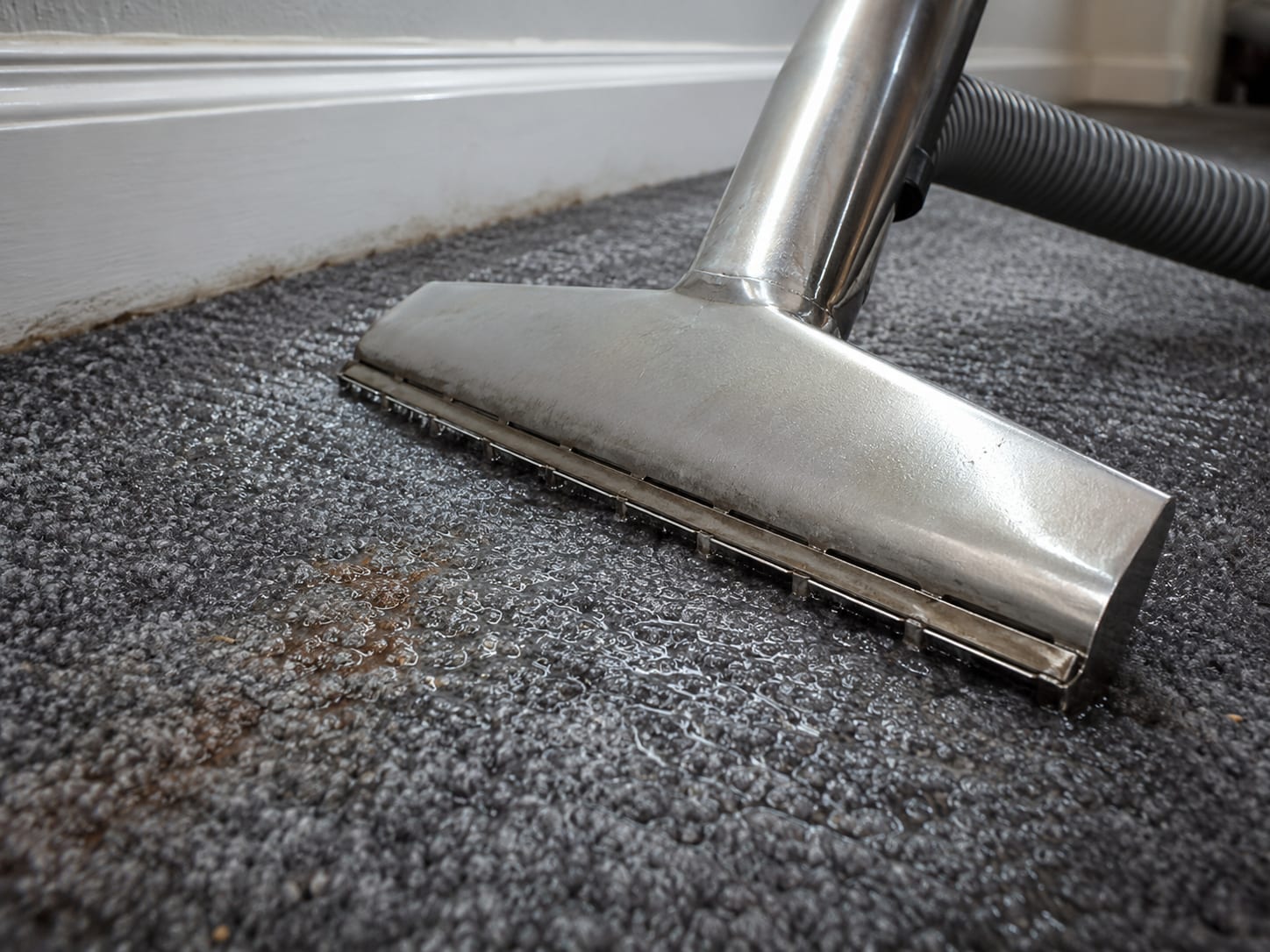
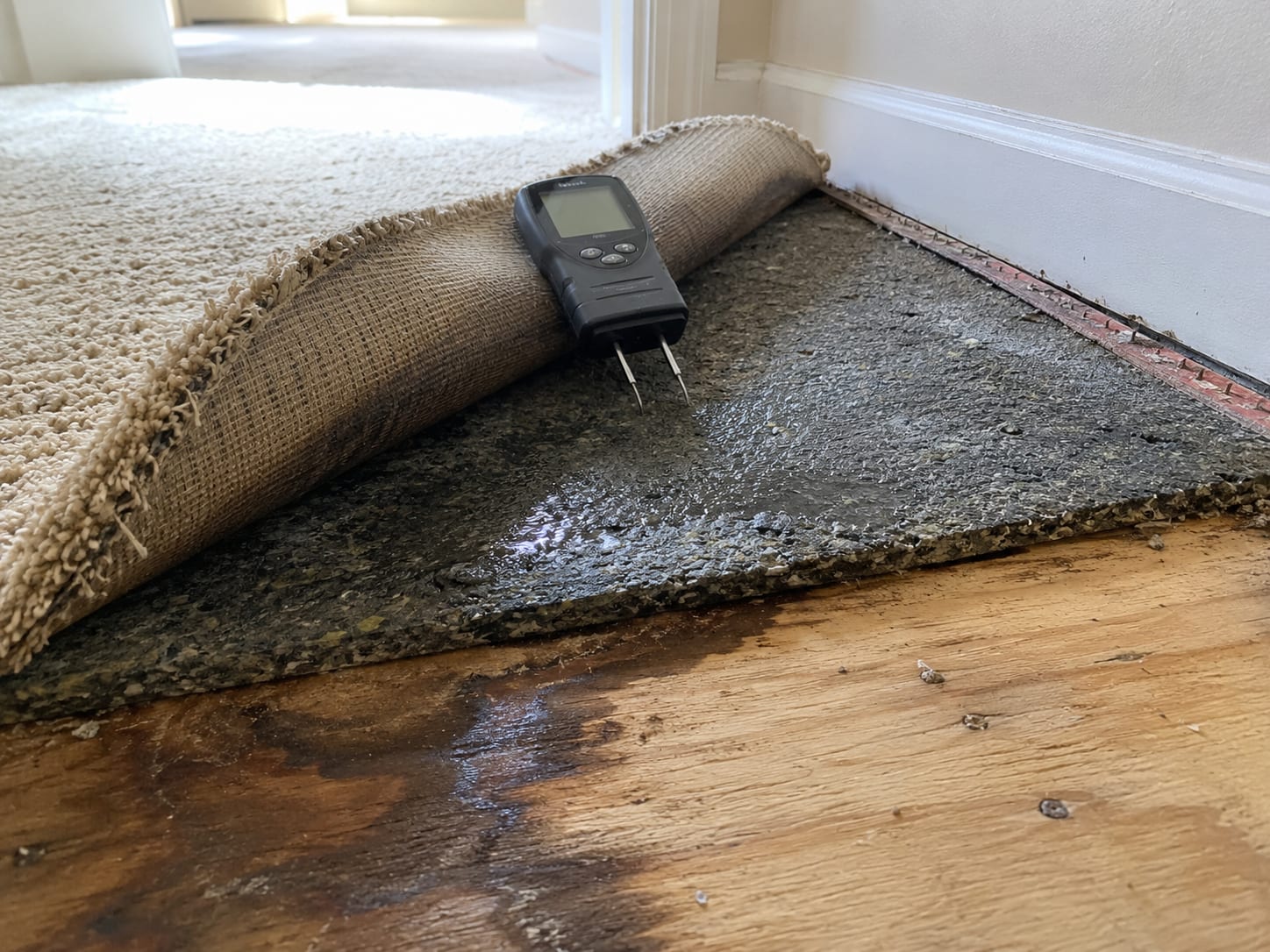
Carpet water extraction is the professional process of removing standing and absorbed water from carpet and carpet padding after a water damage event. A trained technician uses truck-mounted hot water extraction equipment to pull moisture out of carpet fibers, backing, and the subfloor layer beneath, going far deeper than any shop vac or consumer wet-dry vacuum can reach. The goal is to remove as much water as possible within the first 24 hours, slow the spread of damage, and give your carpet the best chance of being salvaged.
At ExecPro Restoration & Cleaning, the process follows IICRC S500 standards, the industry benchmark for professional water damage restoration. That means moisture meters, proper containment, antimicrobial treatment, and a clear assessment of whether your carpet is worth saving or needs to go. You get a straight answer, not a sales pitch.
Why Does the 24-Hour Window Matter So Much?
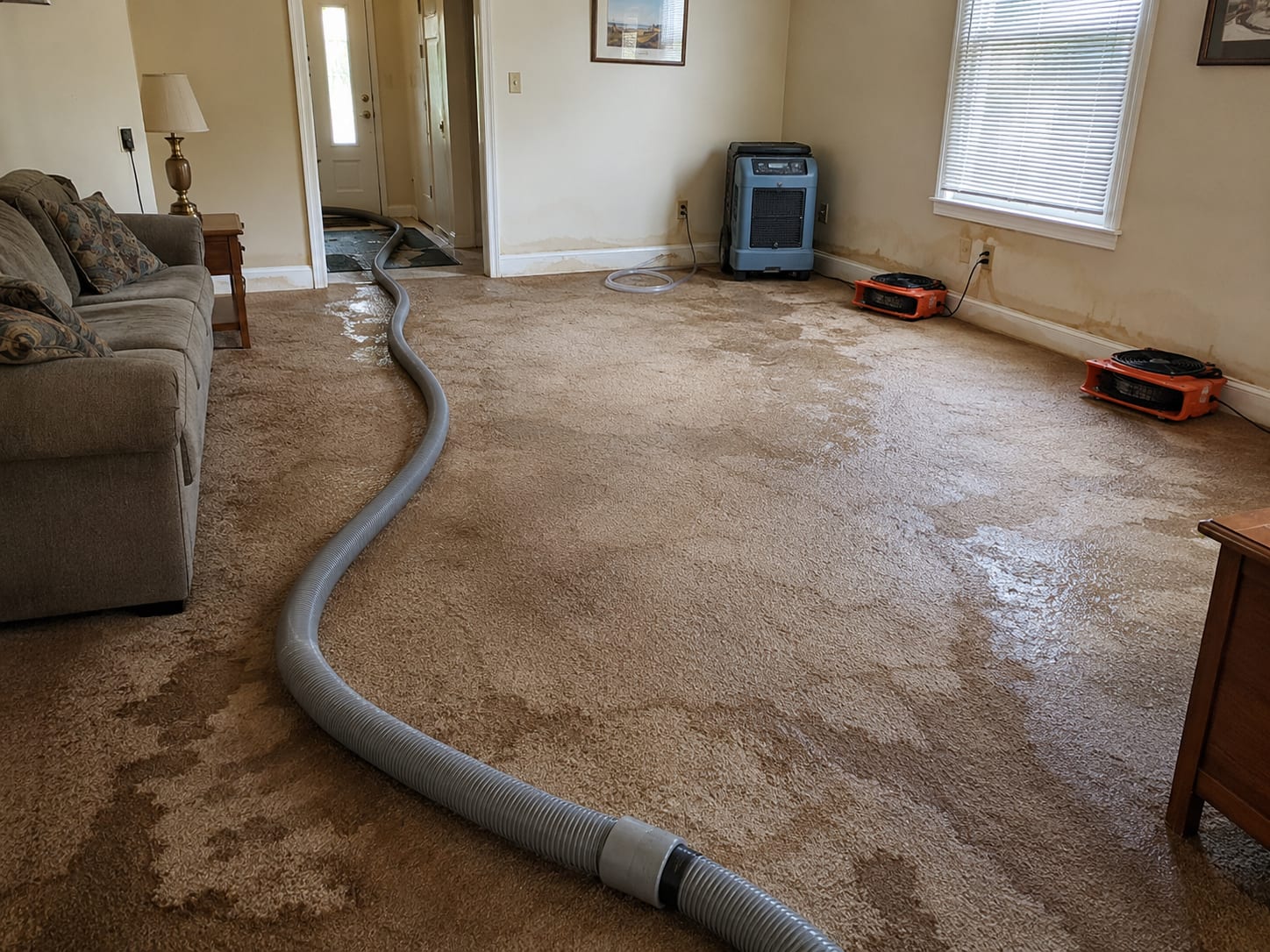
Water-soaked carpet is one of the fastest-moving problems in a home. Within the first few hours, moisture wicks from the carpet into the pad and then into the subfloor. By 24 hours, the conditions that support mold growth are already forming. The IICRC S500 standard draws a hard line: carpet wet for fewer than 24 hours has a reasonable chance of full restoration. Carpet wet longer is often a replacement job, and the padding underneath is almost always discarded regardless.
That window is tighter than most homeowners expect. A slow drip from an appliance overnight, a flood while you were at work, or a storm that pushed water under a door while the family was away for the weekend can each cross that threshold before you have a chance to act. Speed is not just a selling point. It is genuinely what separates a restoration from a replacement.
Water damage also does not stay where you can see it. Moisture travels through carpet into padding, into subfloor seams, and up into wall cavities. Left unchecked, that hidden moisture becomes the fuel for basement mold remediation or structural damage weeks later, long after the visible wet spot has dried. Professional extraction and drying catches what you cannot see.
How Does Truck-Mounted Extraction Actually Work?
Professional carpet water extraction follows a defined sequence. Each step builds on the one before it, and skipping any of them is what leads to recurring mold problems or floor damage that shows up months later.
Scroll the steps sideways to follow the full process.
When Can a Carpet Be Saved, and When Does It Have to Go?
This is the question most homeowners want answered first, and a straight answer is what they deserve. Whether a carpet can be restored depends on three factors: how long it has been wet, what type of water caused the damage, and the condition of the carpet before the event.
Carpets wet for fewer than 24 hours from clean water, such as a burst supply line or an appliance leak, are good candidates for extraction and restoration. Carpets wet from gray water, such as an overflowing washing machine or a dishwasher drain backup, can sometimes be saved with thorough extraction and antimicrobial treatment, but the risk level is higher. Carpets contaminated by sewage or floodwater with unknown sources are not salvageable and should be removed. The health risks associated with Category 3 water make restoration an inappropriate option, full stop.
Older carpets that were already worn, or those with delamination or significant prior moisture damage, are also poor candidates even under the best circumstances. If a carpet needs to go, you will hear that clearly from ExecPro Restoration & Cleaning, along with what comes next for the subfloor and the surrounding area. For properties moving toward reconstruction after water damage, post-water damage reconstruction is a natural next step once the affected materials have been removed and the area is fully dry.
Carpet Water Extraction and the Mold Connection
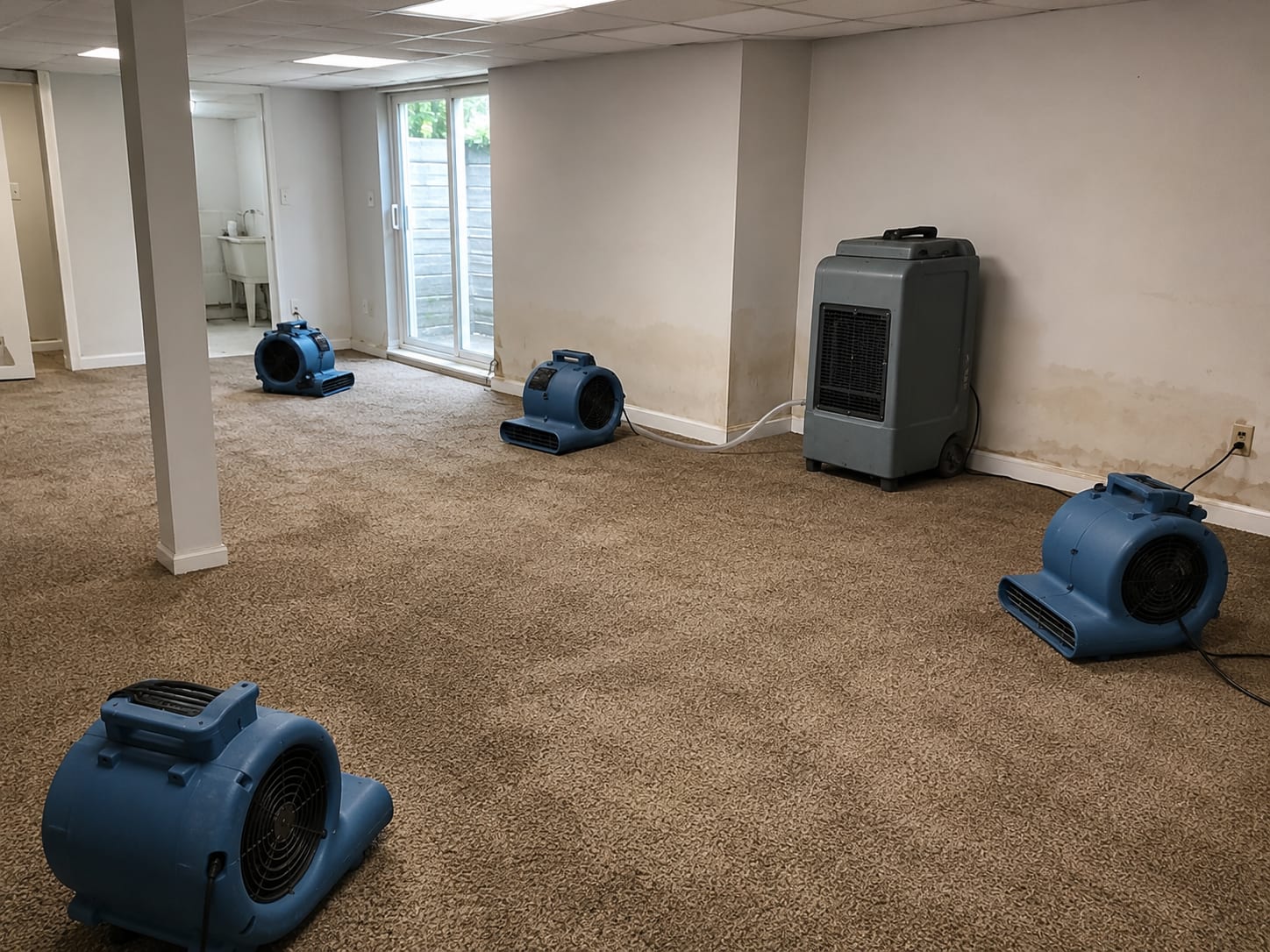
Mold and wet carpet are closely linked, and most homeowners do not realize how fast that connection forms. Mold spores are always present in indoor environments at low levels. What activates them is moisture, warmth, and an organic food source. Saturated carpet and padding check all three boxes, which is why mold can begin to establish within 24 to 48 hours of a water event.
Incomplete drying is the most common reason carpet-related mold problems show up weeks or months after a water damage event. A surface may feel and look dry while the padding below and the subfloor beneath are still holding moisture. That is the scenario that produces ceiling mold removal jobs and basement mold remediation calls long after a water event that seemed to have been handled.
Antimicrobial treatment during extraction, combined with thorough dehumidification and verified dry-out, is what breaks that cycle. A properly executed extraction job removes the conditions that make growth likely. If there is any concern about air quality following a water damage event, indoor air quality testing can confirm whether spore levels in the affected area are within acceptable range before the space is reoccupied.
What Sets ExecPro Restoration & Cleaning Apart From Other Providers?
When you are dealing with water damage, the company you call makes a real difference. ExecPro Restoration & Cleaning is fully licensed and insured for water damage restoration throughout New Jersey, and every job follows IICRC S500 standards with truck-mounted equipment and verified moisture monitoring from start to finish.
IICRC S500 Standards on Every Job
Every technician follows the IICRC S500 Standard for Professional Water Damage Restoration, the same benchmark that guides the industry's best restoration firms. This means your job follows a defined, documented process rather than whatever the technician remembers from the last job.
Truck-Mounted Equipment, Not Portable Units
Truck-mounted extraction generates the pressure and temperature levels that portable equipment cannot. The moisture pulled from deep carpet fibers and backing is significantly greater, which shortens drying time and reduces the conditions that allow mold to establish.
Honest Salvageability Assessments
If your carpet needs to come out, you will hear that clearly rather than receive an extraction, a charge, and a mold problem six weeks later. A straight assessment upfront protects your home and your budget.
Moisture Monitoring Through Drying
Drying is not a set-it-and-leave-it process. Technicians return to monitor moisture readings throughout the drying phase, adjusting equipment placement as needed to confirm full dry-out. The job is not complete until the numbers confirm it.
Full Water Damage Scope Under One Roof
Carpet extraction is often one part of a larger water damage situation. ExecPro Restoration & Cleaning handles structural drying, emergency water extraction, and flood damage cleanup as well, so you are not coordinating between multiple contractors when your home needs more than one service.
Serving Homeowners and Property Managers Across Central New Jersey
ExecPro Restoration & Cleaning provides carpet water extraction throughout central and central-coastal New Jersey. Whether you are in Princeton Junction, Bridgewater, Red Bank, Cherry Hill, or anywhere in between, the same process and the same standards apply to every job.
Property managers dealing with water events across apartment communities or multi-unit buildings will find that ExecPro Restoration & Cleaning is equipped to handle multiple units simultaneously. Coordinating equipment placement, moisture monitoring, and drying timelines across multiple affected spaces requires a team with the equipment capacity and organizational structure to execute it correctly. Property management water damage response and mold services go hand in hand in multi-unit settings.
Real estate professionals handling transactions with water damage findings also have a specific set of needs. Documentation of the scope, the work performed, and the post-extraction moisture readings is often required for insurance purposes or as part of a transaction disclosure. ExecPro Restoration & Cleaning provides clear, accurate documentation throughout the process.
Frequently Asked Questions About Carpet Water Extraction
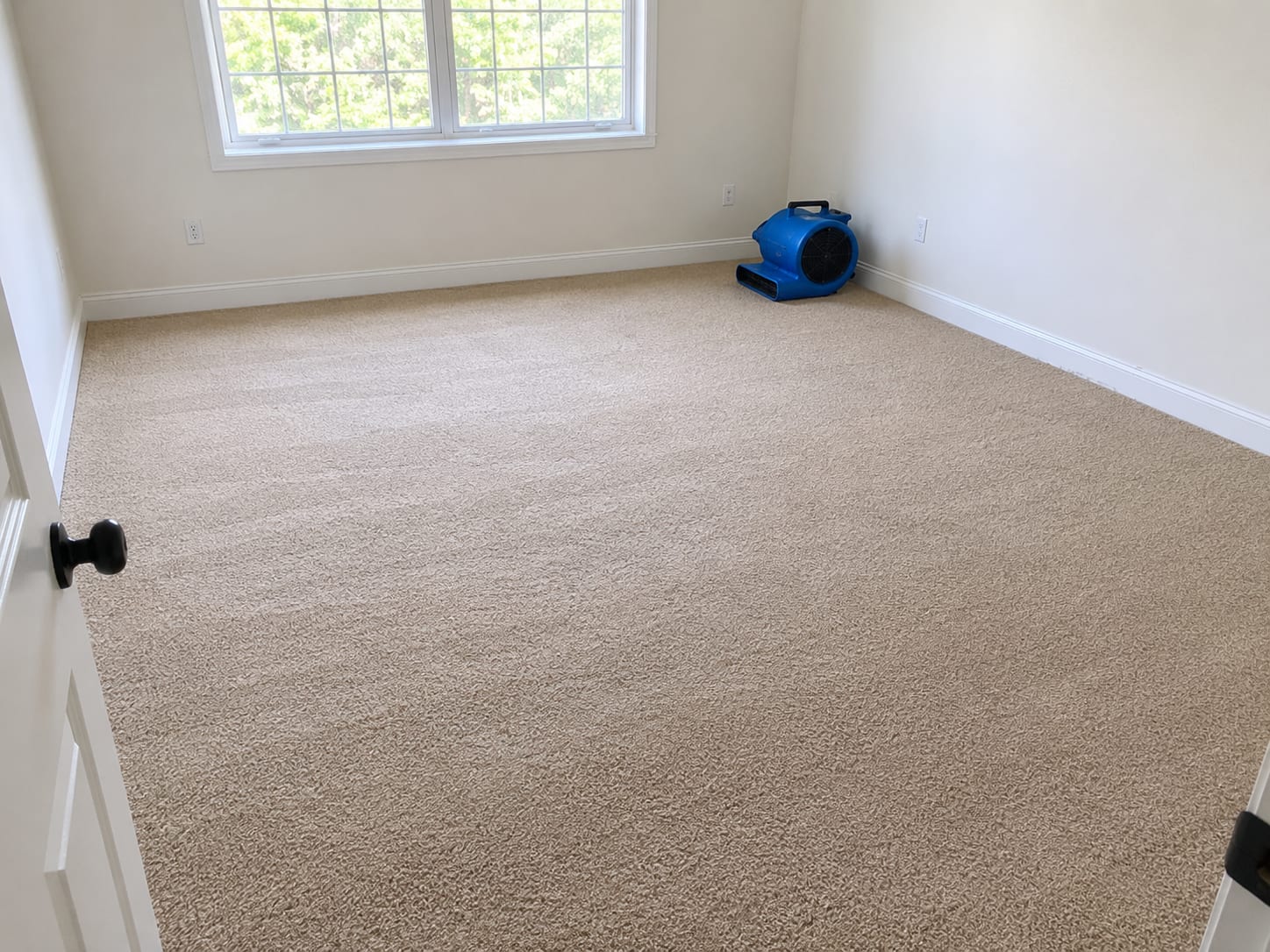
The extraction itself typically takes a few hours depending on the affected area. The full drying process that follows usually runs three to seven days, with industrial air movers and dehumidifiers running continuously. A technician monitors moisture levels throughout that period and removes equipment once readings confirm the area has reached acceptable moisture levels.
Get Your Carpet and Home Back to Normal
Contact ExecPro Restoration & Cleaning at (888) 300-3772 or hello@execprorc.com