Mold Inspection Services in New Jersey
A professional mold inspection from ExecPro Restoration & Cleaning gives you a clear, documented picture of what's happening inside your property. Our trained technicians assess moisture sources, identify contamination, and deliver a detailed written report you can use with contractors, insurers, and real estate professionals.
What Is a Mold Inspection, and What Do You Actually Get?
A mold inspection is a systematic visual assessment of your property carried out by trained technicians who know where mold hides, what conditions feed it, and how far contamination typically spreads. At ExecPro Restoration & Cleaning, an inspection covers every area likely to harbor moisture or microbial growth: basements, crawl spaces, attics, bathrooms, HVAC systems, around windows, and along exterior walls. You receive a written report documenting findings, moisture readings, and a recommended course of action. Most residential inspections are completed in two to four hours depending on property size and complexity.
That report is the deliverable that matters. It tells you whether mold is present, where it originates, what conditions are sustaining it, and what remediation scope would be appropriate. It is the document your contractor, insurance adjuster, or real estate attorney will ask for. A verbal walkthrough is not a substitute, and a general home inspection is not the same thing. Mold inspection is a specialized discipline, and the difference shows in the detail.
Why Are Homeowners and Buyers in NJ Calling for Mold Inspections Right Now?
New Jersey's climate creates reliable conditions for mold growth throughout the year. Hot, humid summers, freeze-thaw cycles in winter, and the proximity of many communities to tidal rivers and coastal areas all contribute to elevated indoor moisture levels. Properties in Princeton Junction, West Windsor, Plainsboro, and other parts of central NJ routinely experience basement seepage and HVAC condensation issues that go unnoticed until mold is well established.
For homeowners, the most common trigger is a visible spot, a musty odor, or a respiratory symptom that won't resolve. For buyers and sellers, it's a contract contingency or a listing concern. For landlords and property managers, it's a tenant complaint or a failing HVAC inspection. Whatever brought you here, the underlying question is the same: how bad is it, and what do I do next? That's exactly what a mold inspection is designed to answer.
New Jersey does not currently require licensing specifically for mold inspectors, though certified professionals following IICRC S520 standards and holding credentials such as the ACAC's CMI (Certified Mold Inspector) designation are widely regarded as the industry benchmark. ExecPro Restoration & Cleaning is a licensed and insured company, and our technicians follow established professional protocols on every inspection we perform.
How Does Mold Inspection Differ from Mold Testing?
The terms get used interchangeably, but they describe different activities. A mold inspection is a physical assessment: the technician comes to your property, looks at it, measures moisture levels, and documents what they observe. The product is a written report with findings and recommendations.
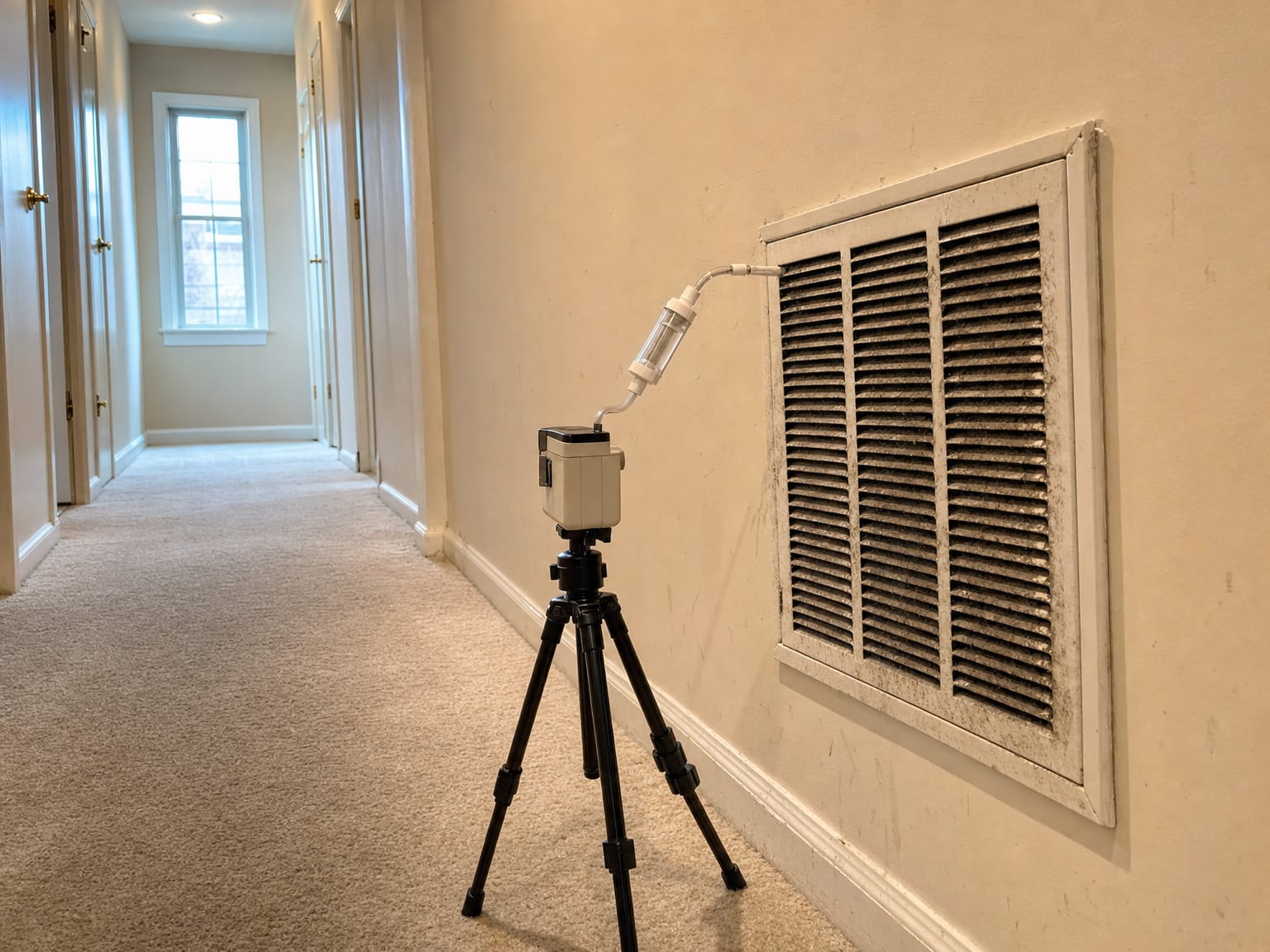
Mold testing involves collecting air or surface samples and sending them to an accredited laboratory for analysis. Testing identifies the specific species of mold present and quantifies spore concentrations. It answers the question 'what kind of mold is this and how much of it is in the air?' rather than 'where is it and why is it growing?'
In many situations, an inspection is the right starting point. It establishes whether testing is even needed and, if it is, where samples should be collected to get meaningful results. Ordering lab testing without a preceding assessment often produces data without context. Our technicians will tell you at the end of the inspection whether the findings warrant additional air quality testing and what that process would involve.
What Does a Mold Inspection Actually Look At?
Here is how an ExecPro Restoration & Cleaning mold inspection unfolds from the moment our technician arrives at your property.
Initial Walkthrough and Client Interview
Before any tools come out, the technician talks with you. When did you first notice the issue? Have there been any leaks, flooding, or HVAC problems? Has anyone in the household experienced unexplained allergy or respiratory symptoms? This conversation shapes the inspection priorities and helps us focus where the risk is highest.
Systematic Visual Assessment
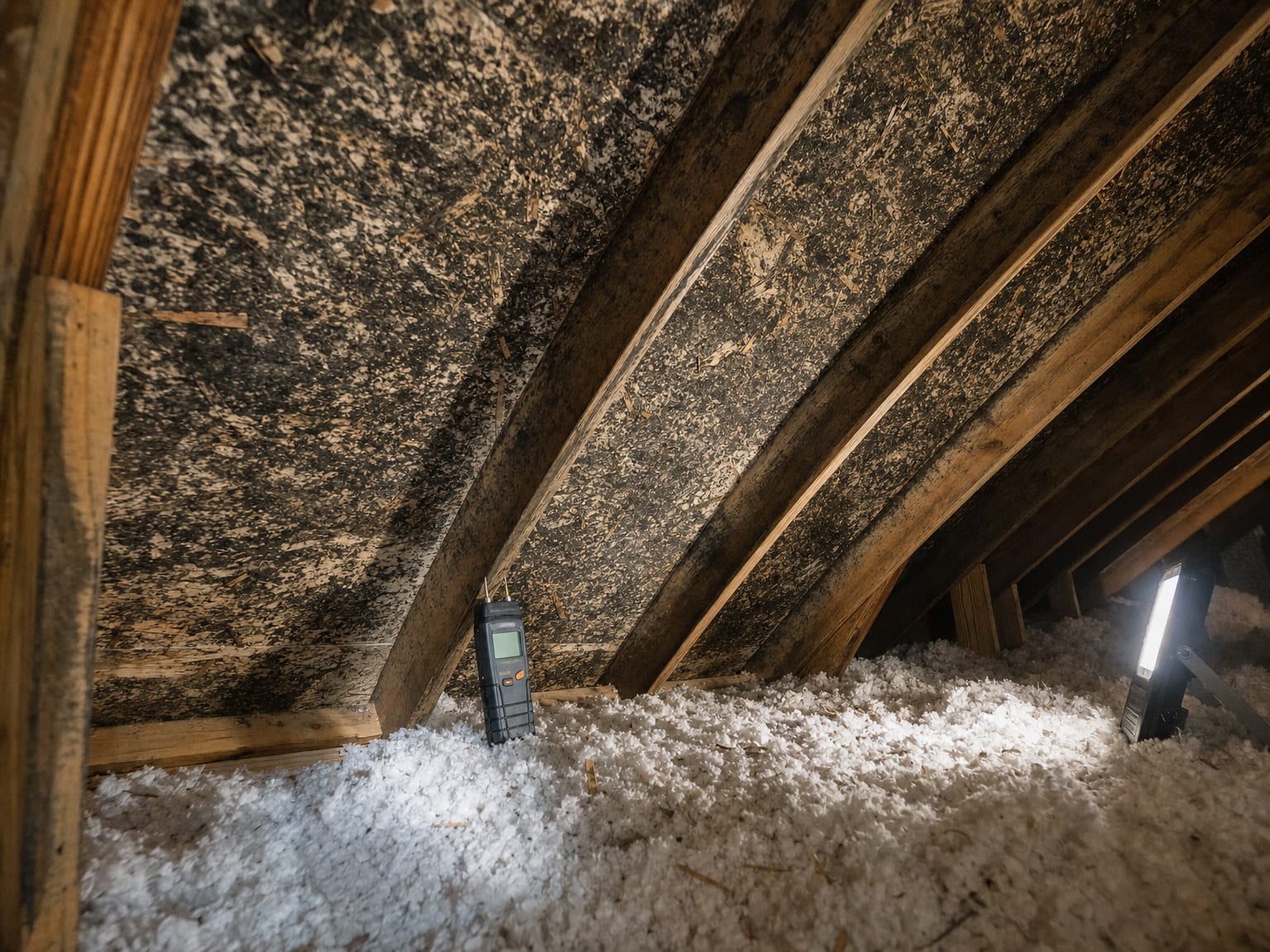
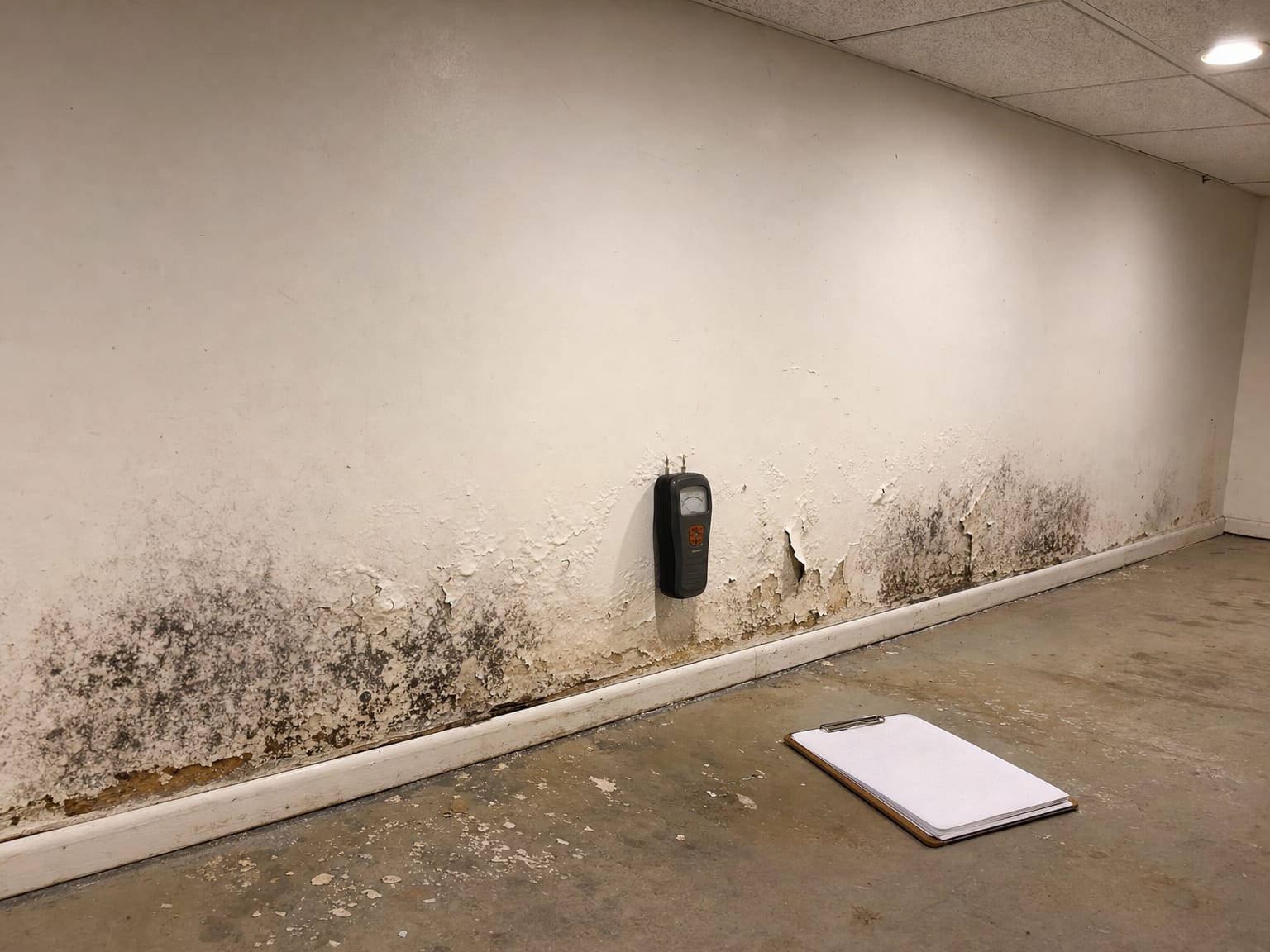
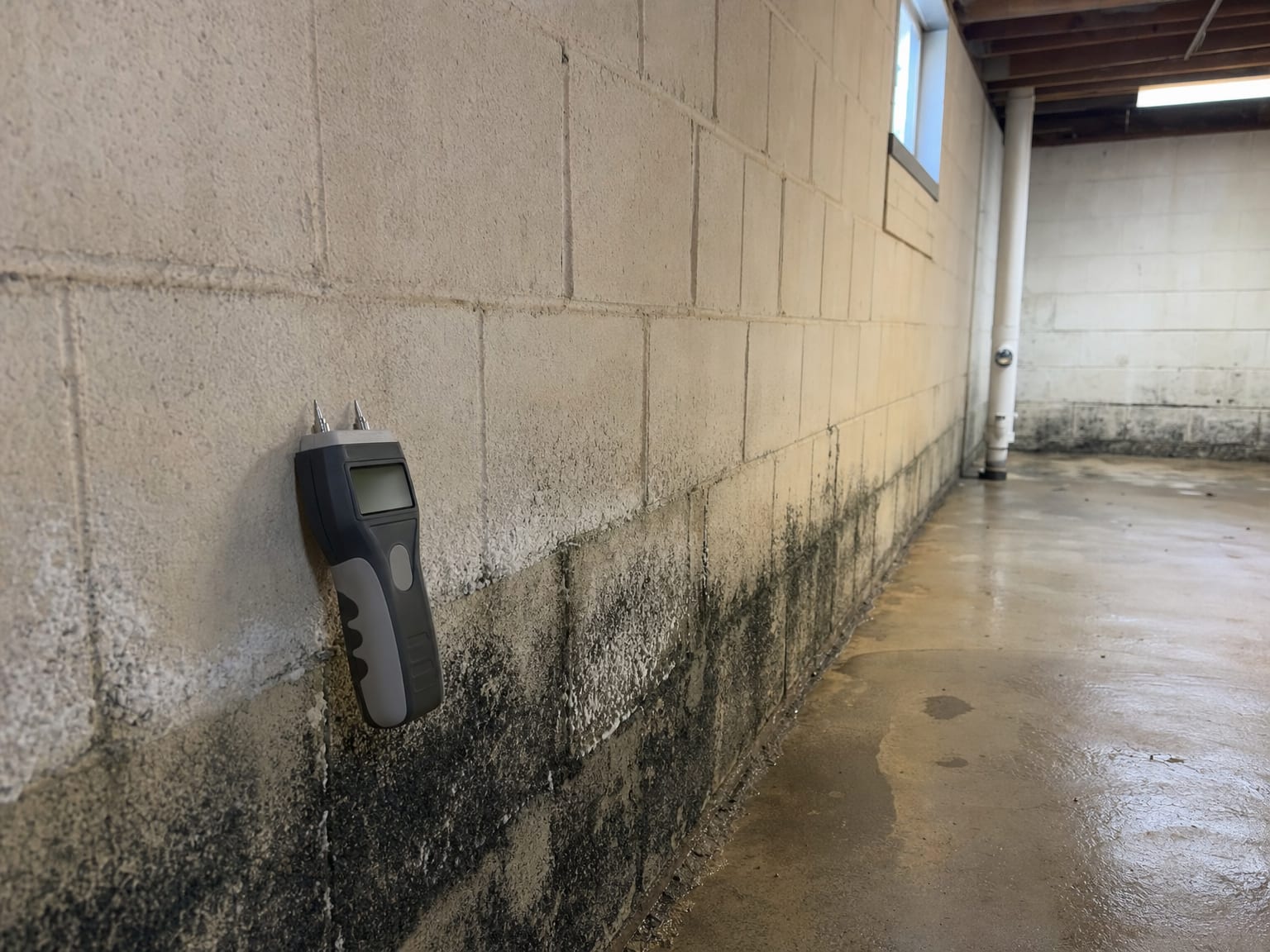
The technician moves through the property methodically, checking all high-risk areas: the basement and foundation walls, crawl spaces, attic decking and insulation, bathrooms and kitchens, around HVAC units and ductwork, window frames and exterior-facing walls, and any area with a documented or suspected moisture history. Visible mold growth, staining, efflorescence, and deterioration are all documented.
Moisture Mapping with Calibrated Tools
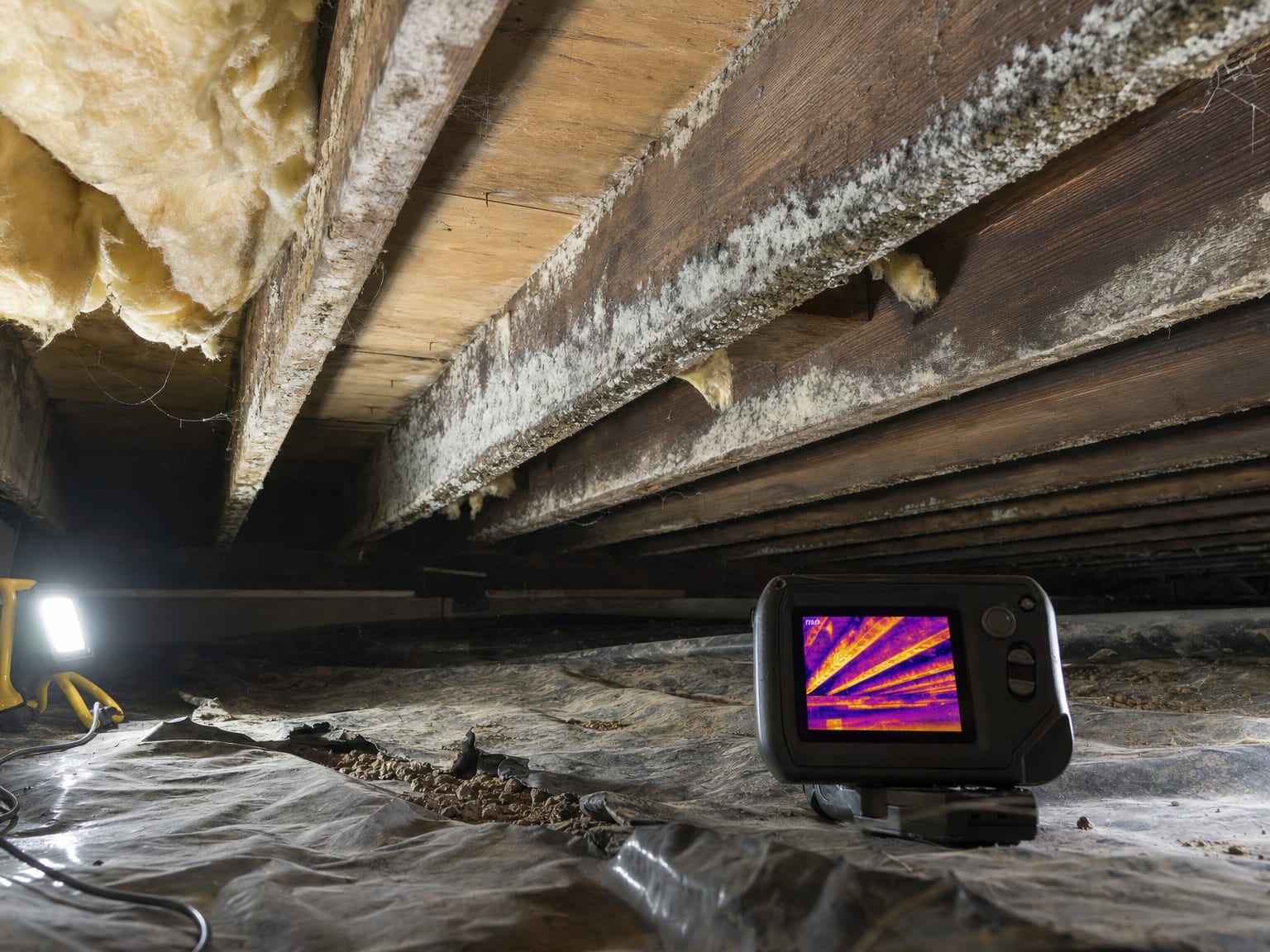
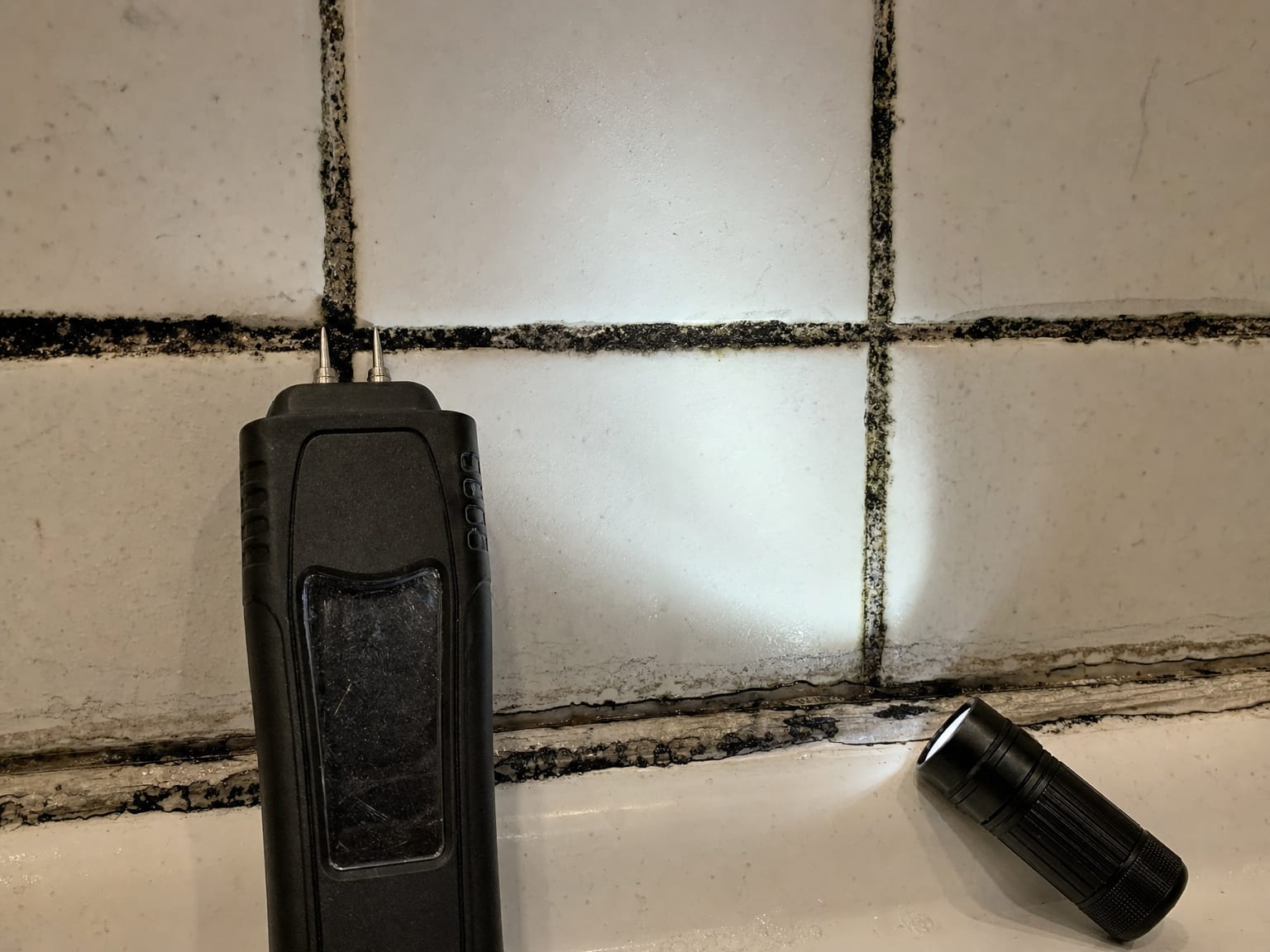
Visual assessment alone is not enough. Moisture meters and thermal imaging help identify elevated readings inside wall cavities, behind tile, and in subfloor materials where mold may be growing out of sight. These readings are recorded with their locations so the final report reflects actual conditions, not guesswork.
Documentation of Findings
Every finding is photographed and logged with its location in the property. Notes include the type of suspected growth, the likely moisture source, the approximate affected area, and any structural conditions that may be contributing to the problem. This documentation forms the backbone of your inspection report.
Sampling Recommendation (If Warranted)
If the visual inspection suggests active or hidden mold growth that needs scientific confirmation, the technician may recommend air sampling or surface sampling through our mold testing service. Testing is a separate process with lab analysis, and it is not always necessary. When it is, we will tell you plainly and explain why.
Written Report Delivery
You receive a structured written report covering all findings, moisture data, photographic evidence, and a summary of recommended next steps. This report is written to be readable by homeowners, usable by contractors, and accepted by insurance carriers and real estate professionals.
Who Needs a Mold Inspection, and When?
Mold inspections serve a range of clients across New Jersey, and the circumstances that prompt them vary considerably. These are the situations where an inspection makes the most sense.
Homeowners with a Visible or Suspected Problem
You have noticed discoloration on drywall, a persistent musty smell in a specific room, or soft spots on framing in the basement. These are legitimate warning signs. A professional inspection confirms whether what you are seeing is mold, identifies the moisture source driving it, and tells you how far the problem has spread before you start calling contractors.
Home Buyers Before Closing
A general home inspection covers a lot of ground but is not designed to assess mold risk in depth. Buyers purchasing older homes, homes with basement or crawl space issues, or properties in areas prone to flooding should consider a pre-purchase mold inspection as part of their due diligence. The findings can support contract negotiations or help you plan for remediation costs before you own the problem.
Sellers Preparing to List
Discovering a mold issue during a buyer's inspection creates delays, price negotiations, and sometimes deal collapses. Sellers who inspect proactively can address problems on their own terms and timeline. Our home buyer and seller protection service is built specifically for real estate transactions.
Real Estate Agents and Brokers
Agents handling transactions involving older properties, distressed sales, or listings with known water history regularly work with ExecPro Restoration & Cleaning to provide inspection reports that satisfy buyer contingencies. Our written documentation is formatted to support the disclosure process and protect all parties.
Property Managers and Landlords
Multifamily properties, apartment complexes, and managed portfolios carry specific liability exposure when it comes to mold. A documented inspection protocol, especially following any water intrusion event, demonstrates due diligence. Our property management mold services team works with managers across the region to establish inspection schedules and respond to tenant concerns efficiently.
Anyone After a Water Event
A burst pipe, basement flood, sewage backup, or storm intrusion creates the moisture conditions that support mold growth within 24 to 48 hours. Scheduling an inspection after water damage restoration confirms whether remediation was complete or whether microbial growth has begun in areas that dried more slowly.
What Sets a Quality Mold Inspection Apart from a Mediocre One?
Not every inspection is equal, and the difference becomes apparent when the report lands in your hands. A quality inspection produces a document with specific findings tied to specific locations, moisture data with actual readings rather than general observations, and recommendations that reflect what was found rather than a standard upsell to remediation services. A mediocre inspection gives you vague language, stock photos, and a quote sheet.
Conflict of interest is also worth considering. Some companies that offer free inspections are remediation contractors whose business model depends on finding work. There is nothing wrong with a company offering both services, but the inspection should be priced and delivered as a standalone professional service, with findings that drive the recommendation rather than the other way around. At ExecPro Restoration & Cleaning, the inspection report is a legitimate deliverable, not a sales tool.
The technician's methodology matters as well. Moisture meters, thermal imaging cameras, and systematic documentation protocols separate professional inspections from casual walkthroughs. Our technicians are trained on assessment procedures aligned with IICRC S520 standards, which represent the accepted professional framework for mold inspection and remediation in the United States.
Finally, look at how the report is structured. A report that will be useful to a real estate attorney, an insurance adjuster, or a remediation contractor needs clear photographs, labeled locations, moisture readings, and plain-language findings. If you have seen a report before and could not follow it, that is a problem with the inspector, not with you.
What Happens After the Inspection?
The inspection report tells you where things stand. What comes next depends on what it found. If the inspection turns up active mold growth, mold remediation is the appropriate response: the process of containing, removing, and treating affected materials to eliminate the contamination and address the moisture conditions that caused it. Remediation is a separate scope from inspection and follows a defined protocol.
If the inspection suggests that hidden mold growth may be present but cannot be confirmed visually, mold testing provides the scientific data to confirm or rule it out. If the inspection reveals clean conditions with manageable moisture issues, the report will include recommendations for corrective maintenance you can address yourself or with a contractor.
In cases where remediation is needed, ExecPro Restoration & Cleaning can move from inspection directly into the remediation scope. Having the same team handle both means the technicians who identified the problem are the ones addressing it, with no information lost between the inspection findings and the remediation plan. After remediation is complete, post-remediation verification confirms that the work was effective and that your property is clear.
Serving Homeowners and Property Professionals Across New Jersey
ExecPro Restoration & Cleaning provides mold inspection services across New Jersey, including communities in Mercer, Middlesex, Somerset, Hunterdon, Morris, Monmouth, Ocean, and Burlington counties. We serve residential and commercial clients in Princeton, West Windsor, Lawrenceville, Flemington, Bridgewater, Red Bank, Freehold, Lakewood, Cherry Hill, Trenton, Hamilton, and dozens of surrounding towns.
Whether you are a homeowner in Holmdel dealing with an attic moisture problem, a property manager in New Brunswick responding to a tenant concern, or a buyer's agent in Chatham who needs an inspection report before Friday's closing, our team is accessible and responsive. Scheduling is straightforward, and our technicians work around your timeline.
For commercial properties and multifamily portfolios, our commercial mold inspection team brings the same documentation standards and professional methodology to larger and more complex properties.
Frequently Asked Questions About Mold Inspection
These are the questions our clients ask most often before scheduling. If yours is not here, call us at (888) 300-3772 and we will answer it directly.
Most residential inspections take between two and four hours, depending on the size of the home and how many areas need to be assessed. Larger properties, homes with extensive crawl spaces or finished basements, and properties with complex HVAC systems may take longer. Your technician will give you an estimated timeframe when you schedule.