Allergen Testing in Central New Jersey
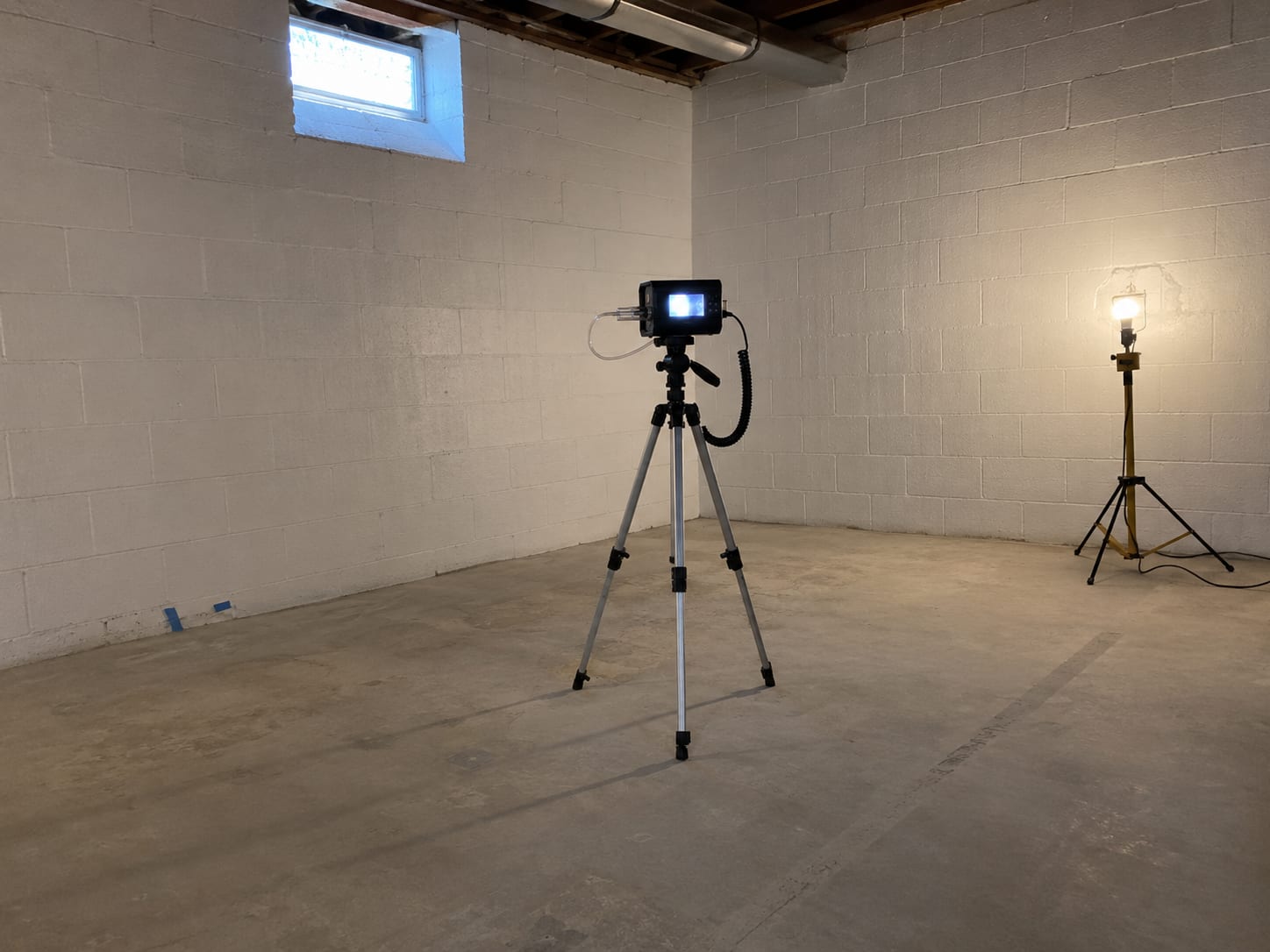
ExecPro Restoration & Cleaning collects and analyzes air and surface samples to identify dust mites, pet dander, cockroach allergen, and rodent allergen inside your home or building. You get a documented lab report showing what is present, where concentrations are highest, and what to do about it.
What Is Allergen Testing and What Do You Actually Get?
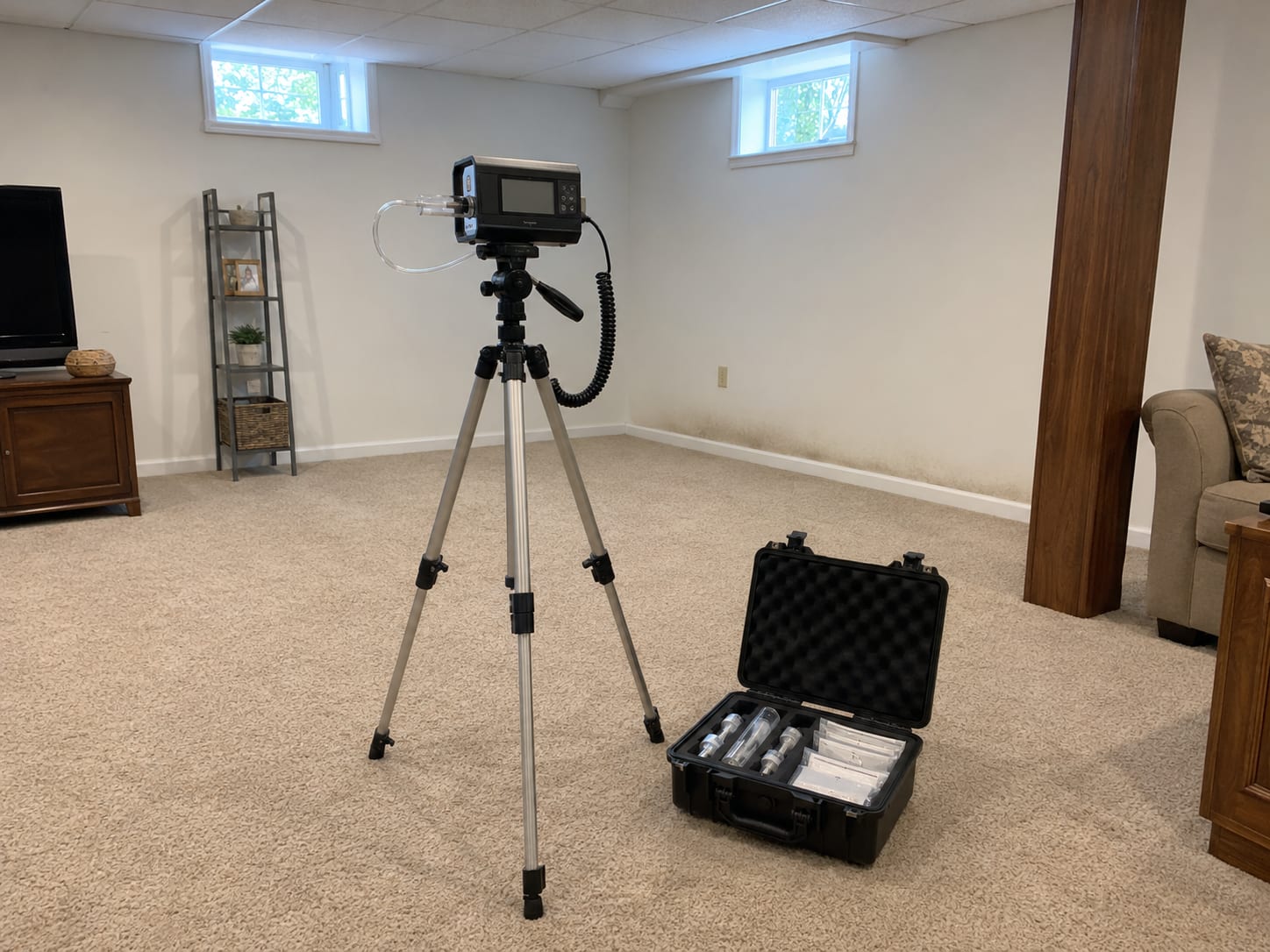
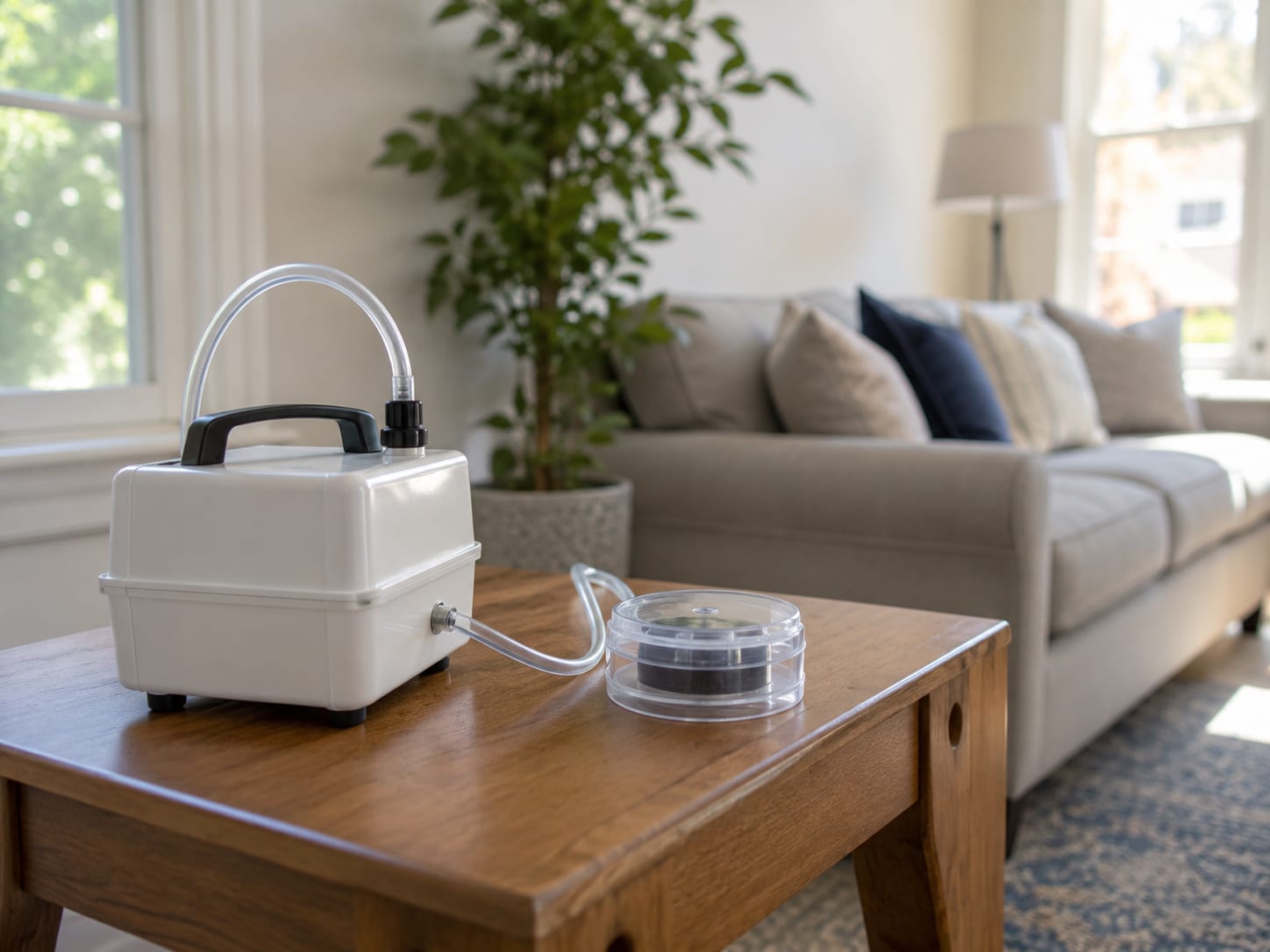
Allergen testing is the process of collecting air and surface samples from inside a property and sending them to an accredited laboratory for analysis. The results identify which allergens are present, where concentrations are highest, and whether levels exceed thresholds associated with symptom triggers. ExecPro Restoration & Cleaning performs allergen testing for residential and commercial properties across central New Jersey, covering dust mites, pet dander, cockroach allergen, and rodent allergen. The sampling itself takes a few hours, and you receive a written lab report you can share with your physician, property manager, or a remediation contractor.
Most people reach out when someone in the household has persistent respiratory symptoms that do not resolve with standard allergy treatment, or when a property is changing hands and the new occupant wants to understand what they are moving into. Others come through a physician referral after clinical allergy testing points to environmental triggers. Whatever the reason, the goal is the same: replace guesswork with documented data so that decisions about cleaning, remediation, or treatment are grounded in something real.
This service focuses on environmental sampling inside a building, not on food allergens or clinical diagnostics. ExecPro Restoration & Cleaning is not a medical practice, and allergen testing results are not a diagnosis. They are an objective measure of what is present in your indoor air and on your surfaces, which gives you and your healthcare provider much more to work with.
Why Does Indoor Allergen Testing Matter for New Jersey Homes?
New Jersey's climate creates year-round conditions that support high allergen loads inside buildings. Humid summers push dust mite populations to their peak, since mites thrive at relative humidity above 50 percent. Older housing stock in communities like Trenton, New Brunswick, and Flemington often has crawl spaces, aging ductwork, and wall-to-wall carpet, all of which are prime reservoirs for accumulated allergen material. Tightly sealed modern construction in newer developments across Princeton Junction, Robbinsville, and Marlboro trades air quality for energy efficiency, concentrating allergens when ventilation is inadequate.
Pet dander is among the most persistent indoor allergens because the particles are extremely light and remain airborne for hours. They also bind to surfaces and fabrics, so allergen levels in a home can stay elevated for months after a pet is no longer present. This matters especially in real estate transactions, where a buyer with cat or dog sensitivities moves into a property previously occupied by pet owners. Residential air quality testing that includes allergen analysis can surface this issue before it becomes a health problem for the incoming occupant.
Cockroach allergen is a significant but often overlooked contributor to asthma and allergic rhinitis, especially in multifamily properties. Research consistently links cockroach allergen exposure to asthma severity, and the allergen persists in settled dust long after an infestation has been treated. Rodent allergen behaves similarly. Property managers overseeing apartment complexes in communities like North Brunswick, Hightstown, or Willingboro may have addressed the pest problem without addressing the allergen residue. Testing tells you whether the environment has been adequately remediated or whether additional cleaning is warranted.
Which Allergens Does ExecPro Test For?
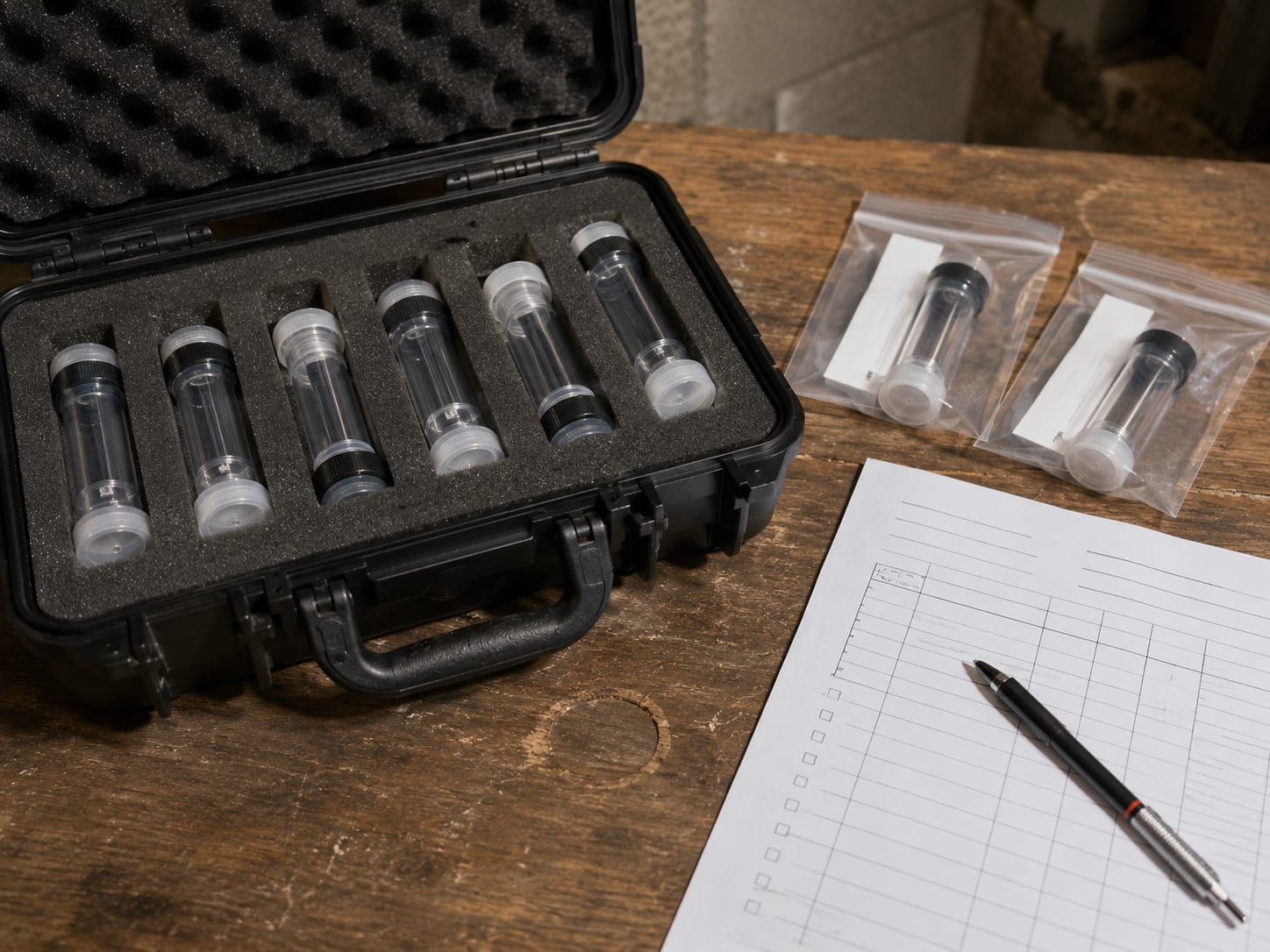
ExecPro Restoration & Cleaning tests for the four indoor allergen categories most consistently associated with chronic respiratory symptoms and asthma triggers. Each has distinct characteristics that influence where samples are collected and how results are interpreted.
Dust Mite Allergen
Dust mites are microscopic arthropods that feed on shed human skin cells. The allergen comes from their waste particles and body fragments, which accumulate in bedding, upholstered furniture, and carpet. Concentrations tend to be highest in bedrooms, and high humidity drives population growth. Testing identifies Der p 1 and Der f 1, the two most clinically significant dust mite allergen proteins.
Pet Dander
Pet dander allergens, most commonly from cats and dogs, come from proteins secreted through skin, saliva, and urine rather than from the fur itself. Cat allergen (Fel d 1) is notably sticky and redistributes easily through HVAC systems. Testing can detect elevated dander levels even in homes where pets have not been present for several months, making it especially useful in property transactions.
Cockroach Allergen
Cockroach allergen, specifically Bla g 2, concentrates in kitchens and food preparation areas, and in the settled dust of infested spaces. Even low concentrations are clinically significant for sensitized individuals. Because the allergen persists after pest elimination, testing is the only reliable way to confirm that the environment is clear following a remediation or treatment.
Rodent Allergen
Mouse and rat urinary proteins are potent sensitizers. Mus m 1, the primary mouse allergen, is found in urine, dander, and nesting materials. Like cockroach allergen, rodent allergen can remain in dust and building materials long after an infestation is resolved. Properties with a history of rodent activity, including attics and basements, warrant testing to establish post-remediation baseline levels.
How Does the Allergen Testing Process Work?
The process is straightforward and requires minimal preparation. Here is what to expect from start to finish.
Scroll the steps sideways to follow the full process.
Who Should Consider Allergen Testing?
If someone in your household has been diagnosed with allergic asthma, allergic rhinitis, or atopic dermatitis, allergen testing can help identify specific environmental triggers that clinical skin or blood testing may have suggested but not confirmed at their source. A physician can tell you that you are sensitized to dust mites; allergen testing can tell you whether the concentration of dust mite allergen in your bedroom mattress actually exceeds the threshold associated with symptom induction. That is a meaningful distinction when deciding whether remedial action is warranted.
Real estate professionals and their clients increasingly rely on environmental testing as part of due diligence. Buyers with known sensitivities, or buyers with children who have allergies or asthma, benefit from knowing the allergen profile of a property before closing. Sellers who have completed remediation work or professional cleaning can use testing results as a verification document. ExecPro Restoration & Cleaning provides home buyer and seller protection services that incorporate allergen testing when clients need that additional layer of documentation.
Property managers and landlord-operators of multifamily buildings have their own use case. Cockroach and rodent allergen contamination in common areas or units with prior pest history can contribute to tenant health complaints, regulatory inquiries, or habitability concerns. Allergen testing generates an objective record of conditions, which is useful both for prioritizing cleaning and remediation resources and for demonstrating that a property management team is responding responsibly to a reported issue.
Anyone conducting a pre-purchase mold inspection on an older property may also want to bundle allergen testing into the same visit. Older homes often carry a history of occupants, pets, pest activity, and accumulated dust that creates an allergen profile worth understanding before you commit to a purchase.
How Allergen Testing Connects to Broader Indoor Air Quality
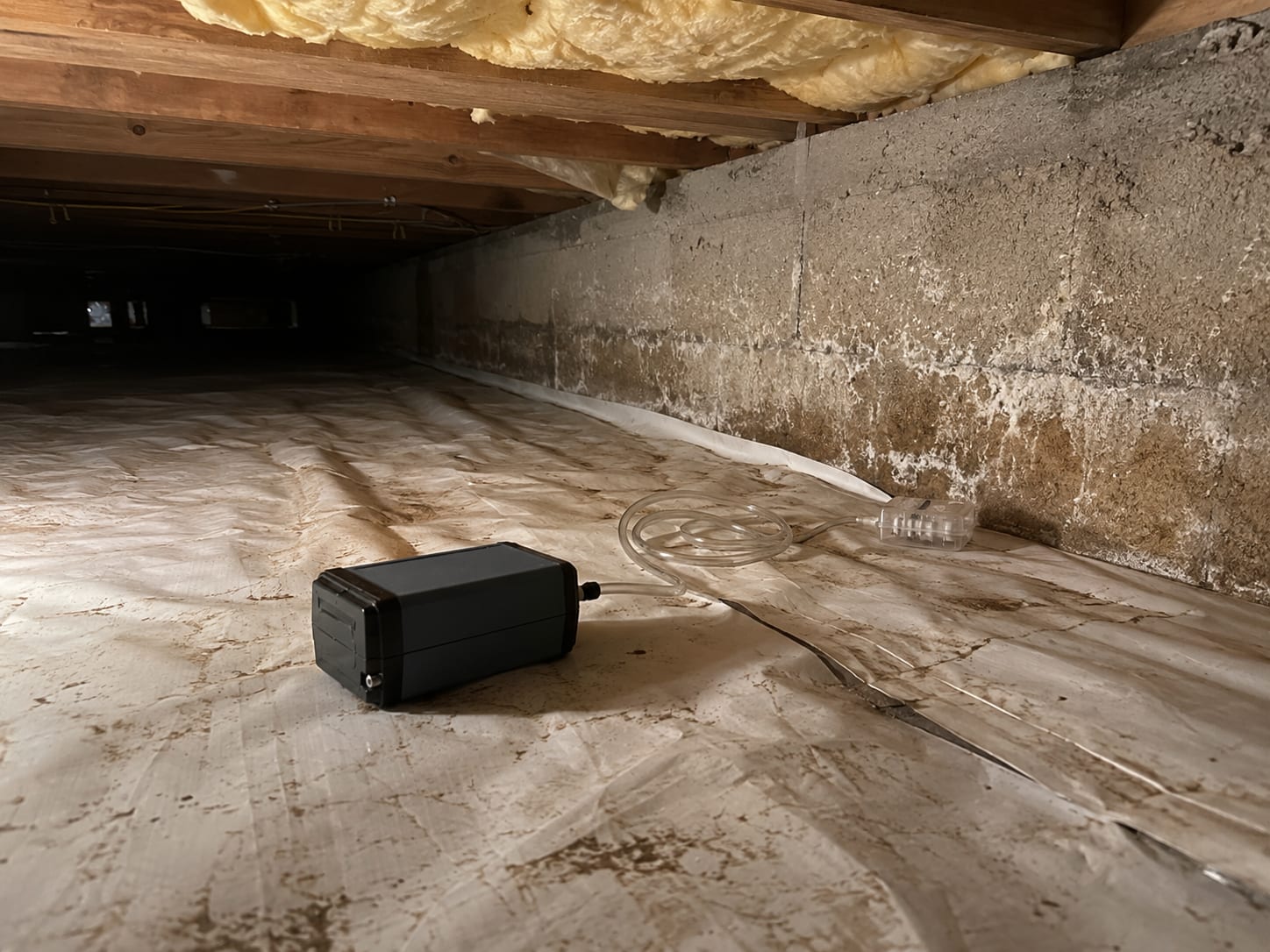
Allergen testing is one component of a broader picture of indoor air quality. Properties with elevated allergen levels often have other air quality concerns as well, including mold spores from past water intrusion, volatile organic compounds from building materials or furnishings, or inadequate ventilation that concentrates all airborne particulate matter. Understanding the full picture often requires looking at more than one variable at the same time.
ExecPro Restoration & Cleaning approaches indoor air quality as an integrated discipline rather than a set of isolated tests. If sampling results show elevated dust mite levels alongside signs of moisture in the basement, that is not a coincidence. High humidity drives both mold growth and dust mite populations, and addressing the moisture source through basement drying can reduce both problems at once. Similarly, if cockroach allergen is concentrated in areas served by specific HVAC zones, that points toward duct cleaning as a priority rather than surface remediation alone.
VOC testing is often relevant alongside allergen testing in newly renovated spaces or properties with significant recent construction activity. Renovation materials off-gas compounds that can act as independent irritants or interact with existing allergen loads to worsen respiratory symptoms. When a property has recently undergone work, a more complete air quality assessment gives a clearer picture of the environment than any single test type alone.
What Makes ExecPro Restoration & Cleaning the Right Choice for Allergen Testing in NJ?
ExecPro Restoration & Cleaning is a licensed and insured environmental services company serving central New Jersey and surrounding communities. Allergen testing is part of a broader practice that includes mold remediation, water damage restoration, and full-spectrum air quality testing. The technician arriving at your property understands allergen sampling within the context of how buildings actually behave, including the moisture dynamics, ventilation issues, and structural factors that drive indoor allergen accumulation.
The service area covers communities across central New Jersey, from Princeton and West Windsor in Mercer County to Flemington, Clinton, and Bridgewater in Hunterdon and Somerset counties, through the Monmouth County shore communities and south into Burlington County. Whether you are in a 1920s colonial in Lambertville, a newer townhouse in Robbinsville, or a multifamily property in New Brunswick, ExecPro Restoration & Cleaning sends technicians who understand the local building stock and the conditions that affect indoor air quality in this region.
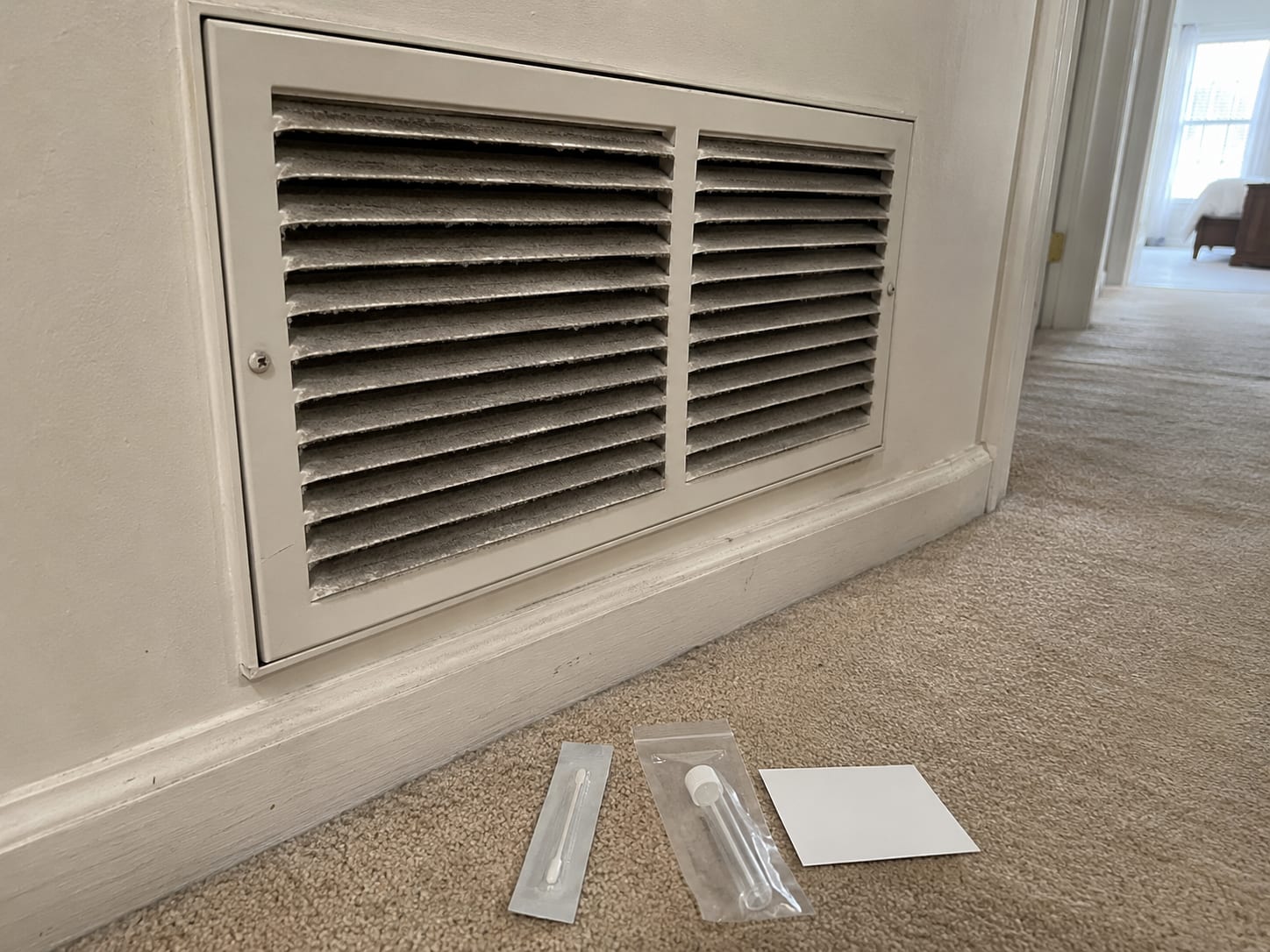
Sampling protocols follow established methodologies consistent with IICRC standards and accredited lab requirements. Results are documented thoroughly enough to be useful in insurance claims, real estate transactions, or as baseline records for a property management portfolio. If you need to connect allergen testing to a residential mold inspection or to an air quality assessment covering multiple parameters, the team can coordinate those services to minimize disruption and give you a complete picture from a single provider.
Frequently Asked Questions About Allergen Testing
These questions come up often from homeowners, property managers, and real estate clients.
Clinical allergy testing, whether skin prick or blood-based IgE testing, identifies what your immune system is sensitized to. Environmental allergen testing measures what is actually present in a specific building. The two are complementary: your doctor can tell you what triggers your immune response, and environmental testing can tell you whether that trigger exists at a meaningful concentration in your home or workplace. Sharing environmental test results with your allergist can help them refine treatment recommendations and confirm whether the primary source of exposure is in your living space.
Serving Central New Jersey and Surrounding Communities
ExecPro Restoration & Cleaning provides allergen testing across a broad service area spanning central and northern New Jersey, from Mercer and Middlesex counties through Somerset, Hunterdon, Union, and Morris counties, out to Monmouth County and the shore communities, and south through Burlington County. The team regularly serves homeowners, property managers, and real estate professionals in Princeton, Flemington, Bridgewater, Red Bank, Freehold, Moorestown, Cherry Hill, and dozens of other towns throughout the region.
The team understands the differences in housing stock across the area, from older Victorian and colonial homes common in communities like Lambertville and Bordentown to newer construction in growing suburbs like Marlboro, Monroe, and South Brunswick. That familiarity matters when interpreting results and recommending next steps, because the same allergen concentration in a 1940s home with plaster walls and cast iron radiators calls for a different response than the same concentration in a 2010 townhouse with a forced-air system.