Residential Mold Inspection in New Jersey
A thorough inspection that identifies where mold is growing, why it started, and what needs to happen next. ExecPro Restoration & Cleaning serves homeowners across central and northern New Jersey with detailed findings, moisture readings, and clear next steps.
What Is a Residential Mold Inspection?
A residential mold inspection is a structured visual and technical assessment of your home to identify mold growth, locate moisture sources, and determine the scope of any contamination. When ExecPro Restoration & Cleaning inspects your home, you get a written report with photos, moisture meter readings, room-by-room findings, suspected source areas, and recommended next steps. The inspection covers bathrooms, kitchens, basements, attics, crawl spaces, laundry areas, areas under sinks, and any zones with a known or suspected history of water intrusion.
Most inspections are completed in a single visit. What you walk away with is a clear picture of what is actually happening in your home, not a guess and not a sales pitch for unnecessary testing. If visible mold is present, the EPA's guidance is consistent: the priority is cleaning it up and fixing the moisture source. Our inspectors follow that same logic, so you are never pushed toward services you do not need.
The inspection is not the same as mold testing. Testing involves air or surface sampling sent to an accredited laboratory and is a separate service. An inspection can determine whether testing would add useful information in your specific situation, or whether it is simply unnecessary. That distinction matters, and we will always be straightforward with you about which path makes sense.
When Should You Schedule a Mold Inspection?
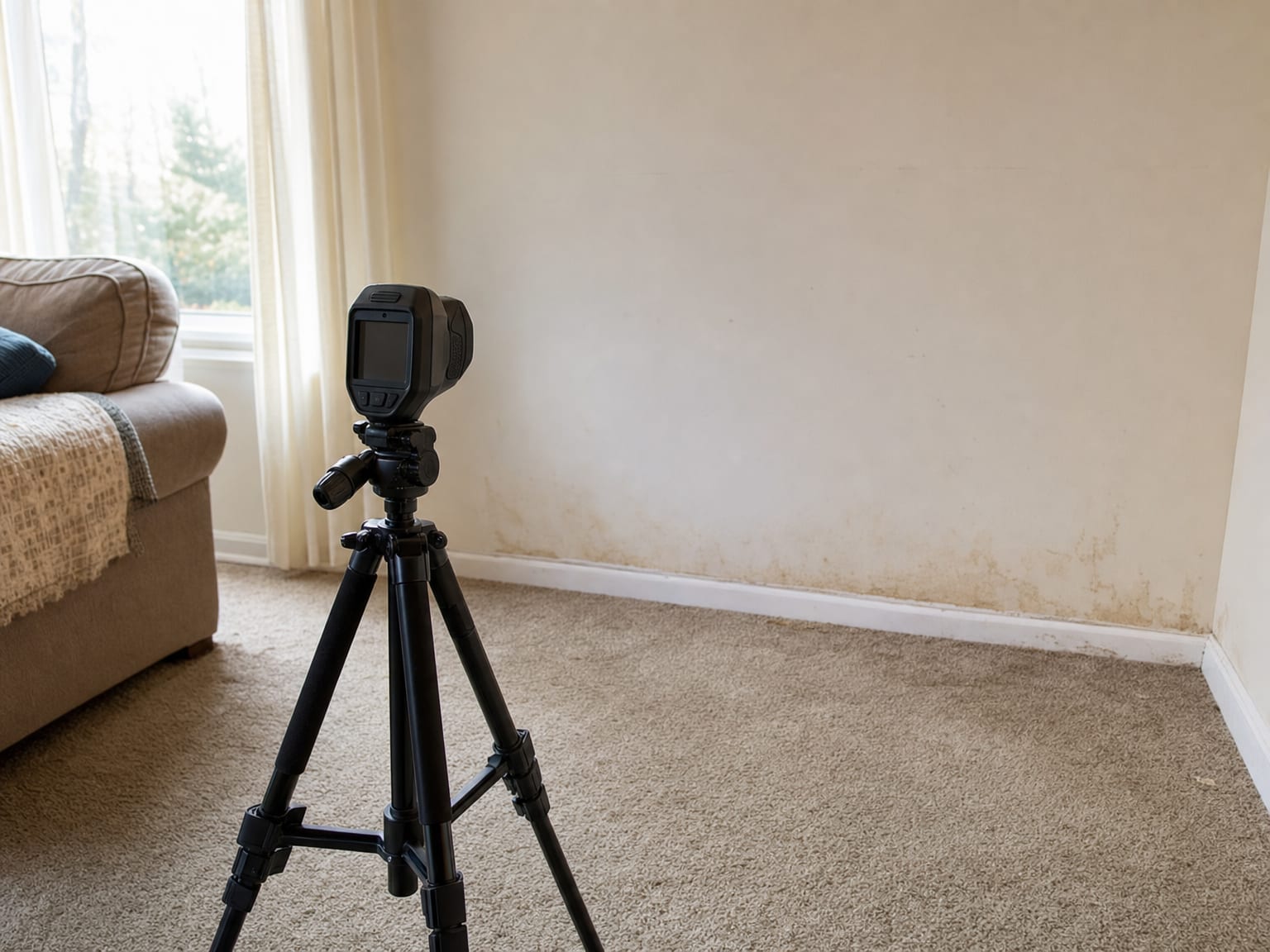
Most homeowners contact ExecPro Restoration & Cleaning after one of a handful of situations: a musty smell that will not go away, visible dark staining near windows or on drywall, a basement that has flooded or consistently feels damp, a recent roof leak, a plumbing leak behind a wall, or HVAC condensation that has been building up over time. Any of these conditions can support mold growth, and an inspection tells you whether they already have.
Real estate transactions are another common reason. Buyers want to know what they are getting before closing, and sellers want to address any issues before they surface on an inspection report and derail the deal. ExecPro Restoration & Cleaning provides home buyer and seller protection assessments built specifically for that context, with findings documented clearly enough to satisfy agents, lenders, and attorneys.
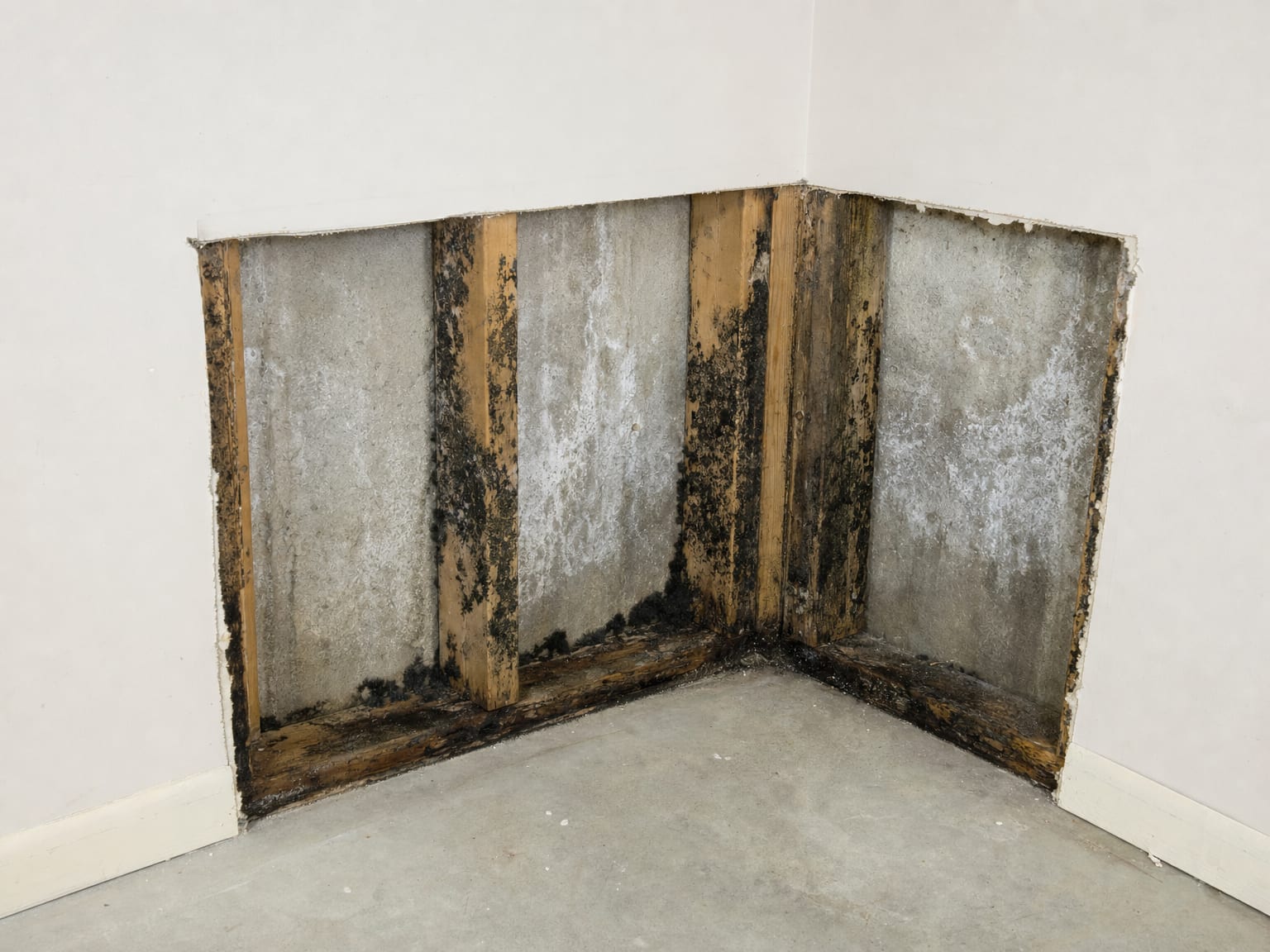
If your home has experienced water damage restoration events in the past, even ones that appeared to be fully resolved, a follow-up inspection makes sense. Mold can establish itself within 24 to 48 hours of a moisture event, and it often grows in places you cannot easily see. Walls, subflooring, ceiling cavities, and the back sides of drywall are common locations. An inspection checks those areas systematically rather than leaving you to guess.
What Does the Inspection Actually Cover?
Each step builds on the last, so the final report reflects your home's actual conditions rather than a generic checklist.
Building History and Symptom Review
The inspection starts with a conversation about your home's history. Prior leaks, flooding events, plumbing repairs, roof issues, HVAC problems, musty odors, allergy complaints, and past remediation work all factor into where the inspector looks first. Context shapes findings, and this step keeps the inspection focused on what is actually relevant to your situation.
Systematic Visual Assessment
The inspector moves through the home room by room, checking high-risk areas including bathrooms, under-sink cabinets, laundry rooms, kitchens, basements, crawl spaces, and attic spaces. Visible mold growth, water staining, peeling paint, efflorescence, and discoloration are all documented. Accessible areas behind stored items or movable furniture are also checked where conditions warrant.
Moisture Source Investigation
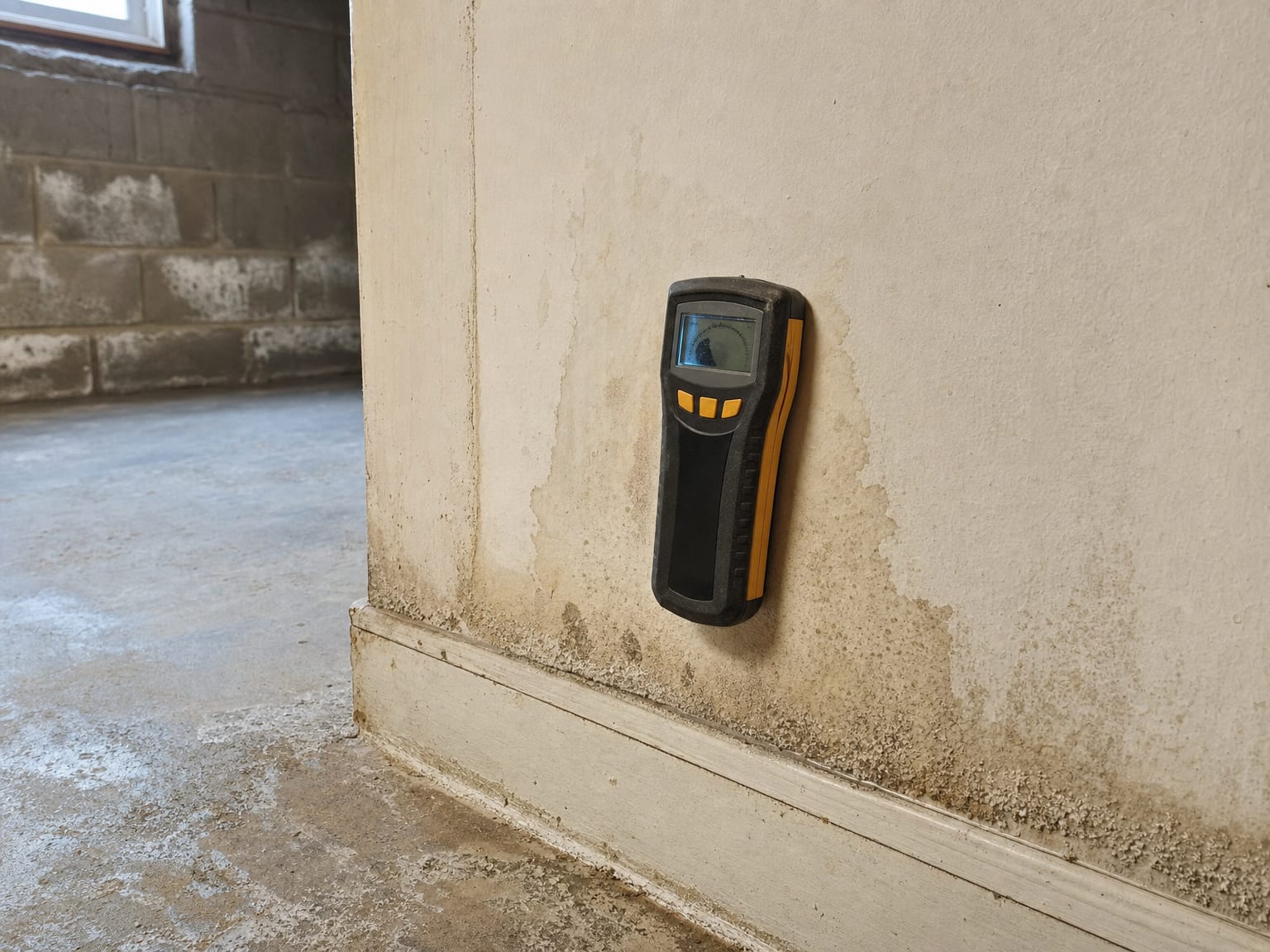
Finding mold is only part of the job. The more important question is why it is there. The inspector uses moisture meters and humidity readings to identify elevated moisture in walls, flooring, and structural materials. Identifying the source, whether it is a slow plumbing leak, condensation from an HVAC line, inadequate ventilation, or exterior water intrusion, is what makes the inspection actionable.
Moisture and Humidity Readings
Quantitative moisture readings at multiple points in affected or suspect areas give the report real data instead of impressions. These readings help prioritize findings and support decisions about whether structural drying, repairs, or remediation are needed. They also serve as a baseline if conditions are monitored over time.
Testing Recommendation Assessment
After the visual inspection and moisture readings, the inspector evaluates whether mold testing would actually add useful information. For visible, identifiable mold growth, testing generally does not change the recommended course of action. Testing is more useful when mold is suspected but not visible, when occupant health concerns are present, when post-remediation verification is needed, or when real estate documentation is required.
Written Report with Photos and Next Steps
Every inspection ends with a written report that includes photos of findings, moisture readings, room-by-room notes, suspected moisture sources, limitations of the inspection, and prioritized next steps. Recommendations may include remediation, structural drying, repair of the moisture source, additional testing, or further evaluation of inaccessible areas. The report is designed to be useful to you, your contractor, your real estate agent, or your insurance provider.
Mold Inspection vs. Mold Testing: What Is the Difference?
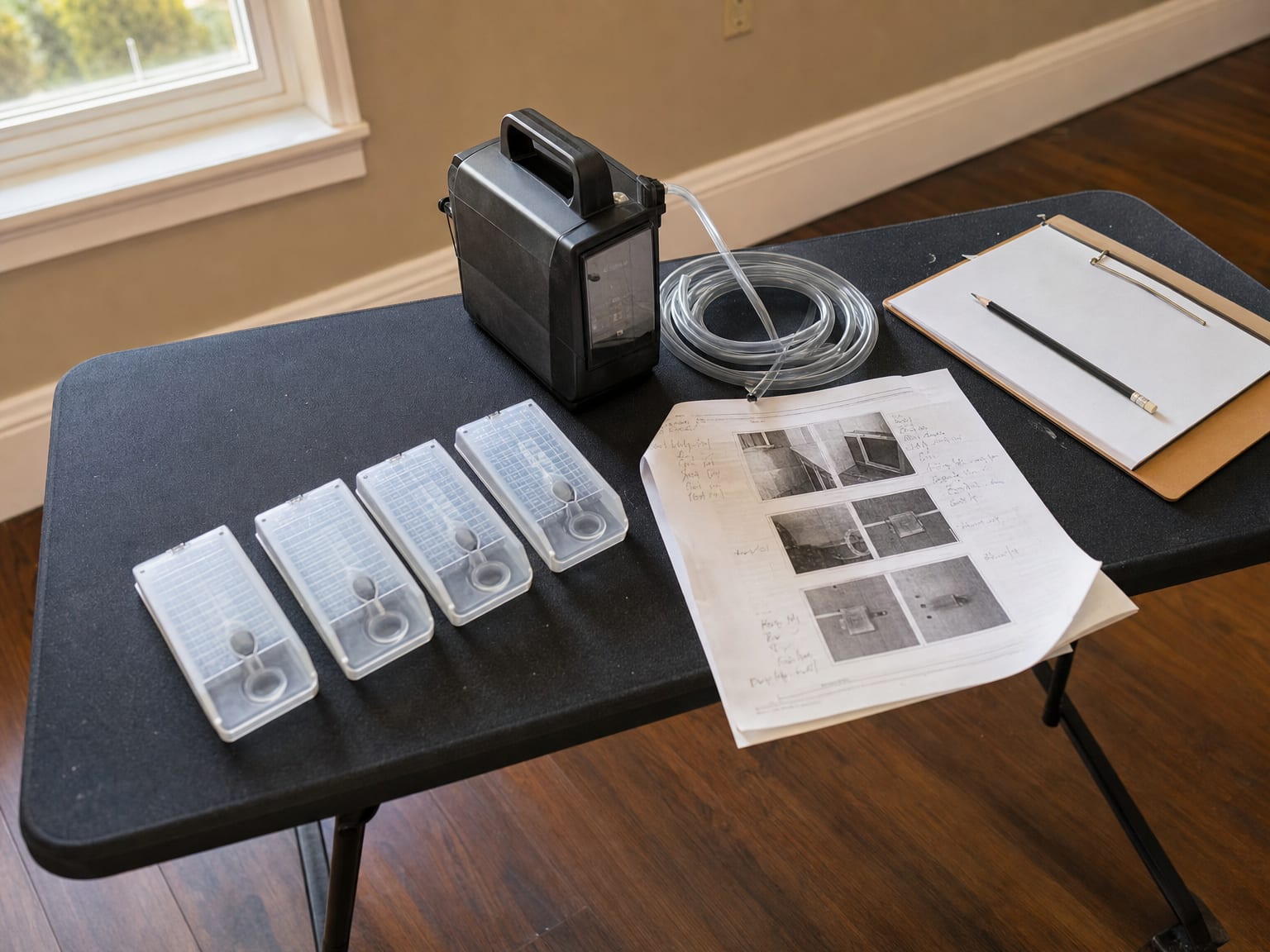
A mold inspection is a visual and instrument-based assessment of your home's physical conditions. A mold test involves collecting air samples or surface swabs and sending them to an accredited laboratory for analysis. They are two different services with two different purposes, and one does not automatically require the other.
The EPA's position is clear: there are no federal limits for mold or mold spores, which means no laboratory result will give you a universal pass or fail number. When mold is visibly present, the recommended response is to clean it up and fix the moisture source, not to spend money on sampling that will not change that conclusion. Our inspectors will tell you plainly if testing is unlikely to add useful information in your case.
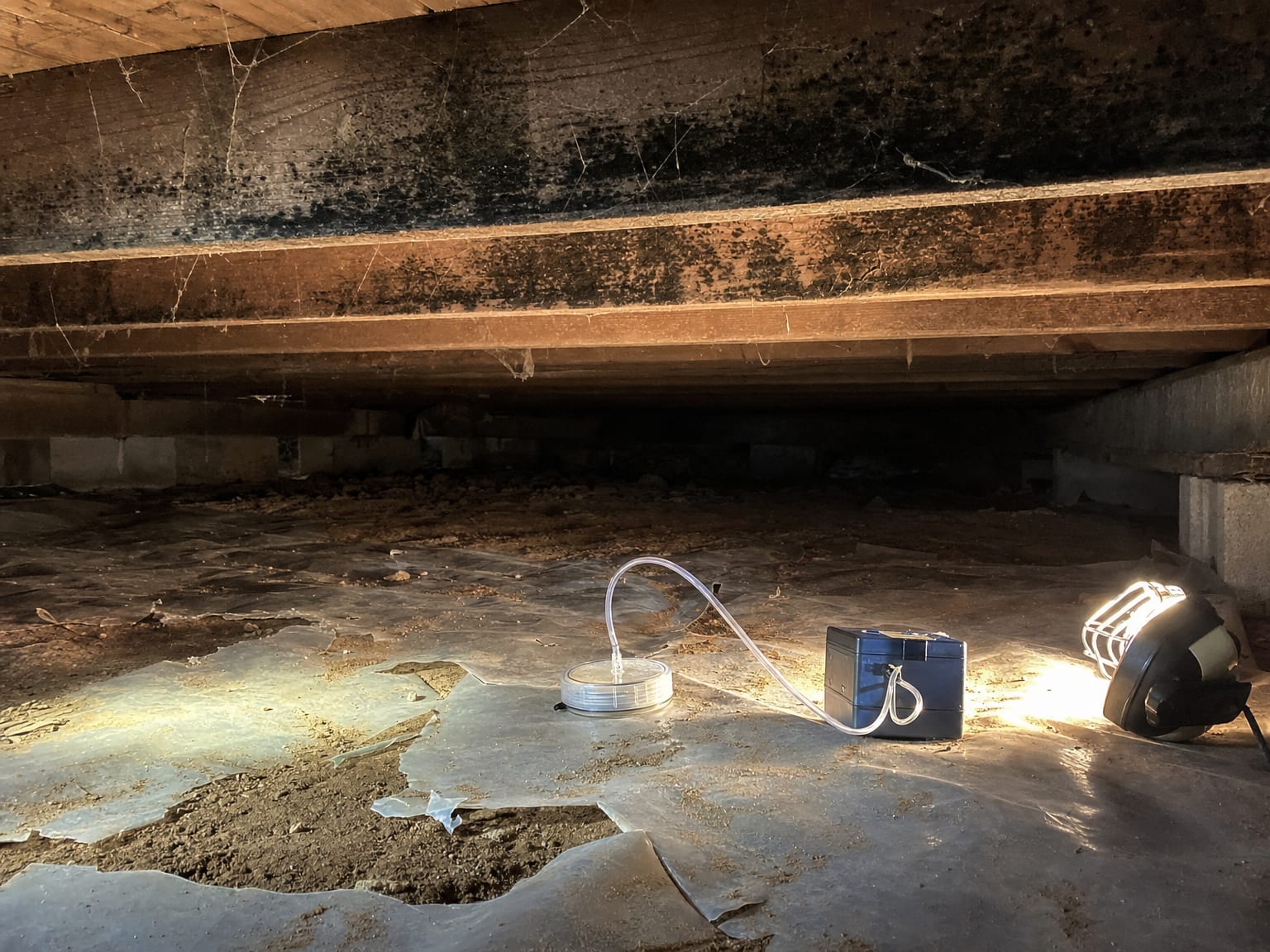
Residential mold testing does serve a real purpose in specific situations. If mold is suspected somewhere you cannot see, like inside a wall cavity or under flooring, air sampling can provide supporting evidence. If a remediation project has been completed and you need documented proof that conditions have returned to normal, post-remediation verification involves testing as a key component. In real estate transactions, buyers or lenders sometimes require laboratory results as part of their due diligence. In those situations, testing makes sense and we can walk you through what is needed.
Common Areas Where Mold Hides in NJ Homes
New Jersey's climate gives mold plenty of opportunities. Hot, humid summers, wet springs, and basements that sit below grade in older housing stock create conditions where moisture problems develop quietly. Our inspectors have worked in enough central and northern NJ homes to know where the problem areas typically appear and why.
Attics are a consistent concern, especially in homes where bathroom exhaust fans or kitchen venting terminates into the attic space instead of exiting through the roof. When warm, moist air from the living space meets the cooler attic sheathing, condensation follows and mold growth is not far behind. Crawl spaces present a similar situation, with ground moisture, inadequate vapor barriers, and poor airflow creating persistently damp conditions that support mold on joists and subfloor materials.
Basements, finished and unfinished, are the most common location for mold calls in this region. Foundation walls that allow water seepage, sump pits that stay damp, and finished basement walls that trap moisture behind drywall are all frequent findings. Bathrooms and laundry rooms rank close behind, particularly when exhaust ventilation is inadequate or a slow drain leak has been going unnoticed. HVAC systems, specifically condensate lines, air handler units, and supply ducts that run through unconditioned spaces, are another area our inspectors check carefully because mold inside an HVAC system circulates through the entire home.
What Happens After the Inspection?
An inspection report is only useful if it leads to action, and ExecPro Restoration & Cleaning stays with you through what comes next. If the findings call for mold remediation, we handle that work directly using IICRC S520 standards for containment, removal, and post-remediation verification. You do not have to manage a handoff to a separate company, coordinate schedules, or start the explanation process over from scratch.
Different findings lead to different next steps, and the report will make those clear. A basement with active moisture intrusion might need basement drying before remediation can be effective. An attic with visible mold growth tied to poor ventilation typically needs both attic mold remediation and a ventilation correction before the problem is truly resolved. A crawl space with visible growth along the floor joists requires a different approach than bathroom tile grout that has turned black from surface mold.
If the inspection reveals damage that goes beyond mold removal, such as drywall that has to come out, framing that has been compromised, or flooring that cannot be salvaged, our build-back services cover the repair and reconstruction work. That means you can go from inspection findings to a fully restored home without juggling multiple contractors. For properties involved in insurance claims, we also assist with insurance restoration services and documentation.
Why Homeowners in New Jersey Choose ExecPro Restoration & Cleaning
ExecPro Restoration & Cleaning is licensed and insured, and our inspection team understands what comes after the report. That end-to-end knowledge changes the quality of what you get during the inspection itself.
Source-Focused, Not Scare-Focused
Our inspectors are trained to find moisture sources, not just mold growth. Knowing why mold is present is what makes the report actionable. You leave with a clear explanation of what caused the problem, not just a list of affected areas.
Honest Testing Guidance
We will tell you directly when mold testing would add useful information and when it would not. No company that profits from unnecessary testing should be advising you on whether you need it. We separate inspection and testing decisions so you can make an informed choice.
Reports That Work for Real Estate
Buyers, sellers, agents, and attorneys need findings presented clearly and completely. Our inspection reports include photos, moisture readings, and specific next steps, formatted to hold up in real estate transactions and insurance claims.
Remediation and Rebuild Under One Roof
Because we handle mold remediation, water damage restoration, and structural repairs, our inspectors understand what findings actually mean for your home. That depth of knowledge shows in every report we produce.
Serving Your Community
ExecPro Restoration & Cleaning serves homeowners across central and northern New Jersey, from Princeton Junction and Hamilton to Bridgewater, Flemington, Freehold, Cherry Hill, and dozens of communities in between. When you call, you are talking to a team that knows your area.
Frequently Asked Questions About Residential Mold Inspection
Most residential mold inspections are completed in a single visit, ranging from one to three hours depending on the size of the home and the number of areas that need attention. Larger homes, homes with finished basements, or properties with multiple suspected problem areas will take longer. We will give you a realistic time estimate when you schedule.