Pre-Purchase Mold Inspection in New Jersey
Know what you're buying before you close. ExecPro Restoration & Cleaning delivers targeted mold assessments timed to your inspection contingency period, with clear findings and fast report turnaround so nothing slows down your transaction.
What Is a Pre-Purchase Mold Inspection?
A pre-purchase mold inspection is a targeted visual assessment of a home you're under contract to buy. A trained technician walks the property, focuses on high-risk areas like the basement, attic, crawl space, bathrooms, and around HVAC equipment, and evaluates moisture conditions that could support mold growth. You receive a written report with photos, moisture readings, and clear next steps before your attorney review or inspection contingency period closes.
This is different from a general home inspection. Where a home inspector looks at everything from the roof to the electrical panel, a pre-purchase mold inspection goes deeper on one specific question: does this property have active mold growth, hidden moisture problems, or conditions likely to produce mold after you move in? The findings give you real information to use in negotiations, repair requests, or the decision of whether to proceed.
ExecPro Restoration & Cleaning performs these inspections throughout central and northern New Jersey, covering Princeton Junction, West Windsor, Bridgewater, Flemington, Red Bank, Cherry Hill, and the surrounding communities. If the inspection turns up something that needs attention, the same team that found it can handle mold remediation and any necessary rebuild work, so you're not starting over with a second company mid-transaction.
When Should You Request a Mold Inspection Before Buying a Home?
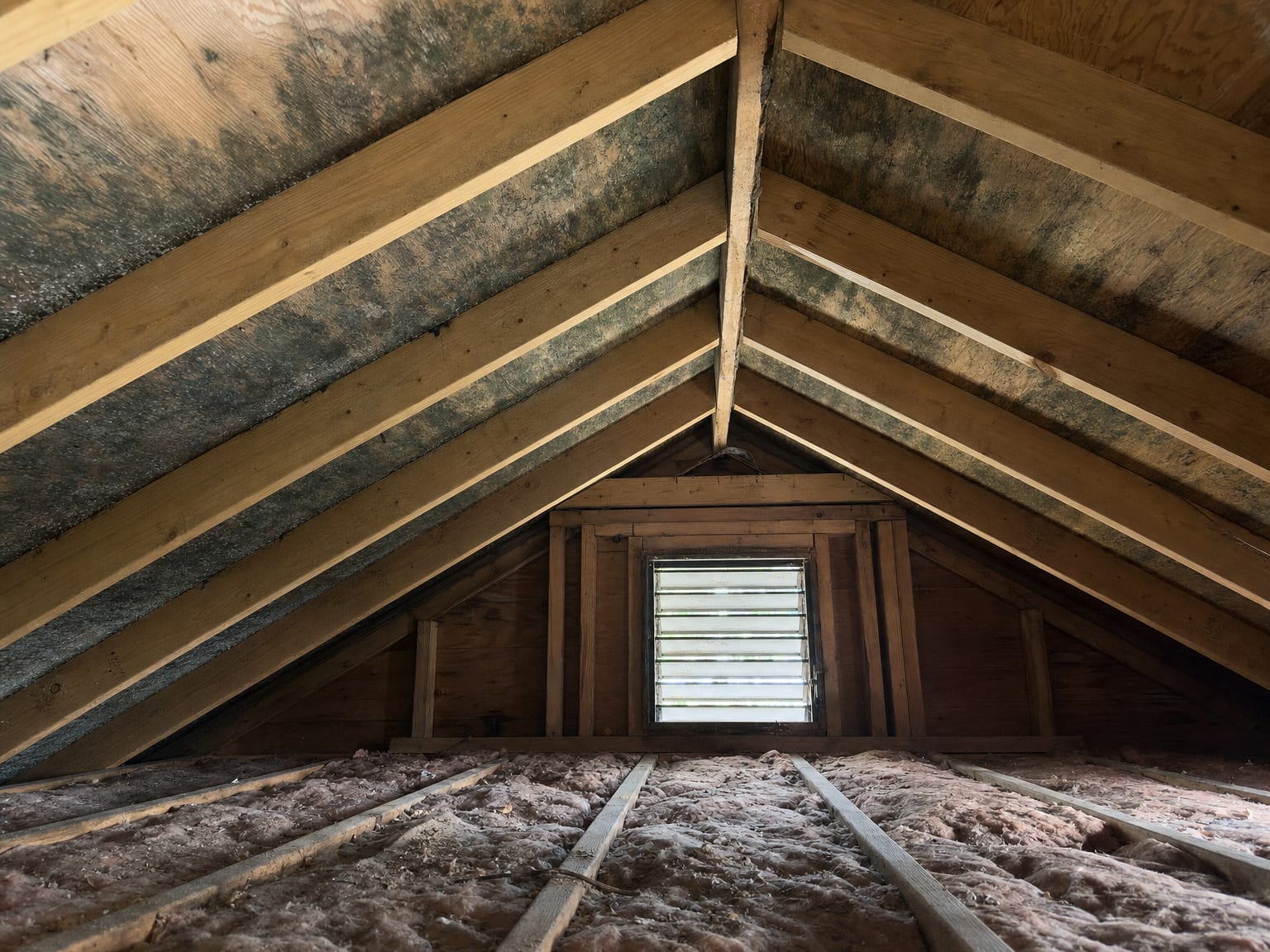
Most buyers think about mold inspection only when something obvious shows up during the general home inspection: a water stain on a basement ceiling, attic sheathing with dark discoloration, or a seller disclosure mentioning a past roof leak or sump pump failure. Those are good reasons to ask for a mold inspection, but there are others worth knowing.
Musty odors without visible cause are one of the most consistent signs of hidden mold. If you noticed a smell in the basement, crawl space, or a finished lower level during your showing, that's worth investigating before you own the problem. A home that's been vacant for an extended period, had deferred maintenance, or sits in a low-lying area with drainage concerns may also have moisture conditions that haven't produced visible growth yet but are well on their way.
Real estate transactions in New Jersey move on short timelines. Attorney review closes in three business days, and inspection contingency periods are negotiated, not unlimited. The sooner you schedule a pre-purchase mold inspection after going under contract, the more time you have to act on the results. Buyers who wait until the end of the contingency period often find themselves rushed when findings require follow-up testing or remediation estimates.
If your general home inspector noted moisture concerns, staining, or suspected mold growth, a residential mold inspection by a specialist gives you a documented second look with specific findings, not just a flag to investigate further.
What Does the Inspection Actually Cover?
ExecPro Restoration & Cleaning follows a structured process for every pre-purchase mold inspection, designed to give you the most complete picture possible within the access available at the property.
Intake and Disclosure Review
Before the inspector sets foot in the property, the technician reviews any seller disclosures, general home inspection reports, and the specific concerns that triggered the request. Understanding what's already been noted, whether a past roof leak, a disclosed water intrusion, or an unexplained odor, shapes where the inspection focuses first.
High-Risk Area Assessment
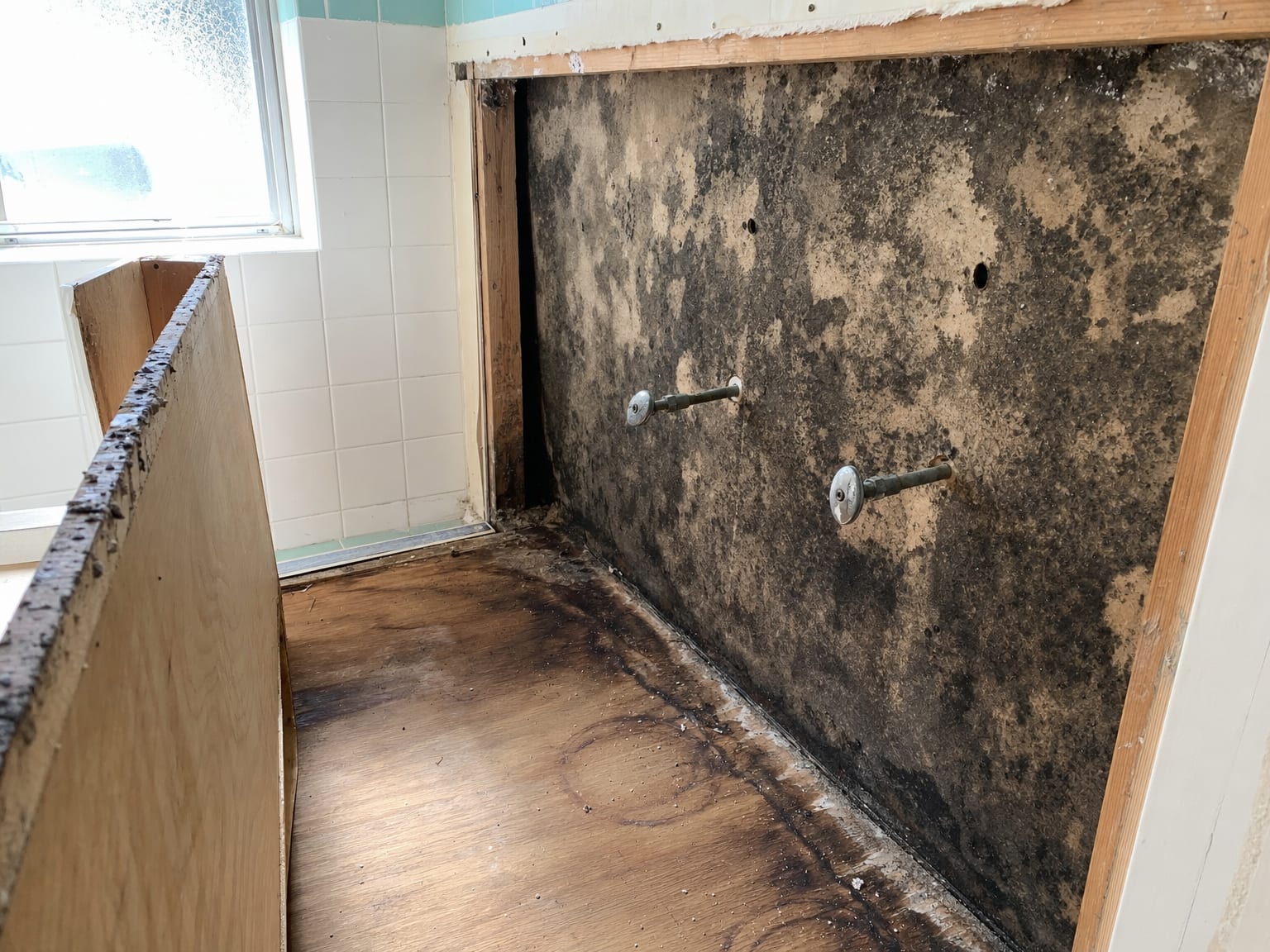
The inspection prioritizes areas where mold is most likely to develop: the basement, crawl space, attic, bathrooms, kitchen, laundry room, HVAC equipment areas, and anywhere near plumbing, roof penetrations, or foundation walls. Technicians also check around windows, under accessible sinks, and behind cabinets in rooms where past leaks have been mentioned.
Moisture Source Investigation
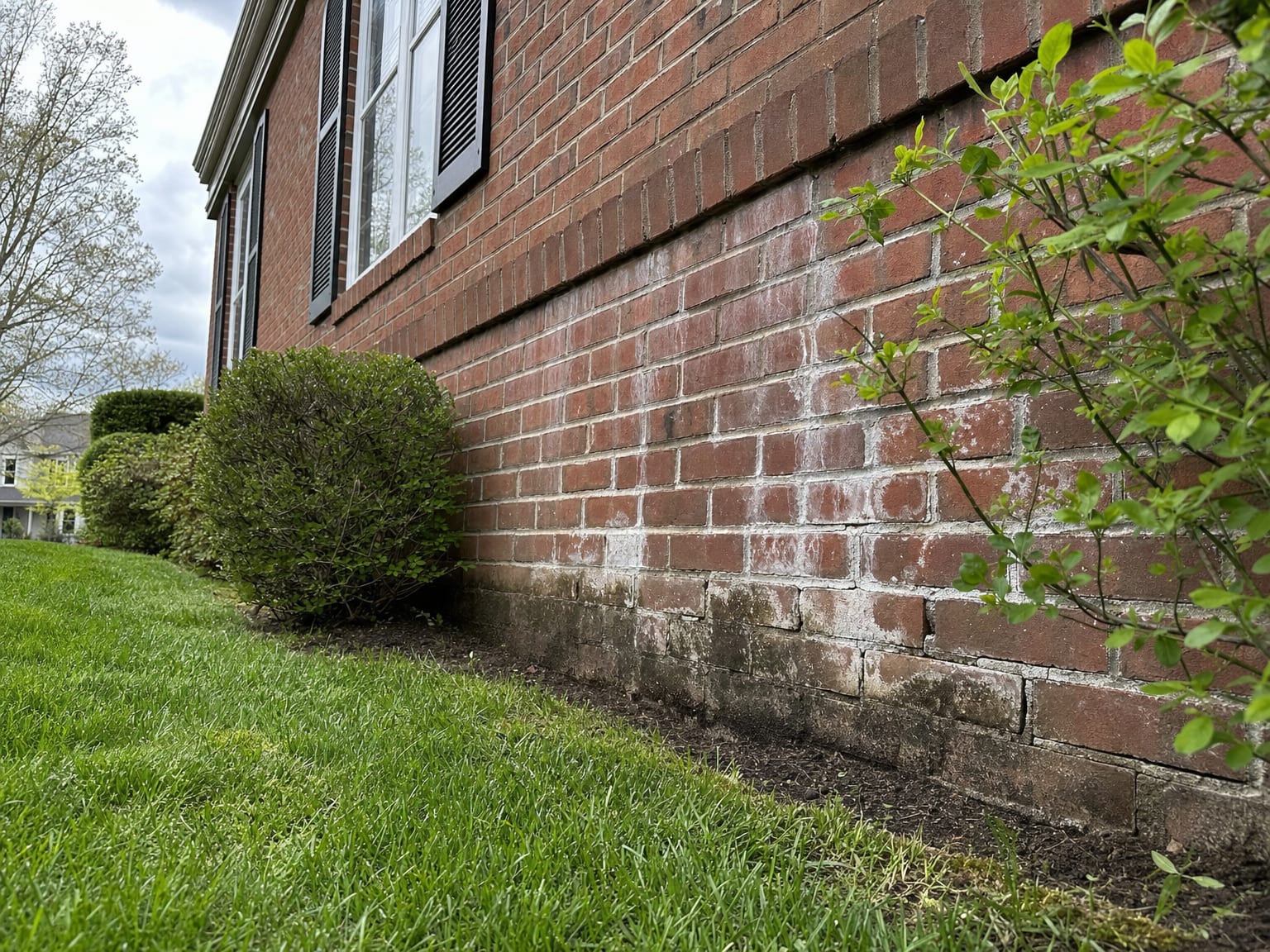
Mold needs moisture to grow. Finding visible mold matters, but understanding where the water came from is what tells you whether the problem is resolved or still active. The inspector evaluates water intrusion patterns, ventilation conditions, condensation sources, humidity levels, grading and drainage concerns near the foundation, and sump pump areas in the basement.
Moisture Meter Readings and Tools
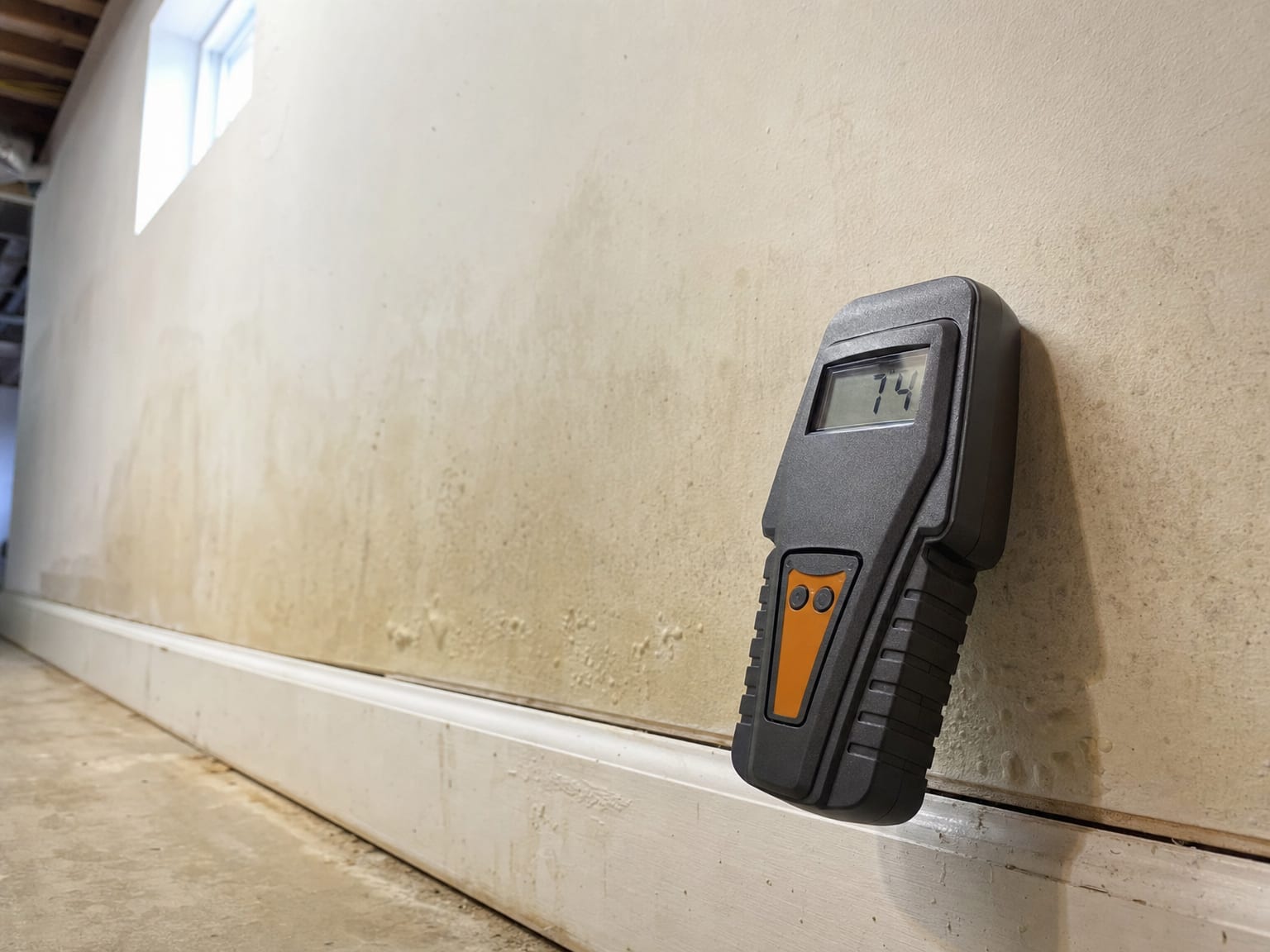
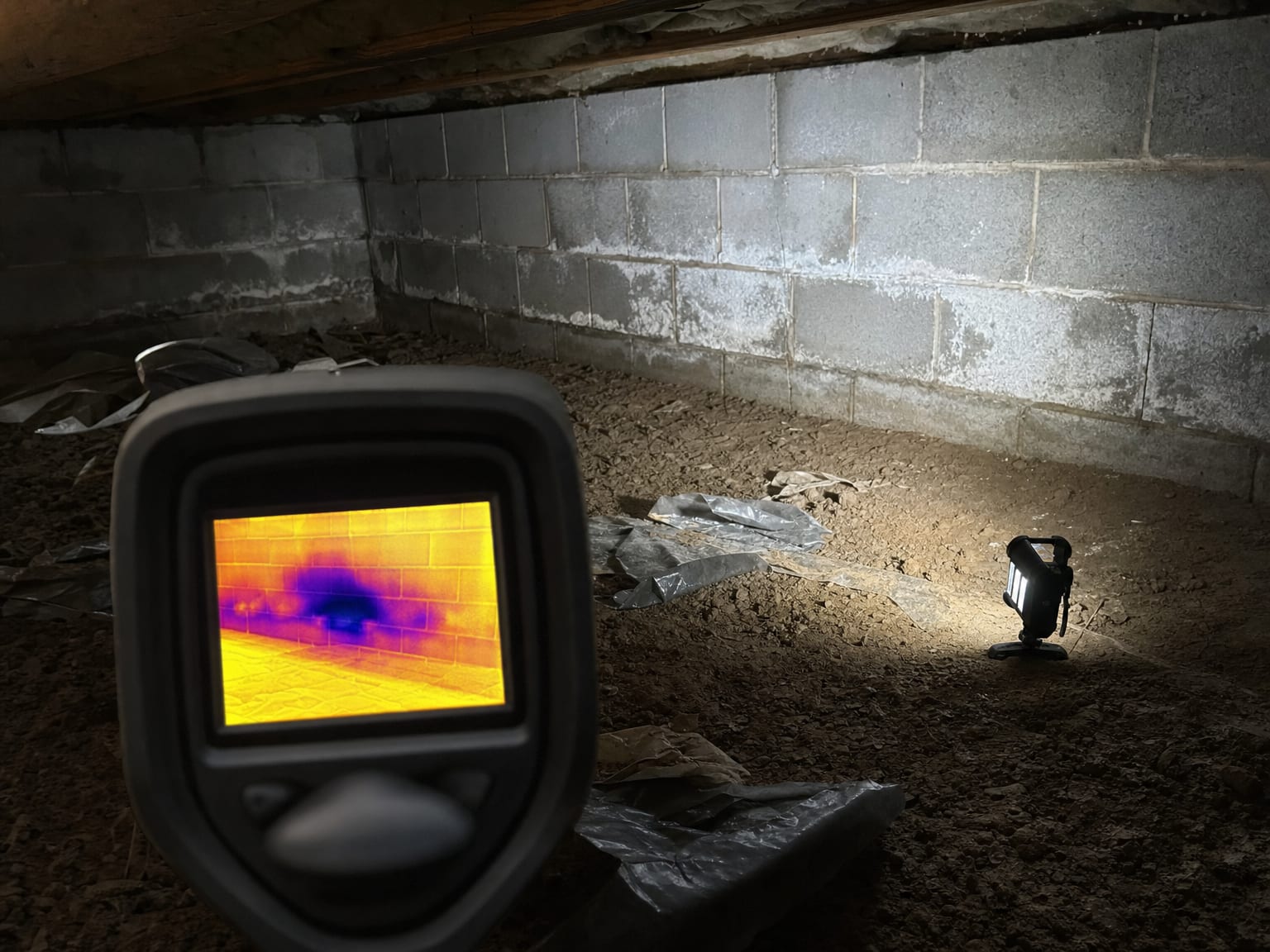
Technicians use moisture meters and hygrometers to support visual observations. Elevated moisture readings behind a finished wall or under flooring can point to conditions that aren't visible to the eye. Thermal imaging can help identify suspicious patterns in walls and ceilings, though it identifies temperature differentials rather than confirming mold directly.
Sampling Decision
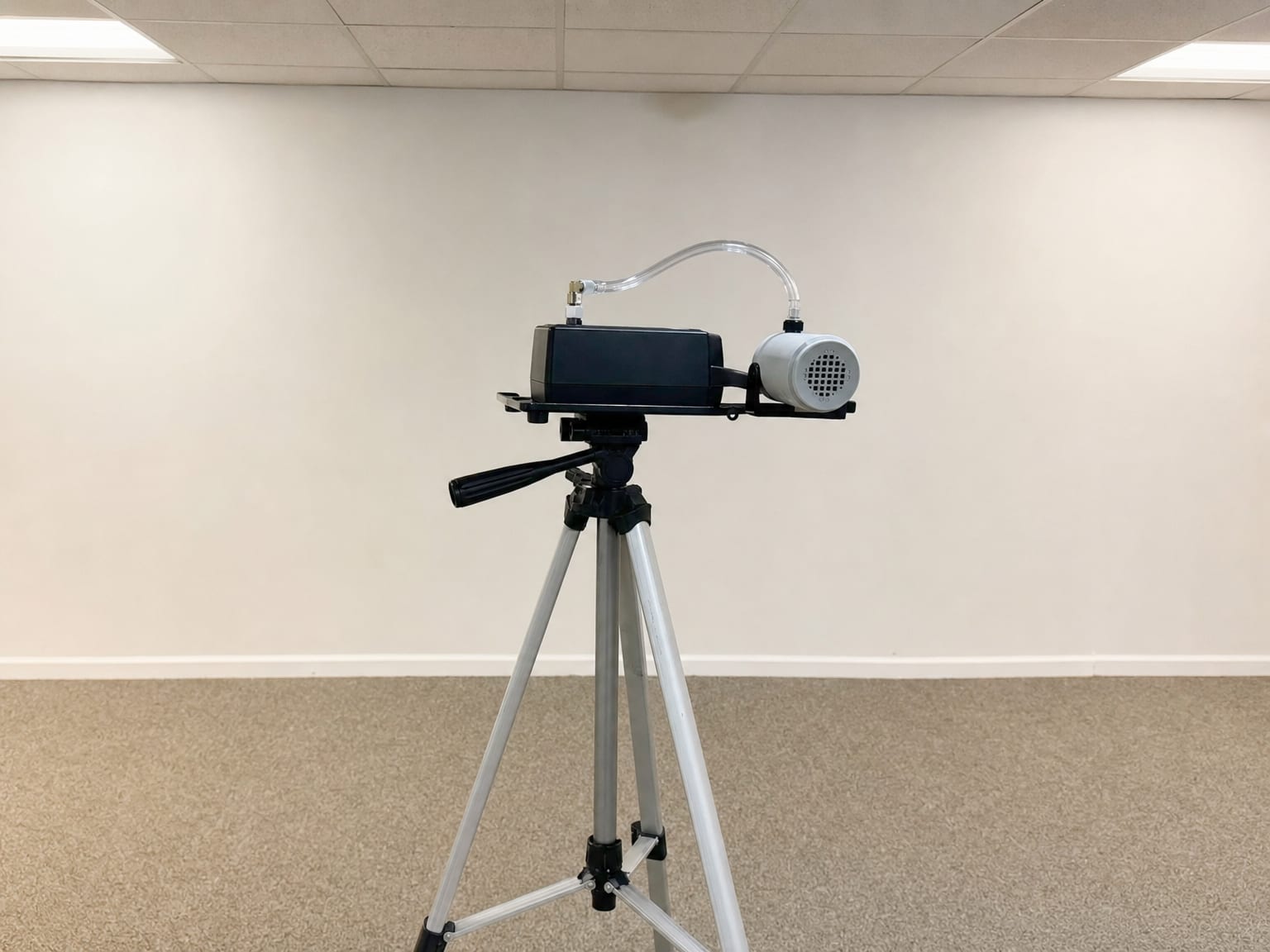
Mold testing, meaning air sampling or surface sampling sent to an accredited laboratory, is used when it answers a specific question. The EPA notes that testing is not required when visible mold is present and identified. Testing is most useful when there's a musty odor without visible growth, when hidden contamination is suspected behind finished surfaces, or when a buyer needs documented lab data to support negotiations or a remediation scope.
Written Report with Photos
Every inspection produces a written report that includes findings, photographs, moisture readings, sample locations if testing was performed, areas that could not be accessed, and recommended next steps. Reports are written with the transaction timeline in mind, so buyers, real estate agents, attorneys, and contractors can all read and use the findings without needing a translator.
Does a Pre-Purchase Mold Inspection Include Testing?
This is one of the most common questions buyers ask, and the honest answer is: sometimes, but not always. Inspection and testing are two different things, and whether testing adds value depends on what the inspector finds.
A visual mold inspection is the foundation. The inspector looks for visible mold growth, staining, moisture damage, and conditions likely to support mold. When the findings are clear and visible growth is identified with an understood moisture source, laboratory sampling often doesn't change the recommended next step, which is remediation.
Testing becomes most useful in a few specific situations. If there's a strong musty odor but no visible mold, air sampling can help confirm whether elevated spore levels are present. If mold is suspected behind finished walls or under flooring that can't be disturbed during a non-invasive inspection, sampling near those areas can support the case for further evaluation. When a buyer needs documentation for negotiation purposes, whether to request a price credit or require the seller to remediate before closing, a lab report from an accredited laboratory carries more weight than a visual finding alone.
It's worth knowing that the EPA has stated there are no federal limits for mold or mold spore counts. A test result doesn't come with a universal pass or fail number. What matters is how the results compare to outdoor baseline samples, what species are identified, and what the concentrations suggest about the likely source. ExecPro Restoration & Cleaning interprets lab results in plain language in every report, so you understand what the numbers actually mean for your purchase decision. If mold testing is recommended during your inspection, your technician will explain exactly why and what you can expect from the results.
How Findings Affect Your Purchase Decision
Mold findings during a real estate transaction can lead to several different outcomes depending on what the inspection uncovers. Understanding the range of possibilities helps buyers approach negotiations from a position of clarity rather than anxiety.
Minor Surface Mold
Small areas of surface mold in a bathroom, around a window frame, or in a localized spot with a clear moisture source are often the least complicated findings. These can typically be addressed with targeted remediation at manageable cost. Your inspection report will note the location, the likely cause, and what appropriate treatment looks like.
Active Moisture Without Visible Mold
Sometimes an inspection finds significant moisture intrusion, elevated readings, or drainage problems that haven't yet produced visible mold growth. This is still a meaningful finding. Left unaddressed, active moisture conditions almost always lead to mold, and buyers can use this information to request repairs or price adjustments before closing.
Larger Contamination Areas
Attic sheathing with widespread mold, basement walls with significant growth across multiple surfaces, or crawl space conditions with active contamination are larger-scope findings that typically require professional remediation. Your inspection report will describe the scope and help your agent or attorney understand what remediation may involve.
Post-Remediation Verification Needs
If a seller has already performed mold remediation before listing, buyers often want to confirm the work was completed properly. Post-remediation verification testing provides clearance documentation showing that the remediated areas no longer have elevated mold conditions, giving buyers confidence before they close.
Connected Rebuild Needs
When remediation is needed before or after closing, some buyers also need drywall replacement, structural repairs, or general renovation work in affected areas. ExecPro Restoration & Cleaning handles post-mold remediation rebuild work directly, so the path from inspection through remediation to restored condition stays with one team.
What Happens If the Inspection Finds Mold?
Finding mold during a pre-purchase inspection doesn't automatically mean the deal falls apart. What it means is that you have information, and information gives you options. Buyers in this situation typically pursue one of a few paths.
The first option is requesting remediation as a condition of closing. The seller addresses the identified mold growth and moisture source before the transaction completes, and a post-remediation verification test confirms the work was done properly. This is common when findings are clearly scoped and the seller is motivated to move forward.
The second option is a price adjustment or credit. Rather than requiring the seller to manage remediation, the buyer negotiates a reduced purchase price or a closing credit that accounts for the expected remediation cost. The buyer then takes responsibility for addressing the mold after closing. Your inspection report and any remediation estimate ExecPro Restoration & Cleaning can provide support that negotiation with documented figures rather than guesswork.
The third option, sometimes the right one, is walking away. When findings reveal extensive contamination, significant structural moisture damage, or conditions that suggest a history of unaddressed water intrusion, a buyer may decide the property isn't worth the remediation investment. Having a clear inspection report makes that decision easier to explain and document, and it protects you from post-closing surprises that a less thorough process would have missed.
Why Buyers in Central and Northern NJ Choose ExecPro Restoration & Cleaning
There's a meaningful difference between a general inspection that flags mold as a concern and a specialist inspection that tells you what you're actually dealing with. ExecPro Restoration & Cleaning focuses specifically on mold assessment, moisture investigation, and environmental conditions. The technicians on these inspections know what to look for, where to look for it, and how to explain what they find.
Report turnaround matters in a real estate transaction. When your contingency period is running, you don't have time to wait several days for findings. The inspection process is structured to deliver useful documentation quickly, written for the people who need to act on it. Buyers, real estate attorneys, agents, and contractors all read the same document, so findings are presented in plain language without unnecessary jargon. Photos are included, moisture readings are documented, limitations are stated clearly, and recommended next steps are specific rather than generic.
ExecPro Restoration & Cleaning is licensed and insured and offers a complete range of connected services for buyers who discover mold or moisture problems during the transaction. From mold inspection through remediation, structural drying, and rebuild, you can work with one company from the first assessment through the final clearance. That continuity matters when you're trying to close on a timeline.
Service coverage extends across the full central and northern New Jersey region. Whether you're purchasing in Princeton Junction, Bridgewater, Flemington, Red Bank, Freehold, Cherry Hill, or any of the surrounding communities in Mercer, Somerset, Hunterdon, Monmouth, Middlesex, or Burlington County, ExecPro Restoration & Cleaning can be scheduled to meet your inspection contingency window.
Real Estate Professionals: Schedule Inspections That Protect Your Clients and Your Transactions
Agents working in central and northern New Jersey deal with mold-related contingency issues regularly. Older housing stock, wet basements, and attic ventilation problems are common across the region, and a home inspection flag that reads 'suspect mold, recommend specialist evaluation' puts everyone on a tight clock.
ExecPro Restoration & Cleaning works directly with real estate professionals to coordinate pre-purchase mold inspections around transaction timelines. Reports are photo-documented, clearly written, and structured so that buyers, attorneys, and agents can all use them without confusion. When findings require remediation, the same team can provide estimates and perform the work, keeping the transaction moving instead of adding another round of vendor coordination.
For agents managing listings with disclosed mold history or buyers who want inspection-contingency protection, home buyer and seller protection services are available as well. ExecPro Restoration & Cleaning also provides real estate inspection services for agents and clients who need documented mold assessments as part of the transaction process. If you're managing multiple transactions across the New Jersey market and need a reliable specialist you can send clients to on short notice, call (888) 300-3772 to discuss how ExecPro Restoration & Cleaning can support your pipeline.
Frequently Asked Questions About Pre-Purchase Mold Inspections
Most residential pre-purchase mold inspections take between one and three hours depending on the size of the home and the number of areas that need closer evaluation. Larger properties or homes with multiple areas of concern may take longer. If air or surface sampling is collected, lab turnaround time is separate from the on-site inspection time and will be communicated when samples are submitted.
Schedule Your Pre-Purchase Mold Inspection Before Your Contingency Closes
Contact ExecPro Restoration & Cleaning: (888) 300-3772 | hello@execprorc.com