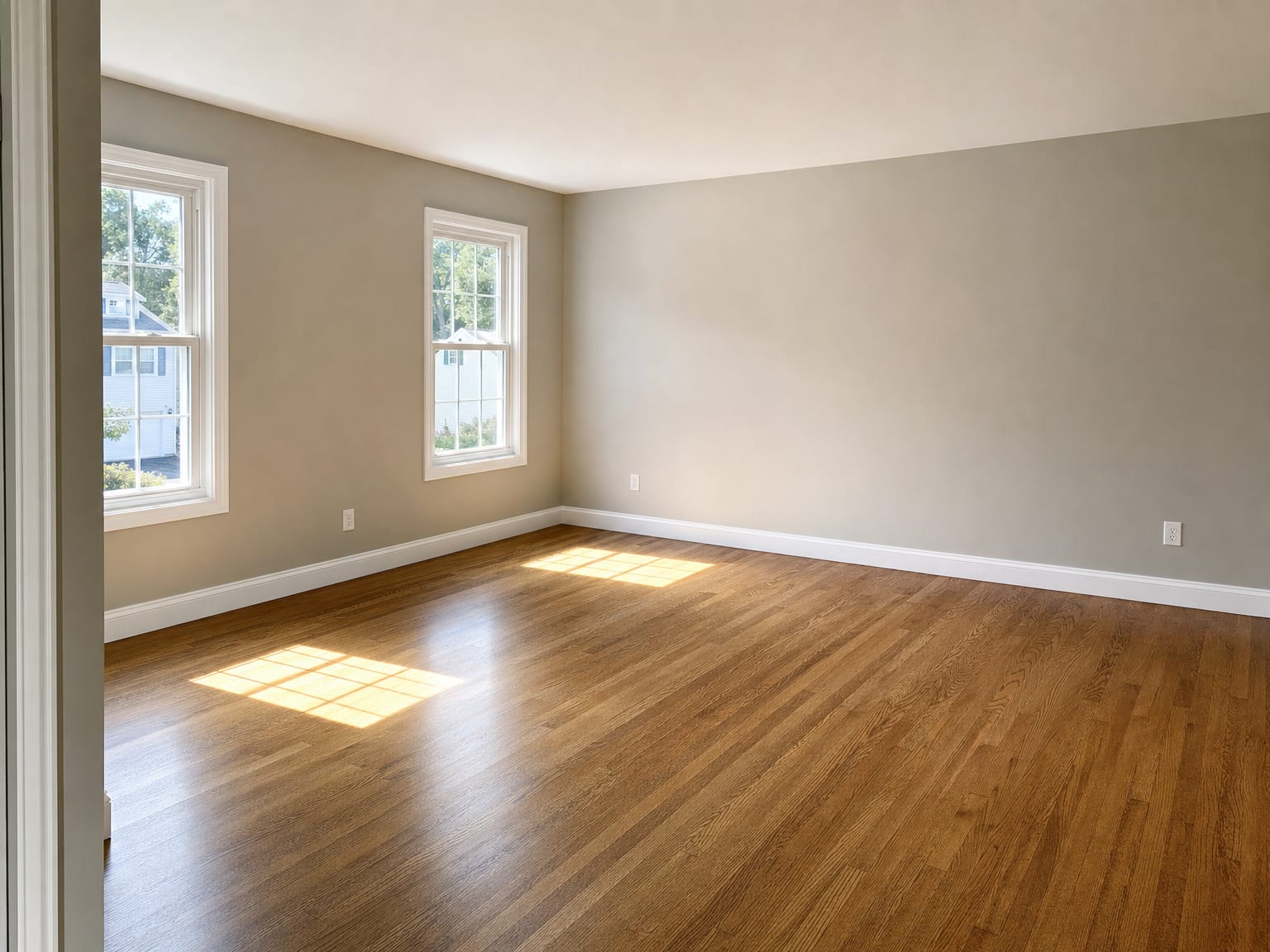
Post-Water Damage Reconstruction in New Jersey
When water damage leaves your property torn apart, ExecPro Restoration & Cleaning handles the full rebuild, including drywall, flooring, trim, paint, and finish work, so you can move from mitigation to move-in without juggling multiple contractors.
What Is Post-Water Damage Reconstruction?
Post-water damage reconstruction is the repair and rebuild phase that follows water extraction, structural drying, and any required mold remediation. It covers the physical restoration of your property: replacing damaged drywall, installing new flooring, repainting walls and ceilings, reinstalling trim and cabinetry, and returning every finish to pre-loss condition. Depending on the scope of the loss, reconstruction can take anywhere from a few days for a single room to several weeks for multi-room or multi-floor damage.
This phase is distinct from mitigation. Mitigation stops the damage from getting worse through extraction, drying, and demolition of unsalvageable materials. Reconstruction is what actually puts your home or building back together. Getting the sequence right matters. Rebuilding over materials that still hold moisture, or skipping mold risk assessment before closing up wall cavities, can create problems that surface months or years later.
ExecPro Restoration & Cleaning manages both sides of that transition. The team handles water damage restoration through drying and documentation, then moves directly into the rebuild phase without handing you off to a separate contractor. For property owners across central and northern New Jersey, that single-provider approach means less coordination, cleaner documentation, and a faster path back to normal.
Why Does the Sequence Matter Before You Rebuild?
One of the most common mistakes after a water loss is rushing the rebuild. If framing, subfloors, or wall cavities still hold elevated moisture when new drywall and flooring go in, you are sealing that moisture inside the structure. Over time, that trapped moisture feeds mold growth and degrades the new materials you just paid to install.
Standard practice requires moisture verification at every stage, using calibrated moisture meters and thermal imaging equipment to confirm that structural components have dried to acceptable levels before reconstruction begins. It also means addressing any mold that developed during the drying period. If mold remediation is needed, that work must be complete and verified before the rebuild closes up the affected areas.
NJ and EPA guidance both emphasize correcting the moisture source, removing or cleaning contaminated materials, and confirming the space is dry before renovation work begins. ExecPro Restoration & Cleaning follows this sequence on every job, and the moisture readings taken during the drying phase carry forward as documentation for the reconstruction scope. Nothing gets covered up that has not been cleared.
What Does Post-Water Damage Reconstruction Actually Include?
The scope of reconstruction depends on what water touched and for how long. Below is what ExecPro Restoration & Cleaning typically handles in the rebuild phase after a water loss.
Drywall Replacement
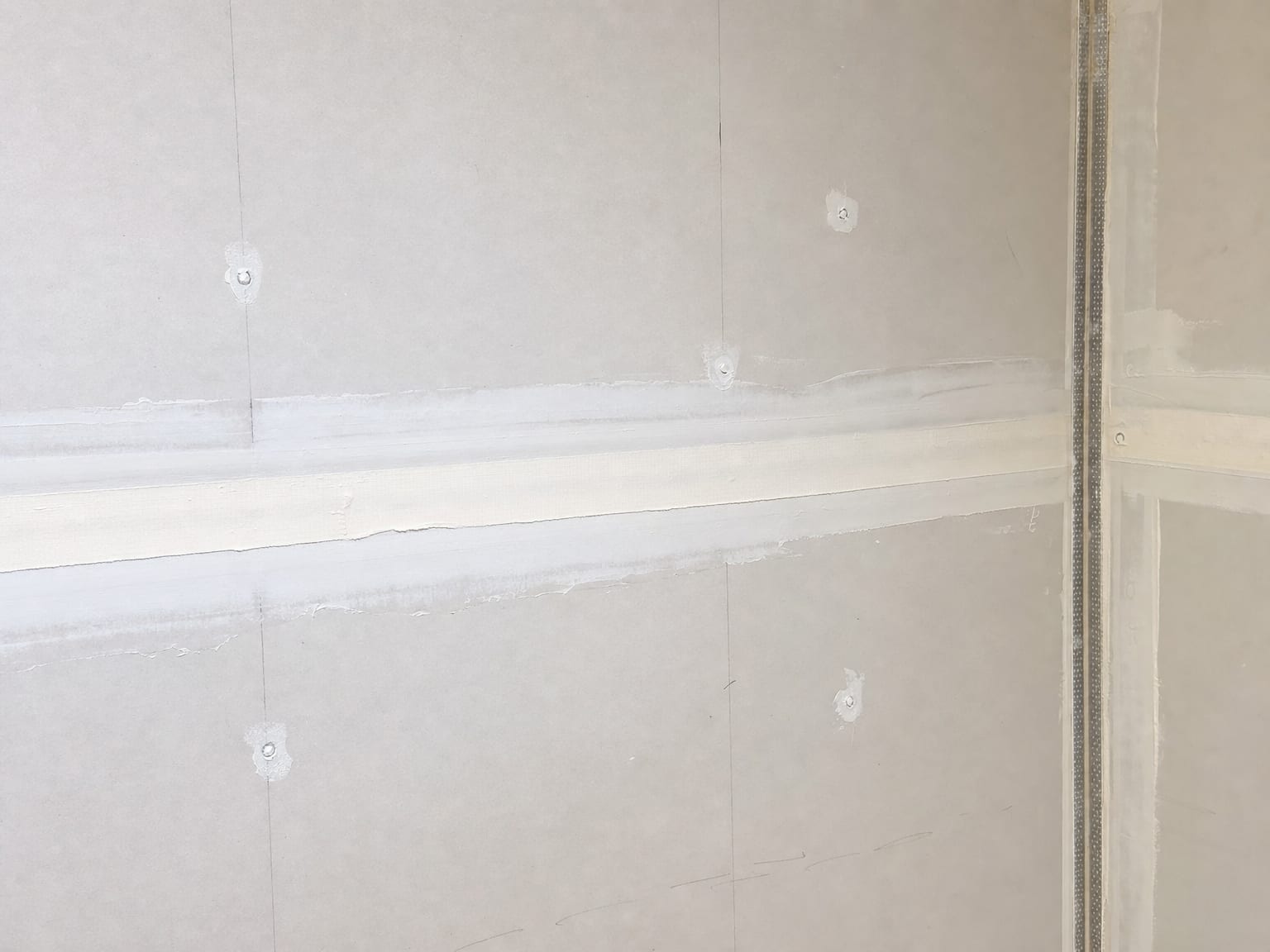
Water-saturated drywall that cannot be fully dried and cleaned needs to come out. ExecPro Restoration & Cleaning installs new drywall to match existing wall and ceiling assemblies, with mold-resistant board used in appropriate areas like bathrooms, laundry rooms, and below-grade spaces where moisture exposure is more likely.
Flooring Installation
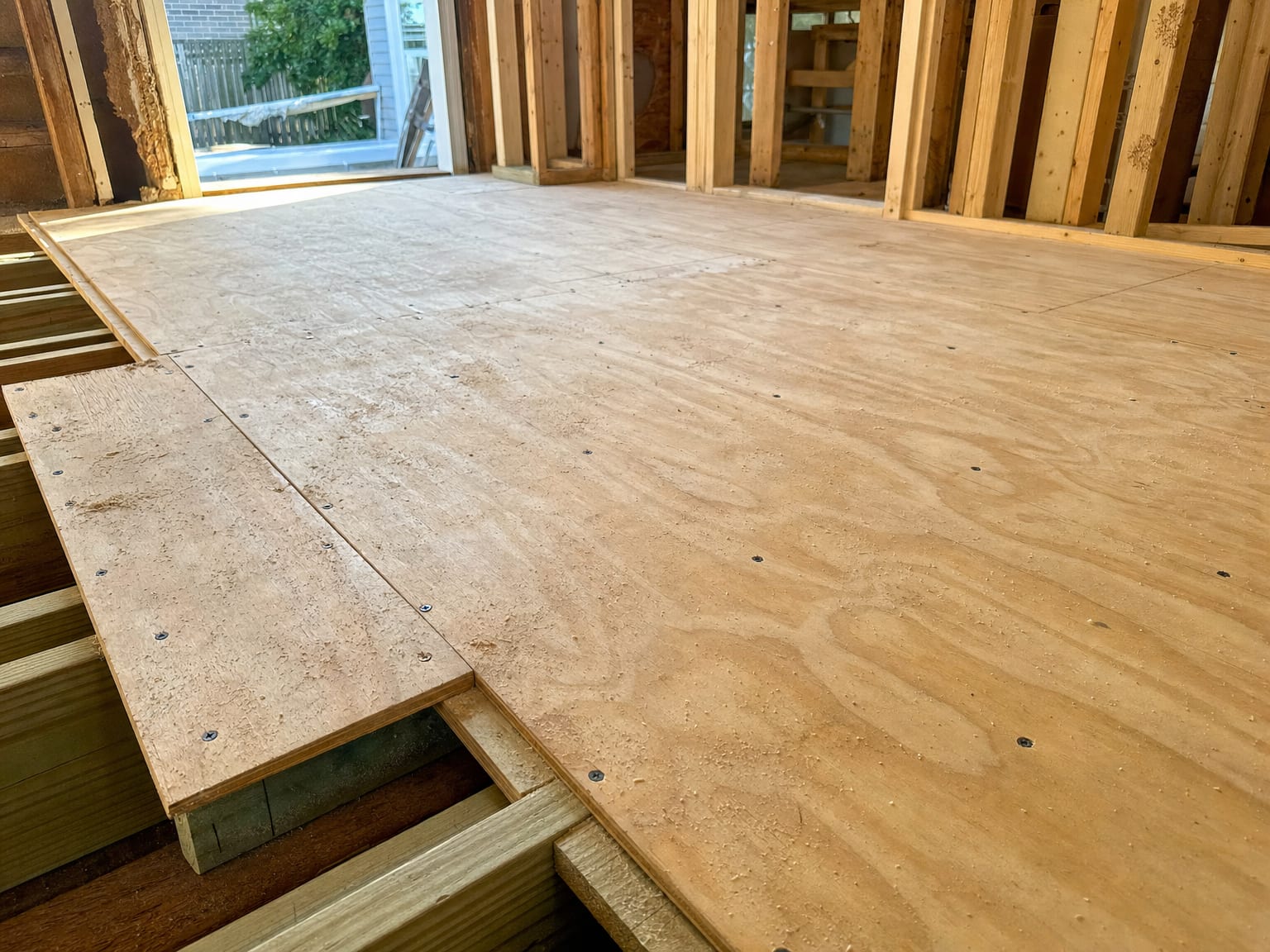
Damaged flooring, whether hardwood, laminate, vinyl, tile, or carpet, is removed during mitigation and replaced during reconstruction. Where appropriate, new materials can be chosen for better moisture tolerance than the originals, which is worth considering in basements and lower-level spaces.
Interior Painting
Freshly replaced drywall needs primer and paint to match surrounding surfaces. Interior painting is included in the reconstruction scope so you are not left with bare walls or obvious patch marks when the job is done.
Trim and Finish Work
Baseboards, door casings, window trim, and other finish elements are often removed during demolition or damaged by prolonged moisture contact. Reinstalling or replacing trim brings the space back to finished condition and is part of a complete rebuild scope.
Cabinetry and Built-Ins
Kitchen and bathroom cabinetry affected by water damage may need partial or full replacement depending on how long exposure lasted and whether the materials can be safely dried. ExecPro Restoration & Cleaning coordinates cabinetry work as part of the overall reconstruction timeline.
Insulation Replacement
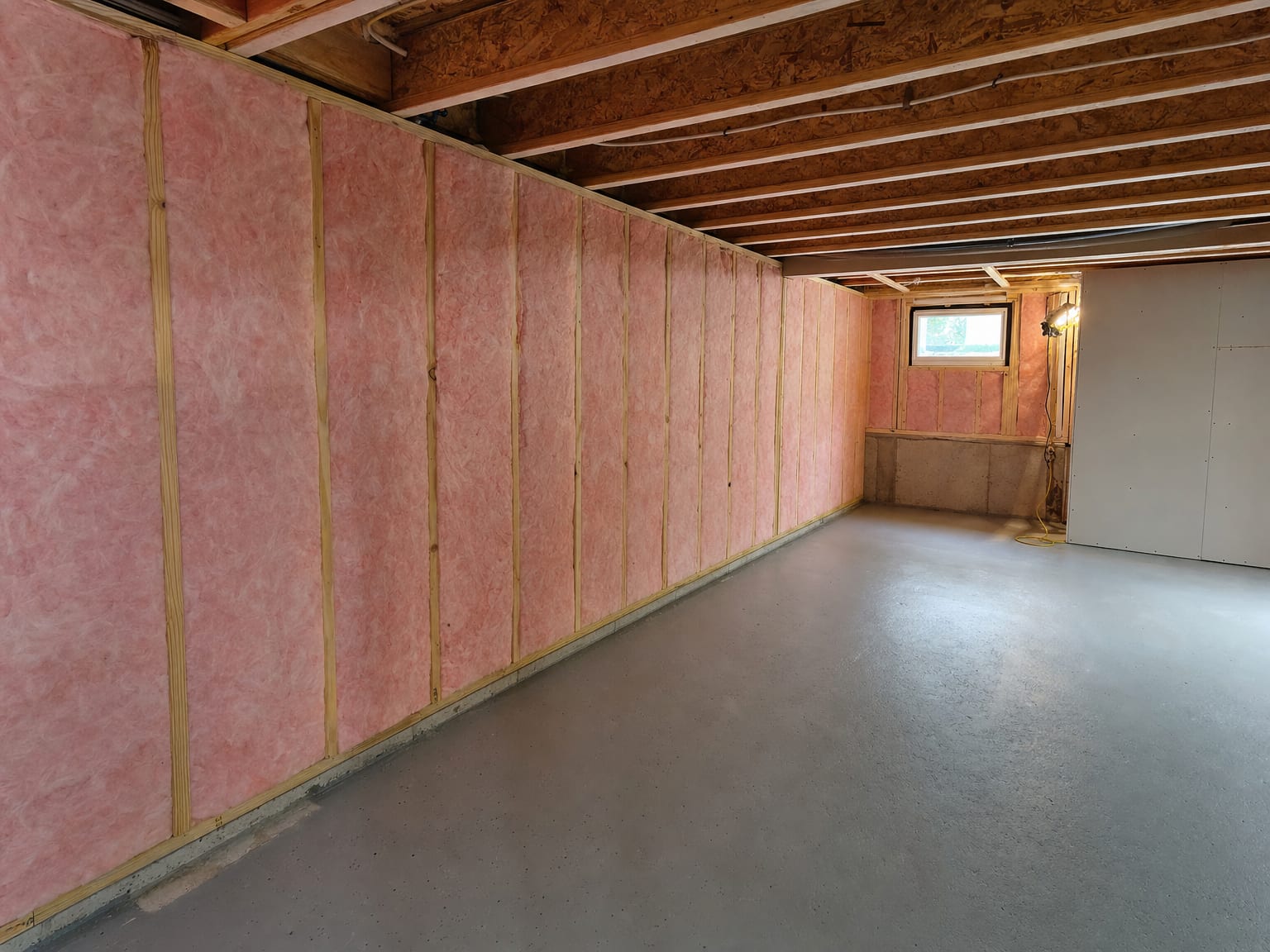
Fiberglass batt and other insulation types that absorb water typically need to come out during mitigation because they hold moisture against structural framing. New insulation is installed during reconstruction once the framing has been verified dry.
How Does the Reconstruction Process Work from Start to Finish?
Every reconstruction project follows a defined sequence. Here is how ExecPro Restoration & Cleaning moves a property from post-loss condition back to pre-loss condition.
Scroll the steps sideways to follow the full process.
Rebuilding After Different Types of Water Damage
The reconstruction scope for a burst pipe in a finished basement looks different from the scope for a roof leak that saturated an upstairs bedroom ceiling, and both look different from storm-related flood damage cleanup that affected the ground floor and crawl space. The type of event, the water category (clean supply line versus sewage backup versus storm flooding), and how long the water was present all shape what needs to be replaced and in what order.
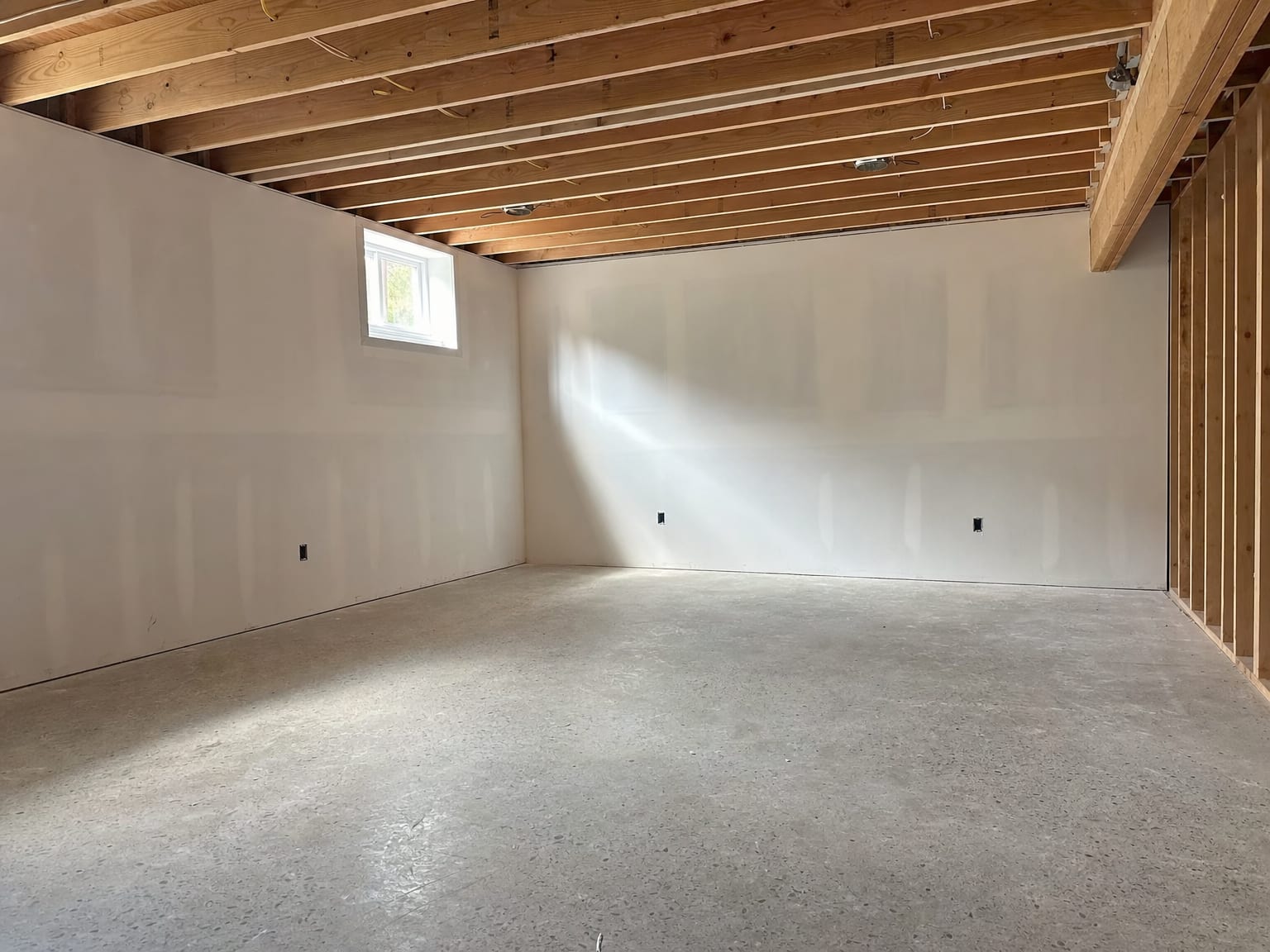
Basement reconstruction often involves concrete, below-grade wall assemblies, sump systems, and drainage considerations that do not apply to above-grade spaces. When basement mold remediation preceded the rebuild, the reconstruction scope has to account for what was removed during remediation and confirm moisture levels in the slab and wall framing before any new finishes go in. ExecPro Restoration & Cleaning's basement drying and rebuild work follows that same sequenced approach.
Bathroom water losses introduce tile, waterproofing membranes, plumbing penetrations, and ventilation requirements that other rooms do not have. When bathroom mold remediation is part of the picture, the rebuild phase has to restore both the function and the water management of the space, not just the visible finishes. ExecPro Restoration & Cleaning handles bathroom reconstruction with those details in mind, including proper backer materials behind tile and functioning exhaust ventilation as part of the final scope.
For sewage cleanup situations, Category 3 water exposure means all porous materials in the affected area are presumed contaminated. The reconstruction scope after a sewage loss is typically more extensive than after a clean water loss because more materials require removal. The rebuild follows the same sequenced approach, but the mold risk and contamination clearance steps carry more weight before reconstruction closes up any surfaces.
Who Needs Post-Water Damage Reconstruction?
Homeowners dealing with the aftermath of a pipe failure, appliance leak, or weather event are the most common clients for reconstruction services. But the need shows up in other situations. Property managers handling a tenant-occupied unit after a water loss need the space back to habitable condition as quickly as the proper sequence allows. Real estate professionals dealing with a property that has a water damage history may need documentation of completed reconstruction to satisfy a buyer's inspection contingency or lender requirements.
A seller who had reconstruction done correctly, with full documentation of drying verification and material replacement, is in a much stronger position than one who patched over visible damage without addressing the underlying moisture issue. Buyers who spot signs of past water damage during a showing deserve to know whether the repair was done right. ExecPro Restoration & Cleaning's real estate inspection services can help answer that question before a transaction closes.
Commercial property owners and managers also turn to ExecPro Restoration & Cleaning when water losses affect office spaces, retail spaces, or apartment units. The documentation requirements for commercial losses and the pressure to return income-producing space to operation make the single-provider model particularly practical. One point of contact, one documented scope, one timeline.
What Makes ExecPro Restoration & Cleaning Different for Reconstruction?
Many general contractors will take on a rebuild after a water loss. The difference with ExecPro Restoration & Cleaning is that the reconstruction scope is built on top of a mitigation and remediation foundation the same team already documented. That continuity changes what you actually get.
One Team, No Handoffs
When the same company handles mitigation, structural drying, mold risk, and reconstruction, there is no gap between what the restoration crew found and what the rebuild crew acts on. You do not have to re-explain the loss history to a second contractor or wonder whether something got missed in the transition.
Claim-Ready Documentation
Insurance claims for water damage reconstruction require photos, moisture readings, written scopes, material descriptions, and dated invoices. ExecPro Restoration & Cleaning builds this documentation throughout the project, not after the fact, so it is accurate, complete, and ready to support your adjuster's review.
Moisture-Conscious Material Choices
Where it makes sense for the space, ExecPro Restoration & Cleaning will discuss moisture-resistant material options with you before finalizing the rebuild scope. Mold-resistant drywall, water-tolerant flooring products, and improved ventilation in bathrooms and laundry rooms can reduce the risk of a repeat situation in areas prone to moisture exposure.
Licensed, Insured, and Code-Aware
ExecPro Restoration & Cleaning is licensed and insured, with NJ home improvement registration and code awareness for the municipalities served across central and northern New Jersey. Permit requirements are identified before work begins, not figured out partway through.
Clear Communication Throughout
Water damage is stressful. ExecPro Restoration & Cleaning keeps you informed with written estimates, scheduling updates, and accessible communication from the first call through the final walkthrough. You know what is happening, when it is happening, and what to expect at each stage.
Frequently Asked Questions About Post-Water Damage Reconstruction
These questions come up regularly from property owners navigating the rebuild process after a water loss.
Timeline depends on the size of the affected area, the scope of material replacement, and whether permits are required. A single room with drywall, flooring, and paint can often be completed within a few days to a week once mitigation is finished. Larger losses affecting multiple rooms or structural components can take several weeks. ExecPro Restoration & Cleaning provides a written timeline estimate as part of the reconstruction scope before work begins.
Serving Property Owners Across Central and Northern New Jersey
ExecPro Restoration & Cleaning serves property owners across New Jersey, from Princeton Junction and the surrounding Mercer County communities through Somerset, Hunterdon, Middlesex, Union, Monmouth, Ocean, and Burlington counties. Whether your property is in Hamilton, Bridgewater, Red Bank, Cherry Hill, Lakewood, or any of the dozens of towns in between, the team is positioned to respond, document, and rebuild.
Older housing stock is common throughout central NJ, and that matters for post-water damage reconstruction. Homes built in the 1960s, 70s, and 80s often have original drywall, flooring, and trim that behaves differently after water exposure than modern materials, and pre-1978 construction may carry lead-paint considerations that affect how demolition and rebuild work is planned. ExecPro Restoration & Cleaning's technicians are familiar with the housing types and building patterns across the region, which makes scoping and sequencing more accurate from the start.
If you are dealing with the aftermath of a water loss and need to understand your next steps, reach out to ExecPro Restoration & Cleaning at (888) 300-3772 or at hello@execprorc.com. The team can assess what was affected, confirm the property is ready for reconstruction, and walk you through a documented scope before any work begins.