Commercial Mold & Cleaning Services for New Jersey Businesses
ExecPro Restoration & Cleaning delivers certified commercial mold remediation, inspection, testing, and cleaning services for offices, retail spaces, warehouses, and multifamily properties across central and northern New Jersey. Our crews work around your schedule to keep operations running and your building code-compliant.
What Do ExecPro's Commercial Services Actually Cover?
Commercial mold and cleaning services from ExecPro Restoration & Cleaning address the full range of indoor environmental problems affecting businesses, property managers, and landlords across New Jersey. The core offering includes commercial mold inspection, mold testing with third-party lab analysis, mold removal, mold remediation following IICRC S520 protocol, commercial air quality testing, commercial cleaning, commercial dryer vent cleaning for apartment complexes, and property management mold services. When a problem is identified, ExecPro handles containment, removal, surface treatment, and post-remediation verification as a single coordinated project, so you are not managing multiple vendors.
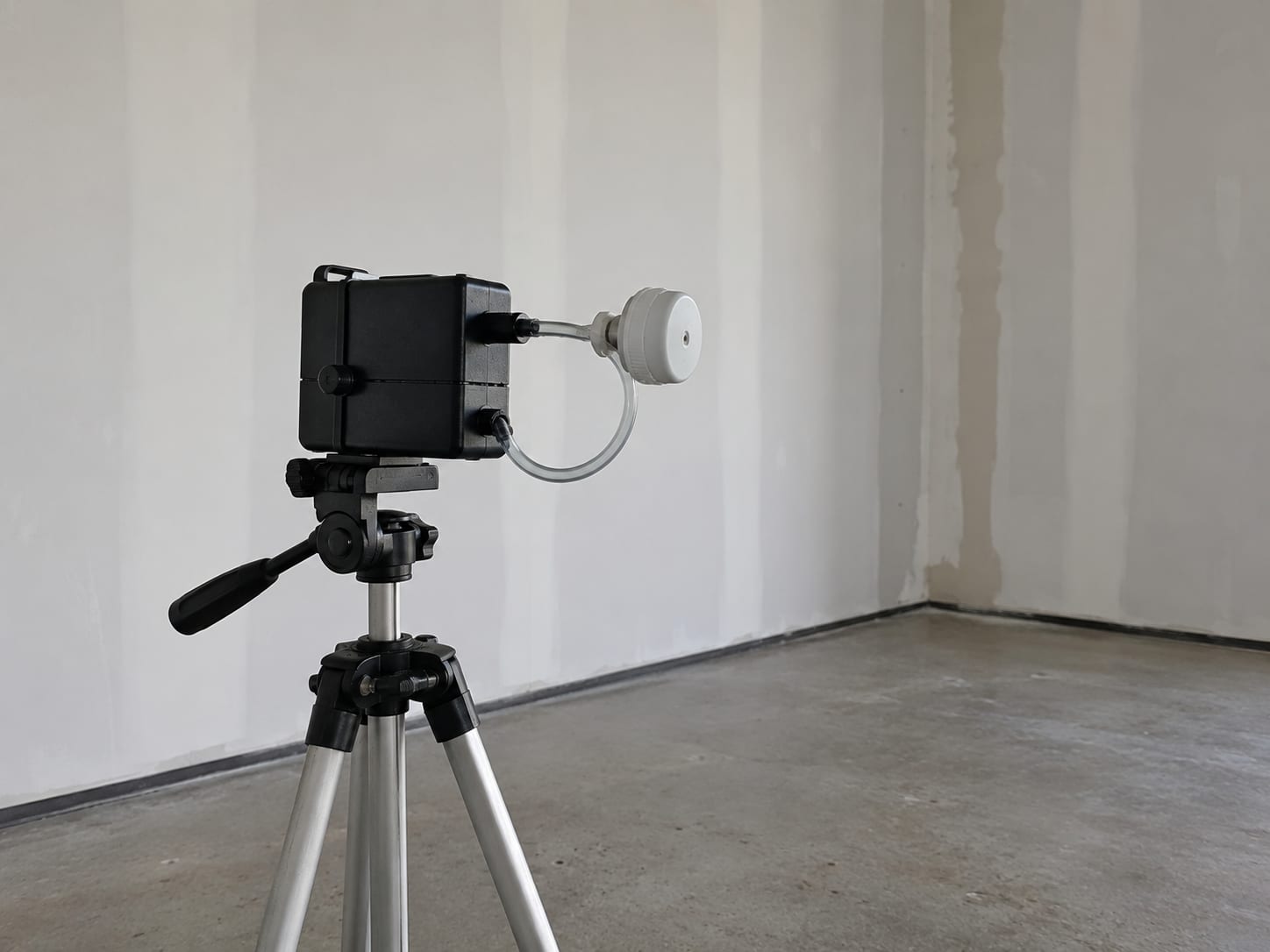
The scope of a typical commercial engagement depends on the property type and the extent of contamination. A small office suite with visible mold growth on a ceiling or HVAC register is a fundamentally different project than a warehouse with moisture intrusion across several thousand square feet. ExecPro sizes the response to the actual problem, using moisture meters, thermal imaging, and air sampling to define the boundaries of the affected area before any work begins. That initial assessment shapes the remediation plan, the containment strategy, and the post-project clearance testing.
For property managers and building owners who oversee multiple units or sites, ExecPro Restoration & Cleaning also offers property management mold services structured around recurring inspection schedules and rapid-response protocols. The goal is to catch moisture problems before they produce visible growth, which limits both the remediation cost and the tenant disruption that comes with a full-scale mold project.
Why Commercial Properties in NJ Face Persistent Mold Risk
New Jersey's combination of high seasonal humidity, aging building stock, and a coastline exposed to frequent storm events makes mold a recurring challenge for commercial property owners. A summer with above-average rainfall, a slow roof leak that goes undetected for weeks, or an HVAC system recirculating humid air can all produce active mold growth inside walls, ceilings, and mechanical spaces with no obvious sign to building occupants. By the time someone notices a musty odor or visible discoloration, the contamination is usually well-established.
The liability dimension has also sharpened considerably. Sick building syndrome is now recognized as a workplace liability with direct effects on employee productivity, absenteeism, and tenant retention. Commercial landlords and property managers who allow mold conditions to persist face potential lease disputes, regulatory scrutiny, and reputational damage that spreads quickly in local business communities. The New Jersey Department of Health recommends that the company conducting an environmental assessment not be the same company performing the remediation, which means getting a clean, third-party-verified result matters both operationally and legally.
New Jersey's proposed Mold Safe Housing Act, introduced in January 2024, would require mold inspectors and remediation companies to hold state licenses and would prohibit the same firm from inspecting a property and then developing and executing a remediation plan for it. ExecPro Restoration & Cleaning already operates in a manner consistent with that separation of roles, which positions clients well regardless of how the regulatory environment develops.
How Does Commercial Mold Remediation Actually Work?
Every commercial mold project follows a structured sequence that keeps the work contained, the results documentable, and the building safe for reoccupation. ExecPro Restoration & Cleaning moves through a commercial engagement from first contact to final clearance in six defined phases.
Scroll the steps sideways to follow the full process.
What Commercial Properties Does ExecPro Serve?
ExecPro Restoration & Cleaning works across a wide range of commercial property types throughout central and northern New Jersey. Each property type brings its own scheduling constraints, occupancy considerations, and scope requirements.
Office Buildings and Corporate Facilities
Office environments often have mold problems rooted in HVAC systems, roof leaks, or perimeter wall condensation. ExecPro schedules commercial mold removal during evenings and weekends when possible to minimize disruption to tenants and employees. Air quality testing is particularly relevant in office settings, where recirculated air can spread spores across large floor plates well before a visible problem appears.
Retail and Mixed-Use Properties
Retail spaces with back-of-house storage areas, loading docks, or older plumbing are frequent candidates for moisture-related mold growth. Remediation in occupied retail environments requires careful containment design and clear communication with tenants about access and timelines. ExecPro coordinates directly with property managers to produce a work plan that fits the operational calendar of the building.
Apartment Complexes and Multifamily Housing
Multifamily properties present a distinct challenge because a single moisture event, such as a water heater failure or a roof leak, can affect multiple units simultaneously. Commercial dryer vent cleaning for apartment complexes is also part of ExecPro's multifamily service offering, addressing a fire and moisture risk that is frequently overlooked in common-area mechanical systems. Property managers benefit from a single vendor relationship that covers both mold remediation and preventive maintenance services.
Warehouses and Industrial Facilities
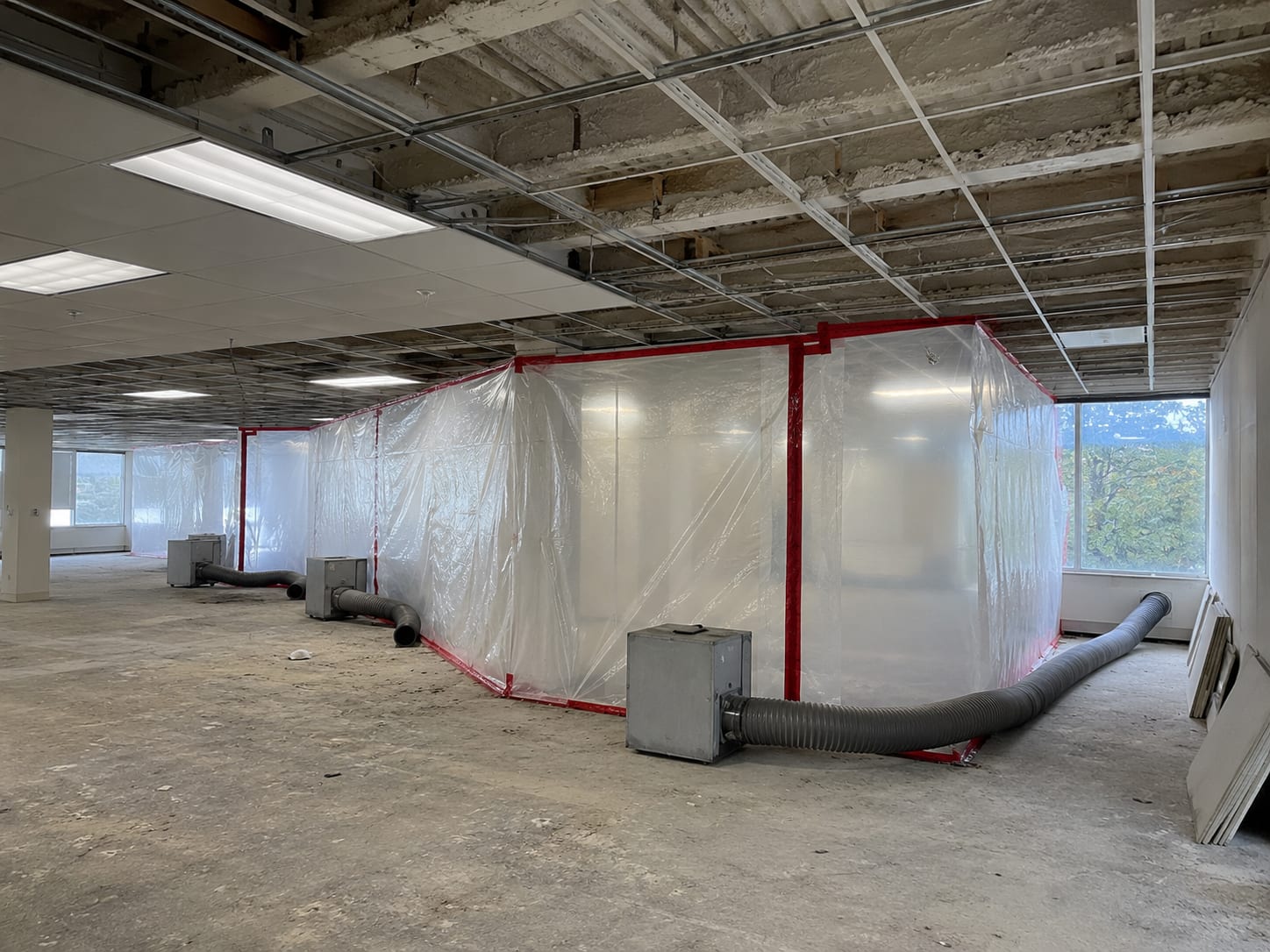
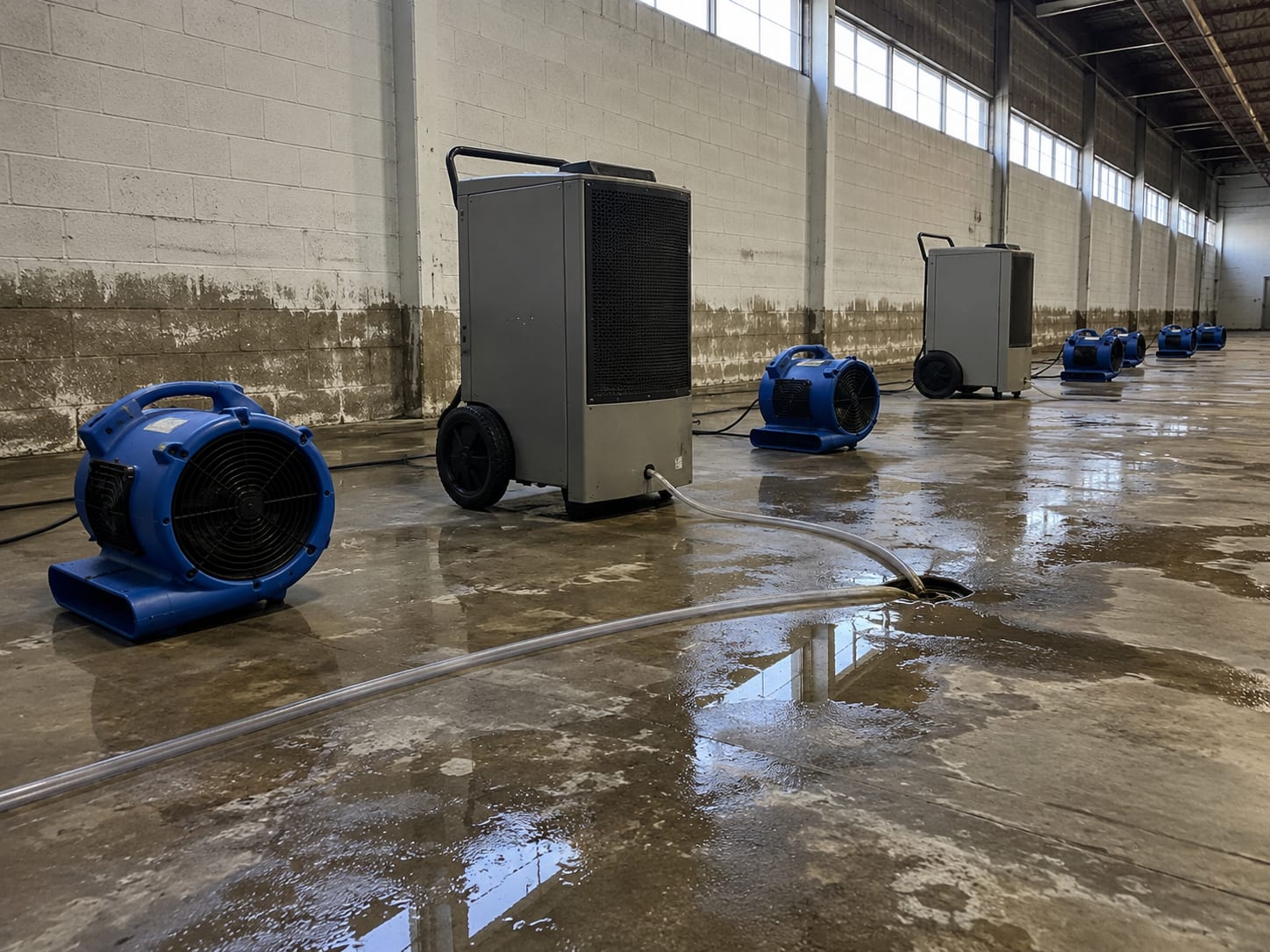
Large-footprint industrial properties often experience mold growth along exterior walls, in overhead roof structures, and around HVAC equipment. The scale of these projects requires industrial-grade containment and high-capacity air scrubbing equipment. ExecPro's technicians are experienced with the access and ventilation challenges that come with warehouse-scale remediation work, and projects can be phased to keep portions of a facility operational during remediation.
Healthcare and Specialty Facilities
Properties with sensitive occupancy requirements, such as medical offices and specialty care facilities, demand a higher level of protocol adherence and documentation than a typical office building. Containment design must account for immunocompromised individuals who cannot be exposed to elevated spore levels, and clearance testing must meet the stricter thresholds appropriate for healthcare environments. ExecPro's IICRC S520-aligned process provides the documentation trail these facilities need.
Property Management Portfolios
For companies managing ten, twenty, or fifty properties, reactive mold remediation is expensive and unpredictable. ExecPro Restoration & Cleaning structures recurring commercial mold inspection programs that identify moisture vulnerabilities across a portfolio before active growth develops. Documented inspection records also support risk management conversations with insurers and provide a defensible record in the event of a tenant dispute.
What Sets ExecPro Apart for Commercial Work in NJ?
ExecPro Restoration & Cleaning keeps inspection and remediation roles properly separated. Consistent with NJDOH recommendations and the direction of pending state legislation, the inspection and testing phase produces an objective report that is not shaped by remediation sales goals. When the remediation work is complete, post-remediation verification provides documented clearance, not just a handshake assurance that the job is done.
The technology in use reflects current industry standards. Thermal imaging cameras and moisture meters map concealed wet areas before any physical work begins, so project scope is defined by data rather than estimates. HEPA filtration systems maintain negative air pressure during remediation to protect adjacent occupied spaces. Antimicrobial treatments are EPA-registered and selected for the specific mold species and surface types identified during inspection. For commercial clients, that level of specificity matters because it determines whether the clearance testing passes on the first attempt.
ExecPro is licensed and insured for commercial work across New Jersey, which matters to property managers, landlords, and insurance adjusters who need to see proper credentials before authorizing work on a commercial asset. The team also produces the written documentation that commercial transactions require: inspection reports, lab results, remediation logs, and clearance certificates. If a property is heading toward a sale or refinance, or if a tenant is asking hard questions about air quality, that documentation is what closes the conversation.
For commercial clients with active water damage in addition to mold, ExecPro's water damage restoration capabilities mean the underlying moisture problem and the resulting mold contamination can be addressed by one coordinated team rather than two separate vendors working at cross purposes. Commercial air quality testing rounds out the offering for property owners who want ongoing environmental monitoring as part of their building management program.
Where Does ExecPro Provide Commercial Services?
ExecPro Restoration & Cleaning serves commercial clients across central and northern New Jersey, from the Princeton area out through Somerset, Hunterdon, Monmouth, Middlesex, Burlington, and Mercer counties. The service territory includes major commercial corridors in Princeton Junction, Hamilton, Trenton, New Brunswick, Bridgewater, Flemington, Freehold, Lakewood, Bordentown, Burlington, and Cherry Hill, along with the surrounding communities.
The full service area covers Princeton Junction, West Windsor, Princeton, Plainsboro, Cranbury, Kingston, Lawrenceville, Pennington, Hopewell, Hightstown, East Windsor, Robbinsville, Hamilton, Trenton, Ewing, Monroe, South Brunswick, New Brunswick, North Brunswick, East Brunswick, Hillsborough, Manville, Somerset, Franklin, Bridgewater, Watchung, Warren, Bedminster, Basking Ridge, Bernardsville, Far Hills, Whitehouse Station, Clinton, Flemington, Lambertville, Summit, Westfield, Chatham, Madison, Florham Park, New Providence, Berkeley Heights, Holmdel, Colts Neck, Middletown, Red Bank, Rumson, Freehold, Manalapan, Marlboro, Spring Lake, Manasquan, Lakewood, Jackson, Bordentown, Mansfield, Florence, Moorestown, Mount Laurel, Cherry Hill, Marlton, Medford, Cinnaminson, Willingboro, and Burlington, among others.
Commercial clients outside the listed areas are encouraged to call to confirm coverage. ExecPro takes on commercial projects based on scope and scheduling fit, and the team can often accommodate properties in adjacent areas when the project warrants it.
Frequently Asked Questions About Commercial Mold Services
For small to medium office spaces, commercial mold inspections in New Jersey typically run between $250 and $750. Larger facilities, warehouses, and industrial properties generally require custom quotes because the scope of moisture mapping, sampling locations, and lab analysis varies significantly by building size and complexity. The inspection report and lab results are separate deliverables from the remediation work, which is priced independently based on the affected area and materials involved.