Burst Pipe Cleanup in Central & Northern NJ
When a pipe lets go, fast water extraction and structural drying are what protect your home from lasting damage. ExecPro Restoration & Cleaning handles the full scope, from stopping the water to drying the structure, so you're not left guessing what happens next.
What Does Burst Pipe Cleanup Actually Cover?
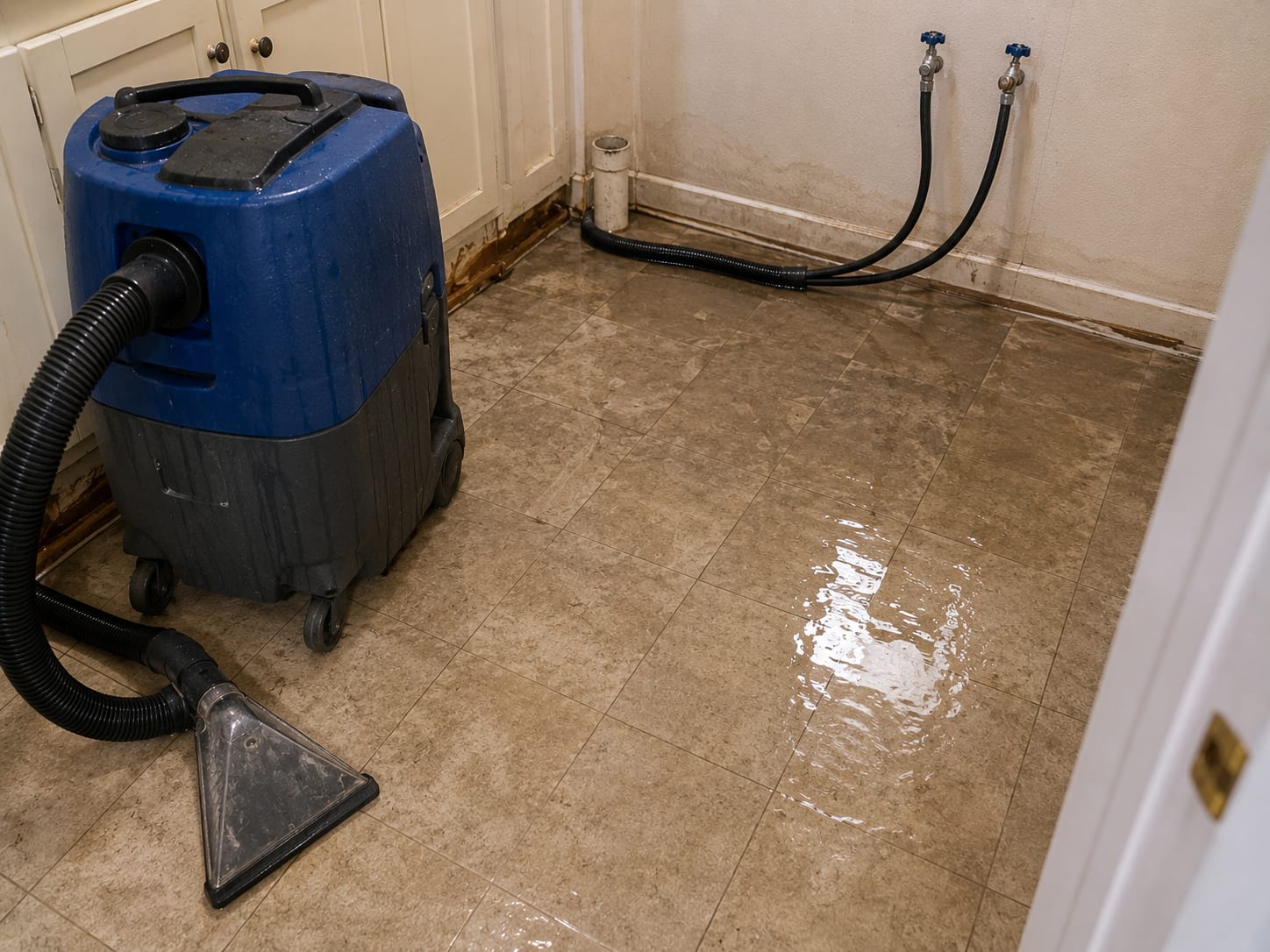
Burst pipe cleanup is the professional process of extracting standing water, drying structural materials, assessing damage, and restoring your property after a frozen pipe, supply line failure, or plumbing system break. When ExecPro Restoration & Cleaning responds to a burst pipe call, you get industrial water extraction, thermal imaging to find hidden moisture behind walls and under floors, commercial dehumidification, and a detailed damage assessment, all as part of a single coordinated response.
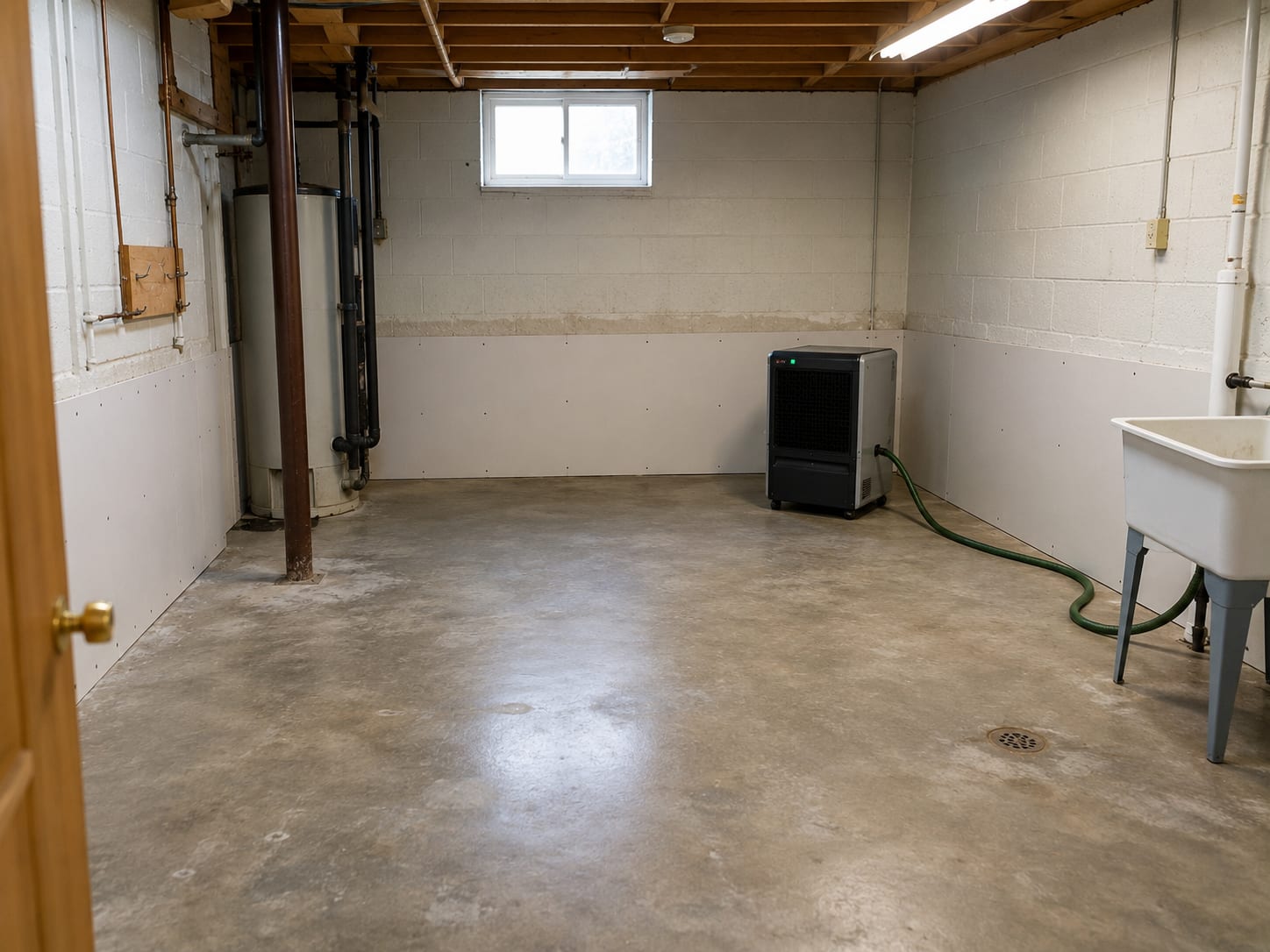
What you're really getting is containment of the problem before it compounds. Water doesn't stay where it lands. Within minutes, it wicks into drywall, subfloor, insulation, and framing. Within 24 to 48 hours, conditions are right for mold growth. A thorough cleanup isn't just about removing what you can see; it's about finding and drying everything water touched, including the parts you can't.
ExecPro Restoration & Cleaning handles burst pipe cleanup for residential homeowners, commercial property owners, landlords, and property managers across central and northern New Jersey. Whether the break happened in a finished basement in Princeton Junction, a crawl space in Flemington, or a supply line in a multifamily building in New Brunswick, the process is the same: assess, extract, dry, document, and restore.
Why Does a Burst Pipe Cause So Much Damage So Quickly?
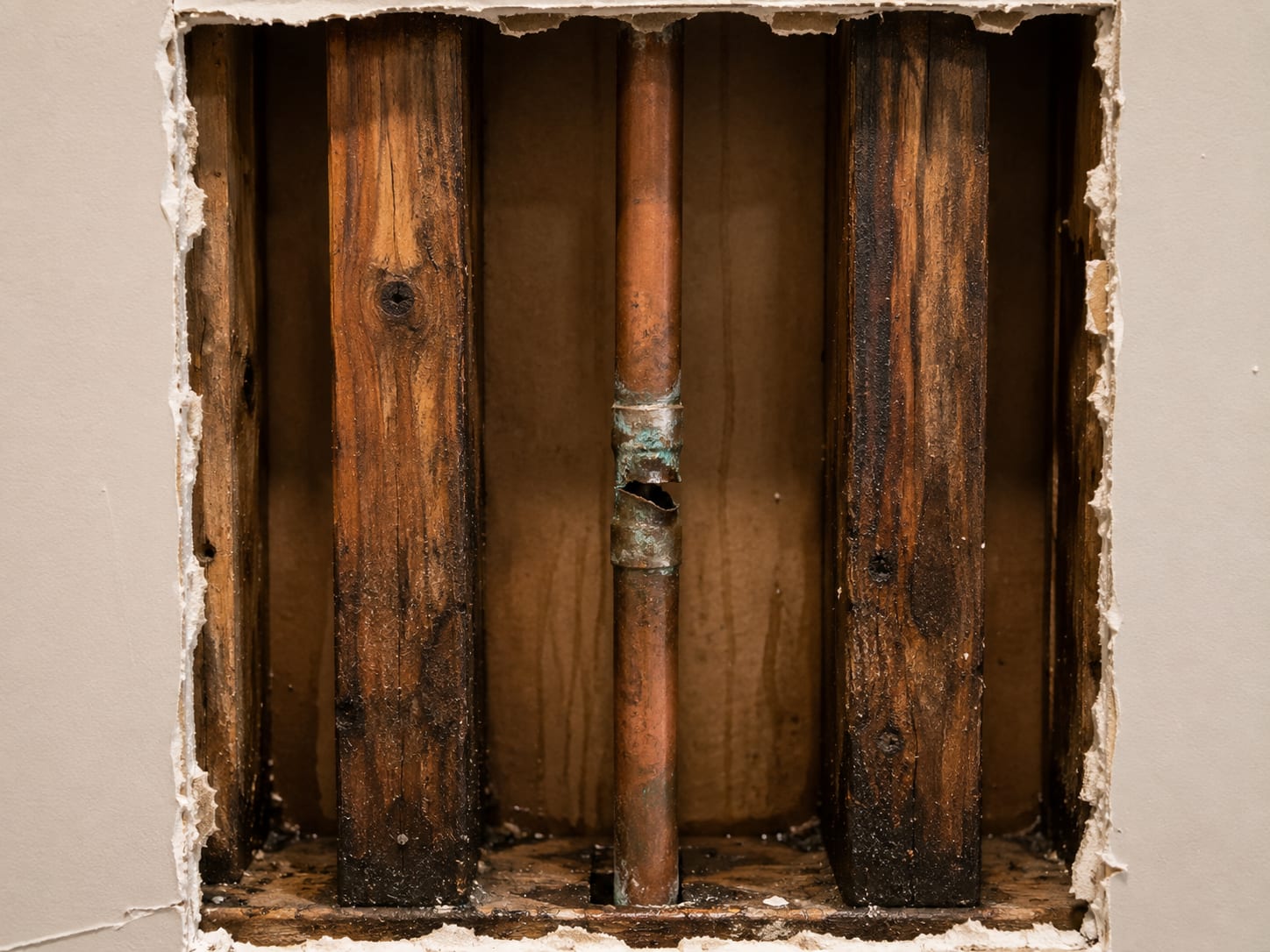
New Jersey winters are tough on plumbing. Pipes in uninsulated spaces, exterior walls, crawl spaces, and attics are especially vulnerable when temperatures drop hard and fast. A single frozen pipe can release dozens of gallons per minute once it gives way, and it usually does so when no one is home or in the middle of the night. By the time you find it, water has already moved well beyond the break point.
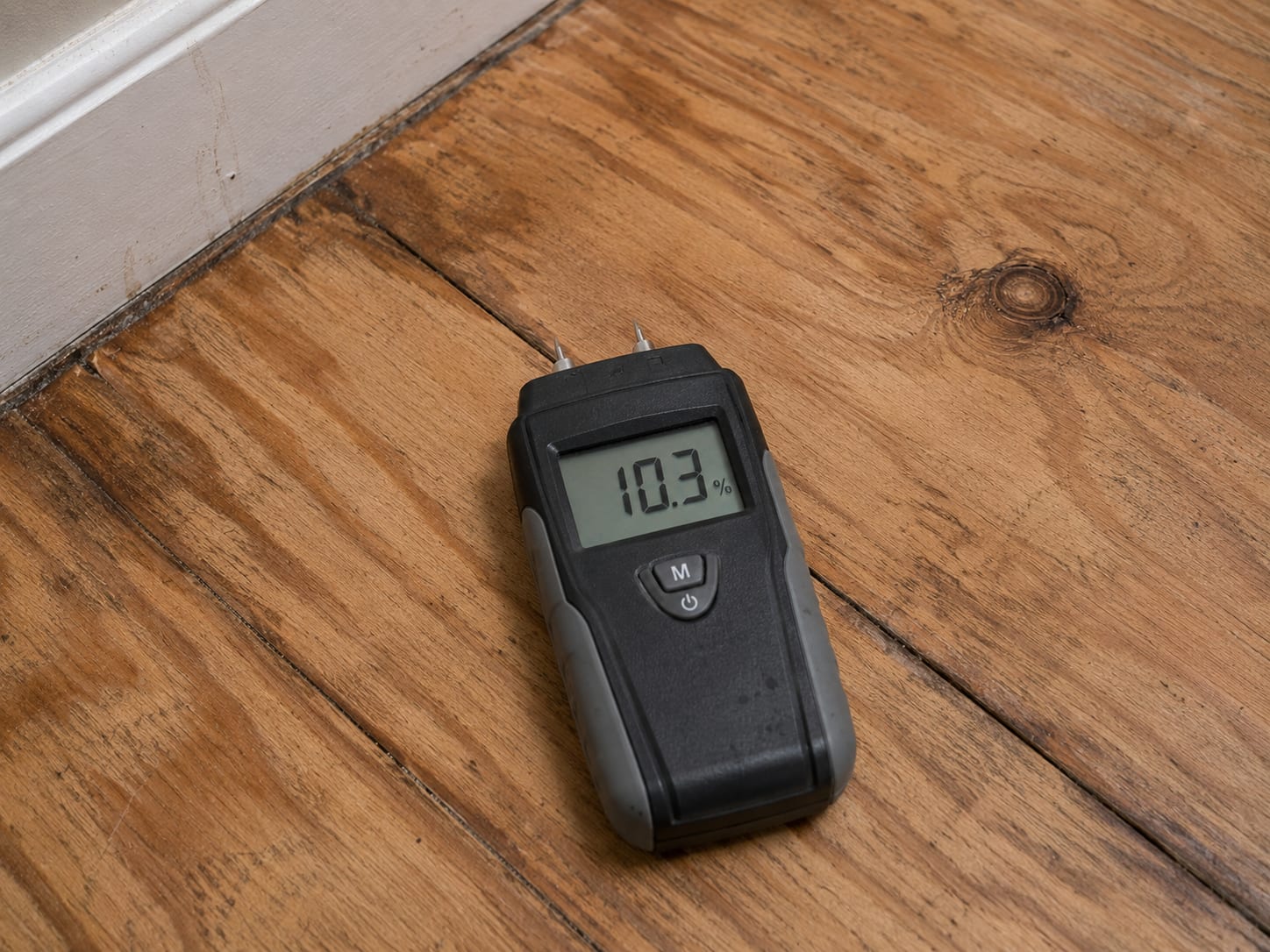
The damage path follows gravity and capillary action. Water soaks into drywall from the bottom up while also spreading laterally through insulation and wall cavities. It saturates subfloor sheathing, runs along joists, and pools under flooring where you'd never think to check. Standard visible inspection misses most of it. That's why professional cleanup relies on moisture meters and thermal imaging cameras to trace the full extent of saturation before any drying equipment gets placed.
New Jersey's aging housing stock adds another layer of risk. Older homes often have galvanized steel or even cast iron pipes that have already been weakened by corrosion over decades. These materials are far more susceptible to burst failures during freeze events than modern copper or PEX supply lines. If your home was built before the 1970s, a single cold snap carries more risk than it would in newer construction, and that risk makes rapid professional response even more important.
There's also a real insurance timing issue to understand. Most standard homeowners' policies in New Jersey cover sudden and accidental pipe bursts, but coverage depends on prompt mitigation. Waiting too long, or attempting a cleanup that leaves residual moisture behind, can complicate or reduce your claim. Professional documentation from the start, including moisture readings, photographs, and a written assessment, is what insurers need to process a claim efficiently.
How Does ExecPro's Burst Pipe Cleanup Process Work?
Every burst pipe situation is different in its specifics, but the recovery process follows a clear, proven sequence. Here's exactly what happens when ExecPro Restoration & Cleaning takes on your cleanup.
Scroll the steps sideways to follow the full process.
What Can Happen If Burst Pipe Cleanup Is Delayed or Incomplete?
The consequences of a slow or partial cleanup compound fast. Water that sits for more than a day or two in wall cavities or under flooring creates the exact conditions mold needs: moisture, organic material, and relative darkness. Basement mold remediation and structural repairs are significantly more involved and expensive than the water cleanup that could have prevented them. Getting the water out thoroughly and quickly is the most cost-effective decision you can make after a pipe breaks.
Incomplete drying is one of the most common mistakes that follows a burst pipe event. Homeowners who dry out what they can see, pull up wet carpet, and run a few box fans often believe the problem is solved. In reality, moisture readings inside walls can remain elevated for weeks without proper commercial drying equipment. That residual moisture is invisible until the mold shows up, sometimes months later, in places like behind cabinets, under flooring, or inside wall cavities near HVAC returns.
Structural deterioration is the other long-term risk. Prolonged moisture contact degrades wood framing, OSB sheathing, and engineered lumber. Subfloor materials that stay wet begin to delaminate and lose structural integrity. What starts as a cleanup situation can turn into a much larger repair project if the drying phase isn't handled correctly and verified with actual readings. That's the practical reason why professional structural drying matters, not as an upsell but as a genuine protection against a bigger problem down the road.
For property managers and landlords, the stakes also include tenant safety and habitability. A burst pipe in a multifamily unit that isn't fully remediated can create air quality issues that spread beyond the affected unit, particularly in buildings with shared HVAC systems or adjacent units. Indoor air quality testing after a significant water event gives property owners documented confirmation that the space is safe before tenants return.
What Makes ExecPro the Right Choice for Burst Pipe Cleanup in NJ?
ExecPro Restoration & Cleaning is licensed and insured, serving homeowners, commercial property owners, and property managers across central and northern New Jersey. Here's what you actually get when you call.
Thermal Imaging as a Standard Step
Moisture that can't be seen can still be found. ExecPro Restoration & Cleaning uses thermal imaging cameras on every burst pipe job to map hidden saturation in walls, floors, and ceilings before drying equipment gets placed. This isn't a premium add-on; it's part of how the job gets done correctly the first time.
Commercial-Grade Drying Equipment
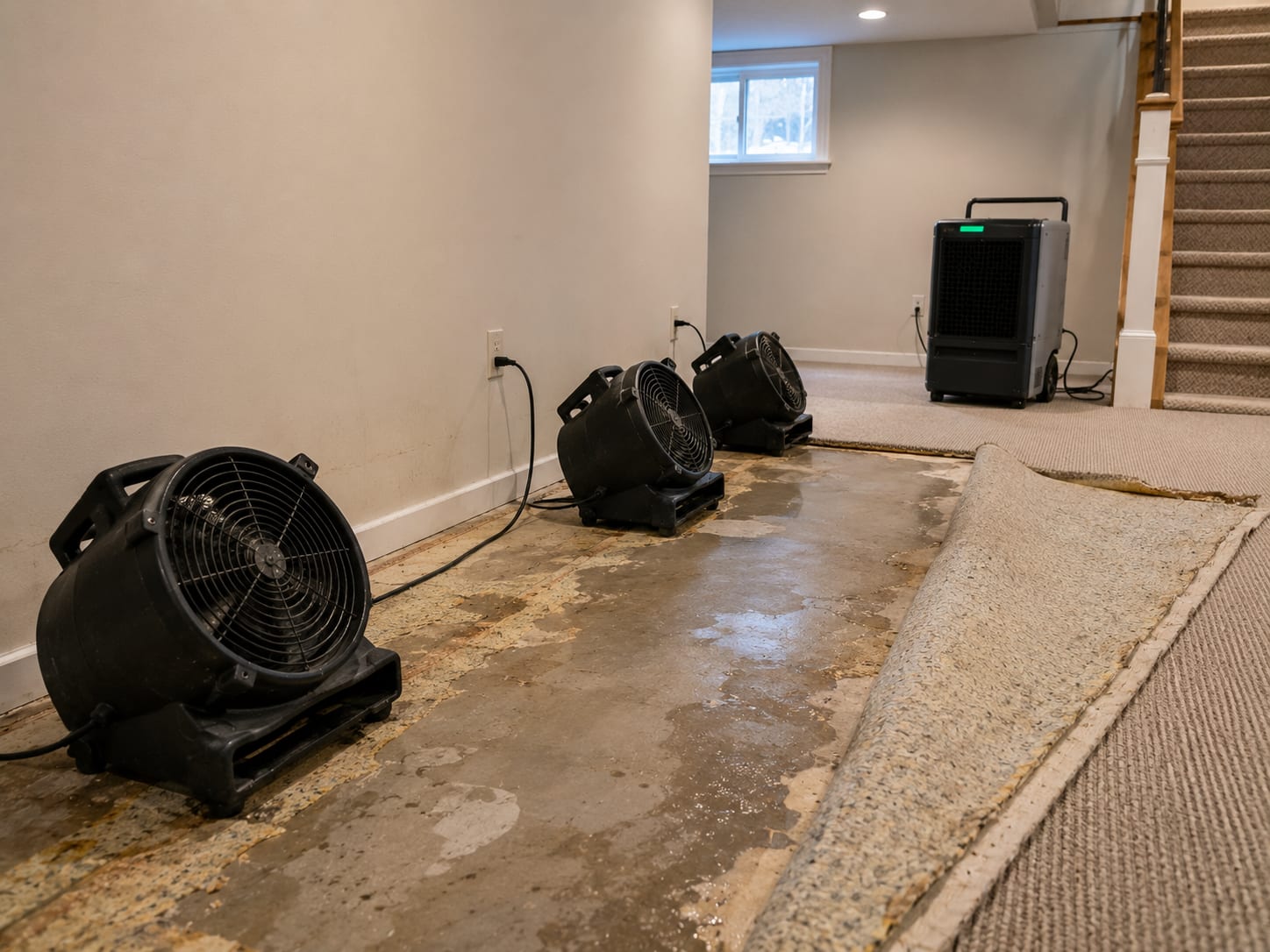
There is a meaningful difference between consumer-grade fans and commercial air movers paired with high-capacity dehumidifiers. ExecPro's equipment is calibrated to New Jersey's seasonal humidity conditions and sized to the specific job, not a one-size approach that leaves moisture behind.
Insurance Documentation Included
Every job produces a documentation package: moisture mapping records, timestamped photos, equipment logs, and a written damage assessment. Your adjuster gets what they need without you having to track it down separately. This matters because prompt mitigation and proper documentation directly affect claim eligibility.
Mold Prevention Built Into Every Job
Antimicrobial treatment is a standard part of the ExecPro Restoration & Cleaning process, applied to all affected surfaces during cleanup. You don't have to request it separately or worry about whether it was covered. For properties where mold has already taken hold following a water event, the ExecPro mold remediation team handles that as well.
Full Restoration Under One Roof
After a burst pipe, restoration often involves drywall repair, flooring replacement, or other structural work beyond the cleanup itself. ExecPro Restoration & Cleaning handles build-back work directly, which means fewer contractors, cleaner communication, and a faster path back to a fully restored property.
Serving Communities Across Central and Northern NJ
ExecPro Restoration & Cleaning serves an extensive service area stretching from Burlington and Cherry Hill in the south to Bernardsville, Watchung, and Summit in the north, and from the Jersey Shore communities like Red Bank, Rumson, and Manasquan inland through Princeton, Flemington, and Bridgewater. Response time and local knowledge matter wherever you are in this region.
Burst Pipe Cleanup for Landlords and Property Managers
A burst pipe in a rental property or multifamily building moves fast from a maintenance issue to a liability issue. Tenants can't stay in units with standing water, damaged flooring, or compromised air quality, and every hour of delay adds to the restoration cost and extends displacement time. ExecPro Restoration & Cleaning works with property managers and landlords to respond quickly, document thoroughly, and restore efficiently so that units get back online as soon as the work is properly done.
For apartment complexes and larger multifamily portfolios, a single burst pipe in one unit can affect adjacent spaces through shared walls, common ceilings, and interconnected HVAC systems. ExecPro Restoration & Cleaning evaluates the full impact zone, not just the unit where the break occurred, and coordinates the drying and remediation across all affected spaces under a single scope of work. That approach keeps documentation clean and makes insurance coordination straightforward.
Property managers who work with ExecPro Restoration & Cleaning on an ongoing basis also benefit from property management mold services that cover routine inspections, post-incident assessments, and protocols for handling tenant-reported moisture concerns before they develop into larger remediation projects. Preventive attention is always less expensive than emergency response.
Frequently Asked Questions About Burst Pipe Cleanup
These are the questions homeowners and property owners most often ask after a pipe breaks. Each answer covers detail that goes beyond the service description above.
For most residential situations involving a single affected room or floor level, structural drying takes three to five days after extraction is complete. Larger affected areas, heavily saturated materials like thick subfloor assemblies or dense insulation, or spaces with limited air circulation can extend that timeline. Final moisture readings are taken at the end of drying to confirm materials have reached acceptable levels before equipment is removed. There is no fixed number of days because conditions vary too much from one property to the next for a blanket answer.
Areas We Serve for Burst Pipe Cleanup
ExecPro Restoration & Cleaning provides burst pipe cleanup across a wide service area in central and northern New Jersey. That includes communities throughout Mercer County, such as Princeton, Lawrenceville, Hamilton, Trenton, Pennington, and Hopewell. In Somerset County, ExecPro Restoration & Cleaning serves Bridgewater, Basking Ridge, Bernardsville, Warren, Watchung, Bedminster, Manville, and Somerset, along with the smaller communities of Far Hills, Liberty Corner, and Millington. Middlesex County coverage includes New Brunswick, North Brunswick, East Brunswick, South Brunswick, Dayton, Monmouth Junction, Cranbury, and Plainsboro.
Further south, ExecPro Restoration & Cleaning serves Burlington County, including Burlington, Bordentown, Mansfield, Florence, Moorestown, Mount Laurel, Cinnaminson, and Willingboro, along with Cherry Hill, Marlton, and Medford in Camden County. Along the Jersey Shore, service extends to Red Bank, Rumson, Fair Haven, Little Silver, Monmouth Beach, Long Branch, Sea Bright, Freehold, Manalapan, Marlboro, Spring Lake, Sea Girt, Manasquan, Brielle, Bay Head, Point Pleasant Beach, Lavallette, Seaside Heights, Seaside Park, and Lakewood.
In Union and Morris Counties, ExecPro Restoration & Cleaning reaches Summit, Westfield, Chatham, Madison, Florham Park, New Providence, and Berkeley Heights. Hunterdon County communities including Flemington, Lambertville, Clinton, Lebanon, Whitehouse Station, Stockton, Ringoes, and Pittstown are also within the service footprint. If your town isn't listed here, call (888) 300-3772 and the team will confirm coverage for your specific location.