Basement Finishing in New Jersey
ExecPro Restoration & Cleaning builds finished basements with proper moisture management, code-compliant construction, and materials that hold up below grade.
What Is Basement Finishing, and What Do You Actually Get?
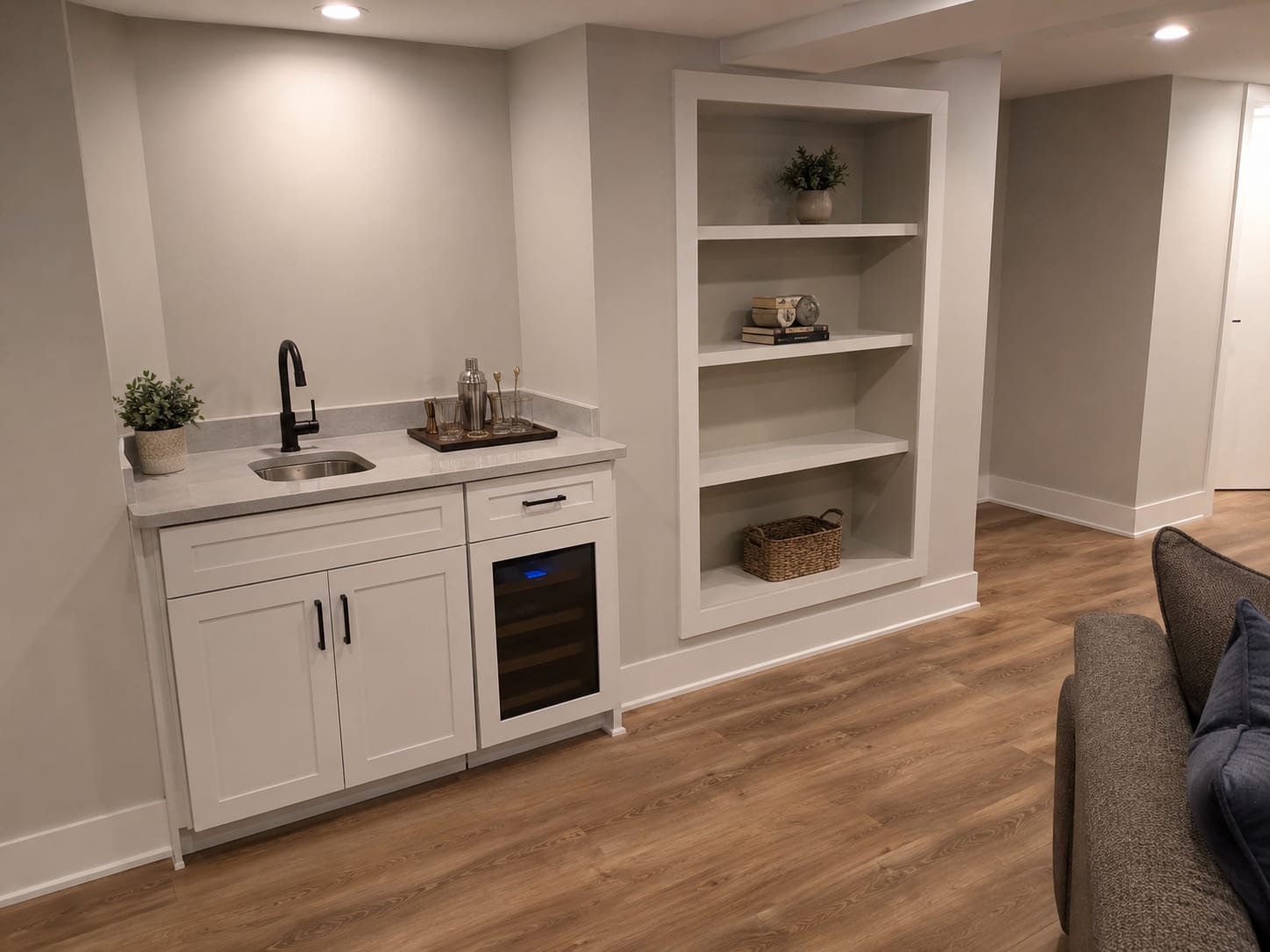
Basement finishing converts an unfinished, below-grade space into a fully habitable room or suite. A completed project typically includes framing, insulation, drywall, flooring, electrical, lighting, and any specialty features you choose, whether that's a home office, guest suite, entertainment area, or a combination. In New Jersey, a full basement build-out generally runs between $35,000 and $85,000 depending on size, finish level, and the scope of any moisture or structural prep work required before framing begins.
What makes basement finishing different from above-grade construction is the environment. Concrete walls, limited natural light, and the persistent risk of moisture intrusion mean that material selection and preparation are the foundation of a project that lasts, not optional extras. ExecPro Restoration & Cleaning approaches every basement build with that reality in mind, starting with a thorough moisture assessment before a single stud goes in.
Because ExecPro Restoration & Cleaning handles both mold remediation and general contracting, you get a team that understands what goes wrong in basements before it finishes them. That background shapes every decision on material choice, drainage, and ventilation throughout the build.
Why Do NJ Homeowners Finish Their Basements?
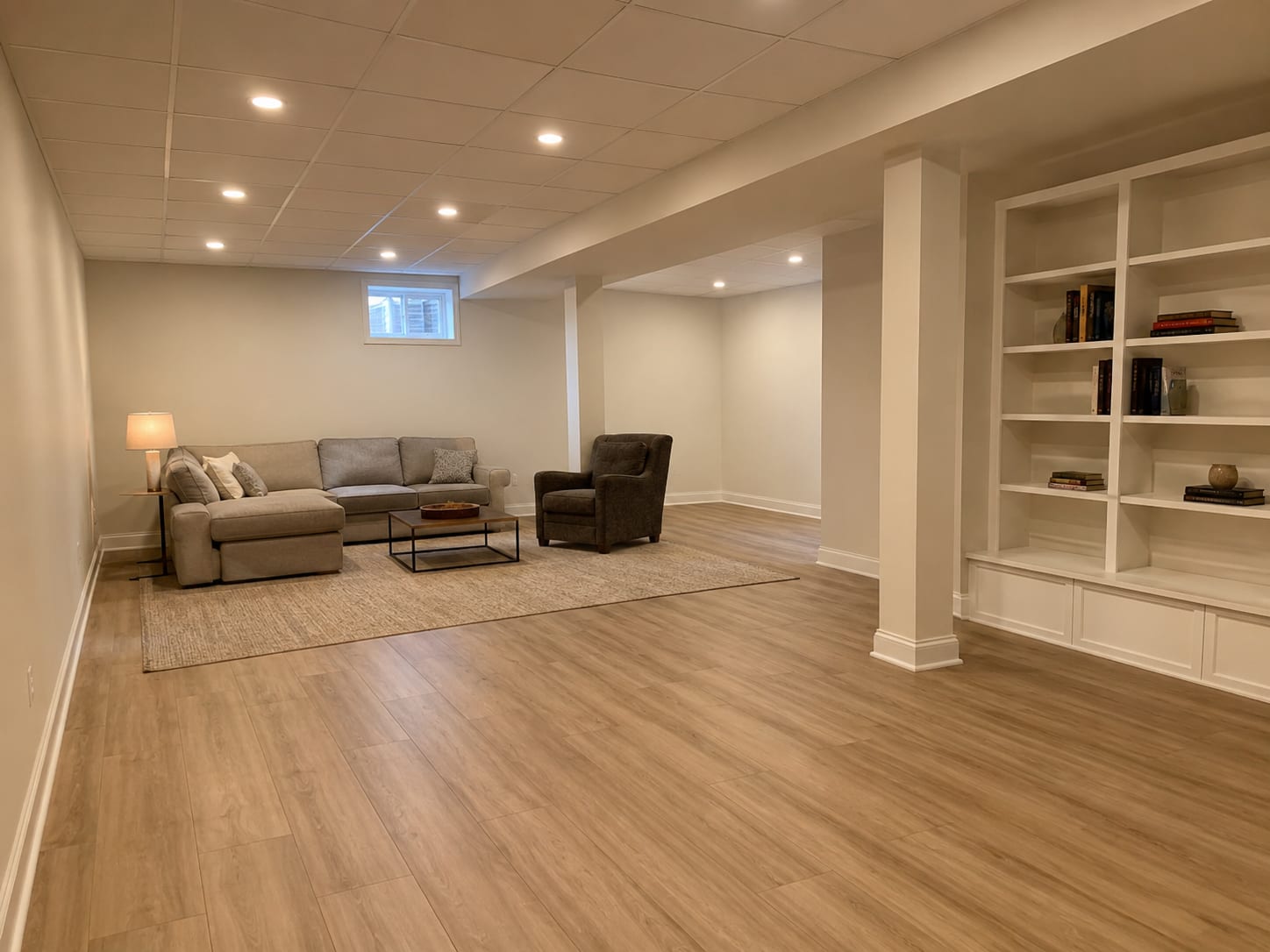
The most common driver is simple: you're running out of space, and you're already paying for square footage that's sitting empty. A finished basement adds a fully usable room to your home without the cost or disruption of an addition. Whether you need a dedicated workspace, a recreation room for the kids, or a guest suite for family visits, the basement is often the most practical answer.
Beyond the immediate use, a finished basement adds real value at resale. Homes with finished basements in New Jersey tend to sell faster and command better prices, especially when the space is designed to be flexible enough for buyers to see it working for their own lives. The average return on a basement finishing project in NJ runs 70 to 85 percent depending on finish level, which puts it among the stronger home improvement investments available.
There's also the quality-of-life side that doesn't show up in ROI calculators. A well-finished basement with proper insulation, moisture control, and lighting feels completely different from the cold, damp storage room most NJ homeowners are used to working around. When it's done right, it becomes one of the most-used spaces in the house.
What Should You Consider Before Finishing a Basement in NJ?
Moisture is the first conversation, and it has to happen before anything else. New Jersey's high water table, clay-heavy soils, and older housing stock mean that many basements have active moisture intrusion or conditions that will cause problems after framing closes things in. Foundation cracks, poor drainage, and insufficient vapor barriers are common issues. If existing moisture problems aren't addressed before construction, you're building on a problem that will eventually require a full tearout.
Radon is the second factor NJ homeowners often overlook. Central New Jersey sits in EPA Zone 1 for radon potential, meaning elevated radon levels are a real possibility. Testing before you finish, and if needed installing a sub-slab depressurization system, should happen during the construction phase rather than after the slab is covered. Addressing it during the build is significantly less expensive than retrofitting afterward.
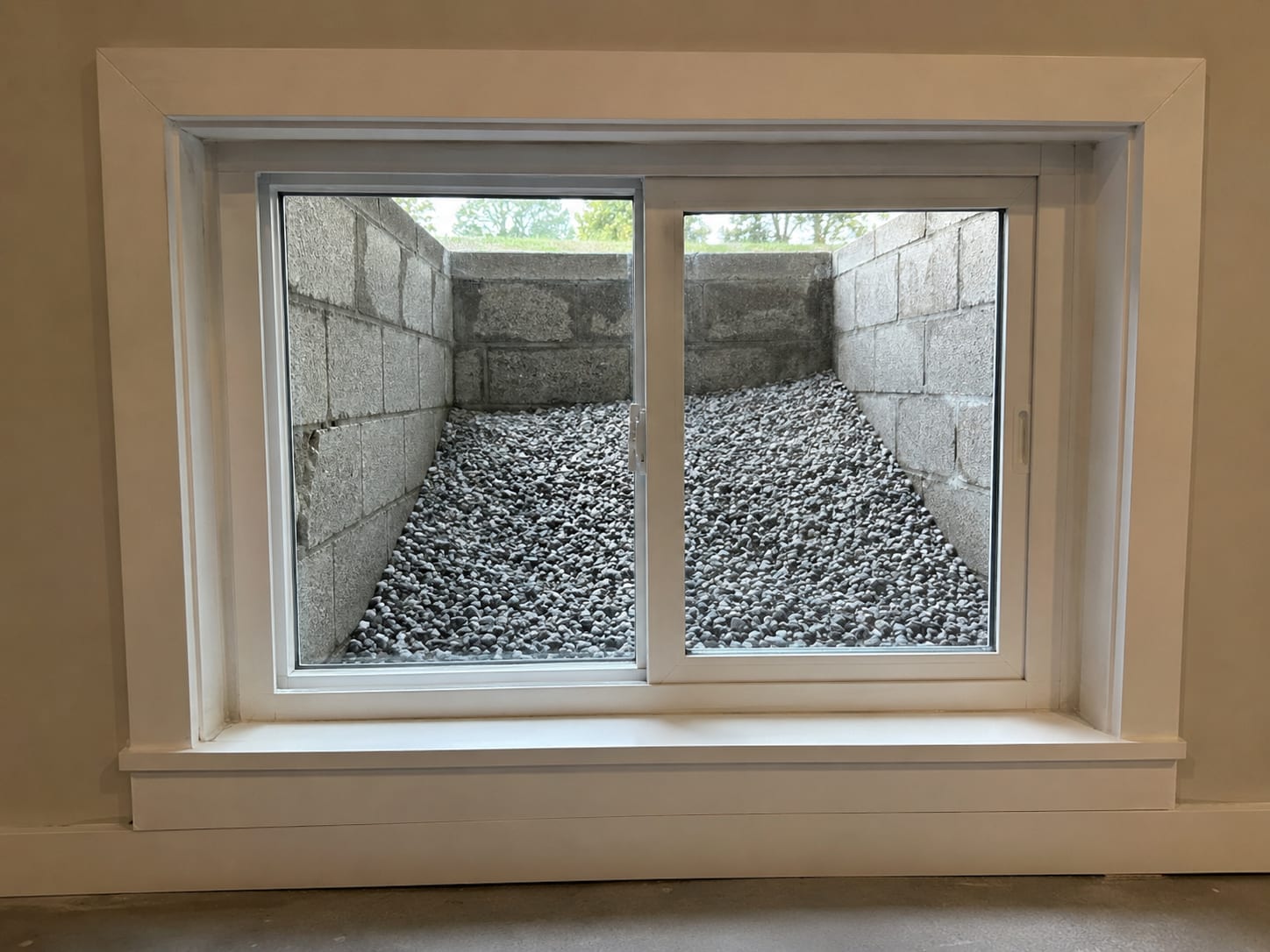
Code compliance is the third item on the pre-construction checklist. Any basement converted to habitable space in New Jersey requires a building permit, inspections at multiple stages, and compliance with egress requirements. If you're adding a bedroom, an egress window with a properly sized window well is required by code. The permit application typically includes building, electrical, fire, and plumbing subcode cards along with construction plans bearing a licensed architect or engineer's seal. Working with a contractor who manages this process from the start saves time and prevents costly corrections later.
Finally, think through how you want the space to function before committing to a layout. Flexible, open designs that serve multiple purposes tend to hold their value better than spaces built for a single narrow use. Many homeowners are also adding ADU-style configurations, with a separate entrance, a kitchenette, and a bathroom, which can create rental income potential, though zoning regulations for accessory dwelling units vary significantly across NJ municipalities.
How ExecPro Restoration & Cleaning Handles a Basement Finishing Project
Every project follows a consistent process that prioritizes moisture management, code compliance, and durable material selection from start to finish.
1. Site Assessment and Moisture Evaluation
Before any design work begins, the team evaluates the basement for moisture intrusion, foundation conditions, radon potential, and any existing mold growth. If remediation is needed first, that work is completed and verified before the build begins. This step prevents the most common cause of basement finishing failures in New Jersey.
2. Design Consultation and Layout Planning
You'll work through the layout, intended use, and finish level before construction starts. ExecPro Restoration & Cleaning helps you think through room configurations, ceiling approach, lighting zones, and specialty features so the plan reflects how you actually want to use the space. Permit applications are prepared and submitted as part of this phase.
3. Framing with Moisture-Resistant Materials
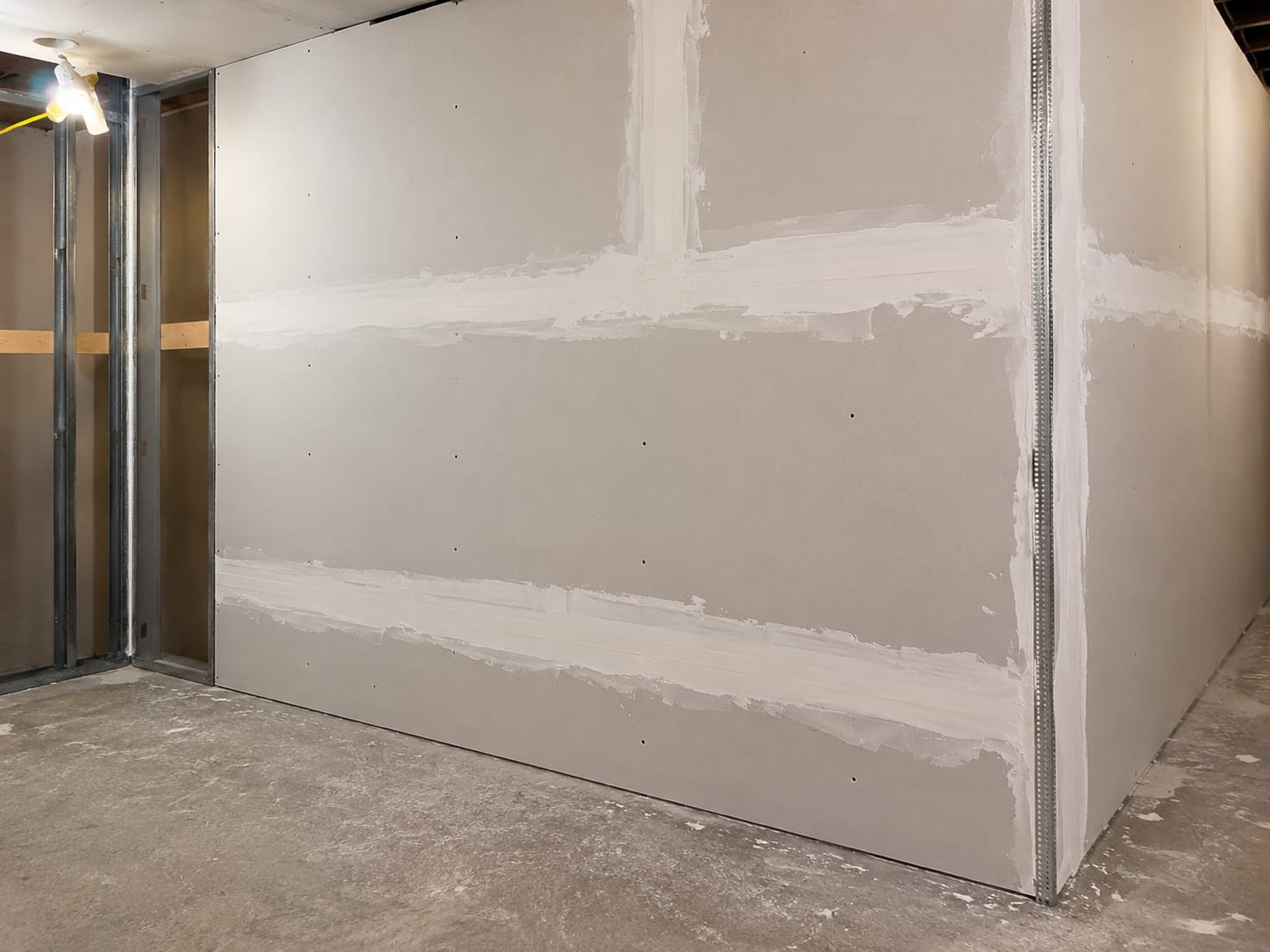
Steel studs are preferred over wood framing in basement environments. Unlike wood, steel doesn't absorb moisture, won't warp or rot over time, and doesn't attract insects. Vapor barriers and insulation are selected for below-grade performance rather than repurposed from above-grade applications. This is where the long-term durability of the finished space is established.
4. Mechanical, Electrical, and Plumbing Rough-In
Electrical circuits, lighting rough-in, and any plumbing connections are completed and inspected before walls close in. If smart home features such as automated lighting, integrated climate control, or connected audio are part of the plan, the infrastructure goes in at this stage. Required inspections happen at the correct phases to maintain permit compliance throughout.
5. Drywall, Ceiling, and Flooring Installation
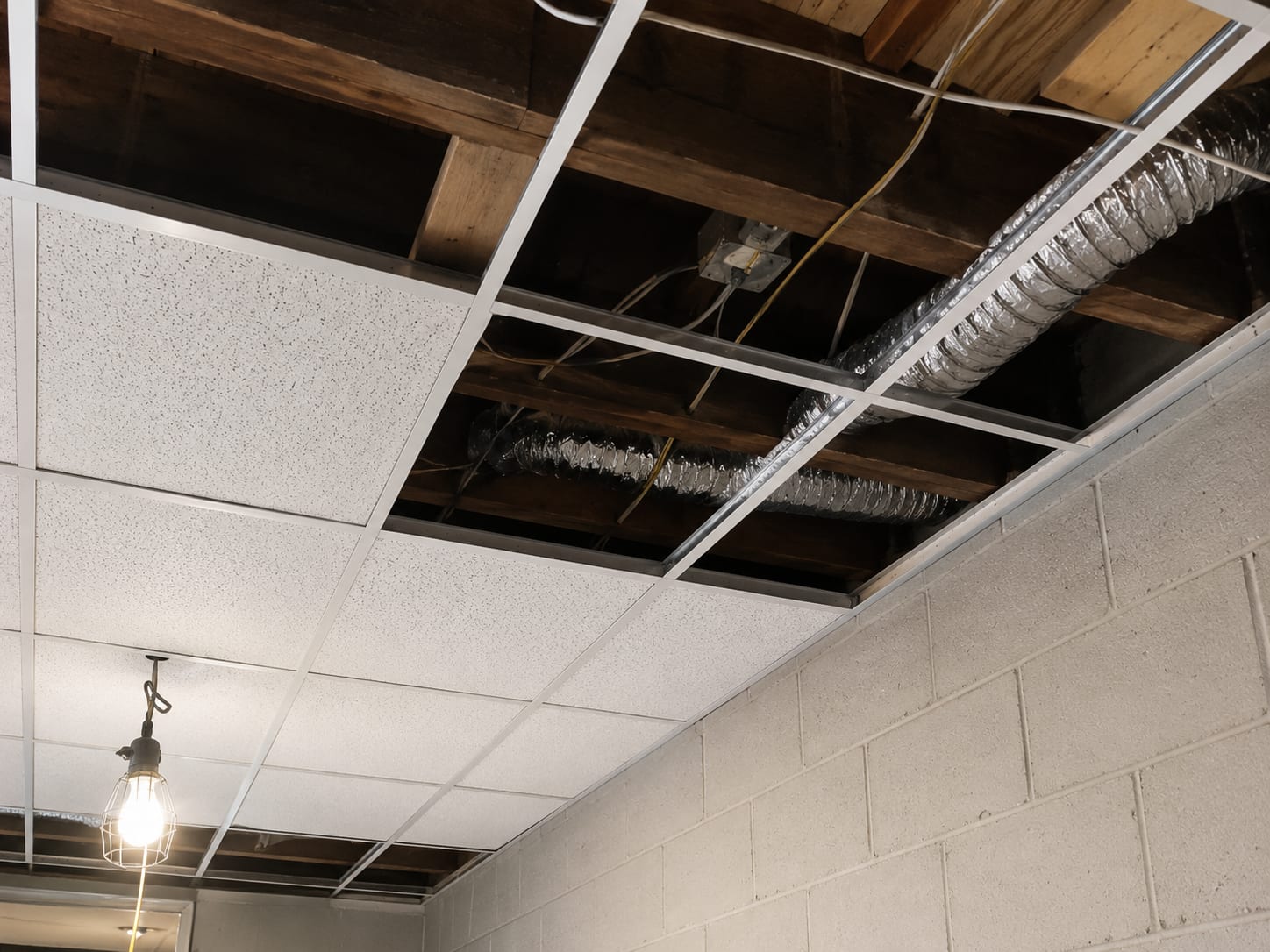
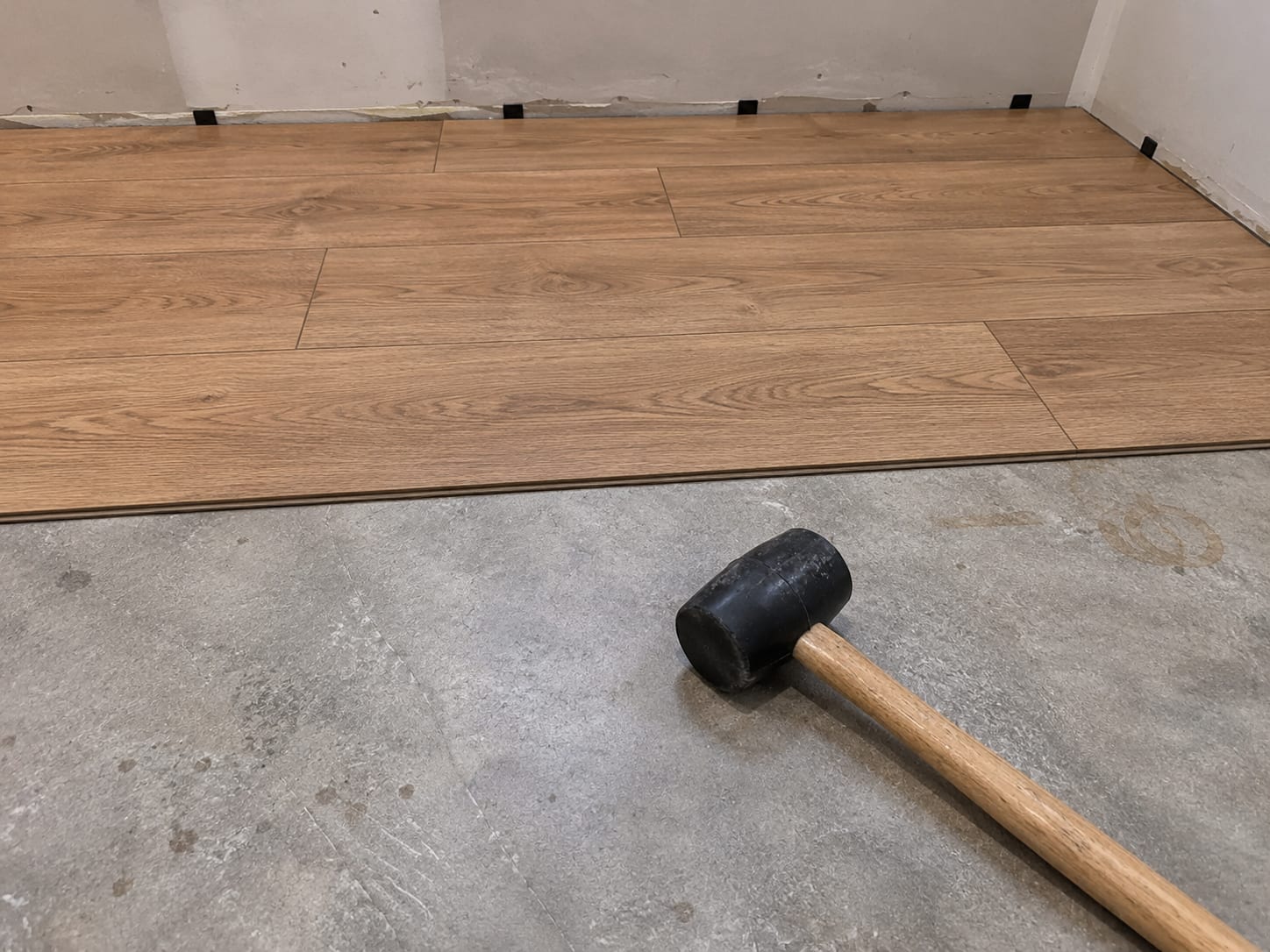
Drywall installation follows framing inspection approval. Ceiling systems are selected based on the project goals: open or exposed ceilings are a popular choice for budget-conscious builds and add an industrial character, while drop-ceiling systems preserve access to mechanicals. For flooring, luxury vinyl plank and waterproof laminate are the most practical choices for below-grade spaces, offering durability, moisture resistance, and a finished appearance that holds up long-term.
6. Finishing Work and Final Inspection
Trim, doors, built-ins, paint, and any specialty features are completed in the final phase. The project closes with a final inspection by the local construction official and a walkthrough with you to confirm everything meets the agreed-upon scope. Any punch-list items are addressed before the project is considered complete.
What Materials Work Best in a Finished NJ Basement?
Material selection is where basement finishing projects succeed or fail over time. Standard above-grade materials, including traditional wood studs, paper-faced drywall, and carpet, perform reasonably well upstairs but are a poor match for below-grade conditions. A basement that looks perfect at completion can develop mold, odors, and structural issues within a few years if the wrong materials were used. The pattern is well-known in the industry: standard materials get installed, moisture finds its way in, and the result is a complete tearout.
For framing, steel studs are the current standard for quality basement builds in New Jersey. They don't absorb moisture, they won't warp or rot, and they're not attractive to pests. For wall assemblies, moisture-resistant and mold-resistant drywall products replace standard gypsum board. Insulation choices matter too: closed-cell spray foam or rigid foam outperforms fiberglass batts in below-grade applications because it doesn't retain moisture.
Flooring is a place where many homeowners try to cut costs and regret it. Carpet in a basement is a moisture trap. Luxury vinyl plank has become the dominant choice for good reason: it's fully waterproof, comfortable underfoot, available in wide-plank formats that look genuinely attractive, and holds up to the temperature fluctuations that come with below-grade spaces. Waterproof laminate is a close second and works well in drier basement conditions.
Ceilings come down to access and aesthetics. If you have mechanical systems running through the basement ceiling, whether HVAC, plumbing, or electrical, a drop ceiling or exposed ceiling keeps those systems reachable without tearing into drywall every time maintenance is needed. Drywall ceilings deliver the cleanest, most finished look but require access panels for anything that needs periodic servicing.
Why Choose ExecPro Restoration & Cleaning for Your Basement Finishing Project?
Most basement finishing contractors don't think about what happens after the walls close in. ExecPro Restoration & Cleaning does, because the team came up through remediation before construction. That background shapes the entire approach.
Mold and Moisture Background
ExecPro Restoration & Cleaning's history in mold remediation means the team recognizes moisture risks that general contractors miss. The pre-build assessment is a thorough evaluation that determines whether the space is genuinely ready to be finished. If it isn't, the same team handles the remediation before construction begins, without handoffs to unfamiliar subcontractors.
Licensed, Insured, and Fully Permitted
ExecPro Restoration & Cleaning is fully licensed and insured for general contracting work in New Jersey. Every project is permitted and inspected through the local municipality, which protects your investment and keeps the work fully documented for resale. Permit applications and inspection scheduling are managed from the start so the project stays on track and compliant.
Material Standards Built for Basements
The team uses materials specified for below-grade environments, not standard above-grade products repurposed for basements. Steel framing, moisture-resistant wall assemblies, and waterproof flooring are the baseline, not an upgrade.
Single-Point Accountability
Because ExecPro Restoration & Cleaning handles assessment, any needed remediation, and the full finishing build, there's one point of contact for the entire project. No finger-pointing between a remediator and a contractor if a problem surfaces mid-project.
Broad Service Area Across NJ
ExecPro Restoration & Cleaning serves homeowners across central and northern New Jersey, from Princeton Junction and West Windsor through Bridgewater, Flemington, Red Bank, and beyond. If you're not sure whether your town is in the service area, a quick call to (888) 300-3772 will get you an answer right away.
How Does Basement Finishing Connect to Mold Remediation?
This is worth asking before you hire any contractor for a basement finishing project. Closing in a basement that has active moisture intrusion, existing mold growth, or conditions that support mold development is one of the most common ways homeowners end up paying twice for the same square footage. The first bill covers finishing the space; the second covers tearing it out and remediating after the problem becomes visible.
For homeowners who already know there's a mold issue, basement mold remediation should be completed and verified before any finishing work begins. Post-remediation verification confirms that mold counts have returned to acceptable levels and that the space is genuinely ready for construction. Skipping this step because the growth looks small or isolated is rarely a good gamble in NJ's humid climate.
For homeowners who haven't had a recent inspection and want to start a basement finishing project, a pre-build assessment is a reasonable first step. ExecPro Restoration & Cleaning can evaluate the space before any design commitments are made, which means potential issues are priced into the project from the beginning rather than discovered as surprises mid-construction.
After finishing work is complete, post-construction cleaning removes the fine particulate matter and construction dust that every building project generates, leaving the space ready to use rather than just structurally complete.
Frequently Asked Questions About Basement Finishing in New Jersey
A typical basement finishing project in New Jersey takes six to twelve weeks from permit approval to final inspection, depending on the scope of the build and the municipality's inspection scheduling. Projects that include significant moisture remediation work before framing begins will add time to that estimate. Permit review timelines vary by town, and some municipalities have moved to electronic submission to speed up the process, though it's worth confirming the preferred method with your local building office before submitting plans.
Areas We Serve for Basement Finishing
ExecPro Restoration & Cleaning provides basement finishing services across a broad section of New Jersey, covering central NJ from Princeton Junction and West Windsor through Bridgewater, Somerset, and Warren County communities including Flemington, Clinton, and Bedminster. The service area also extends east through Monmouth County, including Red Bank, Freehold, Manalapan, and Marlboro, and south through Burlington County communities such as Moorestown, Mount Laurel, Cherry Hill, and Burlington.
Whether you're in Hillsborough or Holmdel, Chatham or Cherry Hill, the same team and the same material standards apply to every project. To talk through what a finished basement could look like for your home, reach out to ExecPro Restoration & Cleaning at hello@execprorc.com or use the contact form to set up a consultation.