Emergency Mold Removal in Central & Northern New Jersey
When mold appears after a flood, burst pipe, or storm, ExecPro Restoration & Cleaning mobilizes the same day. We contain the spread, remove contaminated materials, and verify the results so your property is safe again as quickly as possible.
What Is Emergency Mold Removal and What Do You Get?
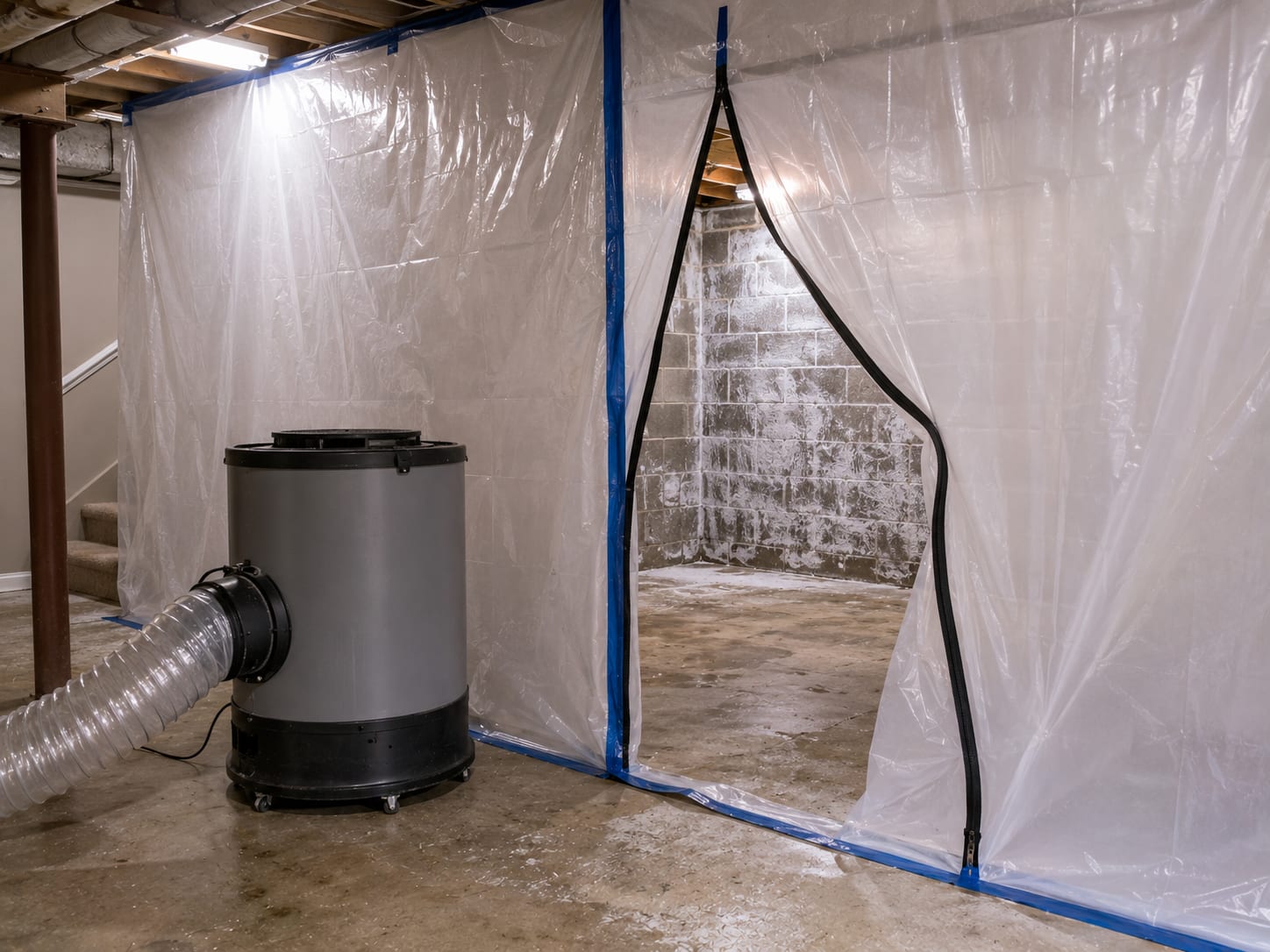
Emergency mold removal is same-day or next-day mold containment and elimination for situations where waiting even a few days would make the problem significantly worse. ExecPro Restoration & Cleaning dispatches trained technicians to assess the full scope of contamination, set up containment barriers with negative air pressure, remove affected materials, apply antimicrobial treatments, and run HEPA air scrubbers to clear spores from the air. You get a contained, treated property and a written post-remediation report confirming the work is complete.
Mold can begin colonizing a wet surface within 24 to 48 hours of a water event. That window is tight, and a slow response does not just allow more mold to grow; it allows mold to spread into wall cavities, HVAC systems, and structural framing where removal becomes far more involved and costly.
New Jersey properties face consistent moisture pressure from humid summers, coastal storm systems, and aging building stock. ExecPro Restoration & Cleaning operates across central and northern NJ, covering communities from Princeton Junction through Burlington County and up into Somerset and Morris County, so response times stay short and teams stay familiar with the regional conditions driving mold growth here.
Why Does Mold Become an Emergency So Quickly?
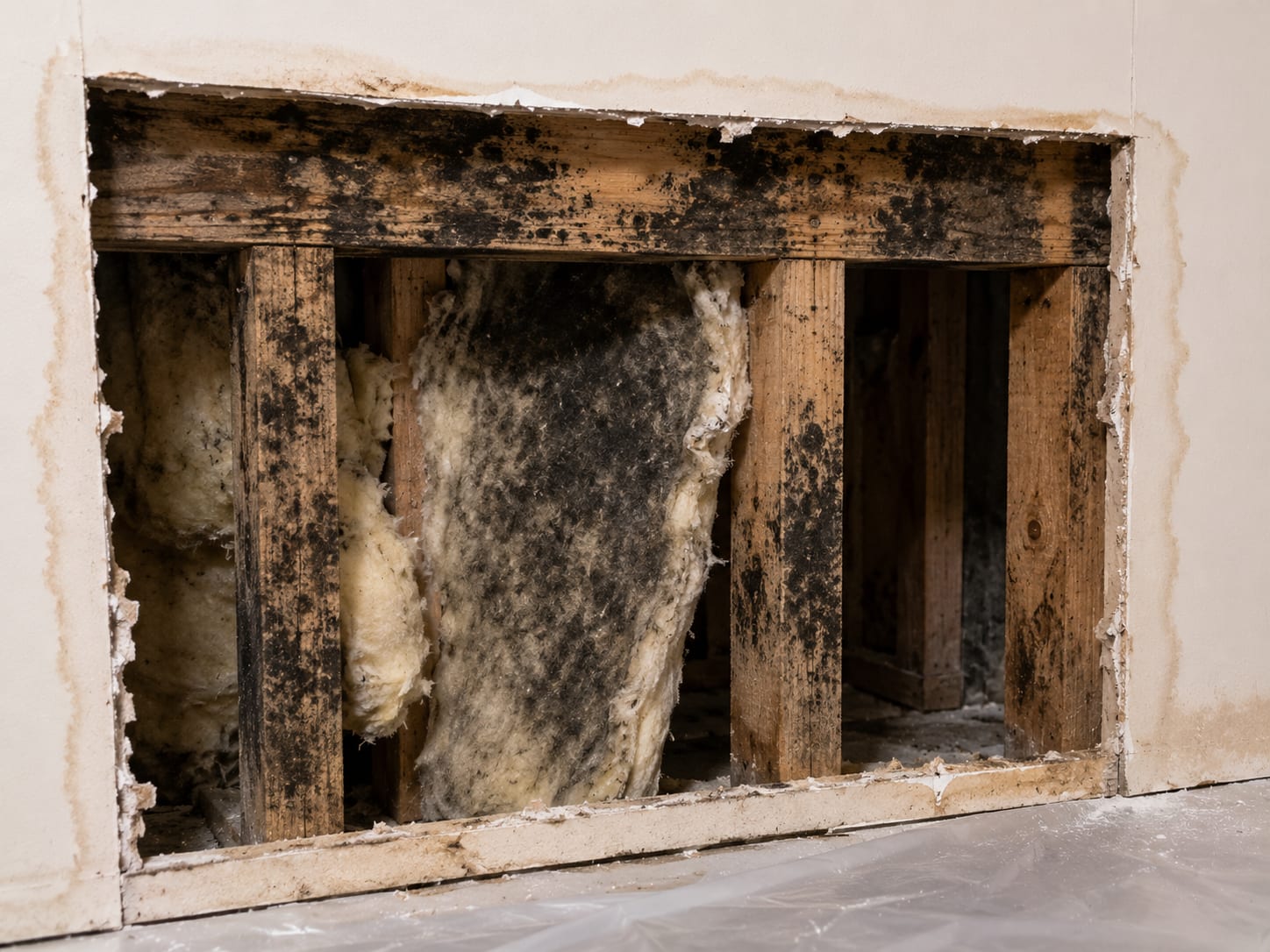
Most homeowners are surprised by how fast mold escalates. After a burst pipe, a basement flood, or a roof leak, moisture soaks into drywall, insulation, and wood framing. Those materials are exactly what mold needs to establish itself. Within two days, surface mold is actively producing spores. Within a week, contamination that started in one wall can spread to adjacent rooms through shared air pathways, HVAC ducts, and open doorways.
Certain mold species produce mycotoxins, chemical byproducts that accumulate in indoor air and on surfaces. Exposure can trigger respiratory symptoms, headaches, and other health effects, particularly in children, elderly residents, and people with compromised immune systems. The longer active mold growth continues, the greater the potential for mycotoxin buildup.
There is also a practical financial urgency. New Jersey's Department of Community Affairs regulates mold remediation projects for any area with more than 10 square feet of visible mold. Larger contamination zones require more extensive scope-of-work documentation, more material removal, and longer remediation timelines. Acting quickly, before a contained problem becomes a widespread one, is almost always less disruptive and less expensive than addressing the same issue after it has spread.
How Does the Emergency Mold Removal Process Work?
ExecPro Restoration & Cleaning follows the IICRC S520 Standard Practice for Professional Mold Remediation on every project. Here is how a same-day emergency call typically unfolds from first contact through clearance.
Scroll the steps sideways to follow the full process.
What Kinds of Situations Call for Emergency Mold Removal?
The most common triggers are water damage events that were not addressed quickly enough. A pipe that burst over a weekend, a sump pump that failed during a heavy storm, a slow roof leak that went unnoticed for weeks: all of these scenarios can produce active mold growth within days. By the time the moisture problem is identified and repaired, remediation is already necessary.
Sewage backups and flooding create an accelerated timeline because the water carries organic material that feeds mold immediately. Properties that have experienced flood damage cleanup or sewage cleanup often need concurrent mold assessment even if visible growth has not yet appeared.
Emergency mold calls also come from real estate transactions that have stalled because an inspection turned up active mold growth. A buyer or seller facing a closing deadline cannot wait two weeks for a scheduled remediation slot. ExecPro Restoration & Cleaning handles these time-sensitive situations regularly, and the team is familiar with what documentation real estate professionals and their attorneys need to move a transaction forward after remediation is complete.
Landlords and property managers sometimes face emergency situations when a tenant reports mold and a habitability concern is raised. In New Jersey, legislation like the proposed Mold-Safe Housing Act continues to put more pressure on property owners to respond quickly and document their remediation process thoroughly. A same-day response with proper documentation protects property owners as well as tenants.
Why Choose ExecPro Restoration & Cleaning for Emergency Mold Removal?
ExecPro Restoration & Cleaning is licensed and insured, following IICRC S520 standards on every emergency project. The team serves a wide corridor of central and northern New Jersey, from communities along the Shore to the Somerset Hills and down through Mercer and Burlington Counties. Here is what sets the approach apart.
Same-Day Mobilization
Emergency situations get same-day dispatch. When you call, you are not scheduling something for next week. The team moves quickly because mold does not wait, and neither should your response.
Thermal Imaging and Moisture Detection
Technicians use infrared cameras and professional moisture meters to locate contamination that is not yet visible. Treating only what you can see often leaves active moisture and mold behind walls, which leads to recurring problems.
Proper Containment Every Time
Every job uses physical barriers, HEPA-filtered exhaust, and decontamination chambers to keep contamination from spreading to clean areas during work. Negative air pressure containment is not optional on emergency projects.
Third-Party Clearance Testing
Clearance testing is sent to an accredited independent laboratory, not performed by the same crew that did the work. That separation is what gives the post-remediation report credibility with insurers, attorneys, and future buyers.
Documentation for Insurance Claims
ExecPro Restoration & Cleaning prepares the documentation that insurance adjusters and claims professionals need. If your emergency mold situation is tied to a covered water damage event, having organized, professional documentation makes the claims process significantly smoother.
Build-Back Capability
After mold removal, affected areas often need structural repairs and material replacement. Because ExecPro Restoration & Cleaning also handles post-mold remediation rebuild work, you work with one team from contamination through finished repairs rather than coordinating multiple contractors.
Where Does ExecPro Restoration & Cleaning Handle Emergency Mold Removal?
ExecPro Restoration & Cleaning covers an extensive service area across central and northern New Jersey. Whether your property is in Princeton, Hamilton, or Trenton in Mercer County; Bridgewater, Basking Ridge, or Bernardsville in Somerset County; Freehold, Holmdel, or Red Bank in Monmouth County; or communities along the Shore from Manasquan to Seaside Heights, the team can respond.
The coverage area also extends through Middlesex County communities including New Brunswick, East Brunswick, and South Brunswick; through western NJ towns like Flemington, Clinton, and Lambertville; and south through Burlington County towns including Bordentown, Mount Laurel, Cherry Hill, and Burlington. This regional reach means ExecPro Restoration & Cleaning maintains familiarity with the local housing stock, climate patterns, and regulatory environment across these markets.
For commercial properties, property management mold services extend the same emergency response capability to apartment complexes, office buildings, and multi-unit portfolios across the service area. Multi-unit buildings present unique challenges because contamination in one unit can affect adjacent units through shared walls and mechanical systems, making fast, coordinated action especially important.
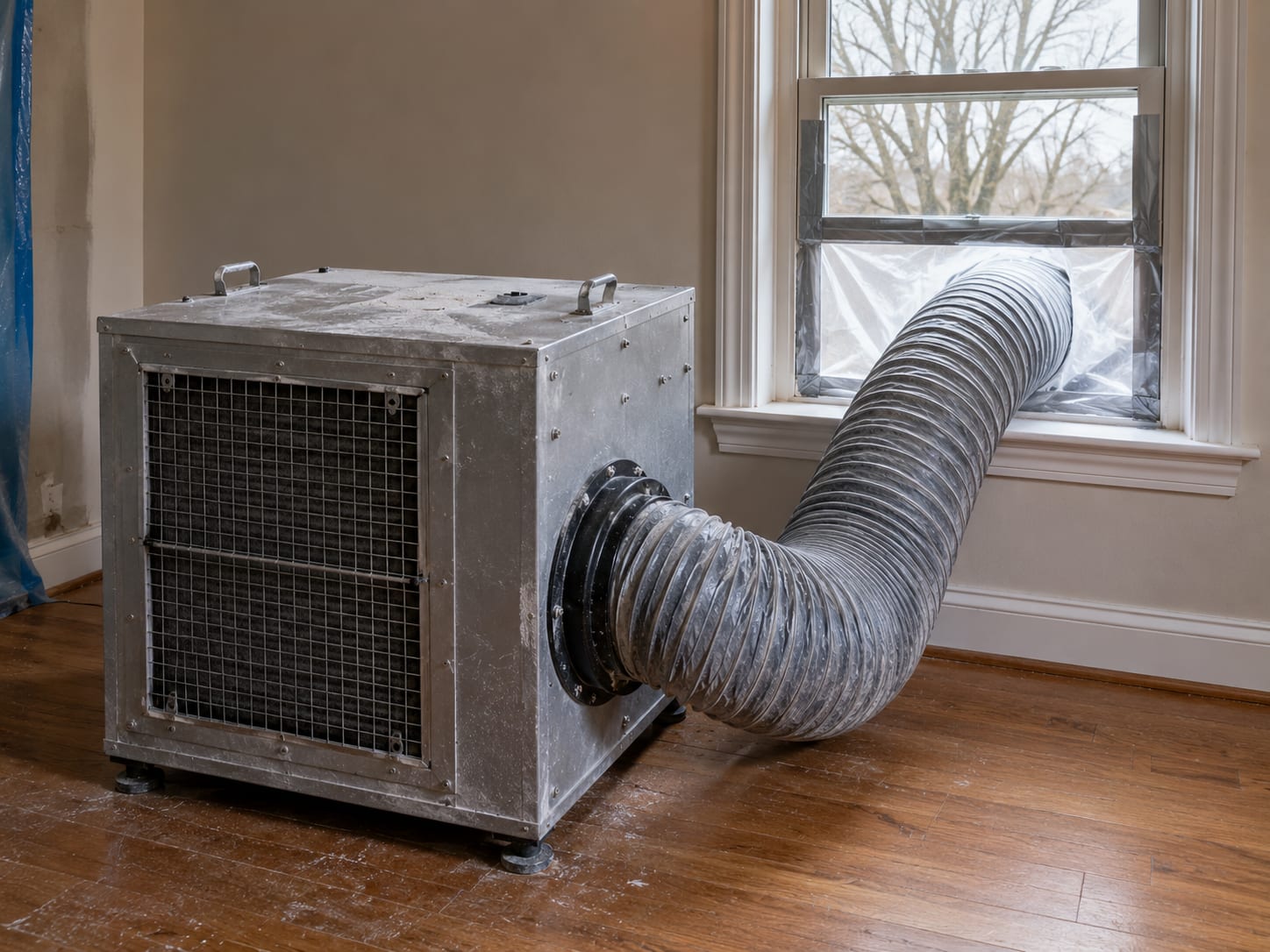
Air Quality After Emergency Mold Removal
Active mold colonies release spores continuously, and a remediation project that disturbs those colonies without proper containment can actually spike airborne spore counts temporarily. That is why the containment and negative air pressure setup is the first step, not an optional add-on.
After remediation is complete, indoor air quality testing confirms that spore counts have returned to normal background levels. For properties where occupants have reported health symptoms, or where mold growth was extensive, allergen testing and VOC testing can provide a more complete picture of air quality conditions. These results matter not just for occupant health but for documenting that a property is genuinely safe to reoccupy.
For properties that went through significant structural damage and material removal, structural drying is sometimes needed after remediation to bring residual moisture in framing and subfloor materials down to levels that will not support regrowth. Air quality results stay good only when the conditions that allowed mold to grow in the first place have been corrected.
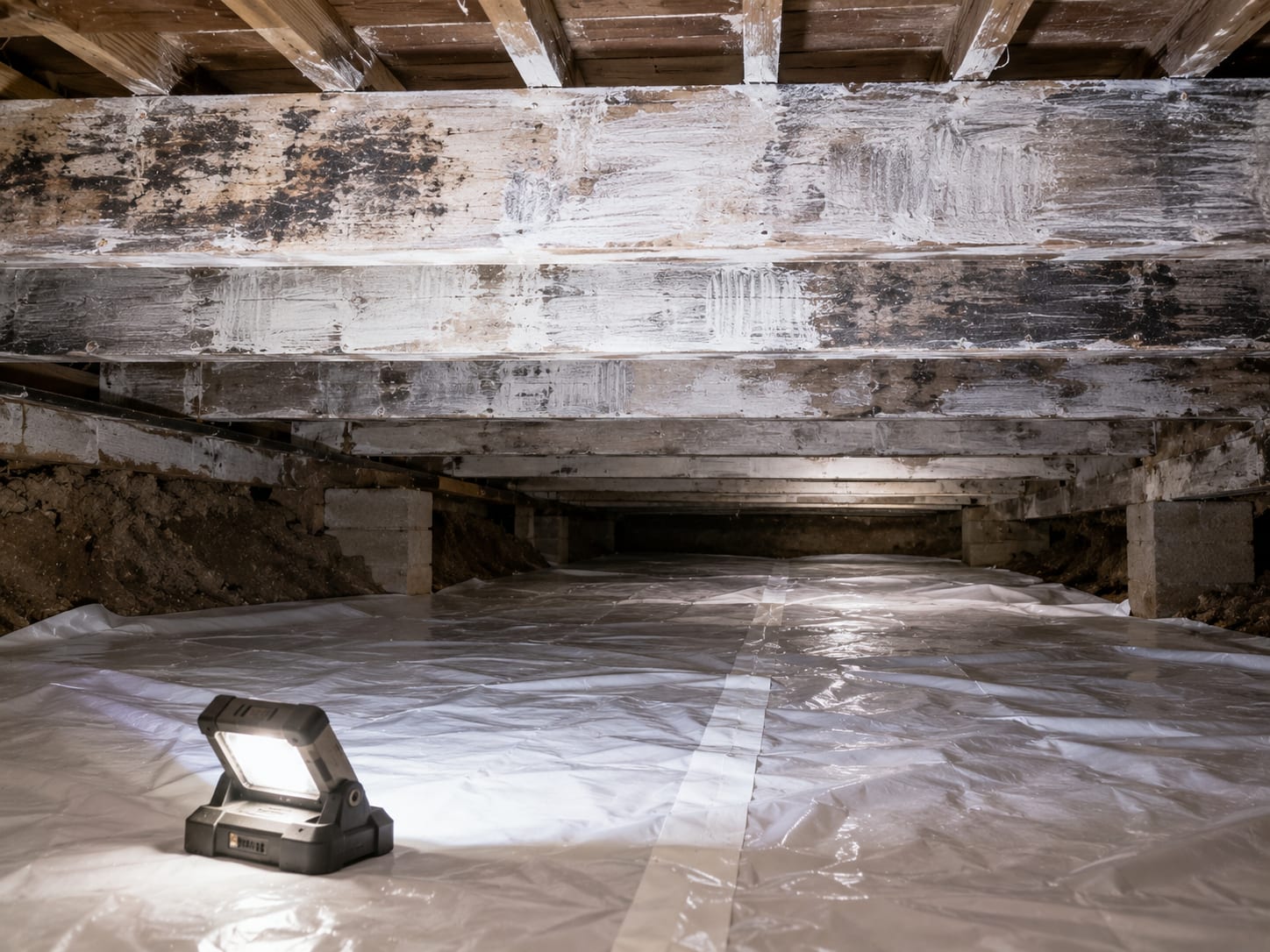
Rebuilding After Emergency Mold Removal
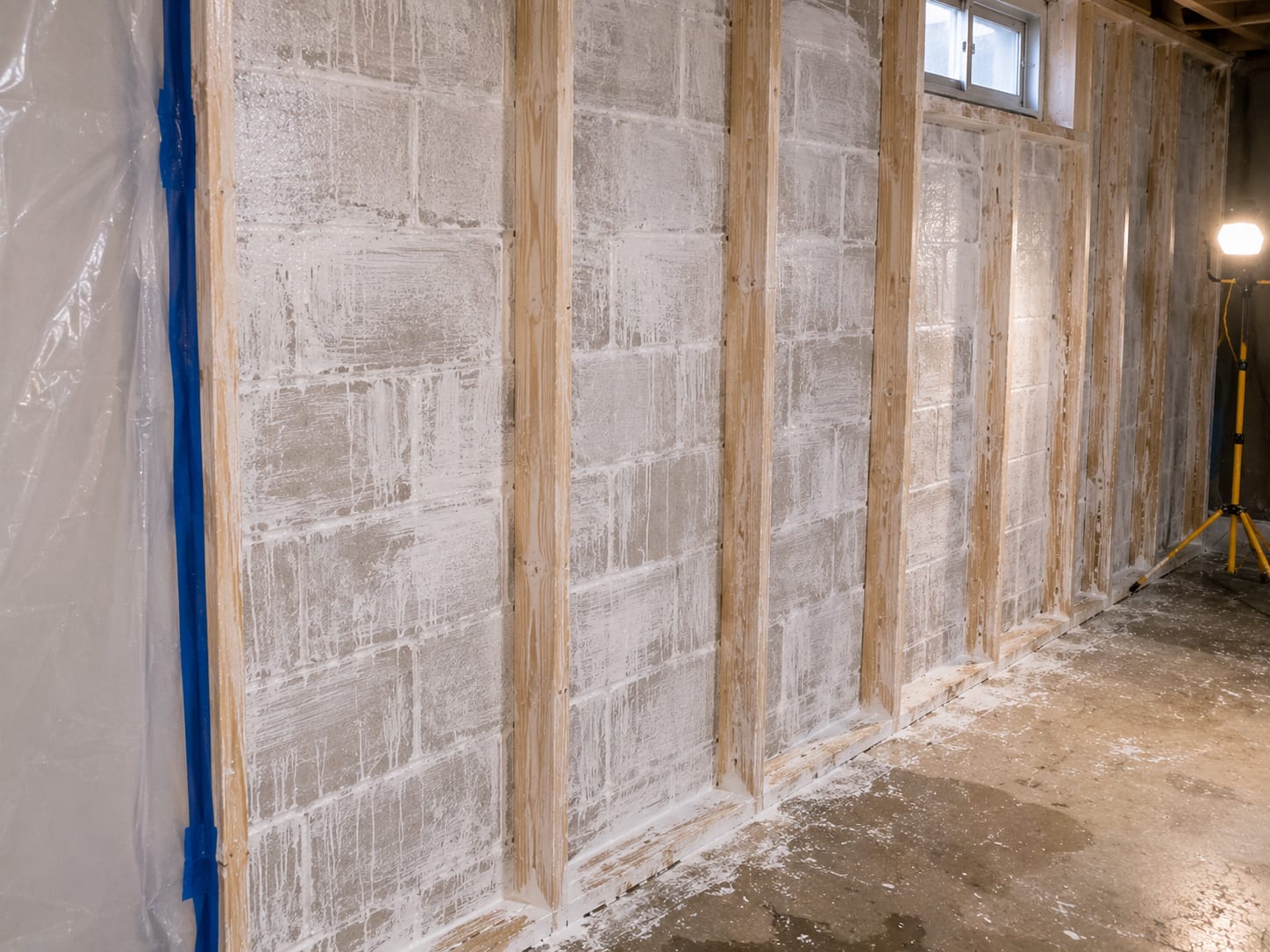
Emergency mold removal often leaves a property with missing drywall, exposed framing, or areas where insulation and flooring were taken out. That is a normal part of proper remediation, but it means the job is not fully done until those areas are rebuilt. ExecPro Restoration & Cleaning handles the complete path from contamination through finished restoration.
Drywall replacement after mold is one of the more common post-remediation needs. Having the same team handle both removal and replacement keeps the project moving without the coordination gaps that come from handing off to a separate contractor. The build-back team knows what was removed, what was treated, and what the structural conditions look like, which means fewer surprises during reconstruction.
For larger damage situations involving multiple systems, post-water damage reconstruction brings together the trades needed to return a property to fully habitable condition. From insulation and drywall through flooring, painting, and finish work, the scope can be handled under one contractor rather than multiple.
Frequently Asked Questions About Emergency Mold Removal
Same-day dispatch is the standard for emergency mold situations. When you call, a team can typically be on-site within hours depending on your location within the service area. The goal is to begin containment before mold has additional time to spread through air movement and moisture migration.