Post-Mold Remediation Rebuild in Central & Southern NJ
When mold remediation leaves your walls open, your flooring pulled, or your ceiling exposed, ExecPro Restoration & Cleaning handles the full rebuild from drywall and insulation through trim, paint, and finished floors. One team, one project, and a space that looks like the damage never happened.
What Is Post-Mold Remediation Rebuild?
Post-mold remediation rebuild is the reconstruction work that follows completed mold remediation. When technicians remove mold, they typically cut out drywall, pull flooring, strip insulation, and take out trim or cabinetry to reach every affected surface. That work has to happen for the remediation to be thorough, and it leaves your home looking like a job site. Rebuild is how you get from that point to a finished, livable space again.
The scope of a rebuild depends entirely on what was removed. A bathroom affected by a slow plumbing leak might need new drywall, cement board, tile work, vanity reinstallation, and paint. A finished basement with water intrusion might need new framing, insulation, drywall, flooring, trim, and ceiling repair. In either case, the rebuild does not begin until moisture is confirmed corrected and the area is dry. Installing new materials over unresolved moisture just recreates the conditions that caused the mold in the first place.
ExecPro Restoration & Cleaning handles post-mold remediation rebuild as a direct continuation of remediation work. Rather than handing you off to a separate contractor and asking you to coordinate two projects, ExecPro carries the job from containment and removal all the way through finished repairs. That continuity matters for both quality and documentation, since insurers, property managers, and real estate agents need a clear, connected record of what was removed and what was rebuilt.
Why Does the Rebuild Phase Matter as Much as the Remediation?
Many homeowners assume the hard part is over once the mold is gone. The rebuild phase, though, carries its own risks if it is rushed or handled carelessly. Installing drywall before moisture readings confirm the framing is dry traps humidity behind new materials, and you are looking at another mold event within months. Using standard drywall in a bathroom or basement when moisture-resistant board is the better choice is a decision you pay for later.
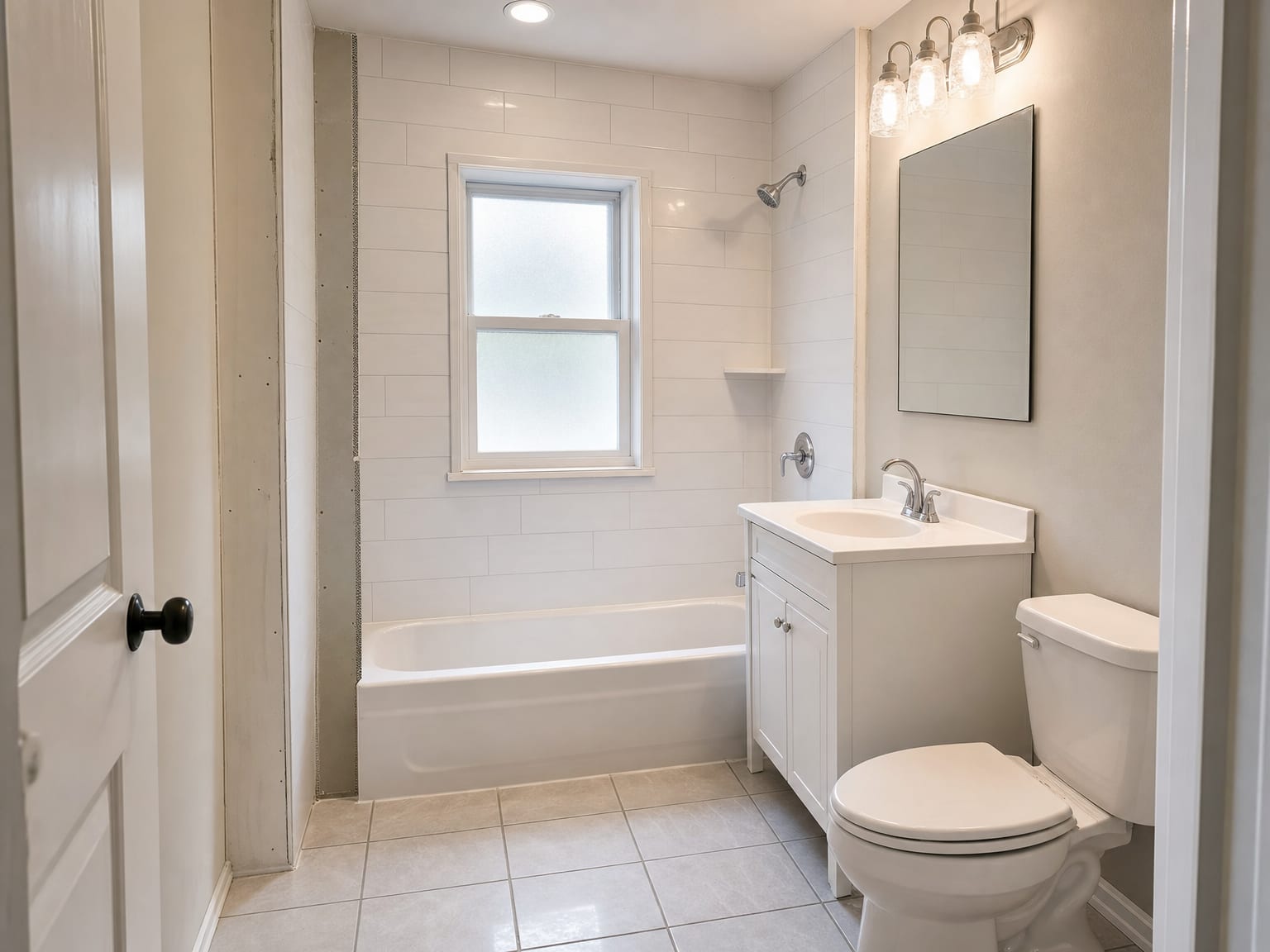
Material selection during rebuild matters more in post-mold projects than in standard renovations, because the affected area already has a history. Bathrooms, basements, crawl-adjacent rooms, kitchens, and laundry areas need materials and ventilation details chosen with that history in mind. Low-VOC paints and adhesives also matter here. After a mold concern, many homeowners are paying close attention to indoor air quality, and a rebuild that introduces high off-gassing finishes works against everything the remediation was meant to accomplish.
Documentation is the other piece that often gets overlooked. Rebuilding an area without a clear record of what was removed, what moisture readings confirmed before materials went back up, and what materials were used leaves gaps that create problems during insurance claims, real estate transactions, and future inspections. A rebuild done right produces a paper trail that protects you long after the project is finished.
How Does the Post-Mold Remediation Rebuild Process Work?
Every project follows the same core sequence, though the specific trades and materials involved vary depending on what was removed and where in the home the damage occurred.
Scroll the steps sideways to follow the full process.
What Gets Rebuilt After Mold Remediation?
The materials rebuilt after remediation depend on where the mold was and how far the damage extended. These are the most common areas and elements ExecPro Restoration & Cleaning addresses.
Drywall and Ceilings
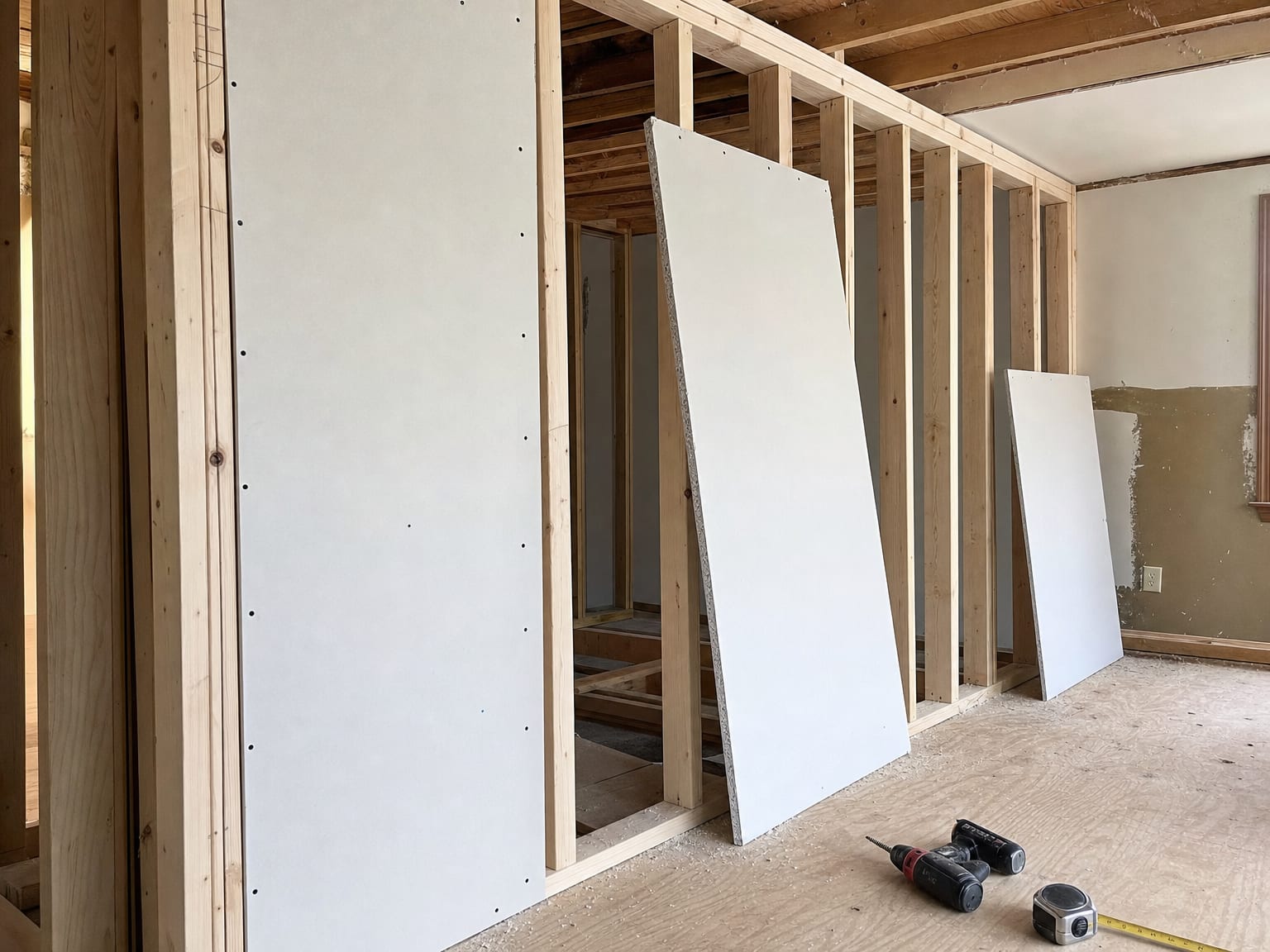
Drywall is the most commonly removed material during mold remediation. Whether it was one wall section, an entire room, or a ceiling cavity, drywall replacement after mold is handled from hanging and mudding through priming and paint.
Insulation
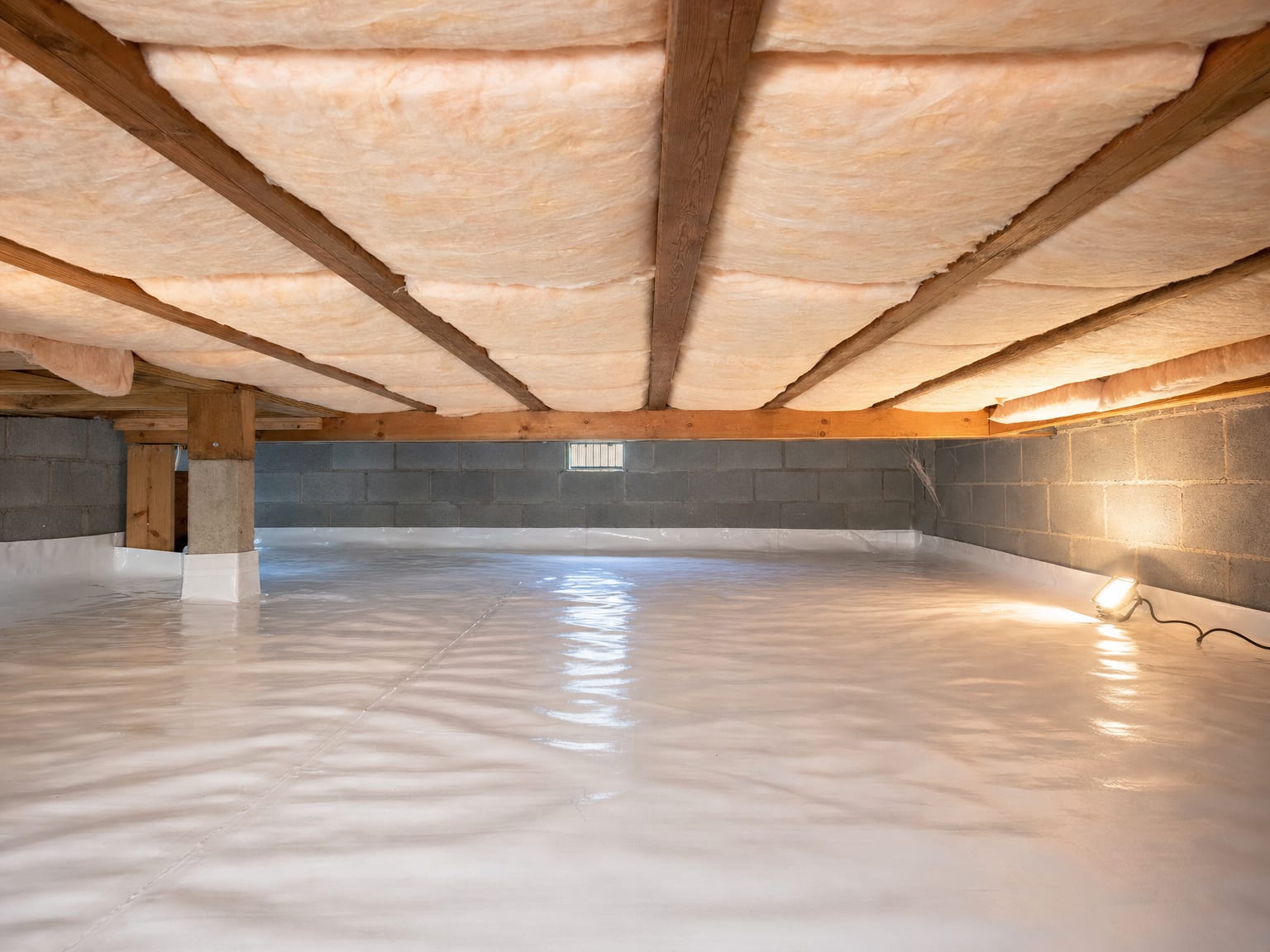
Insulation absorbs moisture and cannot be dried out reliably once contaminated. Replacement insulation is selected for the application, whether fiberglass batt, rigid foam, or spray foam, and installed at the appropriate R-value.
Flooring
Water-damaged hardwood, laminate, carpet, or vinyl pulled during remediation is replaced with flooring that matches or complements the surrounding space. Subfloor sections are repaired before finish flooring goes down.
Trim, Baseboards, and Casings
Trim removed to access wall cavities or damaged by moisture is replaced and finished to match. This includes baseboard, door and window casings, crown molding, and built-in shelving as applicable.
Bathroom Surfaces and Fixtures
Bathroom mold removal often means pulling tile, cement board, vanities, or cabinetry. Rebuild work following remediation restores those surfaces with moisture-appropriate materials and properly sealed finishes.
Basement Spaces
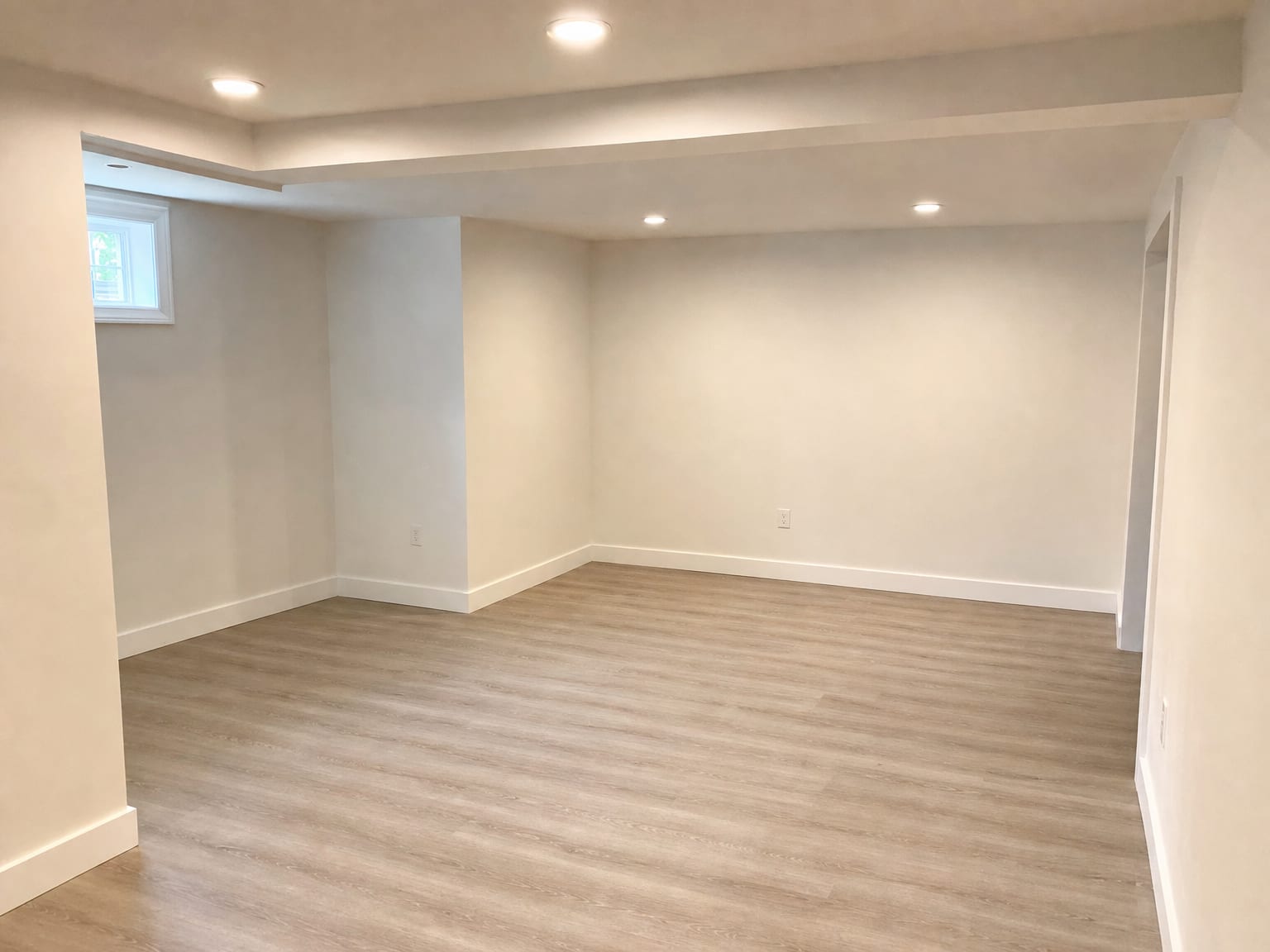
Basement areas are rebuilt with materials suited to the moisture environment. Work after remediation includes framing, insulation, moisture-resistant drywall, flooring appropriate for below-grade installation, and proper ventilation.
Structural Elements
When framing, joists, or subfloor sections are damaged beyond surface treatment, structural repairs address those components before any finish materials are installed. Structural integrity cannot be deferred.
Paint and Interior Finishes
After surfaces are repaired and primed, interior painting returns the space to its finished state. Low-VOC paints are standard on post-remediation projects, and color matching to adjacent walls is part of the process.
How Does This Work With an Insurance Claim?
Many post-mold remediation rebuild projects are connected to an insurance claim, especially when the mold followed water damage from a burst pipe, roof leak, flooding, or sewage backup. The rebuild portion of a claim is where documentation becomes critical. Insurers need to see what was damaged, what was removed, and what must be replaced, presented in a way that matches their estimate and documentation standards.
ExecPro Restoration & Cleaning provides detailed scope documentation, line-item repair lists, photos, and moisture readings that support the claims process. A contractor can document the damage thoroughly and present a complete repair scope, but coverage decisions are made by the insurer based on the policy and the cause of loss. The documentation ExecPro provides gives your adjuster a complete, organized picture of the project, which helps the process move more efficiently.
For projects that connect remediation to a larger water damage event, ExecPro's work spans from water damage restoration through post-water damage reconstruction and finished rebuild. Having one provider across that full scope simplifies the documentation and reduces the coordination burden on you during an already stressful situation.
What About Real Estate Transactions and Rebuild Timelines?
Mold findings during a real estate inspection don't have to derail a transaction, but they do add a time constraint. Buyers, sellers, agents, and lenders all need the situation resolved and documented before closing, and everyone is working against a contract deadline. That pressure makes the ability to move quickly from remediation into rebuild genuinely important.
Sellers preparing a property for listing, buyers negotiating a remediation-and-rebuild contingency, and agents managing the transaction all need the same thing: a complete, documented scope showing the problem was addressed properly and the property is restored to sound condition. Agents who regularly handle transactions with mold findings rely on pre- and post-remediation documentation that holds up under scrutiny from buyers, their agents, and lenders.
If you're under contract or working toward a listing date, let ExecPro Restoration & Cleaning know the timeline upfront. Scheduling rebuild work to align with inspection windows, appraisal visits, and final walkthroughs is part of the service, and getting the sequencing right matters as much as the work itself.
Why Work With ExecPro Restoration & Cleaning for Your Rebuild?
Homeowners, property managers, and real estate professionals across central and southern NJ choose ExecPro Restoration & Cleaning for post-mold remediation rebuild for a few reasons that make a real difference in how a project goes.
One Team, Start to Finish
ExecPro handles remediation and rebuild under one roof. You don't have to find a separate contractor after the mold is gone, negotiate a new scope, or explain the project history to someone who wasn't on site. The team that managed containment and removal carries the full picture into the rebuild phase.
Moisture Verification Before Materials Go In
No new drywall, insulation, or flooring goes over framing until moisture readings confirm dry conditions. This commitment to correct sequencing protects your investment and prevents a second mold event from undoing everything the remediation accomplished.
Documentation That Works for Insurance and Real Estate
Every project produces photos, moisture logs, material records, and before-and-after documentation. Whether you need that record for an insurance claim, a real estate transaction, or your own files, it is organized and available.
Material Choices That Account for the Room
Bathrooms, basements, kitchens, and laundry rooms get materials chosen for their moisture environment. Low-VOC paints and finishes are standard on post-remediation projects. The goal is a repair that holds up, not just one that looks good the day it's finished.
Licensed and Insured in New Jersey
ExecPro Restoration & Cleaning carries the licensing and insurance required for residential home improvement work in New Jersey. That's a basic requirement for any contractor working in your home, and it matters even more when the project follows a mold or water damage event.
Serving Central and Southern NJ
ExecPro serves a wide geography across central and southern New Jersey, from Princeton Junction and West Windsor through Bridgewater, Freehold, Cherry Hill, and Burlington. If you're not sure whether your address is in the service area, a quick call to (888) 300-3772 will confirm it.
Frequently Asked Questions About Post-Mold Remediation Rebuild
These are questions homeowners, property managers, and real estate professionals commonly ask about post-mold remediation rebuild.
Not always, and this distinction matters. Before materials go back in, moisture levels in the framing, subfloor, or structural components need to confirm they're within acceptable ranges for the material being installed. If post-remediation verification testing is part of the project plan, that testing happens before walls close. Rushing that step is one of the most common reasons mold recurs after a remediation project.