Drywall Replacement After Mold in Central New Jersey
When mold has worked into your walls, patching the surface isn't enough. ExecPro Restoration & Cleaning removes contaminated drywall, treats the wall cavity, and installs mold-resistant materials so the problem doesn't come back.
What Does Drywall Replacement After Mold Actually Include?
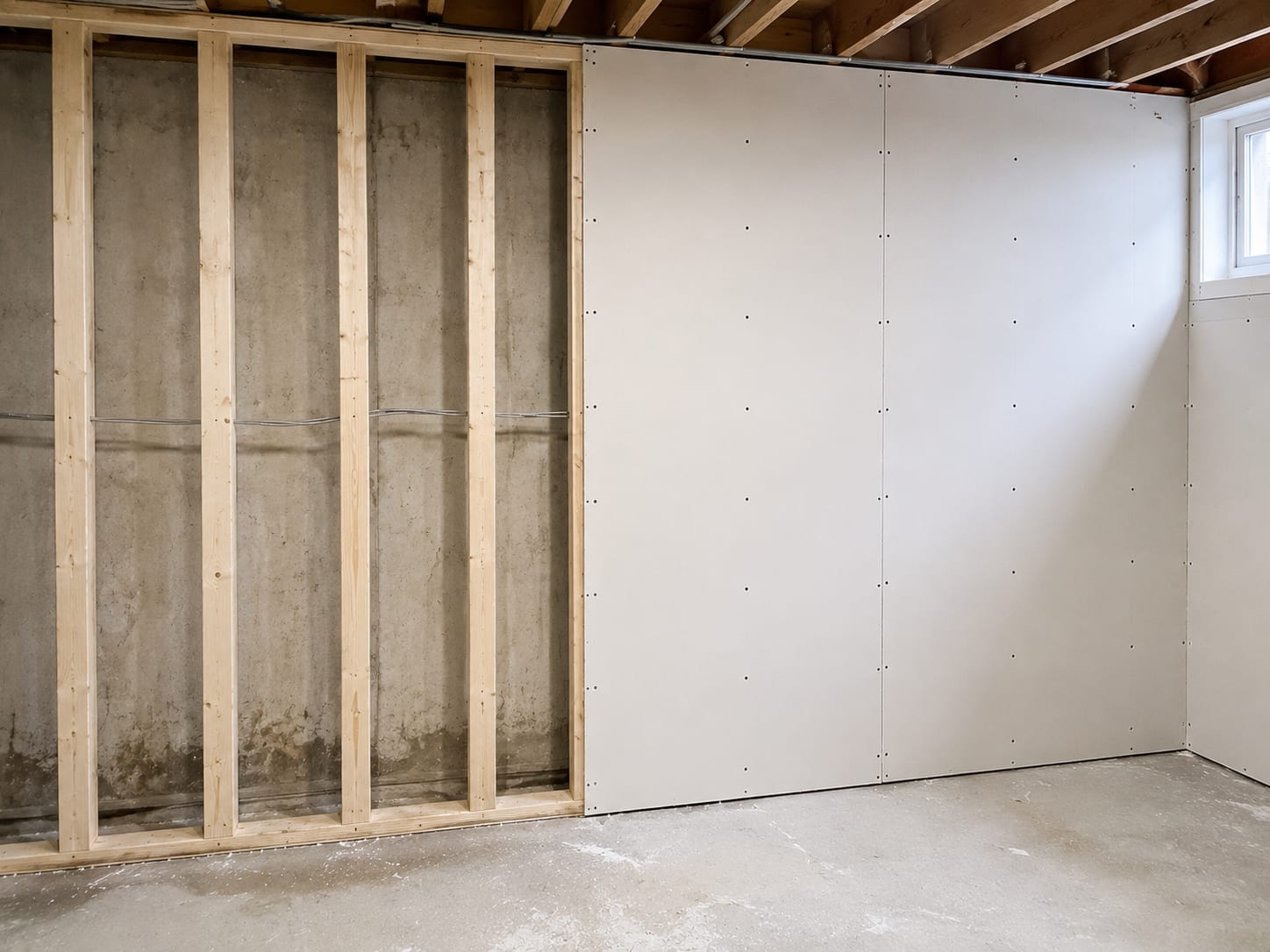
Drywall replacement after mold is the full process of removing contaminated wall and ceiling panels, treating the exposed framing and cavity behind them, and installing new material that resists future mold growth. ExecPro Restoration & Cleaning handles every step, from initial containment through final finish work, so you're not coordinating between a remediation company and a separate contractor. The result is walls that are structurally sound, visually finished, and built to handle the moisture conditions that caused the problem in the first place.
This isn't a surface fix. When mold reaches the paper facing of standard drywall, it has a food source it can feed on indefinitely. Wiping down visible growth leaves the underlying colony intact. The only reliable solution is removing the affected material entirely, treating what's behind it, and rebuilding with materials that don't give mold anything to eat. That's the standard ExecPro Restoration & Cleaning follows on every job.
New Jersey properties face particular pressure from humidity, aging construction, and basements that were never designed for finished living space. Those conditions push mold into walls faster than most homeowners realize, and they make the choice of replacement material matter just as much as the removal itself.
Why Cleaning Isn't Enough Once Mold Gets Into Drywall
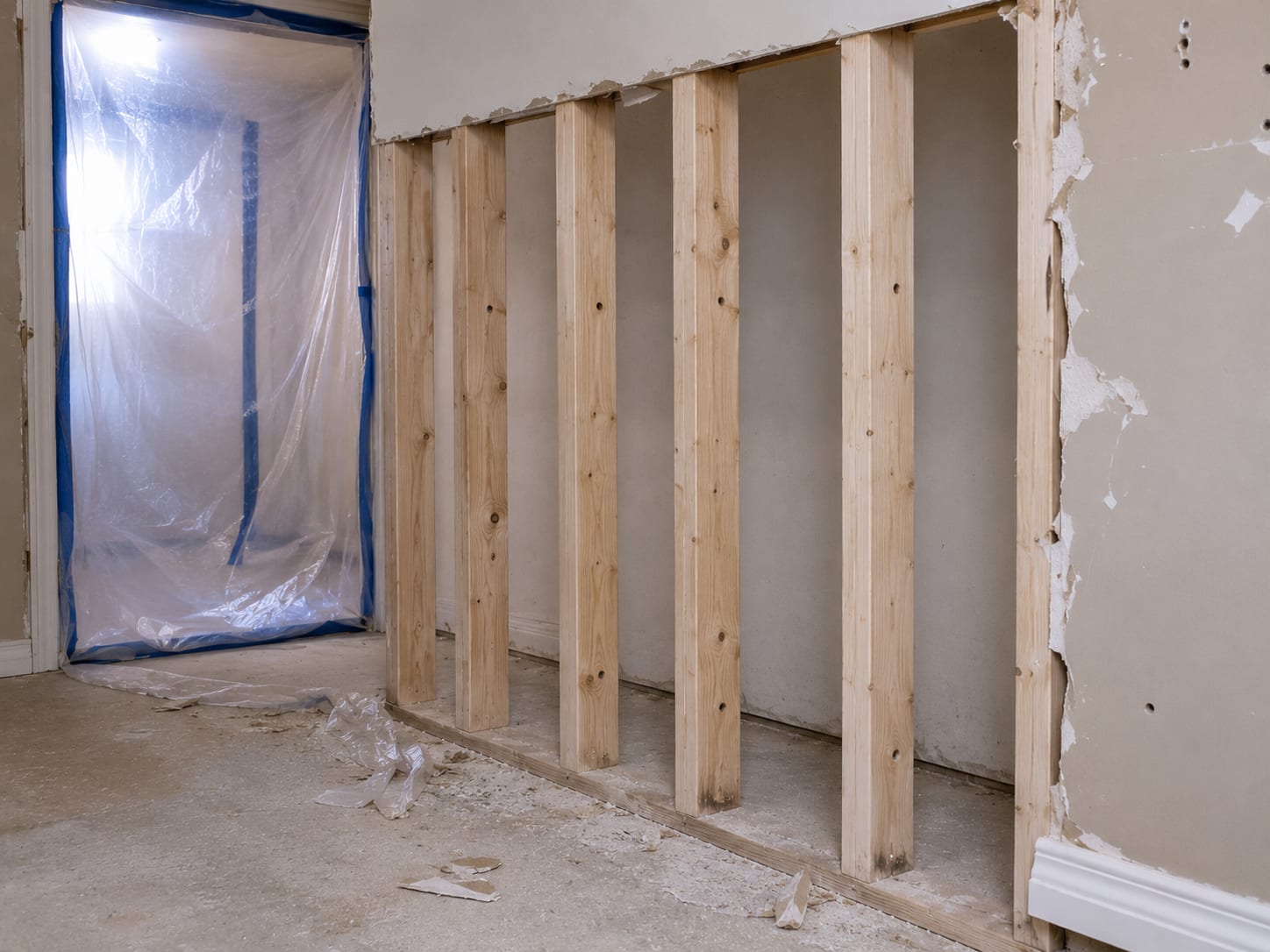
Standard drywall is made with a paper facing on both sides of a gypsum core. That paper is organic material, and mold treats it as a nutrient source. Once mold colonizes the facing, it can grow through the panel and into the wall cavity behind it, reaching insulation, framing, and any other organic material in the space. Surface cleaning can remove what you see, but it can't address growth that has already migrated beyond the visible layer.
New Jersey regulations reflect this reality. Any property with more than 10 square feet of visible mold must be professionally managed by a certified mold remediation specialist. That threshold is easy to hit in a finished basement, a bathroom with ventilation issues, or a wall that absorbed moisture from a slow burst pipe over a period of months. Professional removal isn't just a best practice at that scale; it's the standard the state expects.
Beyond the regulatory picture, there's the practical one. Mold left behind contaminated walls doesn't stay put. Spores circulate through the air, settle on new surfaces, and restart the growth cycle when conditions are right. Replacing the drywall without treating the wall cavity is half a solution. ExecPro Restoration & Cleaning addresses both the material and what's behind it before anything new goes up.
What Materials Does ExecPro Use for Mold-Resistant Rebuilds?
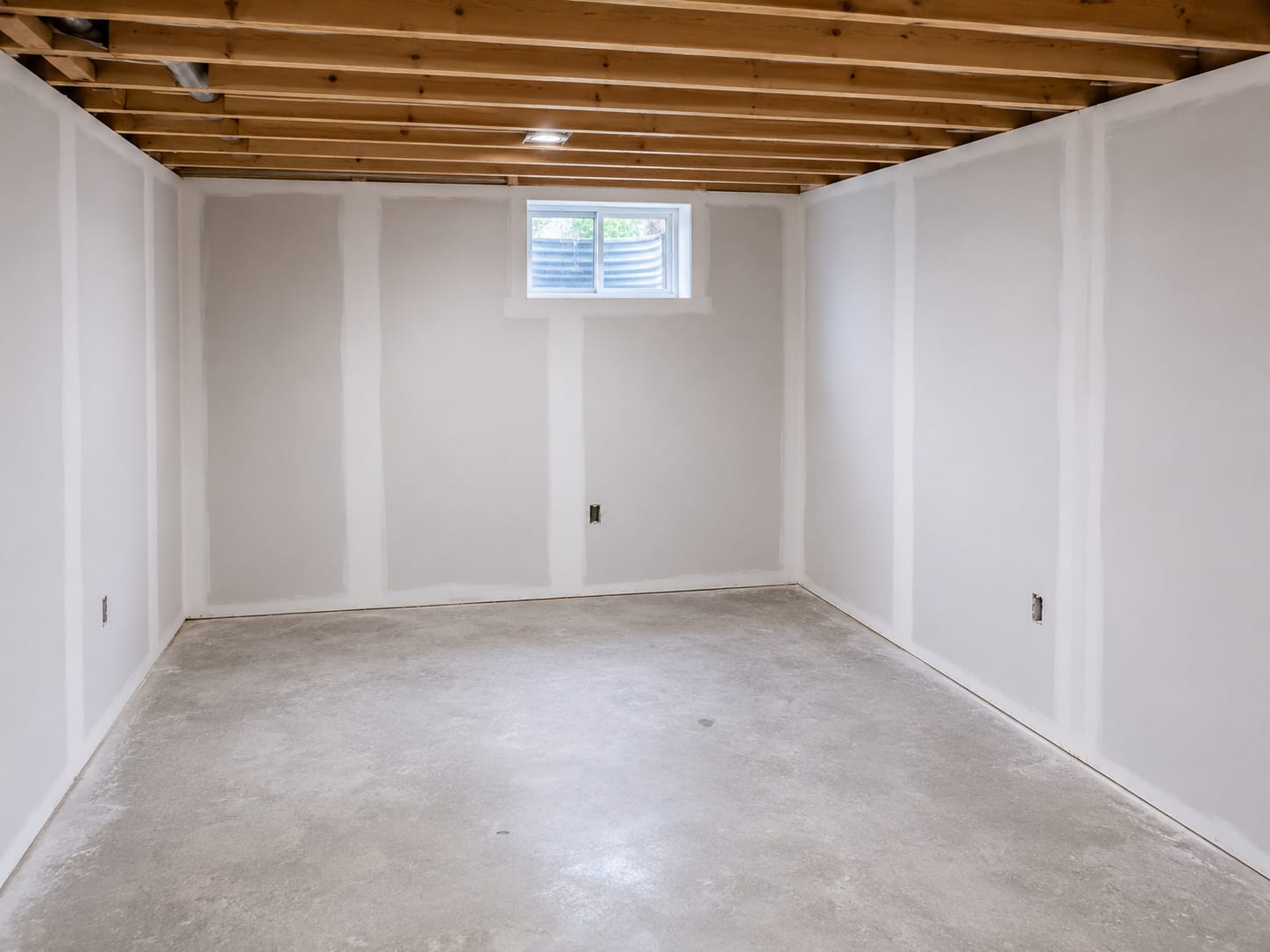
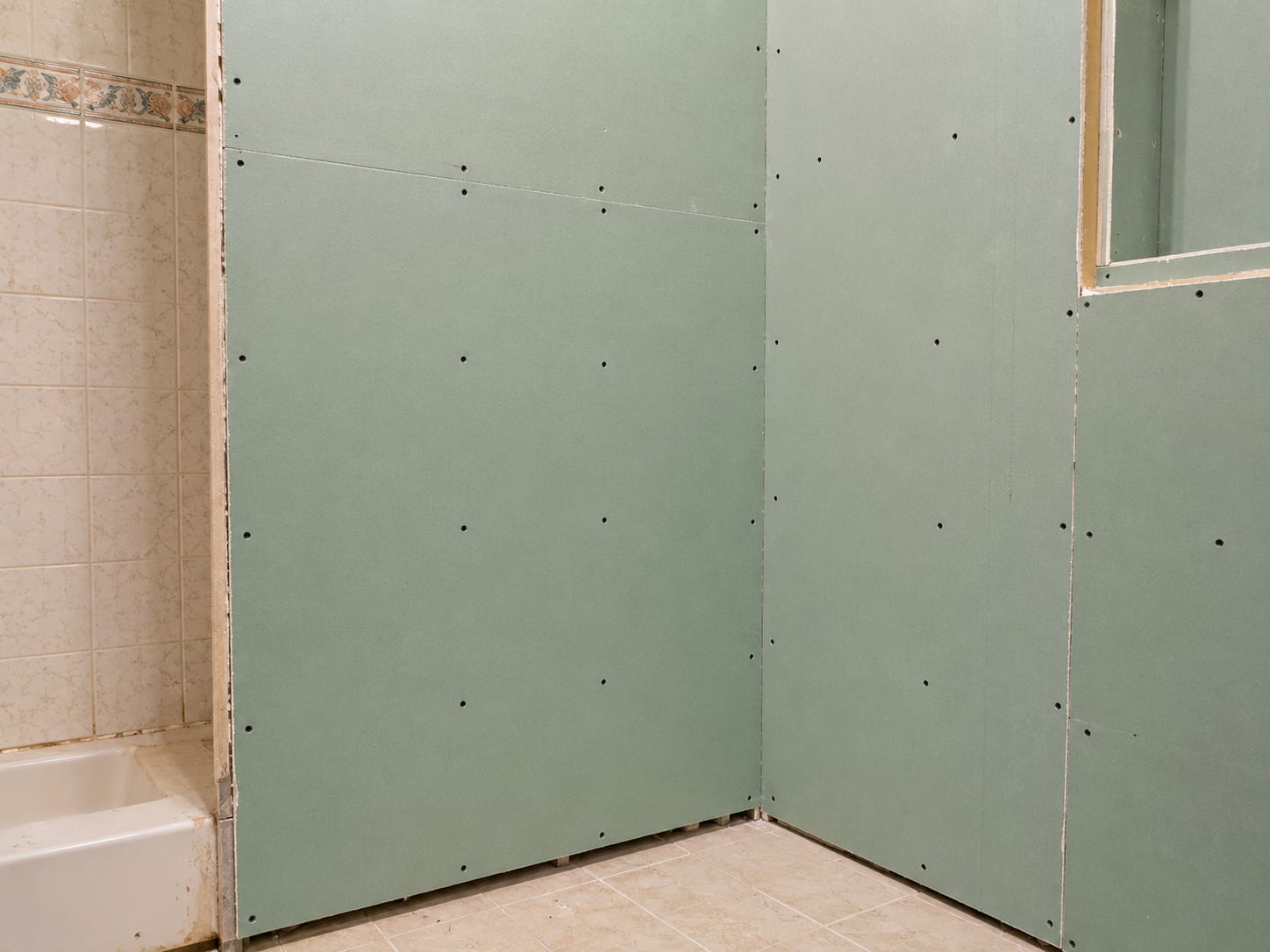
The material used to replace contaminated drywall matters as much as how cleanly the old material was removed. ExecPro Restoration & Cleaning installs fiberglass-faced drywall, also called paperless drywall, as the standard in moisture-prone areas including basements, bathrooms, and kitchens. Unlike traditional panels, fiberglass-faced drywall eliminates the paper facing that mold feeds on. The gypsum core is still there; the mold's food source isn't.
Products like Georgia-Pacific DensArmor take this further by combining a moisture-resistant gypsum core with fiberglass mats on both faces. DensArmor panels score a perfect 10 on the ASTM D3273 mold resistance test, which is the industry standard for measuring how well a material resists surface mold growth. For areas with heavy moisture exposure, magnesium oxide (MgO) board is another option worth considering. MgO boards are fire-resistant, fully mold-resistant, and work particularly well in high-humidity environments like NJ basements and coastal properties.
Some modern panels also include antimicrobial coatings that actively resist bacteria and fungal growth at the surface level. The right material for your project depends on the room, the humidity conditions, and the cause of the original mold problem. ExecPro Restoration & Cleaning assesses those factors before recommending a product so that the rebuild holds up over time, not just through the first inspection.
How the Drywall Replacement Process Works, Step by Step
ExecPro Restoration & Cleaning follows a structured sequence on every drywall replacement job. Each step builds on the one before it, and skipping any of them leaves the door open for mold to return.
Scroll the steps sideways to follow the full process.
Which Rooms and Situations Call for This Service?
Mold gets into drywall in predictable places. If you're dealing with any of the situations below, ExecPro Restoration & Cleaning can assess the scope and handle the replacement.
Finished Basements
Basements are the most common location for drywall mold in New Jersey. Below-grade walls deal with ground moisture, condensation from temperature swings, and frequent flooding. Finished drywall in a wet basement gives mold exactly what it needs: organic material, limited air circulation, and consistent humidity. Basement mold remediation combined with drywall replacement is one of ExecPro's most frequent projects.
Bathrooms
Bathroom drywall takes on moisture daily. Without adequate ventilation, the paper facing on standard drywall saturates over time, and mold follows. The area behind tub surrounds and around shower pans is particularly vulnerable. ExecPro Restoration & Cleaning removes affected panels, treats the framing, and installs moisture-resistant materials rated for bathroom conditions.
Water Damage Aftermath
Any wall that absorbed water from a pipe failure, appliance leak, roof intrusion, or flood damage is at risk of mold growth within 24 to 72 hours. Drywall that was saturated and not dried completely will eventually show mold, even if it looks fine initially. ExecPro handles both the water damage restoration and the subsequent drywall replacement so you're working with one team instead of two.
Ceiling Panels
Ceiling drywall affected by mold from a bathroom above, a roof leak, or an HVAC condensation issue requires the same removal and replacement process as walls. Ceiling mold removal is part of ExecPro's scope, and it includes the same post-treatment and mold-resistant reinstallation that applies to vertical surfaces.
Real Estate Transactions
New Jersey sellers are legally required to disclose known mold issues. If a pre-purchase mold inspection turns up contaminated drywall, buyers and sellers both need the work done quickly and documented properly. ExecPro Restoration & Cleaning handles remediation and replacement on transaction timelines, with the post-remediation paperwork that lenders and agents need.
Attics and Crawl Spaces
Drywall used in finished attic spaces is vulnerable to roof condensation and inadequate ventilation. Crawl space walls, if drywalled, face the same moisture exposure as basements. ExecPro Restoration & Cleaning provides attic mold remediation and handles the drywall component as part of the full scope.
What Should You Expect to Pay for Drywall Replacement After Mold in NJ?
Mold removal projects in New Jersey generally range from $500 to $15,000 depending on the size of the affected area and how far the contamination has spread. Drywall material costs run roughly $1.20 to $4.10 per square foot, with mold-resistant and specialty panels at the higher end of that range. Labor, cavity treatment, insulation replacement, and finish work add to the total, which is why scoping the job accurately before committing to a number matters.
The right quote comes from a proper assessment, not a ballpark figure over the phone. ExecPro Restoration & Cleaning evaluates the full scope, including moisture source, affected square footage, wall cavity condition, and what the finished space requires, before providing a number. If your claim is going through homeowner's insurance, ExecPro works with insurance restoration processes to document the damage and the remediation work properly.
For insurance-related projects, ExecPro's insurance restoration services team handles the documentation and communication that adjusters need, which can simplify a process that would otherwise fall entirely on the homeowner.
Why Choose ExecPro Restoration & Cleaning for Drywall Replacement?
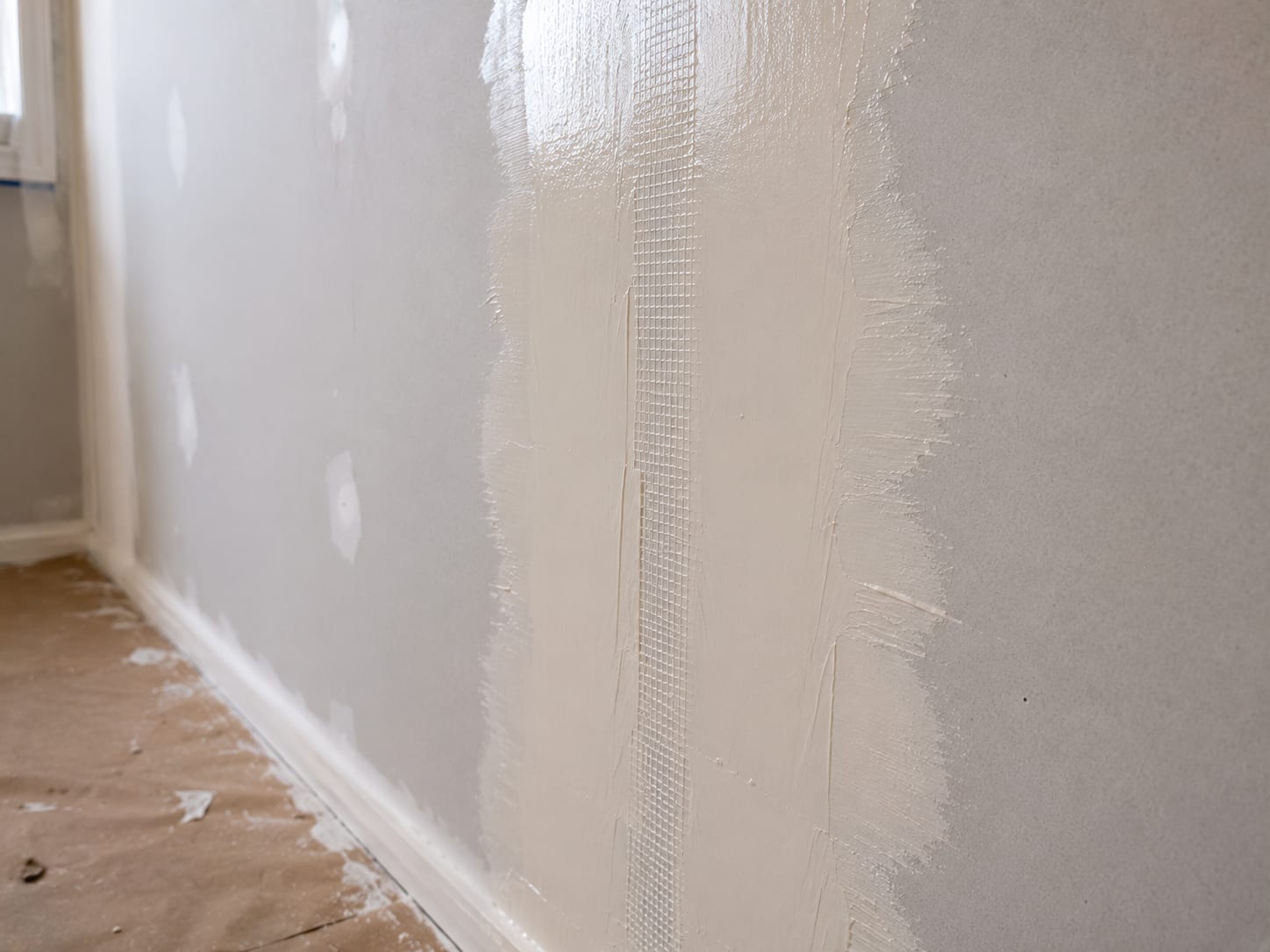
Most remediation companies stop at the remediation. They remove the contaminated material, treat the surfaces, and hand you a scope-of-work document with a list of contractors to call for the rebuild. ExecPro Restoration & Cleaning does both. The same team that handles the mold remediation also installs the new drywall, finishes the walls, and paints. There's no coordination gap between what was remediated and what was rebuilt.
Every project follows IICRC S520 standards for mold remediation, and ExecPro Restoration & Cleaning is licensed and insured. That matters for insurance claims, for mortgage underwriting when a property is in a transaction, and for the documentation that property managers need to maintain compliance across their portfolios.
ExecPro uses mold-resistant materials as the standard in affected areas, not as an upgrade. When the wall goes back up, it's designed for the conditions that caused the problem. That's a meaningful difference from replacing contaminated standard drywall with more standard drywall and calling it resolved.
ExecPro Restoration & Cleaning serves communities across central and coastal New Jersey, from Trenton and Hamilton in the west through Monmouth County and the Shore, north through Somerset and Hunterdon counties, and south through Burlington County. Call (888) 300-3772 to schedule an assessment.
Frequently Asked Questions About Drywall Replacement After Mold
Questions we hear often from homeowners and property managers dealing with mold-damaged walls.
In rare cases where contamination is caught very early and limited to the outermost surface, cleaning may be attempted on non-porous materials. For standard drywall, the answer is generally no. The paper facing is porous and absorbs mold growth into its fibers, which cleaning cannot reverse. The IICRC S520 standard that guides professional mold remediation treats porous building materials like drywall as remove-and-replace items once mold colonization has occurred.
ExecPro Restoration & Cleaning Serves Communities Across Central and Coastal New Jersey
ExecPro Restoration & Cleaning provides drywall replacement after mold to residential and commercial properties throughout central New Jersey and the surrounding region. Service areas include Princeton Junction, West Windsor, Princeton, Plainsboro, Cranbury, Lawrenceville, Pennington, Hopewell, Trenton, Hamilton, Ewing, Robbinsville, Bordentown, Florence, Burlington, Willingboro, Cinnaminson, Moorestown, Mount Laurel, Cherry Hill, Marlton, and Medford.
ExecPro also serves communities further north and east, including Somerset, Bridgewater, Basking Ridge, Warren, Bernardsville, Flemington, Clinton, Westfield, Summit, Chatham, Madison, Florham Park, Holmdel, Colts Neck, Red Bank, Freehold, Manalapan, Marlboro, Spring Lake, Manasquan, Lakewood, and Jackson, as well as South Brunswick, North Brunswick, East Brunswick, New Brunswick, Monroe, and Hillsborough.
If your property is in this service area and you're dealing with mold in your walls, call ExecPro Restoration & Cleaning or send a message to hello@execprorc.com to schedule an assessment. The sooner the scope is established, the faster the work can begin.