Black Mold Removal in Central New Jersey
Stachybotrys chartarum and other toxigenic mold species require a different level of care than ordinary mold. ExecPro Restoration & Cleaning brings full containment protocols, HEPA-filtered air systems, and professional-grade treatment to properties across central and coastal New Jersey.
What Is Black Mold Removal and What Does the Process Actually Include?
Black mold removal is the professional containment, treatment, and safe disposal of Stachybotrys chartarum and other toxigenic mold species from residential and commercial properties. When ExecPro Restoration & Cleaning handles a black mold job, the work follows the IICRC S520 Standard for Professional Mold Remediation, which means every step from initial assessment to post-removal air clearance is structured, documented, and verifiable. You don't get a spray-and-wipe visit. You get a full remediation scope.
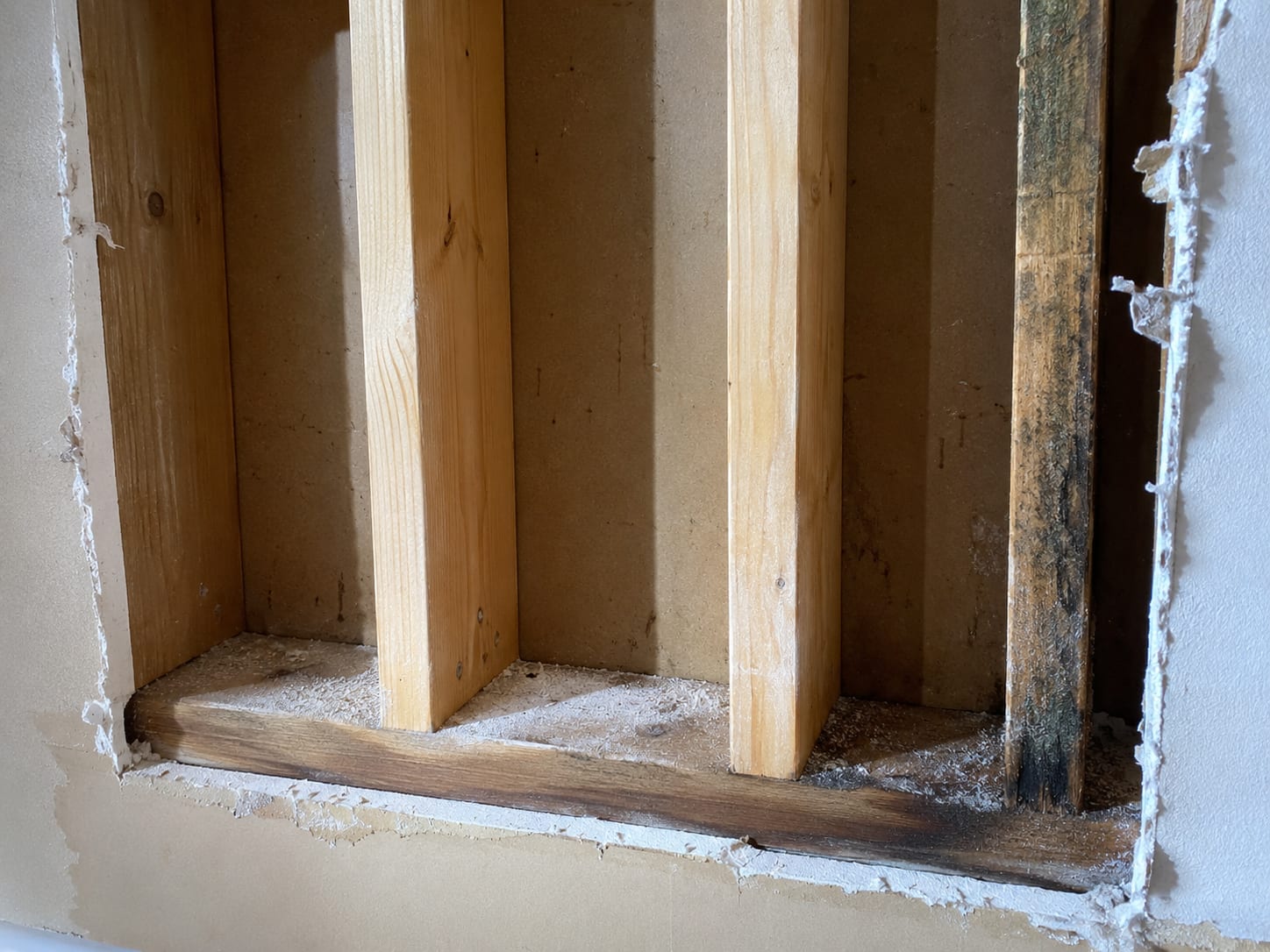
Black mold thrives on cellulose-rich materials like drywall, wood framing, and ceiling tiles where sustained moisture is present. It typically appears as dark greenish-black patches with a slimy texture, and it produces mycotoxins that can affect air quality throughout the home, not just in the immediate area of growth. Surface cleaning alone is not a solution, and professional-grade containment is the standard practice for any affected area over 10 square feet.
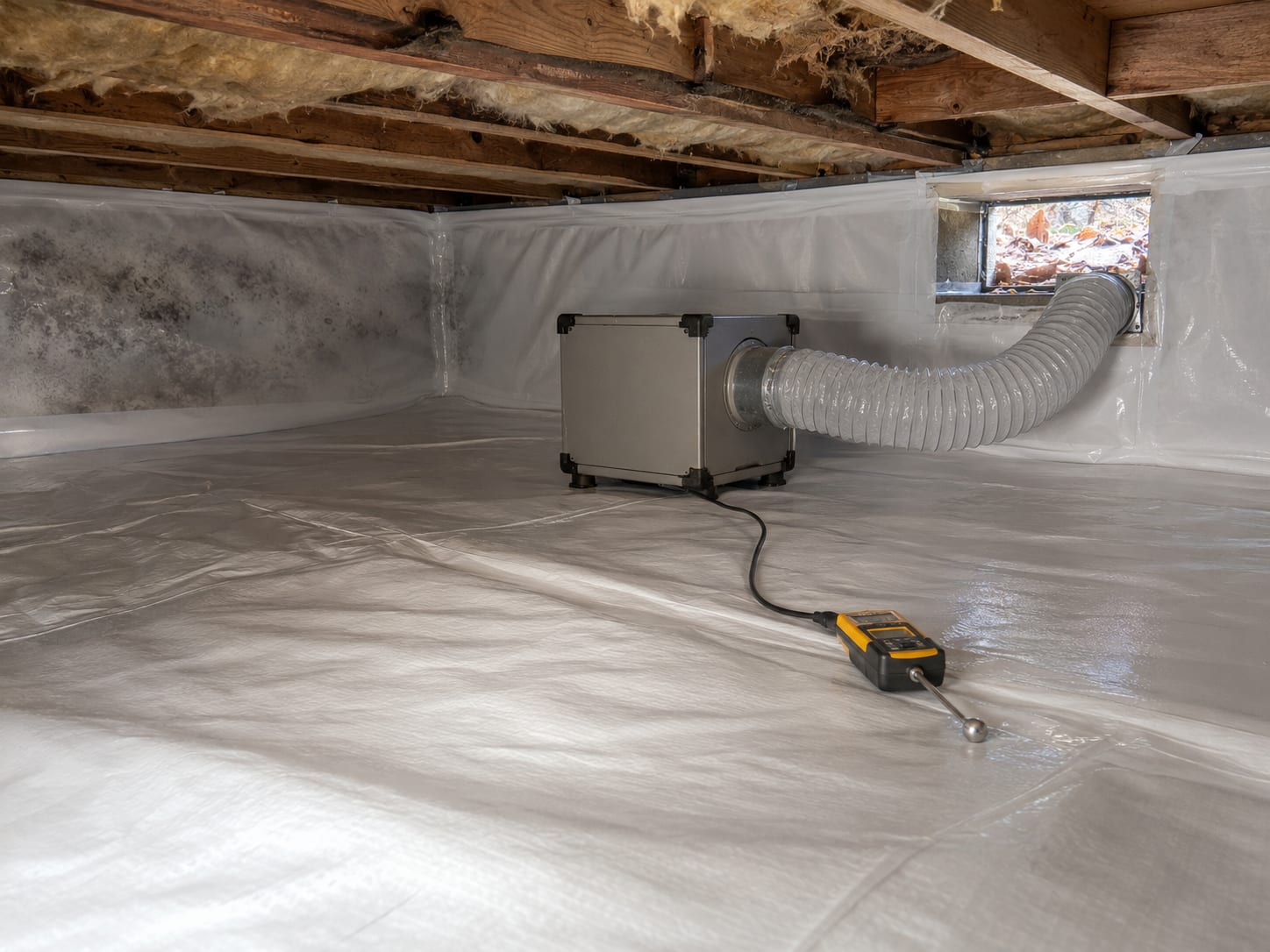
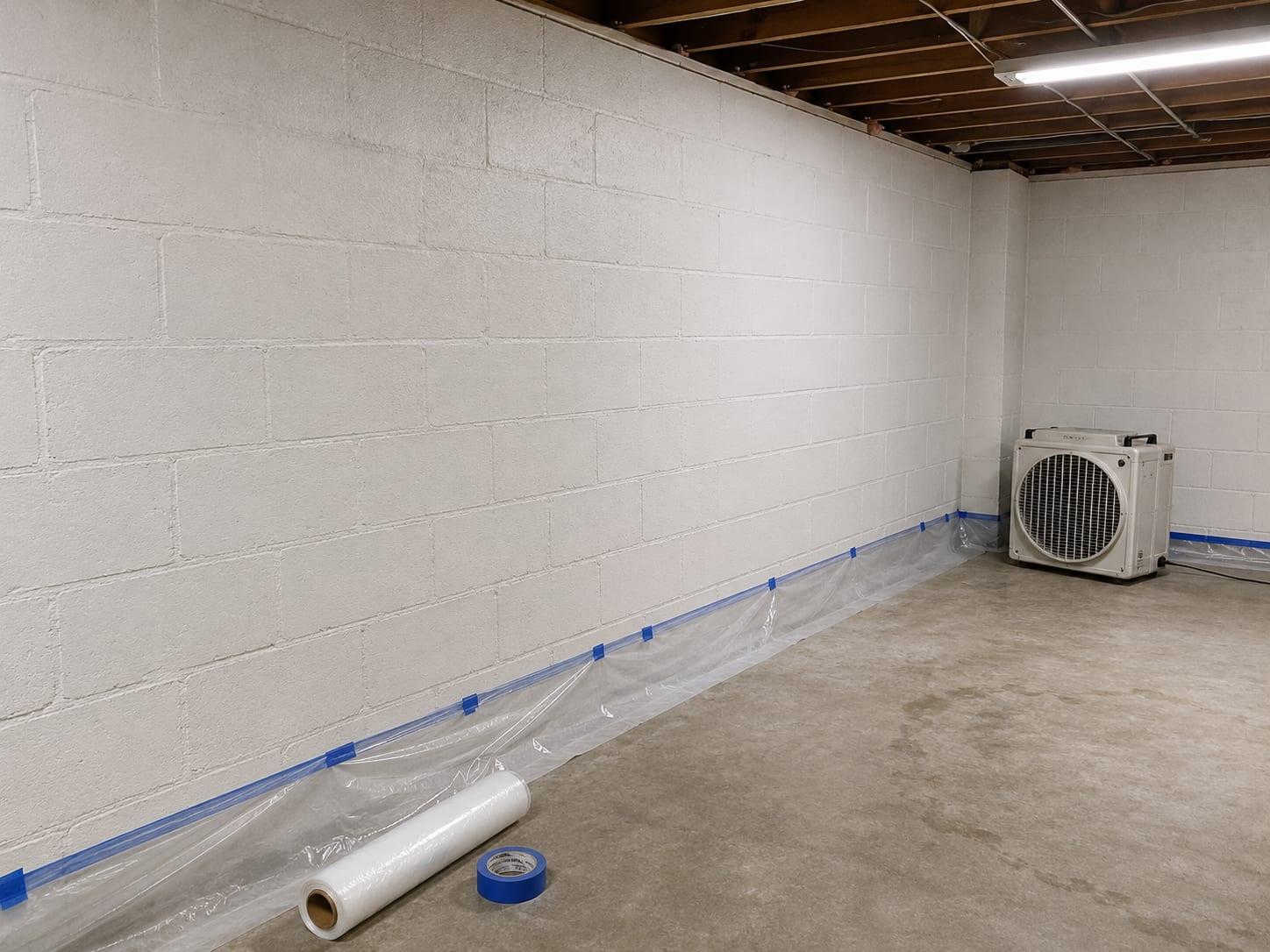
The removal process begins before a single piece of material is touched. Technicians assess the full scope of contamination, identify the moisture source driving the growth, and establish containment barriers using plastic sheeting and negative air pressure systems to prevent spores from migrating to unaffected areas. HEPA-filtered air scrubbers run throughout the job. Once the work area is isolated, affected materials are removed, treated with EPA-registered antimicrobial agents, and disposed of according to proper protocols. The result is a treated, cleared space, not just a cleaner-looking one.
Why Does Black Mold Require Specialized Removal Protocols?
Not all mold is the same, and black mold calls for enhanced protective measures that go beyond standard remediation. Stachybotrys chartarum produces mycotoxins, and prolonged exposure in a poorly ventilated or improperly remediated space can create ongoing air quality problems. The IICRC S520 standard explicitly calls for heightened personal protective equipment and more rigorous containment when toxigenic species are involved.
One of the most common mistakes property owners make is treating black mold as a cleaning project rather than a remediation project. Scrubbing visible growth with household cleaners doesn't address the root cause, and disturbing mold colonies without proper containment can spread spores to other parts of the building through the air. HVAC systems are a particular concern: mold spores are small enough to enter ductwork and redistribute throughout the property, which is why HVAC mold remediation is often a necessary companion to black mold removal in older or moisture-prone homes.
New Jersey's combination of humid summers, wet shoulder seasons, and older housing stock creates ideal conditions for sustained mold growth. Properties near the coast face additional humidity challenges, and inland homes with finished basements or crawl spaces are particularly vulnerable after any water intrusion event. Correcting the moisture source is a non-negotiable part of any responsible black mold removal job.
How Does the Black Mold Removal Process Work, Step by Step?
Every black mold removal project at ExecPro Restoration & Cleaning follows a defined sequence. Here is what you can expect from first contact to final clearance.
Scroll the steps sideways to follow the full process.
Where Does Black Mold Most Often Show Up in NJ Homes?
Certain areas of a home or commercial property give black mold a reliable foothold. Knowing the most common locations helps property owners know where to look and when to call.
Basements and Crawl Spaces
These areas sit closest to the ground and are most susceptible to moisture intrusion from rain, groundwater, or foundation seepage. New Jersey's seasonal rainfall patterns make finished and unfinished basements one of the most common locations for black mold in the region. Basement mold remediation often involves both surface treatment and moisture control measures to prevent recurrence.
Attics
Poor attic ventilation traps humidity and creates the warm, damp conditions that Stachybotrys and other molds need to take hold. Roof leaks, improperly vented bathroom exhaust fans, and inadequate insulation all contribute. Attic mold is often found during a home inspection, and attic mold remediation is a common pre-listing service for sellers in this region.
Bathrooms
Consistent moisture, limited airflow, and organic materials like drywall and grout make bathrooms a frequent target. Black mold behind tile, under vanity cabinets, and around shower surrounds is common in older bathrooms that haven't been properly ventilated or caulked. Bathroom mold remediation typically involves careful material removal and treatment of affected substrates without a full renovation.
Crawl Spaces
Vented crawl spaces in New Jersey pull in humid outdoor air during warmer months, saturating the wood structure above with moisture. Once relative humidity inside a crawl space rises above roughly 60 percent consistently, mold growth on floor joists and subfloor sheathing becomes nearly inevitable. Crawl space mold remediation addresses both the existing growth and the conditions that allowed it to develop.
Around HVAC Equipment
Air handlers, drain pans, and ductwork surfaces are susceptible to mold growth when condensation accumulates or when humid air circulates through a system without adequate filtration. Because the HVAC system moves air throughout the entire property, mold in these components can affect air quality in every room, not just the mechanical room.
After Water Damage Events
Any property that has experienced a burst pipe, flooding, or sewage backup is at elevated risk for black mold within 24 to 72 hours if materials aren't dried quickly. Water damage restoration that includes rapid structural drying significantly reduces the likelihood of secondary mold growth, but properties that weren't dried promptly often develop colonies behind walls and under flooring that aren't visible until well after the initial event.
How Much Does Black Mold Removal Cost in New Jersey?
Cost depends on scope, and scope varies considerably. In New Jersey, professional black mold remediation typically ranges from around $500 for a contained, small-area job to $7,000 or more for extensive contamination involving multiple areas or significant material removal. The average project falls somewhere around $2,500, but that number only means something in context.
Several factors move the number up or down: the total square footage of contamination, whether affected materials like drywall or insulation need to be removed and replaced, the location within the property (attic and crawl space work involves more labor and access challenges than an open basement), and whether post-remediation clearance testing is included in the scope. Jobs that require HVAC inspection and cleaning as part of the remediation will add to the overall cost.
What isn't worth trying to save money on is the quality of the containment and the thoroughness of the removal. Incomplete remediation that leaves active mold behind or fails to address the moisture source will result in regrowth, and a second remediation job typically costs more than doing the first one right. ExecPro Restoration & Cleaning provides clear assessments of scope and cost before any work begins, so there are no surprises partway through a project.
What Makes ExecPro Restoration & Cleaning the Right Choice for Black Mold Removal?
ExecPro Restoration & Cleaning has been serving property owners across central and coastal New Jersey since 2015, handling black mold removal jobs ranging from single-room bathroom situations to whole-house contamination following major water damage events. The work follows IICRC S520 standards, the company is licensed and insured, and every project includes documentation you can actually use, whether that's for an insurance claim, a real estate transaction, or your own records.
One thing that distinguishes ExecPro from contractors who offer mold removal as a sideline is end-to-end capability. Post-remediation verification testing confirms clearance after the job is done. If the removal exposed structural damage or required drywall removal, drywall replacement after mold and other build-back services are available through the same company, so you're not coordinating multiple contractors to get a space back to livable condition.
Real estate professionals find particular value in ExecPro's ability to handle the full scope. Agents representing buyers or sellers frequently need assessment, remediation, and clearance documentation completed within a specific timeline. ExecPro works within those constraints and provides written results that satisfy lender and inspection requirements. Pre-purchase mold inspection and real estate inspection services are available alongside the removal work itself.
Property managers overseeing multifamily portfolios or commercial buildings also rely on ExecPro for recurring mold assessment and property management mold services that help them stay ahead of issues rather than responding reactively. The goal in every case is the same: a property that's cleared, documented, and protected against the conditions that allowed mold to develop in the first place.
Black Mold Removal FAQs
These are the questions property owners most commonly ask before and during a black mold removal project.
In most cases, occupants can remain in unaffected parts of the home while remediation is underway, because containment barriers and negative air pressure systems isolate the work area from the rest of the living space. However, if contamination is extensive and affects central areas or the HVAC system, temporary relocation may be advisable until clearance testing confirms air quality has returned to normal. Your technician will give you a clear recommendation based on the actual scope of your project.
ExecPro Serves Property Owners Across Central and Coastal New Jersey
ExecPro Restoration & Cleaning handles black mold removal projects throughout a wide service area that includes Princeton Junction, West Windsor, Lawrenceville, Hamilton, Trenton, New Brunswick, Bridgewater, Flemington, Red Bank, Freehold, Lakewood, Cherry Hill, Burlington, and dozens of surrounding communities across central and coastal New Jersey. Whether you're dealing with a contained bathroom situation or a larger contamination event in an older home, the same process and the same standards apply.
If you've identified or suspect black mold in your property, the right next step is a professional assessment rather than a DIY attempt. Getting accurate information about the scope early makes every subsequent decision easier, from budgeting to timeline to whether your insurance carrier needs to be involved.
For mold remediation in Princeton Junction, NJ and across the region, ExecPro Restoration & Cleaning is available to assess, remediate, and document the work from start to finish.