Water Damage Restoration in Central & Northern New Jersey
ExecPro Restoration & Cleaning handles the full scope of water damage response, from emergency extraction through structural drying, antimicrobial treatment, and reconstruction, following IICRC S500 standards so your property is fully restored, not just dried out.
What Is Water Damage Restoration and What Does It Include?
Water damage restoration is the complete process of removing standing water, drying the structure, treating affected materials, and rebuilding what can't be saved. When water gets into a home or commercial property, the visible mess is only part of the problem. Moisture travels into wall cavities, subfloors, insulation, and framing, where it stays hidden and causes ongoing structural deterioration and mold growth if it isn't fully addressed.
ExecPro Restoration & Cleaning provides full-service water damage response across central and northern New Jersey, covering everything from the first emergency call through final reconstruction. Every job follows IICRC S500 standards, the nationally recognized guidelines for professional water damage restoration, so the work isn't guesswork. It follows a defined, documented protocol for assessment, extraction, drying, and verification.
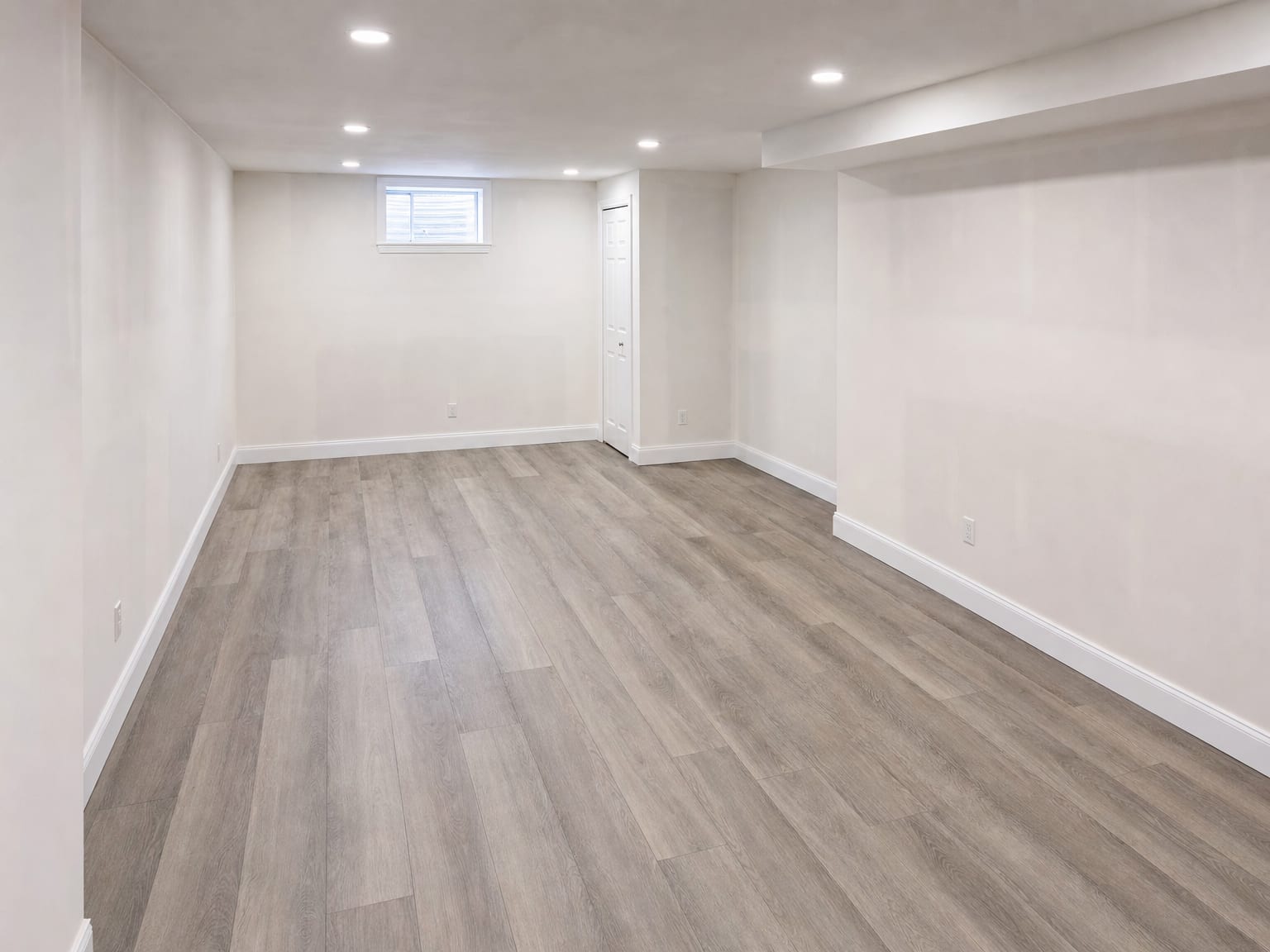
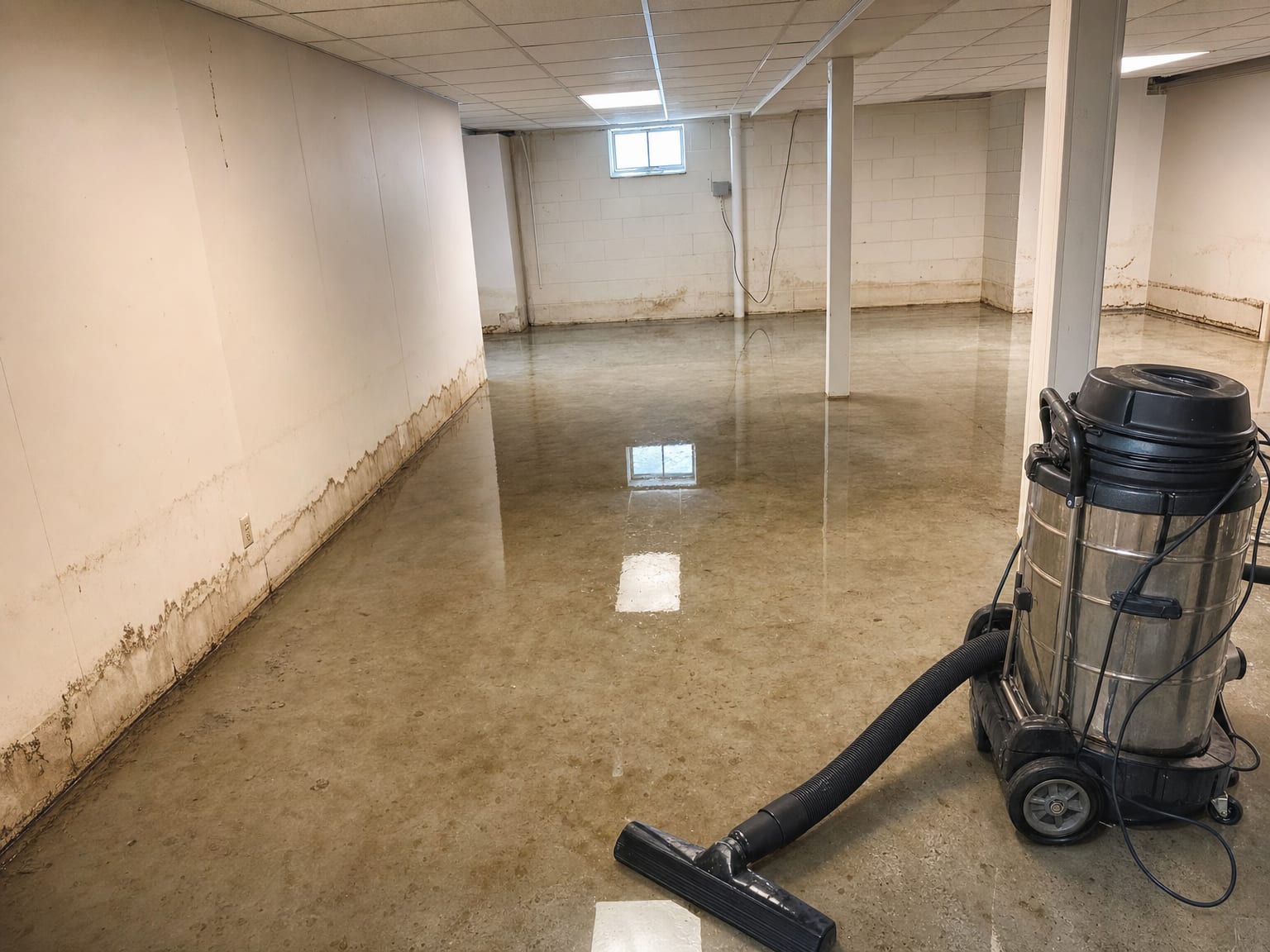
The service covers burst pipe cleanups, flood damage, sewage backups, storm-related water intrusion, appliance failures, and any other source of water that enters a building where it shouldn't be. Whether you're dealing with a finished basement that took on water during a heavy rain or a kitchen soaked by a supply line failure, the approach is consistent: stop the source, extract the water, dry the structure completely, and restore what was damaged.
Restoration isn't just about getting the property dry. It's about getting it back to the condition it was in before the damage, or better. That's why ExecPro's water damage work connects directly into post-water damage reconstruction when structural repairs or material replacement are needed after drying is complete.
Why Acting Quickly on Water Damage Matters
The longer water sits in a structure, the worse the damage gets. Within the first day or two, porous materials like drywall, wood framing, and insulation absorb moisture and begin to swell, warp, or delaminate. After 24 to 48 hours, mold can start to grow on wet organic materials, and once mold takes hold in wall cavities or under flooring, you're no longer dealing with a water damage job alone.
New Jersey's climate makes this especially relevant. Spring thaws, summer thunderstorms, fall drainage clogs, and winter freeze-thaw cycles create year-round water intrusion risk. Properties throughout central NJ, from basements in Princeton Junction and Hamilton to crawl spaces in Flemington and Bridgewater, face repeated seasonal exposure that compounds the damage from any single event. Aging supply lines, cast iron drain pipes, and older sump pump systems fail without warning, and when they do, the window for effective mitigation is short.
Speed also matters for your insurance claim. Proper documentation of the damage, moisture readings, and the drying process creates a clear record that supports your claim. Delayed action or incomplete drying can create disputes with insurers about what damage was pre-existing versus caused by the event. ExecPro works alongside property owners throughout the claims process to make sure the documentation is thorough and accurate.
How Does the Water Damage Restoration Process Work?
Every water damage job follows a structured sequence. Here's exactly how ExecPro Restoration & Cleaning approaches it.
Scroll the steps sideways to follow the full process.
What Types of Water Damage Does ExecPro Handle?
Water damage comes from many different sources, and each one brings its own complications. ExecPro Restoration & Cleaning is equipped for all of them.
Burst Pipes
Burst pipe cleanup addresses the fast, high-volume water release that comes from supply line failures, frozen pipes that thaw and rupture, or pipe joint failures in older plumbing systems. These events often dump significant water quickly into finished living spaces, requiring rapid extraction and immediate drying to limit structural saturation.
Storm and Flood Damage
Storm damage restoration covers water intrusion from roof damage, window or door failures, foundation seepage, and surface flooding during heavy rain events. Flood damage cleanup addresses both stormwater and groundwater events, including the contamination concerns that come with water that has traveled across soil or through drainage systems before entering the property.
Sewage Backups
Sewage events are categorized as Category 3 water, meaning the water is grossly contaminated and poses direct health risks. Cleanup requires full personal protective equipment, controlled removal of all contacted materials, heavy disinfection, and air quality verification before the space is safe for occupancy. This isn't a job for standard wet-dry vacuums and fans.
Basement Water Intrusion
Basements across central NJ are vulnerable to water entry through foundation walls, floor cracks, window wells, and failing sump pumps. Basement drying addresses both the immediate water removal and the underlying moisture conditions that allow water to penetrate in the first place, protecting finished basement spaces and the structural slab.
Appliance and Plumbing Failures
Dishwasher supply line failures, washing machine hose blowouts, water heater leaks, and refrigerator ice maker line failures are among the most common water damage sources in residential properties. These events are contained to a smaller area but can saturate subfloors, cabinets, and walls quickly if water runs unchecked for any period of time.
HVAC and Roof Leaks
Condensate drain failures, coil leaks, and roof penetrations that allow water to travel into attic spaces and wall cavities are particularly damaging because they often go undetected for weeks. By the time visible staining appears on a ceiling or wall, the moisture has already spread significantly, and mold growth is often already present in the concealed areas.
The Connection Between Water Damage and Mold
Water damage and mold aren't separate problems. They're sequential ones. When a structure isn't fully dried after a water event, mold growth follows within 24 to 48 hours on wet organic materials like drywall paper, wood framing, and flooring substrates. By the time mold becomes visible as discoloration on a surface, the growth has already been established in the materials behind it.
This is one of the most important reasons to work with a restoration company that handles both water damage and mold. If incomplete drying leads to mold growth, a company that only handles one of those problems either misses the mold entirely or sends you to a different contractor, which means more coordination, more delays, and a property that isn't fully addressed.
ExecPro Restoration & Cleaning's mold remediation capabilities are directly integrated with water damage restoration work. When the assessment identifies active mold growth or conditions that suggest mold is likely present, remediation is incorporated into the restoration scope from the start rather than treated as a separate project. For properties where mold growth is confirmed, post-remediation verification air sampling confirms that the remediation was successful before the structure is closed back up.
Properties with recurring moisture problems sometimes have mold in areas that weren't touched by the current water event. A thorough initial assessment looks for evidence of prior water damage and existing mold growth throughout the property, not just in the area most obviously affected, so that everything gets addressed in one coordinated scope of work.
Why Work with ExecPro Restoration & Cleaning?
There are plenty of restoration companies in New Jersey. Here's what makes ExecPro Restoration & Cleaning worth calling first.
IICRC S500 Standards on Every Job
The IICRC S500 standard defines correct protocols for assessment, extraction, drying, and verification. Following these standards is how every ExecPro water damage job is managed, which matters when you're documenting damage for an insurance claim and need proof that the work was done correctly.
Licensed, Insured, and Accountable
ExecPro Restoration & Cleaning is fully licensed and insured to perform restoration work in New Jersey. That protects you as a property owner throughout the job, and it's a baseline credential you should require from any contractor working on your home or commercial building.
One Contractor from Water to Finished
Extraction, drying, mold remediation, and reconstruction are all available under one company. You don't have to manage separate contractors, re-explain the damage history to a new team, or wait for handoffs between companies. The scope of work is coordinated from the first call through the final walkthrough.
Thermal Imaging for Hidden Moisture
Moisture meters and infrared thermal imaging are standard tools on every assessment. These instruments find moisture inside walls, ceilings, and floors that can't be seen by visual inspection alone, so the drying scope is based on actual moisture conditions throughout the structure rather than just what's visible on the surface.
Insurance Claim Support
Proper moisture mapping, photo documentation, drying logs, and moisture reading reports create the paper trail that insurance claims require. ExecPro works alongside property owners and their insurance contacts to provide accurate, detailed documentation of the damage and the restoration process.
Serving Central and Northern New Jersey
ExecPro Restoration & Cleaning serves Princeton, Trenton, Hamilton, Flemington, New Brunswick, Freehold, Bridgewater, Red Bank, Lakewood, Burlington, and dozens of surrounding communities. Local response times matter in water damage situations, and a team that knows the region's properties and infrastructure responds more effectively.
Frequently Asked Questions About Water Damage Restoration
These are the questions property owners in New Jersey most commonly ask when dealing with water damage for the first time.
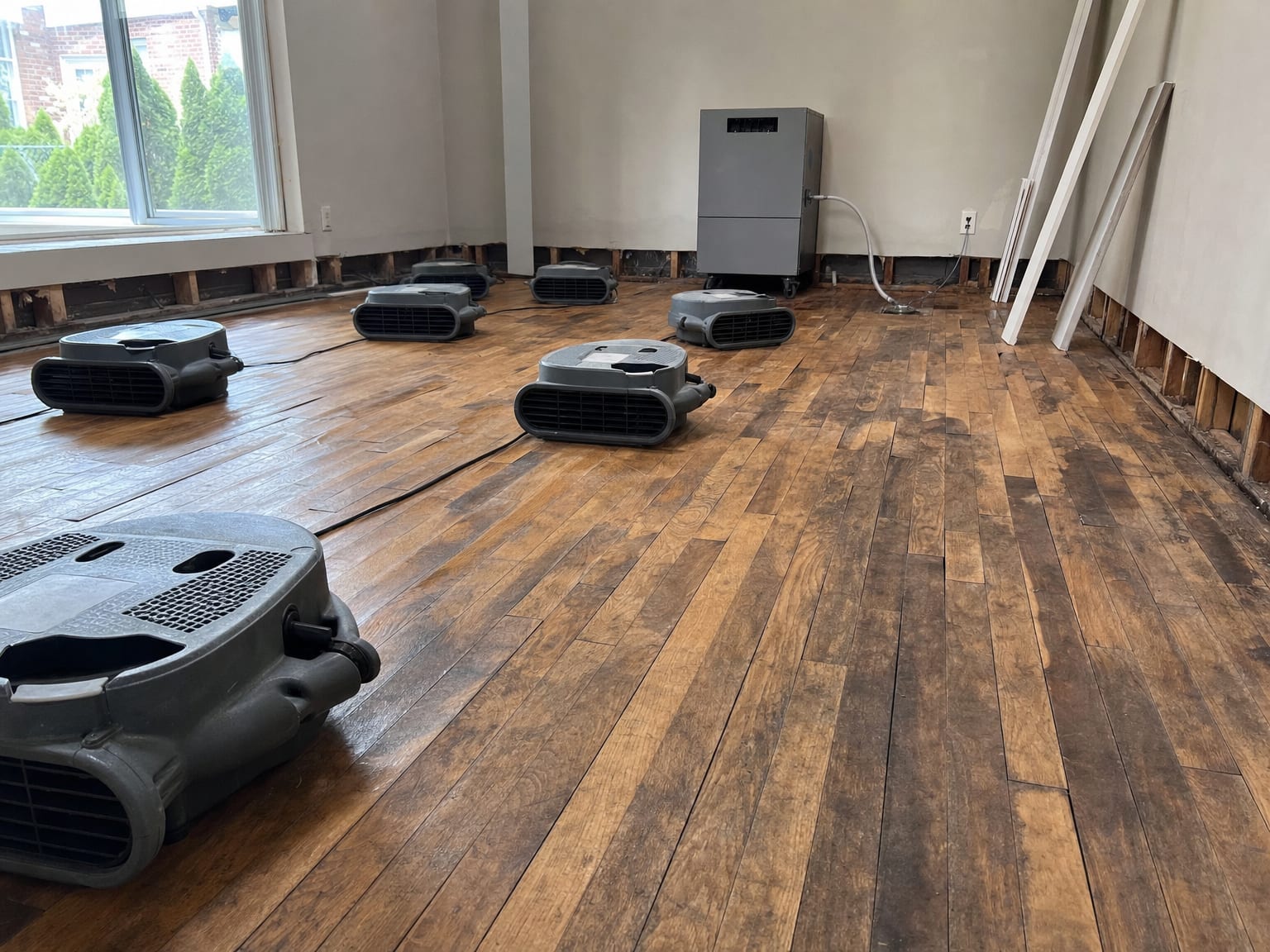
The drying phase alone typically takes three to five days using commercial air movers and dehumidifiers, though larger jobs or structures with complex cavities can take longer. Assessment and extraction happen on day one. If materials need to be removed and replaced, the full project timeline including reconstruction will depend on the scope of the damage and material availability. Your technician will give you a realistic timeline after the initial assessment.
Call ExecPro Restoration & Cleaning Today
Call (888) 300-3772 or email hello@execprorc.com. ExecPro Restoration & Cleaning serves Princeton Junction, Hamilton, Trenton, New Brunswick, Freehold, Flemington, Bridgewater, Red Bank, Lakewood, Burlington, and communities throughout central and northern New Jersey.