Storm Damage Restoration in Central New Jersey
When a storm leaves your property wet, damaged, or at risk, ExecPro Restoration & Cleaning provides emergency response, water extraction, structural drying, and full rebuild services across central and northern New Jersey.
What Is Storm Damage Restoration?
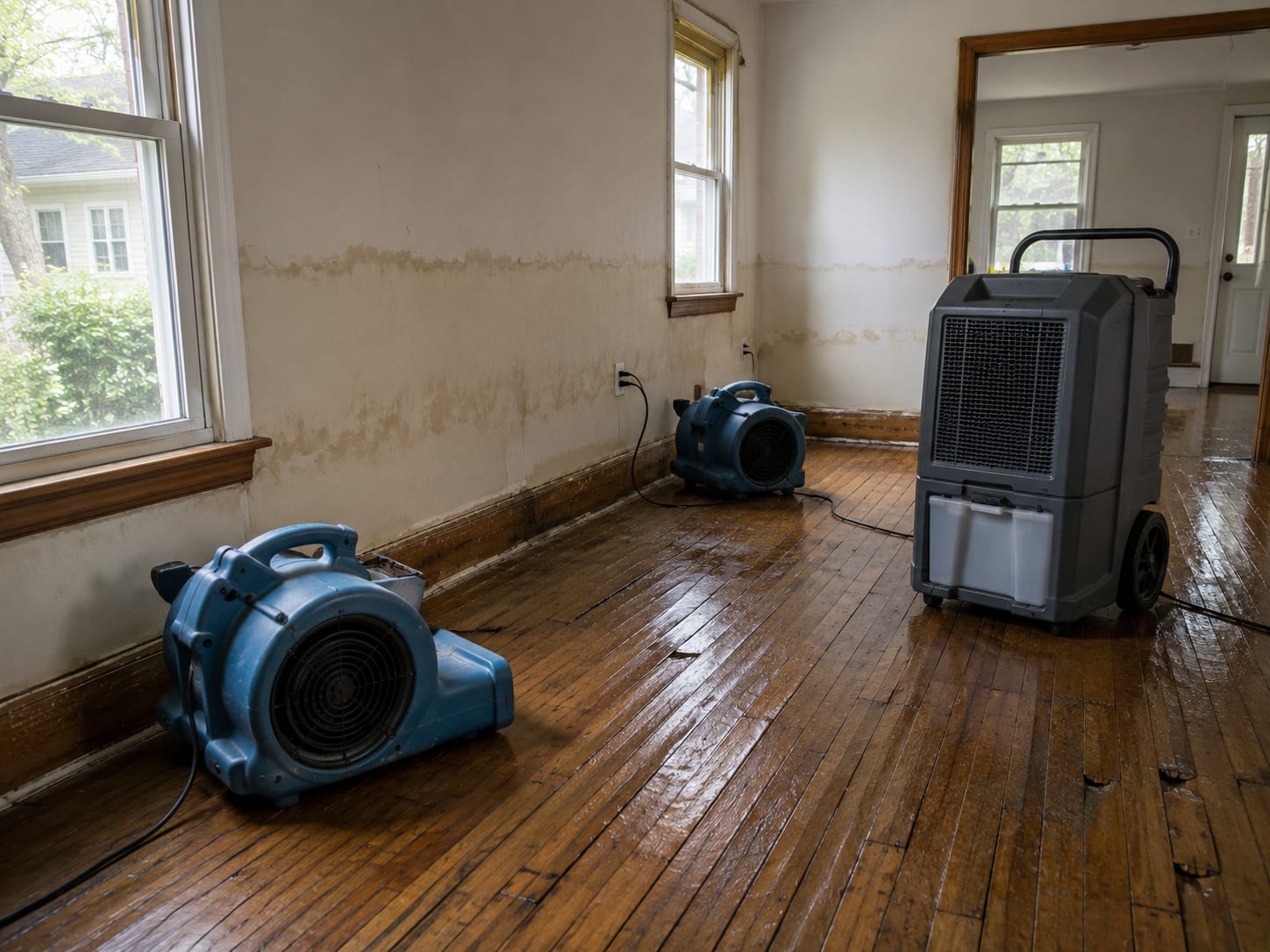
Storm damage restoration is the complete process of stabilizing, drying, cleaning, and rebuilding a property after severe weather causes water intrusion, wind damage, or structural harm. At ExecPro Restoration & Cleaning, that process covers everything from the moment standing water appears to the day your repaired walls and floors look like nothing ever happened. The scope depends on what the storm left behind, but the goal is always the same: stop the damage from spreading, dry the structure completely, and restore your home or building to its pre-storm condition.
New Jersey weather doesn't give much warning. Nor'easters, summer thunderstorms, tropical remnants, and flash floods can push water through rooflines, foundation walls, basement windows, and sump overflow points faster than any pump can keep up. What makes storm water damage different from a simple leak is the combination of volume, speed, and contamination risk. Floodwater can carry sediment, debris, and pathogens. Wind-driven rain can reach wall cavities that stay wet for weeks if they're not found and dried properly.
The risk that most homeowners underestimate is mold. According to the EPA and FEMA, mold can begin developing on wet organic materials within 24 to 48 hours of a water intrusion event. That window is short, and it's exactly why speed matters as much as thoroughness in storm restoration work.
What Kinds of Storm Damage Does ExecPro Handle?
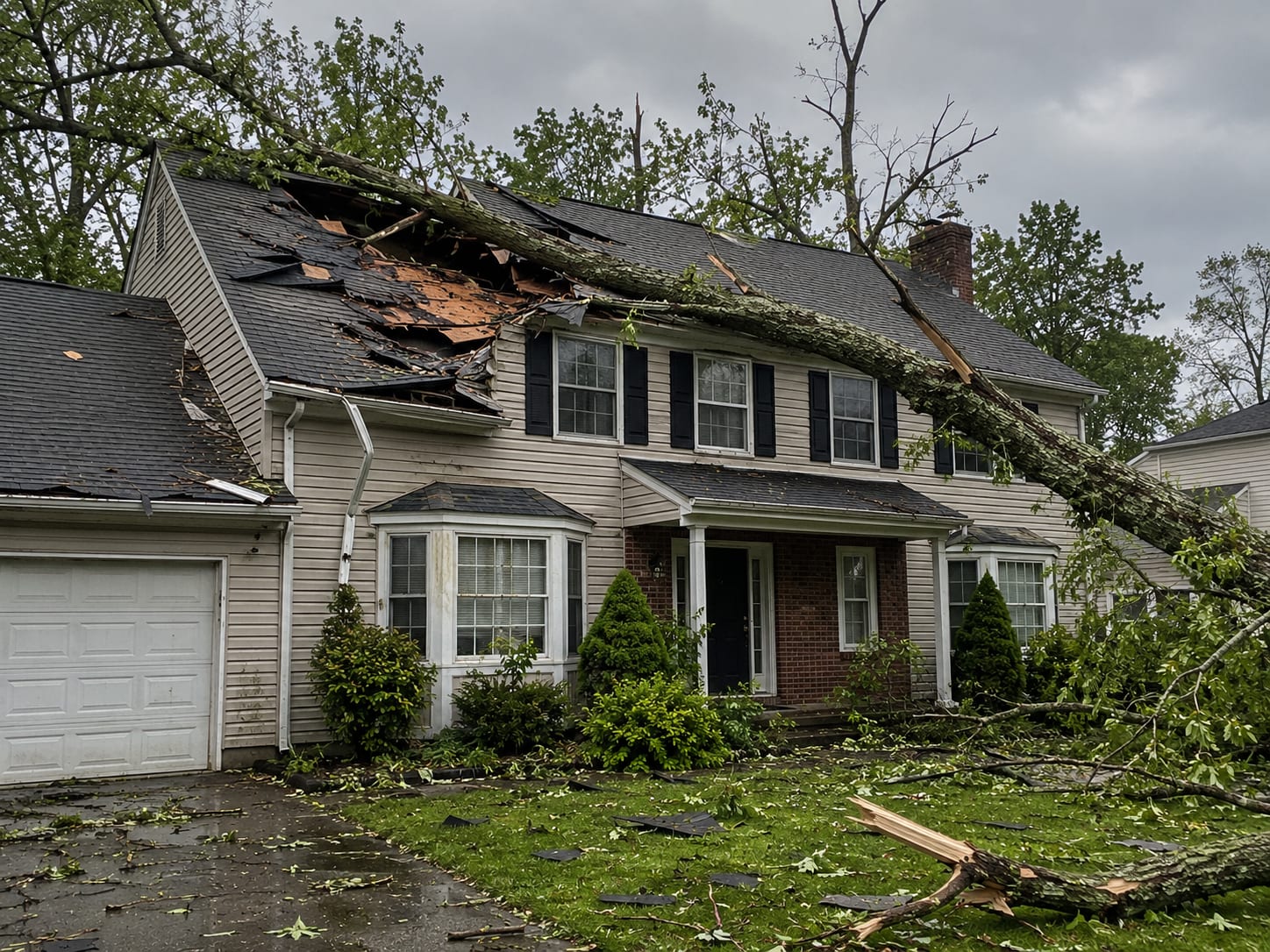
Storms hit properties in different ways, and each type of damage requires a different response. ExecPro Restoration & Cleaning is equipped to handle the full range of storm-related water and structural damage across central New Jersey.
Roof Leaks and Wind Damage
Missing shingles, lifted flashing, and damaged roof decking let rainwater pour directly into attic insulation, ceiling framing, and the living space below. Wet insulation holds moisture for a long time and is a prime location for mold growth if not removed and dried quickly.
Basement Flooding
Heavy rainfall overwhelms sump pumps, backs up through floor drains, and seeps through foundation cracks and window wells. Basement flooding can saturate concrete, framing, drywall, insulation, and personal contents within hours. Our basement drying service addresses the full scope of moisture intrusion below grade.
Foundation and Window Well Seepage
Saturated soil creates hydrostatic pressure against foundation walls, pushing water through cracks, gaps around pipes, and poorly sealed window wells. This type of intrusion is often slower and less dramatic than flooding, but it still leaves wall cavities, floor systems, and slab surfaces wet.
Sump Pump Failure
Power outages during storms are common in New Jersey, and a failed sump pump during heavy rain can flood a basement in a matter of hours. The resulting water intrusion often reaches finished walls, flooring, and stored belongings before the power comes back on.
Flood Damage from Surface Water
Storm surge, creek overflow, street flooding, and overland sheet flow can push significant volumes of water into structures at grade. Flood damage cleanup requires careful assessment of water source, contamination level, and the extent of material saturation before any drying begins.
Wind-Driven Rain Intrusion
High winds can force rain horizontally through window frames, wall penetrations, soffit vents, and roofline gaps that wouldn't leak under normal conditions. This moisture enters wall assemblies and can remain hidden behind intact drywall for days or weeks.
How Does Storm Damage Restoration Work?
The restoration process at ExecPro Restoration & Cleaning follows a structured sequence that prioritizes stabilization first, then thorough drying, then repair. Every step matters, and skipping any part of the sequence creates the risk of hidden moisture, ongoing damage, or mold development down the line.
Scroll the steps sideways to follow the full process.
Why Does Mold Risk Matter So Much After a Storm?
Most homeowners think about storm damage in terms of visible destruction: a collapsed ceiling, a flooded basement, or a pile of ruined furniture. What's harder to see, and often more expensive to deal with, is what happens inside wall cavities, under flooring, and behind insulation when moisture isn't found and dried quickly.
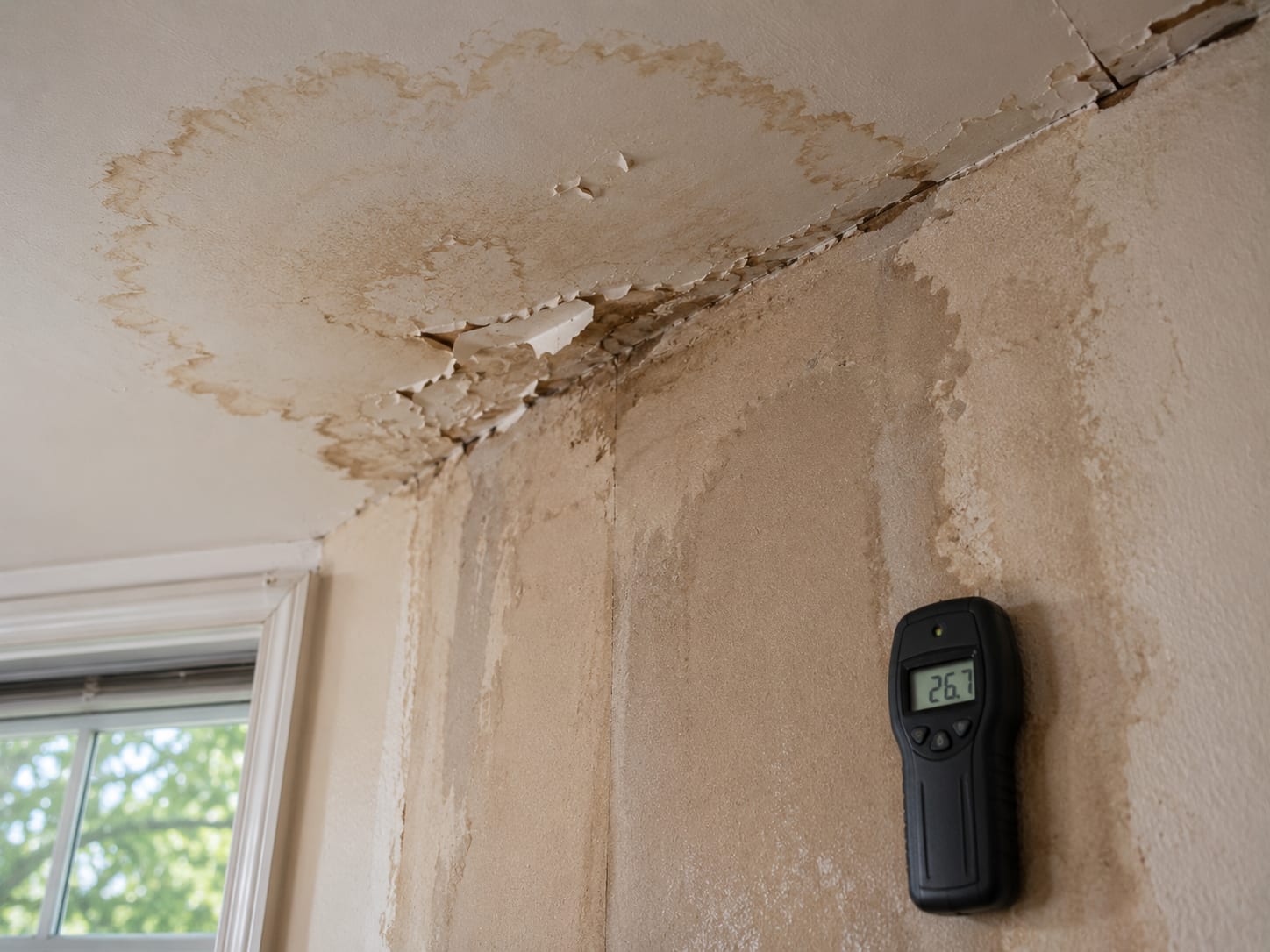
Storm water intrusion leaves organic building materials wet. Drywall, wood framing, insulation batts, and engineered lumber are all food sources for mold when moisture and temperature conditions are right. The EPA notes that mold growth can begin within 24 to 48 hours on wet materials, which means a storm event on a Friday night can produce visible mold colonies by Monday morning if nothing is done over the weekend.
The concern isn't just cosmetic. Mold colonies produce spores that become airborne and affect indoor air quality throughout a structure. For households with children, elderly residents, or anyone with respiratory sensitivities, that air quality impact is a real health concern, not an abstract one.
ExecPro Restoration & Cleaning addresses mold risk as a built-in part of storm restoration, not as an afterthought. When moisture readings and demolition findings suggest mold risk or active growth, we conduct post-remediation verification testing to confirm the structure is clean before closing up walls. That verification step is documentation you can keep for your records, your insurer, and any future buyer who asks about the property's history.
What Should You Do Immediately After Storm Damage?
The actions you take in the first few hours after a storm can make a significant difference in how much damage your property sustains. Here's how to approach it safely.
Stay Safe First
Do not enter a storm-damaged structure if there is any risk of electrical hazard, gas leak, structural instability, or rising water. Floodwater can conceal downed power lines and contaminated materials. Call emergency services if there is an immediate safety concern before calling a restoration company.
Document Before You Clean
Take photos and video of every affected area before moving anything or starting cleanup. Your insurance carrier will want documentation of the damage as it appeared after the storm. Capture water lines on walls, wet flooring, damaged ceilings, and any items that were destroyed.
Protect What You Can
Move dry contents away from wet areas to prevent secondary damage. If roof damage has created an active leak point, covering the area with a tarp can slow additional water entry, but only do this if it's safe to access the area. Do not walk on a structurally compromised roof.
Call a Restoration Professional Quickly
The 24-to-48-hour mold risk window means that calling early is always better than waiting to see how things dry out on their own. ExecPro Restoration & Cleaning offers 24-hour water damage response because the time between the storm and the first professional response directly affects how much remediation is needed later.
Understand Your Insurance Before You Assume Coverage
Standard homeowners insurance policies typically cover wind damage and sudden water intrusion from the storm itself, but flood damage from rising external water is usually covered under a separate flood insurance policy. Sump pump failure may require a separate rider. Review your policy and contact your carrier promptly, because most policies have reporting timeframes that can affect your claim.
Keep Records of All Restoration Activity
As work progresses, keep copies of all contracts, scopes of work, drying logs, moisture readings, and completion documentation. These records support your insurance claim, establish the repair history for future resale, and protect you if any dispute arises over the scope of work performed.
What Makes ExecPro Restoration & Cleaning the Right Choice for Storm Damage?
Most restoration companies handle water extraction and drying and then hand you a list of subcontractors to call for the rest. ExecPro Restoration & Cleaning handles the full scope of storm restoration, from the first emergency call to the final coat of paint, under one roof. That means fewer handoffs, fewer coordination headaches, and a single point of accountability for everything that happens to your property.
The mold remediation background that ExecPro brings to every storm restoration project is not something most general contractors can offer. When water intrusion exposes your structure to mold risk, you don't want to find out three months later that the restoration company missed wet framing behind drywall they closed up. Our moisture documentation process, drying standards, and mold assessment protocols are built around IICRC S500 practices, which are the industry benchmark for water damage restoration.
ExecPro Restoration & Cleaning is licensed and insured, and our teams work across a wide service territory in New Jersey, from the shore communities in Monmouth and Ocean counties to the suburban and rural corridors of Mercer, Somerset, and Hunterdon counties. Whether you're in Princeton Junction or Flemington, Lakewood or Bernardsville, you're in our service area.
For property managers and commercial property owners, storm damage carries the added weight of tenant obligations, liability concerns, and business continuity. ExecPro's commercial capabilities mean we can mobilize for multi-unit and commercial properties with the same speed and thoroughness we bring to residential work. Our insurance restoration experience means we know how to document and communicate damage in a way that supports the claims process without overpromising outcomes.
Frequently Asked Questions About Storm Damage Restoration
These answers address specific questions about storm damage restoration that come up most often from New Jersey homeowners and property managers.
The timeline depends on the scope of damage. Water extraction and initial stabilization can often happen within the first day. Structural drying typically takes three to five days for standard residential situations, though heavily saturated assemblies or large footprints can take longer. Rebuild work, including drywall, flooring, and painting, adds additional time depending on the extent of material removal. A property with moderate storm damage might be fully restored in two to three weeks; a major flooding event with significant demolition and rebuild could take longer. ExecPro Restoration & Cleaning will give you a timeline estimate based on your specific situation after the assessment.
Storm Damage Restoration Across New Jersey
ExecPro Restoration & Cleaning serves a broad territory across New Jersey, covering communities from the Jersey Shore to the Somerset Hills and from the Delaware River towns to the suburban corridors of Middlesex and Mercer counties. Storm damage doesn't follow zip codes, and neither does our response.
Shore communities including Spring Lake, Manasquan, Bay Head, and Sea Girt face storm surge and coastal flooding risks that differ from the inland flooding challenges in communities like Flemington, Clinton, or Lambertville along the South Branch and Delaware River corridors. Properties in the rolling terrain of Bedminster, Far Hills, and Peapack-Gladstone deal with hillside runoff and stream overflow. Urban and suburban communities including Trenton, New Brunswick, Hamilton, and Cherry Hill face their own combination of impervious surface runoff and aging stormwater infrastructure.
Whatever the storm type and wherever you are in our service territory, ExecPro Restoration & Cleaning brings the same thorough process: fast response, complete moisture documentation, IICRC-aligned drying practices, and full rebuild capability in-house. If your property is in a community we haven't specifically named here, call us. Our service area covers well over a hundred New Jersey communities, and we'll tell you directly if you're within our range.