Mold Removal in Central & Southern NJ
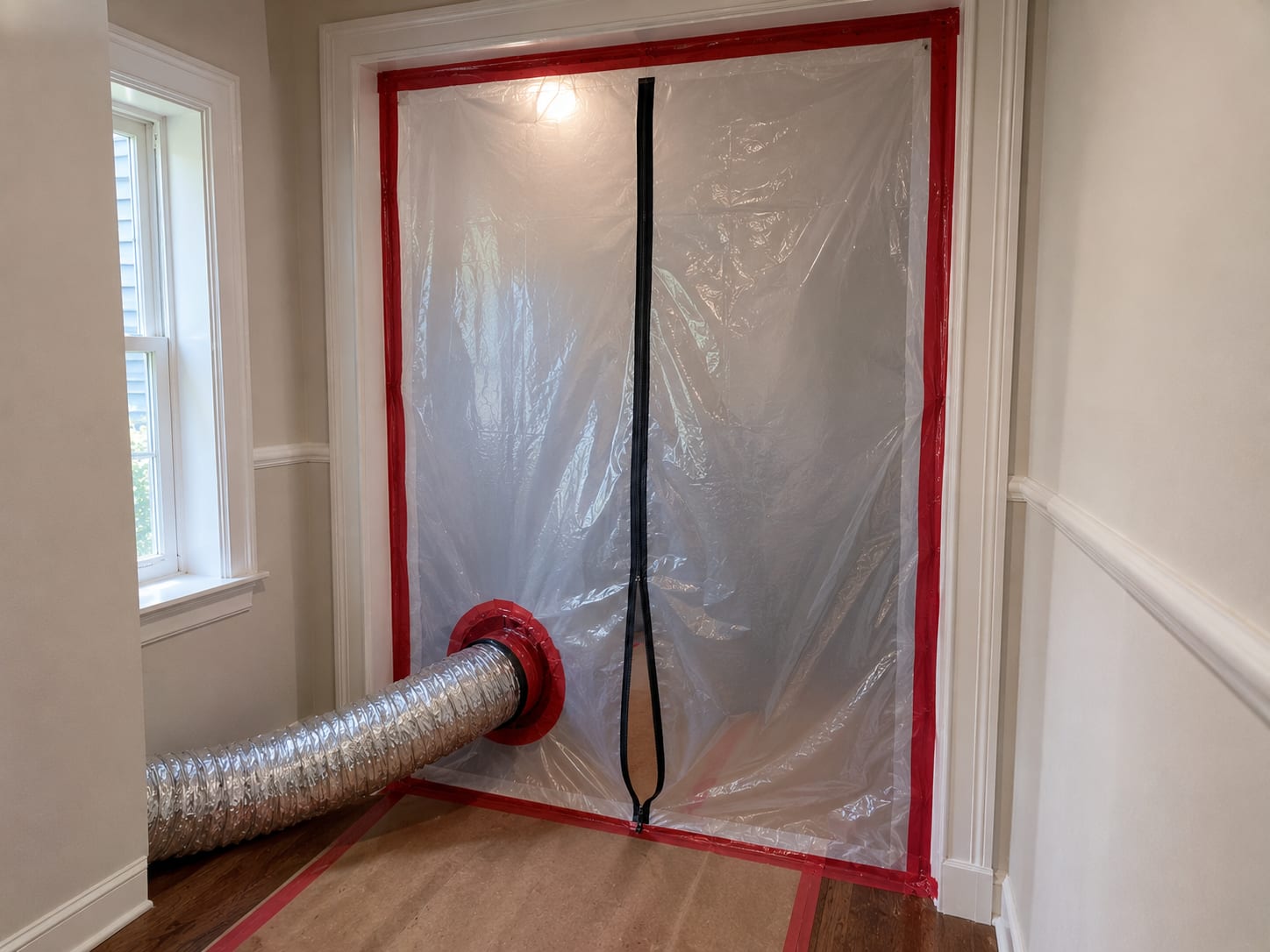
ExecPro Restoration & Cleaning physically removes contaminated materials, controls the work area with containment and HEPA filtration, and corrects the moisture source so mold doesn't return. We follow IICRC S520 standards and serve homeowners, property managers, and real estate professionals across central and southern New Jersey.
What Does Professional Mold Removal Actually Include?
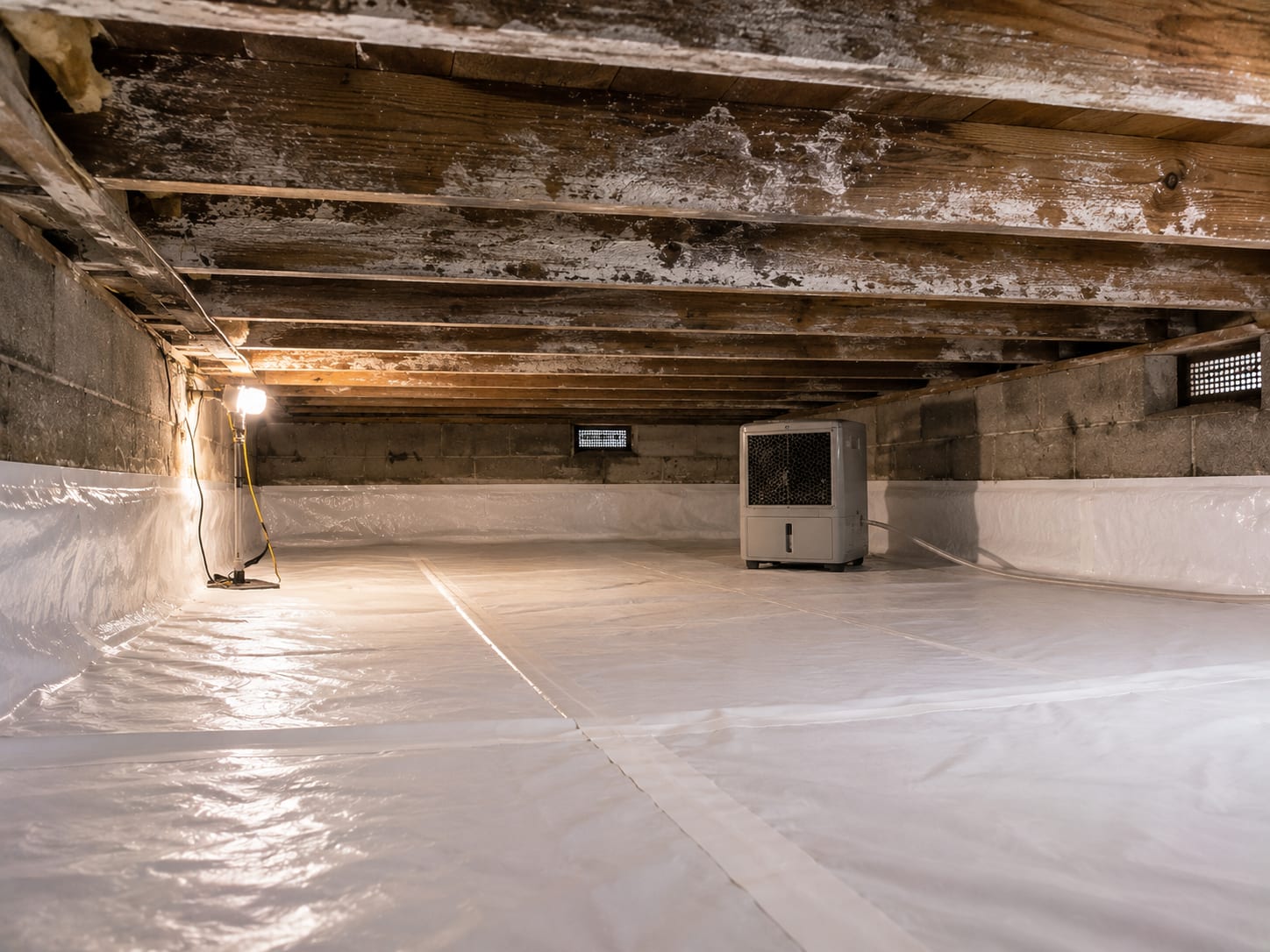
Professional mold removal means physically taking out contaminated materials, not just spraying over the surface. When you contact ExecPro Restoration & Cleaning, you get a complete scope: containment to isolate the affected area, HEPA vacuuming and damp wiping on salvageable hard surfaces, removal and proper disposal of porous materials that can't be cleaned, and moisture correction to stop the underlying problem. Most residential mold removal projects complete within one to three days depending on size and location, and every job follows the ANSI/IICRC S520 mold remediation standard.
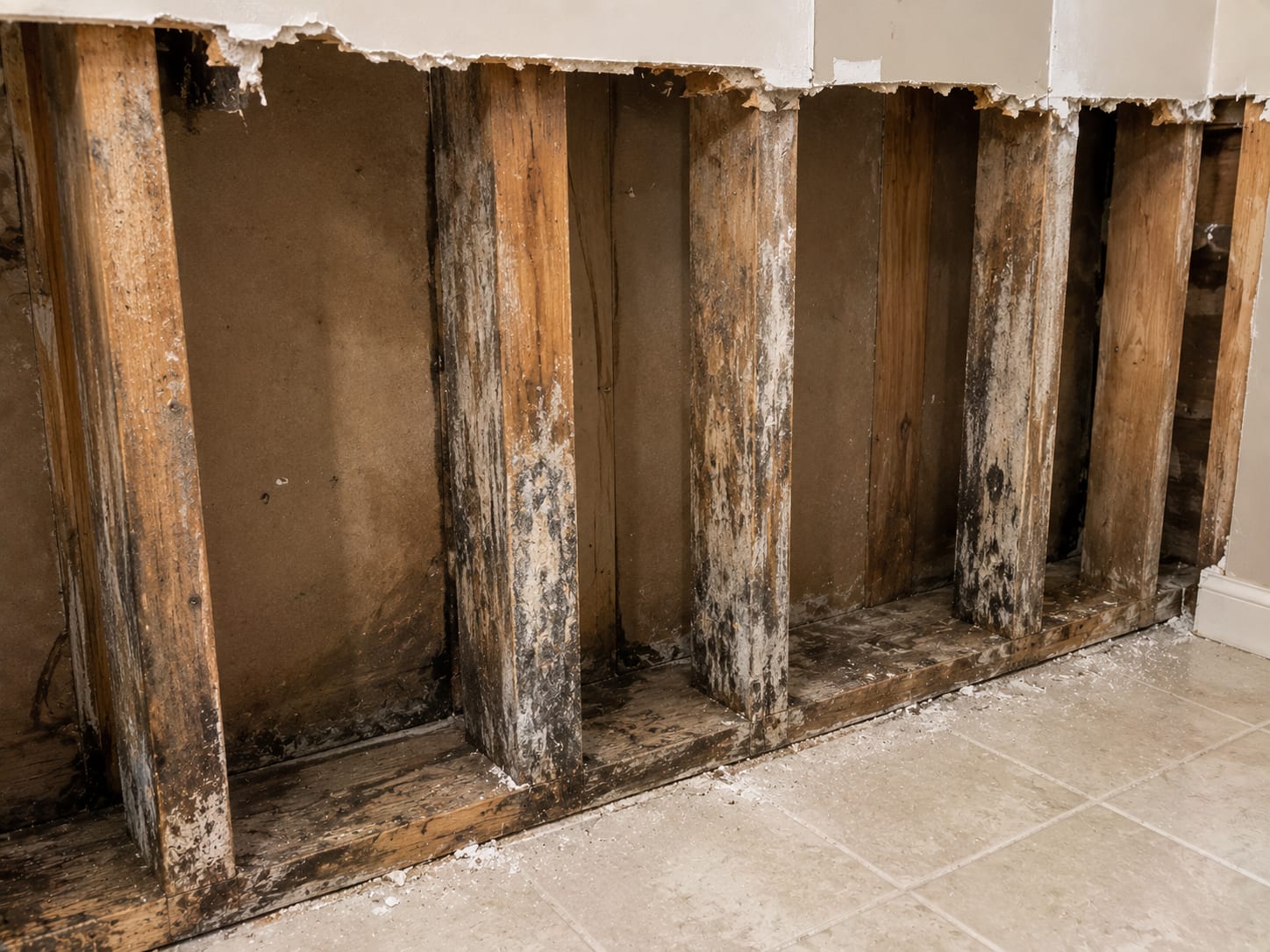
This distinction matters because spray-and-wipe approaches leave contaminated material in place. Drywall, insulation, ceiling tile, carpet, and similar porous materials absorb mold growth below the surface. Once those materials are beyond cleaning, physical removal is the only path to a dry, stable, mold-free result. ExecPro handles both the removal and, where needed, the rebuild so you're not managing two separate contractors.
Why NJ Homes Are Particularly Vulnerable to Mold
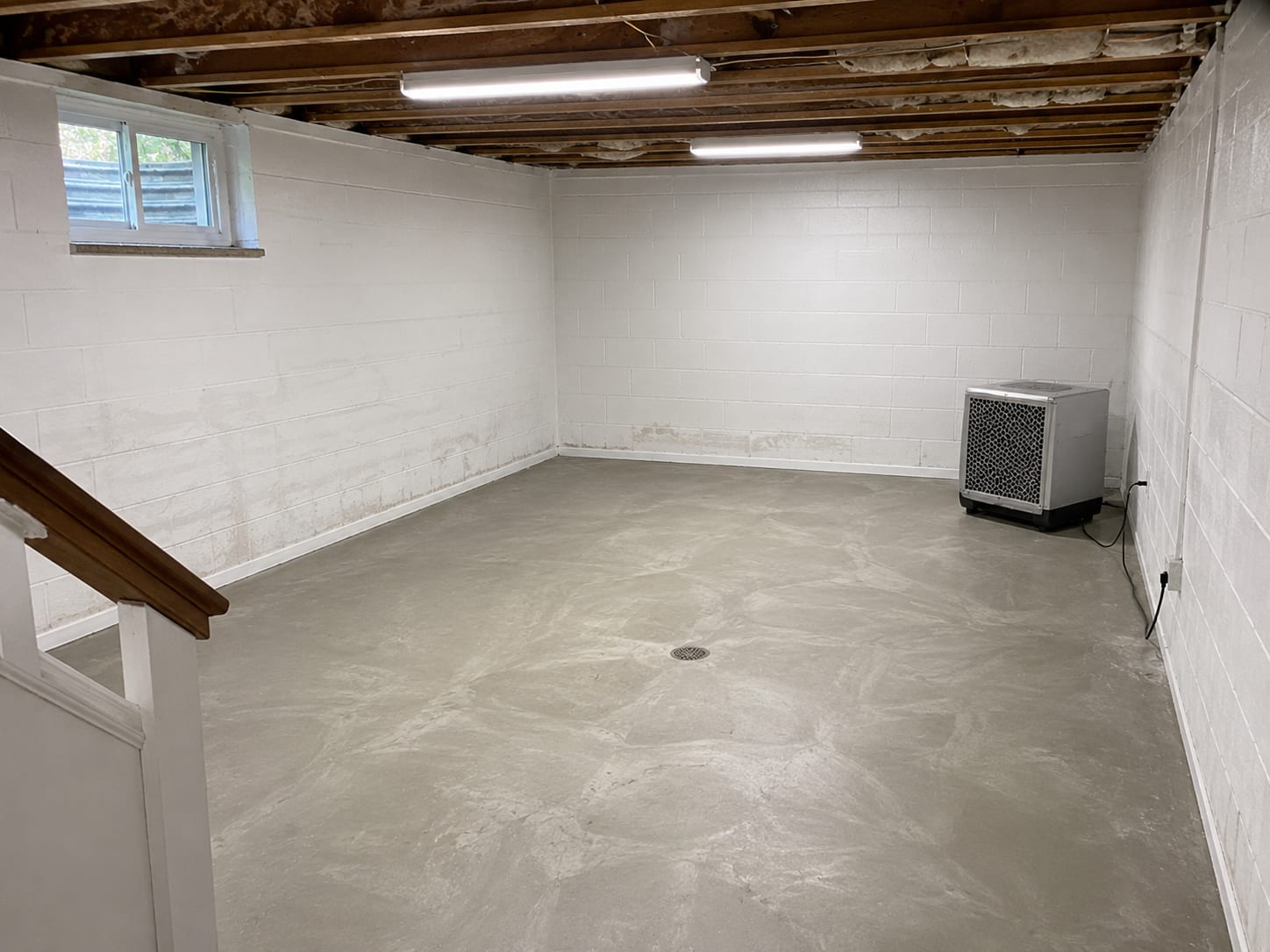
New Jersey's climate creates conditions for mold growth throughout the year. Hot, humid summers push indoor moisture levels up, especially in basements and crawl spaces with limited air circulation. Winter brings freeze-thaw cycles that stress foundations, flashings, and window seals, opening paths for water intrusion. Add in older housing stock, frequent basement seepage after heavy rain, and occasional burst pipes or flood events, and mold problems are a regular reality for NJ homeowners.
The NJ Department of Health points to basement seepage, roof leaks, plumbing failures, condensation, high indoor humidity, crawl space moisture, and HVAC condensation as the most common moisture sources behind residential mold growth. That list covers nearly every part of a typical NJ home. When any of these sources go uncorrected, mold can establish itself in as little as 24 to 48 hours on wet porous materials.
ExecPro Restoration & Cleaning treats moisture correction as a non-negotiable part of every mold removal job. Removing visible mold without fixing the underlying moisture source produces the same result every time: mold returns. Our technicians identify the source before any work begins, so the removal work actually holds.
How ExecPro's Mold Removal Process Works
Every mold removal project follows the same structured process, applied to the specific conditions of your property. Here's what that looks like from first contact to completed job.
Scroll the steps sideways to follow the full process.
What Gets Removed and What Can Be Saved
One of the most common questions homeowners ask is what actually has to come out versus what can be cleaned and kept. The answer depends on the material type and how deeply mold has penetrated it.
Porous materials are generally removed when mold growth is present. This includes drywall and drywall compound, fiberglass and cellulose insulation, ceiling tiles, carpet and carpet padding, and wood trim or cabinetry that has sustained significant surface mold. In severe cases, structural wood framing may require attention as well. These materials are porous enough that surface cleaning alone cannot reliably address contamination that has worked into the material itself.
Hard, non-porous surfaces are a different story. Concrete block, tile, metal pipes, glass, and similar materials can often be cleaned in place using HEPA vacuuming, damp wiping, and appropriate cleaning methods. Treated wood surfaces with light mold growth may also be cleanable depending on the extent of the problem. The key is honest evaluation rather than removing everything or cleaning everything. Our technicians make that call based on what's actually in front of them, not on a preset formula.
Attic sheathing is a good example of a situation that looks alarming but often isn't as severe as it appears. Mold on attic plywood is extremely common in NJ homes because of ventilation problems. In many cases the structural material is sound and can be cleaned in place after the ventilation or moisture issue is corrected. Knowing when removal is necessary and when cleaning is the right call takes experience with real jobs, not just textbook guidance. ExecPro technicians work through these decisions on every project.
Who Needs Professional Mold Removal?
Mold removal isn't a single-audience service. The people who call ExecPro Restoration & Cleaning come from a range of situations, and each one has different priorities.
Homeowners with Visible Mold
If you've found mold on a wall, ceiling, in a basement, or coming from behind a fixture, the right move is a proper scope assessment before anything else. Self-remediation with bleach or spray products addresses the surface without reaching what's below it. If the affected area is larger than about ten square feet, or if it's in a structurally sensitive area like an attic or crawl space, professional removal is the appropriate path.
Home Buyers
Mold found during a home inspection can complicate or kill a transaction. Buyers who want a clear picture of what they're getting into rely on ExecPro for pre-purchase assessments and, when removal is needed, for the work itself. Our pre-purchase mold inspection and removal services give buyers documentation they can use in negotiations or to make an informed decision.
Home Sellers
Sellers who address mold before listing are in a much stronger position than those who try to disclose their way through a problem during a transaction. Remediating prior to listing removes a negotiation variable, reduces the chance of a deal falling apart, and gives sellers documentation showing the work was done correctly. Our home buyer and seller protection services are built around this exact scenario.
Property Managers and Landlords
Multi-unit properties, apartment complexes, and rental homes require documented response when mold is reported by tenants. ExecPro Restoration & Cleaning provides written scopes, photo documentation, and clear reporting on every job, which supports landlords and property managers in demonstrating that complaints were handled properly and completely. Our property management mold services are designed with that documentation need in mind.
Insurance Claimants
Water damage from flooding, burst pipes, roof leaks, or appliance failures often leads to mold when drying is delayed or incomplete. If you're filing an insurance claim, documentation of what was found, what was removed, and how the work was performed is required. ExecPro Restoration & Cleaning works through our insurance restoration services to provide the scopes and records insurers need.
Real Estate Professionals
Agents handling transactions with mold findings need a remediation company that produces clear documentation, communicates reliably, and completes work on a schedule that fits a transaction timeline. ExecPro partners with real estate professionals across NJ to provide real estate inspection services and mold removal that keep deals moving.
What Makes ExecPro Restoration & Cleaning the Right Call for Mold Removal
There's no shortage of companies in NJ willing to quote a mold removal job. What separates ExecPro Restoration & Cleaning is a combination of process, scope, and honesty that shows up from the first conversation.
We follow IICRC S520 standards on every project, which means our work aligns with the professional benchmark for mold remediation rather than a proprietary method developed to suit our preferences. IICRC AMRT and WRT credentials support our technical approach to mold removal, moisture control, and water damage restoration. When our technicians make decisions in the field, those decisions are grounded in documented professional standards, not improvisation.
We're also one of the few providers in the area that handles both the mold removal and the rebuild under the same roof. After contaminated drywall or insulation comes out, the space needs to be restored. Drywall replacement after mold, flooring, paint, and trim are all part of what we do through our general contracting capabilities. You don't have to find a second contractor or manage two separate schedules.
Our documentation is thorough enough to support insurance claims, real estate transactions, and property management records. Every job produces a written scope, moisture readings, a photo record of conditions before and after, a list of materials removed, and post-work recommendations. That documentation has real value to every audience we serve.
ExecPro Restoration & Cleaning is licensed and insured, which matters whenever a contractor is doing demolition, material removal, or reconstruction work inside your home or commercial property. We're also honest about scope. If a situation doesn't require full professional removal, we'll tell you. If a test result or inspection finding doesn't point to a removal need, we're not going to recommend one to generate revenue. That approach builds trust and has grown our business through referrals across central and southern NJ.
Mold Removal in Your Area
ExecPro Restoration & Cleaning serves a wide corridor of central and southern New Jersey, from the communities along the Route 1 corridor, including Princeton Junction, West Windsor, and Plainsboro, through Mercer and Middlesex counties, across Monmouth and Ocean counties, and down into Burlington County communities including Mount Laurel, Cherry Hill, and Moorestown.
NJ's mix of housing types means our technicians work in everything from post-war cape cods with damp crawl spaces to newer construction with HVAC moisture issues to historic Victorians with complicated attic and basement configurations. Regional experience with the actual properties in this area is different from generic mold removal knowledge, and it shows in how our technicians approach each job.
Whether you're dealing with basement mold, an attic problem that showed up on a home inspection, a bathroom wall that's been wet too long, or mold discovered after a water damage event, ExecPro Restoration & Cleaning has the crew, the equipment, and the documentation process to handle it correctly.
Frequently Asked Questions About Mold Removal
These are the questions we hear most often from homeowners, buyers, sellers, and property managers calling about mold removal in NJ.
Testing is not always required when visible mold is already present. In many cases, a visual inspection is enough to define the scope and begin work. Testing adds value when you need to confirm whether a suspicious stain is actually mold, when you want to understand the species present, or when post-remediation verification is needed to confirm the work was successful. Our mold inspection team can help you determine whether testing makes sense for your specific situation before you commit to it.