Dryer Duct Cleaning in Central New Jersey
Lint buildup causes 31% of all dryer fires in the U.S. ExecPro Restoration & Cleaning removes the clog before it becomes a crisis, serving homeowners across central and coastal New Jersey with professional dryer duct cleaning backed by real safety results.
What Is Dryer Duct Cleaning, and What Do You Actually Get?
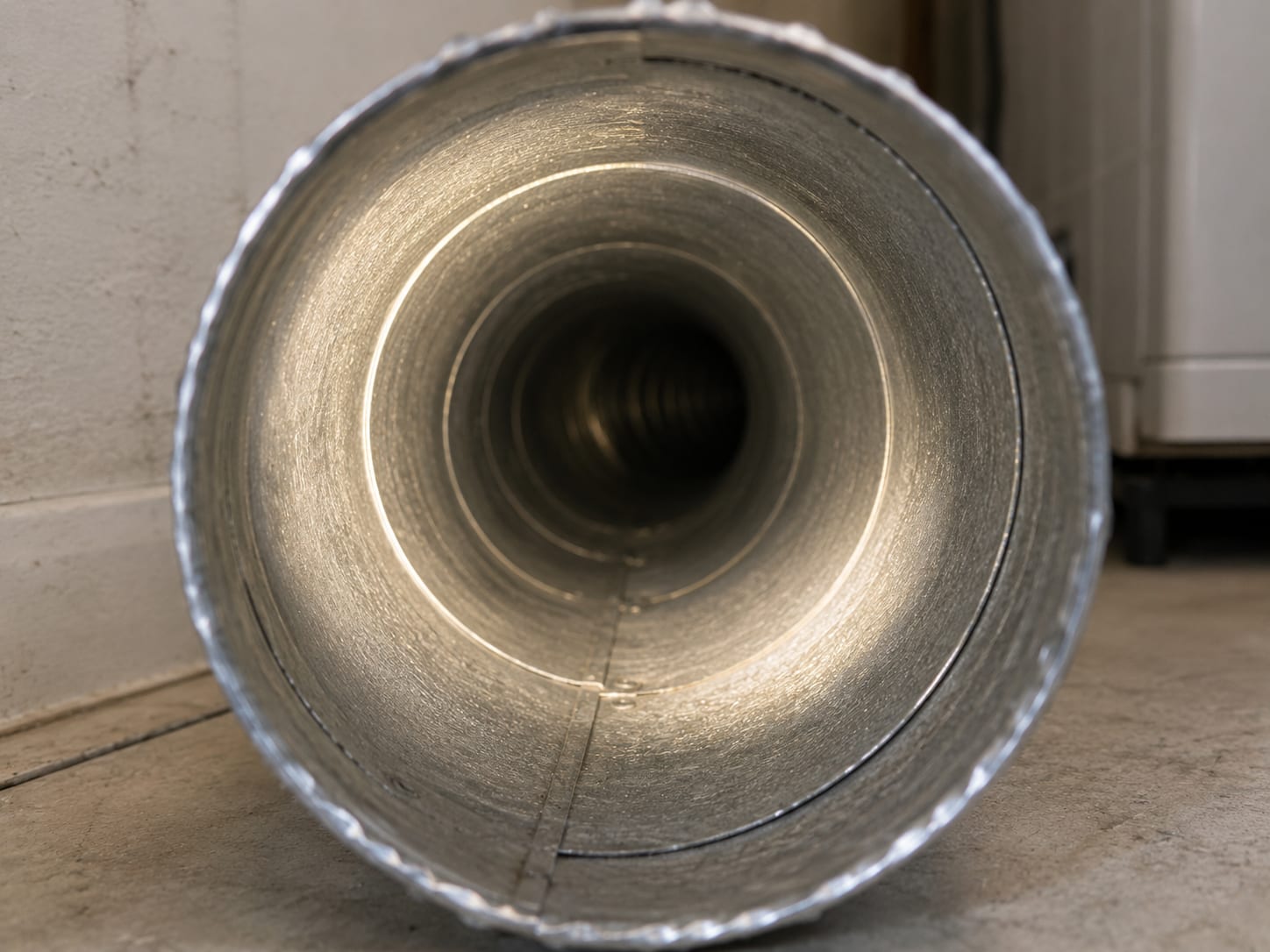
Dryer duct cleaning is the professional removal of lint, debris, and blockages from the exhaust vent that runs from your dryer to the outside of your home. A trained technician clears the full duct run using specialized rotary brushes and high-powered vacuum equipment, then verifies airflow is restored before the job is complete. Most residential appointments take between one and two hours, depending on duct length and configuration. When it's done, your dryer exhausts properly, drying times drop, and the fire risk tied to lint accumulation is eliminated.
The U.S. Fire Administration reports that failure to clean dryer vents accounts for 31% of all dryer fires nationally, with nearly 16,000 home fires caused by clothes dryers each year. Most of those fires were preventable with a cleaning that costs far less than a deductible. ExecPro Restoration & Cleaning treats dryer duct cleaning as the safety service it actually is, not a minor maintenance checkbox.
Why Does Lint Buildup Cause So Much Damage?
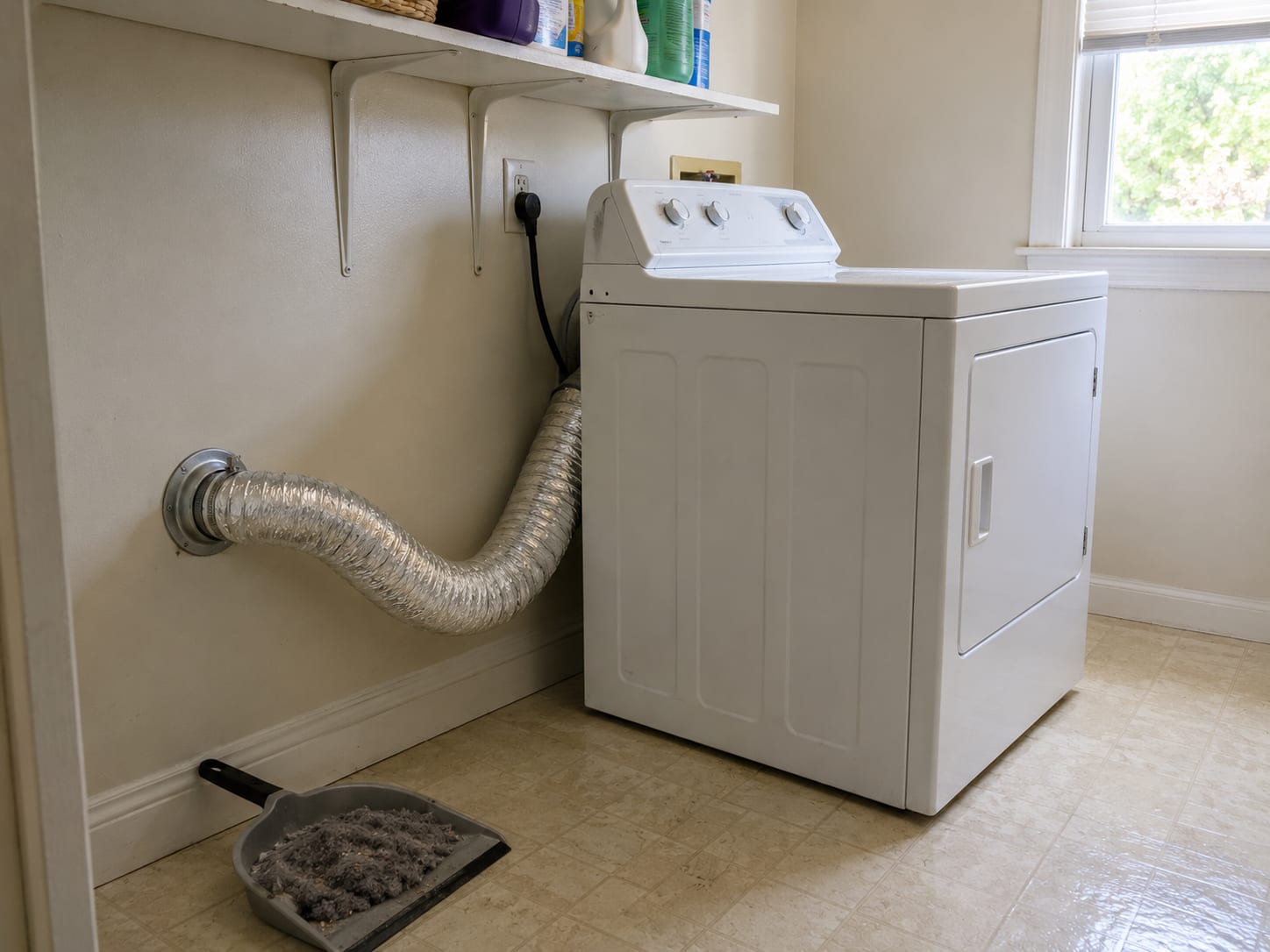
Every time your dryer runs, it pushes hot, humid air and fine lint particles through the exhaust duct. Some of that lint sticks to the duct walls. Over months and years, the buildup restricts airflow, which means the dryer has to work harder and run longer to dry a single load. The heat that should be exhausting outside starts backing up inside the duct instead.
Lint is highly flammable. When it accumulates in a partially blocked duct and the surrounding temperature rises, you have a real ignition risk inside your wall or ceiling. That's the mechanism behind thousands of house fires every year. Beyond the fire risk, restricted airflow forces the dryer's heating element and motor to work under constant strain, shortening the appliance's life and inflating your energy bill with every cycle.
There's also an air quality factor that often gets overlooked. A blocked or damaged duct can push exhaust air back into your living space instead of outside. Families with children who have asthma or respiratory sensitivities are especially affected, which is why residential air quality testing is sometimes worth pairing with a duct cleaning when symptoms are present.
How Does ExecPro Clean a Dryer Duct?
Every dryer duct cleaning follows a clear sequence. Skipping a step means leaving the problem partially in place.
Initial Inspection and Duct Assessment
The technician inspects the dryer vent opening at the appliance and traces the duct path to the exterior exhaust cap. This includes checking the duct material, measuring the total run length, identifying bends or transitions, and looking for signs of disconnection, damage, or wildlife intrusion. Wireless inspection cameras are used on longer or more complex runs to assess conditions before cleaning begins.
Exterior Exhaust Cap Check
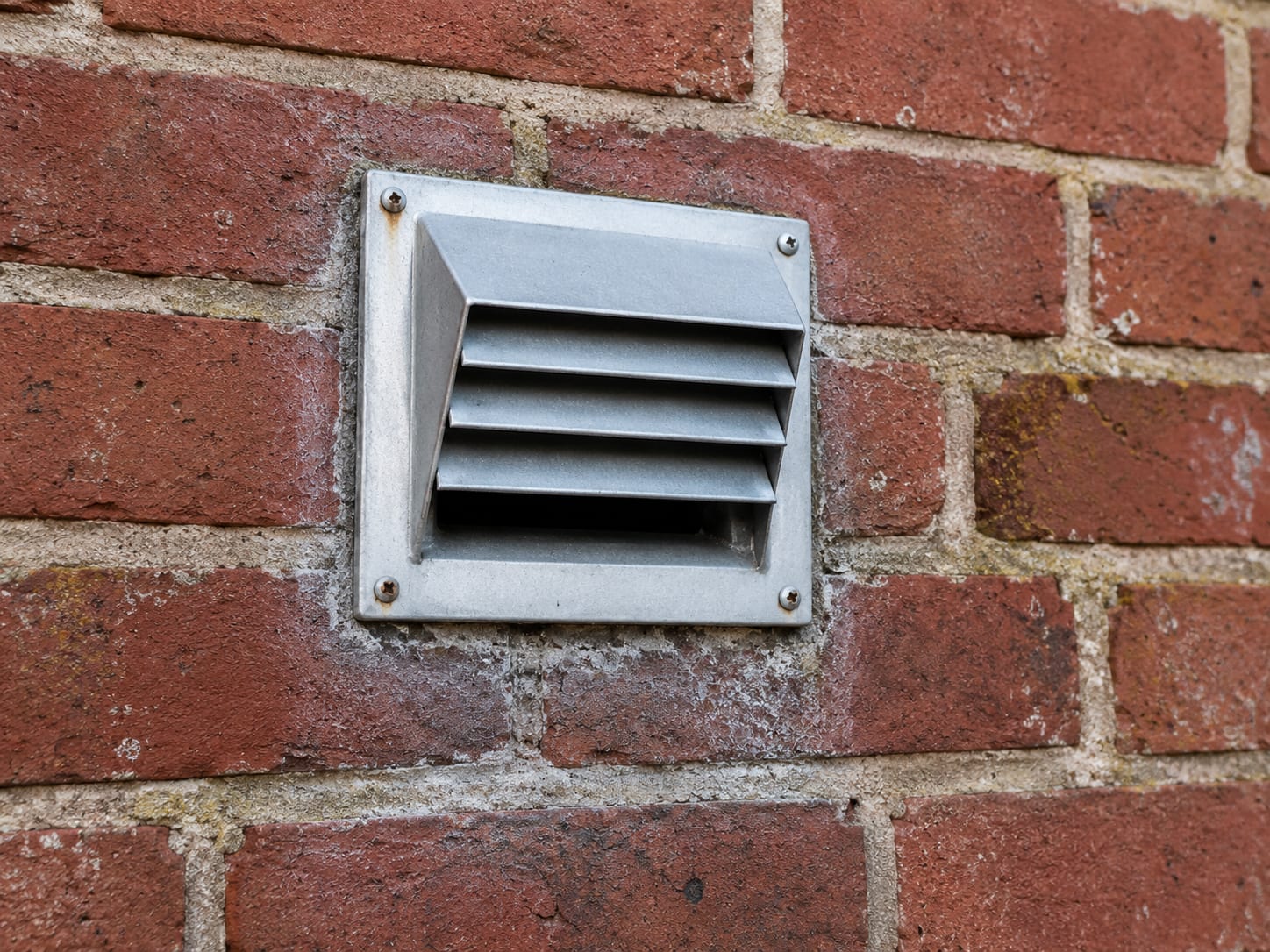
The outside termination point is inspected for blockages, crushed flaps, bird nests, or debris screens that restrict airflow. A damper that doesn't open fully under normal exhaust pressure is as much a problem as lint inside the duct. Any debris at the cap is cleared at this stage.
Rotary Brush and Vacuum Cleaning
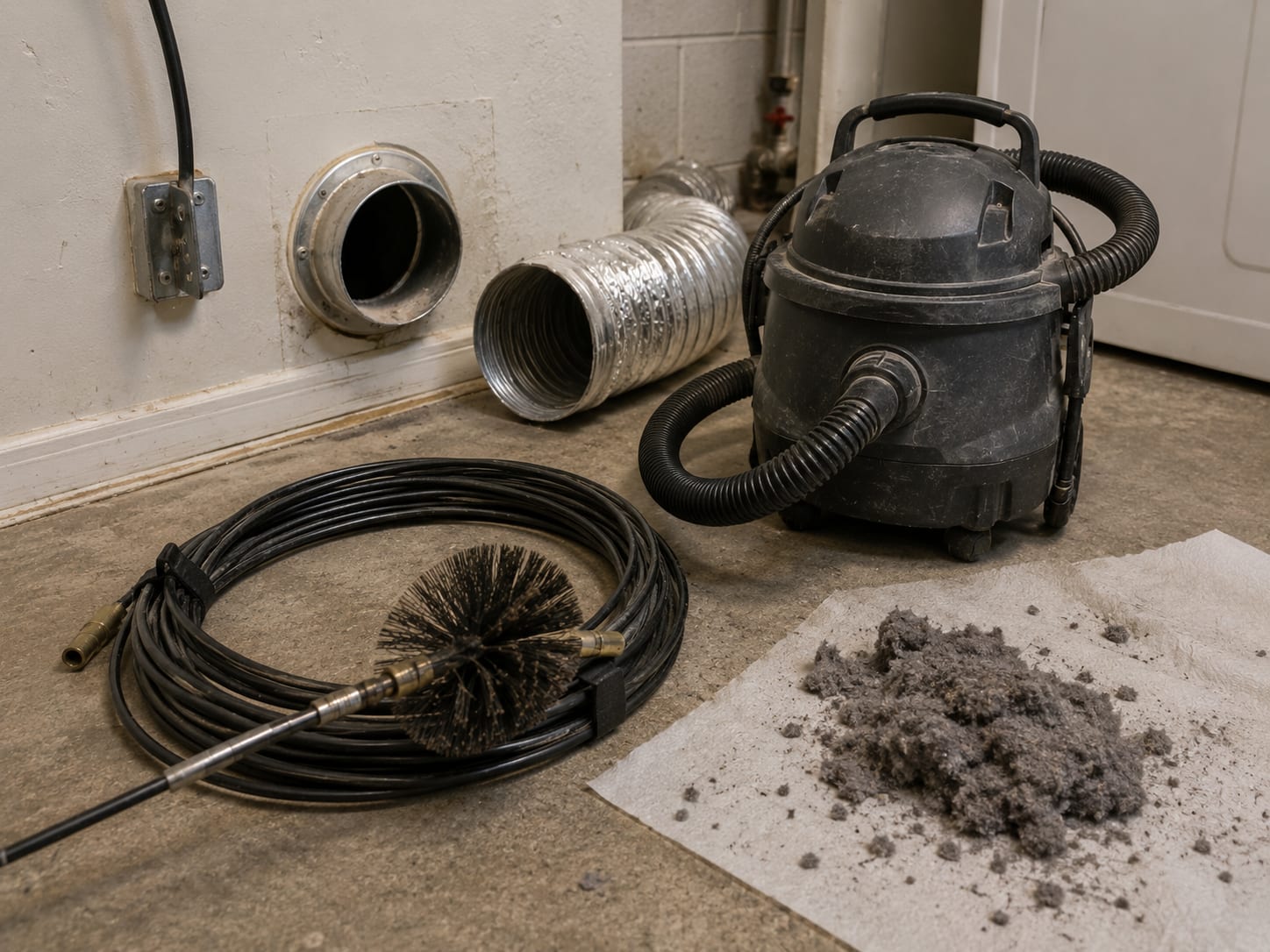
Flexible rotary brushes are run through the full duct length, working lint and debris loose from the duct walls. HEPA-filtered, high-powered vacuum equipment captures the material as it's dislodged, so it doesn't get redistributed into the room or the dryer cavity.
Airflow Verification
Once the duct is clear, airflow is tested to confirm exhaust is moving freely from the dryer to the outside termination. A proper result means measurable air pressure at the exterior cap when the dryer runs. If airflow is still restricted after cleaning, the technician investigates further for a crushed section, a disconnected joint, or a duct run that exceeds safe length limits.
Final Documentation
The technician walks you through what was found and what was done. If any duct condition requires attention beyond the cleaning itself, such as a damaged section or a vent terminating into an attic or crawl space rather than outdoors, you receive a clear written summary. No surprises, no vague verbal reports.
How Often Should You Clean Your Dryer Duct in NJ?
For most New Jersey homeowners, the standard interval is every two years for a typical residential setup, with annual cleaning recommended when the total duct run exceeds 25 feet. Longer duct runs collect lint faster because there's more surface area for it to cling to, and more bends slow down airflow even before significant buildup occurs.
New Jersey's older housing stock adds complexity. Many homes built before modern building codes have longer, less direct duct paths that terminate through the roof or a side wall several stories up. Those configurations collect lint faster and are harder to clear than a straightforward horizontal run to an exterior wall. If your dryer takes noticeably longer to dry a load than it used to, that's a sign the duct needs attention now, regardless of when it was last cleaned.
If you own a heat-pump or high-efficiency dryer, the manufacturer's maintenance schedule may call for more frequent cleaning. Lint buildup in those systems can interfere with sensors and thermal components in ways that older standard dryers don't experience, and some manufacturers will void the warranty if documented regular maintenance hasn't been performed.
New Jersey also addresses this at the regulatory level. Section 504 of the 2021 International Mechanical Code, enforced in NJ as of October 2023, sets requirements for dryer exhaust systems. The New Jersey Uniform Fire Code [N.J.A.C. 5:70-3] separately requires that homeowners clean dryer exhaust ducts regularly. Many condominium and townhome communities have incorporated cleaning requirements directly into their HOA bylaws, so if your property falls under HOA governance, you may already be bound by a specific interval.
Signs Your Dryer Duct Needs Cleaning Now
You don't always need to wait for the scheduled interval. These conditions mean the duct should be cleaned sooner rather than later.
Clothes Take More Than One Cycle to Dry
This is the most common early warning. When airflow is restricted, moisture can't exhaust efficiently, and the dryer keeps running without finishing the job. A full lint blockage can double drying times compared to when the duct was clear.
The Dryer or Laundry Room Feels Unusually Hot
If the outside of the dryer cabinet, the laundry room walls, or the area near the vent are noticeably hot during a cycle, exhaust heat is backing up instead of leaving through the duct. That's a fire risk condition, not just a discomfort.
A Burning Smell During Operation
A burning or musty odor when the dryer runs often means lint is being heated near the ignition point or that debris has accumulated near the heating element. Don't run the dryer again until the duct has been inspected and cleared.
Visible Lint Around the Exterior Vent Cap
If lint is accumulating around the outside termination point, or the damper flap doesn't open when the dryer runs, you have a restriction at the cap. That's the visible end of a problem that extends back through the full duct run.
The Duct Hasn't Been Cleaned in Over Two Years
Even without symptoms, two years is the standard upper limit for most residential configurations. If you don't have documentation of a prior cleaning, treating it as overdue is the safe call.
A Bird Nest or Pest Entry at the Exterior Cap
Dryer vent openings are a common entry point for birds and small animals, particularly in spring. A nest inside the duct blocks airflow completely and creates a separate fire hazard. Pest-related blockages require immediate attention.
What About Commercial Properties and Multi-Family Buildings?
Dryer duct cleaning at a commercial or multi-family property is a different scope of work than a single-unit residential service. Apartment buildings, condominiums, assisted living facilities, and laundromat operations run dryers at volumes that produce lint accumulation far faster than a household does. Fire safety organizations advise commercial settings to clean dryer exhaust systems at least once annually, with high-volume facilities like hotels or industrial laundries often needing service semi-annually or quarterly depending on daily load counts.
For property managers and building owners, this goes beyond routine maintenance. The Consumer Product Safety Commission links faulty dryer vent installations to more than 24,000 fires and nearly $100 million in property damage annually in the U.S. In a multi-family building, a fire that starts in one unit's dryer duct threatens every tenant in the structure. Documentation of regular professional cleaning is also useful when responding to insurance inquiries or fire code inspections.
ExecPro Restoration & Cleaning offers commercial dryer vent cleaning for apartment complexes as part of its commercial services line. Property managers can schedule building-wide service to meet compliance requirements, reduce liability exposure, and give tenants confidence that the building is being properly maintained.
Why Work with ExecPro Restoration & Cleaning for This?
ExecPro Restoration & Cleaning is a licensed and insured restoration and cleaning company serving central and coastal New Jersey. Technicians work from documented process steps, verify results before leaving, and provide a written summary of findings on every appointment.
Because ExecPro handles mold remediation, air duct cleaning, indoor air quality testing, and water damage alongside residential cleaning services, the team understands how connected these issues can be. A dryer duct that exhausts into an attic or enclosed crawl space instead of outside doesn't just create a fire hazard; it introduces warm, humid air into spaces already prone to moisture problems. When a technician catches that condition during a cleaning appointment, they know what to do with the information.
ExecPro serves communities across New Jersey, including Princeton Junction, Hamilton, Trenton, Bridgewater, Freehold, Lakewood, Cherry Hill, Burlington, and dozens of surrounding areas. Call (888) 300-3772 or email hello@execprorc.com to confirm availability and get scheduled.
Frequently Asked Questions About Dryer Duct Cleaning
These questions come up regularly from homeowners across New Jersey.
No. The lint trap catches a portion of loose lint before it enters the exhaust duct, but fine lint particles pass through the screen and accumulate on duct walls over time, especially at bends and transitions. The lint trap should be cleared after every load, but that routine does nothing to address buildup inside the duct run behind the dryer.
Schedule Your Dryer Duct Cleaning Across Central and Coastal NJ
Call (888) 300-3772 or email hello@execprorc.com to get on the schedule. Same-week appointments are often available for residential service.