Structural Drying Services in New Jersey
When water gets into your walls, floors, or framing, the clock starts immediately. ExecPro Restoration & Cleaning uses industrial drying equipment, daily moisture monitoring, and full documentation to dry your structure completely and get you ready for repairs.
What Is Structural Drying?
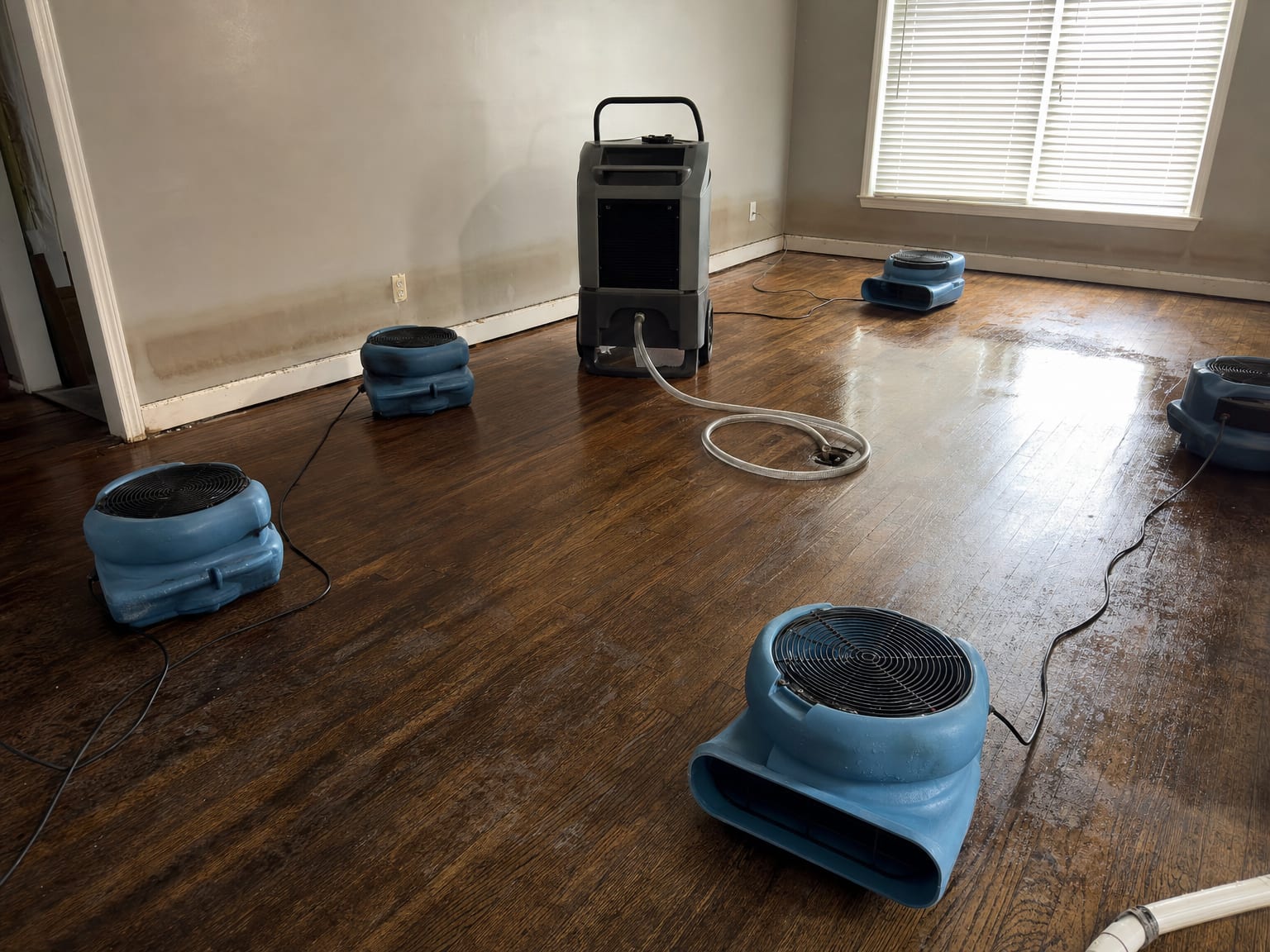
Structural drying is the controlled process of removing moisture from the building materials that make up your home or commercial property, including the framing, drywall, subfloors, insulation, ceilings, cabinets, and wall cavities that absorb water after a pipe bursts, a basement floods, or a storm pushes water where it was never supposed to go. It is not simply placing a few fans in a room and waiting. It is a measured, equipment-driven process that runs until every affected material reaches an appropriate dry standard, confirmed by on-site readings.
When you call ExecPro Restoration & Cleaning for structural drying, you get an assessment of affected materials using moisture meters and thermal imaging, industrial air movers and low-grain refrigerant or desiccant dehumidifiers calibrated for your building, daily monitoring with logged moisture and humidity readings, and final documentation confirming your structure is dry and ready for reconstruction. That documentation matters for your insurance claim, your contractor, and your peace of mind.
Why Does Structural Drying Matter So Much After Water Damage?
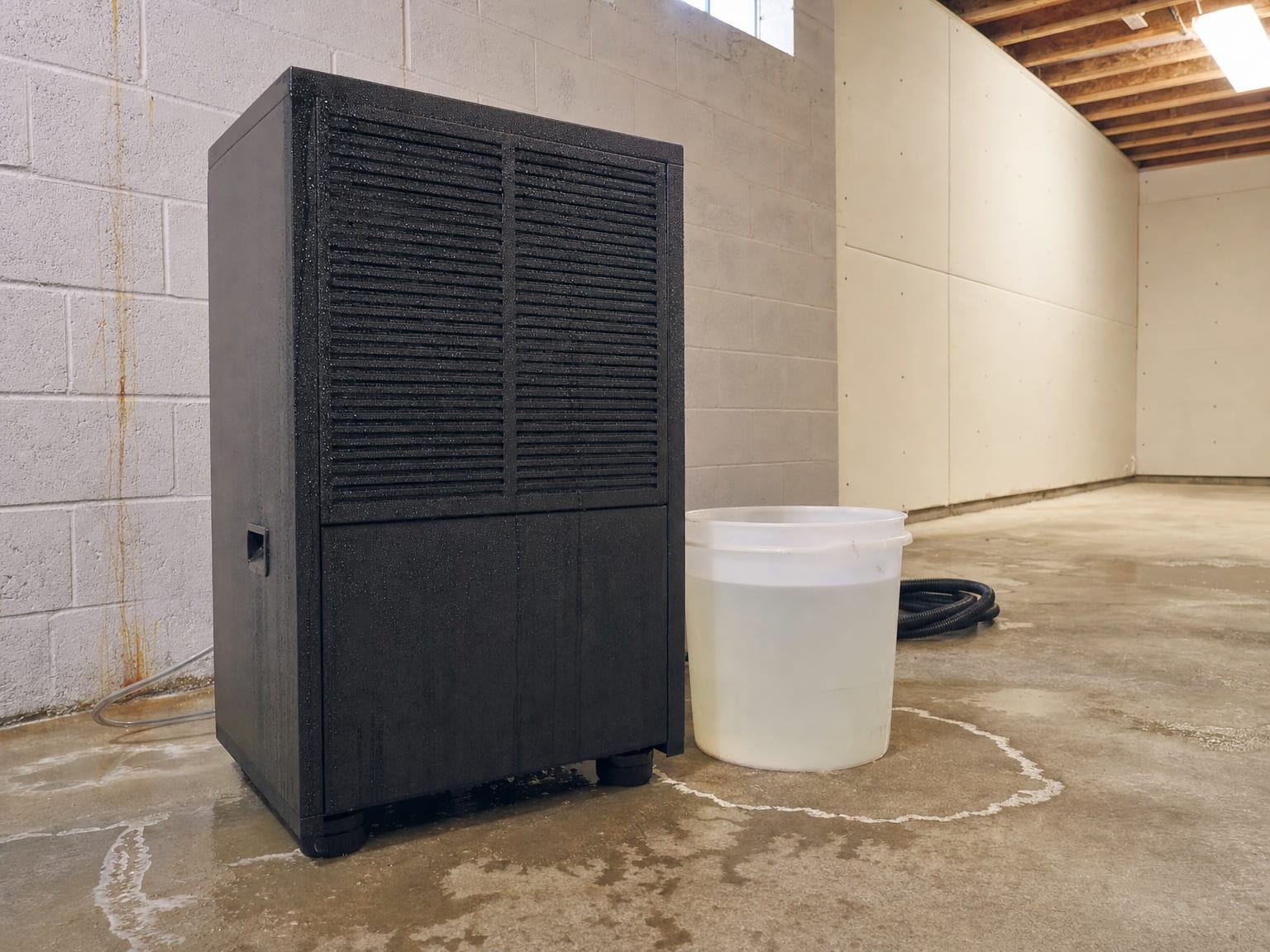
Water does not stay where you can see it. After a burst pipe or a flood, moisture migrates quickly into wall cavities, through drywall paper, into subfloor layers, and along framing members. Materials that feel dry on the surface can hold significant moisture inside. If those materials stay wet long enough, you are looking at a secondary problem that tends to be more expensive and more disruptive than the original water event.
EPA and FEMA guidance both identify drying wet materials quickly as a key step in preventing mold growth after water damage. That window is real and short. Structural drying exists to close it before it becomes a mold problem, a structural problem, or a much larger repair bill.
In New Jersey, this plays out regularly. Heavy rain events, sump pump failures, basement seepage, roof leaks, and plumbing failures all create situations where building materials absorb more water than a residential fan can handle. Central and northern parts of the state see recurring storm-driven water intrusion, and coastal and shore properties face their own storm and flooding exposures. Getting the right equipment in place quickly is what separates a clean recovery from a drawn-out remediation project.
How Does the Structural Drying Process Work?
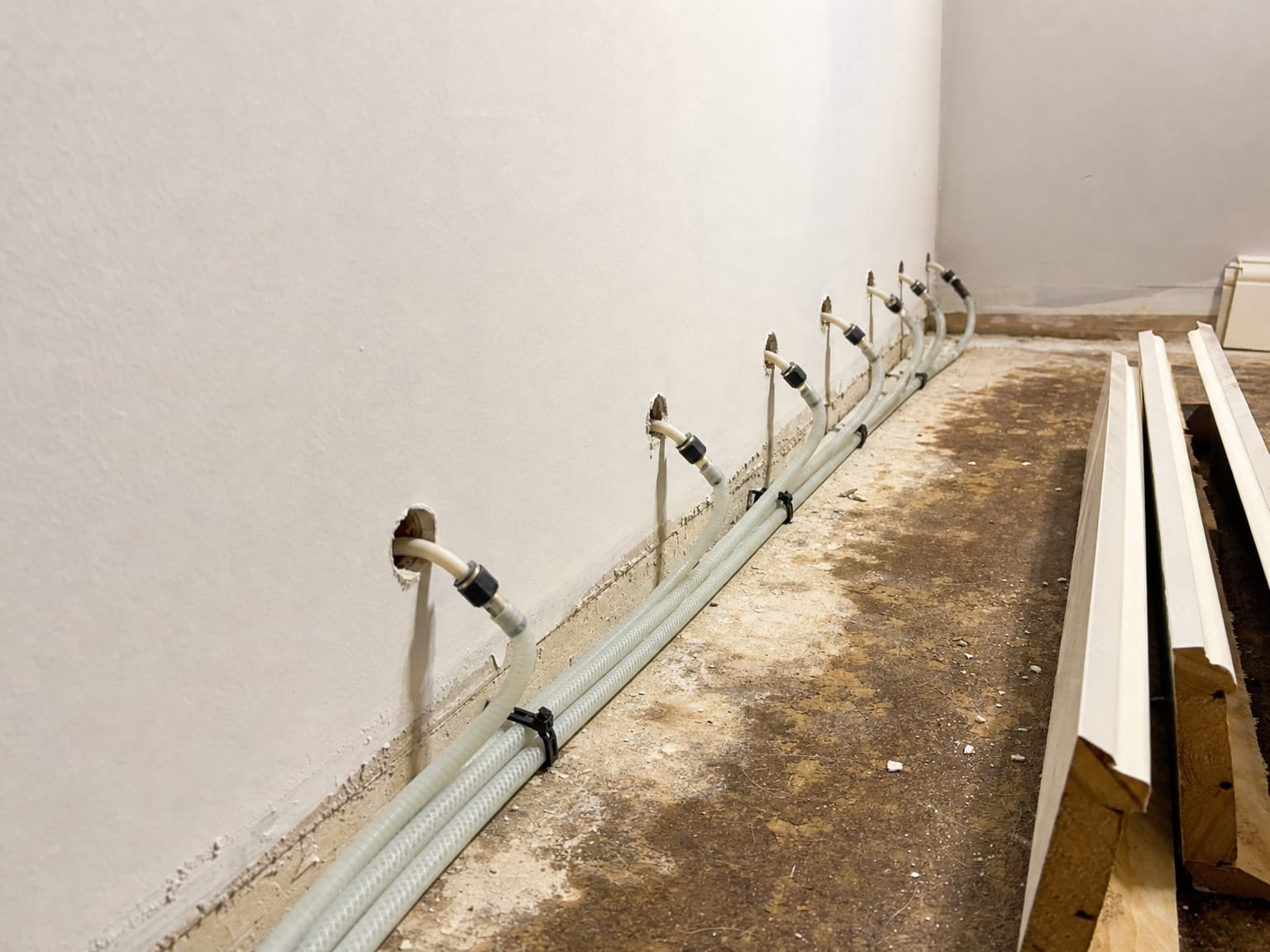
Every structural drying project follows a clear sequence. Skipping steps or rushing the process is how properties end up with hidden moisture problems weeks after the visible water is gone.
Scroll the steps sideways to follow the full process.
What Types of Water Events Require Structural Drying?
Structural drying applies any time building materials absorb water beyond what ambient conditions can resolve on their own. In practice, that covers a wide range of situations New Jersey homeowners and property managers deal with regularly.
Plumbing failures are among the most common triggers. A burst pipe inside a wall, a failed supply line behind a washer, or an overflowing fixture can saturate drywall and subfloors within hours. Storm damage situations, including roof leaks, window failures, and water entering through foundation walls during heavy rain, create similar conditions. Basement flooding from sump pump failure or ground saturation is particularly common in central New Jersey, where heavy rain events stress drainage systems in older and newer neighborhoods alike.
The source of the water also shapes how drying is approached. Clean water from a supply line is handled differently than gray water from an appliance or the more complex situations involving sewage cleanup or contaminated floodwater. Each category carries different safety implications for occupants and affects how materials are treated. A proper assessment at the start of every project establishes the water loss category, which shapes every decision that follows.
If drying was delayed or incomplete after any of these events and you are now seeing or smelling signs of mold, the situation likely requires structural drying and mold remediation working together. ExecPro Restoration & Cleaning handles both, so the drying and the remediation are coordinated rather than handed off between separate contractors who may not communicate well.
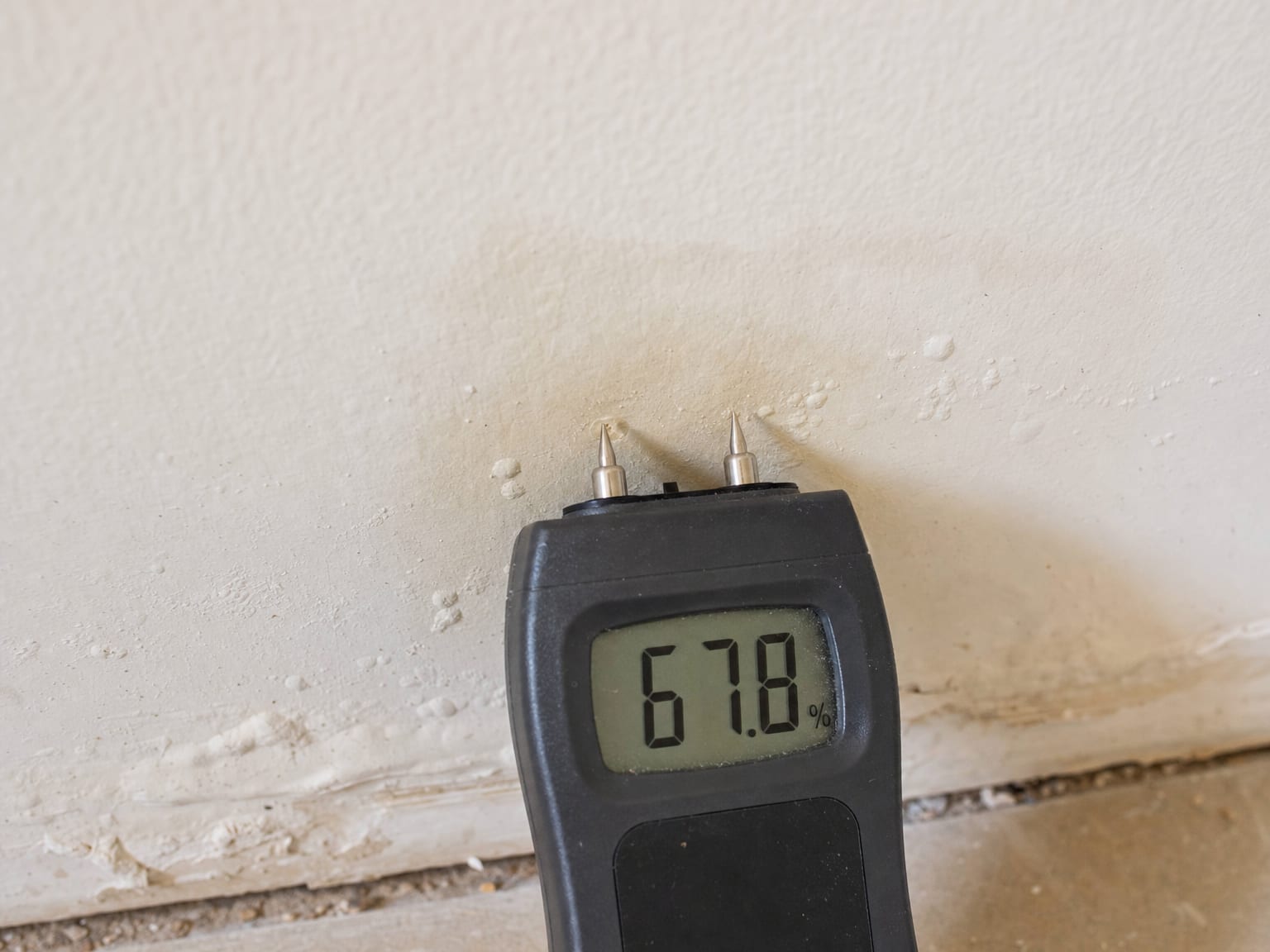
What Makes Thorough Documentation So Important?
Drying documentation matters to more people than just the property owner. Your insurance adjuster needs moisture readings and drying logs to process a claim accurately. Your rebuild contractor needs final dry-standard documentation before installing new drywall, flooring, or insulation. If you are selling the property, documented evidence of a properly completed drying project is far more reassuring to buyers and their inspectors than a verbal assurance that the damage was handled.
Every structural drying project ExecPro Restoration & Cleaning completes includes a record of initial moisture readings by material and location, daily monitoring logs showing readings and equipment performance, thermal imaging findings where applicable, and final documentation confirming dry goals were met. That record is what separates a professionally completed project from one that gets disputed by an insurer or flagged during a real estate transaction.
For property managers overseeing multiple units or buildings, that documentation also creates a consistent record across projects, which matters when you are dealing with recurring water intrusion issues, insurance renewals, or building inspections. ExecPro Restoration & Cleaning works with property management clients who need that level of consistency across their portfolios.
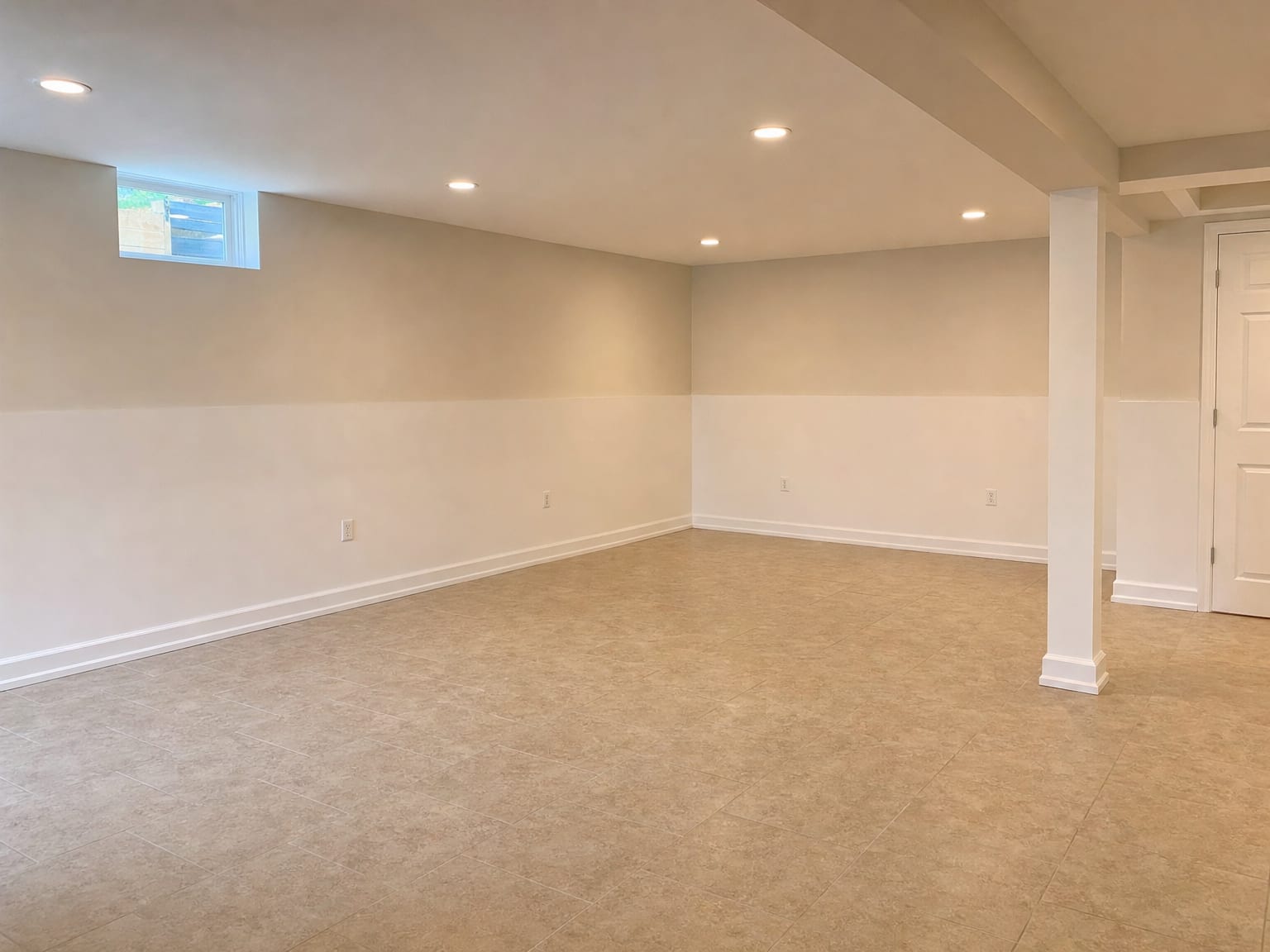
From Drying to Rebuild: What Happens After Structural Drying Is Complete?
One of the most frustrating parts of recovering from water damage is the gap between when drying finishes and when repairs actually begin. If your drying contractor and your rebuild contractor are not connected, you can end up waiting, following up, and re-explaining the situation to multiple companies before anyone picks up a hammer.
ExecPro Restoration & Cleaning handles both sides of that process. Once structural drying is complete and documented, the team can move directly into post-water damage reconstruction, which may include drywall replacement, flooring, insulation, trim, painting, and other repairs depending on the scope of the loss. Having the same team manage drying and reconstruction means the rebuild starts from accurate information about what was removed, what was dried, and what the current condition of the structure actually is.
For losses that involved mold growth, whether pre-existing or discovered during the drying process, post-mold remediation rebuild services follow the same integrated approach. Remediation is completed and verified before any new materials go in, which avoids the common mistake of enclosing mold behind new construction.
Why Choose ExecPro Restoration & Cleaning for Structural Drying?
ExecPro Restoration & Cleaning has been handling water damage and structural drying projects across central and northern New Jersey since 2015. The team brings industrial equipment, trained technicians, and a process built around documentation and accountability. Licensed and insured.
Equipment That Fits the Loss
Industrial air movers, low-grain refrigerant dehumidifiers, desiccant dehumidifiers, and cavity drying tools are selected based on the actual moisture load and building materials involved, not a one-size setup that gets placed and left.
Daily Monitoring, Not Set-and-Forget
Technicians return daily to take readings, review progress, and adjust equipment. Drying goals are tracked against the moisture map created at the start of the project, so nothing gets missed in a wall cavity or beneath a floor.
Full Documentation for Your Insurer
Every project produces a complete record of moisture readings, drying logs, equipment performance, and final dry-standard confirmation. That documentation supports your insurance claim and gives your rebuild contractor an accurate picture of what they are working with.
Integrated Drying and Rebuild Capability
ExecPro Restoration & Cleaning handles structural drying and reconstruction under one roof. You do not have to coordinate between multiple companies to get from water event to finished repair.
Mold Awareness Built Into Every Project
If signs of mold are discovered during drying, the team is equipped to assess, contain, and remediate without stopping the project or handing it off. Structural drying and mold remediation are handled together when the situation calls for it.
Wide Service Coverage Across New Jersey
ExecPro Restoration & Cleaning serves properties across a broad area of New Jersey, from Princeton Junction and West Windsor through Hamilton, Trenton, Flemington, Red Bank, Freehold, Cherry Hill, Burlington, and dozens of communities in between.
Structural Drying FAQs
These are the questions property owners in New Jersey ask most often about structural drying. If yours is not here, call (888) 300-3772 or send a message to hello@execprorc.com.
Most residential structural drying projects take between three and five days, though the actual timeline depends on the volume of water, the materials involved, how quickly drying started after the event, and building conditions like temperature and ambient humidity. Larger commercial losses or situations where materials were wet for an extended period before drying began can take longer. Daily monitoring tells you exactly where the project stands each day, so there is no guessing about when it will be done.
Structural Drying Service Area in New Jersey
ExecPro Restoration & Cleaning responds to structural drying calls across a wide service footprint in central and northern New Jersey. The team serves homeowners, commercial property owners, and property managers in communities including Princeton Junction, West Windsor, Princeton, Plainsboro, Cranbury, Lawrenceville, Pennington, Hopewell, Hamilton, Trenton, Ewing, Robbinsville, East Windsor, Hightstown, Monroe, South Brunswick, Dayton, Monmouth Junction, New Brunswick, North Brunswick, East Brunswick, Somerset, Bridgewater, Hillsborough, Manville, Flemington, Clinton, Lebanon, Whitehouse Station, Basking Ridge, Bernardsville, Warren, Watchung, Summit, Westfield, Chatham, Madison, Florham Park, New Providence, Berkeley Heights, Red Bank, Rumson, Fair Haven, Holmdel, Colts Neck, Middletown, Freehold, Manalapan, Marlboro, Lakewood, Jackson, Bordentown, Burlington, Mount Laurel, Cherry Hill, Marlton, Medford, Moorestown, and surrounding areas.
If you are dealing with water damage or a wet structure and are not sure whether your location is covered, call (888) 300-3772 directly. The team will confirm coverage and get the assessment scheduled.