Sewage Cleanup in Central NJ
When a sewage backup hits your home or property, you need more than a mop and a prayer. ExecPro Restoration & Cleaning handles the full scope: extraction, decontamination, material removal, structural drying, and rebuild, so you can get back to normal without juggling multiple contractors.
What Is Sewage Cleanup, and What Does the Process Actually Cover?
Sewage cleanup is the professional removal and decontamination of biohazard-level contaminated water following a sewer backup, septic failure, or sewer line break. Under IICRC S500 standards, sewage-contaminated water is classified as Category 3, meaning it carries pathogens, solids, and chemicals that require a very different response than ordinary water damage. A proper sewage cleanup includes safe extraction of contaminated water and solids, removal of porous materials that cannot be adequately cleaned, surface disinfection using EPA-registered products, structural drying verified by moisture meters, and full documentation for your insurance claim.
Sewage does not stay where it lands. A backup in your basement bathroom can seep into carpet, migrate under flooring, saturate drywall, and reach subfloor framing before you even know how far it has spread. That is why ExecPro Restoration & Cleaning responds quickly, contains the affected area immediately, and works through the full process rather than just mopping up the obvious mess and calling it done.
Property owners in Princeton Junction, Trenton, New Brunswick, Hamilton, Freehold, Lakewood, Cherry Hill, and communities across central and southern New Jersey rely on ExecPro when sewage backups shut down their kitchens, bathrooms, laundry rooms, basements, and finished living spaces. Wherever you are in our service area, the response process is the same: fast, thorough, and fully documented.
Why Is Sewage Backup So Much More Serious Than a Regular Water Leak?
A burst supply line brings clean water into your home. A sewage backup brings everything the drain system has ever carried, including human waste, bacteria, viruses, suspended solids, and chemical residue. The CDC distinguishes cleaning from disinfection for a reason: contaminated surfaces need to be cleaned first, then treated with an appropriate EPA-registered disinfectant applied according to label directions. Skipping or shortcutting either step leaves hidden hazards behind.
Porous materials are the core challenge. Carpet, padding, insulation, drywall, and upholstered materials can absorb sewage deeply enough that surface cleaning does not solve the problem. IICRC S500 guidance supports removing these materials when they have been exposed to Category 3 water rather than attempting to restore them in place. It is not the answer anyone wants, but it is the answer that actually protects the structure and the people inside it.
There is also a tight timeline at play. Wet materials, even after sewage has been extracted, can begin supporting mold growth relatively quickly, especially in warm or humid conditions. EPA and FEMA guidance consistently points to fast drying and thorough cleanup after any water event as the primary defense against secondary mold problems. For sewage events, that window matters even more because the contaminated moisture accelerates the conditions mold needs to establish itself.
If you are a property manager or landlord handling a multi-unit property, the risk extends beyond one unit. A sewage backup in a lower-level unit can affect shared walls, floor assemblies, and adjacent spaces in ways that are not visible from the surface. ExecPro's property management mold services experience means the team understands how contamination moves through connected structures, not just standalone homes.
How ExecPro Restoration & Cleaning Handles Sewage Cleanup from Start to Finish
Every sewage cleanup job follows the same structured process. There are no shortcuts, and the sequence matters because each step prepares the space for the next.
Source Confirmation and Access Restriction
Before any cleanup begins, the source of the backup needs to be stopped. ExecPro coordinates with your plumber or utility contact if needed and immediately restricts access to the contaminated area to prevent occupants from tracking contamination through the property or being exposed to biohazard material.
PPE and Containment Setup
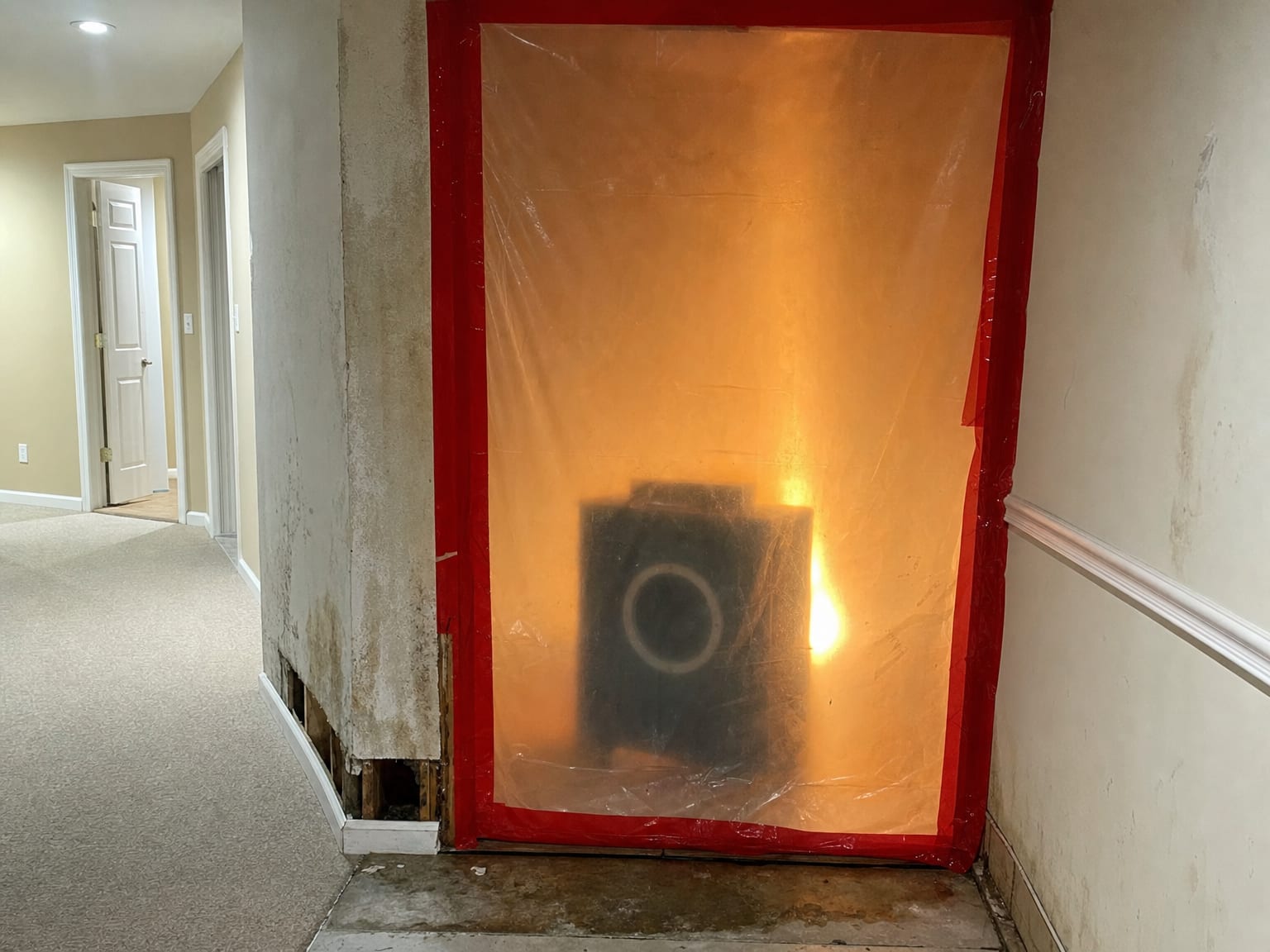
Technicians suited in appropriate personal protective equipment establish containment boundaries around the affected area. This controls the spread of contaminated air, dust, and material during the extraction and removal process. The specific PPE and containment approach depends on the scope and location of the backup.
Sewage Extraction and Solid Removal
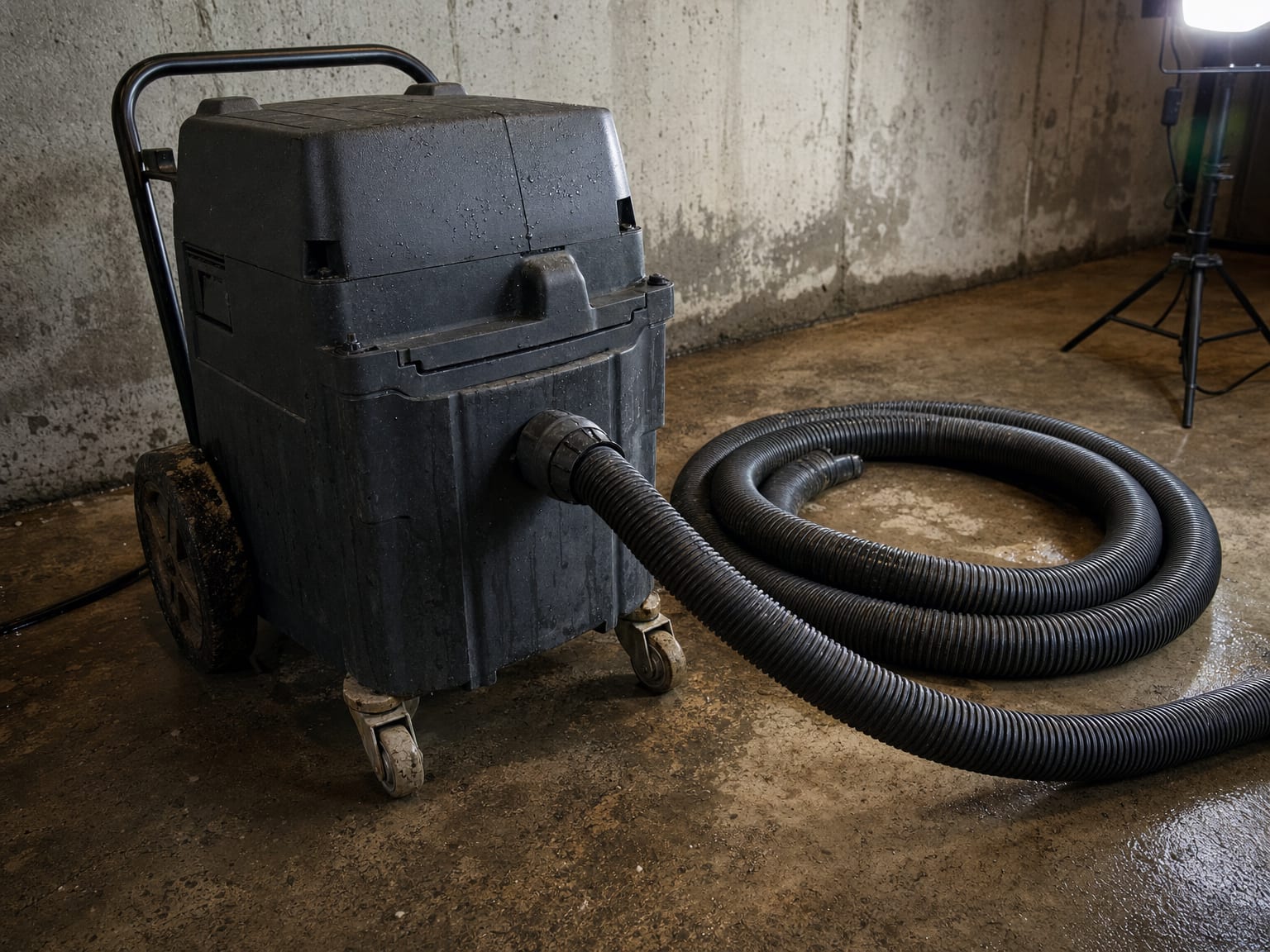
Contaminated water and sewage solids are extracted using commercial-grade equipment and safely removed from the property. This step has to happen before any cleaning, disinfection, or drying can be effective. Proper disposal follows safe handling protocols.
Porous Material Assessment and Removal
Carpet, pad, contaminated drywall, insulation, and other porous materials exposed to sewage are assessed for salvageability. In most Category 3 situations, these materials require removal. ExecPro documents what is removed, photographs the conditions, and notes the extent of affected areas for your insurance file.
Cleaning Followed by EPA-Registered Disinfection
Remaining surfaces are cleaned to remove visible soil and residue before any disinfectant is applied. This is the sequence the CDC and EPA both require, because disinfectants do not work effectively on soiled surfaces. EPA-registered disinfectants are then applied according to product label directions.
Structural Drying and Moisture Verification
Commercial air movers and dehumidifiers dry the affected structural materials. Moisture meters verify drying progress across the floor assembly, wall cavities, and framing. Drying logs are maintained throughout the process and become part of the documentation package.
Documentation and Insurance Support
Photos, moisture readings, affected-area notes, disposal records, and a written scope are compiled throughout the job. This documentation is what insurance adjusters need to evaluate a claim. ExecPro provides a clear, organized file rather than leaving you to piece together records after the fact.
Rebuild Planning
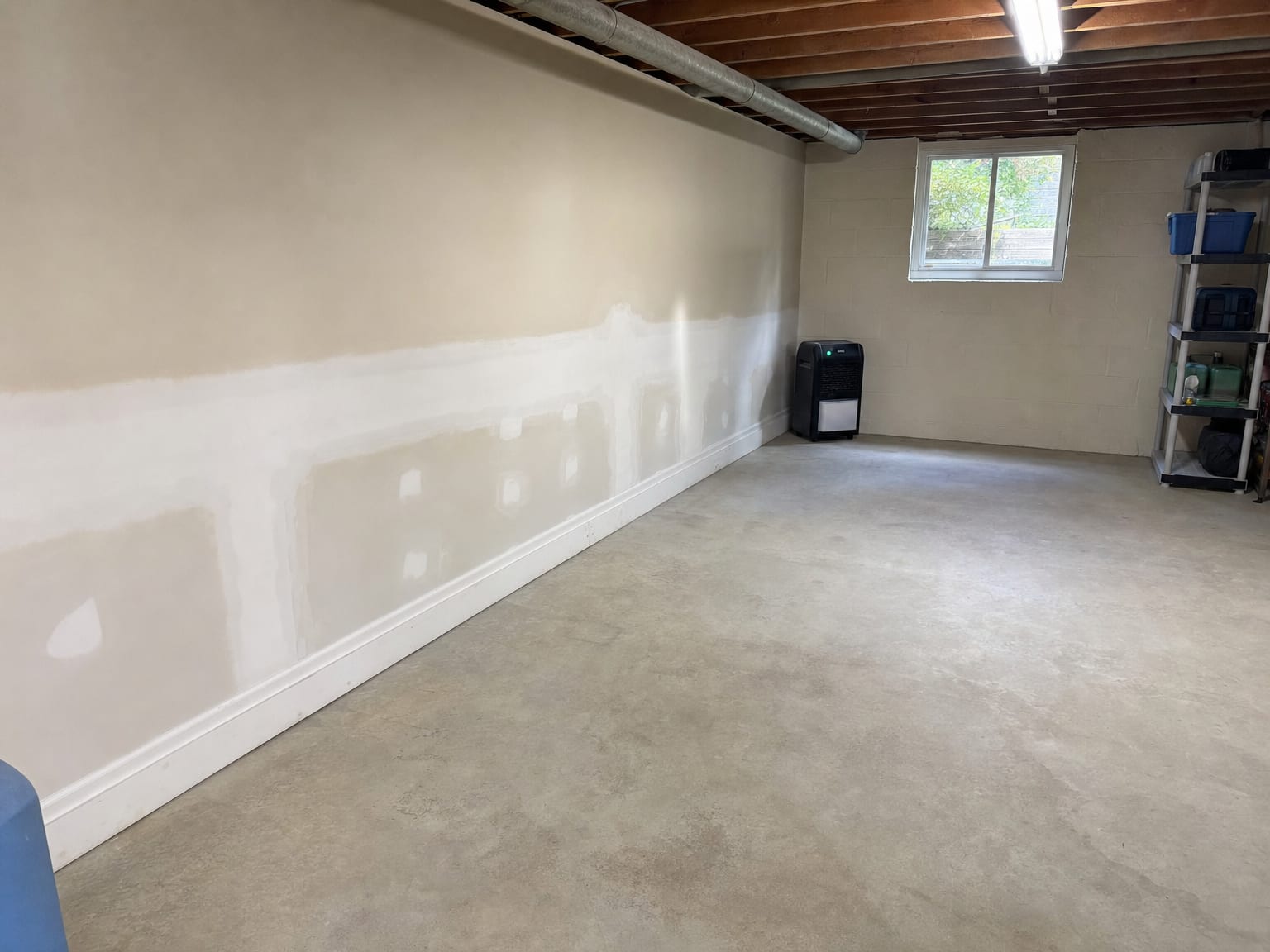
Once cleanup and drying are verified complete, the space is ready for reconstruction. ExecPro's post-water damage reconstruction team can handle drywall replacement, flooring installation, painting, and finish work, so you do not have to find a separate contractor to put the space back together.
What Happens If You Wait Too Long After a Sewage Backup?
Time works against you after a sewage event in ways that are not always obvious. The contaminated moisture soaks deeper into porous materials with every passing hour. Floor assemblies that might have been partially salvageable with fast action become fully compromised after extended exposure. Odors, which are one of the first things people notice, are much harder to eliminate once contamination has migrated into wall cavities and subfloor framing.
The mold risk is real and documented. Wet, organic-rich materials are exactly the conditions mold needs. If cleanup is delayed, what starts as a sewage problem can become a sewage problem with an active mold situation layered on top of it. At that point, the scope of work expands considerably, and so does the cost. ExecPro's basement mold remediation team handles situations where delayed sewage cleanup has already allowed mold to take hold, but the better outcome is always to get ahead of it.
Insurance coverage for sewage backups varies by policy and cause of loss. What does not vary is that insurers want documentation. Waiting to call a restoration company often means the evidence of initial conditions, moisture readings, and contamination extent gets lost. A fast response that generates a thorough documentation file from day one gives you the strongest possible foundation for your claim.
Where Sewage Backups Happen Most Often and What Affects the Scope
Sewage backups are not random. Certain conditions, locations, and property types come up again and again. Understanding where and why they happen helps property owners recognize warning signs before a backup becomes a full emergency.
Finished Basements
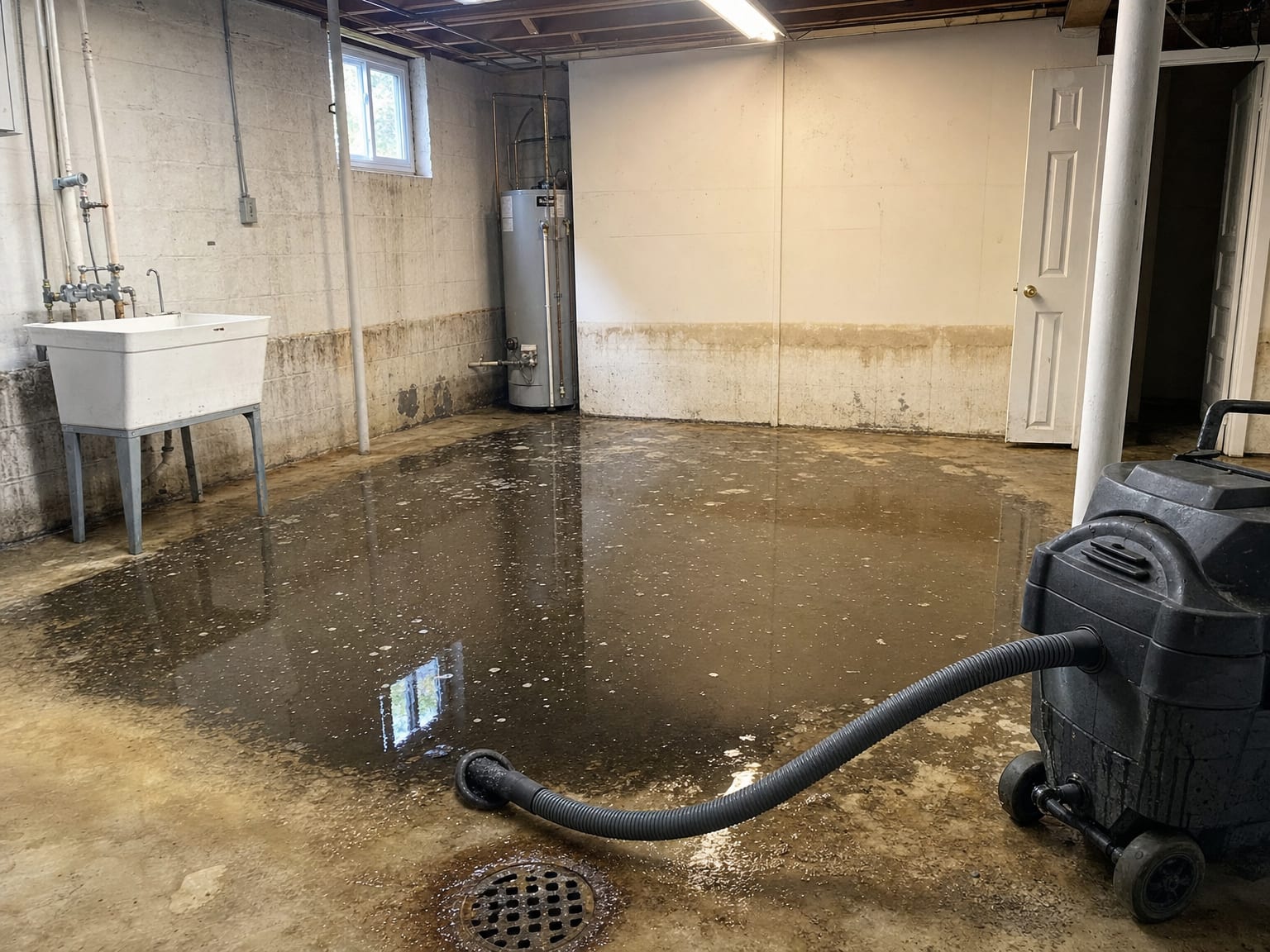
Basement floor drains, bathroom fixtures, and laundry connections are common backup points. In finished basements, sewage can spread across carpet, into walls, and under drop ceilings before it is discovered, making scope assessment more involved than it first appears.
Older Sewer Lateral Lines
Aging clay or cast iron lateral lines are prone to root intrusion, collapse, and offset joints. When the lateral fails, the backup comes up through the lowest fixtures in the house. Properties in established neighborhoods throughout central and southern New Jersey deal with this more frequently than newer construction.
Laundry Rooms and Utility Areas
Floor drains in laundry rooms and utility spaces are low-profile until they back up. Sewage can spread across concrete slab and wick into adjacent finished areas before it is noticed, especially in lower-level spaces without floor drains in every room.
Multi-Unit Properties
In apartment buildings and multi-family properties, a backup in one unit's stack can push material into adjacent units. Shared drain lines create connected contamination pathways that require careful tracing and documentation.
Bathrooms on Slab Foundations
When a bathroom on a slab foundation experiences a backup, sewage can migrate under the slab and create conditions that are difficult to access and dry. Specialized drying equipment and longer monitoring timelines are often required.
Properties After Heavy Rain
Municipal sewer systems can surcharge during heavy rain events, pushing wastewater back through the lowest connected fixtures. Properties in Hamilton, Trenton, New Brunswick, and other municipalities with older combined sewer infrastructure see this pattern with some regularity.
Why Property Owners and Managers Choose ExecPro Restoration & Cleaning
Sewage cleanup requires a contractor who can do more than wet-vac a floor. You need someone who understands Category 3 contamination protocols, makes sound material removal decisions, uses disinfection products correctly, and produces documentation your insurer will actually accept. ExecPro Restoration & Cleaning is licensed and insured, follows IICRC S500 standards on every job, and brings extraction, cleanup, and rebuild under one crew rather than sending you to three different companies.
The integrated approach matters most when structural drying needs to carry through to a rebuild. When the same company that dried the structure also handles drywall replacement, flooring, and paint, the transition is smoother, the scope is consistent, and you are not managing handoffs between contractors who do not know what the other one did. That consistency reduces errors and shortens the time your space is out of commission.
Real estate professionals have found ExecPro equally useful. If a pre-listing inspection or buyer's inspection surfaces a past sewage event with residual odor or suspect staining, the real estate inspection services team can assess the situation, document current conditions, and recommend a remediation path that keeps a transaction moving. For agents and clients in markets like Princeton, Rumson, Summit, Chatham, and Bernardsville, where transaction timelines and property values do not leave much room for uncertainty, that clarity is worth a lot.
Frequently Asked Questions About Sewage Cleanup
Coverage depends on your specific policy and the cause of the backup. Many standard homeowners policies exclude sewer backup unless you have an endorsement for it. Your adjuster will need documentation of initial conditions, affected areas, moisture readings, and disposal. ExecPro compiles that documentation as part of every job, which puts you in the best position when you file your claim.
Sewage Backup in Your Home or Property? Call ExecPro Today.
Call (888) 300-3772 or email hello@execprorc.com to reach ExecPro Restoration & Cleaning. For 24-hour water damage response, we are available when you need us.