Residential Air Quality Testing in Central NJ
You deserve to know what's in the air inside your home. ExecPro Restoration & Cleaning provides targeted air quality assessments that identify real sources, explain results in plain language, and give you a clear path forward.
What Is Residential Air Quality Testing?
Residential air quality testing is a targeted assessment of the air inside your home. A trained technician collects samples from bedrooms, living areas, and other spaces, compares them to an outdoor baseline, and sends results to an accredited laboratory. You receive a written report that tells you what was found, where it was found, what it means, and what to do next. The process typically takes a few hours on-site, and most lab results come back within a few business days.
At ExecPro Restoration & Cleaning, every visit starts with a conversation about what's going on: a musty smell in the basement, a health concern that's been lingering, a recent water issue, an upcoming home sale, or an HVAC system that doesn't seem right. The testing follows the complaint, which means you get answers relevant to your situation rather than a stack of numbers with no context.
The most common concerns in central New Jersey homes involve mold spores, moisture-related issues, and volatile organic compounds (VOCs) from building materials, finishes, or cleaning products. Particulate matter, carbon dioxide trends, and post-remediation air quality are also frequent reasons homeowners call. Whatever prompted your concern, the goal is the same: real information so you can make a real decision.
Why Are NJ Homeowners Scheduling Air Quality Testing?
New Jersey homes face specific air quality pressures. Humid summers and wet winters create ideal conditions for mold growth in basements, attics, and crawl spaces. Older housing stock may have materials that off-gas over time. Tightly sealed, energy-efficient homes hold indoor air longer, which means any pollutant source has more time to affect the people living there.
Many homeowners reach out after noticing a musty or stale odor they can't trace. Others call after a water damage event, wanting to confirm the air is clean before moving back into a finished basement or closing up a repaired crawl space. Home buyers request testing during an inspection contingency to document air conditions before closing. Sellers sometimes request testing proactively to head off surprises during negotiations.
Consumer-grade air monitors have made people more aware of indoor air conditions, but those devices often create more questions than answers. A reading that says "VOC: elevated" doesn't tell you what the source is, whether it's a health concern, or what to do about it. Professional testing connects the numbers to the source, and the source to a practical recommendation.
If you've recently had mold remediation work done in your home, air quality testing is often the logical next step. Post-remediation verification confirms the remediation was effective and that airborne spore counts have returned to normal levels before you close up the space.
What Does the Testing Process Look Like?
ExecPro Restoration & Cleaning approaches every residential air quality assessment the same way: methodically, with your specific concern driving each decision.
Initial Consultation
Before collecting a single sample, we ask about what's been happening in the home. When did you first notice the issue? Have there been any water intrusions, recent renovations, HVAC changes, or health symptoms? This conversation shapes everything that follows and keeps the assessment focused on your actual concern rather than a generic checklist.
Visual Inspection and Moisture Review
Testing without inspection misses the source. Our technician walks the home with you, checking areas where moisture, mold, or air quality problems commonly originate. Moisture meters, hygrometers, and thermal imaging tools help identify conditions that may not be visible but are almost certainly affecting your air. We document what we find before any samples are collected.
Targeted Sample Collection
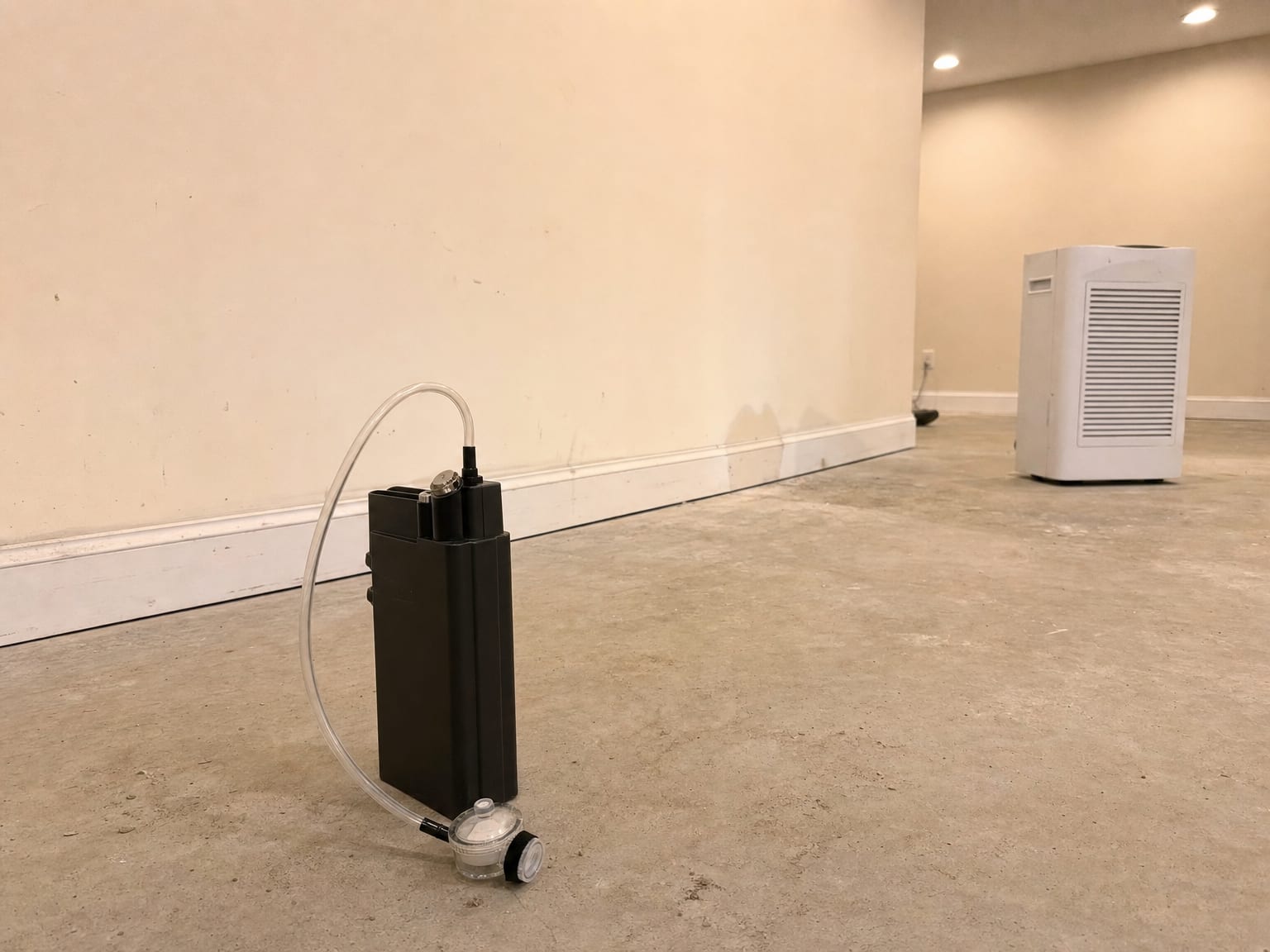
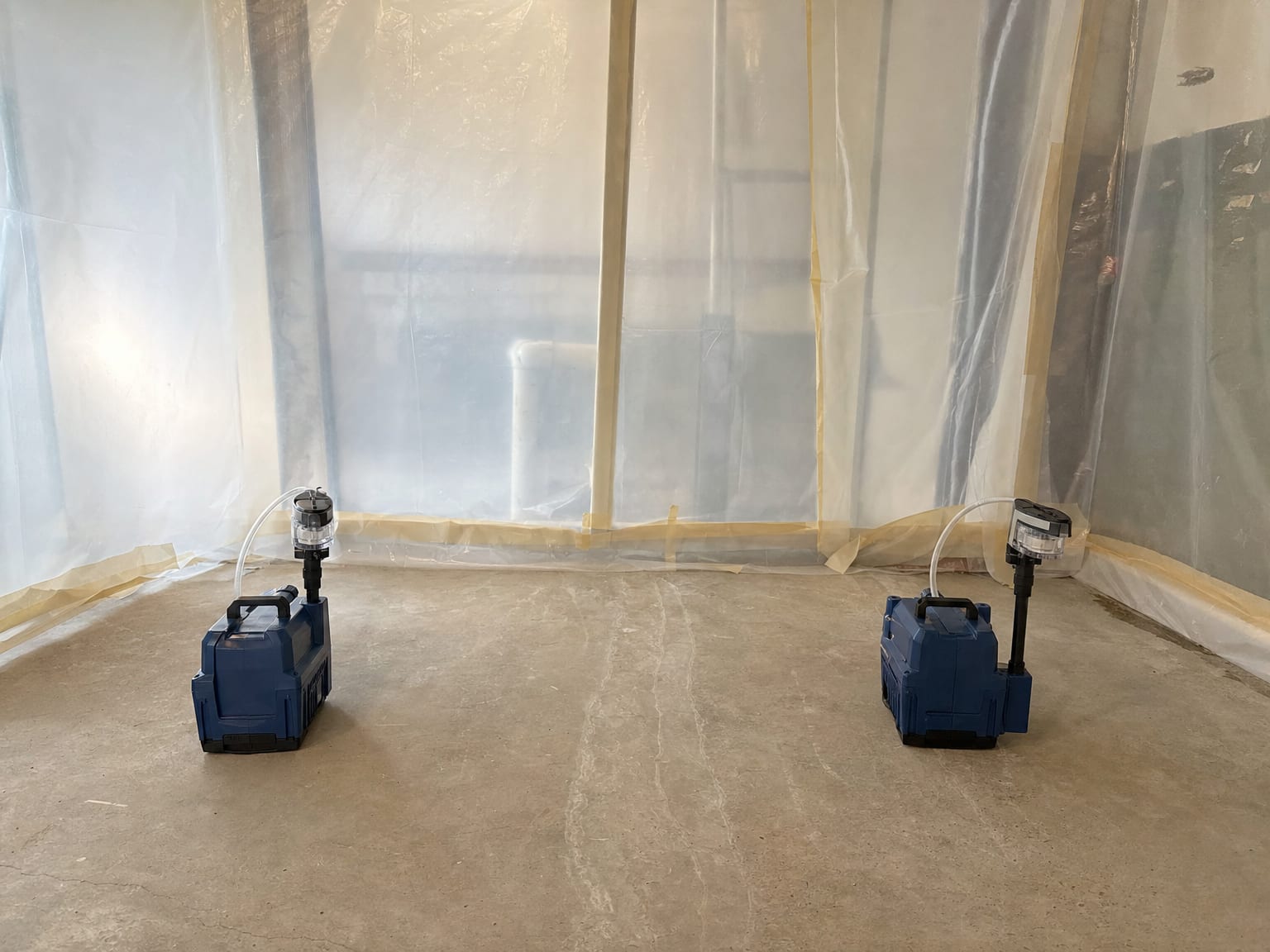
Depending on your situation, we collect air samples, surface samples, or both. Air samples from bedrooms and living spaces are compared to an outdoor baseline taken on the same day. That comparison is a step many cut-rate testing services skip, but without it, indoor readings have no meaningful reference point. All samples are packaged and sent to an accredited laboratory for analysis.
Laboratory Analysis
Results typically come back within a few business days. We review the findings in the context of where samples were collected, what conditions were present at the time, and what the outdoor baseline showed. Raw numbers alone don't tell the story; context does.
Written Report and Plain-Language Explanation
You receive a written report with sample locations documented, photographs, lab results, our interpretation of those results, and recommended next steps. We walk through the findings with you and explain what the results mean for your home and your family, rather than handing you a stack of lab printouts to figure out on your own.
Source Control Recommendations
If the results point to a problem, we tell you what needs to happen to address it. That might mean mold remediation, a ventilation adjustment, HVAC cleaning, or addressing a moisture source that's been feeding the issue. Air quality improves when the source is resolved, not just tested.
What Can Residential Air Quality Testing Detect?
Residential air quality testing covers a range of pollutant types depending on what's being investigated. These are the most common categories ExecPro Restoration & Cleaning addresses.
Mold Spores
Air sampling identifies the types and concentrations of mold spores present in your home, compared against outdoor baseline levels collected the same day. This is one of the most common reasons NJ homeowners request testing, particularly after a musty odor appears or following a water damage event.
Volatile Organic Compounds (VOCs)
VOCs off-gas from paints, adhesives, flooring, finishes, cleaning products, and building materials. New renovations often spike VOC levels temporarily, but in some cases elevated concentrations persist and warrant investigation. VOC testing provides a clear picture of what compounds are present and at what levels.
Particulate Matter
Fine particles in the air can come from HVAC systems, construction debris, outdoor infiltration, or combustion sources inside the home. Elevated particulate readings are often the first sign of a filtration problem or a hidden contamination source.
Allergens
Dust mite allergens, pet dander, and pollen can accumulate in indoor air at concentrations that affect sensitive occupants. Allergen testing is particularly useful for households with allergy sufferers or occupants with respiratory sensitivities who haven't found relief despite other interventions.
Post-Remediation Air Quality
After mold work is completed, many property owners want independent confirmation that airborne spore counts are back within normal ranges before reopening a remediated area. This is a standard part of the closeout process for any well-managed remediation project.
Humidity and Moisture Conditions
Humidity levels directly affect mold growth potential and the overall comfort of your indoor environment. High relative humidity, even without visible moisture, creates conditions where mold, dust mites, and other biological pollutants can thrive. We document temperature and humidity alongside air samples to give you the full picture.
Who Benefits Most from Residential Air Quality Testing?
Homeowners dealing with unexplained odors, recurring respiratory symptoms, or a history of water damage are the most obvious candidates. But residential air quality testing serves a wider range of situations than most people realize.
Home buyers use air quality assessments as part of their due diligence before closing. A property might look clean and freshly painted, but air sampling can reveal elevated mold spore counts that aren't visible to the eye. Pairing air testing with a pre-purchase mold inspection gives buyers the full picture before they commit. Sellers who want to get ahead of any findings can request testing proactively, then address any issues and document the clean results for their listing.
Families with young children, elderly residents, or anyone managing a respiratory condition have extra reason to know what's in their air. Mold spores, allergens, and VOCs can all affect sensitive individuals at lower concentrations than would concern a healthy adult.
Property owners who've recently completed a renovation often find VOC levels elevated in the weeks following the project. New flooring, cabinetry, paint, and adhesives all contribute. Testing helps you understand whether you need to increase ventilation, allow more off-gassing time, or take other steps. If mold removal was part of the renovation, a post-project air test confirms the space is ready to occupy.
Real estate agents and property managers who want to protect their clients and their own professional standing are increasingly requesting inspection services that include air quality documentation. Having a clean report in hand gives everyone involved more confidence.
What Makes ExecPro Restoration & Cleaning Different?
A lot of companies will hand you a test kit and tell you to mail it in yourself. That's not testing; that's outsourcing. When ExecPro Restoration & Cleaning conducts a residential air quality assessment, a trained technician is physically present in your home, walking through the property, identifying moisture sources, and making decisions about where to collect samples based on what they actually observe. No kit, no guesswork, no missing the thing that matters most because no one bothered to look.
The outdoor baseline comparison is something we take seriously. Air samples collected inside your home are only meaningful when compared to outdoor conditions from the same day. Some testing providers skip this step because it takes extra time, but without it, you can't tell what elevated counts inside actually mean relative to what's naturally present in the air outside.
Reports are written for homeowners, not just for file cabinets. You'll understand what we found, what caused it, and what to do about it. If results point to basement mold remediation, HVAC cleaning, or a ventilation change, we say so plainly and explain why. If the results are clean, we tell you that too.
ExecPro Restoration & Cleaning is licensed and insured, and our air quality testing work connects to a full range of remediation and restoration services. That matters because air quality problems rarely exist in isolation. If we find something that needs to be fixed, we can address it directly instead of leaving you to coordinate multiple contractors.
How Does Air Quality Testing Connect to Other Services?
Residential air quality testing sits at the intersection of several services ExecPro Restoration & Cleaning provides, and understanding how they connect makes the whole process more useful.
Testing is often the first step. A homeowner notices something is off, we test to confirm what's present and at what levels, and the results guide the next decision. If mold is detected, that finding informs whether residential mold testing or a full mold inspection is warranted to document scope before remediation begins. If the results show elevated VOCs connected to a recent renovation, the recommendation might be as simple as improving ventilation rather than any major intervention.
Testing is also a closeout tool. After remediation is complete, air quality testing documents that the work was effective. That documentation matters for insurance claims, real estate disclosures, and your own peace of mind. Indoor air quality testing as a post-project verification step gives you a paper trail that the problem was resolved, not just addressed.
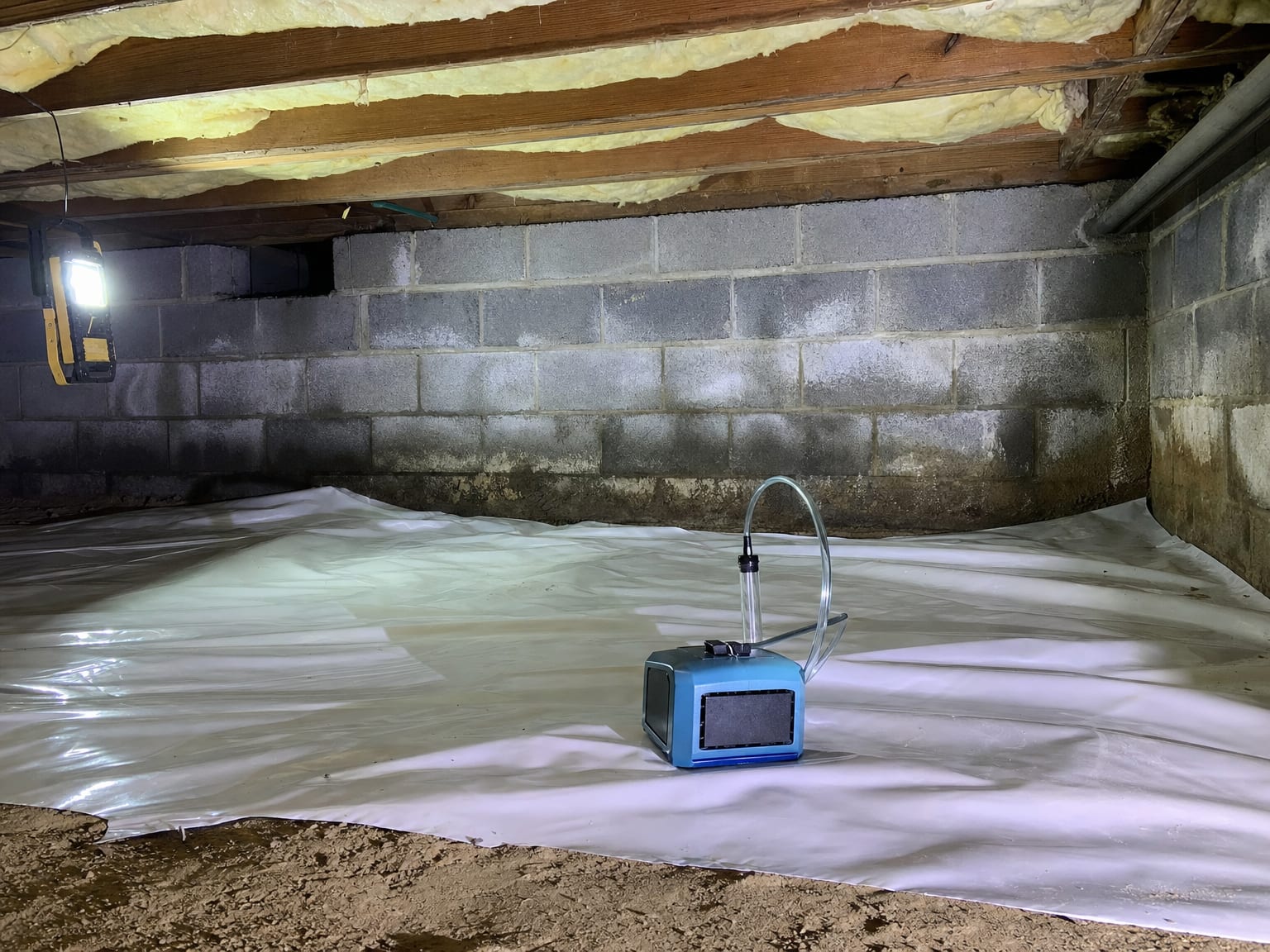
For homes that have experienced water damage, air quality testing is often part of the recovery sequence. Water intrusion creates the conditions mold needs to establish itself, and air sampling can detect elevated spore counts before visible growth appears. If you've had water damage restoration work done, air testing confirms the drying and cleanup were thorough enough to prevent secondary mold growth.
Residential Air Quality Testing: Frequently Asked Questions
These questions come up regularly from homeowners across Princeton Junction, West Windsor, Princeton, and the surrounding communities we serve.
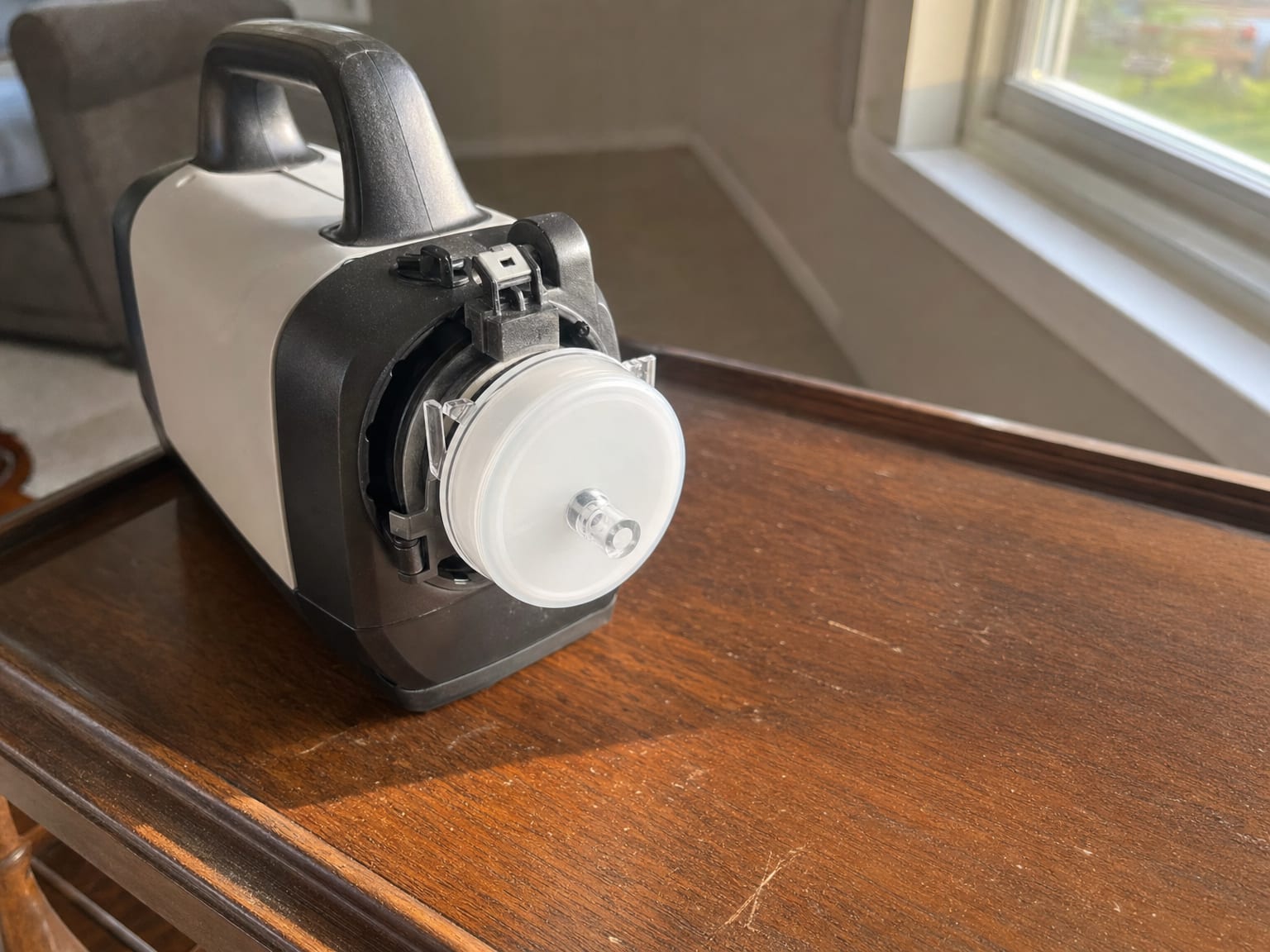
Most residential visits take between two and four hours depending on the size of the home and the number of sample locations needed. Air pumps collect samples over a set period while the technician completes the visual inspection and documents conditions. Lab turnaround typically adds a few business days before you receive your full report.