Flooring Installation in Central & Southern NJ
ExecPro Restoration & Cleaning installs hardwood, luxury vinyl plank, tile, and carpet across central and southern New Jersey, handling everything from subfloor prep and moisture testing to finished installation and cleanup. Whether you're replacing floors after water damage or upgrading a room from scratch, you get one team managing the full scope.
What Does Flooring Installation with ExecPro Actually Include?
Flooring installation covers the full process of removing your old floor, preparing the subfloor beneath it, and installing new material according to manufacturer specifications and industry standards. At ExecPro Restoration & Cleaning, that process includes evaluating the room and subfloor conditions before anything gets pulled up, correcting moisture or flatness problems that would cause the new floor to fail, and finishing with cleanup and care instructions so you know how to protect your investment. You get a completed floor, not just a drop-and-go installation.
The materials we work with are hardwood, luxury vinyl plank (LVP), tile, and carpet. Each one has its own requirements for subfloor prep, acclimation, installation method, and moisture tolerance. A floating click-lock LVP floor goes down very differently than a nail-down hardwood or a mortar-set tile, and the prep work beneath each is different too. When those distinctions get skipped, you end up with floors that cup, buckle, separate, or hold moisture. We follow the product manufacturer's installation requirements and NWFA technical guidelines for wood flooring to make sure the floor that goes down stays down.
For properties that have been through water damage, mold remediation, or flood cleanup, flooring installation often becomes the final step in restoring a room to fully usable condition. After structural drying and any needed mold remediation work, the subfloor has to be clean, dry, and structurally sound before new flooring can go over it. Because ExecPro Restoration & Cleaning handles both the restoration side and the build-back side, you don't have to coordinate a separate contractor to finish the job.
Which Flooring Materials Are Right for New Jersey Homes?
Choosing the right flooring material starts with understanding the room, not just the look you want. New Jersey homes deal with basements, humidity, coastal moisture, seasonal freeze-thaw cycles, and occasional water events from burst pipes or storms. A floor that looks great on installation day but can't handle those realities isn't a good fit, no matter how attractive the sample looks in a showroom.
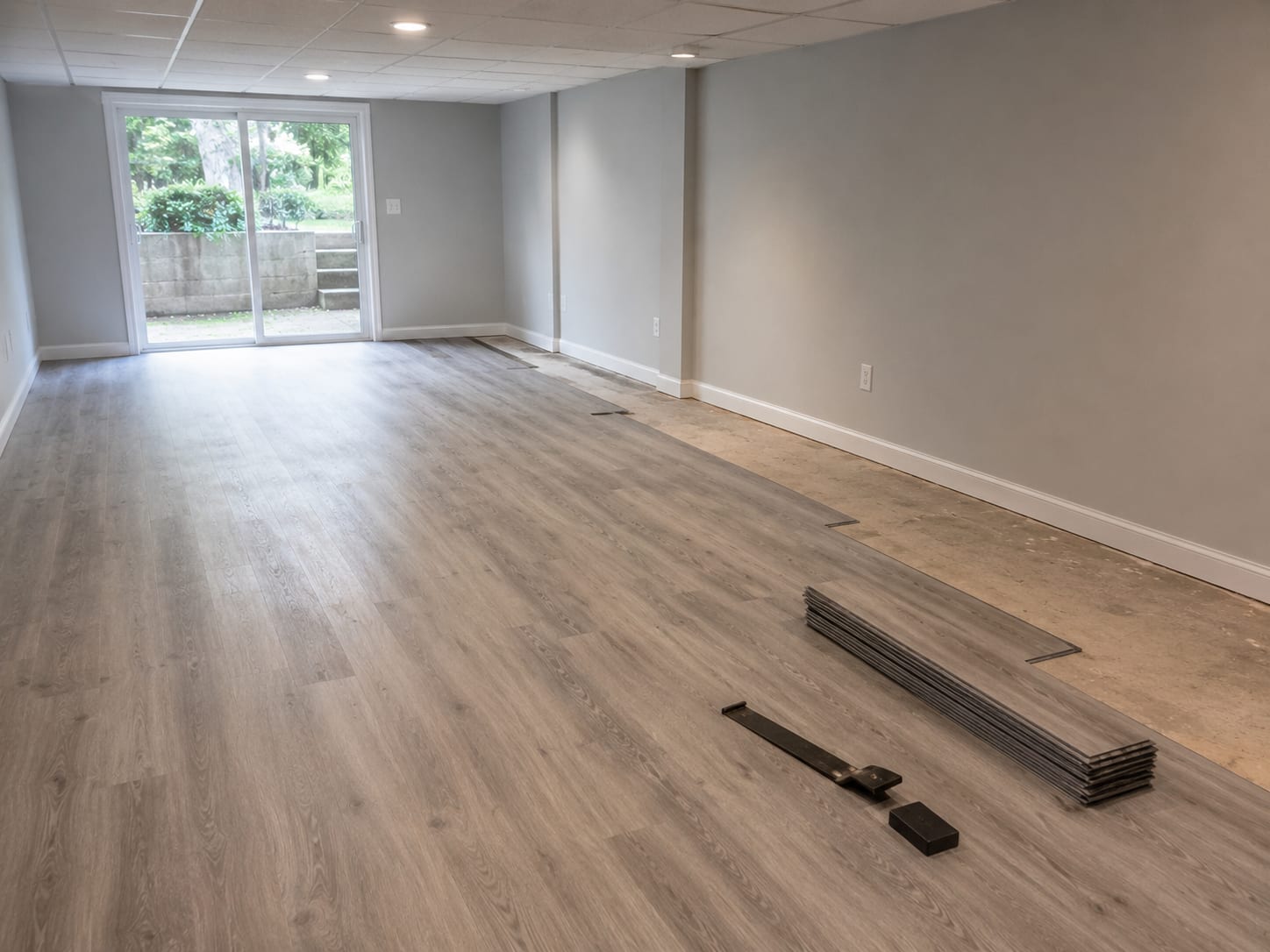
Luxury vinyl plank is the strongest performer in high-moisture environments. Its waterproof or water-resistant core makes it the practical first choice for basements, laundry rooms, mudrooms, rental units, and any space that has seen water events before. LVP also offers realistic hardwood and stone visuals at a lower price point than the real thing, and digital printing and embossed textures have made the newest products genuinely hard to distinguish from natural materials. For finished lower levels or post-water-damage rebuilds, LVP almost always makes more sense than traditional hardwood.
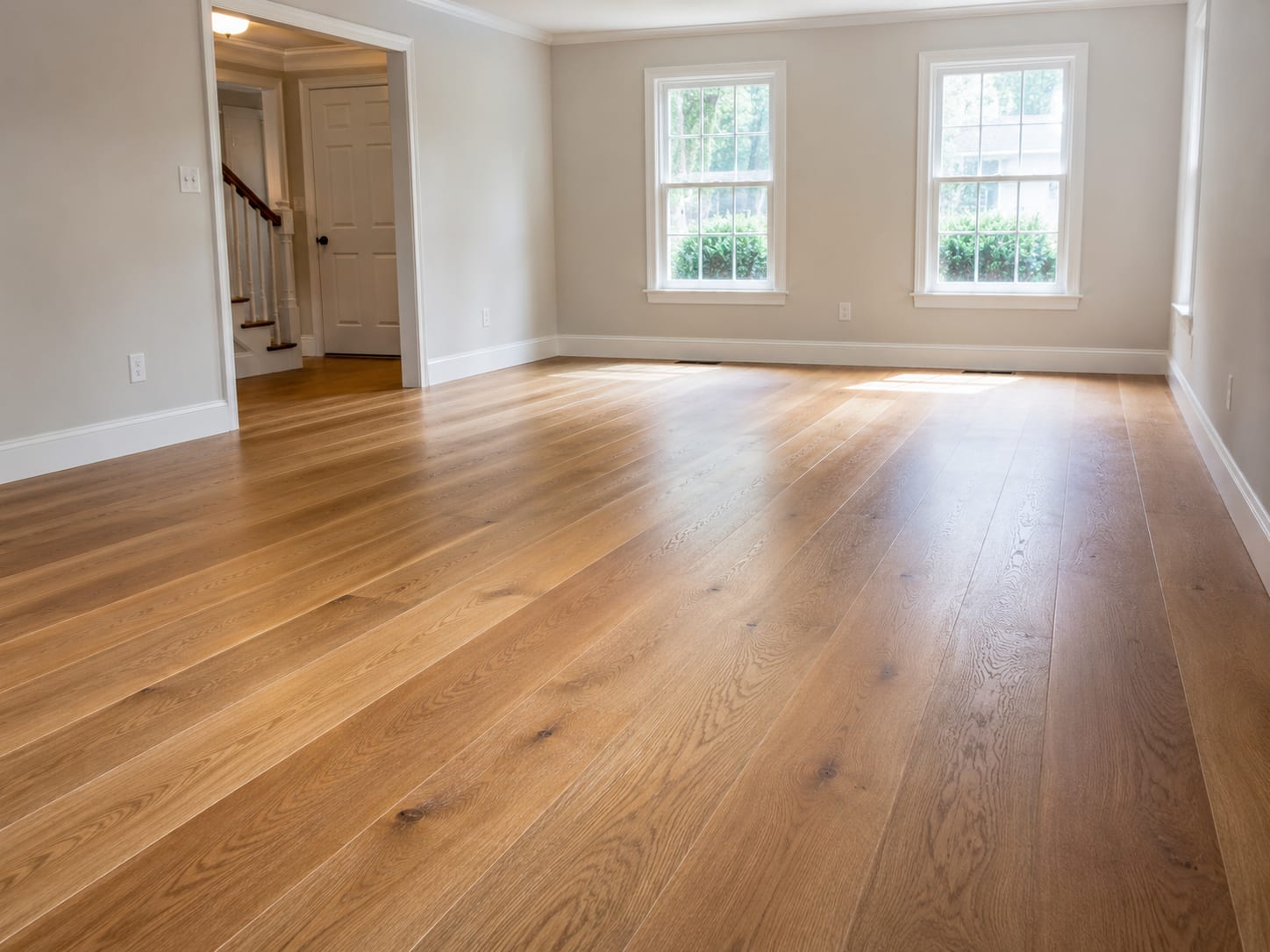
Hardwood brings warmth and lasting value that most homeowners still want in main living areas, dining rooms, and bedrooms that are above grade and well-conditioned. It requires more attention during installation: the material needs to acclimate to the home's temperature and humidity before it gets fastened down, and the subfloor moisture levels have to be confirmed with a moisture meter before installation begins. Installed correctly in the right environment, hardwood floors hold up for decades and can be refinished rather than replaced.
Tile is the standard for bathrooms and kitchens because of its water resistance and cleanability, but it also works well in entryways and laundry spaces. Proper tile work depends heavily on subfloor flatness and structural rigidity. A subfloor that flexes even slightly over time will crack grout lines and eventually crack tiles. Carpet remains the go-to material for bedrooms and lower-traffic areas where softness and sound absorption matter more than moisture resistance. For anyone with indoor air quality concerns, underlayment, adhesive, and material choices all affect VOC emissions, and those choices are part of the conversation during the planning phase.
Why Subfloor Prep Determines Whether Your Floor Lasts
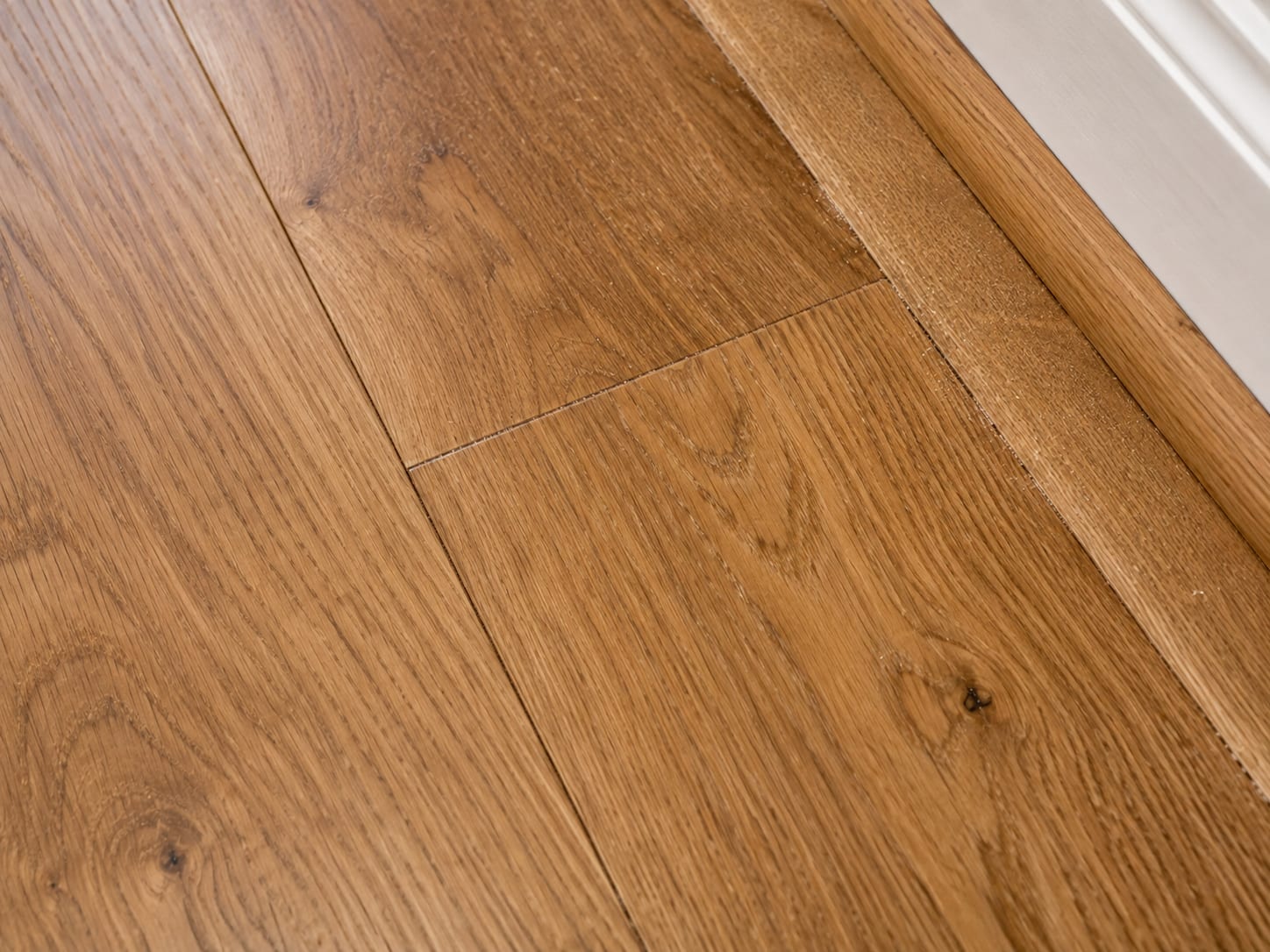
Most flooring problems that show up a year after installation, things like cupping, buckling, adhesive failure, squeaking, and cracked grout, don't come from the finished floor material itself. They come from what was happening underneath it. Subfloor preparation is the unsexy part of flooring work that separates an installation that holds up for fifteen years from one that starts showing problems before the first winter is over.
After old flooring is removed, the subfloor gets evaluated for moisture, flatness, structural integrity, and compatibility with the new product. High spots get sanded down. Low spots get filled and leveled. Loose panels get fastened. Adhesive residue from old flooring gets cleared. Damaged sections get replaced. For concrete subfloors, relative humidity testing confirms whether moisture vapor emission rates are within the acceptable range for the product going down.
This step matters most after water damage, flooding, or mold remediation. Even when a subfloor looks dry on the surface, elevated moisture can persist deeper in the material, especially in OSB panels or older plank subfloors. Installing a new floor over a subfloor that still holds moisture is one of the most reliable ways to create a mold problem inside a floor assembly. That's why ExecPro Restoration & Cleaning treats subfloor verification as a non-negotiable part of the installation process, not an optional add-on.
Modern vapor control systems and underlayment products have improved significantly. The right underlayment choice contributes to sound control, thermal insulation, and moisture management depending on the application and the floor type. These are decisions made at the planning stage, not improvised on installation day.
How the Flooring Installation Process Works
Every installation follows a consistent sequence designed to prevent problems before they start. This is how ExecPro Restoration & Cleaning handles a flooring project from first visit to finished room.
Site Evaluation
Before any material gets ordered or old flooring removed, we evaluate the room's use, moisture history, subfloor type and condition, traffic level, and whether the space is above grade, on grade, or below grade. Rooms with a history of water intrusion or prior mold issues get extra attention during this phase. The evaluation informs the material recommendation and the scope of prep work needed.
Old Flooring Removal
Existing flooring is removed carefully and disposed of properly. In older homes, flooring removal may require lead-safe work practices under EPA RRP rules if the property was built before 1978 and the flooring or adhesives may contain lead. Once the surface is cleared, the subfloor below is exposed and assessed fully for the first time.
Subfloor Preparation
The subfloor gets cleaned, leveled, dried, patched where needed, and tested for moisture. Any section that is damaged, structurally compromised, or contaminated gets replaced before the new floor goes down. For concrete slabs, moisture testing follows ASTM F2170 or F1869 standards depending on the product requirements. Flatness is confirmed against the manufacturer's tolerance spec before installation begins.
Material Acclimation
Hardwood and many engineered wood products need time in the home's environment before installation. The material adjusts to the room's temperature and humidity so that it doesn't expand or contract significantly after it's fastened down. NWFA guidelines specify the conditions and timelines for proper acclimation, and we follow them. Skipping this step comes at the cost of the finished floor's stability.
Installation
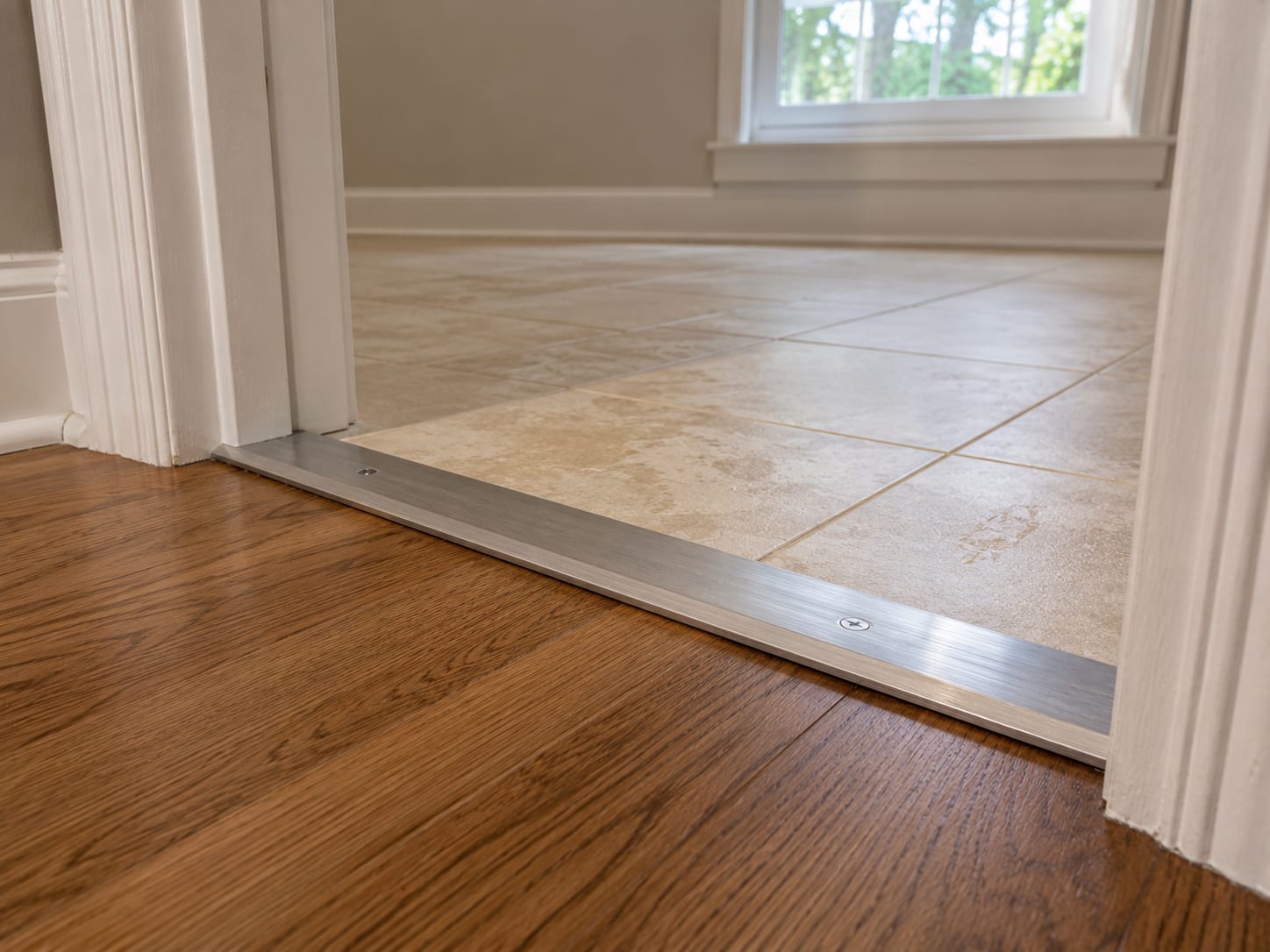
The floor goes down using the method appropriate for the product: nail-down, glue-down, floating click-lock, mortar-set, or stretch-in. Expansion gaps, transitions between rooms, and thresholds are handled according to manufacturer specifications. For tile, grout selection and joint sizing are part of the job. For carpet, seam placement and stretch direction are planned before the first cut.
Cleanup, Documentation, and Care Instructions
When installation is complete, the space gets cleaned and cleared. We document any areas that need monitoring or follow-up, explain the manufacturer's recommended care and cleaning products, and leave you with warranty information. The goal is that you know exactly how to protect the floor from day one.
How Flooring Installation Connects to Restoration and Mold Remediation
Water damage and mold remediation often end with a room that's been stripped down to the studs and subfloor. The structure is clean and dry, but it isn't livable yet. Getting from a bare remediated room back to a finished, functional space is what ExecPro Restoration & Cleaning's build-back services are designed to handle, and flooring installation is usually one of the final steps in that sequence.
When water extraction, drying, and mold remediation are handled by the same team that installs the new floor, nothing gets handed off between contractors mid-project. There's no risk of a flooring crew showing up before the subfloor is truly dry, no disputes about whose responsibility a moisture problem is, and no gap between the remediation sign-off and the installation start. The transition from remediation to rebuild is coordinated internally, which keeps the project timeline tighter and the accountability cleaner.
This matters for insurance claims, too. When one provider documents the full scope from water damage restoration through final installation, the paper trail for your insurer is complete and consistent. There's no conflicting documentation from separate contractors, and the scope of work is easy to follow from beginning to end. If you're working through a post-mold remediation rebuild after significant contamination, having that continuity across the project saves real time and reduces coordination headaches.
For real estate transactions, flooring condition is often a negotiating point or a contingency item. Buyers and sellers working through agents in markets like Princeton, Somerset, or Cherry Hill regularly need remediation and restoration work completed before closing. ExecPro Restoration & Cleaning handles the full sequence so that agents and their clients aren't managing two separate contractors to get a property ready.
What Sets ExecPro Restoration & Cleaning Apart for Flooring Work in NJ
There are a lot of flooring contractors in central and southern New Jersey. Here's what's different about working with ExecPro Restoration & Cleaning.
Moisture Knowledge from the Remediation Side
Because ExecPro Restoration & Cleaning works in mold remediation and water damage restoration every day, we understand how moisture moves through building materials in a way that a flooring-only contractor typically doesn't. That knowledge directly affects how we evaluate subfloors, select materials, and sequence the installation relative to any prior drying work.
Licensed, Registered, and Insured
ExecPro Restoration & Cleaning is a registered home improvement contractor operating under New Jersey Consumer Affairs requirements. Every job is covered. You're not taking on risk by working with us.
One Team from Demo to Done
When flooring is part of a larger restoration or renovation project, you deal with one point of contact. No subcontractor handoffs, no finger-pointing between trades, no scheduling gaps while you wait for the next crew. The project moves forward as a single coordinated scope.
Material Honesty, Not a Sales Push
We tell you which material makes sense for your specific room, subfloor, and history, even when that recommendation points toward a less expensive option. A finished basement with a prior water intrusion history should get LVP, not hardwood, regardless of what looks better in a catalog.
Health and Air Quality Awareness
Material choices, adhesives, underlayment, and dust control during demolition all affect the air quality in your home during and after installation. We're familiar with low-VOC adhesives, HEPA cleanup practices, and how to handle removal of older flooring materials that may present concerns. That background comes directly from working in remediation.
Serving Dozens of Communities Across NJ
ExecPro Restoration & Cleaning operates across central and southern New Jersey. From Princeton Junction and Flemington to Freehold, Cherry Hill, and Burlington, we're close enough to be on-site quickly and staffed to handle projects across the region.
Frequently Asked Questions About Flooring Installation
These are the questions we hear most often from homeowners and property owners planning a flooring project in New Jersey.
Project timelines vary by room size, material type, and how much subfloor prep is needed. A single room of LVP on a prepared subfloor can often be completed in a day. Hardwood installations that require acclimation time add several days before work begins. Larger projects covering multiple rooms or requiring significant subfloor repair take longer, and that scope gets discussed clearly during the evaluation phase so you have a realistic timeline before we start.