Exterior Painting in Central New Jersey
ExecPro Restoration & Cleaning handles full exterior repaints for homes across central NJ, from thorough surface preparation through final coat. When your siding, trim, or wood surfaces need more than a touch-up, we bring the prep and process that keeps paint performing through New Jersey's demanding weather.
What Does Exterior Painting Actually Include?
Exterior painting from ExecPro Restoration & Cleaning covers the full scope of work: surface inspection, cleaning, scraping and sanding, caulking, priming, and applying finish coats to siding, trim, doors, soffits, fascia, and other exterior surfaces. A typical residential repaint takes two to five days depending on the size of the home, the condition of the existing coating, and how much surface preparation is needed before paint ever touches the wall.
What you're getting isn't just color. Exterior paint is your home's primary defense against moisture intrusion, UV degradation, and the kind of slow damage that starts with a cracked caulk joint and ends with rot. In New Jersey, where the weather cycles from humid summers to hard freezes and back again, a coating that wasn't properly applied won't last. The preparation work determines how many years you get out of the job.
If your home was built before 1978, there's another consideration. Many older properties in central NJ still have lead-based paint on exterior surfaces. Disturbing that paint during scraping or sanding requires EPA-compliant lead-safe practices, including proper containment, dust control, and cleanup. It's not optional, and it's one reason choosing a qualified contractor matters on older homes.
Why NJ Homes Are Harder on Exterior Paint Than Most
New Jersey's climate puts real pressure on exterior coatings. Summer brings high humidity and prolonged heat that can cause paint to blister if moisture is trapped beneath the surface. Fall and spring bring heavy rain. Winter delivers freeze-thaw cycles that expand and contract siding, caulk, and wood, opening cracks in coatings that weren't flexible enough to move with the house.
Homes closer to the shore deal with salt air on top of all that. Salt accelerates corrosion on metal elements and breaks down coatings faster, which is why prep work and product selection matter just as much as the color you pick. Properties in towns like Brielle, Bay Head, Sea Girt, and Spring Lake see this kind of wear more quickly than inland homes.
That's what makes surface prep the most important part of any exterior painting project in this region. A coat of paint over chalking, peeling, or moisture-compromised surfaces will fail early regardless of how good the paint is. Proper prep addresses the problem before it's sealed in.
How the Exterior Painting Process Works
Every exterior painting project ExecPro Restoration & Cleaning completes follows a defined process. Each step prepares the surface for the one that follows, and skipping any of them is how paint jobs fail in the first year.
Exterior Inspection
Before any work begins, the crew inspects the entire exterior for peeling paint, chalking, mildew, cracked or missing caulk, rot, water staining, damaged trim, and loose materials. This inspection determines whether the job is a straightforward repaint or a repair-and-paint project. It also identifies any areas where moisture may be actively getting behind the surface, which needs to be addressed before painting.
Surface Washing
Exterior surfaces are cleaned to remove dirt, mildew, pollen, chalk, and any loose material that would prevent the new coating from bonding. Depending on the surface and condition, this may involve soft washing, pressure washing at appropriate settings, or hand cleaning with detergents. Mildew must be treated and killed, not just rinsed off, or it will grow back through the new paint.
Scraping, Sanding, and Feathering
Loose and peeling paint is removed by scraping, and edges are sanded or feathered smooth so the new coating has a stable surface to adhere to. On homes built before 1978, this step is performed using EPA-compliant lead-safe practices, including containment and controlled dust management. Painting over peeling areas without proper removal is how bubbling and lifting happens within months.
Repairs Before Paint
Open seams and joints are re-caulked with appropriate exterior-grade sealants. Damaged trim pieces are repaired or replaced. Rotten wood is addressed rather than painted over, because paint cannot save deteriorated wood and sealing in rot only accelerates it. Any bare wood or patched areas are noted for priming.
Priming Where It Matters
Bare wood, repaired areas, stained surfaces, chalky spots, metal elements, and masonry all typically require primer before finish coats. The right primer depends on the substrate. Wood needs different treatment than fiber cement, and masonry needs different treatment than previously painted trim. Skipping primer on bare or problem surfaces causes adhesion failure.
Finish Coat Application
Finish coats are applied in the right conditions: appropriate temperature, controlled humidity, no rain in the forecast, and surfaces that have dried properly. New Jersey's spring and fall windows are often the strongest seasons for exterior painting, but scheduling around weather matters all year. The number of finish coats depends on the surface color change, the condition of the existing paint, and the product being used.
Final Walkthrough and Cleanup
After the work is complete, the site is cleaned, drop cloths and protective coverings are removed, and any overspray or drips on windows, concrete, or landscaping are addressed. A final walkthrough confirms coverage quality, caulk lines, and trim detail before the job is considered done.
What Makes One Exterior Paint Job Last Longer Than Another?
The honest answer is preparation time. Two crews can use the same brand of paint on the same house and get completely different results at the three-year mark if one spent two days on prep and the other spent two hours. Adhesion, surface cleanliness, moisture content, caulk integrity, and primer coverage all determine how long the coating holds before it starts to crack, peel, or fade.
Product selection plays a role too. Modern exterior acrylics and hybrid coatings are formulated for better flexibility, mildew resistance, and UV stability than what was available a decade ago. Choosing a coating matched to the substrate, whether that's wood clapboard, fiber cement, aluminum, vinyl, brick, or stucco, matters. Each surface has different expansion characteristics and different adhesion requirements.
Moisture is the most common cause of early exterior paint failure. Painting over wood that isn't fully dry, over caulk that's already failing, or during weather conditions that trap moisture under the film almost guarantees problems. A moisture meter and a proper weather window aren't extras; they're standard practice for work that's supposed to last.
ExecPro Restoration & Cleaning approaches exterior painting with the same attention to underlying conditions that defines our mold remediation and water damage restoration work. Moisture problems hidden behind paint don't disappear when you cover them. If we find evidence of active moisture intrusion during an exterior inspection, we'll tell you before we start painting.
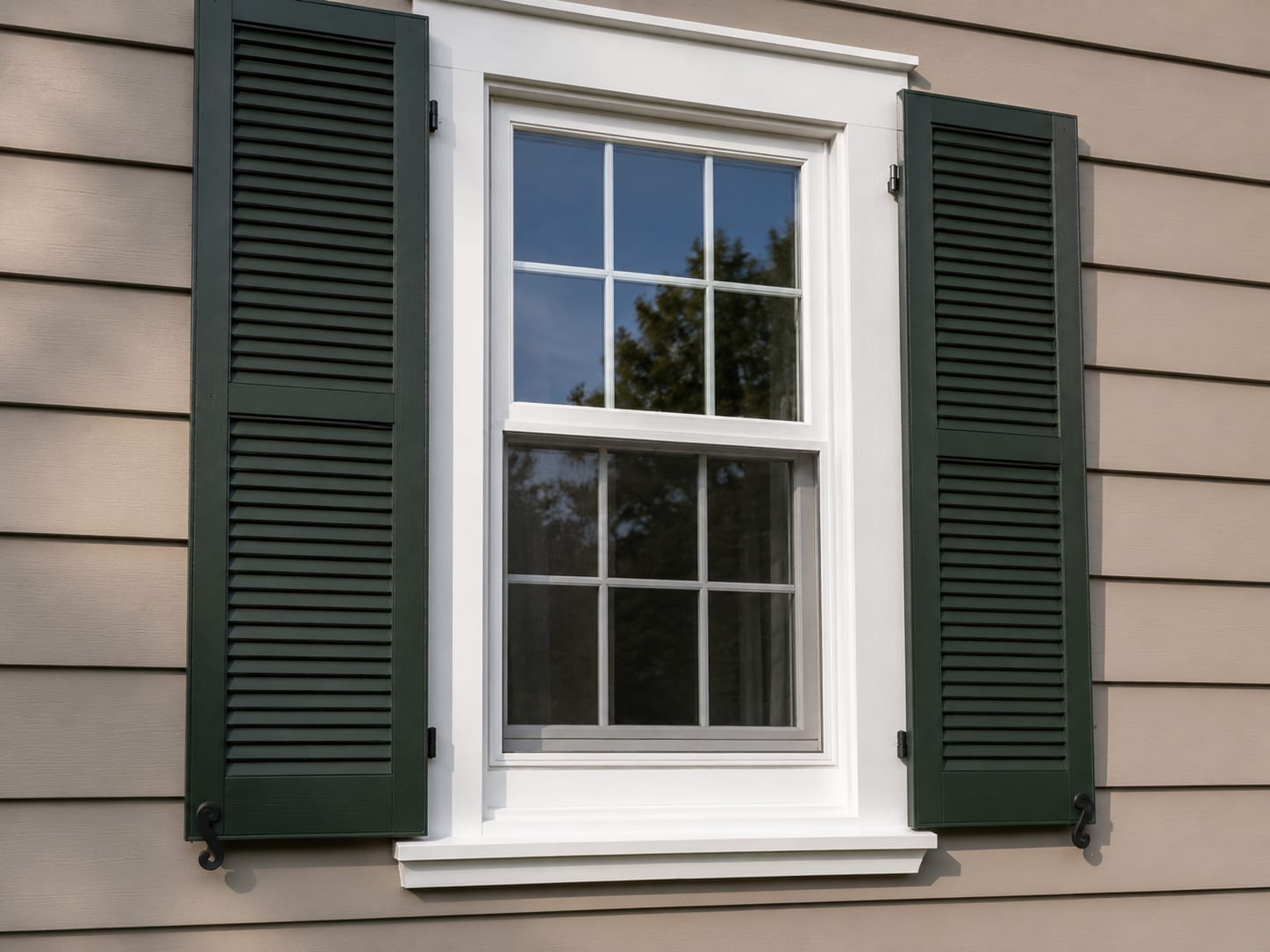
Exterior Painting as Part of Post-Remediation and Restoration Work
Exterior painting often comes up in the context of restoration rather than cosmetic updates. If your home has gone through water damage restoration or structural mold repair, the exterior surfaces involved may need repainting as part of the build-back. In those cases, the painting work has to account for newly replaced materials, repaired sections, and surfaces that need to match the surrounding finish as closely as possible.
ExecPro Restoration & Cleaning's general contracting background means exterior painting doesn't happen in isolation from the rest of the project. We can coordinate painting with siding repairs, trim replacement, drywall work, and other tasks that are part of a larger restoration scope. That coordination reduces the handoff problems that show up when painting is contracted separately from the repair work that preceded it.
If you're a homeowner who has been through a significant restoration project and the final step is bringing the exterior back to a finished condition, that's exactly the kind of work we're set up to handle. Our build-back services and general contracting work are designed to take a property from remediated and repaired to fully restored.
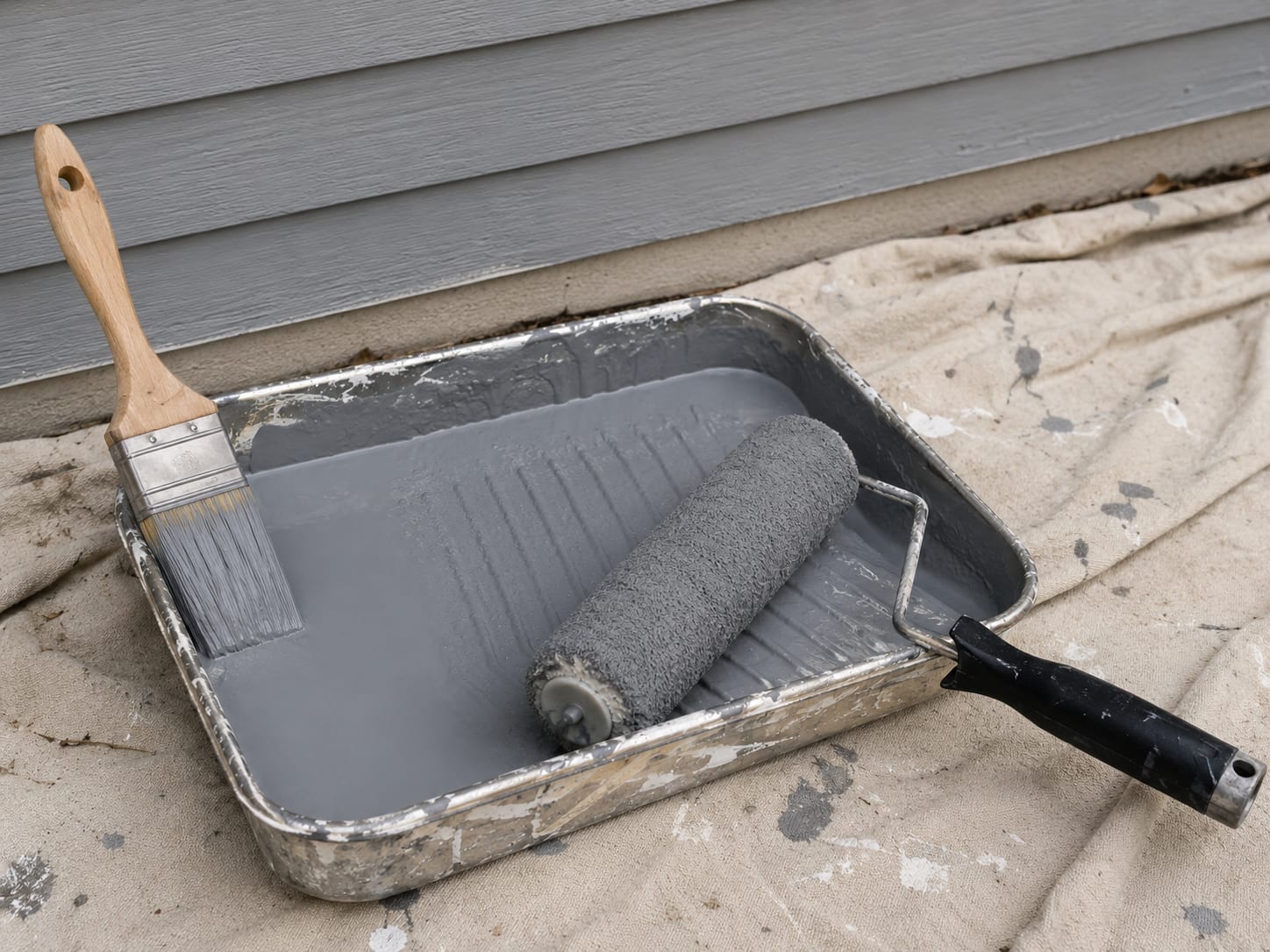
Color Selection and What's Trending for NJ Homes
Color choices for NJ homes are running toward warmer neutrals right now. Warm whites, soft taupes, greiges, stone tones, and deep earth greens are popular across colonial, Cape Cod, ranch, and older village-style homes throughout central NJ. These palettes hold up well for resale value, complement the architectural styles common in the region, and don't read as trendy in a way that dates the house quickly.
Historic color palettes are also getting more attention, especially for properties in older towns like Princeton, Flemington, and Lambertville where the surrounding neighborhood has a strong architectural character. Getting the color right on those properties takes a bit more consideration than a standard repaint, and it's worth thinking through before committing.
Most major paint manufacturers offer digital visualization tools that let you preview colors on a photo of your actual home before ordering anything. It's worth using those tools, especially if you're changing color families significantly. Color decisions that look confident on a small chip can feel very different at full scale across an entire facade.
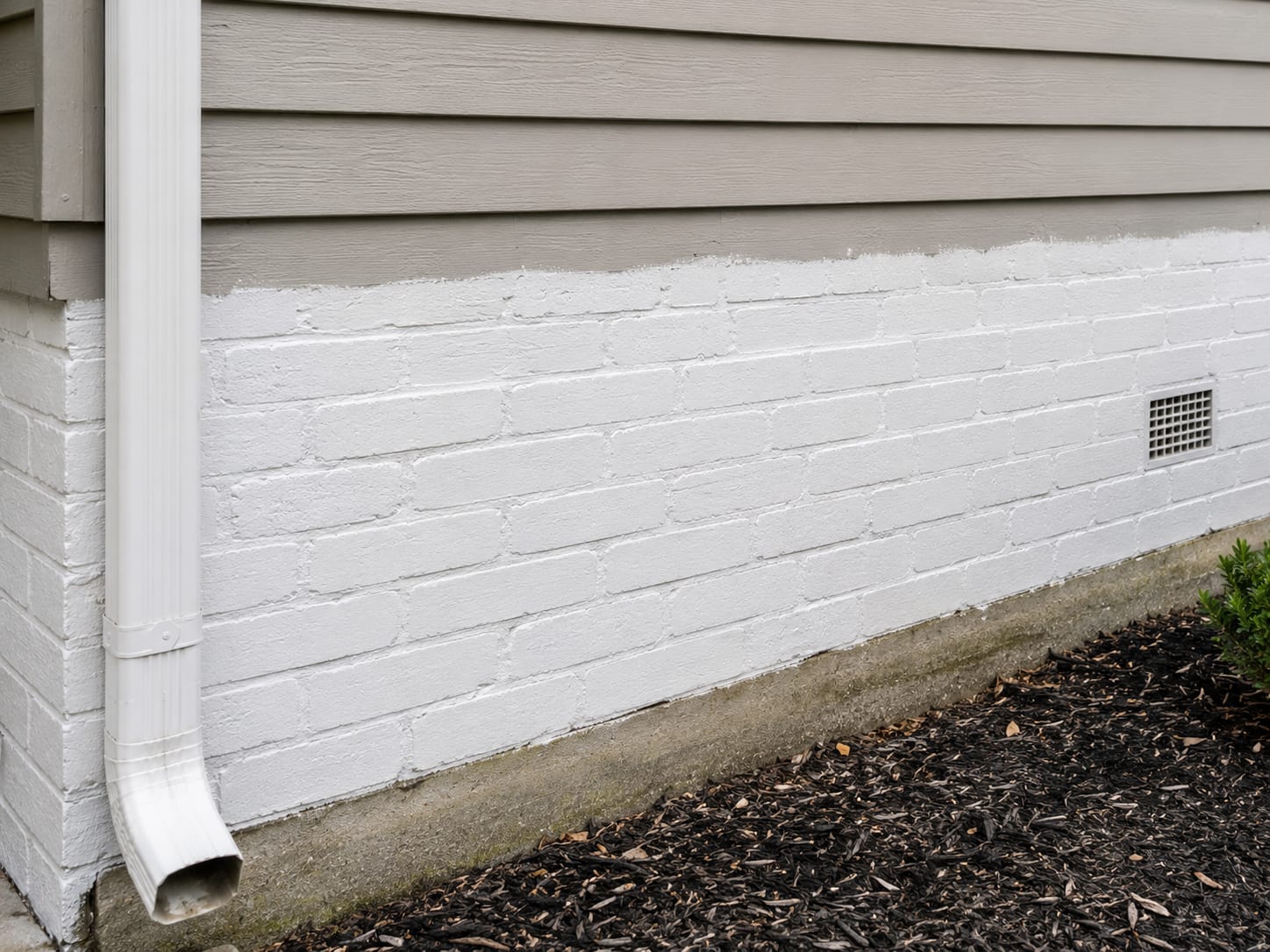
Why Work With ExecPro Restoration & Cleaning for Exterior Painting?
ExecPro Restoration & Cleaning is licensed and insured, serving homeowners throughout central New Jersey. Here's what sets the work apart.
Restoration-Informed Approach
Because ExecPro Restoration & Cleaning works in mold remediation and water damage restoration, our crews are trained to recognize moisture problems, surface failures, and underlying conditions that most painting contractors miss. Painting over a problem doesn't solve it. We identify issues before the first coat goes on.
Prep-First Process
Our exterior painting process puts more time into preparation than most crews do. Washing, scraping, feathering, caulking, priming, and repairing come before any finish coat. That's what determines how long the job holds up through NJ winters and humid summers.
Lead-Safe Practices on Older Homes
For homes built before 1978, EPA-compliant lead-safe practices are standard on every project. That means proper containment, controlled dust management during scraping and sanding, and appropriate cleanup, for the safety of your family and for compliance.
Full-Service General Contracting
Exterior painting from ExecPro Restoration & Cleaning is backed by full general contracting capabilities. If repairs are needed before paint, whether that's rotted trim, failing caulk joints, or siding damage, we can handle those repairs as part of the same project rather than coordinating multiple separate contractors.
Weather-Driven Scheduling
Exterior coatings in NJ require proper conditions to cure and bond correctly. We schedule work around temperature, humidity, and rain forecasts rather than forcing a completion timeline that compromises the result. The goal is a finish that lasts, not a job that's done fast.
Broad Service Area Across Central NJ
ExecPro Restoration & Cleaning serves homeowners from Princeton Junction and West Windsor through Somerset, Bridgewater, Flemington, Red Bank, Freehold, Lakewood, Cherry Hill, and beyond. If your home is in central or coastal New Jersey, we can get there.
Frequently Asked Questions About Exterior Painting
These questions come up regularly with homeowners preparing for an exterior painting project in New Jersey.
Most residential exterior painting projects take two to five days from start to finish. The timeline depends on the size of the home, the amount of surface preparation required, and the weather conditions during the project. A home with significant peeling, rot repair, or caulking needs will take longer than a clean surface in good condition. Weather delays for temperature, humidity, or rain are sometimes necessary to protect the quality of the finished coating.
Areas We Serve for Exterior Painting
ExecPro Restoration & Cleaning provides exterior painting services throughout central New Jersey, covering communities from Somerset County through Mercer, Middlesex, Hunterdon, Monmouth, Burlington, and Union counties. Whether you're in Princeton Junction, Hamilton, Flemington, Red Bank, Freehold, Middletown, Lakewood, Cherry Hill, or any of the surrounding areas, we work in your neighborhood.
Our service area spans from the Somerset Hills and Watchung communities in the northwest through coastal towns in Monmouth County and down through Burlington County. Reach out to confirm availability for your specific location, or call us at (888) 300-3772 to get the conversation started.