Flood Damage Cleanup in Central & Northern NJ
When floodwater enters your property, every hour matters. ExecPro Restoration & Cleaning handles full-scope flood damage cleanup, from emergency water extraction and contaminated material removal to structural drying and antimicrobial treatment, so your property is safe, dry, and documented.
What Does Flood Damage Cleanup Actually Include?
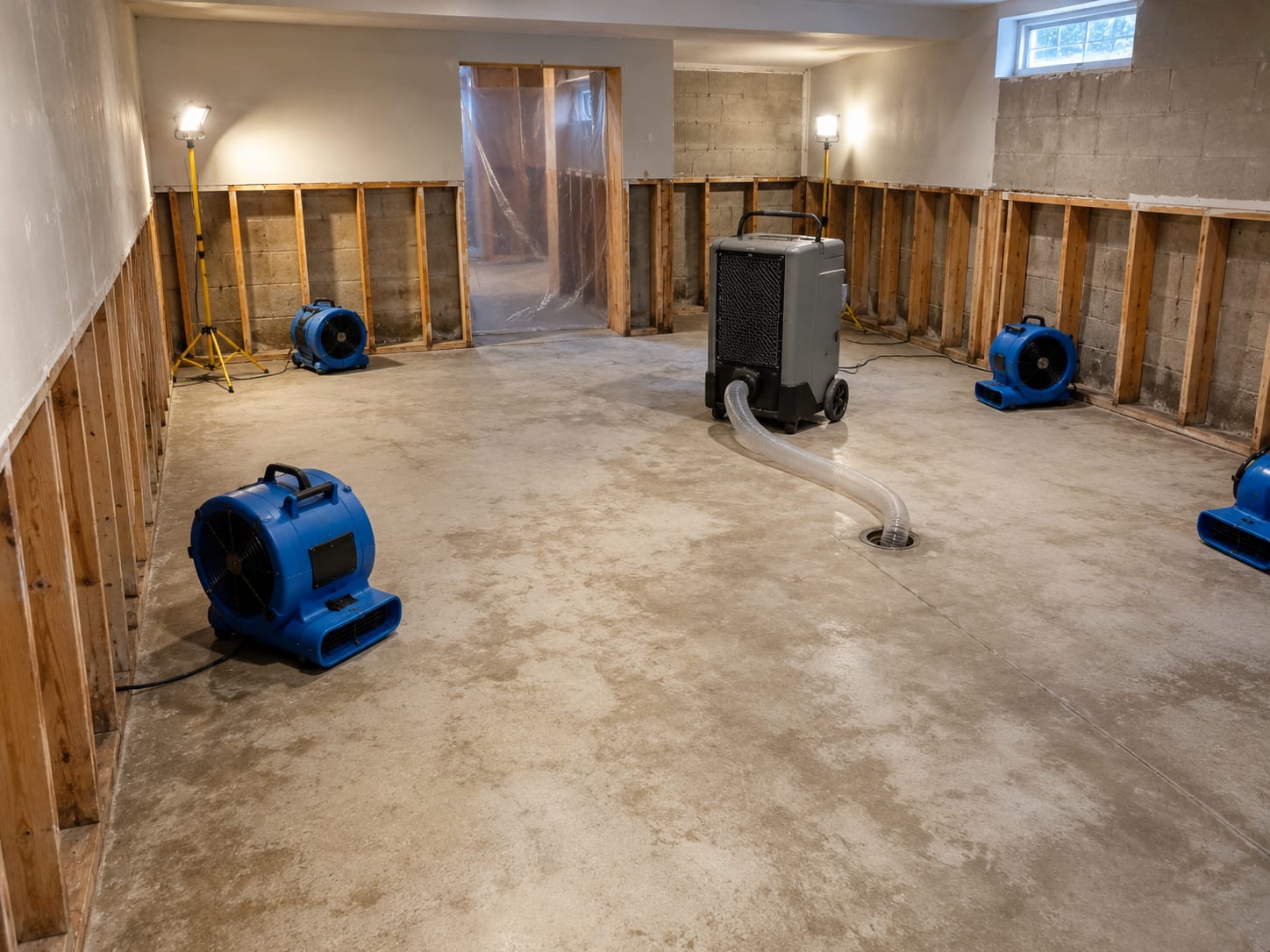
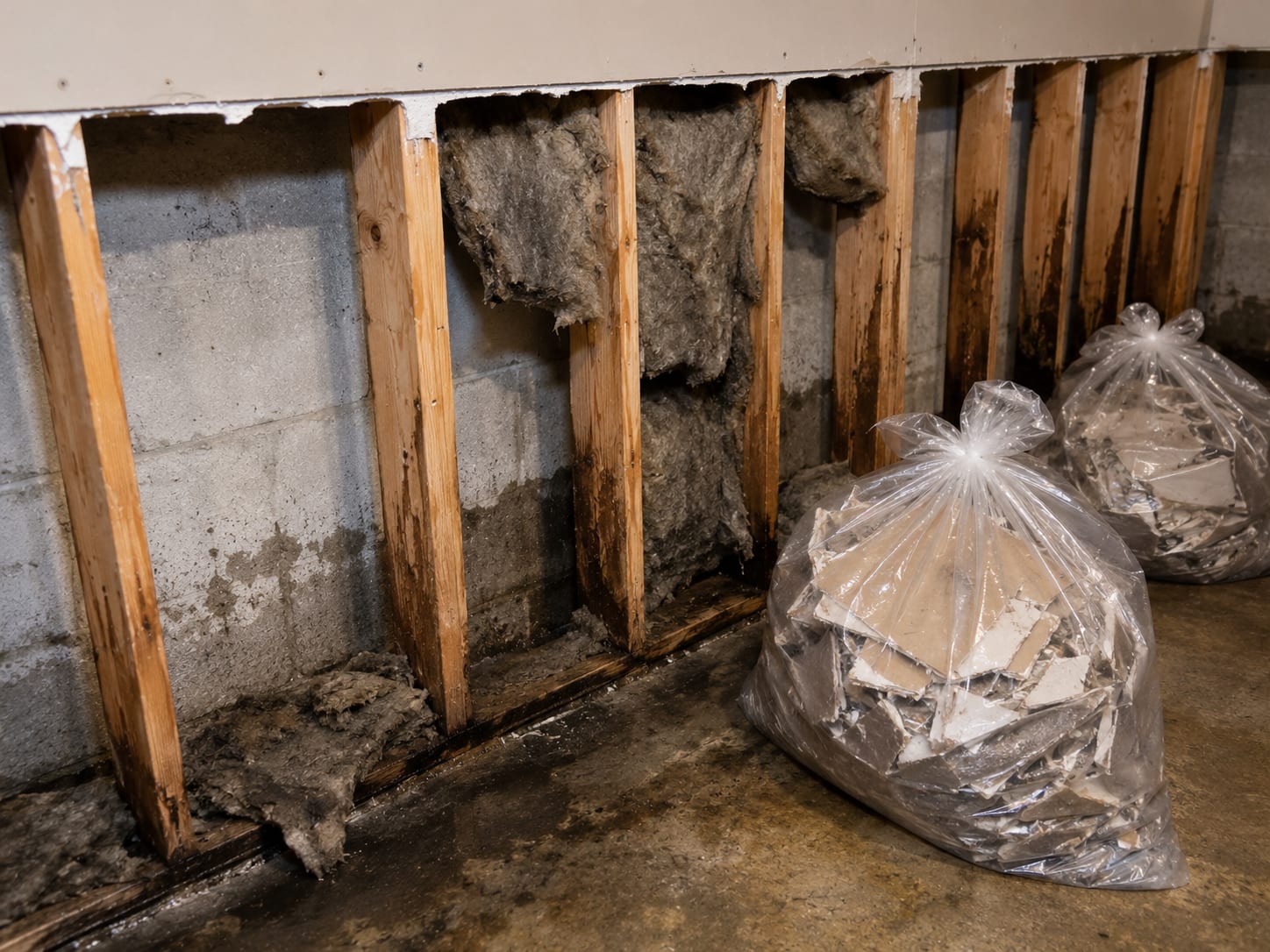
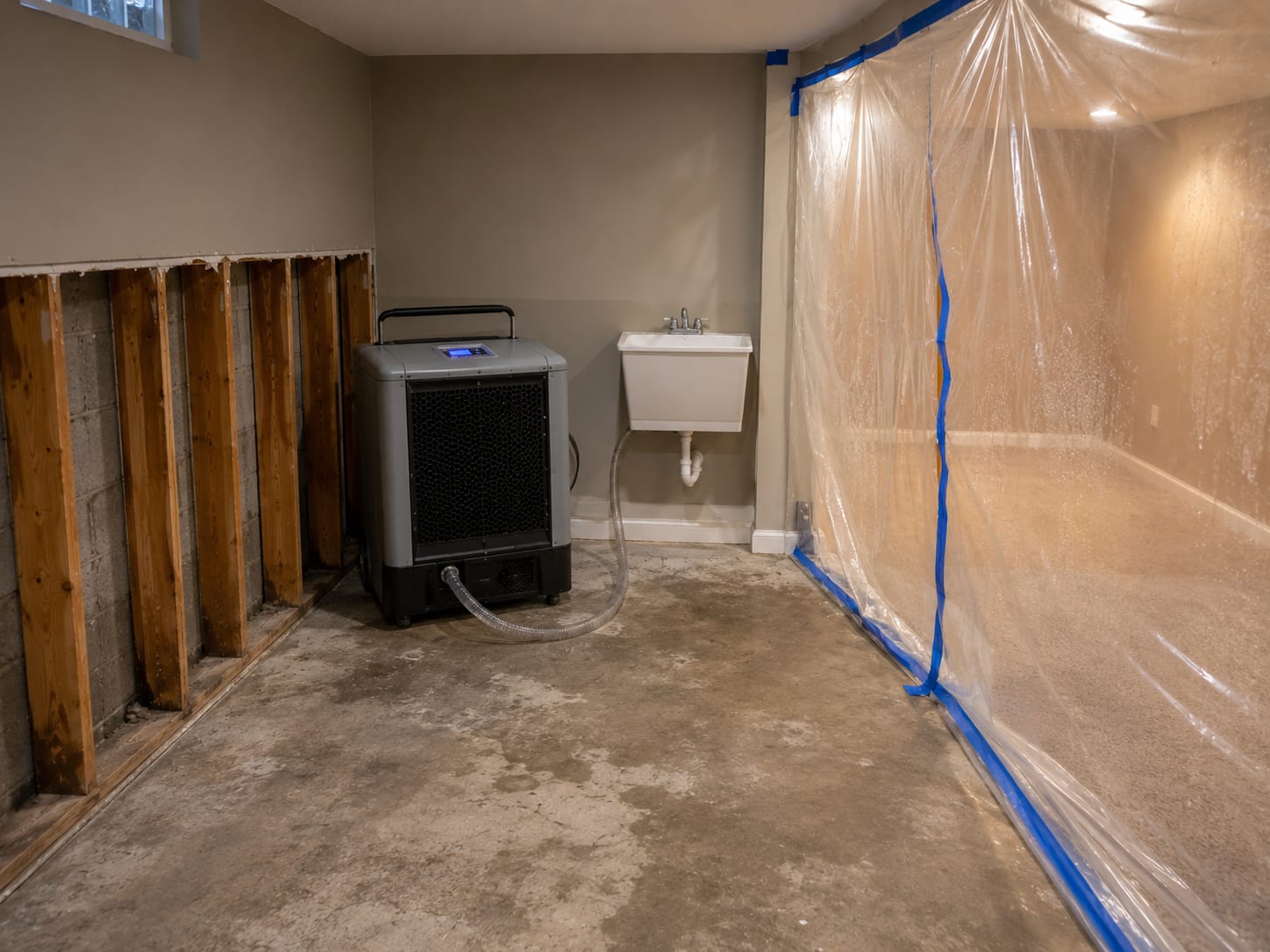
Flood damage cleanup is the full process of removing floodwater, extracting saturated materials, drying the structure, disinfecting affected surfaces, and preventing secondary damage like mold. When ExecPro Restoration & Cleaning responds to a flood loss, the scope covers everything from standing water removal and demolition of unsalvageable materials to antimicrobial treatment and moisture verification. You get a single point of contact from the first call through the final clearance reading.
What makes flood cleanup different from a simple water leak response is the contamination risk. Floodwater from storm surge, river overflow, backed-up drains, or groundwater intrusion is classified as Category 3 water, meaning it can carry sewage, chemicals, debris, and biological material. That changes how technicians approach the job, what protective equipment they use, what can be cleaned versus what must be removed, and how the structure gets treated before drying begins.
The EPA is clear that items wet for more than 24 to 48 hours may need to be discarded, and that floodwater can make indoor air unhealthy because wet materials become moldy and may contain harmful microorganisms. That 24-to-48-hour window is why rapid response matters so much. Getting a professional crew on-site fast directly affects what can be saved and what cannot.
Why Is Flood Damage in NJ So Common?
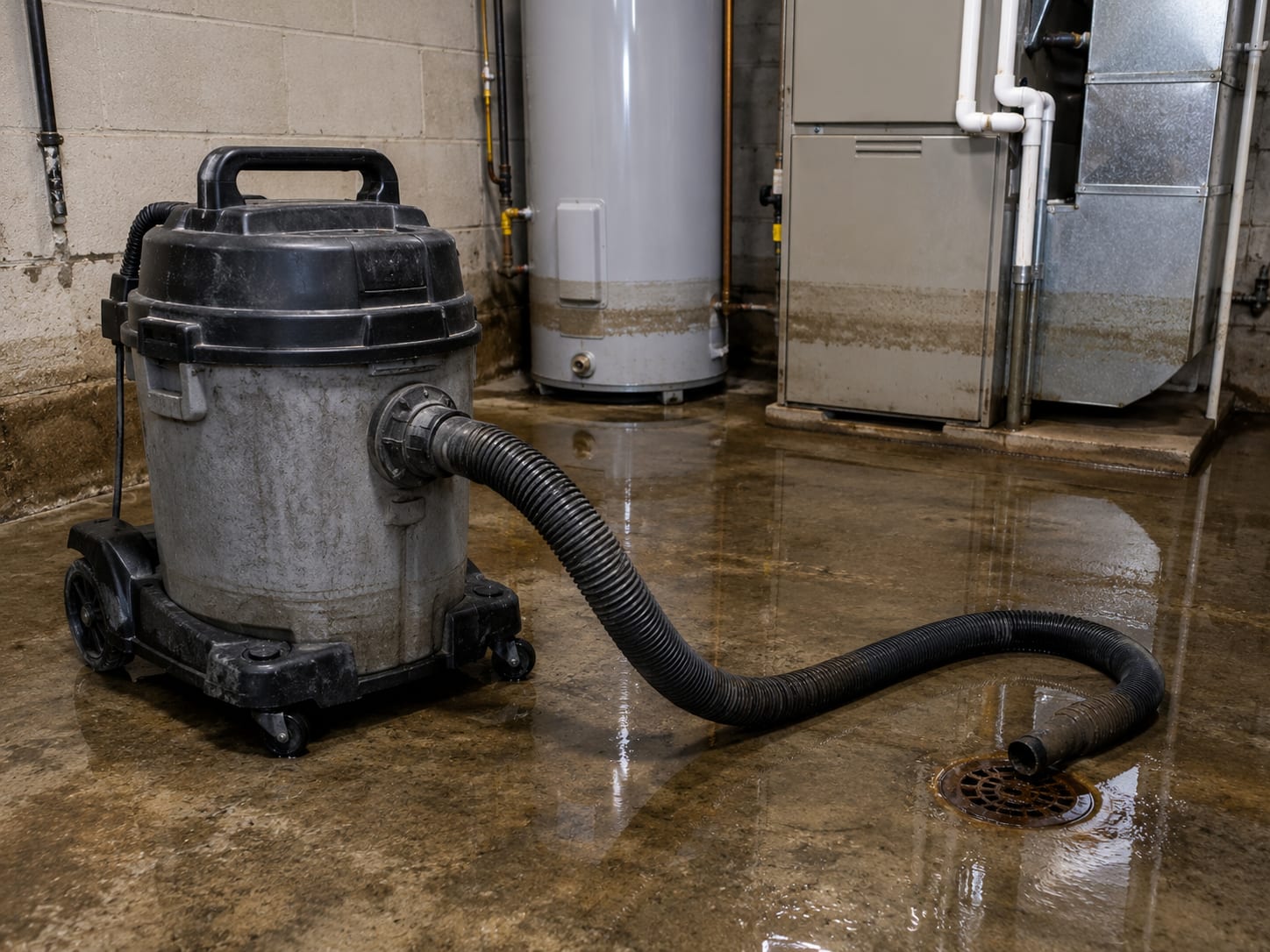
New Jersey's geography puts properties at consistent risk. Communities near the Delaware River, the Raritan River, and coastal areas face periodic flooding from heavy rain, tropical storms, and nor'easters. Many older homes in communities like Trenton, New Brunswick, Hamilton, and Lambertville sit in areas with aging stormwater infrastructure that struggles under intense rainfall. Even properties that have never flooded before can take on water when drainage systems back up or sump pumps fail during an extended storm.
Basement flooding is particularly common across central NJ. Low-lying neighborhoods in places like Hightstown, Bordentown, Florence, and Millstone can see water intrusion from multiple directions at once, including groundwater rise, overland flow, and foundation seepage. For properties near the Jersey Shore, storm surge from coastal events adds another layer of risk that can push Category 3 water into ground-floor spaces with little warning.
Storms that produce several inches of rain in a short window are becoming more frequent, and the downstream effect is more basements, crawl spaces, and first floors taking on water. Property owners and managers across the region are increasingly treating flood cleanup not as a one-time emergency but as a real and recurring risk to plan for.
How Does the Flood Damage Cleanup Process Work?
ExecPro Restoration & Cleaning follows a structured process built around IICRC S500 standards for water damage restoration. Each step is sequential for a reason, and skipping or rushing any phase creates problems down the line.
Scroll the steps sideways to follow the full process.
What Happens If You Wait on Flood Cleanup?
Delaying flood cleanup almost always costs more than acting fast. The EPA and CDC both point to the 24-to-48-hour window as the critical timeline for limiting mold growth after flooding. Once mold establishes itself in wet drywall, framing, insulation, or subfloor materials, the scope of the remediation project grows significantly. What might have required extraction, drying, and limited demolition can become a full mold remediation project with air sampling, containment, antimicrobial treatment, and post-remediation verification.
Category 3 water wicks into porous materials, travels through wall cavities, migrates under flooring, and absorbs into wood framing. Every hour it sits, it reaches further into the structure. Materials that were borderline salvageable at hour six are often clearly unsalvageable at hour 48. That directly increases demolition costs, material replacement costs, and overall project scope.
There is also the air quality dimension. Floodwater can carry chemicals, sewage, and biological contaminants that become part of the indoor environment as the water evaporates. Occupants breathing that air are exposed to things that do not belong indoors. If you are managing a rental property or a commercial space in an area like Cherry Hill, Mount Laurel, or Moorestown, the liability and occupant health considerations are real, and documentation of timely cleanup matters.
What Sets ExecPro Restoration & Cleaning Apart?
Many contractors offer flood cleanup after a storm. Here is what actually distinguishes ExecPro Restoration & Cleaning from a general contractor or a crew that handles water damage as a side service.
Category 3 Protocols, Not Just Water Removal
Floodwater is not the same as a clean water leak. ExecPro Restoration & Cleaning treats flood losses with contaminated-water protocols from the start, including appropriate PPE, material removal decisions based on contamination category, and antimicrobial treatment. Providers who skip this step leave biological risk in the structure.
Moisture Mapping with Real Equipment
Thermal imaging and calibrated moisture meters are standard on every flood loss, not optional add-ons. This is how hidden wet areas get found before they become mold problems weeks later when a homeowner notices something is wrong.
Insurance-Ready Documentation
Every project produces a complete file: photos, moisture readings, equipment logs, disposal records, and a written scope. Whether you are filing a homeowners claim, working with a flood insurance carrier, seeking FEMA assistance, or dealing with a landlord dispute, thorough documentation makes the process significantly smoother.
Mold Prevention Built Into the Process
Because flood damage creates ideal conditions for mold, ExecPro Restoration & Cleaning does not treat flood cleanup and mold prevention as separate services. Antimicrobial treatment, fast drying timelines, and post-drying moisture verification are all part of the standard scope, not upgrades.
Full Restoration Path Under One Roof
After the cleanup is done, properties often need drywall replacement, flooring installation, painting, or other rebuild work. ExecPro Restoration & Cleaning handles post-water damage reconstruction so you are not coordinating between a cleanup crew and a separate contractor once the structure is dry.
Licensed and Insured
After a storm or flood event, the NJ Division of Consumer Affairs warns homeowners to verify contractor credentials before signing anything. ExecPro Restoration & Cleaning is fully licensed and insured, giving you the protection and accountability you need when it matters most.
Who Needs Professional Flood Damage Cleanup?
Homeowners are the most obvious audience, but flood damage cleanup extends well beyond the single-family home. Property managers and multifamily owners dealing with basement flooding across an apartment complex face the same 24-to-48-hour mold window that a homeowner does, often with more units, more tenants, and more documentation requirements. ExecPro Restoration & Cleaning works with property management clients across central and northern NJ to address flood events quickly and with the records landlords and property owners need.
Real estate transactions add another layer of urgency. A flood event that is not properly documented and remediated can surface in a buyer's inspection, trigger a contingency, or create liability for a seller who cannot demonstrate that cleanup was thorough. Agents handling listings in flood-affected communities like Freehold, Manalapan, Marlboro, or Middletown often work with ExecPro Restoration & Cleaning to establish a clear record of remediation before a property goes back on market.
Insurance adjusters and claims professionals also benefit from working with a provider that generates organized, complete documentation. Scope of loss reports, moisture logs, photos, and equipment records support faster claims processing and reduce back-and-forth over what was affected and what was done. The quality of your contractor's documentation package directly affects how smoothly that process goes.
Flood Damage Cleanup Across Central and Northern NJ
ExecPro Restoration & Cleaning serves a wide corridor of central and northern New Jersey, from Princeton Junction and West Windsor in the middle of the state up through Somerset County communities like Basking Ridge, Bernardsville, Bridgewater, and Warren. The team also covers Monmouth County shoreline towns like Red Bank, Rumson, Middletown, and Holmdel, where coastal storm risk adds a specific Category 3 dimension to many flood events.
Further south, the service area reaches Burlington County communities including Bordentown, Mansfield, Florence, Moorestown, Mount Laurel, and Cherry Hill, as well as inland Mercer County locations like Hamilton, Trenton, Ewing, Lawrenceville, and Hopewell. Whether the flooding comes from a storm, a river overflow, a failed sump pump, or a drainage backup, the response process is the same: fast extraction, thorough documentation, contaminated material removal where required, antimicrobial treatment, and verified structural drying.
If your property is in an area not listed here, call (888) 300-3772 and the team can confirm coverage. The service footprint is broad, and response to emergency flood calls is prioritized.
Frequently Asked Questions About Flood Damage Cleanup
Flood cleanup should start within 24 to 48 hours. The EPA and CDC both identify that window as the point at which materials absorbing floodwater reach conditions where mold growth becomes likely. Porous materials that were borderline salvageable at hour one are often clearly unsalvageable by hour 48. Starting extraction and mitigation within that window gives you the best chance of limiting demolition scope and preventing a secondary mold problem. For Category 3 losses involving contaminated water, that urgency is even greater because biological risk in the materials increases over time.