Air Quality Testing in Central NJ
ExecPro Restoration & Cleaning tests the air inside your home or building to identify mold spores, VOCs, allergens, and other contaminants that standard inspections miss. You get a clear, lab-verified picture of what you're breathing, along with straightforward guidance on what to do next.
What Is Air Quality Testing?
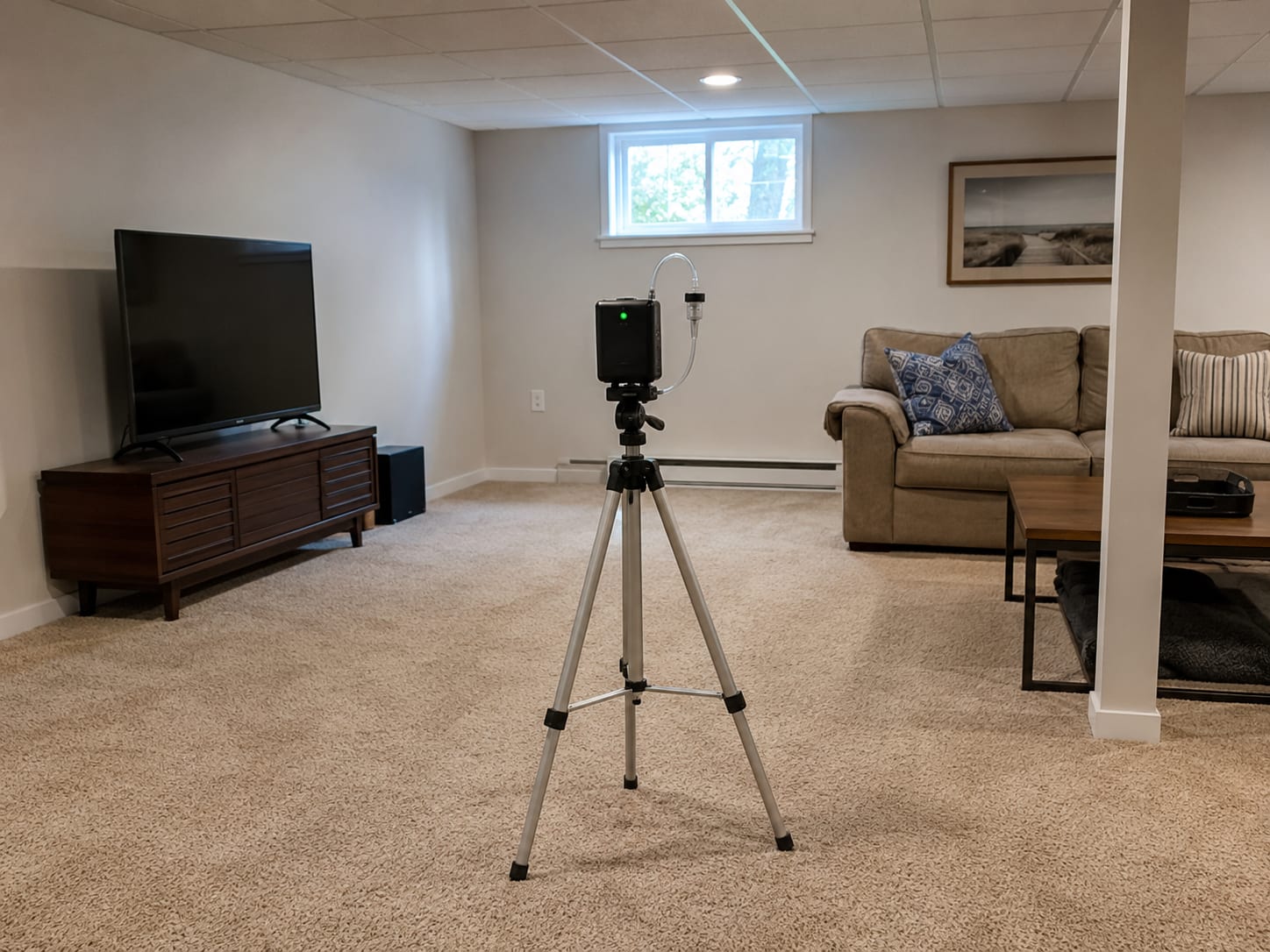
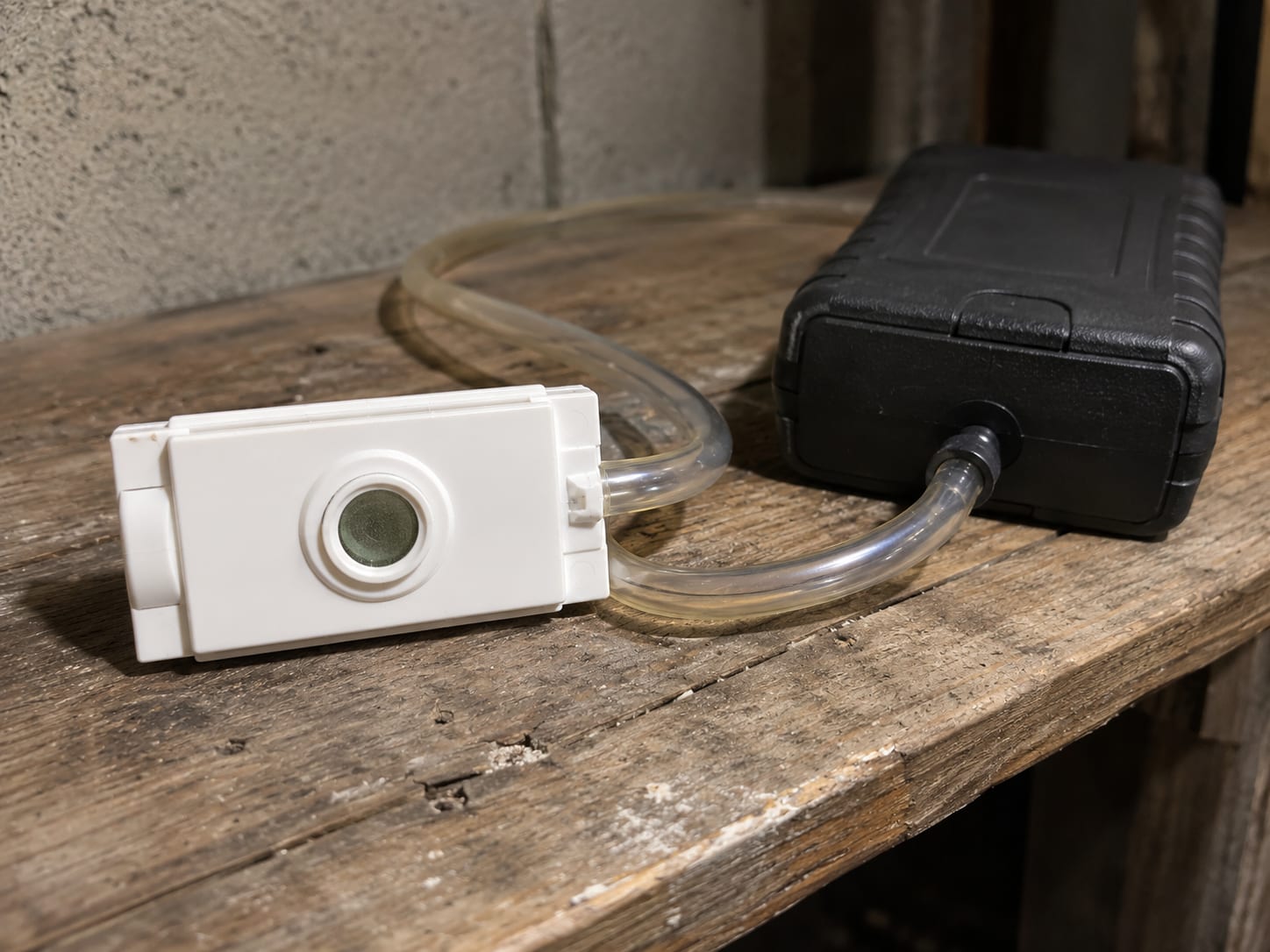
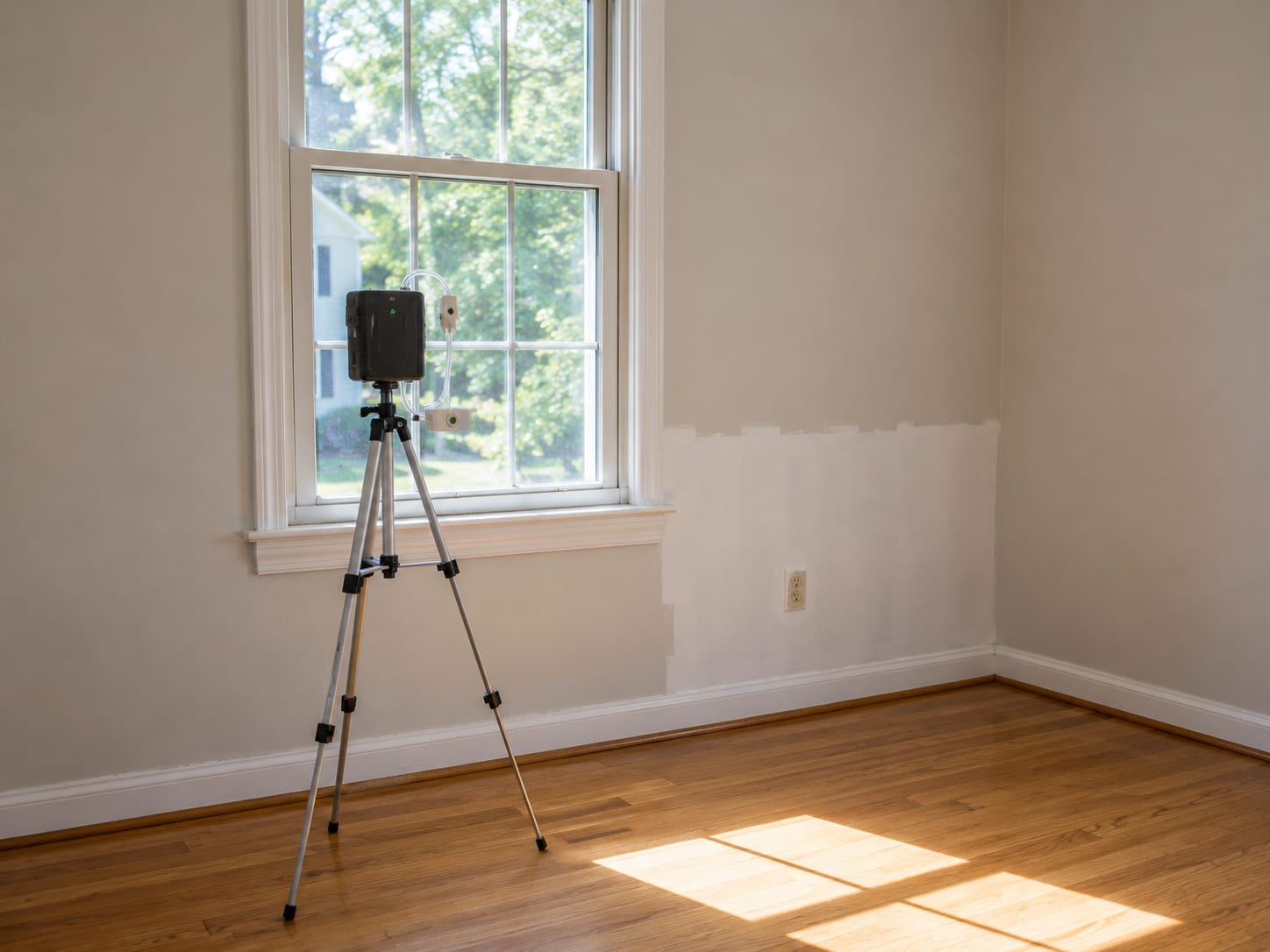
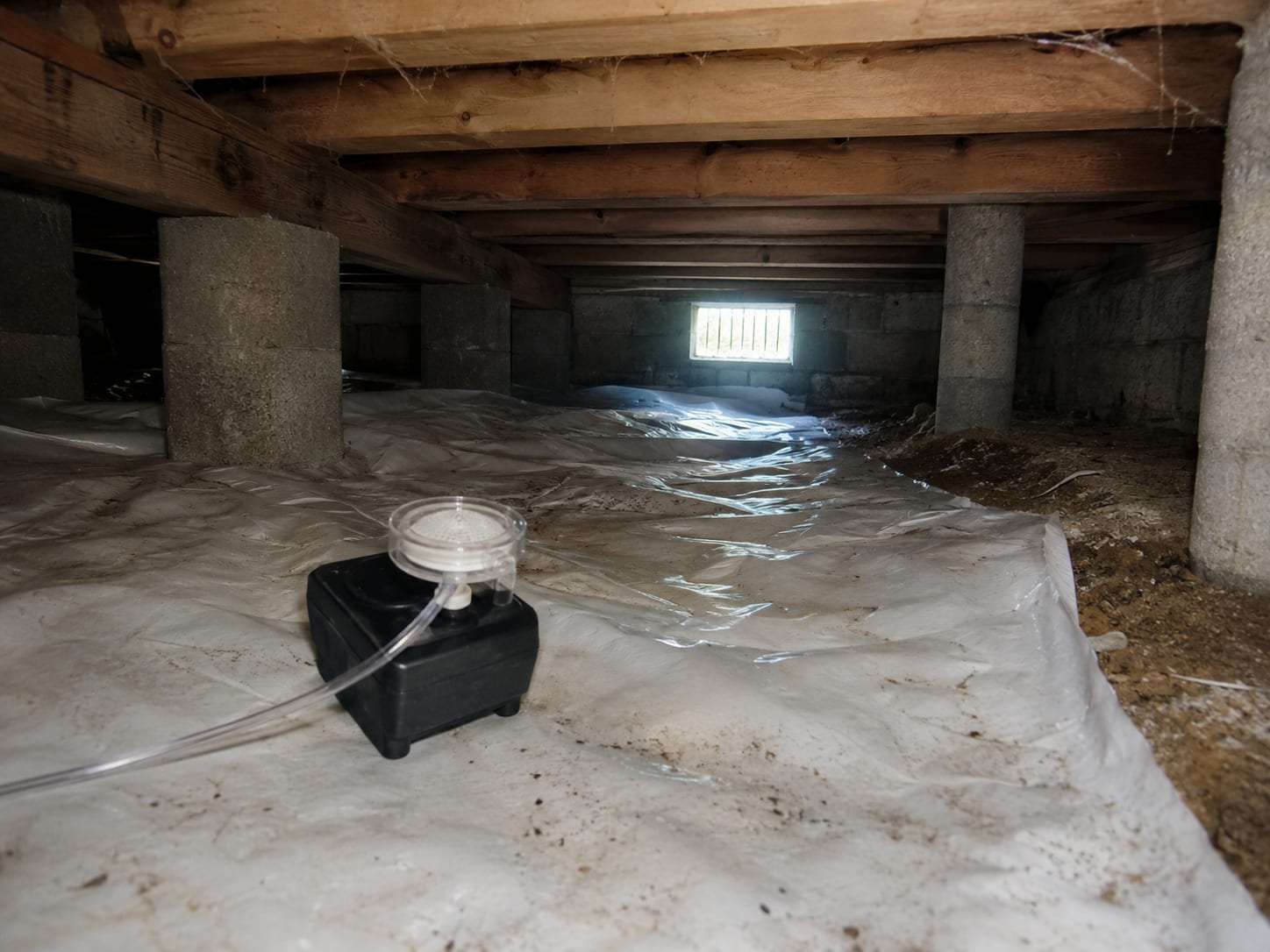
Air quality testing is the process of sampling the air inside a building, sending those samples to an accredited laboratory, and comparing the results against established health benchmarks. A trained technician collects air samples from the areas of concern, along with an outdoor baseline sample for comparison. The lab identifies and counts the types of particles present, whether mold spores, volatile organic compounds, allergens, or other airborne contaminants, and the results tell you exactly what's in the air and at what concentrations. Most residential testing visits take a few hours, and lab reports typically come back within a few business days.
What you get from the process is certainty. You stop guessing about whether the musty smell in your basement is a real problem, or whether the coughing that started after a renovation is actually related to what's in the air. The report gives you documented, measurable data you can share with a contractor, a physician, a real estate agent, or an insurance company. That kind of hard evidence is something a visual inspection alone can never provide.
ExecPro Restoration & Cleaning offers indoor air quality testing for residential properties, as well as testing for commercial buildings, rental units, and properties involved in real estate transactions. Every test goes to an accredited lab, and every report comes with a plain-language explanation of what the results mean for your property and your health.
Who Needs Air Quality Testing?
Poor indoor air quality affects a wider range of situations than most people realize. These are the scenarios where testing makes a real difference.
Homeowners with Unexplained Symptoms
Persistent headaches, respiratory irritation, or allergy-like symptoms that improve when you leave home often point to something in the indoor air. Testing identifies the specific contaminant so you can address the actual source rather than treating the symptoms.
Post-Water Damage Properties
After a flood, a burst pipe, or any sustained moisture event, mold spore counts inside a structure can climb well before visible growth appears. Air testing after water damage restoration confirms whether the air is clear or whether remediation is still needed.
Home Buyers and Sellers
A seller who can document clean air quality removes a significant obstacle from closing. A buyer who tests before purchase avoids inheriting a hidden contamination problem. Real estate agents rely on ExecPro for home buyer and seller protection assessments that hold up during negotiations.
Recent Renovation or Construction
New materials, adhesives, paints, and finishes all off-gas volatile organic compounds as they cure. VOC testing after a renovation confirms that airborne chemical concentrations have dropped to safe levels before the space is occupied.
Property Managers and Landlords
Tenant complaints about air quality carry real liability when left unaddressed. Documented baseline testing and periodic re-testing give property managers the records they need to demonstrate due diligence and protect the value of their portfolio.
Post-Remediation Verification
Any mold remediation project should end with clearance testing to confirm the work is complete. Post-remediation verification sampling compares indoor air to the outdoor baseline and confirms that spore counts have returned to normal levels before contractors restore the affected area.
What Does Air Quality Testing Actually Detect?
Testing can detect whatever you sample for, which is why the first step is always a conversation about what's actually going on in the space. A full panel test casts a wide net. A targeted test focuses on the specific contaminants most likely given your situation.
Mold spore testing is the most common request. Air samples are analyzed to identify the genera and species present and to count the concentration of spores per cubic meter of air. The comparison between indoor samples and the outdoor baseline is what tells the story. An indoor count significantly higher than the outdoor count, or the presence of species like Stachybotrys that don't normally appear in outdoor air, signals an active problem.
Allergen testing looks beyond mold to include common triggers like dust mite allergens, pet dander, and cockroach particles, which are particularly relevant in older housing stock and multi-unit buildings where cross-contamination between units is common.
VOC testing measures concentrations of volatile organic compounds, gases released by building materials, cleaning products, paints, adhesives, and furnishings. Many VOCs are benign at low concentrations, but some, including benzene and formaldehyde, are recognized health hazards at elevated levels. New Jersey's proximity to industrial areas and the age of much of its housing stock make VOC screening a genuinely useful tool, not just a precaution.
For situations requiring a more detailed regulatory or professional-grade assessment, ExecPro Restoration & Cleaning also provides environmental consulting to help property owners understand their results and plan appropriate next steps.
How Does the Air Quality Testing Process Work?
A standard air quality testing visit with ExecPro Restoration & Cleaning runs from initial assessment through lab-verified report delivery.
Scroll the steps sideways to follow the full process.
Why Air Quality Testing in NJ Is More Relevant Than Ever
New Jersey's indoor air quality picture is shaped by a combination of factors specific to this region. The state's housing stock skews older, with a large percentage of homes built before modern ventilation standards and vapor barriers were common. Crawl spaces, unfinished basements, and older HVAC systems create conditions where moisture accumulates and mold can establish itself quietly over months or years before anyone notices.
At the state level, NJDEP has been actively expanding its air monitoring infrastructure, replacing older filter-based monitors with continuous analyzers and deploying mobile monitoring units in communities with elevated exposure risk. That investment reflects a broader recognition that air quality is a documented health issue in this state, not an abstract concern.
Beyond mold, New Jersey's proximity to industrial corridors and its dense transportation network contribute to elevated levels of certain air toxics. VOC concentrations inside buildings are frequently higher than outdoor levels because indoor environments accumulate off-gassing from building materials, furniture, and personal care products without the natural dilution that outdoor air provides. For newer construction and recent renovations, this is a real and measurable concern.
The practical implication for property owners in communities like Princeton Junction, Hamilton, Trenton, New Brunswick, Lakewood, and Cherry Hill is that air quality testing isn't a niche service for people with unusual problems. It's a reasonable and increasingly common step for anyone making a property decision, managing a health concern, or trying to understand what's actually happening inside a building.
Residential air quality testing is one of the clearest ways to convert a vague worry into a documented fact, and a documented fact is what lets you take the right action at the right time.
What Sets ExecPro Restoration & Cleaning Apart
There are a lot of people who will hand you an air quality report. Fewer will actually help you understand what to do with it. Testing at ExecPro Restoration & Cleaning is integrated with remediation, restoration, and build-back capabilities under one roof. When a test reveals a problem, you don't start over with a new company. You already have a team that knows your property and can move directly into the next phase.
That continuity matters most when the stakes are highest. A buyer who needs clearance testing before closing, a homeowner whose insurer is asking for documentation, a property manager dealing with a tenant complaint: these situations move fast, and having a single point of contact who handles the testing, interprets the results, and can execute the remediation is a real practical advantage.
ExecPro Restoration & Cleaning is licensed and insured, and all air sampling is sent to accredited third-party laboratories. That independence between the testing and the lab analysis is what makes the results credible. There's no financial incentive to manufacture findings, and the lab results speak for themselves.
For properties where testing confirms a mold problem, mold remediation follows a documented protocol. Post-remediation verification at the end of the project delivers a final air clearance report that closes the loop. For properties where testing confirms everything is fine, you have a dated, lab-backed document that says so, and that's worth something too.
Frequently Asked Questions About Air Quality Testing
Real questions from property owners, buyers, and managers across central and northern New Jersey.
The on-site portion of a standard residential air quality test typically takes two to four hours, depending on the size of the property and the number of sampling locations. Air samples themselves require a pump to run for a set period, often around ten minutes per sample, while the technician assesses the space and collects any additional surface samples needed. Lab turnaround is generally two to three business days, with rush options available for time-sensitive situations like real estate transactions.
Serving Central and Northern NJ
ExecPro Restoration & Cleaning provides air quality testing across a wide service area in New Jersey, covering communities from the Somerset Hills and Hunterdon County down through Mercer County, Middlesex County, and into Monmouth County and the Shore region. Whether you're in Flemington, Bridgewater, Red Bank, Marlboro, Bordentown, or Burlington, a technician is within reach.
The team also covers commercial and multi-unit properties throughout this territory. Property managers handling portfolios across multiple communities in this region can work with one team rather than coordinating across multiple vendors, which makes documentation, scheduling, and follow-up considerably more straightforward.
To schedule air quality testing or ask about mold inspection for your property, reach out to ExecPro Restoration & Cleaning at (888) 300-3772 or send a message to hello@execprorc.com. A member of the team will talk through your situation and help you figure out the right starting point.