Post-Remediation Verification in Central NJ
Before you rebuild, you need proof the mold is actually gone. ExecPro Restoration & Cleaning provides documented post-remediation verification so you can move forward with confidence, not guesswork.
What Is Post-Remediation Verification?
Post-remediation verification (PRV) is the documented confirmation that a mold remediation project has been completed successfully. After remediation work is finished, a trained technician inspects the treated area, checks moisture conditions, reviews the scope of work that was performed, and confirms the space is visually clean, dry, and ready for the next step. Depending on the project, that confirmation may also include air or surface sampling sent to an accredited laboratory. The end result is a written report with findings, photos, moisture readings, and a clear conclusion about whether the area passes or requires corrective action.
PRV is not the same as mold testing or a final walkthrough. Standard mold testing tells you whether mold is present. Post-remediation verification tells you whether the remediation actually worked. It answers the specific question every homeowner, property manager, real estate agent, and insurance professional eventually needs answered: is this area clean enough to close out, rebuild, or reoccupy?
Why Does Post-Remediation Verification Matter After Mold Work?
Mold remediation removes visible growth and treats affected surfaces, but it does not automatically confirm that the underlying conditions have been resolved. If moisture sources were not properly addressed, or if the remediation scope missed areas of contamination, mold can return weeks or months after the work is done. Post-remediation verification catches those gaps before they become a bigger problem.
This matters most at transition points: before new drywall goes up, before insulation is reinstalled, before flooring or cabinets are put back in place. Once those materials are reinstalled, any remaining contamination is sealed inside the wall cavity or subfloor, and the problem becomes significantly harder and more expensive to address. PRV is the checkpoint that protects your investment in the rebuild.
For real estate transactions, the stakes are clear. A buyer who waives post-remediation documentation is trusting that the work was done correctly without any independent confirmation. A seller who provides verified clearance documentation removes a significant source of renegotiation or deal collapse. Agents handling properties with prior mold findings regularly rely on documented PRV to keep transactions on track, alongside other real estate inspection services that support smooth closings.
Insurance professionals also pay attention to PRV. A remediation project that closed out with documented clearance is a cleaner file than one that simply ended when the crew left. That documentation can matter if a claim is reopened or if a future buyer's inspector raises questions about prior damage.
What Does the Post-Remediation Verification Process Include?
ExecPro Restoration & Cleaning follows a structured verification process built around the IICRC S520 standard and EPA guidance. Every step is documented so the final report reflects exactly what was found and what criteria were used.
Review the Remediation Scope
Before any inspection begins, the technician reviews what was remediated: which areas were treated, what materials were removed, what surfaces were cleaned, what containment was used, and what moisture source was identified and addressed. You cannot verify work you have not defined, so scope review comes first.
Perform a Visual Inspection
The work area is inspected for visible mold growth, excess dust, debris, or any signs of incomplete remediation. According to IICRC S520 standards, the remediated area should be visually clean before any further steps are taken. If the visual inspection reveals concerns, those are documented and addressed before moving forward.
Check Moisture Conditions
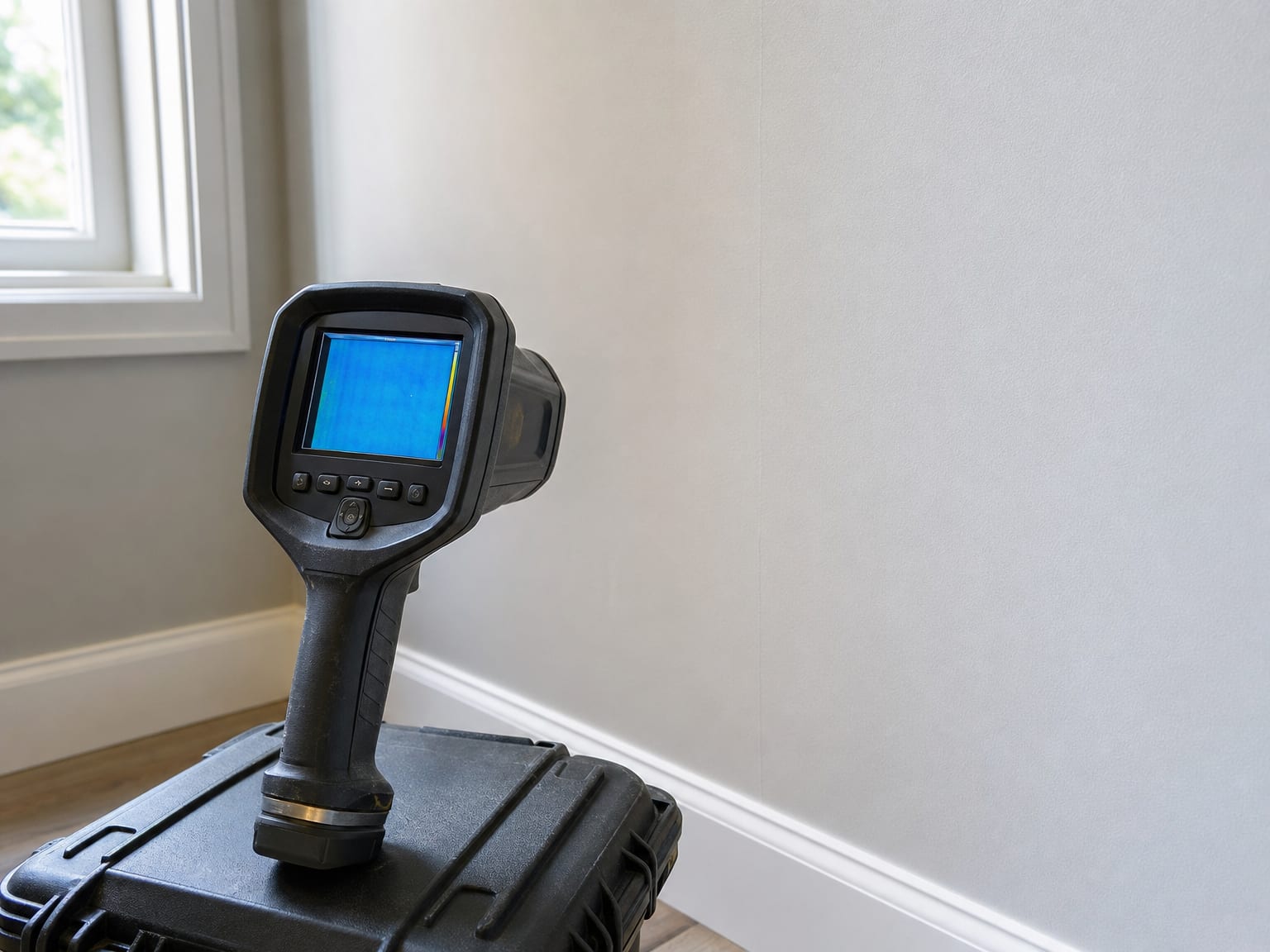
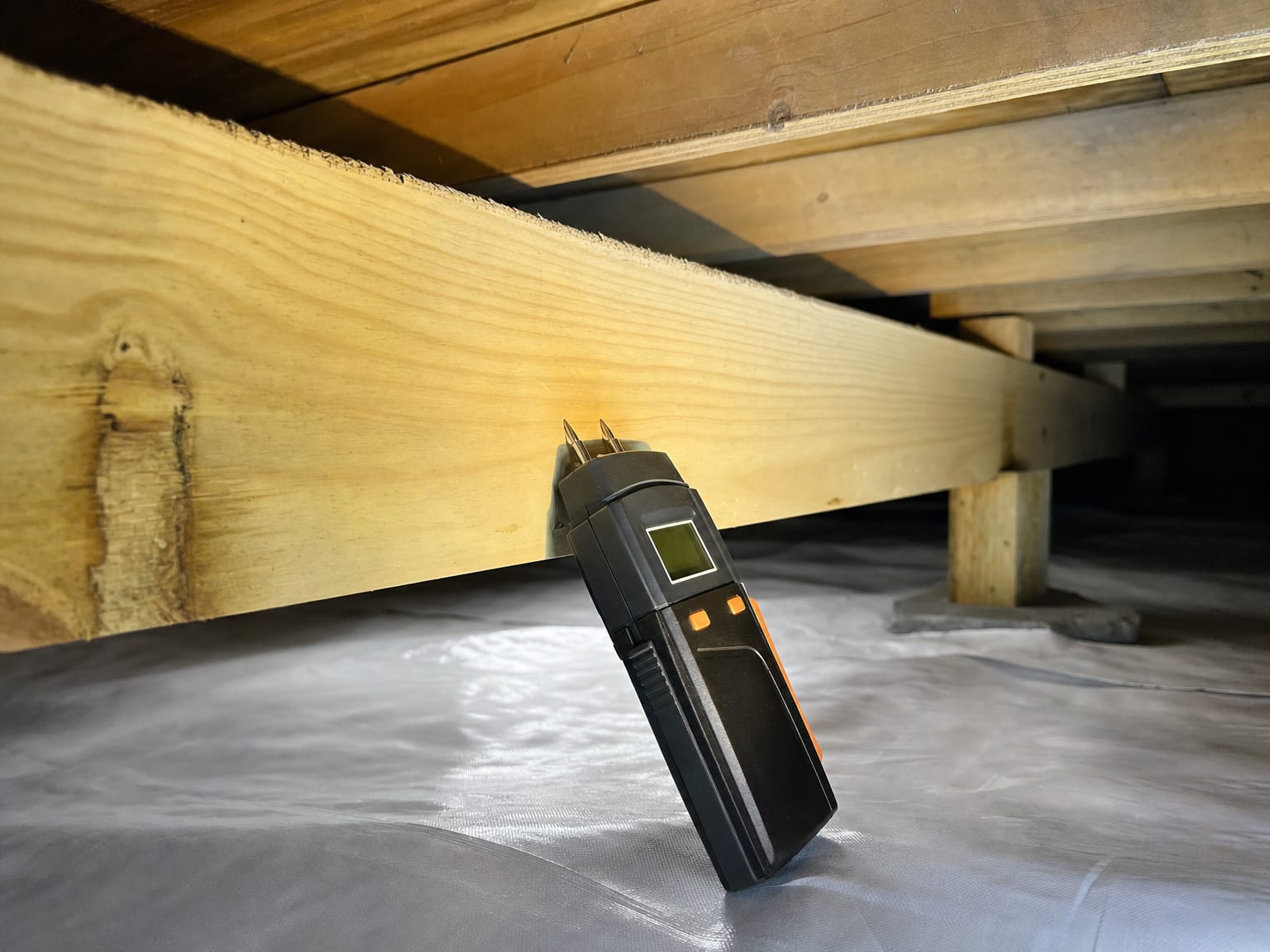
Moisture meters, hygrometers, and in some cases thermal imaging tools are used to confirm that materials are dry and that humidity levels are within acceptable ranges. The EPA and NJ Department of Health both emphasize that mold will return if moisture problems are not corrected. Moisture readings are logged and included in the final report.
Evaluate the Work Area Condition
The technician checks that containment has been properly removed, that adjacent spaces were not cross-contaminated during remediation, and that the area is in a condition appropriate for rebuild or reoccupancy. This goes beyond examining only the remediated surface.
Collect Samples When Appropriate
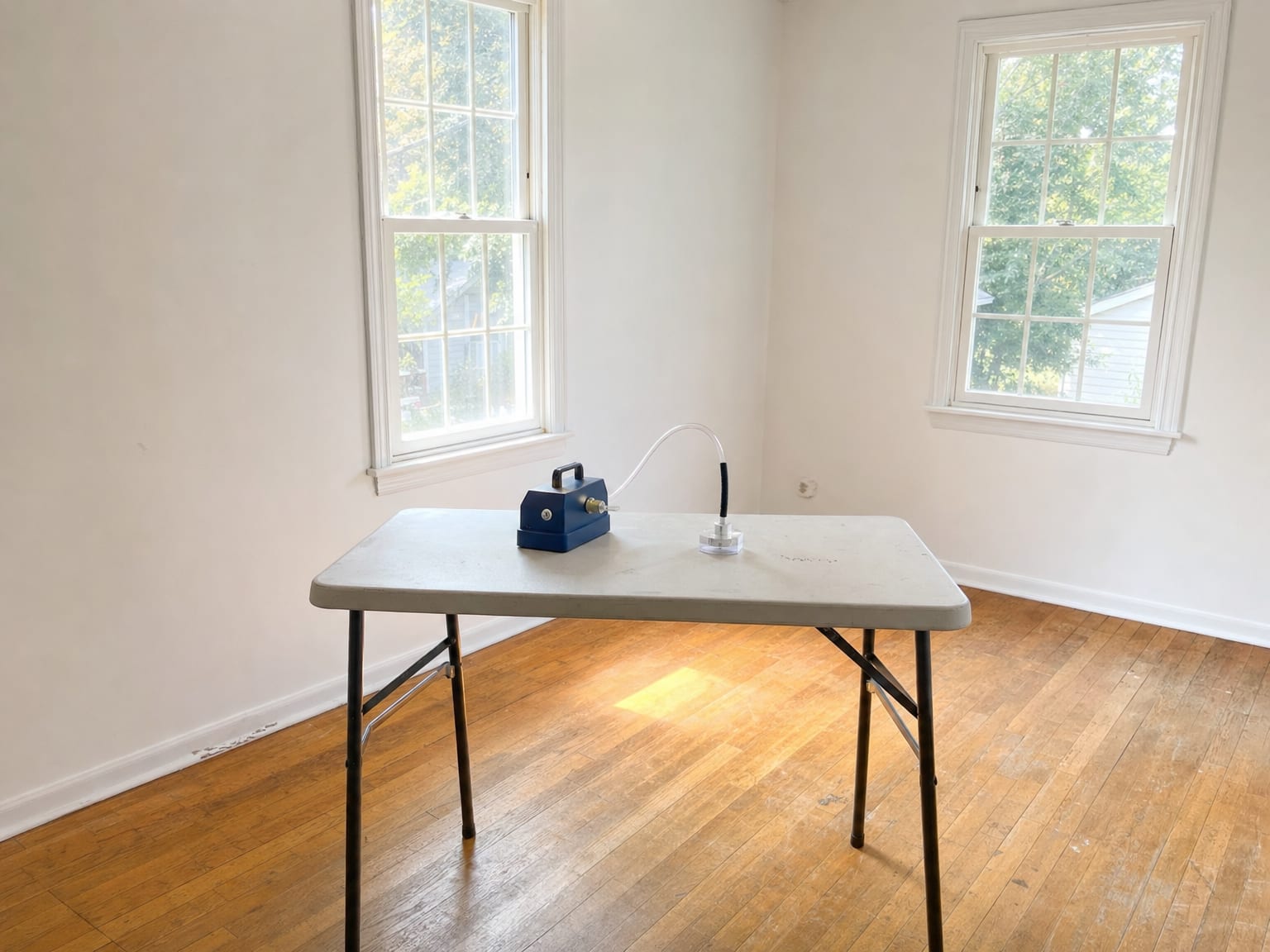
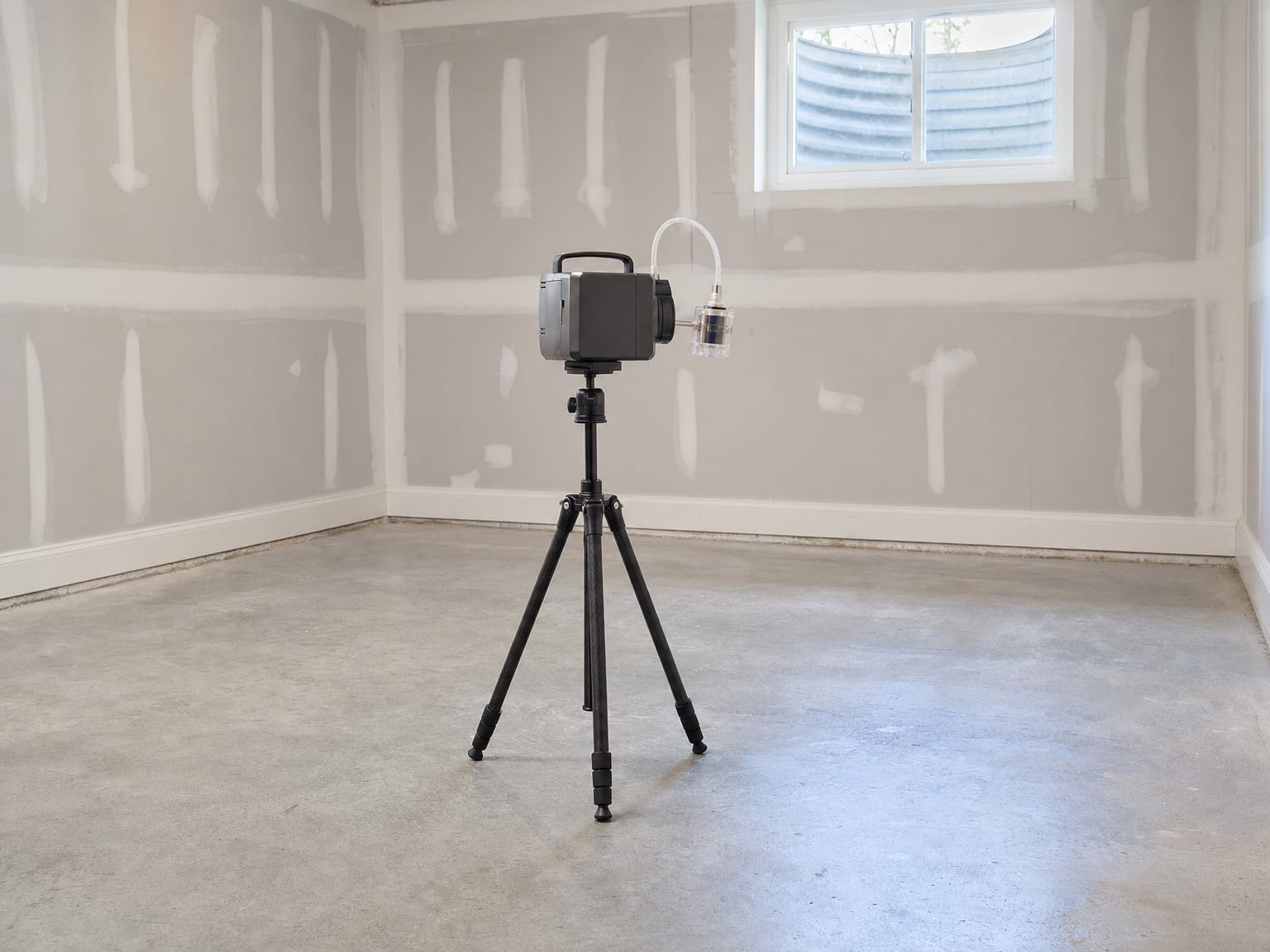
Air or surface sampling is used when it answers a specific question: clearance documentation for a real estate transaction, comparison against outdoor baseline conditions, confirmation in a high-risk commercial or multifamily project, or when a client or insurer requires lab-based evidence. The EPA notes that there are no federal exposure limits for mold spores, so sampling is scoped to match the actual goal rather than applied as a default.
Deliver a Written Report
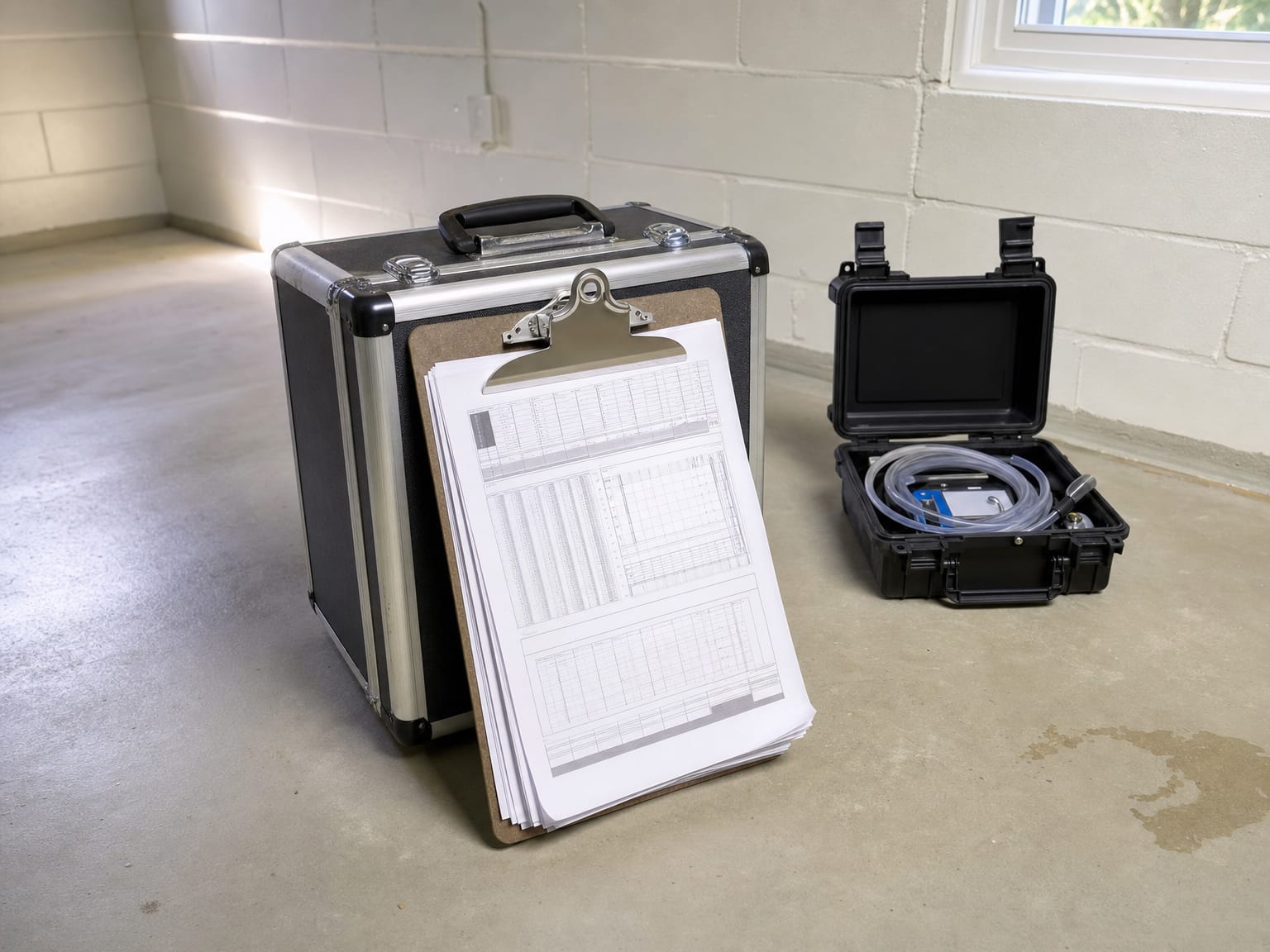
The final PRV report includes findings, photos, moisture readings, sample information where applicable, lab results if sampling was performed, interpretation of those results, and a clear pass or corrective-action conclusion. The report is written to be understood by homeowners, agents, adjusters, and property managers, not just technical specialists.
Who Needs Post-Remediation Verification?
PRV is not only for homeowners who just completed a major remediation project. The need for documented clearance shows up across a wide range of situations.
Homeowners Preparing to Rebuild
If your mold remediation involved removing drywall, flooring, insulation, or framing, post-remediation verification confirms those areas are ready to close back up. Starting a rebuild without clearance risks enclosing a problem that will resurface later.
Home Buyers and Sellers
Properties with disclosed or discovered mold history benefit from documented clearance. Buyers get independent confirmation the problem was resolved. Sellers reduce the risk of last-minute renegotiation. ExecPro's home buyer and seller protection services cover this scenario directly.
Property Managers and Landlords
Multifamily and rental properties carry ongoing liability if mold remediation is not properly documented. PRV gives property managers a paper trail showing the issue was addressed to a professional standard, which matters both for tenant relations and liability purposes.
Insurance Claimants
If your remediation was part of an insurance claim, clearance documentation helps close the project cleanly and supports any build-back work that follows. Adjusters and claims professionals increasingly expect this documentation as part of a complete file.
Commercial Property Owners
Schools, offices, retail spaces, and multifamily buildings face regulatory and liability considerations that make PRV particularly important. A commercial space that reopened after remediation without documented clearance carries ongoing risk if employees, tenants, or visitors raise indoor air quality concerns later.
Anyone After Water Damage Remediation
Mold can develop quickly following water intrusion. Whether the trigger was a burst pipe, flooding, or a storm event, water damage restoration often leads directly into mold concerns. Post-remediation verification confirms that any resulting mold growth was fully addressed before the property is restored.
What Sets ExecPro's Verification Apart?
Post-remediation verification is only as useful as the documentation behind it. A verbal assurance or a quick visual check is not a PRV report. ExecPro Restoration & Cleaning produces detailed written reports with photos, moisture data, sample maps, and a clear interpretation of findings. That documentation is designed to hold up under scrutiny, whether you are presenting it to a buyer, an adjuster, a property manager, or your own contractor.
The criteria for passing PRV are defined before any work begins, which means there are no ambiguous conclusions at the end. You will know exactly what was checked, what the results mean, and what your next steps are. That clarity matters especially when PRV is tied to a rebuild timeline.
ExecPro Restoration & Cleaning is licensed and insured, which matters when you are trusting a third party to put something in writing about the condition of your property. For projects where remediation and verification are both needed, ExecPro coordinates the process so nothing falls through the gap between those two phases. When PRV leads directly into rebuilding, ExecPro's build-back services are ready to take over without delay.
How Does PRV Connect to the Rebuild Phase?
PRV is the documented checkpoint between remediation and reconstruction. Contractors who install drywall, insulation, flooring, or cabinets in an area that has not been cleared are taking on real risk. If moisture is still present or if the remediation was incomplete, those new materials can become the next generation of the same problem.
Once the area passes verification, your contractor has the confirmation they need to proceed. If the area does not pass, you know exactly what requires correction before materials go back in. That is far less disruptive than discovering the problem after the rebuild is complete.
For clients who need both verification and rebuilding, ExecPro Restoration & Cleaning handles post-mold remediation rebuild work directly. The same team that verifies the area is clean can also manage the reconstruction, with a clear handoff between phases and no ambiguity about what was confirmed before materials were reinstalled. ExecPro's drywall replacement after mold service picks up exactly where verification leaves off.
Frequently Asked Questions About Post-Remediation Verification
No. Mold testing determines whether mold is present and in what concentrations. Post-remediation verification determines whether a remediation project was completed successfully. PRV may include sampling as one component, but it also involves visual inspection, moisture measurement, and a review of the remediation scope. A mold test alone does not tell you whether remediation worked.
Serving Central and Northern NJ from Princeton to the Shore
ExecPro Restoration & Cleaning provides post-remediation verification across central and northern New Jersey. Whether you are in Princeton Junction, Flemington, Red Bank, Freehold, Cherry Hill, Bridgewater, or anywhere in between, the same documented process and written reporting applies.
The team serves homeowners, real estate professionals, property managers, and commercial clients across Mercer, Middlesex, Somerset, Monmouth, Burlington, and surrounding counties. Scheduling is built around the reality that PRV is often time-sensitive, particularly when a real estate closing or contractor schedule is waiting on results.
If you have recently completed mold remediation, are approaching a real estate transaction with mold history, or need independent documentation for an insurance file, ExecPro Restoration & Cleaning is ready to help you close that chapter with confidence. Reach out at hello@execprorc.com with questions about scope, scheduling, or what to expect from the process.