Black Mold Testing in Central New Jersey
Targeted air and surface sampling for toxigenic mold species, analyzed by accredited third-party labs. ExecPro Restoration & Cleaning gives you clear, science-backed answers about what's growing in your home or building.
What Is Black Mold Testing?
Black mold testing is a targeted sampling process that collects air and surface samples from your property and sends them to an accredited third-party laboratory for analysis. The lab identifies exactly which mold species are present, quantifies spore counts, and flags any toxigenic species, including Stachybotrys chartarum, the organism most people mean when they say 'black mold.' You receive a written report with species-level identification, spore concentrations, and a comparison to outdoor baseline samples so you know whether indoor levels are elevated beyond what's normal. The process starts with an on-site inspection, moves to sample collection, and ends with a lab-verified report you can act on.
Many homeowners discover a dark stain on drywall, smell something musty after a wet summer, or see discoloration along a basement wall and immediately wonder whether they're dealing with something dangerous. That instinct to want a real answer rather than a guess is exactly right. Visual assessment alone can't confirm species identity, not every dark growth is Stachybotrys, and many toxigenic molds aren't black at all. Testing removes the guesswork and replaces it with laboratory data you can trust.
Why Does Black Mold Testing Matter for NJ Properties?
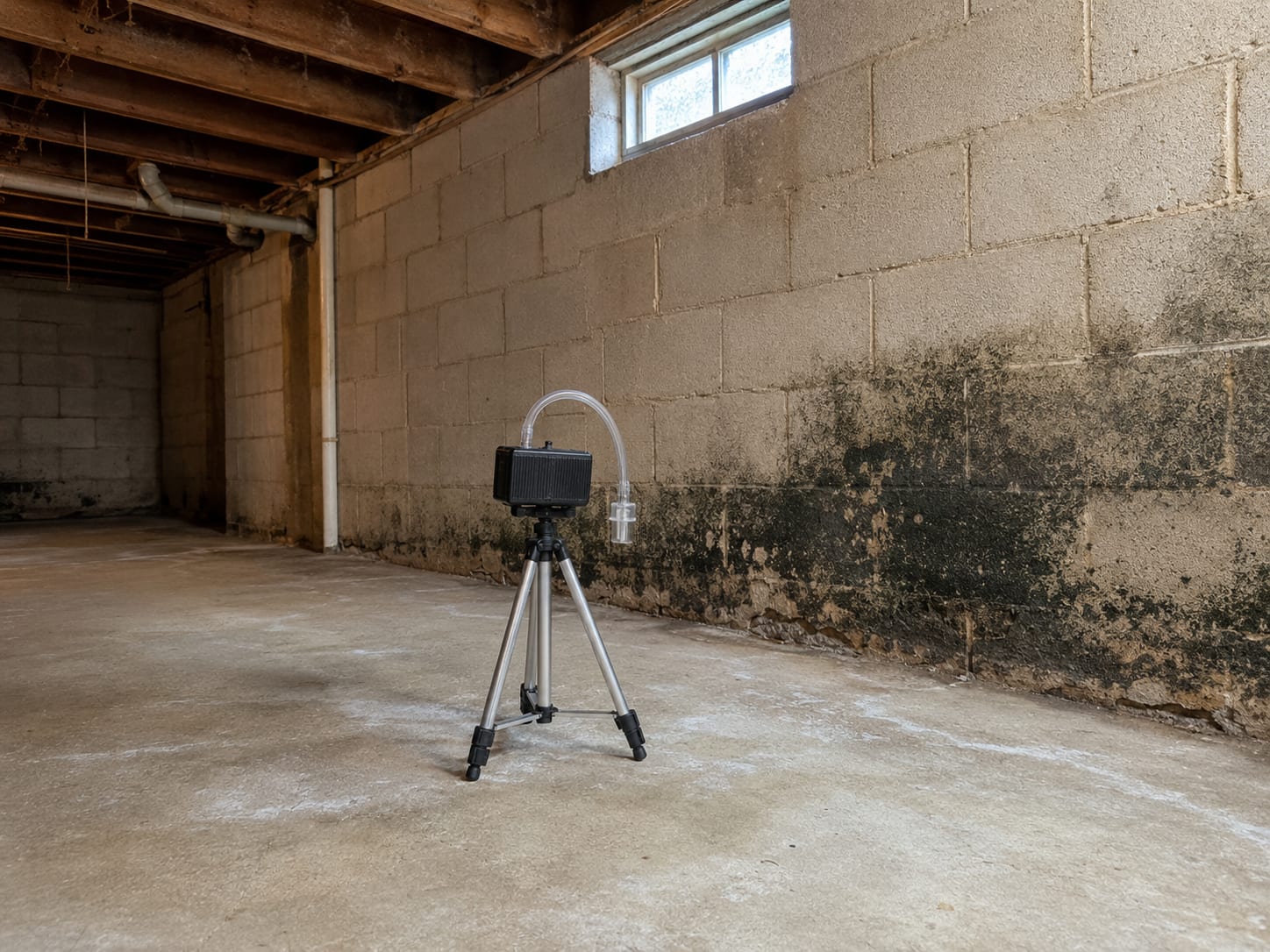
New Jersey's combination of coastal humidity, older housing stock, and dense urban development creates near-ideal conditions for mold growth. Properties near the Shore, along tidal rivers, or in older neighborhoods with aging foundations tend to accumulate moisture in ways that aren't always obvious from the outside. A damp crawl space, a slow roof leak, or a basement that takes on water during heavy rain can sustain mold colonies for months before anyone notices a smell or visible growth.
Stachybotrys chartarum is a slow-growing, water-loving fungus that thrives on cellulose-rich materials like drywall paper and wood. It produces mycotoxins associated with respiratory symptoms, chronic fatigue, and other health effects, particularly in sensitive populations. You can't confirm its presence by color alone, though. Testing is the only way to know whether what you're looking at is genuinely toxigenic or a more common, less hazardous species. That distinction matters when you're deciding whether to remediate, what scope that work should cover, and how to protect the people in the building.
New Jersey law also plays a role. NJ requires sellers to disclose known mold issues, and pending legislation under the proposed Mold Safe Housing Act would go further by requiring mold inspections before a change of occupancy can be certified. Whether you're a homeowner, a buyer, a seller, or a property manager, documented testing results are increasingly important for protecting your interests and meeting your obligations.
What Testing Methods Does ExecPro Restoration & Cleaning Use?
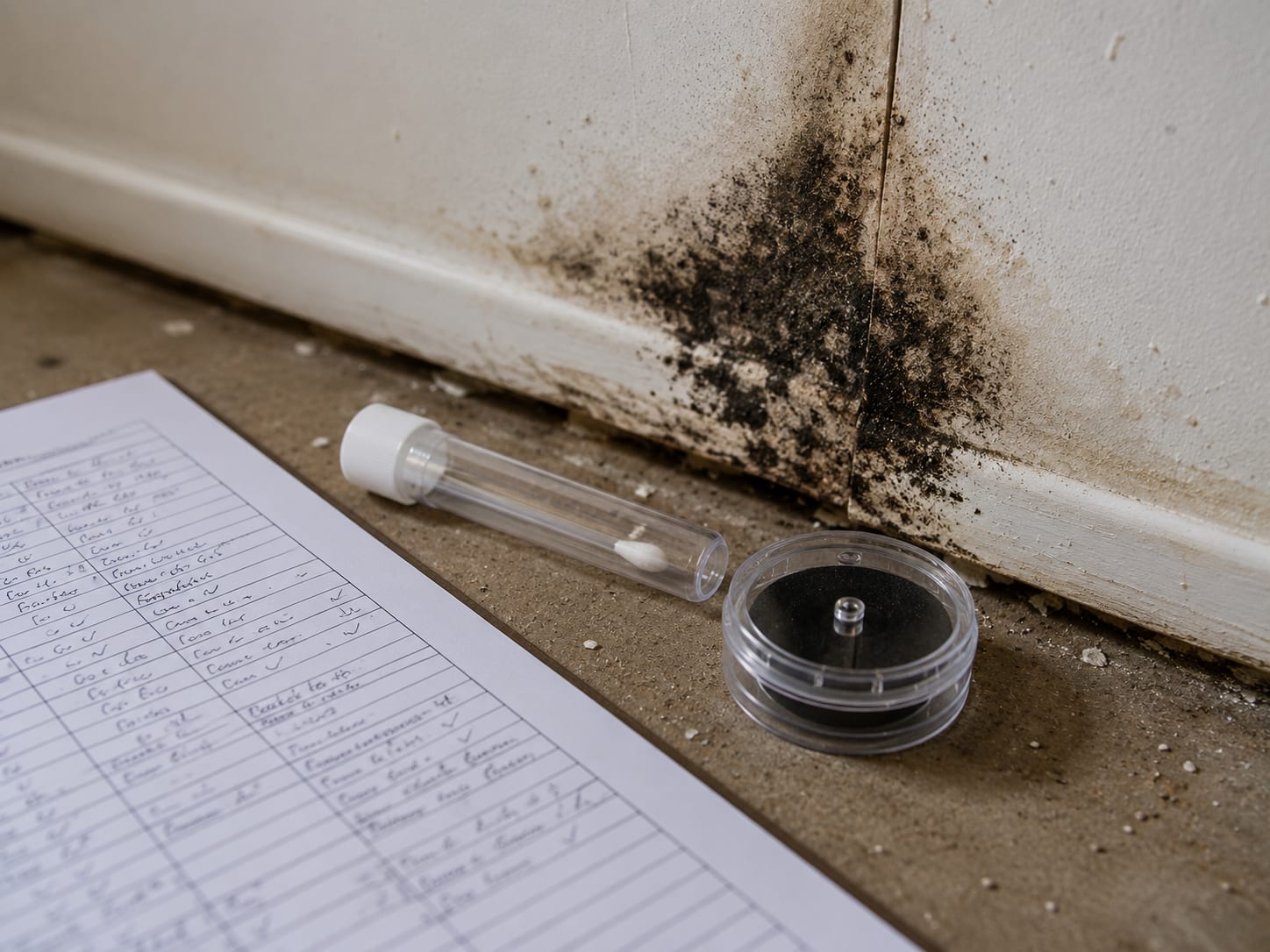
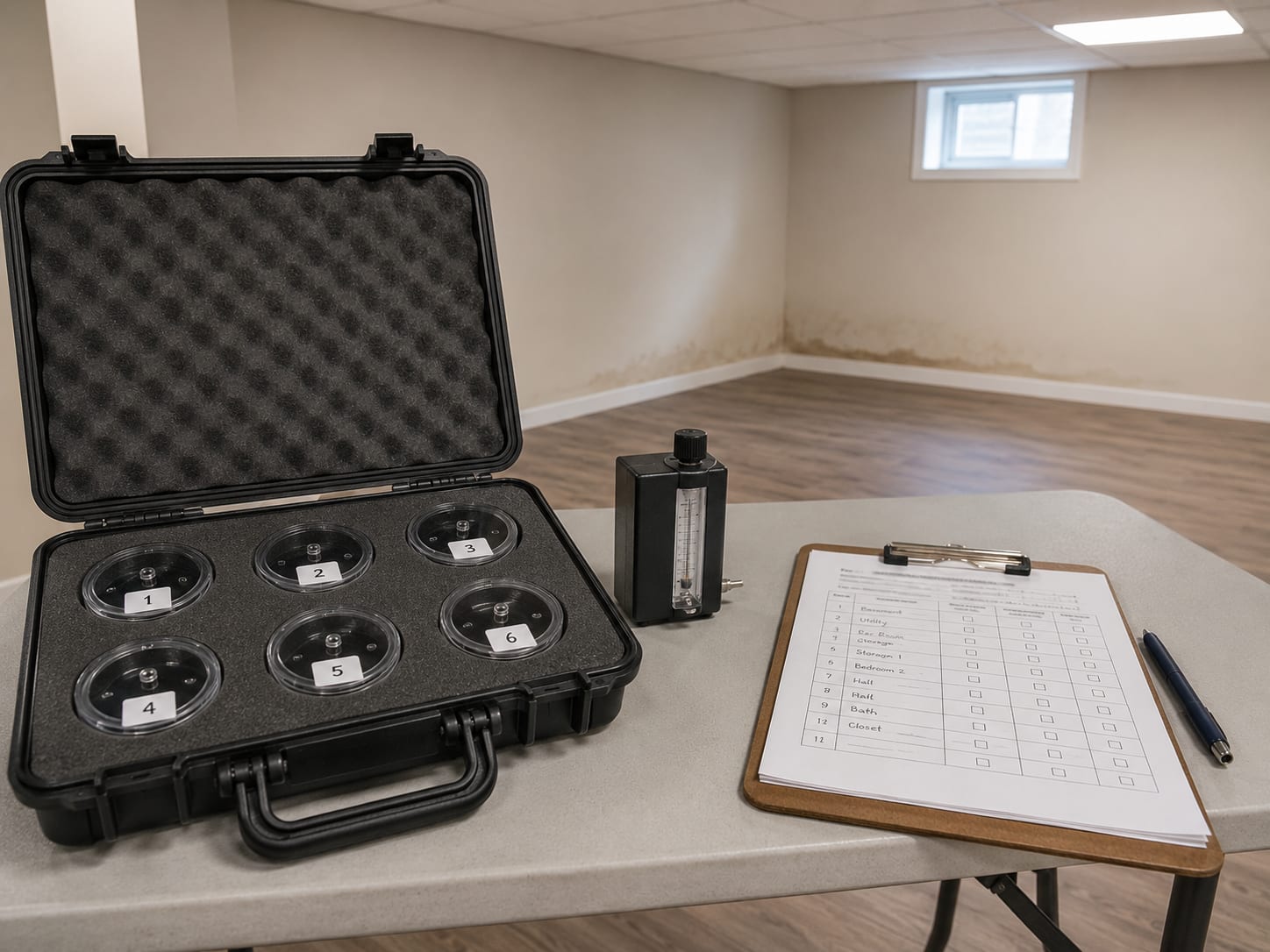
ExecPro Restoration & Cleaning uses air sampling, surface sampling, and moisture assessment in combination, because no single method tells the full story on its own. Air sampling with calibrated cassettes captures airborne spore counts and compares indoor samples to outdoor baseline readings, giving you a clear picture of whether your indoor air quality is compromised. Surface sampling, using tape lifts or swabs, collects material directly from suspect areas for species identification. Both sample types go to accredited third-party labs under established chain-of-custody protocols.
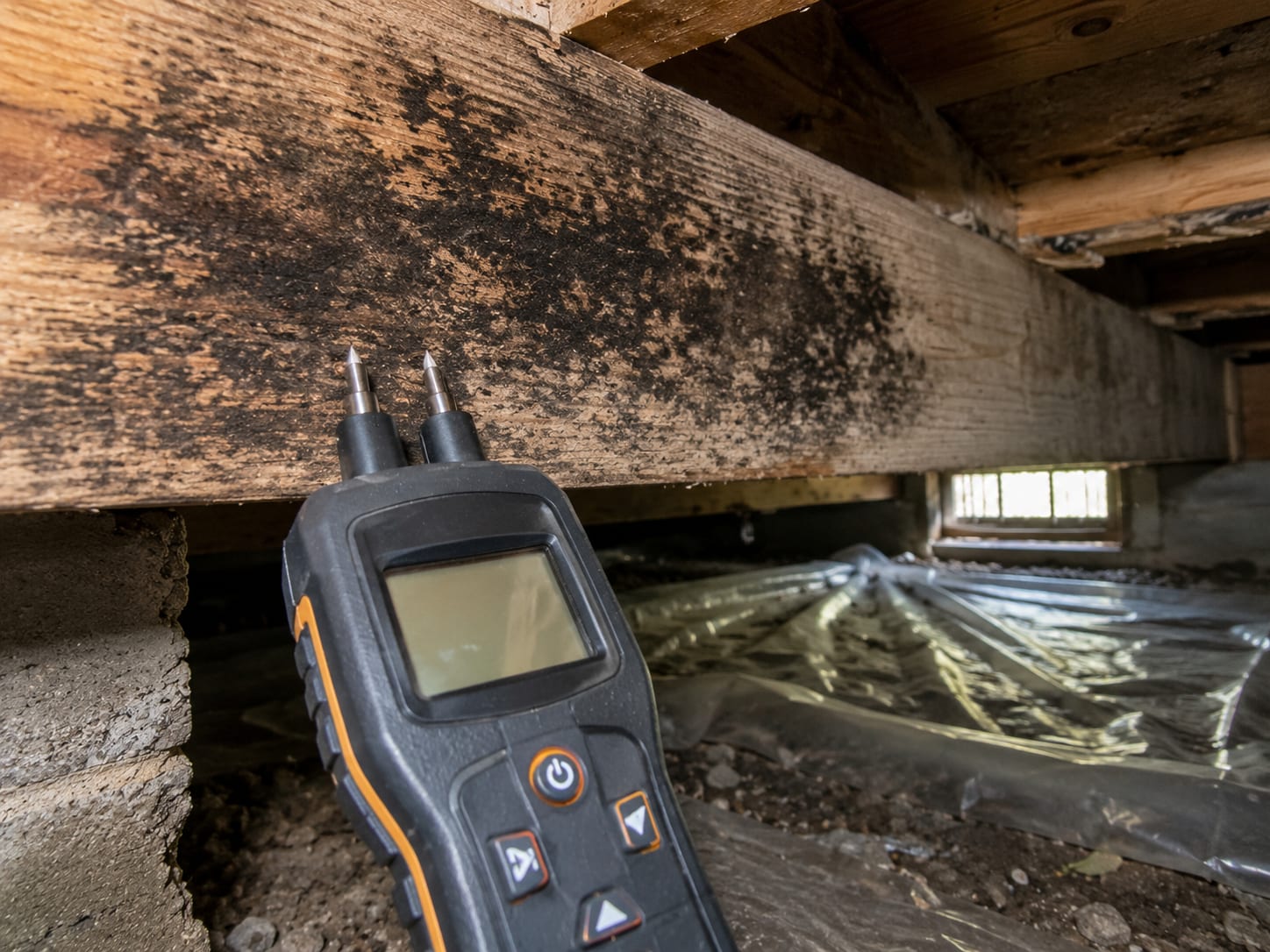
Technicians also use moisture meters during the inspection phase to identify building materials holding water above safe thresholds. Knowing where moisture is elevated helps explain why growth is occurring in a particular location and what conditions would need to change to prevent recurrence. When the scope of concern warrants it, thermal imaging can identify moisture intrusion hidden behind finished surfaces before visible growth appears.
For species-level precision, lab partners can apply PCR-based analysis to identify mold at the DNA level. This is particularly relevant when air cassette counts are ambiguous or when you need to confirm the presence or absence of a specific toxigenic species. The combination of traditional air sampling and molecular identification gives you both the quantitative data and the species specificity to make informed decisions about next steps.
One thing worth understanding about how ExecPro Restoration & Cleaning operates: the testing phase is conducted with the goal of producing an honest, objective assessment of your property's condition. The report you receive reflects laboratory findings, not a sales pitch for services. If mold remediation is warranted, you'll know exactly why, with the data to support it.
How Does the Black Mold Testing Process Work?
From your first call to your final report, here's exactly what to expect when you schedule black mold testing with ExecPro Restoration & Cleaning.
Scroll the steps sideways to follow the full process.
Who Needs Black Mold Testing?
Black mold testing isn't just for homeowners who've already spotted visible growth. There's a wide range of situations where getting lab-verified results protects you, your family, or your investment.
Homeowners with Symptoms or Odors
If anyone in the household is experiencing unexplained respiratory issues, headaches, or fatigue, or if you're noticing a persistent musty smell without a visible source, air sampling can confirm whether elevated mold spore concentrations are present in your living environment.
Home Buyers
A pre-purchase mold inspection that includes air and surface sampling gives you documented evidence of a property's condition before you close. In older NJ homes or properties with basement water history, that documentation can be the difference between a smart purchase and a costly surprise. Real estate agents often coordinate this as part of an inspection contingency.
Home Sellers
NJ sellers are required to disclose known mold issues. Getting testing done before listing, with a clean report in hand, removes a common obstacle in transactions and gives buyers confidence. If results do identify a problem, you have the chance to address it on your terms before it becomes a negotiating issue.
Property Managers and Landlords
Multifamily properties and rental units face increasing scrutiny under NJ's evolving mold regulations. Proactive testing after any water event, between tenancies, or in response to tenant complaints creates a documented record of due diligence and helps you manage liability. Property management mold services through ExecPro Restoration & Cleaning are designed with these operational realities in mind.
Post-Water-Damage Situations
After a burst pipe, flooding, or any significant water intrusion event, mold can begin colonizing porous materials within 24 to 48 hours. Testing after water damage confirms whether mold growth has taken hold, even in areas that appear dry on the surface, and establishes a baseline for any remediation work that follows.
Post-Remediation Verification
If your property has already undergone mold remediation by any contractor, post-remediation verification sampling confirms the work was effective and that indoor spore counts have returned to acceptable levels. This documentation is often required by insurers and is important for real estate transactions where prior remediation must be disclosed.
What Makes ExecPro Restoration & Cleaning the Right Choice for Black Mold Testing?
Because ExecPro Restoration & Cleaning also provides mold remediation and black mold removal, it's fair to ask whether test results might be skewed toward recommending work. The answer is in the process: samples go to accredited third-party laboratories, and the report reflects what the lab finds, not what might generate more revenue. You get the honest read.
Testing doesn't happen in a vacuum, either. Spore counts only mean something when you understand the moisture conditions that created them, the building materials involved, and whether the source is isolated or systemic. ExecPro Restoration & Cleaning technicians bring that context to every assessment. A report that says 'elevated Stachybotrys spores detected' is useful. A report paired with moisture mapping, a clear explanation of the likely source, and a specific description of what remediation would entail is actionable.
The work is licensed, insured, and follows IICRC S520 standards, the industry benchmark for professional mold assessment and remediation. That matters for insurance claims, real estate disclosures, and any situation where the documentation needs to hold up to outside scrutiny.
The service area covers a broad stretch of New Jersey, from Princeton Junction and the surrounding Mercer County communities through Somerset, Hunterdon, Monmouth, and Burlington counties. Whether you're in Flemington, Red Bank, Bordentown, or anywhere in between, you're within reach. Call (888) 300-3772 or email hello@execprorc.com to schedule your assessment.
Understanding Your Black Mold Test Results
When your lab report comes back, the numbers and species names can feel overwhelming if you've never seen one before. ExecPro Restoration & Cleaning walks through the results with you, but it helps to know the basics going in. Lab reports typically list spore types by genus, give you a count per cubic meter of air, and compare that to the outdoor baseline sample collected at the same time. If indoor counts are significantly higher than outdoor counts for the same species, that indicates an indoor source.
Stachybotrys chartarum typically appears at low levels or not at all in normal indoor air. Because it's a heavy, wet spore, it doesn't become airborne as easily as drier mold types, which means a low air count doesn't necessarily mean no growth. Surface sampling is particularly valuable for Stachybotrys because it identifies growth at the source rather than relying on airborne concentrations alone.
Other toxigenic species commonly detected in NJ homes include Aspergillus and Penicillium, which can appear at moderate levels outdoors but become problematic when significantly elevated indoors or when certain specific species are identified. The lab and the ExecPro Restoration & Cleaning technician will help you interpret which findings are clinically relevant and which fall within normal variation.
If the ERMI methodology is used, which scores properties against a database of thousands of homes nationwide using dust samples covering 36 fungal species, a higher score indicates a greater likelihood of moisture damage relative to reference homes. This method is particularly useful for comprehensive assessments where multiple mold types are suspected or where a detailed baseline is needed for ongoing property monitoring.
Frequently Asked Questions About Black Mold Testing
No. Stachybotrys chartarum, the mold typically associated with the term 'black mold,' does appear dark green to black, but many other mold species are also dark, while some genuinely toxigenic strains can appear gray, brown, or greenish. Conversely, white or orange mold can be just as harmful depending on the species. Color alone is never a reliable indicator of toxicity, which is exactly why lab analysis matters.