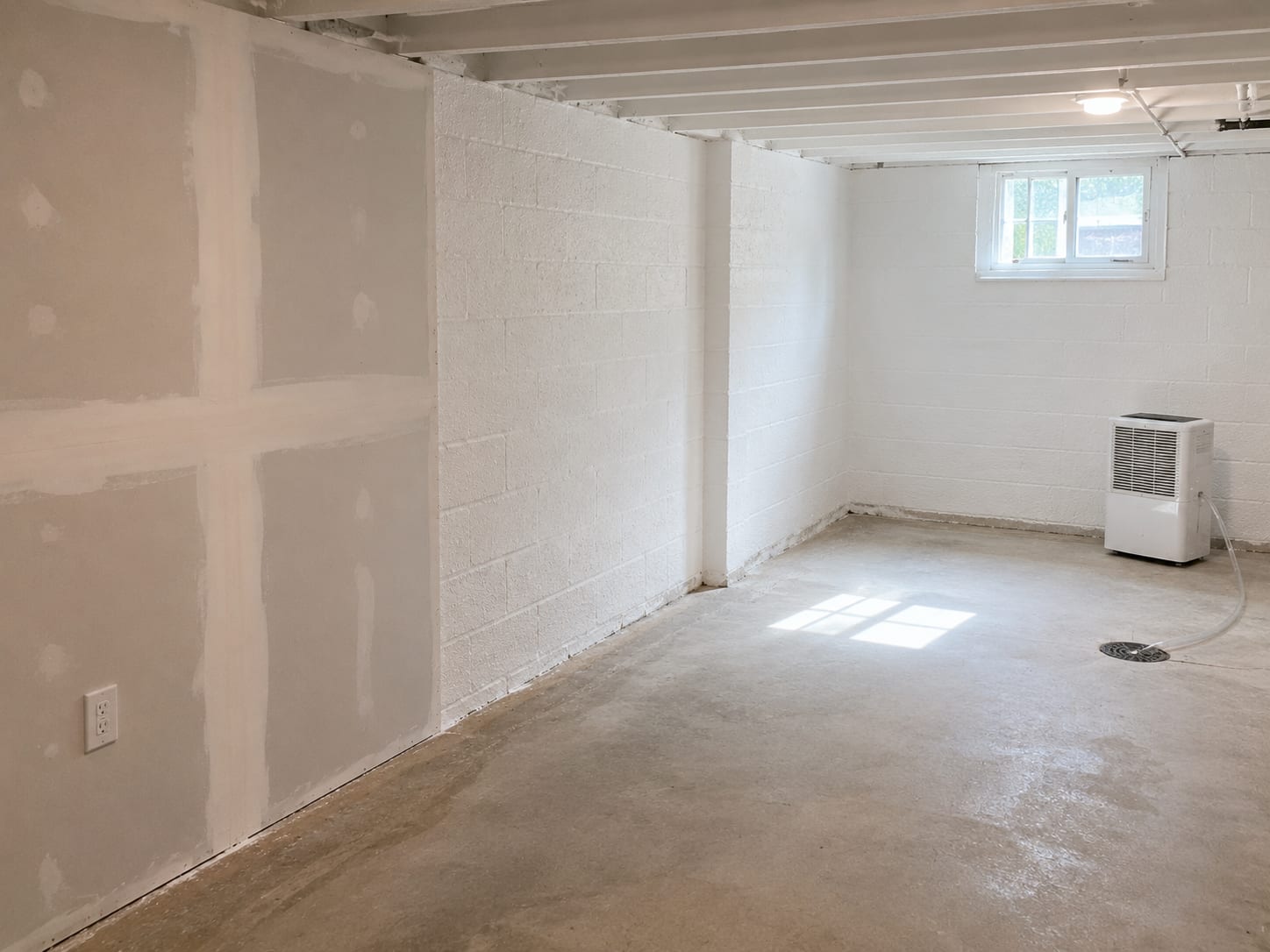
Mold Remediation in Central & Northern New Jersey
ExecPro Restoration & Cleaning provides full-scope mold containment, removal, and post-remediation verification for homes and commercial properties across New Jersey. From the first inspection to final clearance testing, every project follows IICRC S520 standards so the job is done right the first time.
What Is Mold Remediation and What Does the Service Include?
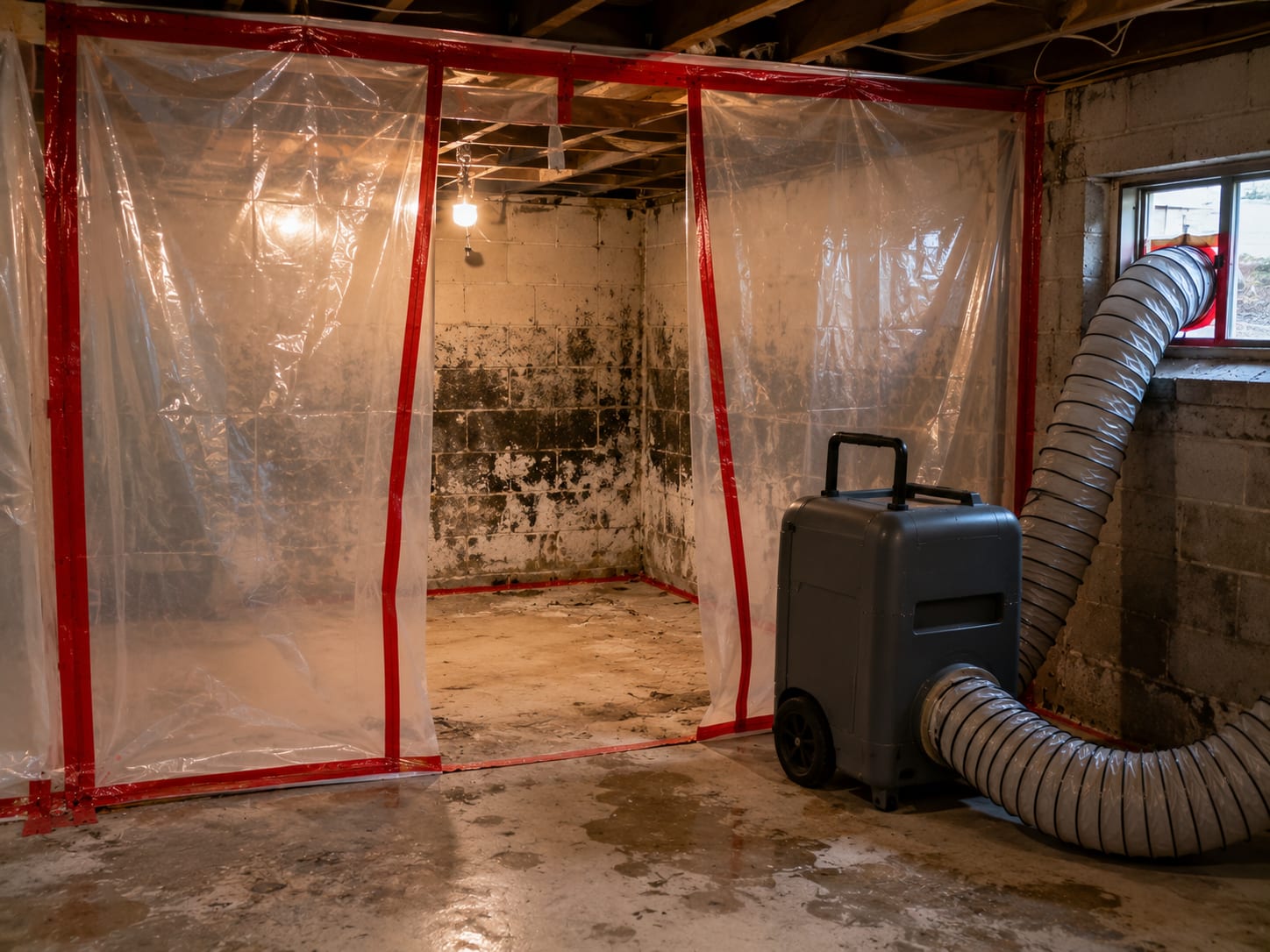
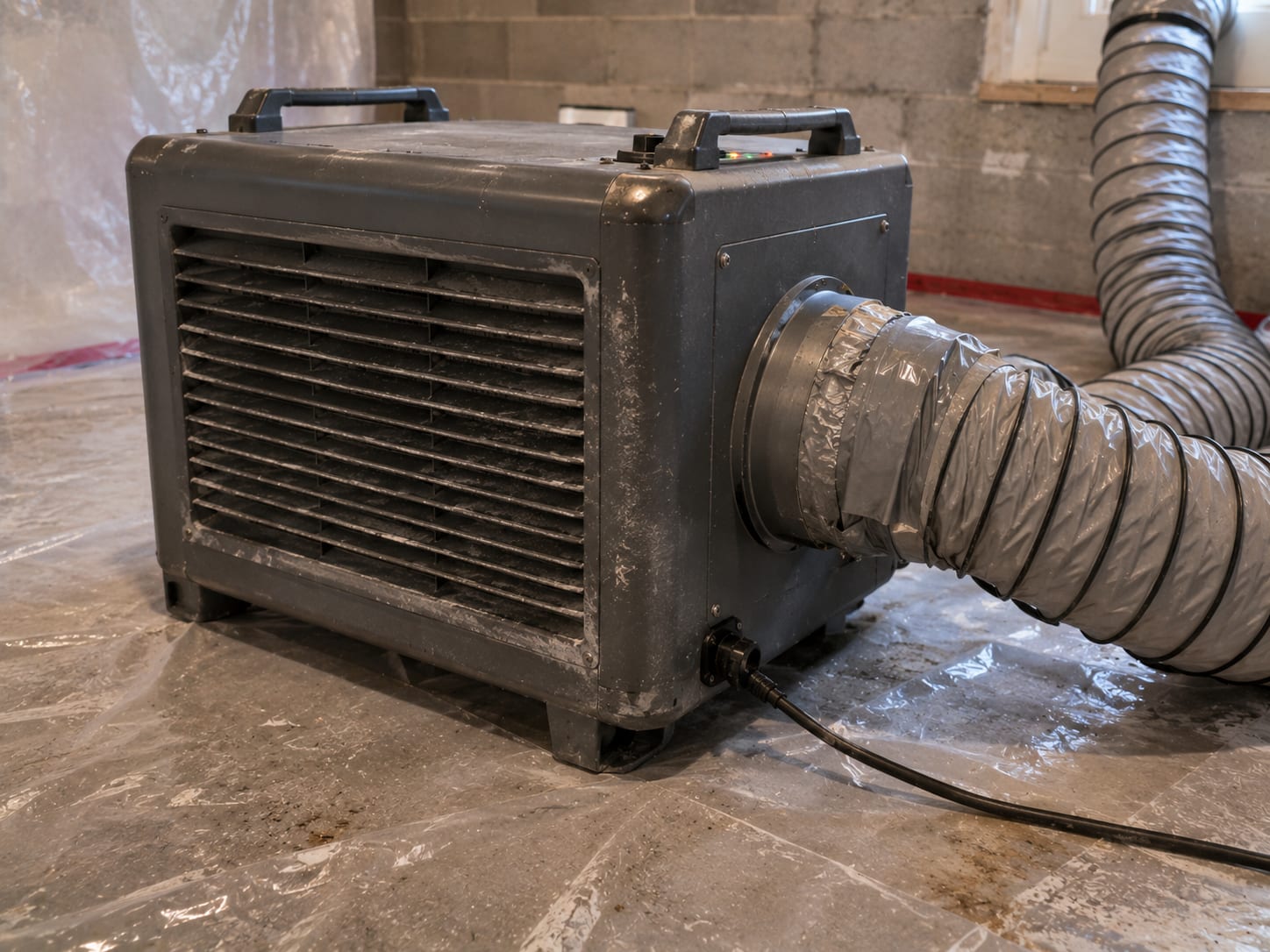
Mold remediation is the professional process of containing, removing, and verifying the elimination of mold contamination in a building. When ExecPro Restoration & Cleaning handles your remediation, you get a structured, documented process that starts with identifying the moisture source and ends with independent clearance testing to confirm the mold is gone. The scope covers moisture mapping, containment setup, physical removal of affected materials, antimicrobial treatment of structural surfaces, proper disposal, and post-remediation verification. Most residential projects are completed in one to three days.
The IICRC S520 standard, which guides professional mold remediation across the industry, requires a thorough assessment, proper containment to prevent cross-contamination, and post-remediation testing before containment is removed. ExecPro Restoration & Cleaning follows this standard on every project, whether it is a single bathroom or a commercial building with multiple affected zones.
New Jersey properties face above-average mold risk. The state sits along the eastern seaboard, where Atlantic moisture combines with nor'easters, hurricanes, and seasonal storms to push indoor humidity to levels where mold establishes itself quickly. Basements, attics, crawl spaces, and HVAC systems are the most common problem zones, but mold can take hold anywhere moisture lingers for more than 24 to 48 hours.
How Does New Jersey's Climate Affect Mold in Your Home?
New Jersey's geography creates conditions for recurring mold problems. Coastal communities from Sea Bright and Monmouth Beach down through Seaside Heights and Bay Head deal with moisture-saturated air year-round. Inland areas like Princeton Junction, Flemington, and Bridgewater experience freeze-thaw cycles that drive water into basements and crawl spaces during winter and spring. Further north, communities in Bernardsville, Basking Ridge, and Far Hills see regular flooding from storm events that overtax older drainage systems.
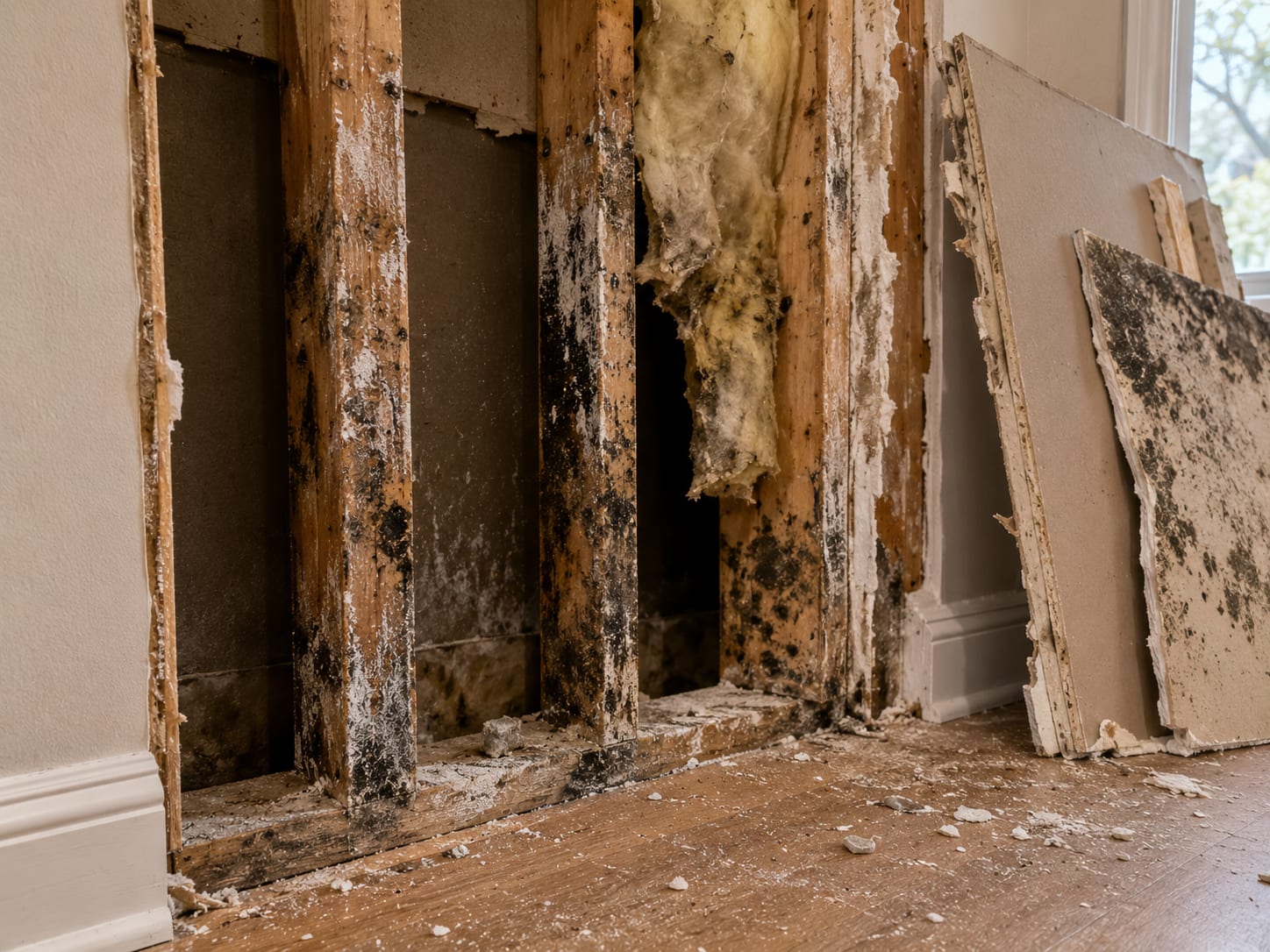
What makes New Jersey particularly challenging is that water intrusion events often go unnoticed for days or weeks. A slow roof leak into an attic, a condensation problem in an HVAC system, or groundwater seeping into a crawl space can allow mold to establish a colony long before it becomes visible. By the time you see discoloration or smell that distinctive musty odor, the growth is usually well past the surface level. A professional inspection using moisture meters and thermal imaging matters more in this region than most.
The pending Mold Safe Housing Act, currently moving through the New Jersey Senate, reflects how seriously the state takes this issue. Under the proposed legislation, landlords notified of a substantial mold hazard would be required to begin an investigation within 72 hours. Whether you own a single-family home in Pennington or manage a multifamily property in New Brunswick, the direction of state policy is clear: proactive remediation is expected, not optional.
How Does the Mold Remediation Process Work?
ExecPro Restoration & Cleaning follows a clear, step-by-step process built around the IICRC S520 standard. Here is what happens from the moment you call to the moment you receive your clearance report.
Scroll the steps sideways to follow the full process.
Which Areas of Your Property Are at Highest Risk?
Mold does not limit itself to one part of a building. These are the areas where ExecPro Restoration & Cleaning finds active growth most often across New Jersey properties.
Attics
Poor ventilation, roof leaks, and improperly vented bathroom or kitchen exhaust fans make attics one of the most common locations for hidden mold growth. Attic mold remediation often involves treating roof sheathing and rafters, wood surfaces that hold moisture and provide an ideal substrate for mold colonies.
Basements
Groundwater intrusion, condensation, and flooding all contribute to chronic moisture problems in basements. Basement mold remediation frequently requires addressing both the mold and the underlying water management issue to prevent recurrence after treatment.
Crawl Spaces
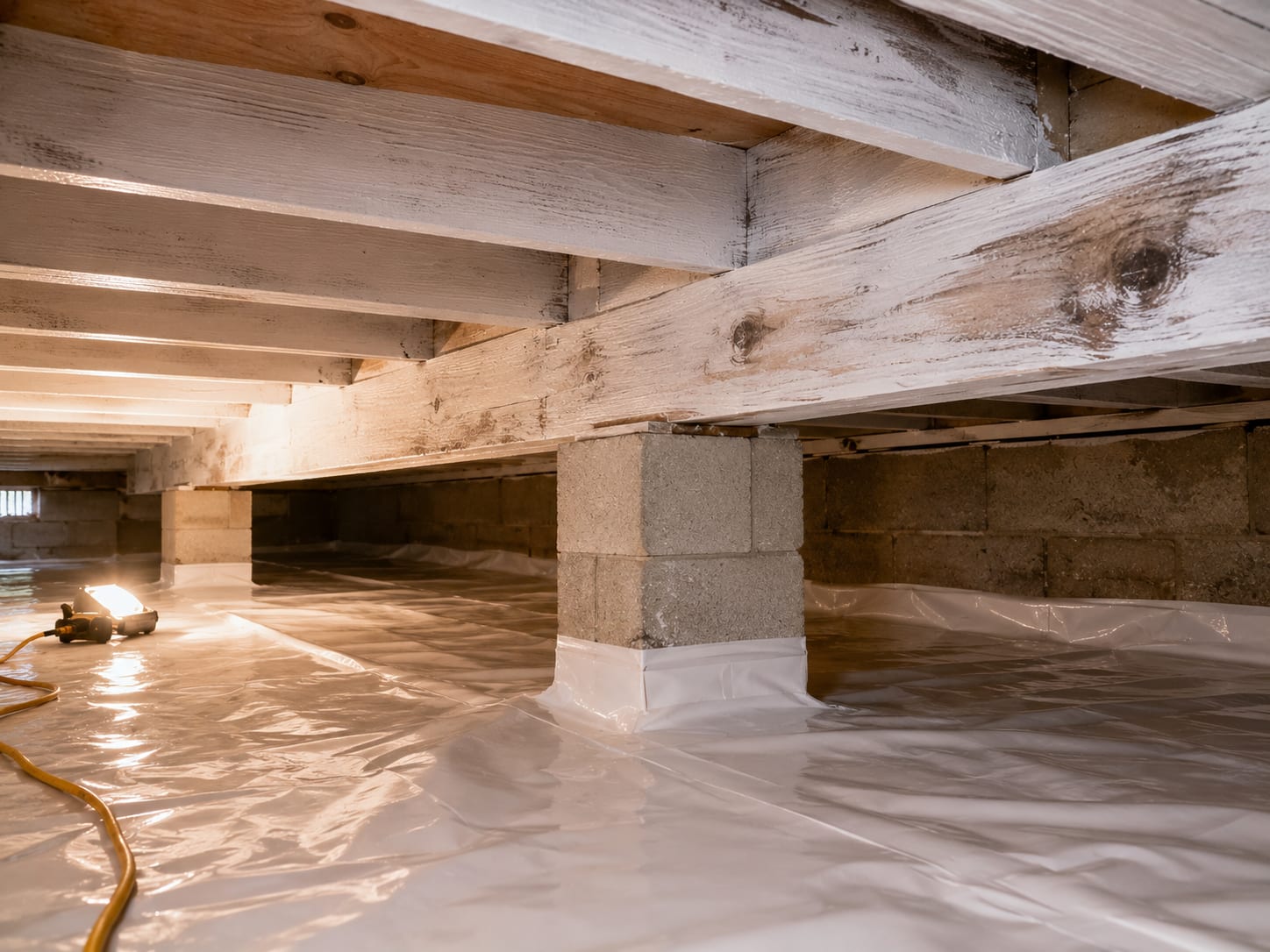
Crawl spaces are dark, poorly ventilated, and often exposed to ground moisture and outdoor air. Crawl space mold remediation typically involves encapsulation of the floor as part of the solution, cutting off the moisture supply that keeps mold alive.
Bathrooms
Steam, poor ventilation, and chronic surface moisture make bathrooms vulnerable to recurring mold, particularly around tub surrounds, grout lines, and under vanity cabinets. Bathroom mold remediation addresses both visible surface mold and growth behind tile and drywall.
HVAC Systems
When mold grows inside ducts or air handlers, the system distributes spores throughout the entire building every time it runs. HVAC mold remediation requires specialized access and treatment to clean internal components without cross-contaminating other areas of the property.
Ceilings
Ceiling mold usually signals a roof leak, plumbing leak, or condensation problem from above. Ceiling mold removal requires proper containment because ceiling work displaces debris downward, and the moisture source must be confirmed and corrected before treatment begins.
Who Needs Professional Mold Remediation?
Anyone with more than 10 square feet of visible mold growth needs professional management. New Jersey guidance from the Department of Community Affairs is clear on that threshold. But even smaller affected areas call for professional intervention in certain circumstances: confirmed or suspected black mold, mold in HVAC systems, mold following sewage or flooding events, mold in spaces occupied by children or people with respiratory conditions, or any situation where the moisture source has not yet been identified.
Homeowners preparing to sell and buyers making purchase decisions also have strong reason to bring in professionals. Real estate transactions move faster and with fewer complications when mold findings are backed by documented inspection reports, lab results, and clearance certificates. ExecPro Restoration & Cleaning works directly with real estate agents and their clients on pre-purchase mold inspections and home buyer and seller protection services across the region, providing the paperwork that moves a transaction forward instead of stalling it.
Property managers and commercial owners face a different set of stakes. A mold complaint in a rental unit or commercial space carries liability exposure and potential regulatory scrutiny. ExecPro's commercial remediation team handles multi-unit buildings, office properties, and managed portfolios with the documentation and scope of work that risk managers and insurance carriers require.
What Sets ExecPro Restoration & Cleaning Apart?
There is no shortage of contractors in New Jersey who will show up with a spray bottle and call it remediation. The difference with ExecPro Restoration & Cleaning is in the process, the documentation, and the follow-through.
IICRC S520 Standards on Every Job
The IICRC S520 is the professional standard for mold remediation. ExecPro Restoration & Cleaning applies it on every project regardless of size, which means containment, removal, treatment, and verification follow a structured, defensible protocol rather than a shortcut.
Licensed and Insured
ExecPro Restoration & Cleaning carries full licensing and insurance coverage, which matters when remediation work may be reviewed by an insurance carrier, a real estate attorney, or a future buyer's inspector.
Thermal Imaging and Moisture Mapping
Before a single square foot of material is removed, technicians use thermal imaging cameras and moisture meters to map the full extent of contamination and confirm the moisture source. This prevents incomplete remediation, which is the most common reason mold comes back.
Independent Post-Remediation Verification
ExecPro follows the industry best practice of separating assessment from remediation wherever possible. Post-remediation air testing provides objective documentation that clearance standards have been met, not just a contractor's word that the job is done.
One Company from Removal to Rebuild
Most mold contractors stop at remediation, leaving you to find someone else to put the walls back. ExecPro Restoration & Cleaning handles drywall replacement after mold and full post-mold remediation rebuild services, so the project has one point of contact from start to finish.
Emergency Response Available
Mold emergencies do not wait for business hours. ExecPro offers emergency and 24-hour mold removal services because the faster containment is in place, the less damage you are dealing with on the back end.
What Should You Know About Mold Remediation Costs in NJ?
Mold remediation costs in New Jersey vary based on the size of the affected area, where the mold is located within the structure, the species involved, and whether build-back work is needed after removal. Industry data puts the general range for residential mold removal between $500 and $15,000, but that spread reflects a wide range of project types. A small bathroom ceiling remediation is a very different scope from a full basement or attic project with structural drywall removal and encapsulation.
A few cost factors are specific to New Jersey. Properties in coastal communities from Long Branch and Sea Bright to Lavallette and Seaside Park often see more extensive contamination because of sustained humidity and recurring storm events. Older construction in cities like Trenton, New Brunswick, and Hamilton may involve materials such as plaster, older insulation, or compromised waterproofing that add to the scope. Getting an accurate assessment of your specific situation is the only way to know what remediation will cost before you commit.
If your mold event is connected to a covered water damage loss, your homeowner's insurance may cover part or all of the remediation cost. ExecPro Restoration & Cleaning works with insurance carriers and can support your claim with the documentation adjusters need. The insurance restoration services process works alongside your claim rather than around it, keeping the project moving while your adjuster reviews the loss.
Mold Remediation FAQ
These are the questions property owners across New Jersey ask most often about professional mold remediation.
Most residential mold remediation projects take one to three days from containment setup to final cleaning. Larger projects involving multiple zones, structural material removal, or complex HVAC contamination can run three to five days or more. Your technician will give you a realistic timeline after the initial assessment, since the scope drives the schedule more than any other factor.
Areas We Serve Across New Jersey
ExecPro Restoration & Cleaning provides mold remediation services across central and northern New Jersey, working regularly in communities throughout Mercer, Middlesex, Somerset, Hunterdon, Morris, Monmouth, Ocean, Burlington, and Camden counties.
Common service areas include Princeton Junction, West Windsor, Princeton, Plainsboro, Cranbury, Lawrenceville, Pennington, Hopewell, and Hamilton in Mercer County. In Middlesex County, the team handles properties in New Brunswick, North Brunswick, East Brunswick, South Brunswick, Monroe, Dayton, Monmouth Junction, and Jamesburg. Somerset County work covers Bridgewater, Basking Ridge, Bernardsville, Warren, Somerset, Franklin, Hillsborough, and Manville. Hunterdon County projects bring the team to Flemington, Clinton, Lambertville, Stockton, Ringoes, Pittstown, and Whitehouse Station.
Along the Monmouth and Ocean County shore, ExecPro serves Red Bank, Rumson, Fair Haven, Little Silver, Monmouth Beach, Long Branch, Sea Bright, Freehold, Manalapan, Marlboro, Spring Lake, Sea Girt, Manasquan, Brielle, Bay Head, Point Pleasant Beach, Lavallette, Seaside Heights, Seaside Park, Lakewood, and Jackson. In Burlington and Camden counties, the service area covers Bordentown, Florence, Moorestown, Mount Laurel, Cherry Hill, Marlton, Medford, Cinnaminson, Willingboro, and Burlington.