Residential Mold Removal in Central & Southern NJ
ExecPro Restoration & Cleaning removes mold from NJ homes with containment, proper material removal, moisture correction, and post-remediation verification. We find out why mold grew and make sure it doesn't come back.
What Is Residential Mold Removal, and What Does the Process Actually Include?
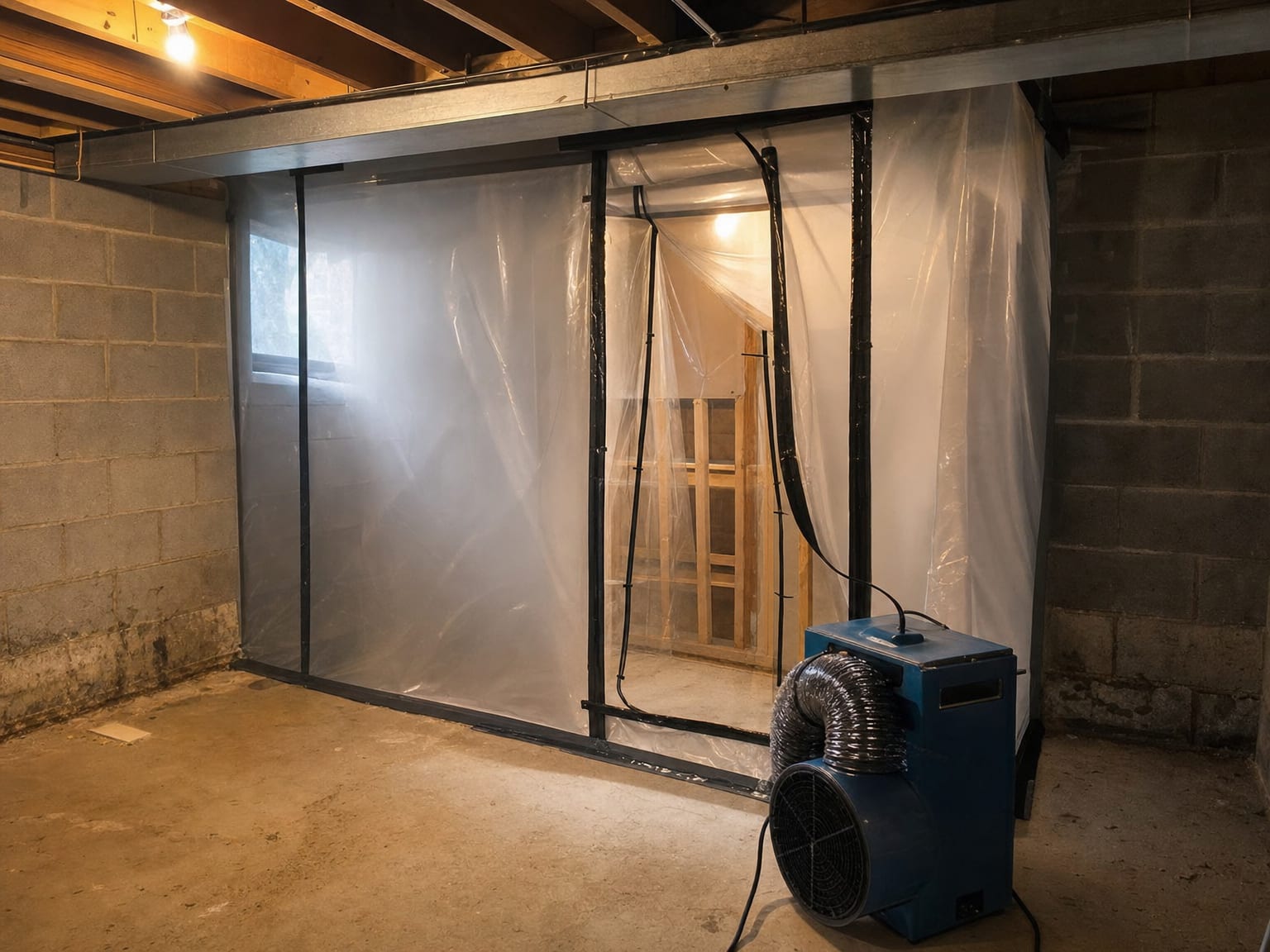
Residential mold removal is the process of safely locating, containing, and removing mold growth from a home, correcting the moisture source that caused it, and restoring the affected space so it's safe to occupy again. A standard ExecPro Restoration & Cleaning project covers inspection and scoping, containment setup, controlled removal or cleaning of affected materials, surface treatment, drying and moisture verification, and final documentation. Most projects are completed within one to three days depending on scope, though larger infestations or those requiring significant rebuild work may take longer.
Lasting results require more than surface cleaning because mold grows where moisture is present somewhere it shouldn't be. Whether that's a slow pipe leak inside a wall, condensation building up in an attic, a basement that didn't dry fully after flooding, or a bathroom fan venting into the ceiling instead of outside, the source has to be identified and corrected or mold will return. Every residential mold removal project ExecPro handles begins there, not with a spray bottle.
Where Does Residential Mold Typically Show Up in NJ Homes?
New Jersey homes deal with mold for a lot of reasons. The climate brings humid summers, heavy rain, and winters with freeze-thaw cycles that stress roofing, flashing, and foundations. Older housing stock in communities like Trenton, New Brunswick, and Burlington adds aging plumbing, inadequate ventilation, and decades of deferred maintenance. Newer construction in places like West Windsor, Robbinsville, and Monroe can develop mold too, often from construction moisture that wasn't fully dried before drywall was installed, or from HVAC systems that cycle humid air into unconditioned spaces.
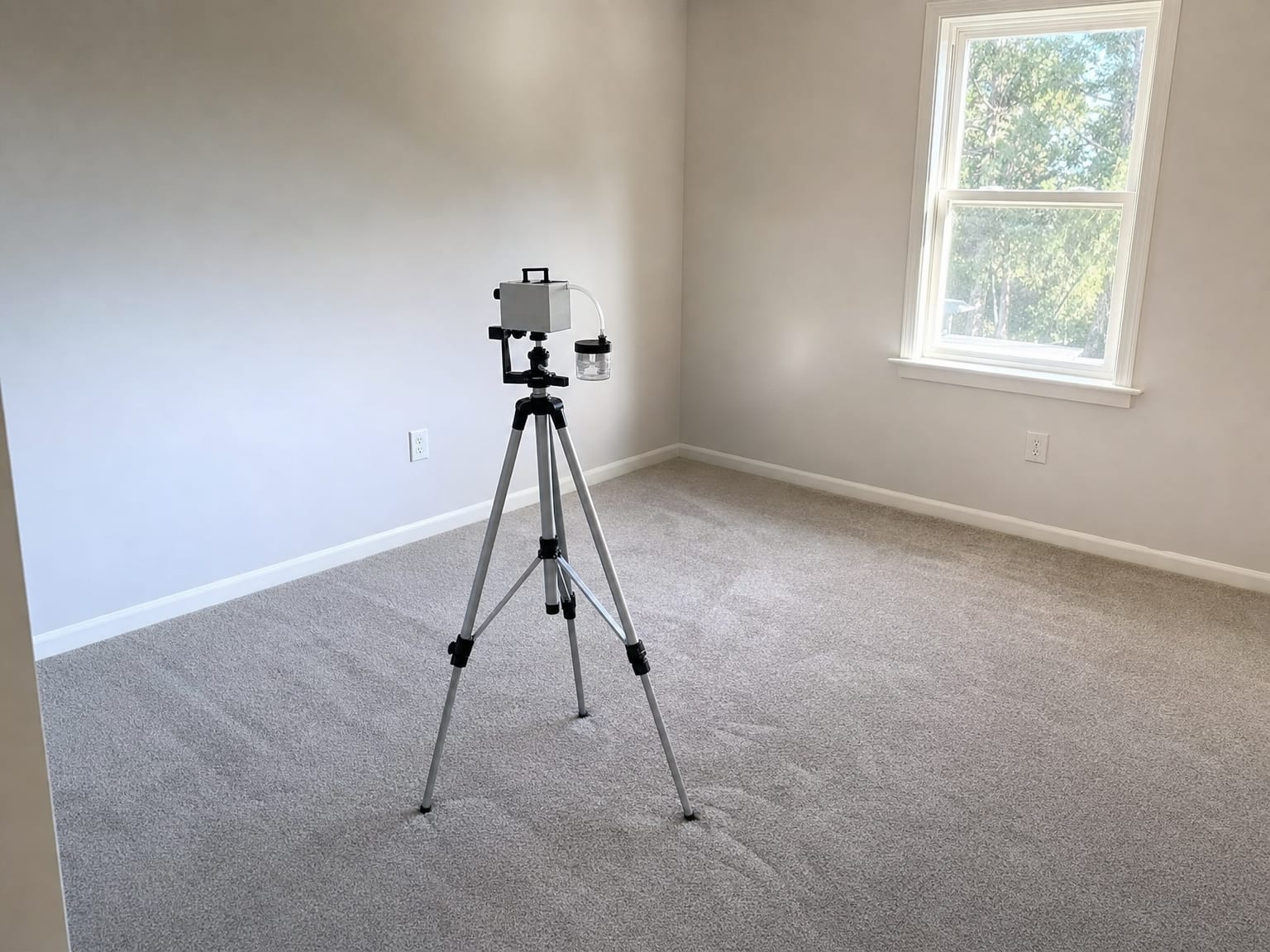
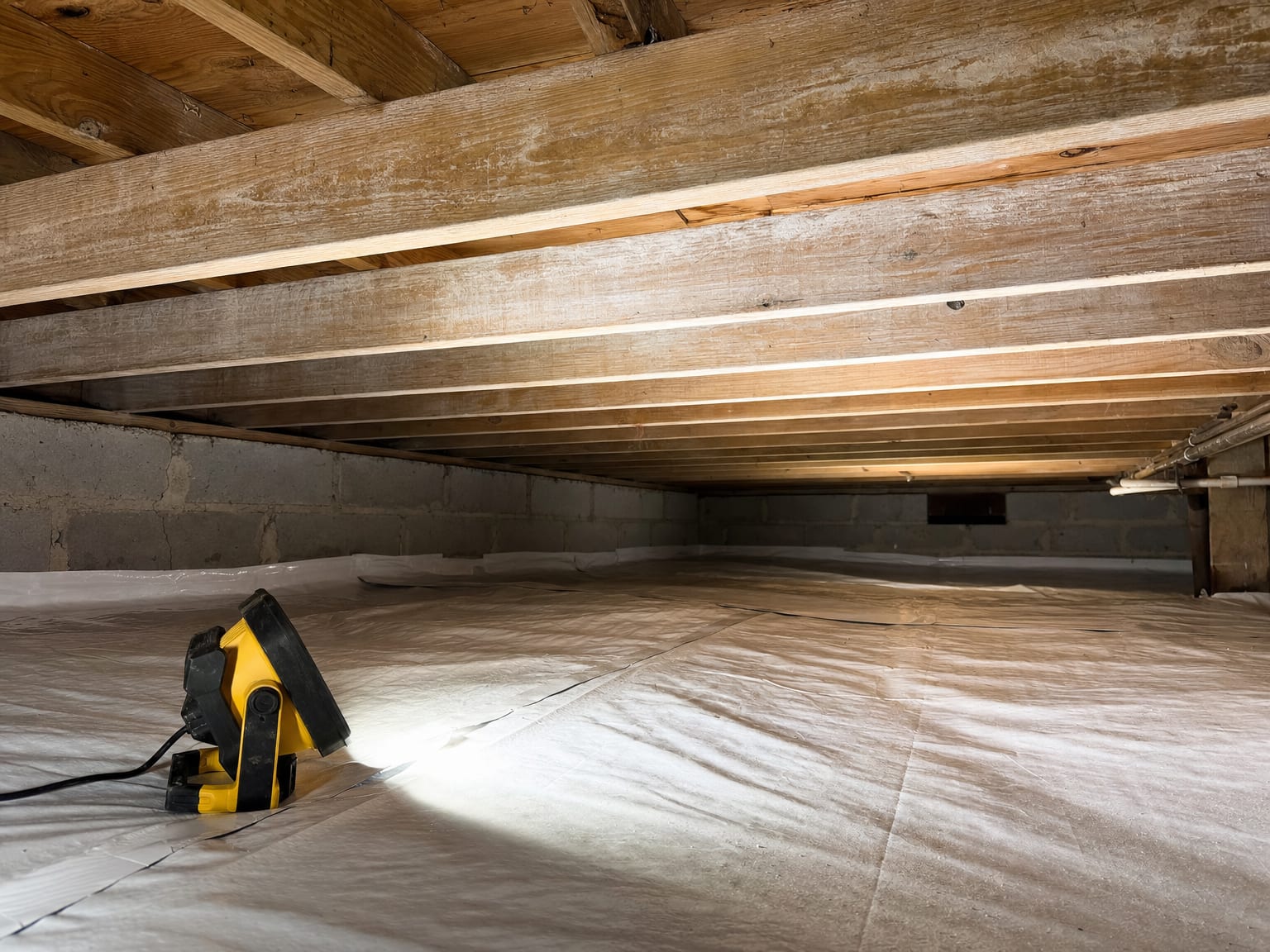
The most common areas ExecPro Restoration & Cleaning encounters mold in residential properties include finished and unfinished basements, bathroom walls and ceilings, attic sheathing and insulation, crawl spaces, behind kitchen cabinets near the sink, inside wall cavities around windows and exterior doors, and in HVAC systems and air handling units. In many cases, homeowners notice a musty smell or a small visible patch and find the actual extent of growth is larger than what they could see. That's why scoping the full affected area before work begins matters.
Why Bleach, Paint, and Fogging Alone Won't Solve a Mold Problem
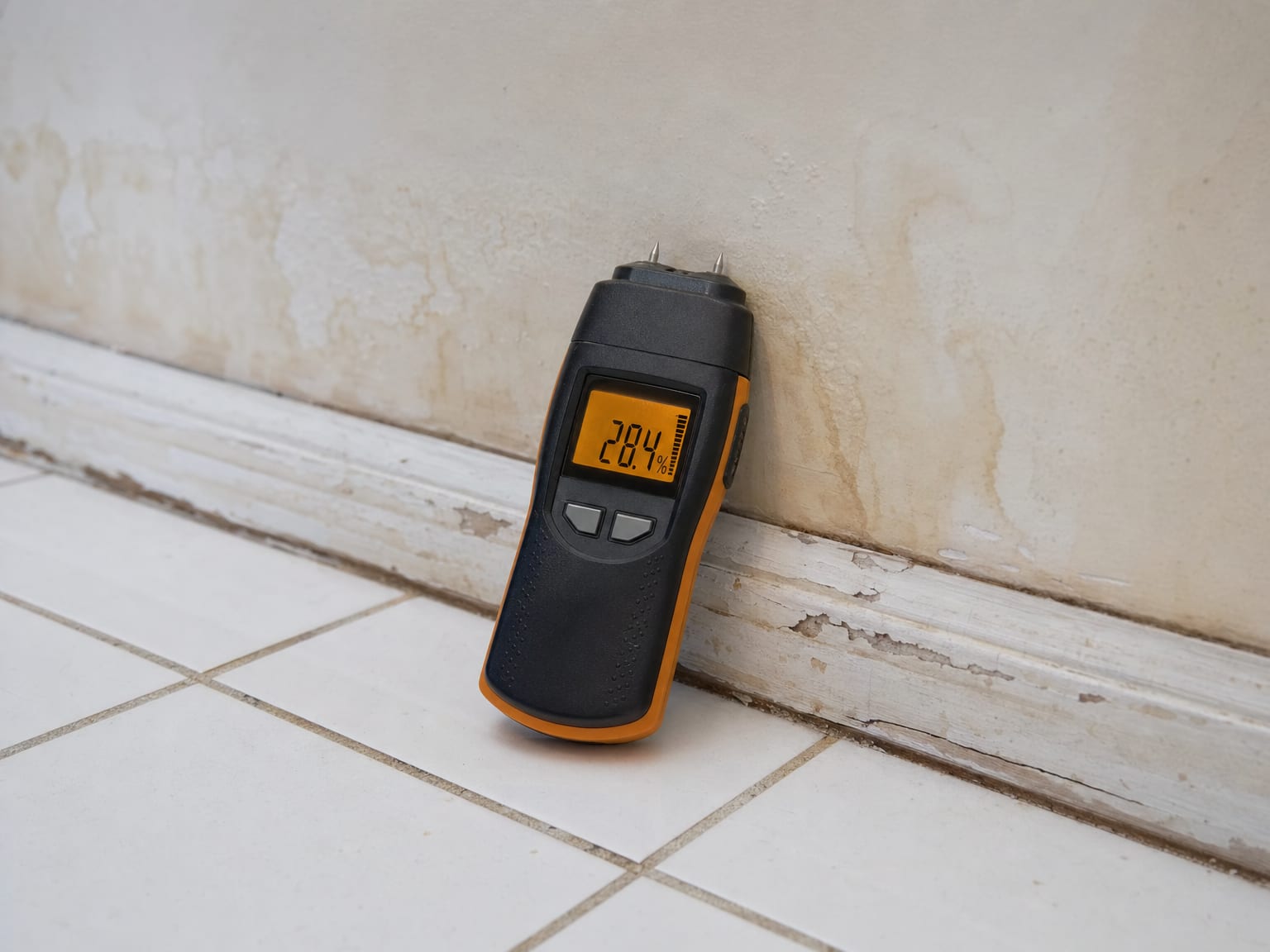
There's a persistent belief that bleach kills mold and solves the problem. The reality is more complicated. Bleach can affect the surface appearance of mold on nonporous materials like tile, but it doesn't penetrate porous materials like drywall, wood framing, or insulation, where mold actually roots itself. When those materials are saturated with mold and treated only with a surface application, the visible growth may disappear temporarily while the underlying colony continues to grow.
Encapsulant paints marketed as mold-blocking products have a similar limitation. They can be part of a properly completed remediation project, but painting over active mold growth without removing the affected material first is not remediation. It's concealment. Fogging, which disperses antimicrobial solutions into the air, has uses in some post-remediation situations, but it's not a substitute for removing materials that are too far gone to clean.
EPA guidance on mold cleanup in homes is clear: fix the moisture problem first, and heavily colonized porous materials need to be removed rather than treated in place. ExecPro Restoration & Cleaning follows IICRC S520 standards for mold remediation and S500 standards for water damage. These are the benchmarks insurance companies and environmental consultants reference when evaluating whether remediation work was done correctly, and they're the difference between a job that holds up and one that sends a homeowner back to square one in six months.
How ExecPro Handles Residential Mold Removal: The Process Step by Step
ExecPro Restoration & Cleaning approaches every residential mold removal project the same way: assess the full scope first, then work through remediation and restoration in a defined sequence.
Scroll the steps sideways to follow the full process.
What Happens After Mold Removal: Rebuild, Restoration, and Clearance
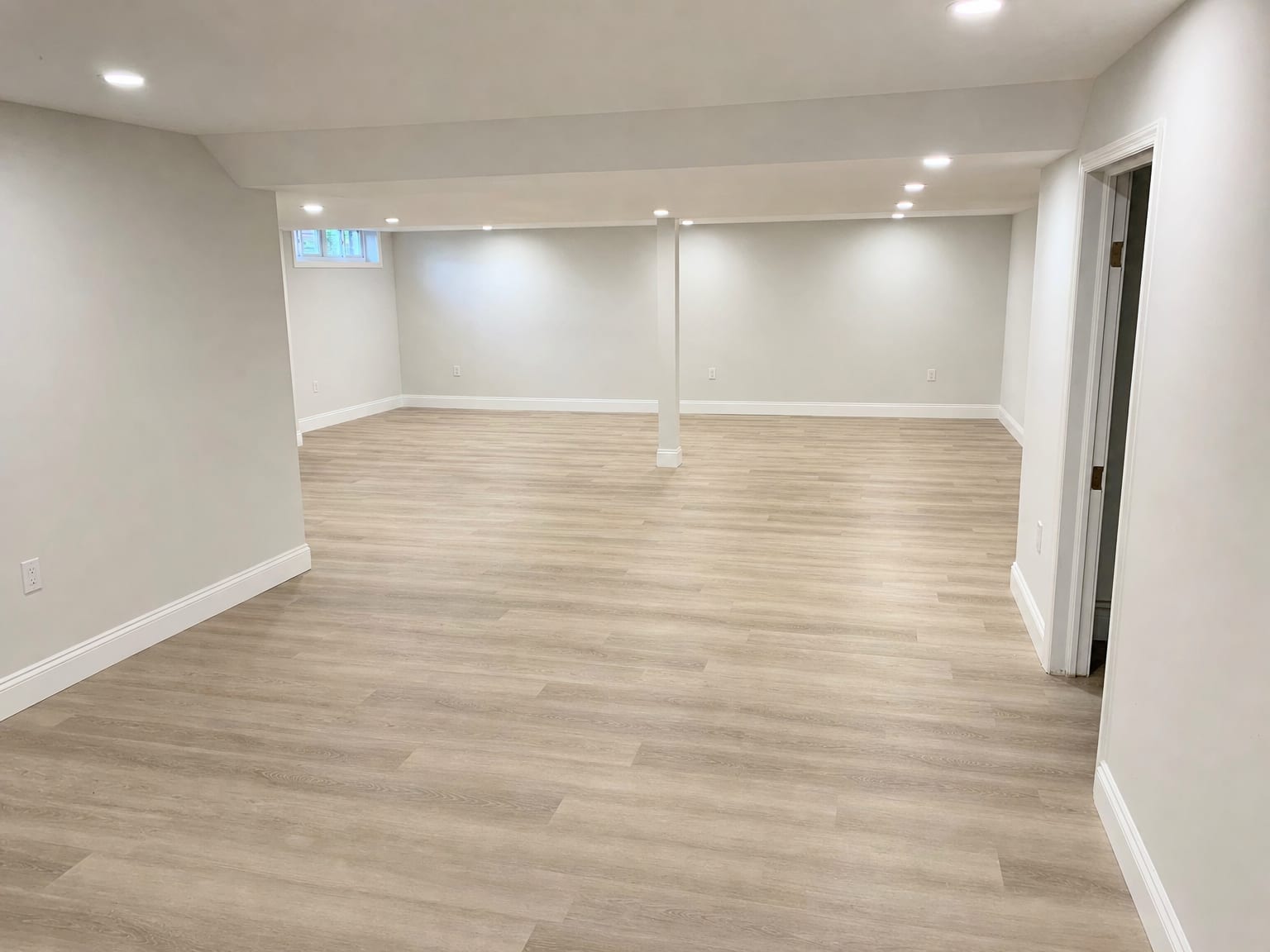
The removal phase gets the mold out. What comes after is what makes a home livable again. When drywall has been removed from a bedroom wall or a finished basement has been gutted to access mold-damaged framing, the space needs to be rebuilt. ExecPro Restoration & Cleaning offers post-mold remediation rebuild services that cover drywall replacement, insulation, flooring installation, interior painting, and final cleanup. Having one contractor manage both remediation and rebuild reduces the gaps where things fall through.
Post-remediation verification involves third-party air or surface sampling after remediation is complete to confirm mold levels in the treated area are back within normal limits. Not every project requires it, but it's worth considering for real estate transactions, insurance documentation, situations involving sensitive occupants like young children or people with respiratory conditions, or any time you want written confirmation that the remediation was successful. ExecPro can help coordinate post-remediation verification when the project calls for it.
For homeowners dealing with concurrent water damage, the rebuild process may also include structural drying, subfloor replacement, or other water-related repairs before visible restoration work begins. If mold grew as a result of a plumbing failure, flooding, or storm damage, ExecPro's water damage restoration capabilities mean the full scope of damage can be handled without bouncing between multiple vendors.
Who Is Residential Mold Removal Right For?
ExecPro Restoration & Cleaning works with homeowners, buyers, sellers, and landlords across central and southern New Jersey. These are the situations where professional mold removal is the right call.
Homeowners Who've Found Mold
Whether you spotted something on a bathroom ceiling, noticed a musty smell in your finished basement, or found growth behind furniture after a leak, a professional assessment is the right first step. Visible mold almost always means there's more you can't see, and knowing the full scope protects you from partial work that doesn't solve the problem.
Buyers Before Closing
A home inspection that flags mold, moisture staining, or musty odors doesn't automatically kill a deal, but it does need to be addressed. ExecPro Restoration & Cleaning provides pre-purchase mold inspection and removal services so buyers know what they're getting into, and sellers can document that issues have been professionally resolved. Real estate agents in markets like Princeton, Flemington, and Red Bank frequently rely on ExecPro for these transaction-sensitive assessments.
Sellers Preparing to List
Mold found during a buyer's inspection is a negotiating liability. Sellers who identify and remediate mold before listing are in a much stronger position. ExecPro can document the work with photos, moisture readings, and scope notes that serve as evidence the issue was handled professionally.
Landlords and Property Owners
Rental properties in New Jersey carry specific obligations to tenants around habitability. A mold complaint that isn't addressed professionally creates both a health issue and a legal one. ExecPro Restoration & Cleaning handles residential mold removal in single-family rentals and smaller multifamily properties, providing the documentation landlords need to show the issue was properly resolved.
Homeowners After Water Events
Basement flooding, burst pipes, appliance leaks, and storm damage are among the most common triggers for mold growth in NJ homes. If water damage wasn't fully dried within 24 to 48 hours, mold may already be growing in wall cavities, under flooring, or in insulation, even if nothing is visible yet. Acting quickly limits both the mold exposure and the scope of repair work needed.
Why NJ Homeowners Choose ExecPro Restoration & Cleaning
What sets ExecPro apart is the combination of remediation and rebuild under one roof. Most mold removal companies stop at the remediation phase and leave homeowners to coordinate drywall contractors, painters, and flooring installers separately. ExecPro Restoration & Cleaning handles the full project from assessment through finished restoration, which means fewer scheduling gaps, one point of contact, and a finished space you can actually use again.
The service area covers a wide stretch of central and southern New Jersey, from Princeton Junction and West Windsor through Bridgewater, Flemington, Freehold, Cherry Hill, and dozens of communities in between. Response time matters when moisture is involved, and ExecPro's coverage is built for the geography of the clients we serve. For urgent situations, emergency mold removal is available when waiting isn't an option. Reach us at (888) 300-3772.
Frequently Asked Questions About Residential Mold Removal
Real questions from NJ homeowners about the mold removal process, what to expect, and how to make the right decisions.
The distinction comes down to the material and the extent of growth. Nonporous surfaces like tile, glass, and sealed concrete can often be cleaned effectively. Porous materials like drywall, wood framing, insulation, and carpet that have sustained significant mold growth typically need to be removed, because mold penetrates the material rather than sitting on the surface. A technician can assess which approach is appropriate during an inspection.