Ceiling Mold Removal in Central New Jersey
Mold on your ceiling rarely starts at the ceiling. ExecPro Restoration & Cleaning traces the source, removes the growth, and restores what was damaged so the problem doesn't come back.
What Is Ceiling Mold Removal and What Do You Actually Get?
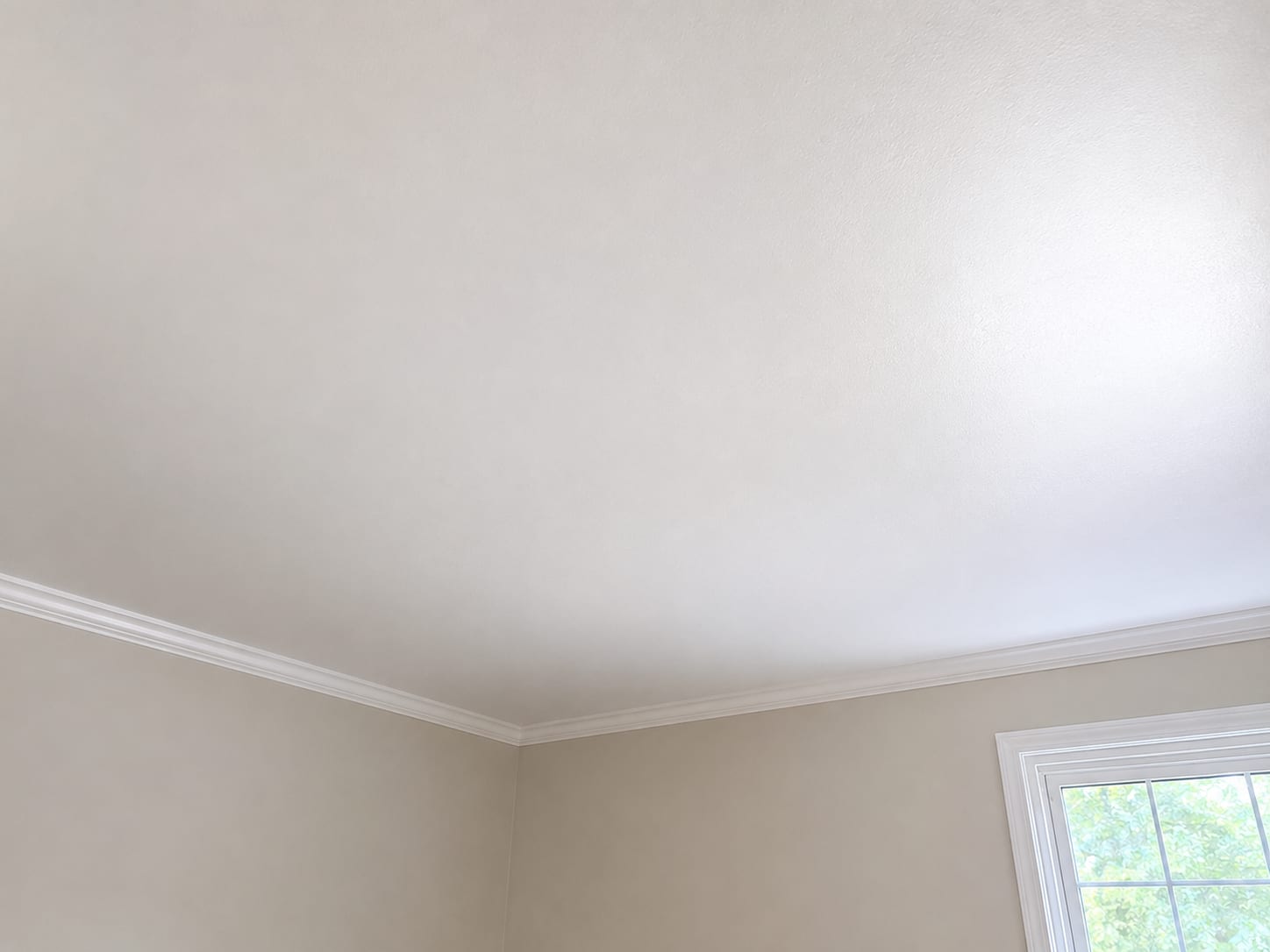
Ceiling mold removal is a structured remediation process that addresses mold growth on ceiling surfaces, the framing above them, and any insulation or drywall caught in between. When ExecPro Restoration & Cleaning handles a ceiling mold job, the work covers four distinct phases: finding the moisture source driving the growth, containing the affected area so spores don't travel, removing or treating all contaminated material, and verifying through post-remediation testing that the space is clean before anything is rebuilt. Most residential ceiling mold jobs in central New Jersey run between one and three days for remediation, with rebuild work scheduled once clearance testing confirms the area is safe.
That last detail matters more than most people realize. A lot of contractors will scrub a ceiling, paint over it, and call it done. That approach doesn't fix the underlying moisture problem, and the mold comes back. What you're paying for with a professional remediation isn't just mold removal; it's a verifiable outcome that holds up to independent testing.
Why Is Ceiling Mold Such a Common Problem in New Jersey Homes?
New Jersey's climate creates persistent conditions for ceiling mold. Humid summers, cold winters, and older housing stock across towns like Princeton, Flemington, and Red Bank put homeowners in the middle of a near-perfect recipe: temperature differentials cause condensation to collect inside ceiling assemblies, and once moisture sits long enough, mold follows. The problem is compounded by the fact that ceiling mold typically goes unnoticed for months before it becomes visible. By the time you see discoloration or smell something musty near the ceiling line, the growth behind the drywall is often already more extensive than the surface suggests.
The most common causes across central and northern New Jersey are roof leaks that let water track along rafters before showing up as a stain, slow plumbing failures from supply lines or drain pipes routed through ceiling cavities, and condensation from HVAC equipment that isn't properly insulated or vented. Bathroom ceilings are especially prone to mold when exhaust fans vent into the attic instead of to the exterior, which traps moisture directly above the living space. Each of these sources requires a different fix, which is why identifying the cause is step one, not step three.
Signs You Have Ceiling Mold and Why Waiting Makes It Worse
Ceiling mold doesn't always announce itself with black spots. These are the warning signs that should prompt a closer look, along with what's likely happening behind the surface.
Discoloration That Spreads
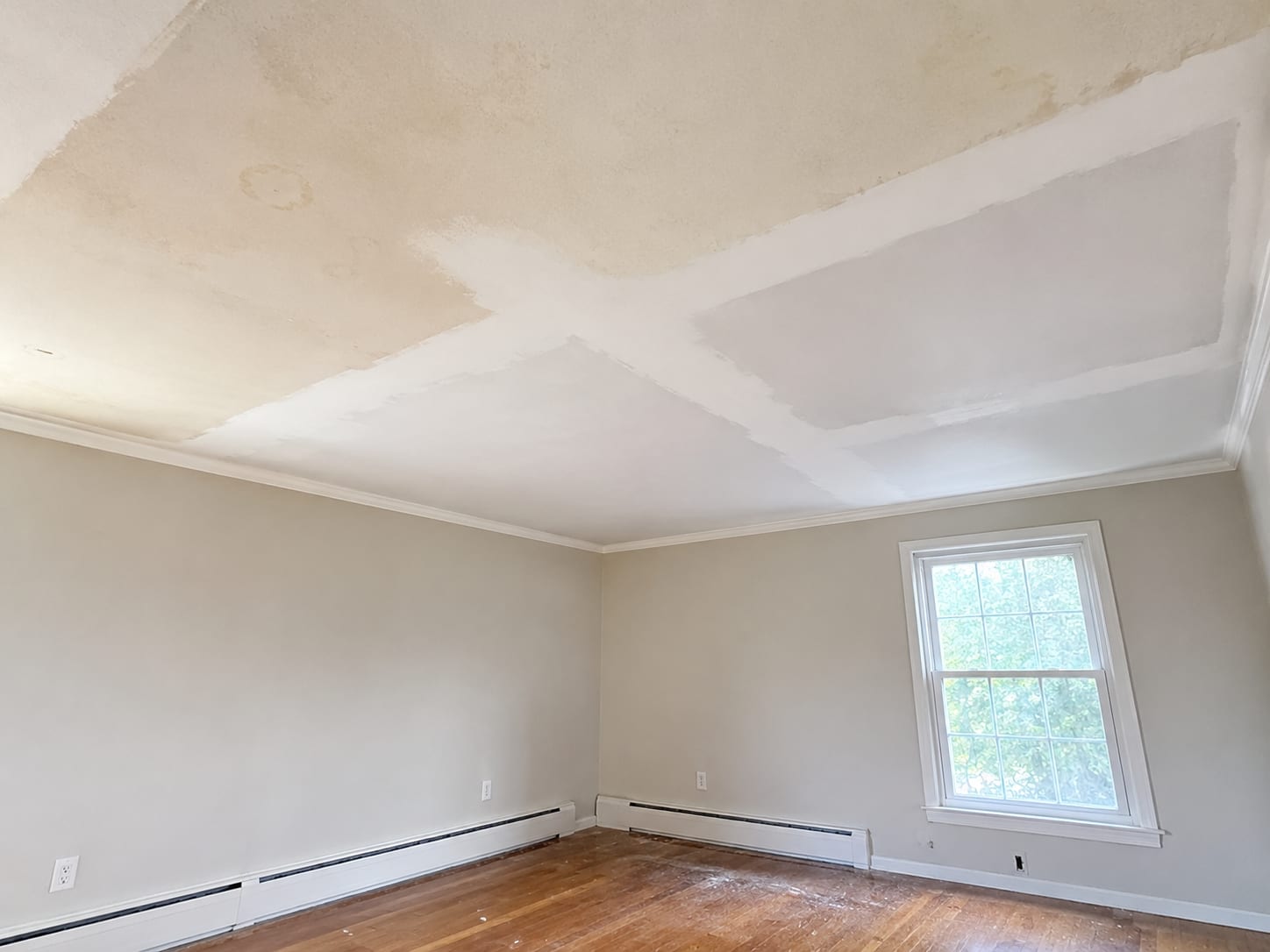
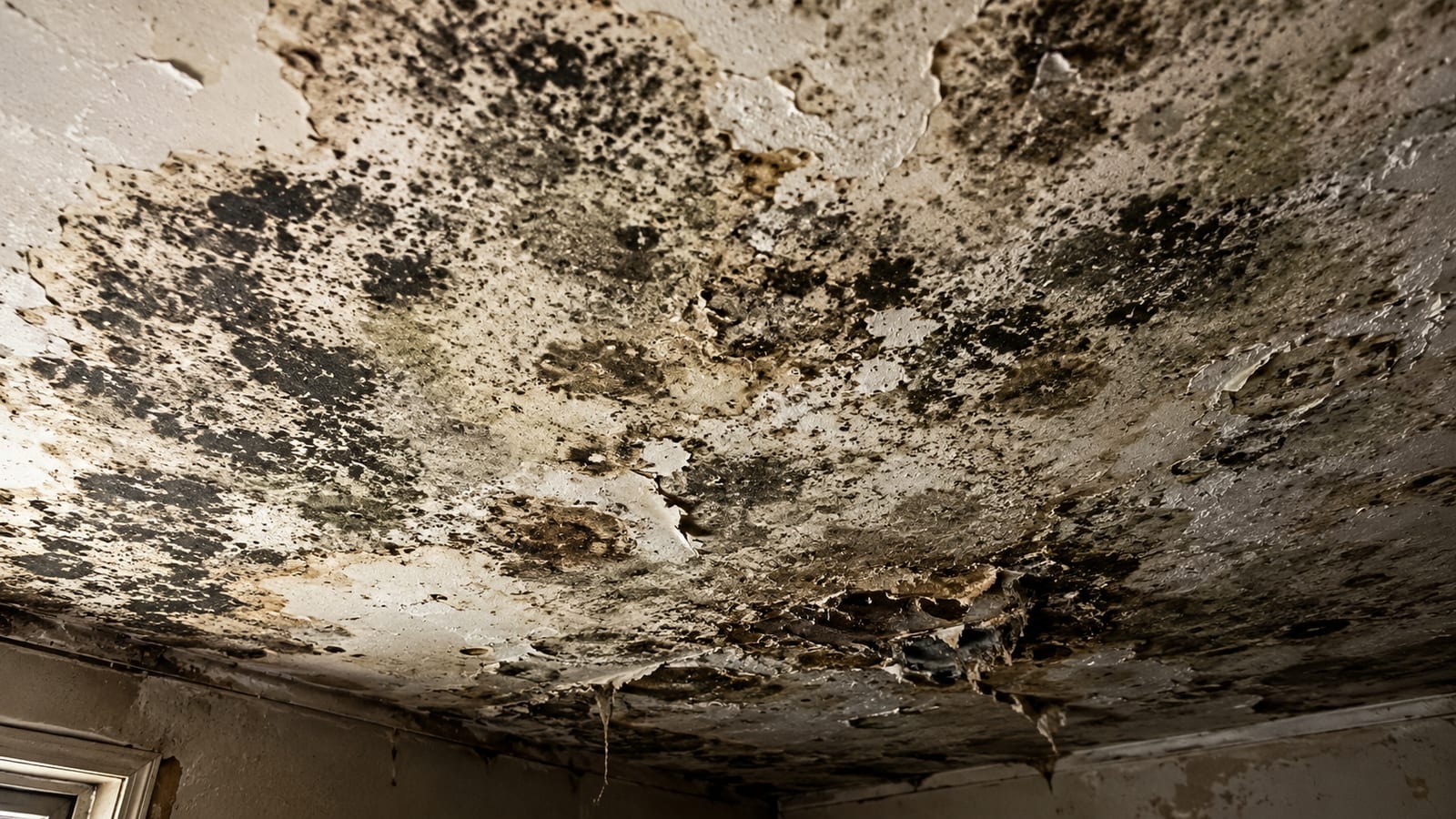
Yellow, brown, or gray staining that grows over weeks is rarely just a water stain. When the discoloration is fuzzy, patchy, or has irregular edges, mold growth is the more likely explanation. The stain you see on the drywall surface often understates what's happening on the paper backing and framing above.
Persistent Musty Odor
A musty smell that concentrates in one room, particularly a bathroom, bedroom, or finished basement with a drop ceiling, is one of the more reliable early indicators. If the smell intensifies after the HVAC runs, mold in the ceiling cavity or ductwork may be cycling spores through the air.
Bubbling or Soft Drywall
Drywall that feels soft when pressed, is beginning to bubble, or shows paint peeling without a clear cause has absorbed moisture. This typically means the moisture source is active and the underlying material is already compromised. Remediation at this stage will likely involve drywall removal.
Recurring Respiratory Symptoms
Nasal congestion, coughing, and eye irritation that improve when you leave the home and return when you come back can point to elevated airborne mold spore counts. Air quality testing can confirm or rule out mold as the cause when symptoms are the only indicator.
Water Stains After Rain or Snow Melt
A ceiling stain that appears or darkens following a rainstorm or during spring snowmelt indicates active roof penetration. Even if the visible staining dries out, moisture often remains trapped in insulation and above the drywall paper, where mold can establish itself within 24 to 48 hours.
Visible Mold in Corners or Along Joists
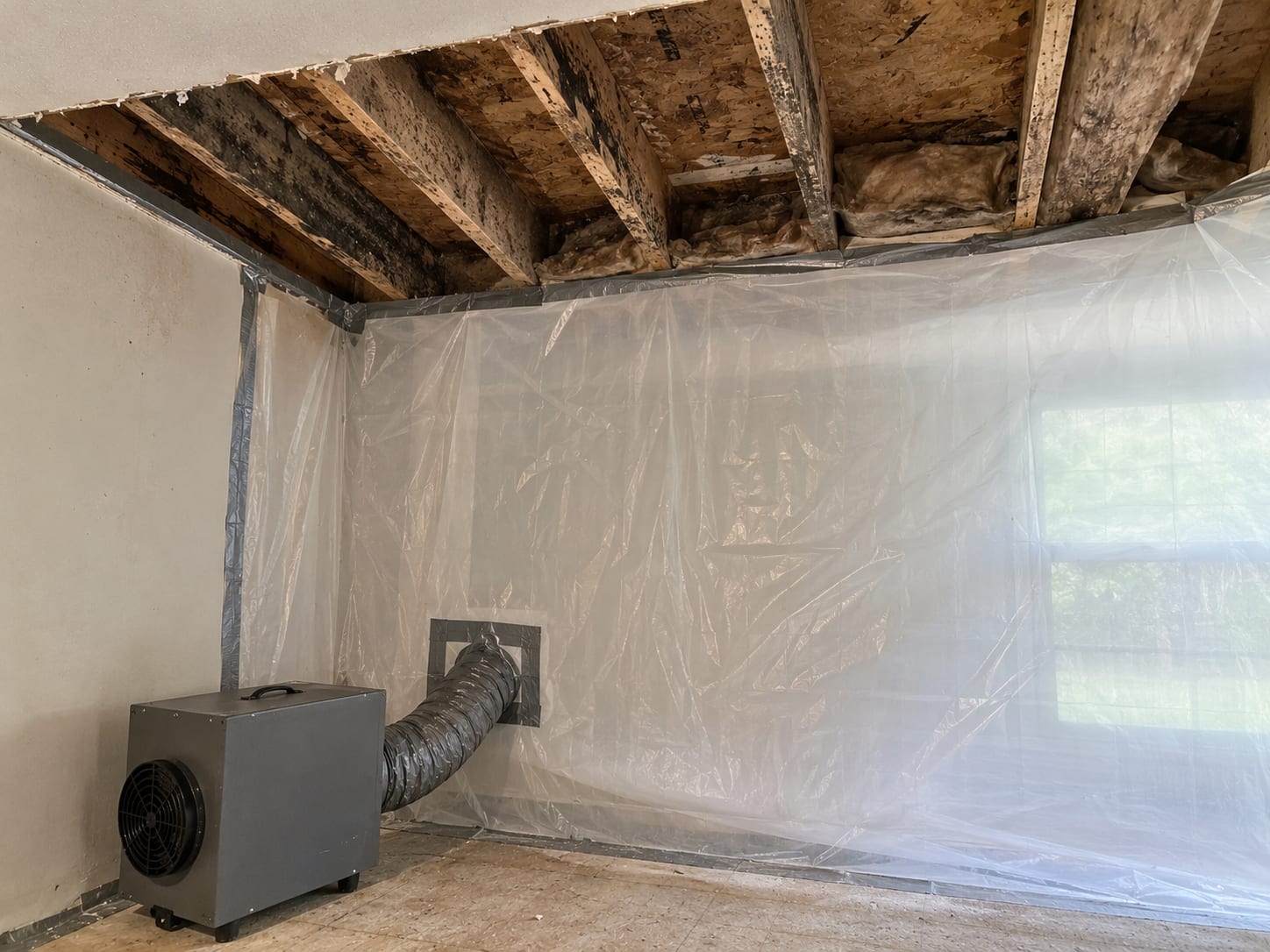
Mold growth along ceiling perimeters or in straight lines that follow the framing pattern above is a sign the contamination has tracked along structural members. This pattern frequently extends beyond what's visible and warrants inspection of the attic or ceiling cavity above the affected zone.
How Does Professional Ceiling Mold Removal Work?
Every ceiling mold job ExecPro Restoration & Cleaning handles follows the same sequence, aligned with IICRC S520 standards for mold remediation. Skipping steps, or doing them out of order, is how problems come back.
Scroll the steps sideways to follow the full process.
What Makes Ceiling Mold Harder to Handle Than Wall or Floor Mold?
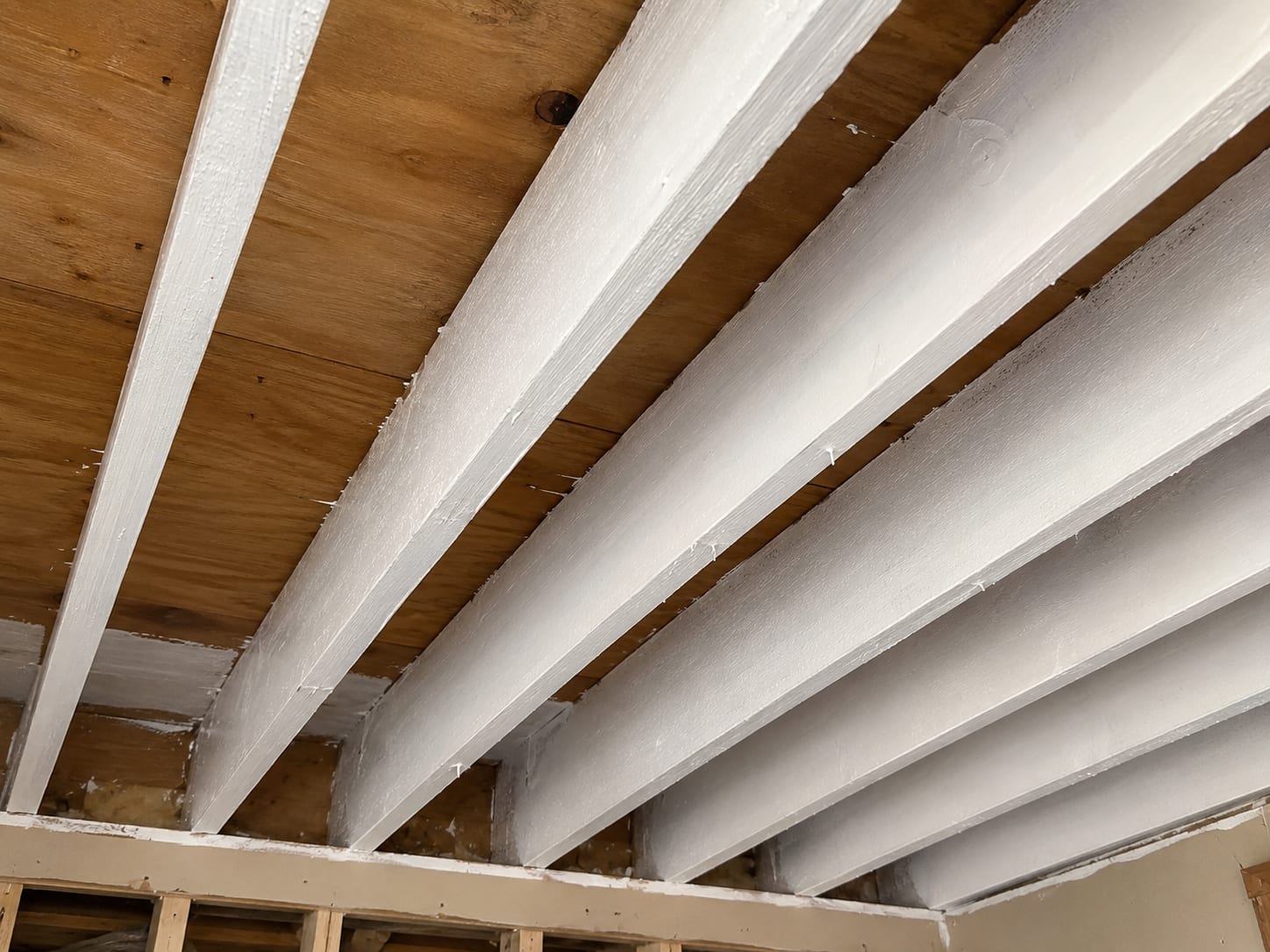
Ceiling mold presents specific challenges that make it more technically demanding than surface-level mold on walls or floors. Gravity works against the remediation process: any disturbance of a mold-colonized ceiling releases spores downward into the occupied space, which is exactly why containment has to be in place before any cutting or scrubbing begins. Without a proper negative air setup, work on a ceiling spreads contamination rather than eliminating it.
Ceiling assemblies also often contain hidden cavities where moisture and mold accumulate above the visible drywall surface. A ceiling that looks like a localized stain in the corner of a bedroom can have extensive growth along the roof sheathing or top plates above it. Thermal imaging and moisture metering help narrow down the actual scope before materials are disturbed, which limits unnecessary demolition and gives a more accurate picture of what the job involves.
The moisture sources driving ceiling mold, particularly roof leaks and HVAC condensation, often require coordination with other trades. A mold remediation that doesn't account for an unresolved roof penetration is a temporary fix at best. ExecPro Restoration & Cleaning addresses source correction as part of the remediation scope, not as an afterthought, because an unresolved moisture problem will produce the same result in the same location regardless of how thoroughly the mold was removed.
Who Needs Ceiling Mold Removal and When Should You Call?
Homeowners dealing with visible ceiling mold, unexplained musty odors, or a recent roof leak or plumbing failure are the most common callers. But ceiling mold removal isn't only a homeowner concern. Property managers overseeing residential units in communities across Hamilton, Bridgewater, or Cherry Hill deal with ceiling mold as a recurring maintenance issue, particularly in bathrooms and laundry areas where ventilation is inadequate. For multifamily properties, property management mold services are structured around unit turnover timelines and tenant notification requirements.
Real estate transactions also surface ceiling mold regularly. A home inspection that flags ceiling staining or elevated moisture readings in the attic can put a deal on hold until the issue is properly assessed and documented. ExecPro Restoration & Cleaning works with agents and buyers on pre-purchase mold inspection and home buyer and seller protection assessments that give all parties a clear picture of scope, required work, and timeline before closing.
Timing matters with ceiling mold. Mold establishes itself within 24 to 48 hours of a moisture event and spreads quickly in warm, humid conditions. A small stain caught early often involves surface treatment and a targeted drywall repair. The same situation left for several months can mean structural framing remediation, insulation replacement, and a significantly larger rebuild. If you're uncertain whether what you're seeing is mold, a residential mold inspection can answer the question without committing to a full remediation scope.
Why Work With ExecPro Restoration & Cleaning?
There are a lot of contractors in central New Jersey who will scrub a ceiling and send you an invoice. Here's what sets ExecPro Restoration & Cleaning apart from that approach.
Source-to-Finish Accountability
ExecPro Restoration & Cleaning handles the full scope: inspection, remediation, source correction coordination, post-remediation verification, and rebuild. You're not managing three separate contractors or wondering whether the moisture issue was actually fixed before the new drywall went up.
IICRC S520 Standards
Every ceiling mold job follows IICRC S520 standards for mold remediation, which define containment requirements, treatment protocols, and clearance criteria. This is the industry benchmark, and it's what insurance carriers and real estate professionals expect to see in a remediation report.
Documented Clearance Testing
Post-remediation verification through independent air and surface sampling is included in the process, not offered as an add-on. The results are provided in writing. If a job doesn't clear, the work continues until it does.
In-House Rebuild Capability
Because ExecPro Restoration & Cleaning handles general contracting and build-back services in addition to remediation, the rebuild phase is scheduled immediately after clearance. There's no gap between remediation and restoration, and no question about who's accountable for each phase.
Licensed and Insured
ExecPro Restoration & Cleaning is fully licensed and insured for mold remediation work in New Jersey. When you're dealing with a situation that may involve an insurance claim or a real estate disclosure, that documentation matters.
Emergency Response Available
When ceiling mold is discovered alongside an active water intrusion event, waiting isn't an option. Emergency mold removal and 24-hour water damage response services mean the remediation process can begin before a leak has a chance to compound into a larger contamination problem.
Frequently Asked Questions About Ceiling Mold Removal
These are the questions we hear most often from property owners across central New Jersey before they decide how to move forward.
Small surface mold spots under 10 square feet on non-porous surfaces can sometimes be addressed with proper protective equipment and an EPA-registered antifungal cleaner. However, ceiling mold almost always involves porous drywall and insulation, and frequently extends into the cavity above the visible surface. Without containment and negative air pressure, DIY ceiling work typically disperses spores throughout the home rather than eliminating them. A professional mold inspection can tell you whether the scope is within DIY range or requires remediation before you commit to either approach.
Serving Homeowners and Property Managers Across Central New Jersey
ExecPro Restoration & Cleaning provides ceiling mold removal for residential and commercial properties throughout central New Jersey, including Princeton Junction, West Windsor, Plainsboro, Cranbury, Lawrenceville, Pennington, Hopewell, Hightstown, Hamilton, Trenton, Monroe, South Brunswick, New Brunswick, Bridgewater, Somerset, Flemington, Clinton, Red Bank, Freehold, Cherry Hill, Mount Laurel, Burlington, and dozens of additional communities across Mercer, Middlesex, Somerset, Monmouth, Hunterdon, and Burlington counties.
If you've spotted ceiling discoloration, noticed a musty smell that won't go away, or recently dealt with a roof leak or plumbing failure, the right next step is an inspection. Knowing what you're dealing with is always better than waiting to find out how far it spreads. Contact us to schedule a ceiling mold inspection or speak with a technician about what you're seeing.