Home Buyer and Seller Protection in Central NJ
Pre-purchase and pre-listing mold inspections that give buyers, sellers, and agents the written documentation they need to move a real estate transaction forward with confidence.
What Is Home Buyer and Seller Protection?
Home buyer and seller protection is a pre-transaction mold and moisture assessment that gives both sides of a real estate deal a clear, documented picture of the property's condition before money changes hands. ExecPro Restoration & Cleaning inspects the areas most likely to harbor hidden moisture or mold growth, including basements, crawl spaces, attics, bathrooms, and HVAC-adjacent areas, and delivers a written report with photos, moisture readings, and specific next steps. If air sampling is warranted, lab results are included. You walk away with a professional document that works with your inspection contingency timeline and holds up in negotiations.
The service covers both sides of the transaction by design. Buyers need an independent assessment they can trust before committing to a purchase. Sellers benefit from knowing exactly what they're working with before a buyer's inspector finds something and turns it into a renegotiation. Either way, the goal is the same: clear facts, documented in writing, with practical recommendations instead of vague opinions.
Why Does Mold Matter in a Real Estate Transaction?
New Jersey's Property Condition Disclosure Statement asks sellers directly about water leakage, basement dampness, sump pump issues, and mold or similar natural substances in basements, crawl spaces, and other areas of the home. Mold and moisture aren't just health concerns in a real estate context; they're disclosure items that can affect price, insurability, and closing timelines when they surface late in the process.
Buyers are paying closer attention to water and mold history than they used to, and for good reason. A property that flooded once, had a leaking pipe behind a wall, or has a damp crawl space that was never addressed can have hidden mold that doesn't show up in a standard home inspection. Flood risk disclosure is also a growing part of New Jersey real estate due diligence, and buyers are increasingly combining seller disclosures, flood zone maps, and moisture assessments to build a complete picture of what they're buying.
When a mold or moisture issue surfaces late, it almost always creates delays, renegotiation, or worse. Getting ahead of it early, whether you're the buyer or the seller, puts you in control of the conversation rather than reacting to it.
What Does the Inspection Actually Cover?
ExecPro Restoration & Cleaning approaches a real estate mold and moisture assessment in six stages, from the first call to the final report.
Understand the Transaction Context
Before anything else, the team asks why you're calling. Is this a pre-listing check? A buyer's contingency inspection? A follow-up to something a home inspector flagged? The purpose of the assessment shapes what gets documented and how the report is framed, because a seller's pre-listing report and a buyer's contingency report serve different decisions.
Visual Inspection of High-Risk Areas
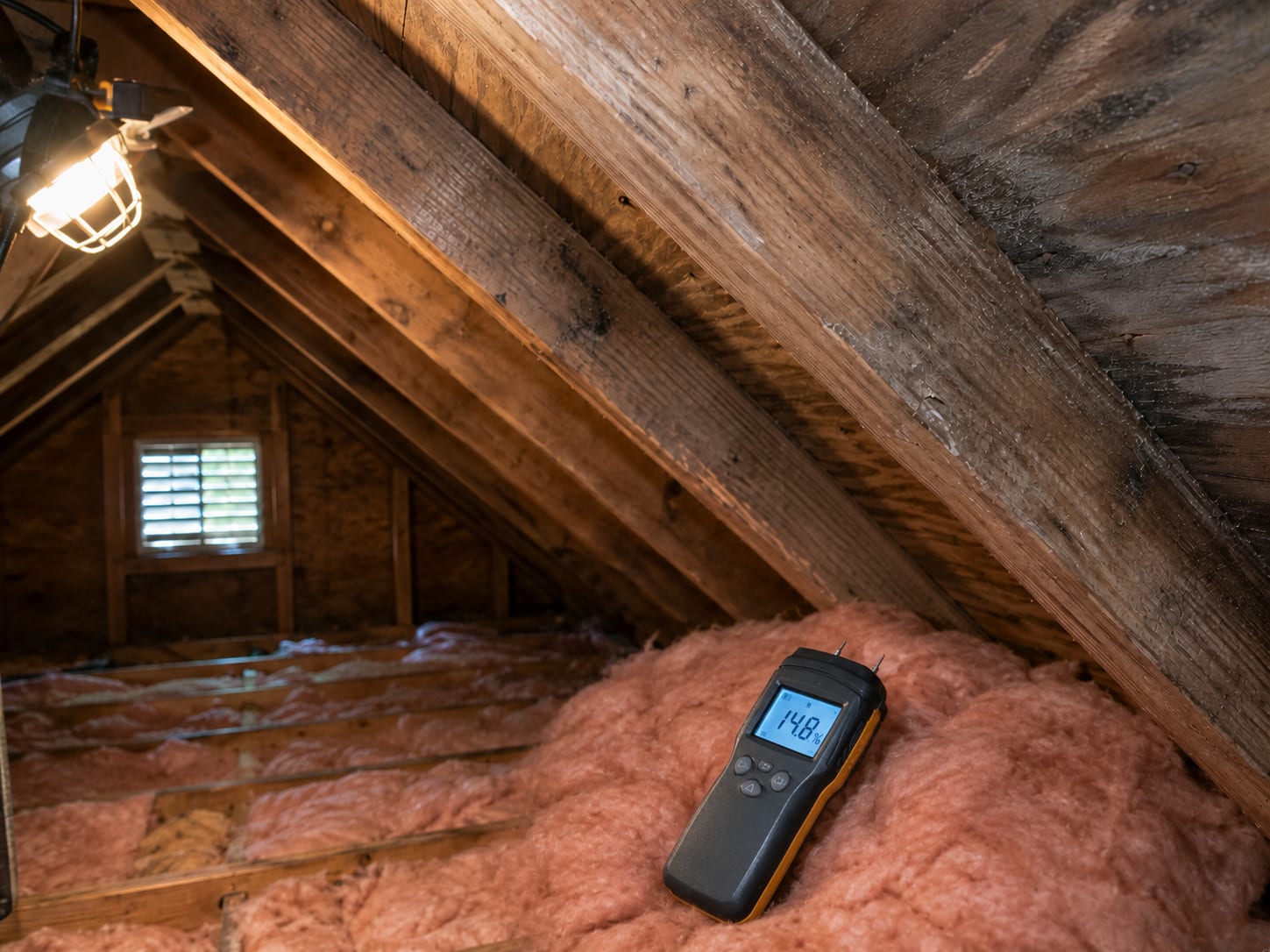
The inspection covers basements, crawl spaces, attics, bathrooms, ceilings below plumbing, foundation walls, sump pump areas, and HVAC-adjacent spaces. Visible staining, discoloration, microbial growth, and drainage issues are all noted with photos. This is where most problems either show themselves or leave enough evidence to warrant further attention.
Moisture Source Identification
Finding visible mold matters less than understanding where the moisture is coming from. New Jersey Department of Health guidance is clear on this point: mold problems trace back to water or excess moisture, and fixing the mold without addressing the source means the problem returns. The inspection identifies leaks, condensation patterns, ventilation problems, past water intrusion, and humidity conditions that create ongoing mold risk.
Thermal Imaging and Moisture Metering
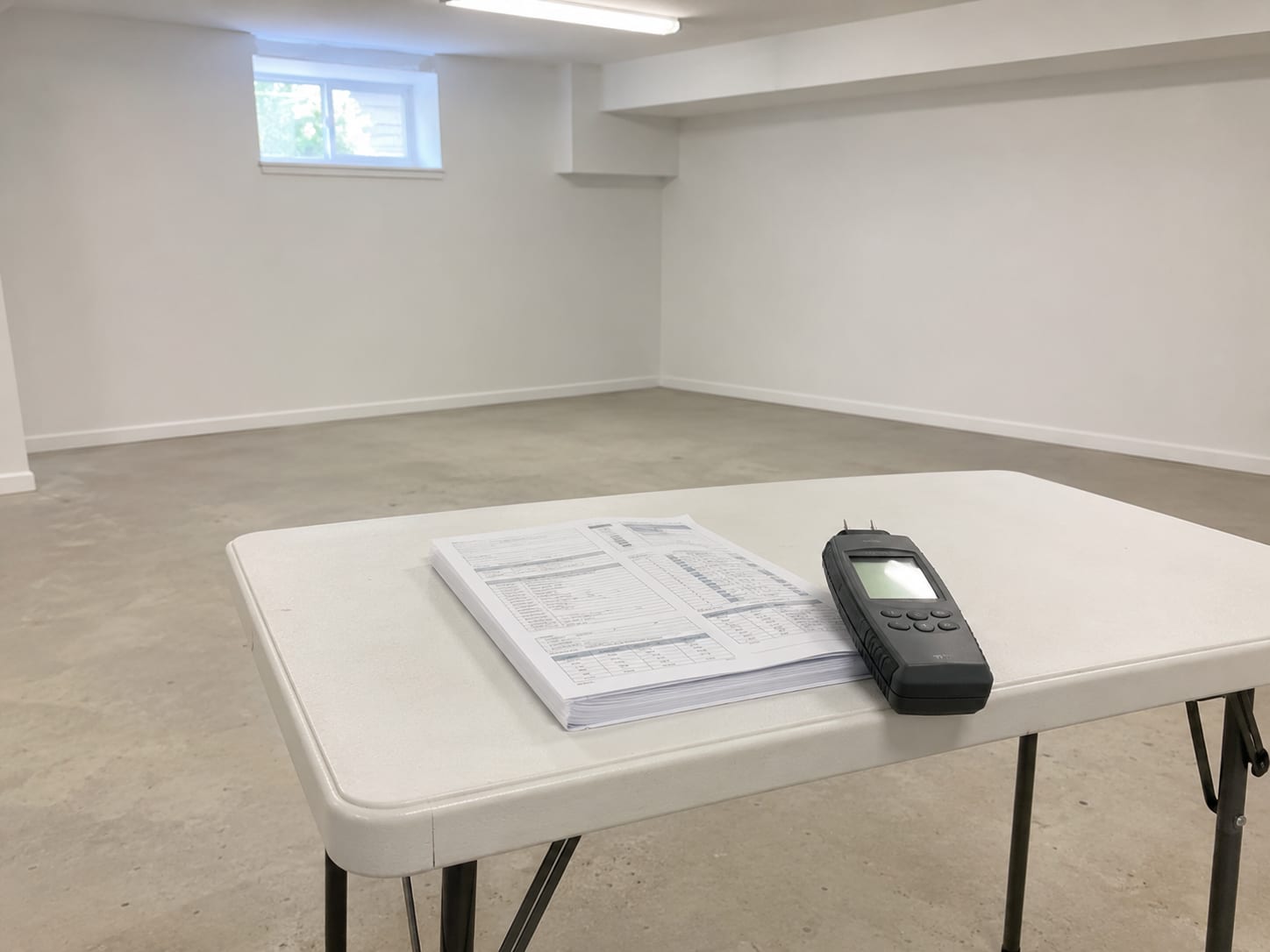
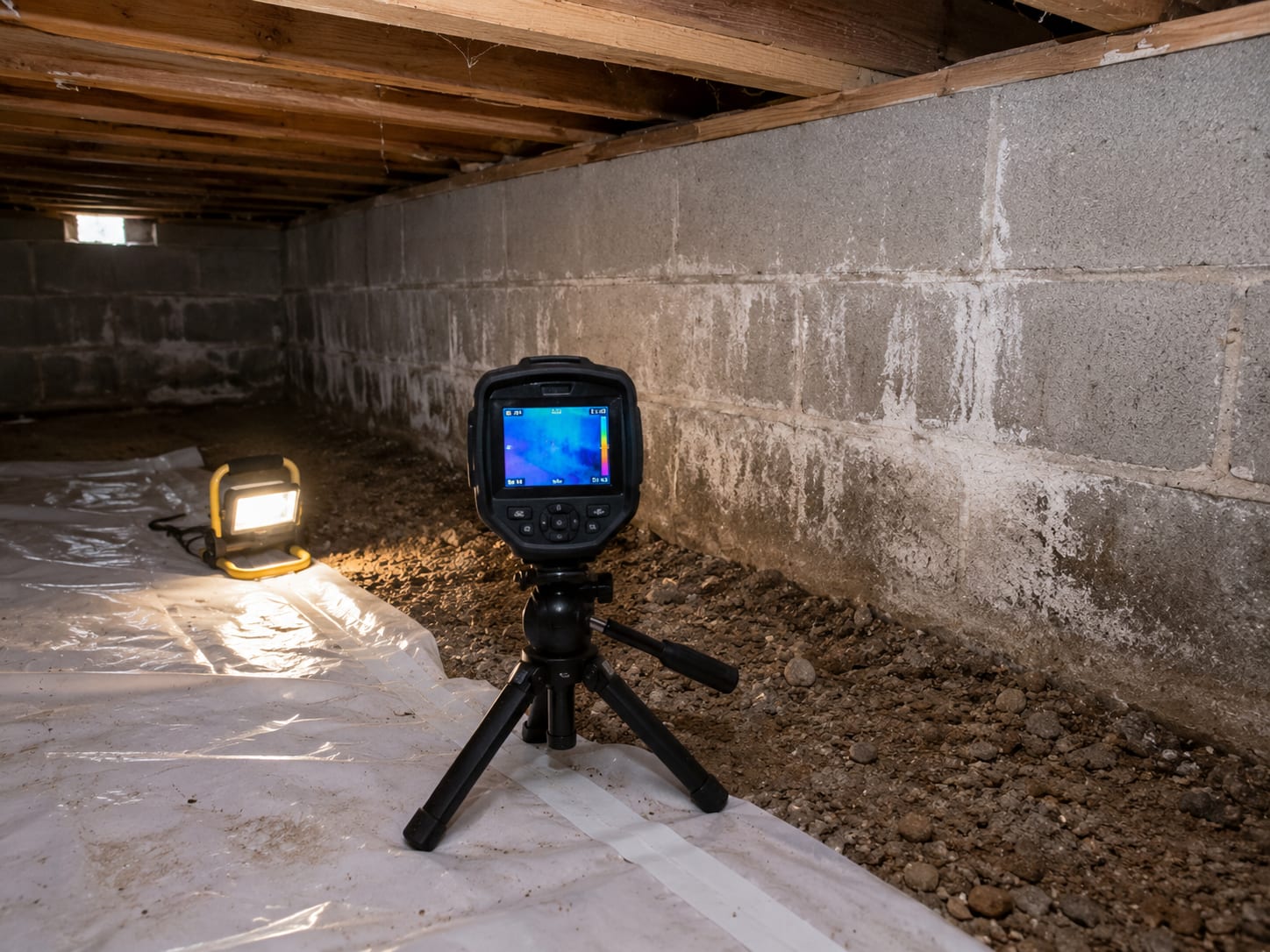
Infrared cameras and moisture meters help identify moisture behind walls, floors, and ceiling assemblies before it becomes visible mold. This is especially useful during real estate inspections because it provides answers without requiring demolition or guesswork. Knowing whether a stain is from an active moisture source or a historical one makes a significant difference in how both parties approach the negotiation.
Air and Surface Sampling When It Adds Value
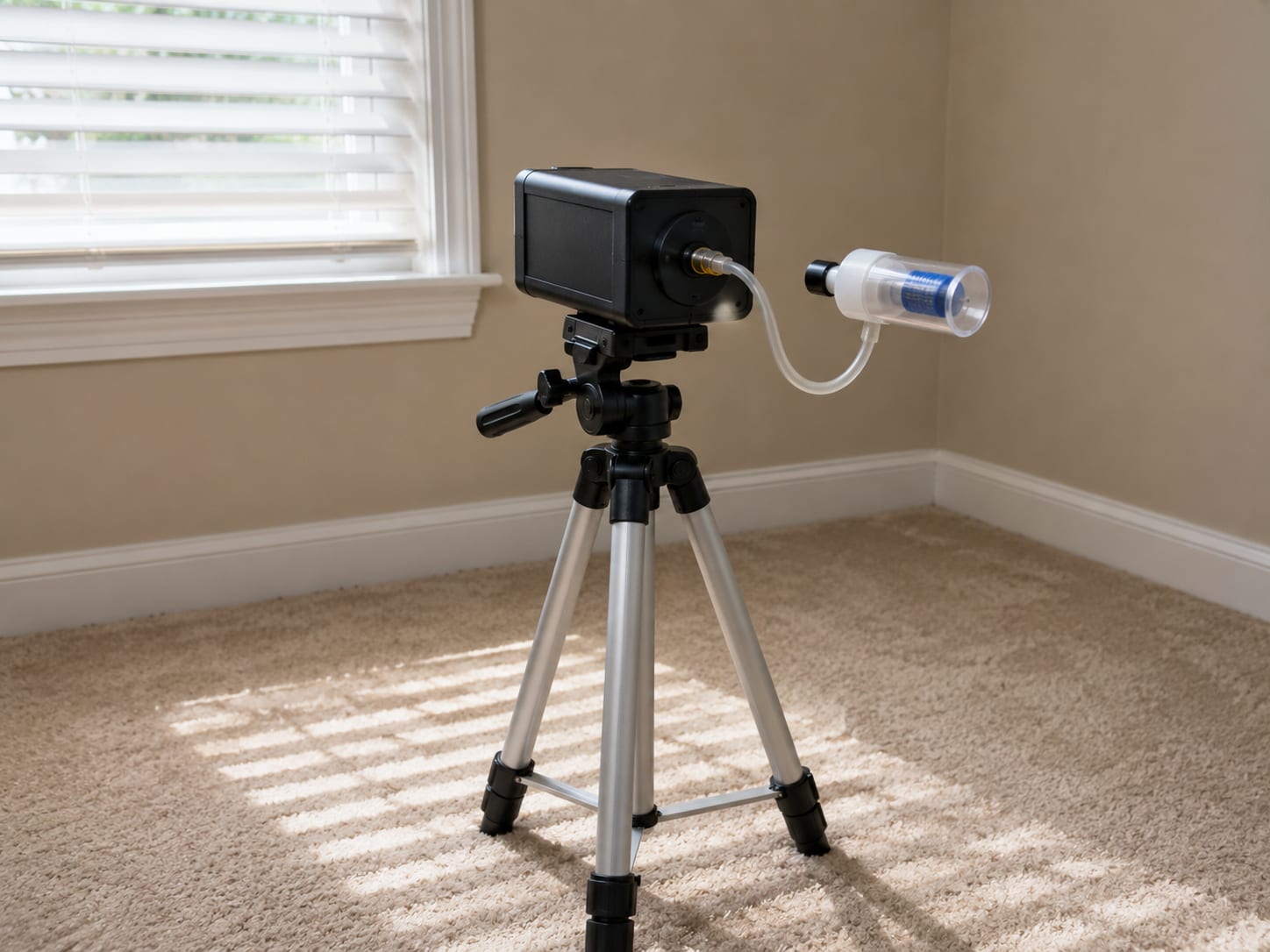
Sampling is not automatically recommended on every inspection. When there's a musty odor without visible growth, when a condition is disputed between buyer and seller, when documentation is needed to satisfy a lender or attorney, or when a previous remediation job needs verification, air and surface samples are collected and sent to an accredited laboratory. Results are included in the final report, explained in plain language, including what they can and cannot prove.
Written Report with Photos and Specific Recommendations
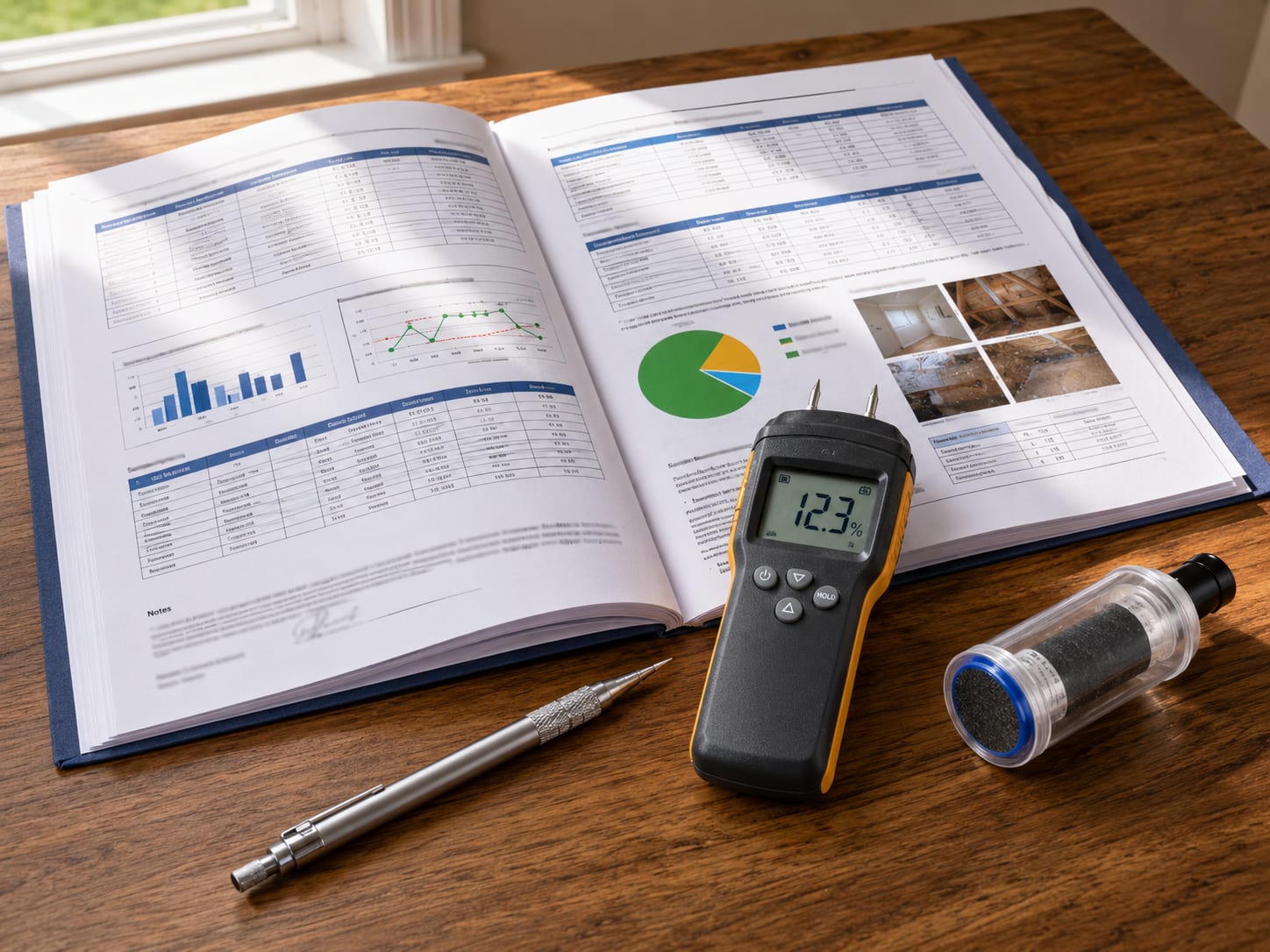
Every assessment produces a written report that includes findings, photos, moisture readings, sampling locations if testing was performed, lab results when applicable, and clear, practical recommendations. The report is formatted so that buyers, sellers, real estate agents, and attorneys can all read it and understand what was found and what needs to happen next. Vague verbal opinions don't hold up in real estate transactions; this report does.
What Buyers Get From a Pre-Purchase Mold Inspection
When you're buying a home, you typically have a short inspection contingency window to decide whether to proceed, negotiate, or walk away. A pre-purchase mold inspection from ExecPro Restoration & Cleaning gives you a factual, written assessment you can bring to that conversation with real documentation behind it instead of speculation.
If the inspection finds visible mold, active moisture sources, or conditions that warrant air sampling, you have concrete findings to work with. That might mean requesting a repair credit, asking the seller to remediate before closing, or making a more informed decision about whether to proceed at all. If nothing significant is found, you have written documentation confirming no visible mold evidence was identified in the inspected areas, which is a genuinely useful thing to have on record before closing.
The report also accounts for the realities of the New Jersey market. Older homes, properties near the coast or in low-lying areas, and houses with finished basements or crawl spaces all carry different moisture risk profiles. Knowing what you're looking at before closing is far less stressful than finding a moisture problem after you've moved in.
Buyers in areas like Princeton Junction, Flemington, Freehold, and across central and coastal NJ regularly use this service as part of their due diligence, particularly when the property has a history of flooding, a damp basement, or an older HVAC system.
What Sellers Get From a Pre-Listing Mold Assessment
Sellers who get ahead of potential mold or moisture issues before listing have more control over the outcome than sellers who find problems after a buyer's inspector raises a red flag. The difference is timing. If you find an issue before listing, you can address it, document the remediation, and present a clean property history. If a buyer's inspector finds it instead, you're negotiating from a weaker position under deadline pressure.
New Jersey's Property Condition Disclosure Statement requires sellers to answer questions about water leakage, basement dampness, mold-like substances, and sump pump conditions. A pre-listing assessment from ExecPro Restoration & Cleaning helps you answer those questions accurately and confidently, with professional documentation to back your answers up. That's meaningful protection if disclosure accuracy is ever questioned later in the transaction.
The service also helps sellers avoid the situation where a home inspection triggers renegotiation over a mold concern that was either already resolved or smaller than it appears. Buyers and their agents take visible staining seriously even when the underlying issue has been corrected. A written assessment with clear findings and repair documentation is far more persuasive than a seller's verbal assurance.
If the assessment does find something that needs remediation, ExecPro Restoration & Cleaning can handle the full scope of mold remediation work and provide post-remediation documentation, so the property goes to market with a complete record of the issue and its resolution rather than a question mark.
Why Real Estate Agents Rely on Third-Party Mold Assessments
Real estate agents on both sides of a transaction have their own reasons to want an independent mold and moisture assessment. These are the factors that matter most.
Transaction Speed
Agents need inspection findings fast enough to meet contingency deadlines. ExecPro Restoration & Cleaning offers quick scheduling and written reports that don't slow a deal down when time is tight.
Third-Party Credibility
New Jersey Department of Health guidance recommends using separate companies for assessment and remediation to avoid conflicts of interest. An independent written assessment carries more weight with buyers, sellers, attorneys, and lenders than a report produced by the company doing the cleanup.
Usable Documentation
Agents and transaction attorneys need findings in writing, not verbal summaries. The report format from ExecPro Restoration & Cleaning is designed to work in real estate contexts, with photos, moisture readings, clear findings, and actionable next steps.
Clear Separation of Findings and Remediation
When the assessment and the remediation are handled transparently, with clear documentation at each stage, it protects the agent from liability concerns and gives both buyer and seller confidence that the findings weren't shaped by a financial interest in doing more work.
Whole-Picture Recommendations
A strong assessment doesn't just identify mold. It explains whether the condition calls for monitoring, additional testing, drying, active remediation, build-back, drainage work, or ventilation improvement, so all parties understand the scope before making a decision.
When Should You Schedule a Home Buyer or Seller Protection Assessment?
For buyers, the right time is during your inspection contingency period, ideally shortly after your general home inspection so you have a full picture before the deadline passes. If a general inspector flags moisture staining, a musty odor, or any visible mold-like growth, that's the signal to bring in a specialist for a more focused assessment. You don't want to be negotiating repairs or credits on the last day of your contingency window without solid documentation.
For sellers, scheduling before the property is listed gives you the most options. If the assessment turns up nothing of concern, you have written documentation that supports your disclosure answers. If it finds something, you have time to address it through residential mold remediation before buyers ever see the property, and the documentation trail strengthens your position throughout the transaction.
There are also situations where a mid-transaction assessment makes sense. If a buyer's home inspector noted staining or odors but wasn't sure of the scope, a targeted mold and moisture assessment can clarify the situation for both parties and provide the written findings needed for attorney review or lender requirements. This kind of assessment often moves faster than a full pre-listing inspection because the scope is narrower and both parties have a shared interest in getting answers quickly.
Properties in areas with a history of heavy rainfall, flooding, or high humidity benefit most from proactive assessments before a transaction reaches the finish line. That includes coastal communities like Sea Bright, Manasquan, Bay Head, and Point Pleasant Beach, as well as inland areas prone to basement moisture like Bridgewater, Somerset, and Hillsborough.
What Happens If the Inspection Finds Mold?
Finding mold during a real estate assessment isn't automatically a deal-breaker. The key is knowing what you're dealing with: the extent, the moisture source behind it, and what it would take to correct the problem all matter significantly in a real estate context.
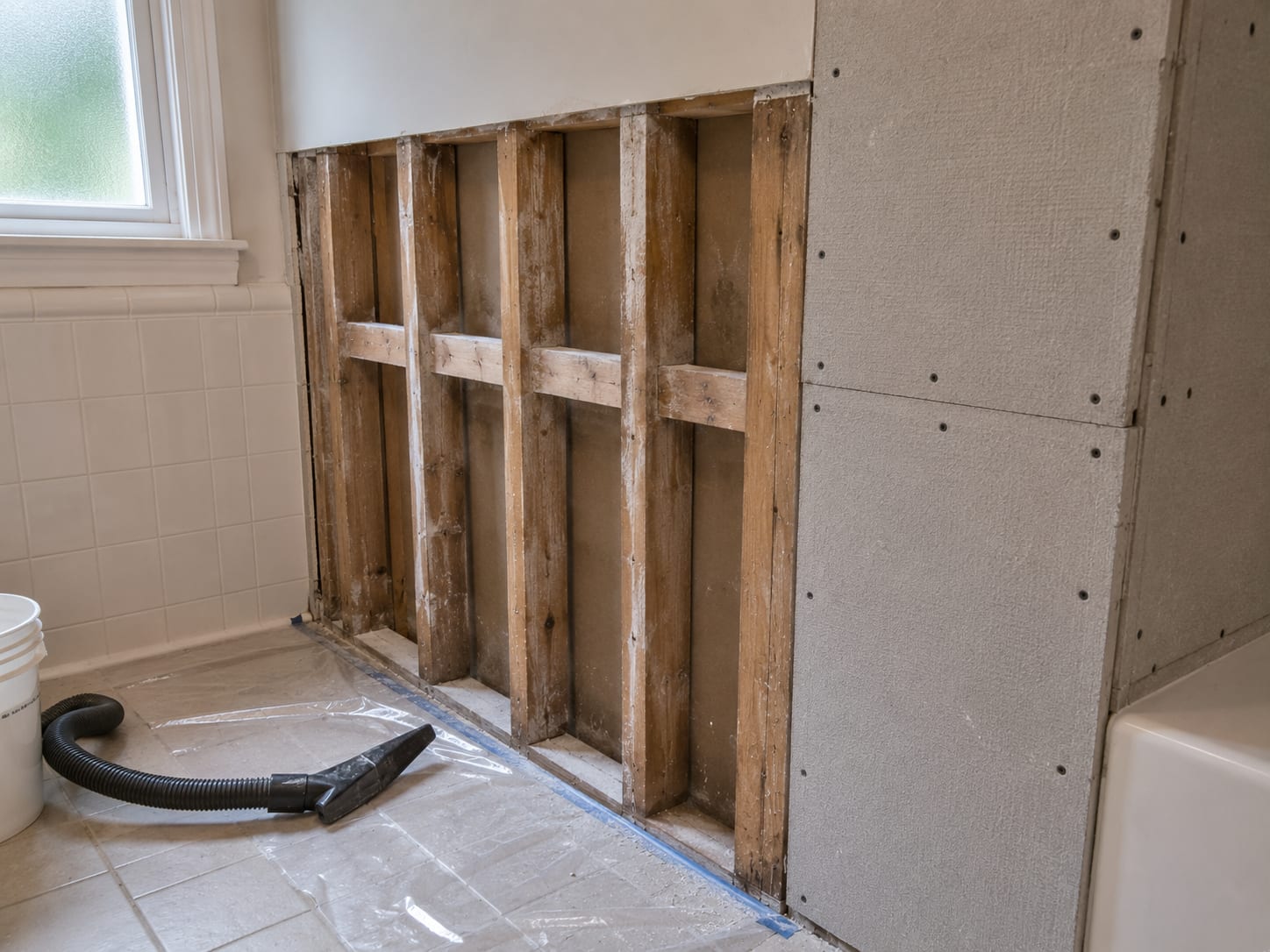
If the assessment finds active mold growth, ExecPro Restoration & Cleaning provides a clear scope of what remediation would involve. Depending on what's found, that might mean basement mold remediation, targeted crawl space mold remediation, ceiling or wall treatment, or more extensive work. The report outlines the findings and what the remediation path looks like so that buyers, sellers, and agents can make an informed decision about next steps.
After remediation is complete, post-remediation verification through air sampling confirms that the affected areas have returned to normal fungal ecology. That documentation matters in real estate transactions because it closes the loop: there was a condition, it was addressed by a licensed contractor, and independent testing confirmed the result. That's a much stronger record than a seller simply saying the problem was taken care of.
When structural materials need replacement as part of the remediation scope, ExecPro Restoration & Cleaning handles drywall replacement after mold and other build-back services, so the property isn't left with incomplete repairs that raise new questions for buyers or inspectors.
Common Questions About Mold Inspections in Real Estate Transactions
Honest answers to the questions buyers, sellers, and agents ask most often about mold and moisture assessments in New Jersey real estate transactions.
No reputable assessor can make that claim, and you should be cautious of anyone who does. A proper mold inspection can confirm whether visible mold was found in the inspected areas and whether moisture conditions are favorable for growth, but it cannot guarantee there is no mold anywhere in the home. The accurate and honest standard is that no visible evidence was found in the areas inspected on a given date, and that conditions were assessed to identify active moisture risks.