Residential Mold Remediation in Central & Northern New Jersey
ExecPro Restoration & Cleaning handles the full scope of residential mold remediation, from locating the moisture source to cleaning up and restoring your home. Whether you're dealing with a flooded basement, a slow leak behind the walls, or mold discovered during a home inspection, you get a documented, methodical process and a home you can trust again.
What Is Residential Mold Remediation and What Does It Include?
Residential mold remediation is the structured process of identifying why mold grew, containing the affected area, removing or cleaning impacted materials, drying the space, and restoring what was damaged. It is not the same as spraying bleach on a surface or painting over a stain. Those approaches address the appearance of the problem, not the cause, and mold typically returns within weeks when the underlying moisture source stays in place.
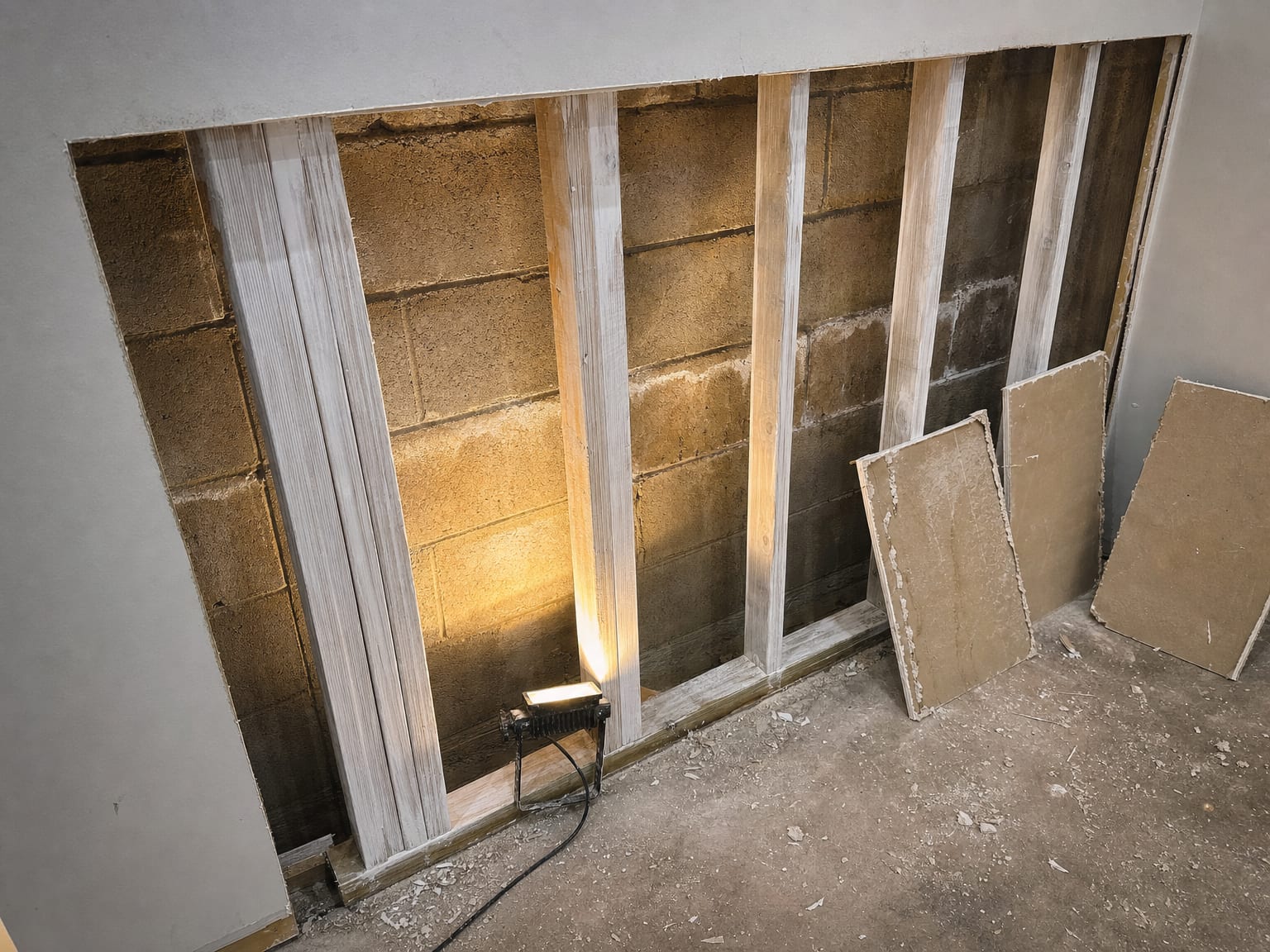
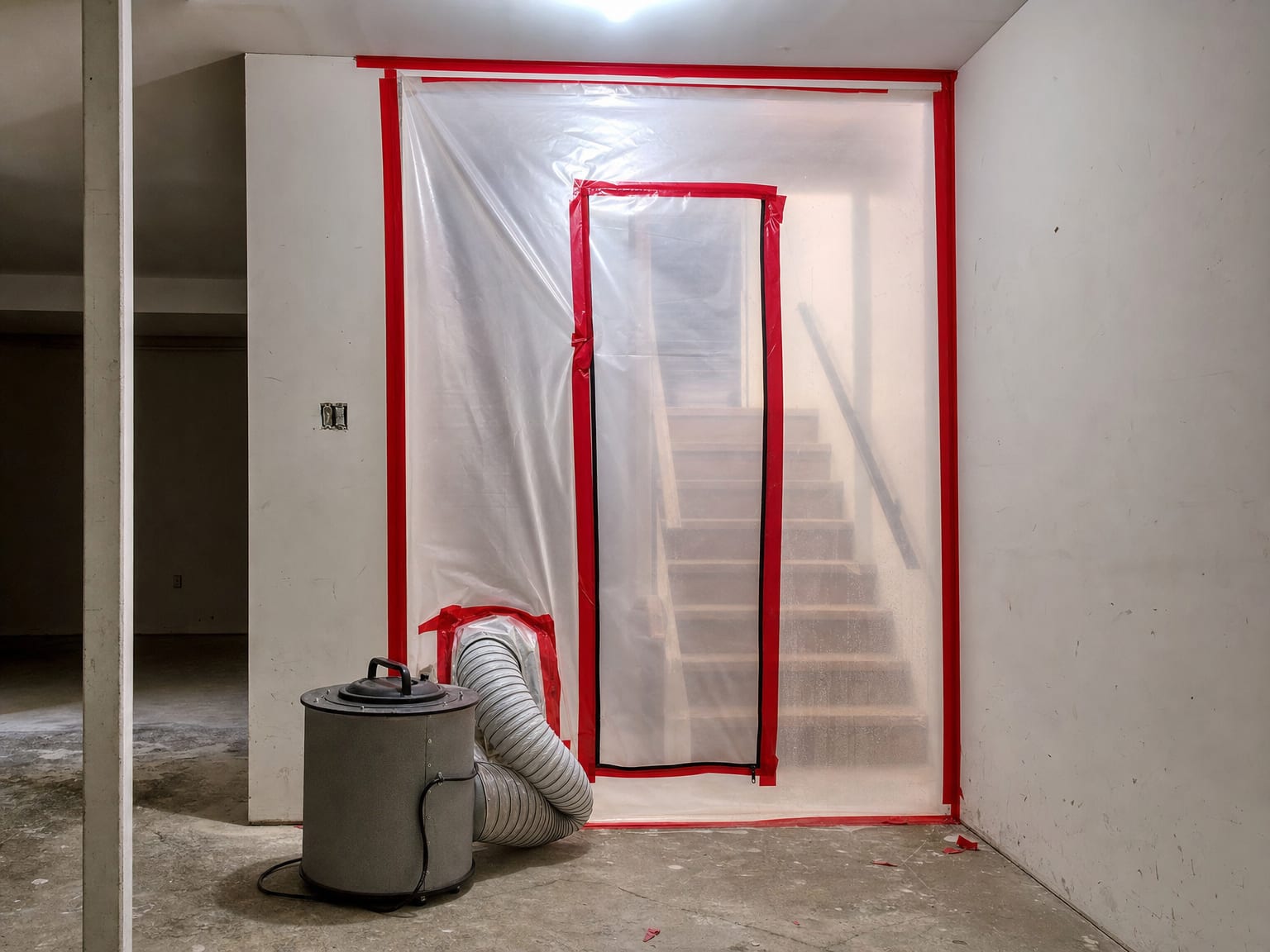
When ExecPro Restoration & Cleaning responds to a residential mold problem, the work covers every step from the initial assessment through final documentation. Technicians locate the moisture source, define the scope of affected materials, set containment to protect unaffected areas of the home, remove porous materials that cannot be salvaged, clean semi-porous and nonporous surfaces using appropriate methods, dry the area to verified moisture levels, and document the entire process with photos and moisture readings.
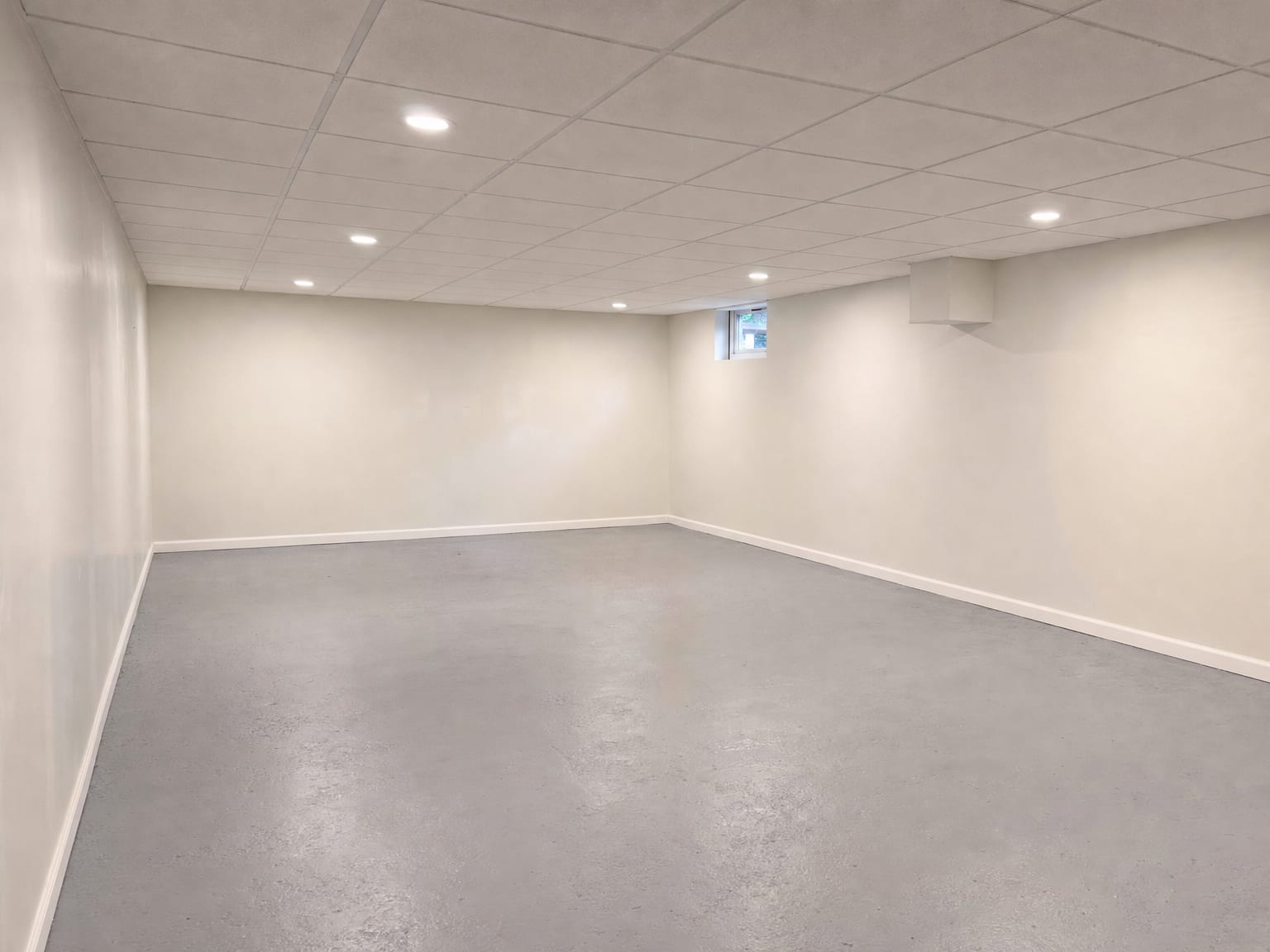
Depending on the extent of damage, the project may also connect into post-mold remediation rebuild work, including drywall replacement, flooring, insulation, and painting. The goal is not just a clean space; it is a home that has been correctly treated and documented so you know the problem is actually resolved.
What Causes Mold in a Home and How Quickly Does It Spread?
Mold needs two things to grow: a surface to colonize and enough moisture to sustain it. In New Jersey homes, the most common triggers are plumbing leaks inside walls or under cabinets, basement seepage and sump pump failures, roof leaks that allow water to run into attic spaces, appliance leaks from washing machines and dishwashers, storm flooding, and areas with chronically high indoor humidity or poor ventilation.
Under the right conditions, mold can begin growing within 24 to 48 hours of a water intrusion event. That window is why incomplete drying after a leak or flood is one of the most common reasons homeowners call for remediation weeks or months later. The leak stopped, the visible water dried, but the moisture inside the wall cavity or under the subfloor stayed high enough to support mold growth.
Because moisture tends to travel before it stops, mold growth often extends beyond the visible patch you can see. A water stain on drywall might indicate contamination that spreads several feet in any direction. Defining the actual scope of damage, rather than treating only what is visible, is a core part of the process ExecPro Restoration & Cleaning follows on every residential project.
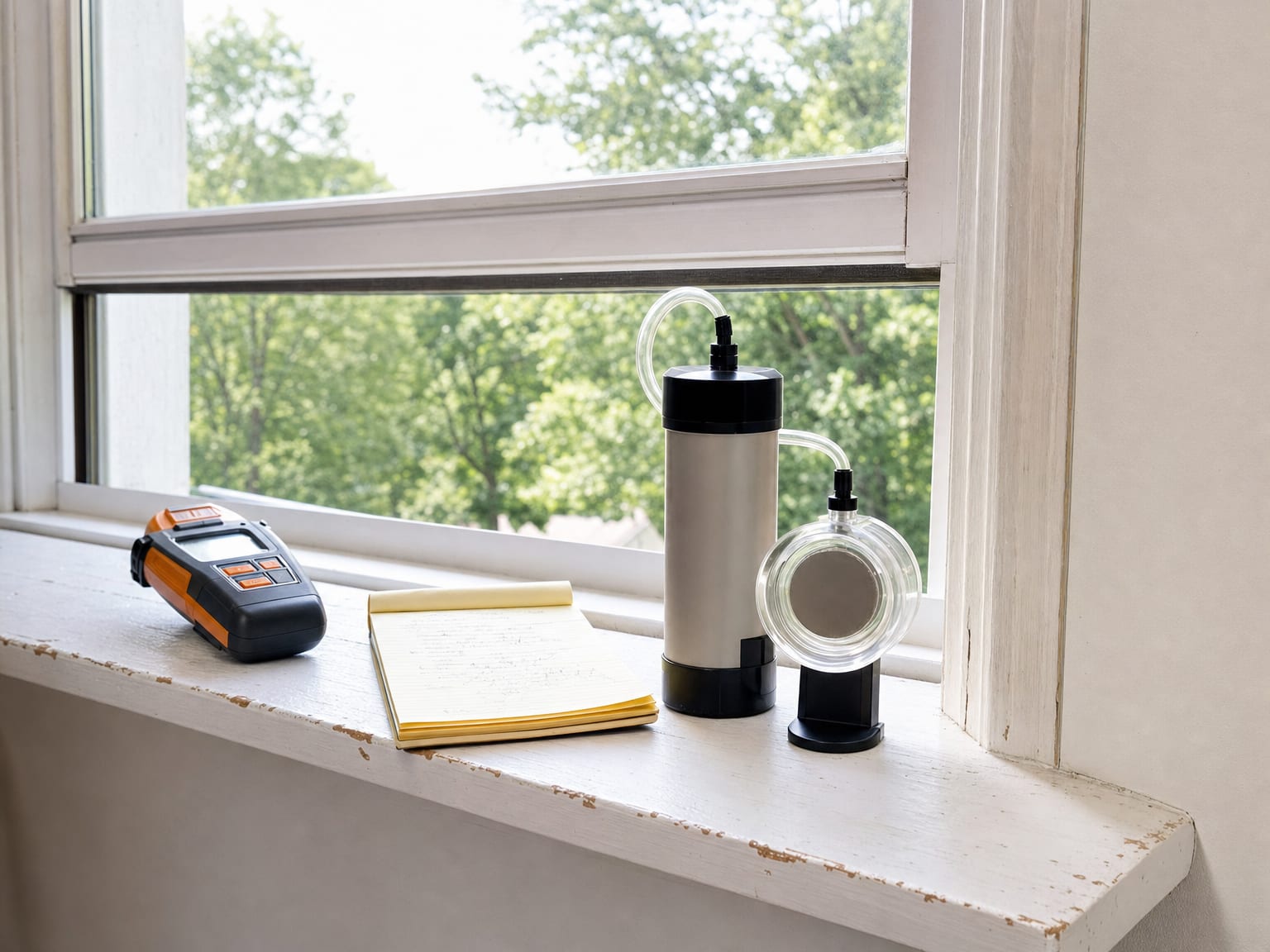
Attics, crawl spaces, and basements are particularly susceptible because they tend to have limited airflow and high humidity. If your home has experienced basement mold growth or you've noticed musty odors in lower levels, the moisture source is often not obvious without equipment-based assessment.
Why Bleach, Paint, and Fogging Are Not Remediation
A lot of homeowners try the DIY route first, and it's understandable. Bleach is cheap and seems logical. Mold-killing sprays are on the shelf at every hardware store. Fogging machines look impressive. The problem is that none of these approaches fix the moisture source, which is what actually needs to change for mold not to come back.
Bleach can oxidize surface mold on nonporous materials like tile or glass, but it does not penetrate porous materials like drywall, wood framing, or insulation where the mold root structures live. Painting over mold traps it rather than treating it. Fogging or aerosol treatments address airborne spores without removing the colony that continues to generate them.
EPA guidance and IICRC S520 standards, the national benchmark for professional mold remediation, are consistent on this point: effective remediation requires source correction, physical removal or cleaning of affected materials, controlled containment during the process, and verification that moisture levels are within acceptable range before repairs begin. ExecPro Restoration & Cleaning follows this framework on every residential project, which is why the work holds up over time.
If you've already tried a surface treatment and the mold came back, that's not unusual. It's a sign that the underlying cause is still active, not that remediation is impossible.
How Does the Residential Mold Remediation Process Work?
The process ExecPro Restoration & Cleaning follows is methodical and documented at every stage. Here is how a typical residential mold remediation project moves from start to finish.
Scroll the steps sideways to follow the full process.
What Every Homeowner Should Know Before Remediation Begins
A few practical realities help homeowners make better decisions about mold remediation and avoid common mistakes.
Testing Is Optional, Not Always Required
If mold is visible, testing is generally not necessary to begin remediation. Testing becomes most useful when you suspect hidden mold but can't see it, when a buyer or seller needs documentation for a real estate transaction, or when post-remediation clearance is required by an insurer or lender. ExecPro offers residential mold testing when it genuinely adds value to your situation.
Source Correction Must Come First
If the moisture source is still active when remediation begins, the problem will return. A leaking pipe, a roof in need of repair, or a grading issue that allows water to flow toward the foundation should be addressed before or alongside remediation. Your technician will flag active moisture sources during the assessment so you can address them in the right sequence.
Mold Is Not Always Black
Mold colonies range from white and gray to green, brown, and black. The species and health implications vary. If you're concerned about a specific mold type, black mold testing can identify the species present, but remediation protocols are similar regardless of color.
Insurance Coverage Depends on the Cause
Many homeowner insurance policies cover mold remediation when it results from a covered water event such as a burst pipe or storm damage. Mold from long-term seepage, deferred maintenance, or humidity is often excluded. ExecPro Restoration & Cleaning provides documentation that supports insurance claims and can work alongside your adjuster when the cause is a covered event.
HVAC Systems Can Spread Contamination
If mold grows in or near your HVAC system, running the system can distribute spores throughout the home before remediation is complete. Technicians will assess whether your HVAC system is affected and whether it needs to be isolated or addressed as part of the project. HVAC mold remediation is a separate but connected service when the system itself is contaminated.
Air Quality After Remediation Is Measurable
After remediation is complete, residential air quality testing can confirm that airborne spore levels in the treated area have returned to normal background levels. This documented clearance is particularly useful for buyers, sellers, landlords, or anyone who wants a verifiable record that the remediation was successful.
Why Choose ExecPro Restoration & Cleaning for Residential Mold Remediation?
ExecPro Restoration & Cleaning is licensed and insured, and every residential remediation project follows IICRC S520 standards, the same framework that guides credentialed mold remediation professionals across the country. That structure means your project is not improvised. There is a defined sequence, defined criteria for what gets removed versus cleaned, and defined moisture targets before rebuild work begins.
One of the clearest advantages of working with ExecPro Restoration & Cleaning is continuity. Most mold remediation companies stop at containment and removal. If you need drywall replaced, insulation reinstalled, or floors repaired, you would typically need to find and coordinate a separate contractor, often working around remediation that just concluded. ExecPro Restoration & Cleaning handles both sides of the project, including remediation and build-back services, so your home moves from damaged to restored without the handoff delay or communication gap that comes with separate vendors.
Documentation is treated as a core deliverable, not an afterthought. Photos, moisture readings, scope notes, and disposal records are part of every project. For real estate transactions, insurance claims, or personal records, you have what you need when you need it. ExecPro works regularly with agents who need reliable home buyer and seller protection assessments when mold findings come up during a transaction.
ExecPro Restoration & Cleaning serves homeowners across central and northern New Jersey, including communities in Mercer, Middlesex, Somerset, Hunterdon, Morris, Union, Monmouth, Ocean, and Burlington counties. If you're in Princeton Junction or one of the surrounding towns, the team can typically be on-site promptly. When the situation is urgent, emergency mold removal is also available.
Frequently Asked Questions About Residential Mold Remediation
These questions come up regularly from homeowners navigating mold remediation for the first time.
Most residential mold remediation projects take one to five days depending on the scope, the number of affected areas, the types of materials involved, and whether the space needs significant drying time before it is ready for repairs. A small bathroom mold problem with limited wall damage may be resolved in a single day. A basement or attic with extensive contamination and structural material removal can take several days. After the initial assessment, you will have a realistic timeline specific to your project.
Serving Homeowners Across Central and Northern New Jersey
ExecPro Restoration & Cleaning handles residential mold remediation across central and northern New Jersey. Communities served include Princeton Junction, West Windsor, Princeton, Plainsboro, Cranbury, Lawrenceville, Pennington, Hopewell, Hamilton, Trenton, Robbinsville, Monroe, South Brunswick, New Brunswick, North Brunswick, East Brunswick, Hillsborough, Somerset, Bridgewater, Basking Ridge, Bernardsville, Flemington, Lambertville, Clinton, Red Bank, Freehold, Manalapan, Marlboro, Lakewood, Cherry Hill, Mount Laurel, Moorestown, Burlington, and many more communities throughout the region.
If you're not sure whether your town falls within the service area, the best way to find out is to reach out directly. ExecPro serves a broad footprint across multiple counties, and most requests can be accommodated with prompt scheduling.