How to Get Rid of Black Mold Yourself, and When to Call a Pro
Cal HewittPublished
- black mold removal
- moisture source
- documentation
- new jersey
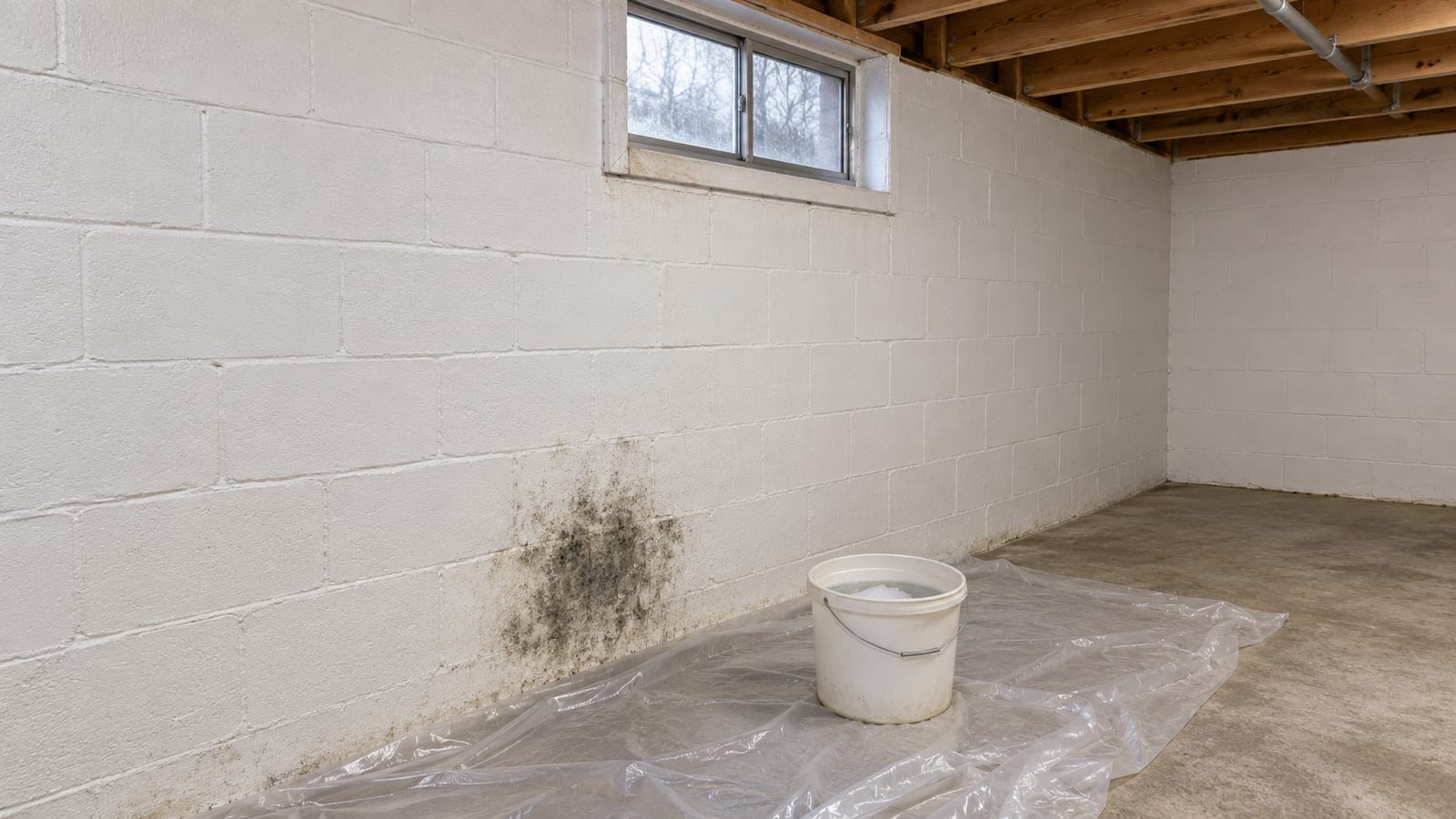
You have a dark patch on a wall, a ceiling, a stud or a shower corner, and you have decided to deal with it instead of living with it. The order you work in matters more than the product you buy, because the wrong order can spread the growth or bring it back within weeks.
For a small patch on a hard surface, getting rid of black mold at home can be a reasonable job. Some situations, such as growth inside a wall or a contaminated air system, are better handed to a professional before you start.
Below is the sequence the work follows, the point where the job outgrows a bucket and a scrub brush, and what to do tonight, tomorrow and over the next week.
Key Takeaways
Water first
Mold grows where moisture stays, so the leak, condensation or humidity problem has to be fixed before any cleaning.
Size sets the route
EPA says do-it-yourself cleanup generally fits mold covering less than about 10 square feet, and the New Jersey Department of Health suggests a professional opinion from 10 to 100 square feet and a qualified contractor above 100.
Protect yourself
Wear at least an N95 respirator, gloves and goggles that seal around your eyes, and keep children and anyone with asthma or a weakened immune system away.
Some jobs are not DIY
Hidden growth, a contaminated HVAC system, sewage or contaminated water, and extensive water damage call for a professional.
Dry and recheck
Hard surfaces get detergent and water, porous material that cannot be dried completely comes out, and the area has to stay dry afterward.
What Should You Do When You First See Dark Mold?
Start by leaving the patch alone. Scraping, sanding or dry-brushing moldy material throws spores into the air and across the room, so the first hour is about limiting the situation rather than cleaning it.
If you can stop the water safely, do it. Close a supply valve, move a plant, stop the humidifier or put a pan under a drip. Keep children and anyone with asthma, COPD, allergies or a weakened immune system out of the area, because CDC advises people with those conditions not to take part in cleanup and not to be present while it happens. If anyone in the home has health questions, a physician is the right person to ask.
Then take photographs of the patch and of whatever looks like the cause, before anything is cleaned or thrown away. Those photos help later with an insurer, a landlord or a contractor. If you suspect the heating and cooling system is involved, leave it off, because EPA says running a contaminated system can spread mold through the building.
If you are unsure what the patch is, the guide to what looks like mold on walls covers how to tell it apart from dirt and other stains. When the dark growth is clearly mold, our black mold removal page shows how a contained removal works.
How Do You Find and Stop the Moisture Before Cleaning?
Mold needs moisture, so cleaning a patch while the cause is still running only starts a clock. The New Jersey Department of Health says mold problems usually occur where there is excess water, and that when the cause is not obvious, the building should be inspected to find it before remediation begins.
The usual New Jersey culprits are easy to check one at a time. Look at the plumbing above and behind the patch, the roof and flashing overhead, window and door seals, the foundation wall and gutters outside, the condensate line on the furnace or air conditioner, and the exhaust fan in the bathroom. In a shower, NJDOH points to steam as a moisture source and suggests wiping the walls down and running the fan while you shower. Condensation on cold windows, pipes and exterior walls counts too, and it often explains growth in a closet or a corner with little air movement.
Measure the visible patch while you are there, in square feet, and write down what it sits on: tile, painted drywall, ceiling tile, wood framing or carpet. Those two facts decide the route in the next sections.
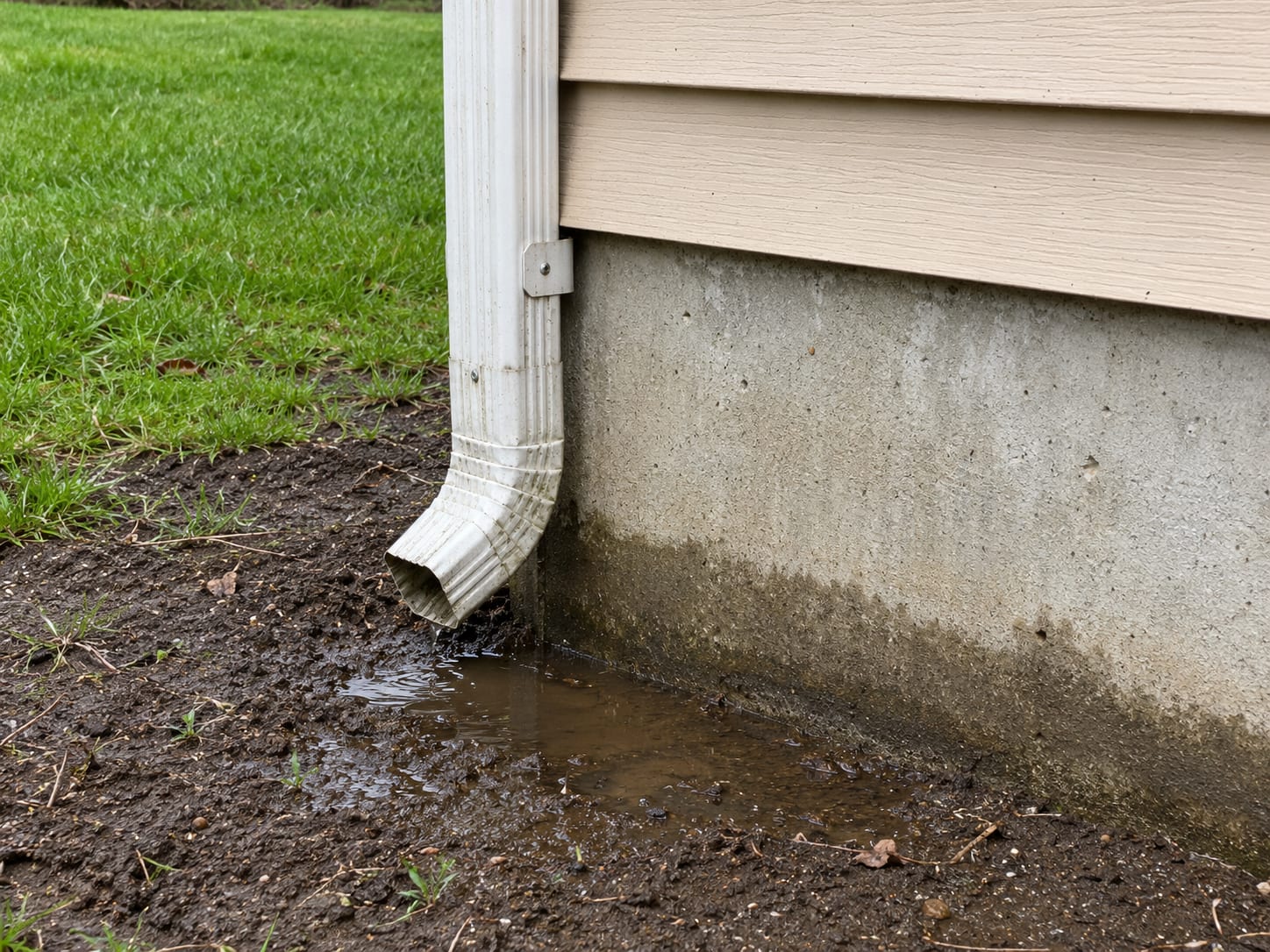
If the leak is active or the cause is hidden, a mold inspection can map the moisture and the extent before you spend money on cleanup. Wet building materials may also need structural drying so the repair does not seal moisture back in.
Can I Remove Black Mold Myself?
You can often handle a small, isolated patch yourself. EPA recommends do-it-yourself cleanup in most cases for mold covering less than about 10 square feet, roughly a 3-by-3-foot patch, on a hard surface that can be cleaned and dried, with no sewage, contaminated water, HVAC involvement or hidden growth in the picture. The NJDOH mold guidelines say an area under 10 square feet may suit a homeowner or building maintenance staff.
Here is the order the work follows for a small hard-surface patch:
Cleaning a Small Hard-Surface Patch
- 1
Fix the source
Fix the leak, condensation or ventilation problem first.
- 2
Protect yourself
Wear at least a NIOSH-approved N95 respirator, gloves and goggles that seal against dust, and keep other people out of the room.
- 3
Scrub hard surfaces
Use detergent and water, taking care not to scatter dust.
- 4
Remove porous material
Bag and remove porous material that cannot be cleaned and dried completely, such as ceiling tile, carpet pad or insulation.
- 5
Dry and vacuum
Dry the area and everything left in it completely, then clean settled dust with a HEPA vacuum.
1. Fix the leak, condensation or ventilation problem first. 2. Wear at least a NIOSH-approved N95 respirator, gloves and goggles that seal against dust, and keep other people out of the room. 3. Scrub hard surfaces with detergent and water, taking care not to scatter dust. 4. Bag and remove porous material that cannot be cleaned and dried completely, such as ceiling tile, carpet pad or insulation. 5. Dry the area and everything left in it completely, then clean settled dust with a HEPA vacuum.
The protective gear matters. CDC recommends at least an N95 respirator, protective gloves and fully protective goggles, and a half-face or full-face respirator for extensive drywall removal or long jobs. Ordinary safety glasses leave gaps that let dust in.
On cleaners, EPA's approach for hard surfaces is detergent and water followed by complete drying. CDC says bleach or dish detergent can be used for household mold cleanup with the room ventilated and the label followed, and that bleach should never be mixed with another cleaner. Our post on what kills mold and what not to use goes through each product.
Before you repaint or caulk, check the moisture, the humidity, the odor and the surface again. Painting over a damp or moldy surface only hides it.
When Does Mold Removal Need a Professional?
Size is the first measure, and the agencies draw the lines in different places. EPA's practical threshold for do-it-yourself work is about 10 square feet. NJDOH recommends a professional opinion for an area between 10 and 100 square feet and a qualified contractor for an area over 100 square feet.
Hover or tap a row to highlight it.
| Source | Area | Route |
|---|---|---|
| EPA | Less than about 10 square feet | Practical threshold for do-it-yourself work |
| NJDOH | Under 10 square feet | May suit a homeowner or building maintenance staff |
| NJDOH | 10 to 100 square feet | Professional opinion |
| NJDOH | Over 100 square feet | Qualified contractor |
Size is not the only measure. EPA points to contaminated HVAC systems, sewage or contaminated water, hidden mold and health concerns as situations that call for professional involvement or more advice. Each one changes the job, and a few reasons are worth spelling out.
Hidden growth means the visible patch is only the part you can see. Mold inside a wall cavity, under flooring or in insulation can reach well beyond the stain, and cleaning the face of the wall does not touch it. A contaminated air handler or duct can spread spores into every room it serves, which is why the HVAC mold remediation job is handled as its own scope. Sewage or floodwater adds contamination that a household cleanup is not set up for. Extensive water damage means large amounts of wet material, drying equipment and often demolition.
Why Some Jobs Are Not DIY
Hidden growth
The visible patch is only the part you can see, and mold inside a wall cavity, under flooring or in insulation can reach well beyond the stain.
A contaminated HVAC system
A contaminated air handler or duct can spread spores into every room it serves.
Sewage or floodwater
It adds contamination that a household cleanup is not set up for.
Extensive water damage
It means large amounts of wet material, drying equipment and often demolition.
The same applies when the work will disturb a lot of drywall, framing or flooring, or when the paperwork has to hold up for an insurer, a landlord, a lender or a buyer. In any of these cases, get a professional opinion before you start.
What Does Professional Mold Remediation Include?
Remediation is more than a stronger cleaning. It treats the affected part of the building and the route the contamination took, and it follows a written scope. The industry procedure is ANSI/IICRC S520:2024, which covers inspection, safety, containment, structural remediation, HVAC remediation, contents remediation, documentation and post-remediation verification.
In practice, the scope for a typical job can include:
- A moisture-source inspection and a plan to correct it
- An assessment of visible and hidden contamination
- Critical barriers that seal off the work area
- Negative-air or pressure-control equipment that keeps air moving into the containment area
- HEPA-filtered air filtration and HEPA cleanup
The same scope covers the material itself. Contaminated material is removed in a controlled way and bagged, and salvageable hard surfaces and framing are cleaned. The area is then dried, with moisture checks before anything is rebuilt.
Contents get a cleaning or disposal decision, and the job ends with written documentation and, where it fits, post-remediation verification.
OSHA describes the same practices: containment, ventilation, protective equipment, controlled disposal, detergent cleaning and HEPA vacuuming. Our post-remediation verification service is the closeout step when a written record of the result is needed.
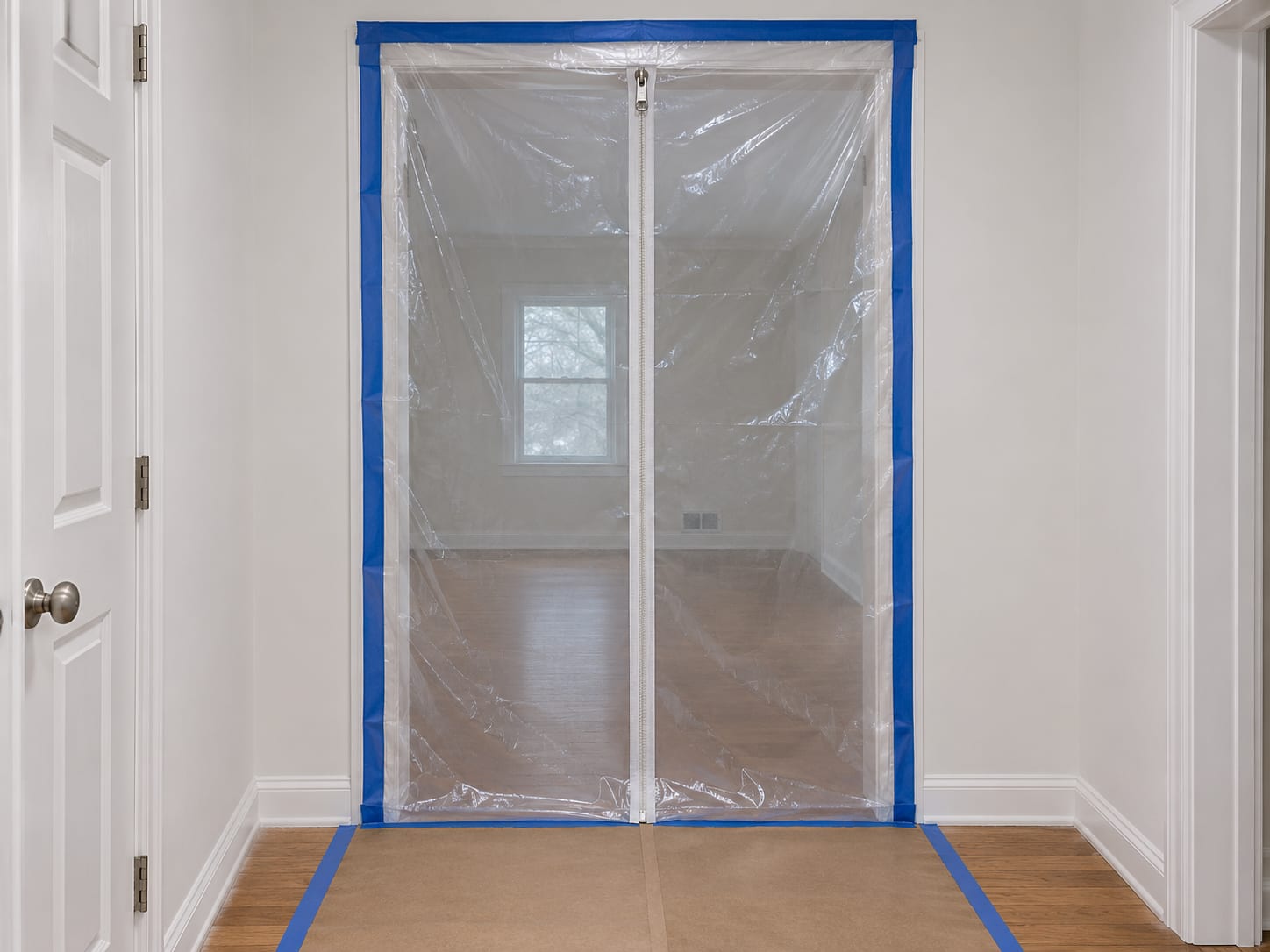
One point from the standard changes how you should read a quote. S520 treats vapor-phase biocides and similar technologies as no substitute for source removal. So, a quote that offers a fogging treatment in place of removing material and fixing the water deserves a question about why.
New Jersey has no state certification program for companies that perform mold or general indoor-air services. NJDOH advises owners to evaluate a contractor's experience, insurance, proposed work and documentation, so ask for those in writing.
Is It Expensive to Fix Black Mold?
The cost follows the scope, and the scope follows the moisture, the materials and the size of the area. A small hard-surface patch you clean yourself costs supplies and protective gear. A contained removal with demolition, air filtration, drying and rebuilding is a different project, and a price for it cannot be set until someone has looked at the building.
Several things move the number. How much material has to come out is one, whether the growth reaches into a wall cavity or the HVAC system is another, and so is how long the area needs to dry before a wall can close. Disposal, testing and the rebuild each add their own line, and so does fixing the leak itself, which a mold contractor may not be the one to do.
What Moves the Cost
Material removed
How much material has to come out.
How far the growth reaches
Whether it extends into a wall cavity or the HVAC system.
Drying time
How long the area needs to dry before a wall can close.
Extra line items
Disposal, testing and the rebuild each add their own line.
The leak itself
Fixing the leak, which a mold contractor may not be the one to do.
For a New Jersey home, the useful step is a written local estimate that lists source correction, remediation, disposal, testing and rebuilding as separate items. That lets you compare two estimates line by line and see what each one includes.
Ask for a written schedule too, based on the actual moisture, demolition, drying and verification the job needs.
What About Insurance, Renting and Documentation?
Photographs, receipts and a written record of what was done are the three things that protect you whichever way the claim or the dispute goes. Keep moisture records, contractor reports, damaged-item lists and any correspondence with an insurer or landlord in one folder.
On insurance, the New Jersey Department of Banking and Insurance says the policy terms control coverage. Its homeowners summary lists mold as excluded unless it results from a covered loss, and homeowner policies generally cover sudden and accidental water damage when it is a covered loss. Flooding is excluded from ordinary homeowners insurance and is covered by separate flood insurance. DOBI recommends notifying the insurer promptly, documenting the damage, making necessary temporary repairs, saving receipts, and delaying permanent repairs until the adjuster has reviewed the damage when possible. Do not discard damaged property before the insurer has a chance to inspect it, unless safety or sanitation requires removal. Our insurance restoration services page describes the documentation side of restoration work.
If you rent, tell your landlord in writing and give access for repairs. NJDOH directs renters to the local building-code office when a leak or plumbing problem goes unrepaired, and it suggests considering legal advice about your rights. The Department of Community Affairs landlord-tenant guide says tenants have a right to safe and decent housing and that serious conditions can include leaks or mold. Rent withholding or deduction is a legal question, so take it to an attorney.
How Do You Keep Black Mold From Coming Back?
Mold returns when the moisture stays. EPA's prevention targets give you something to measure: keep indoor relative humidity below 60 percent, and aim for 30 to 50 percent when you can. A hygrometer from a hardware store shows you the number. The basement humidity guide covers the setup for a lower level.
Dry anything that gets wet within 24 to 48 hours, which EPA says will prevent growth in most cases. Run the bathroom and kitchen exhaust fans during showers and cooking, and vent the clothes dryer outdoors. Repair gutters, foundation drainage, plumbing and HVAC condensate problems, and wipe condensation off windows, walls, pipes and ducts. Do not paint, caulk or seal wet or moldy material before it is cleaned and dried.
Keeping Mold From Coming Back
Humidity targets
Keep indoor relative humidity below 60 percent, and aim for 30 to 50 percent when you can.
Dry wet items fast
Dry anything that gets wet within 24 to 48 hours.
Run the fans
Run the bathroom and kitchen exhaust fans during showers and cooking, and vent the clothes dryer outdoors.
Repair water sources
Repair gutters, foundation drainage, plumbing and HVAC condensate problems.
Wipe condensation
Wipe condensation off windows, walls, pipes and ducts.
Shower areas deserve their own routine, because steam is the steady supply of moisture. If a bathroom patch keeps returning after you clean it, the post on bathroom mold that keeps coming back walks through the usual causes, and our bathroom mold remediation page covers the cases that need more than a cleaner.
For a few weeks after the work, recheck the area for moisture, odor, staining and new growth. A repaired area that stays dry and clear is the sign that the cause was fixed.
Frequently Asked Questions About Getting Rid of Black Mold
What kills black mold permanently?
No cleaner gives permanent control if moisture returns. EPA and NJDOH put moisture correction first, then removal or cleaning of contaminated material, then complete drying. S520 says biocides and similar technologies are no substitute for source removal. Dead mold can still be allergenic, so killing it is a different job from removing it.
Is bleach or vinegar better for killing black mold?
EPA recommends scrubbing hard surfaces with detergent and water and drying them completely. CDC says bleach or dish detergent can be used for household mold cleanup with ventilation and the label followed, and that bleach should never be mixed with vinegar, ammonia or any other cleaner. The full comparison is in the post on what kills mold and what not to use.
Do you have to throw everything away with mold in the house?
No. Hard, nonporous materials can often be cleaned and dried. Porous materials such as ceiling tile, carpet, carpet pad and insulation may need removal because mold gets into their fibers and spaces, and drywall may need to go when the growth has reached the paper or the cavity behind it. EPA suggests having a restoration specialist evaluate expensive, fragile or sentimental items before you discard them.
Can a house with black mold be saved?
Often, yes. A house can usually be restored when the water source is corrected, the contaminated material is cleaned or removed, the area is dried and the work is contained. The outcome depends on how far the growth reaches, which materials are affected, whether it is hidden or in the HVAC system, and whether sewage or other contaminants are involved.
How quickly does black mold spread?
The speed depends on moisture, material, temperature, humidity and time, so a fixed rate cannot be given. What you can control is the drying window: EPA says wet materials should ideally be dried within 24 to 48 hours of a leak or spill. If growth is spreading, recurring or near an HVAC system, have it assessed.
Black Mold Removal Quick Check
1. What size does EPA give as the practical line for do-it-yourself work?
2. Which eye protection does the post call for?
3. What indoor humidity level does EPA say to stay below?
4. How soon should wet materials be dried to prevent growth in most cases?
Pick an answer to begin.
The Bottom Line
Fix the water, protect yourself, keep other people away, clean hard surfaces with detergent and water, remove porous material that cannot be dried completely, dry everything and recheck. Keep a patch under about 10 square feet on a hard surface as your project, and hand over anything larger, hidden, tied to HVAC or sewage, or tied to extensive water damage.
Tonight, stop the water if you safely can, photograph the patch and keep people out of the room. Tomorrow, find the cause and measure the area. Within the week, finish the cleaning and drying, or get a written scope if the job is bigger than a small patch. A dry, clear wall a few weeks later tells you the work held.
If your patch is larger than about 10 square feet, sits on drywall or insulation, or keeps coming back, ExecPro Restoration & Cleaning can look at the moisture and the materials and give you a written scope for your New Jersey home. Call us at (888) 300-3772 or reach us through our contact page, and tell us what you see and where it is.
Black Mold Removal Terms
Tap a term to see what it means.
HEPA vacuum. A vacuum used to clean settled dust after the area has dried completely.
Related Articles
Mold Remediation Products: Reading the Label Before You Use One
Learn what each mold product is for, what an EPA registration and a 99.9% claim cover, and when a spray is the wrong answer for your New Jersey home.
Black Mold in a House: What It Looks Like and What to Do Next
Black mold on drywall, wood or grout may be cleaned or removed, but the moisture must be fixed first. Here is what a New Jersey owner or tenant should do.
What to Throw Away After Mold and What You Can Clean and Keep
Sorting belongings after mold in a New Jersey home? See what usually goes, what can be cleaned and kept, and what to document before anything is discarded.