
Basement Humidity Level to Prevent Mold: Aim for 30 to 50%
Cal HewittPublished
- basement mold remediation
- moisture control
- indoor air quality
- new jersey
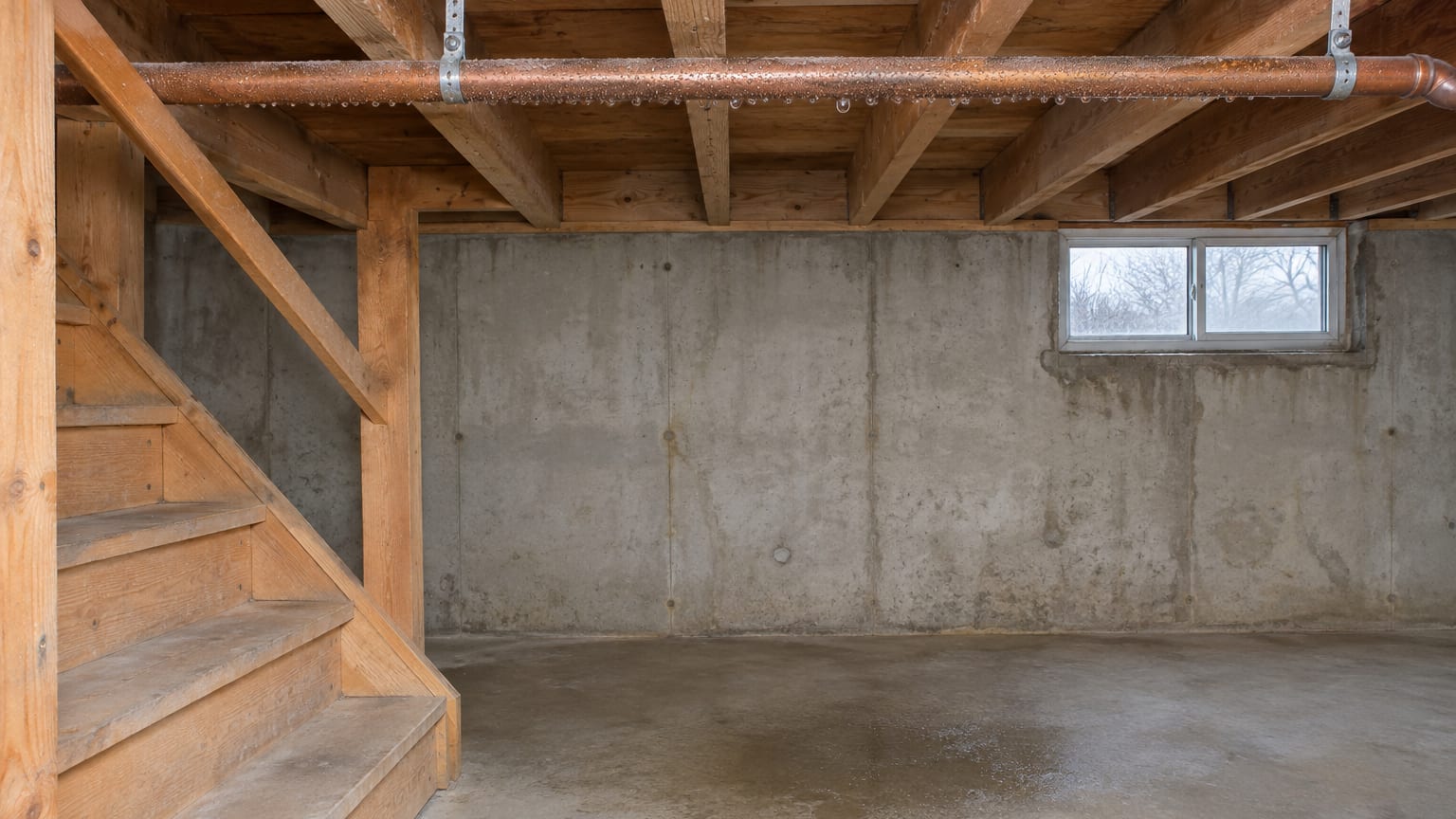
A musty smell in July, a clammy feel on the stairs, or a dehumidifier bucket that fills faster than you can empty it all lead to the same question: what basement humidity level keeps mold from taking hold? In a New Jersey basement, the target is 30% to 50% relative humidity, and never above 60%.
Getting there takes three things: a meter you can trust, a dehumidifier sized for the room, and a plain look at where the water is coming from. None of it is complicated, and most of it can start this week.
If you are standing in a damp basement right now, start with a humidity reading and a look at the walls and floor. Write down what you see and the time you saw it.
Key Takeaways
The target range
EPA advises keeping indoor humidity below 60%, ideally between 30% and 50%, and CDC's asthma guidance uses no higher than 50%.
The meter is only half the picture
A hygrometer reads the air, so wet drywall, framing or concrete still need a moisture meter or a professional assessment.
Water source first
A dehumidifier controls the air, and it works best after gutters, grading, leaks and the sump have been dealt with.
Why Basement Humidity Deserves Attention in New Jersey
Mold needs water to grow, and EPA explains that spores can take hold on any wet indoor surface. The New Jersey Department of Health says mold problems generally occur when excess water is present and lists basements among the common places to look. A basement also runs cooler than the rest of the house, so humid air that gets in can condense on cold surfaces.
What time of year is worst for mold in a basement?
Summer is the most obvious season, because New Jersey summers are warm and humid. Warm outdoor air that drifts into a cooler basement loses heat against the walls, pipes and floor, and the moisture it carries can condense on those surfaces. Heavy rain and tropical storms add another route by raising groundwater and pushing seepage through the foundation.
Summer is not the only risk. Winter condensation, plumbing leaks, snowmelt and storm water can start growth in any month, so the readings you take in January matter as much as the ones you take in August.
People with asthma or other lung conditions may be more sensitive to mold, and CDC says exposure can trigger asthma attacks and irritate the eyes, nose and skin. A physician is the right person for any health question.
The Humidity Range That Keeps Mold From Taking Hold
EPA recommends keeping indoor relative humidity below 60%, and ideally between 30% and 50%. Relative humidity, or RH, is the share of moisture the air is holding compared with the most it could hold at that temperature. ENERGY STAR describes 30% to 50% as the generally preferred range and says readings above it may promote mold growth.
CDC's asthma guidance is more specific, using a prevention target of no higher than 50% and recommending that you check the humidity more than once a day. If anyone in the house has asthma, keep the basement at or under 50%.
The practical goal is 30% to 50% when you can reach it, and under 60% at the very least. A reading is only part of the story, though. Condensation on a cold pipe, a damp patch on a wall or a floor that stays wet is a moisture problem even when the meter shows a number inside the range. Pressure differences can also draw moist air in through foundation openings and open sump pits.
Measure Basement Humidity Accurately, Season by Season
A hygrometer, also called a humidity meter, reads RH. EPA describes these meters as small, inexpensive instruments sold at hardware stores. Where you put one changes what it tells you.
- Placement: Set it in the living or storage area, away from the dehumidifier exhaust, supply vents, exterior doors, direct sunlight, plumbing leaks and wall surfaces.
- More than one meter: Use a second or third when the basement has separate rooms, finished and unfinished sections, or a known wet spot.
- Time of day: Record RH and temperature at different hours, because humidity moves through the day.
- Season and weather: Compare readings in summer humidity, after storms, during winter heating and after the dehumidifier has been running.
- Warning signs: Treat condensation, wet surfaces and a musty odor as signals even when the average reading is under 60%.
If the unit says 45% and the basement still smells musty, move the meter to a cold corner or a closed storage room and read again.
Getting a Reading You Can Trust
Placement
Set the meter in the living or storage area, away from the dehumidifier exhaust, supply vents, exterior doors, direct sunlight, plumbing leaks and wall surfaces.
More than one meter
Use a second or third when the basement has separate rooms, finished and unfinished sections, or a known wet spot.
Time of day
Record RH and temperature at different hours, because humidity moves through the day.
Season and weather
Compare readings in summer humidity, after storms, during winter heating and after the dehumidifier has been running.
Warning signs
Treat condensation, wet surfaces and a musty odor as signals even when the average reading is under 60%.
A hygrometer measures air. It cannot tell you that drywall, insulation, framing, carpet, concrete block or a subfloor is dry. Material moisture takes a moisture meter or a professional assessment. During professional drying, our basement drying service monitors wall surfaces, floor assemblies, framing and air humidity separately for that reason.
Choose and Set a Dehumidifier That Keeps Up
ENERGY STAR rates dehumidifier capacity in pints of water removed per 24 hours, and it ties the right capacity to two things: the size of the space and how damp it is before you start. For rooms under 2,000 square feet, its current sizing chart lists these ranges.
Hover or tap a row to highlight it.
| Starting condition | Starting RH | Capacity |
|---|---|---|
| Slightly to moderately damp | 50% to 75% | 20 to 30 pints per day |
| Very damp | 75% to 90% | 25 to 40 pints per day |
| Wet | 90% to 100% | 30 to 50 pints per day |
Above 2,000 square feet, ENERGY STAR lists higher minimums: 30 or more pints per day for slightly to moderately damp, 40 or more for very damp, and 50 or more for wet. It also advises that oversizing is better than undersizing. Compare labels using current ratings, because the Department of Energy's newer test runs at 65°F, closer to a basement than the older 80°F test, and older labels used the warmer figure.
For the setting, use the built-in humidistat to hold the basement inside the 30% to 50% range, and follow the manufacturer's electrical and drainage instructions. If condensation still forms at a reading inside the range, adjust for the temperature and the materials in the room and look harder for the water source.
Drainage decides whether the unit keeps working. A full bucket stops the machine, so a unit that keeps shutting off may just need a drain. ENERGY STAR names a hose to a floor drain or sump as an option, with the unit placed near the drain and clear of trip and electrical hazards.
Find the Water Source Before You Blame the Air
Dehumidification controls moisture in the air. The University of Minnesota Extension recommends this order: control interior moisture sources, avoid ventilating with humid outdoor air in summer, correct grading and gutters, and then consider interior or exterior drainage. The dehumidifier comes in after those steps, to handle what is left.
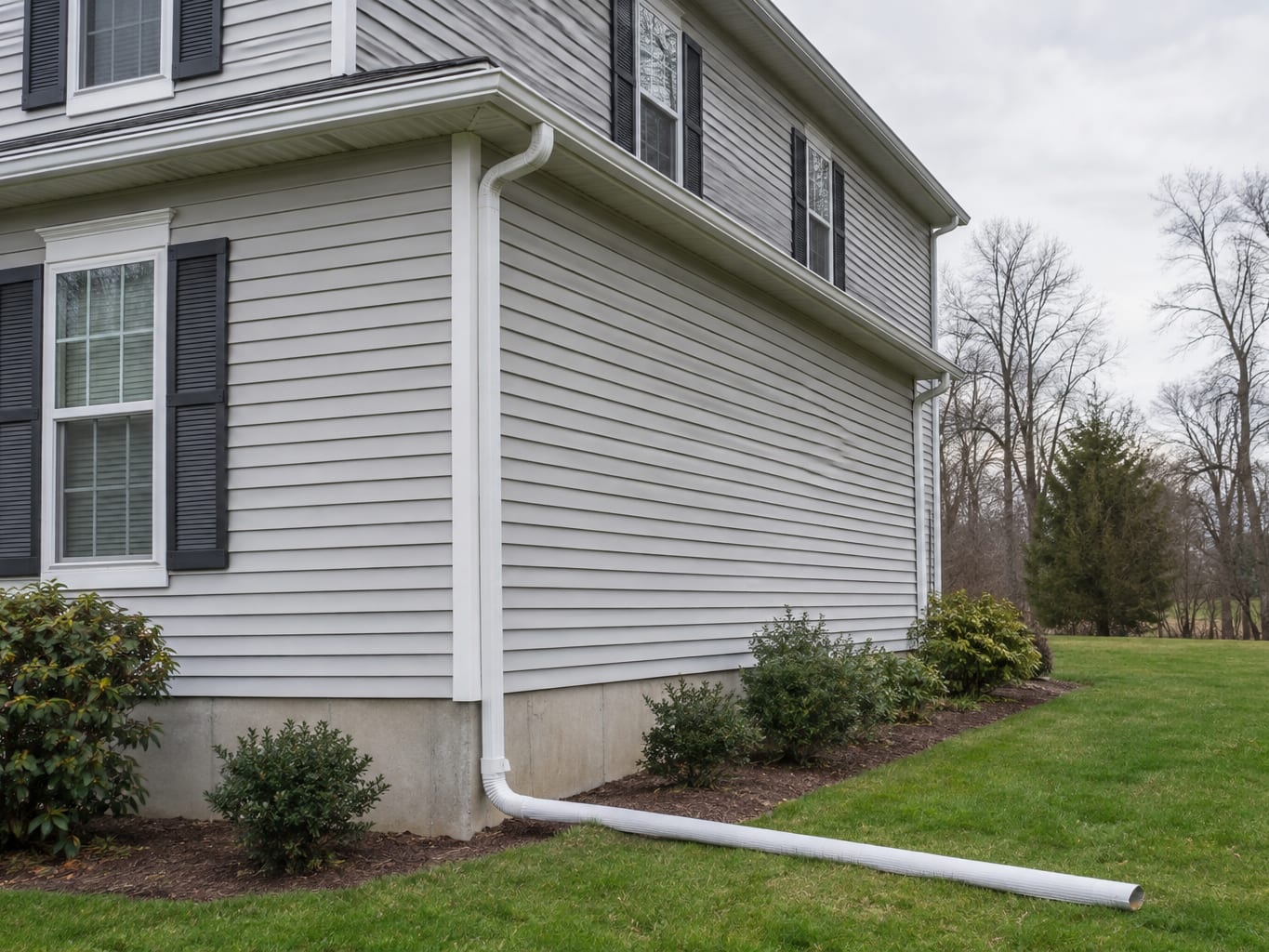
- Gutters and downspouts: Keep them clear and extend the discharge away from the foundation.
- Grading: Keep soil sloped away from the house so water does not pool at the wall, and go easy on watering foundation plantings.
- Leaks: Repair plumbing, roof, foundation and window leaks.
- The sump pit: Use an airtight cover where appropriate, because an open pit can draw moist air into the basement, and keep the pump and discharge line in working order.
- Drainage systems: Consider interior or exterior drainage when grading changes do not stop groundwater or seepage.
This order also answers the question many people ask in July: should I open the basement windows? Humid summer air can add moisture instead of removing it, so the Extension advises against venting with outside air when it is muggy. Bathroom, kitchen and dryer exhaust fans are the right tools for moving moisture out.
Paint, coatings and membranes on interior walls do not replace drainage. A dehumidifier that runs all day without the basement getting drier is telling you water is still coming in, and the Extension warns that relying on dehumidification alone can leave the underlying problem in place and contribute to efflorescence, the white mineral crust on masonry, and to concrete spalling, where the surface flakes off.
What to Do After a Leak, Flood or Sump Failure
Safety comes before drying. Standing water near electrical panels, outlets or appliances can create an electrical hazard, and flood or sewage water can carry contamination. Do not walk into standing water near electrical equipment, and move contents only from areas that are safe to enter. CDC advises waiting for professionals to confirm a flooded home is safe before going back in.
How do you dry up water in a basement?
Once the area is safe, work through the same order every time. Stop the water source if you can do it safely. Remove the standing water. Take out or set aside wet porous materials that cannot be dried, such as carpet, padding and soaked drywall. Then bring in air movement and dehumidification when the electricity is safe, and keep checking the moisture in the affected materials.
Speed matters. EPA advises drying wet or damp areas within 24 to 48 hours, because mold usually will not grow in that window if the materials dry. CDC says materials that stay wet longer after flooding should be presumed to carry mold risk. Treat the window as a target to beat, and ask for help early if you are close to missing it.
In the first hour, take a reading, photograph the water, stains and meter, and start a written timeline of when you first noticed it. By the next day, the dehumidifier should be running with safe drainage, and you should be looking over gutters, downspouts, grading, plumbing, foundation walls, the floor-to-wall joint and the sump. Do not paint or caulk over mold or water-damaged material. Over the following week, fix the source and keep logging readings.
After a Leak, Flood or Sump Failure
- 1
First hour
Take a reading, photograph the water, stains and meter, and start a written timeline of when you first noticed it.
- 2
By the next day
Have the dehumidifier running with safe drainage, and look over gutters, downspouts, grading, plumbing, foundation walls, the floor-to-wall joint and the sump.
- 3
Over the following week
Fix the source and keep logging readings. Do not paint or caulk over mold or water-damaged material.
For a flood or sump failure, our basement flood cleanup and emergency water extraction services cover the standing water and the drying that follows.
Know the New Jersey Rules, Insurance Limits and Records That Protect You
If you rent or manage a multiple dwelling, New Jersey's maintenance code, N.J.A.C. 5:10-8.1, requires basements, cellars and crawl spaces to be free of moisture caused by liquid penetration from outside and to have enough ventilation to prevent dampness from building up. For new homes, the state's warranty standards treat actual trickling through basement walls or seepage through the floor as deficiencies.
The state health department says building-code offices generally address structural deficiencies such as water leaks and plumbing problems, rather than applying a separate mold regulation. A renter with an unresolved leak should notify the landlord, contact the local building-code office, and get legal advice about their rights when needed.
Homeowners have an insurance question too. The New Jersey Department of Banking and Insurance says homeowners policies exclude flood damage and that flood insurance is the coverage designed for it. Coverage for basement drying or mold depends on the policy, the cause of loss, the exclusions and any endorsements. A sudden plumbing failure may be treated differently from groundwater, surface flooding, gradual seepage or maintenance-related moisture.
Keep the date and cause of the event, photos and video, the affected rooms, damaged contents, RH and material-moisture readings, invoices, equipment records, receipts, and every message with the insurer or landlord. NJDOBI advises reporting storm losses promptly and asking the insurer what documentation it needs. Our insurance restoration services help organize the photos, readings and work records a claim file needs.
Keep the Basement Dry After Cleanup
Once the basement is dry, the job becomes a habit. Check the meter on a regular schedule, log the readings, and compare them across seasons and after heavy rain. A reading that climbs every August points to humid air; one that jumps after every storm points to water entering.
Walk the outside of the house after storms to look at gutters, downspouts and the soil along the foundation. Keep the sump pit covered and the pump tested. Run the bathroom and kitchen fans, and vent the dryer outdoors. If you plan to finish the basement, dry the foundation walls before insulating and make sure the slab is warm and dry before carpet goes down.
Some signs call for an assessment rather than another round of home fixes: visible growth, an odor that lingers, materials that stay wet, or a source you cannot identify.
In those cases the next step is a moisture-source assessment. Our basement drying service covers extraction, commercial dehumidification and air movers, moisture monitoring and written drying logs, and it can lead into basement mold remediation and post-water damage reconstruction. If mold is the question, a residential mold inspection is a better first step than a lab test, since CDC's NIOSH guidance notes there are no health-based standards for mold in indoor air and does not recommend routine air sampling for building evaluations.
Frequently Asked Questions About Basement Humidity
What absorbs water quickly?
Towels, mops and absorbent products remove surface water, and that is all they do. They do not show that walls, insulation, framing or subfloors are dry. For a real water event, extraction equipment, safe removal of saturated porous materials, air movement and dehumidification are the supported controls.
Can mold grow back after remediation?
Yes, if the moisture source, condensation, a leak or a wet building material remains. The New Jersey Department of Health says the source of excess water should be identified and corrected before remediation, and CDC adds that repairs must prevent further water entry.
Can I wait a few days to start drying?
EPA and CDC point to the first 24 to 48 hours as the window that matters most, so start right away.
Basement Humidity Quick Check
1. What indoor humidity range does EPA recommend?
2. What does a hygrometer measure?
3. How soon should wet areas be dried after a leak?
4. What should come before relying on a dehumidifier?
Pick an answer to begin.
Wrapping Up
A basement that holds between 30% and 50% relative humidity, and never climbs above 60%, gives mold very little to work with. You get there by measuring in several spots and seasons, sizing the dehumidifier to the room and its dampness, draining it safely, and fixing the water source before you rely on the machine.
The payoff is a basement you can use without a musty smell, and a log of readings that shows you when something changes. Those records also help if you ever need to talk to an insurer or a landlord.
If the readings stay high, the walls stay wet or you cannot tell where the water is coming from, call ExecPro Restoration & Cleaning at (888) 300-3772 or reach us through our contact page. We work with New Jersey homeowners on basement drying, mold remediation and rebuilding, and we can tell you what is behind the damp.
Basement Humidity Terms
Tap a term to see what it means.
Relative humidity (RH). The share of moisture the air is holding compared with the most it could hold at that temperature.
Related Articles
Basement Mold Removal: What Comes Out, What Can Stay, and Why
Basement mold removal in NJ: see which materials usually come out, which can be cleaned and kept, when DIY stops and how to keep mold from coming back.
Commercial Indoor Air Quality Testing in NJ: What Gets Measured
What a commercial indoor air quality test measures in New Jersey buildings, what drives the cost, when mold sampling fits, and what a useful report contains.
Mold After Water Damage in NJ: Timing and Drying Steps
How long wet materials can sit before mold becomes a risk in a New Jersey home, which materials go first, how to confirm they are dry and when to call.