
Why Bathroom Mold Keeps Coming Back | ExecPro NJ
Cal HewittPublished
- mold remediation
- moisture control
- documentation
- new jersey
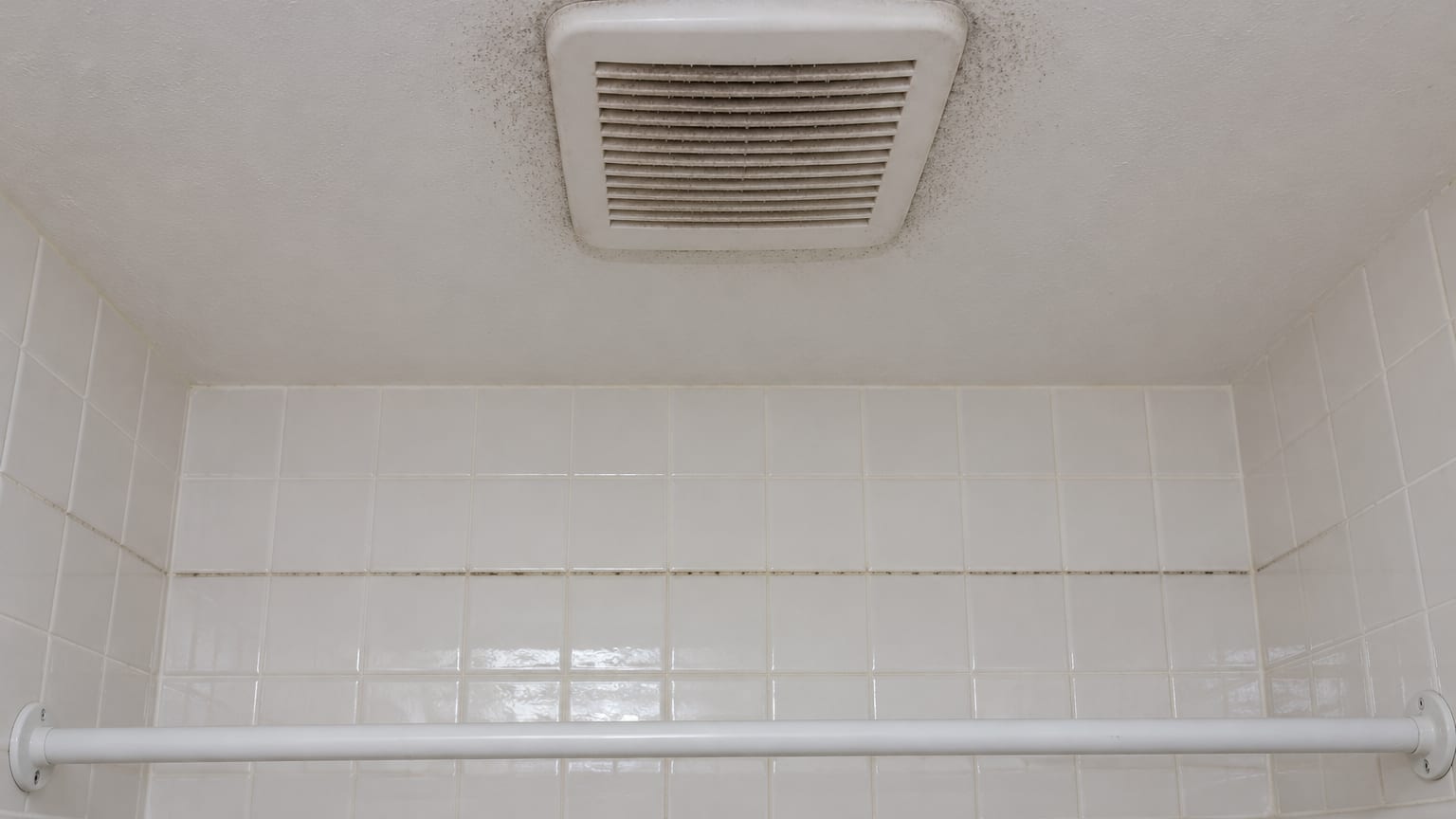
You scrubbed the grout on a Saturday, and by the end of the month the dark line is back. When bathroom mold keeps coming back, the cause is usually moisture that is still there, and the spot you can see is only where it shows.
The next step is a short check you can do today. Does the exhaust fan move air outdoors and keep running after the shower? Is any caulk or grout cracked? Is anything damp under the sink, behind the toilet or along the tub? Photograph what you see before you touch it.
Those answers tell you whether you are dealing with steam that has nowhere to go, a slow leak, or growth inside a wall or ceiling. The sections below take them in that order, and they end with the signs that mean it is time to call a professional.
Key Takeaways
Moisture comes first
Mold needs water to grow, so a bathroom that keeps growing it still has a wet surface, a slow leak or humid air that is not leaving the room.
The fan decides a lot
HVI recommends at least 1 CFM per square foot for bathrooms up to 100 square feet, a minimum of 50 CFM, and at least 20 minutes of run time after each use.
Porous material needs a different plan
Drywall, ceiling tile and insulation that stayed wet are usually replaced rather than scrubbed, and that is the point where a professional assessment makes sense.
A dated record protects you
Photographs, repair invoices and moisture readings help with a landlord, a property manager or an insurer.
Find Out Why Bathroom Mold Keeps Returning Before You Clean Again
The New Jersey Department of Health states that mold spores need water to grow, and that steam in a bathroom can be controlled with an exhaust fan and by wiping down the shower walls. The EPA lists showers, leaks and condensation among the sources of indoor moisture. If the cause is not obvious, the department says the building should be inspected to identify the excess water before any remediation happens.
That is why cleaning alone gives you a few good weeks. The surface looks fresh, but the grout line, the corner or the ceiling patch is still getting wet or staying wet, so the same spot grows again.
Humidity is one number you can measure yourself. The EPA recommends keeping indoor relative humidity below 60 percent, and ideally between 30 and 50 percent. A hygrometer reads it, so check it right after a shower and again later in the day.
Start with these steps in the next hour:
- Photograph the mold, any staining, peeling paint, swollen trim, cracked caulk and gaps in the grout.
- Check whether the fan pulls air, runs during the shower and leaves the mirror dry soon after.
- Look under the sink and around the toilet base for active dampness.
- If water is running or dripping, shut off the local supply and call a plumber or an emergency water restoration provider.
- Hold off on painting or recaulking until the area is cleaned, dried and the cause is fixed.
People with asthma, COPD, a weakened immune system or significant allergies, along with infants and older adults, should stay out of the cleanup when you can arrange it.
Tell Condensation, a Leak and Hidden Growth Apart
Three causes account for most recurring bathroom mold, and each leaves different clues. Condensation shows on cold surfaces such as mirrors, ceilings, grout and exterior corners. A leak tends to show in one place, again and again. Growth inside a wall or ceiling often shows as damaged material before it shows as mold.
Condensation is the likely cause when growth appears across several cold surfaces and the room stays foggy long after the shower. The EPA explains that humid air touching a cold surface creates condensation, and that water feeds growth. Better ventilation and wiping the walls usually address this one.
A leak is more likely when mold returns along the same grout line, wall edge, toilet base, vanity or tub surround after cleaning, even with the fan running. Cracked or separated caulk and grout can let water reach the backing material and framing. A toilet seal, supply line, drain, tub connection or vanity plumbing can also leak slowly, and the water may stay hidden until trim swells, flooring buckles or a cabinet stains.
A ceiling mark can point to a plumbing leak from a room above, a roof problem or condensation inside the ceiling assembly. A stain on a ceiling below a bathroom is one more reason to check the plumbing above it.
Hover or tap a row to highlight it.
| Cause | Where it shows | The clue |
|---|---|---|
| Condensation | Cold surfaces such as mirrors, ceilings, grout and exterior corners | Growth on several cold surfaces, and the room stays foggy long after the shower |
| A leak | One place, again and again | Mold returns along the same grout line, wall edge, toilet base, vanity or tub surround after cleaning, even with the fan running |
| Growth inside a wall or ceiling | Damaged material before it shows as mold | Soft, swollen, crumbly or spongy drywall, recurring water stains and a musty odor with no visible source |
Growth that has moved inside leaves signs you can check by touch and by eye:
- Drywall or ceiling material that feels soft, swollen, crumbly or spongy.
- Brown, yellow or recurring water stains.
- Peeling paint, bubbling drywall paper, loose wallpaper or separating trim.
- Loose, cracked or hollow-sounding tiles.
- A musty odor with no visible source.
What is worse, mildew or mold?
Appearance does not tell you the type or the health risk, and the CDC says the practical response is the same either way: remove the visible growth safely and correct the moisture problem. If anyone in the home has symptoms, a physician is the right person to ask about them.
Know What a Professional Bathroom Assessment and Remediation Includes
A professional assessment starts with the cause, because the cause decides the rest of the work. It covers the fan and duct, the caulk and grout, the plumbing connections and the ceiling above, with moisture readings where hidden wet material is suspected. Readings show whether a wall or floor is wet behind a surface that looks dry.
From there the work is written down as a scope. A good scope names containment, which is the barrier and controlled airflow that keep dust and spores in the work area, along with removal, drying, disposal, repairs and verification. It says which materials can be cleaned and which come out, and why.
Materials that come out have to be rebuilt, whether that is drywall, tile backer, trim or flooring, so remediation and rebuild belong in one plan. We cover that rebuild work under our build-back services.
Ask for the plan in writing. The New Jersey Department of Health states that the state has no certification program for companies doing mold or general indoor-air work. That makes the contractor's insurance information, experience, written scope, containment plan, drying plan and final documentation the things to compare.
Our bathroom mold remediation page describes this work for bathrooms, and the broader mold remediation page covers the overall process. If you need the moisture source located before anything is opened, a mold inspection is the first visit.
See What Drives the Cost Before You Ask for an Estimate
A bathroom job has no fixed price, because the work depends on what the walls and floor are holding. Five things move the number most.
- How far the water went: A damp grout line is a smaller job than a wet wall cavity or a stained subfloor.
- Which materials are involved: Hard, nonporous surfaces can be cleaned, while drywall, ceiling tile and insulation that stayed wet often cannot.
- The repair behind the mold: A leaking toilet seal, supply line or tub connection has to be fixed, and that plumbing repair is separate from the mold work.
- Rebuild work: Removed drywall, tile backer, trim and flooring have to be replaced after drying.
- Documentation: A written scope, moisture readings and final drying records are what a landlord or insurer will ask to see.
Request a written estimate after the cause and the affected materials are assessed, because an estimate given before anyone has looked behind the finish is a guess about what the wall holds. If a covered water event may be involved, tell your insurer promptly before you discard damaged material. The section on New Jersey rules covers that.
What Moves the Cost of a Bathroom Job
How far the water went
A damp grout line is a smaller job than a wet wall cavity or a stained subfloor.
Which materials are involved
Hard, nonporous surfaces can be cleaned, while drywall, ceiling tile and insulation that stayed wet often cannot.
The repair behind the mold
A leaking toilet seal, supply line or tub connection has to be fixed, and that plumbing repair is separate from the mold work.
Rebuild work
Removed drywall, tile backer, trim and flooring have to be replaced after drying.
Documentation
A written scope, moisture readings and final drying records are what a landlord or insurer will ask to see.
Clean What Is Safe to Clean and Remove What Is Not
Small surface growth on a hard, nonporous surface such as glazed tile, a tub or a shower pan is something a healthy adult can clean. The EPA says to clean hard surfaces with detergent and water, remove the visible growth and dry the surface completely. The CDC recommends gloves, eye protection and at least a NIOSH-approved N95 respirator, with fresh air from an open door or window when conditions allow.
Cleaning Small Growth on a Hard Surface
- 1
Protect yourself
Wear gloves, eye protection and at least a NIOSH-approved N95 respirator.
- 2
Get fresh air
Open a door or window when conditions allow.
- 3
Clean
Use detergent and water on the hard surface.
- 4
Remove the growth
Take off the visible growth, because killing it is not enough.
- 5
Dry completely
Dry the surface fully, and do not paint or caulk over it.
Porous material is different. The EPA identifies drywall, insulation, ceiling tile and carpet as porous, because mold can grow into their spaces and make a full cleaning difficult or impossible. Its worker guide says porous material that has been wet for more than 48 hours is generally best removed and replaced.
What kills mold effectively?
Removal and moisture control do the work. The EPA says killing mold is not enough, because dead mold can still cause allergic reactions, so the growth has to come off the surface and the surface has to dry. The agency's drying target for wet materials is 24 to 48 hours.
The same EPA page says bleach or another biocide is not recommended as a routine cleanup step. Detergent and water, followed by thorough drying, is the method it supports for hard surfaces.
What should you never clean mold with?
Never mix bleach with ammonia or any other cleanser. The CDC warns that those mixtures can create dangerous vapors. Where bleach is used at all, CDC guidance sets a limit of no more than 1 cup per gallon of water, with ventilation and protective equipment, and its bleach guidance repeats the no-mixing warning.
Do not paint or caulk over mold or wet material. Sealing it in does not remove it, and it hides the water that is feeding it. If cleaning opens a hidden cavity, raises a lot of dust or turns into demolition, stop and call a professional.
Protect Yourself With New Jersey Rules, Rental Rights and a Dated Record
The New Jersey Department of Health states that local building-code offices generally address structural problems such as leaks and plumbing faults rather than mold contamination itself. So the leak behind the mold is often the part a code office can speak to.
If you rent, tell your landlord or property manager in writing. Include the photographs, the dates, the locations and the fact that the growth returned after cleaning. The state's Landlord-Tenant Process Guide says mold and leaks can qualify as serious health and safety conditions in a habitability defense when the landlord knew about the defect and failed to repair it. The tenant has to give notice, allow access for repairs and meet the court's escrow requirements. Talk to an attorney before you withhold any rent.
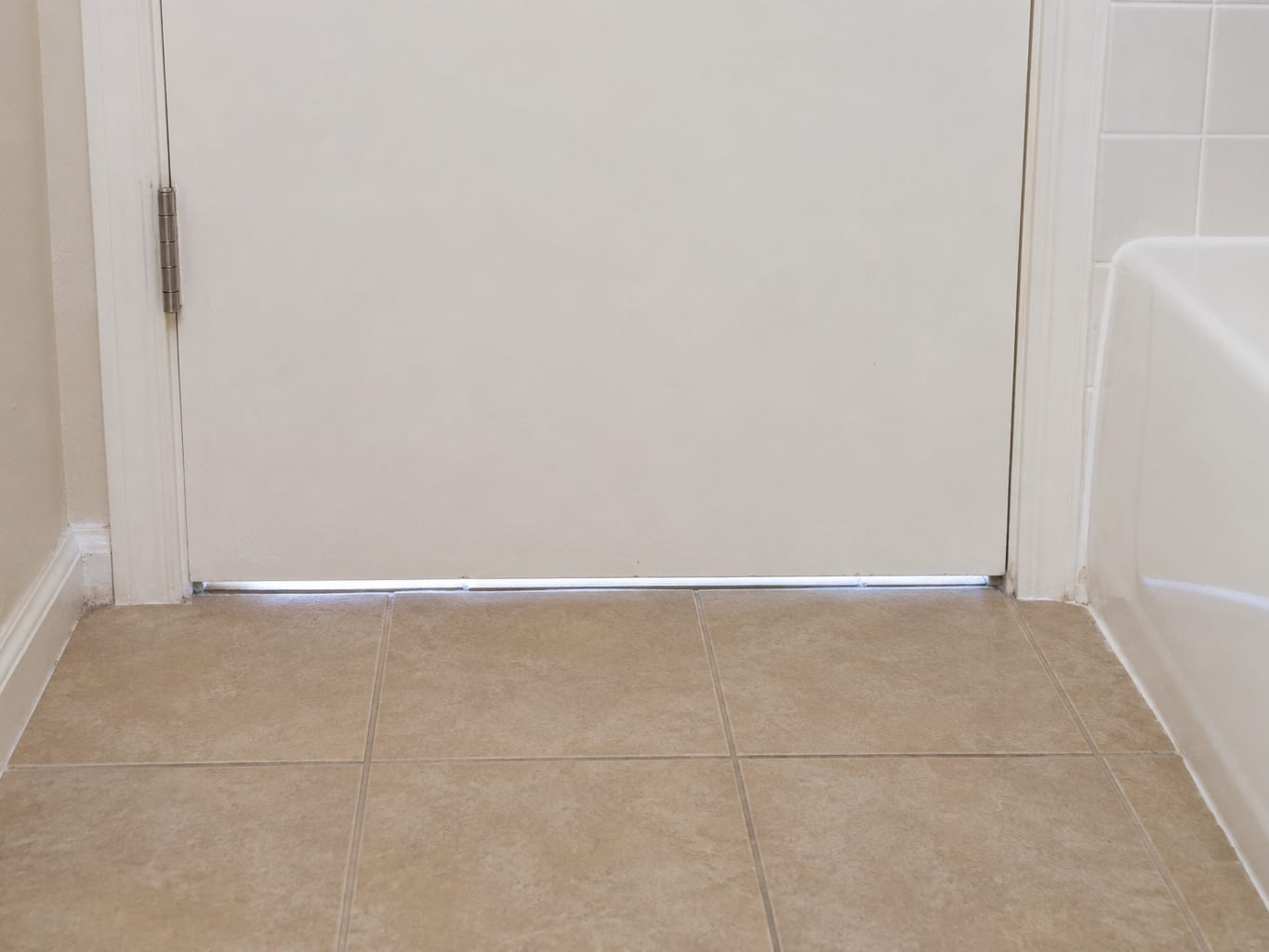
In multiple dwellings, N.J.A.C. 5:10-16.3 requires a bathroom with one toilet to have mechanical exhaust of at least 50 CFM where required natural ventilation is not provided, plus an air path into the room such as a door undercut or grille. Ask your property manager how that rule applies to your building.
For homeowners, coverage depends on the policy and the cause of the loss. New Jersey's insurance department says homeowner policies exclude flood damage, and the insurer decides coverage for other causes. Its storm-claims guidance says to report a loss promptly, photograph damage before disposal, keep damaged property when possible and save receipts. You are not required to use the insurer's recommended contractor.
Keep one folder for a landlord, an insurer or a contractor:
- Dated photographs and video of every affected area.
- A timeline of when the growth appeared, was cleaned and returned.
- Moisture readings and inspection findings.
- Plumbing, fan, caulk, grout and repair invoices.
- Notices and replies from the landlord or insurer, plus any written scope of work.
Keep the Bathroom Dry After the Mold Is Gone
Once the moisture source is fixed and the surfaces are dry, ventilation keeps the room that way. HVI publishes fan guidance, and its ventilation guide adds the run-time and air-path details.
Hover or tap a row to highlight it.
| Item | What HVI recommends |
|---|---|
| Bathroom up to 100 square feet | 1 CFM per square foot, with a minimum of 50 CFM |
| Larger bathroom | 50 CFM each for a toilet, shower or standard bathtub |
| Jetted tub | 100 CFM |
| Run time | At least 20 minutes after each use, with a timer or control |
| Door undercut for makeup air | At least 3/4 inch |
| Continuous alternative | At least 20 CFM instead of a 50 CFM intermittent fan |
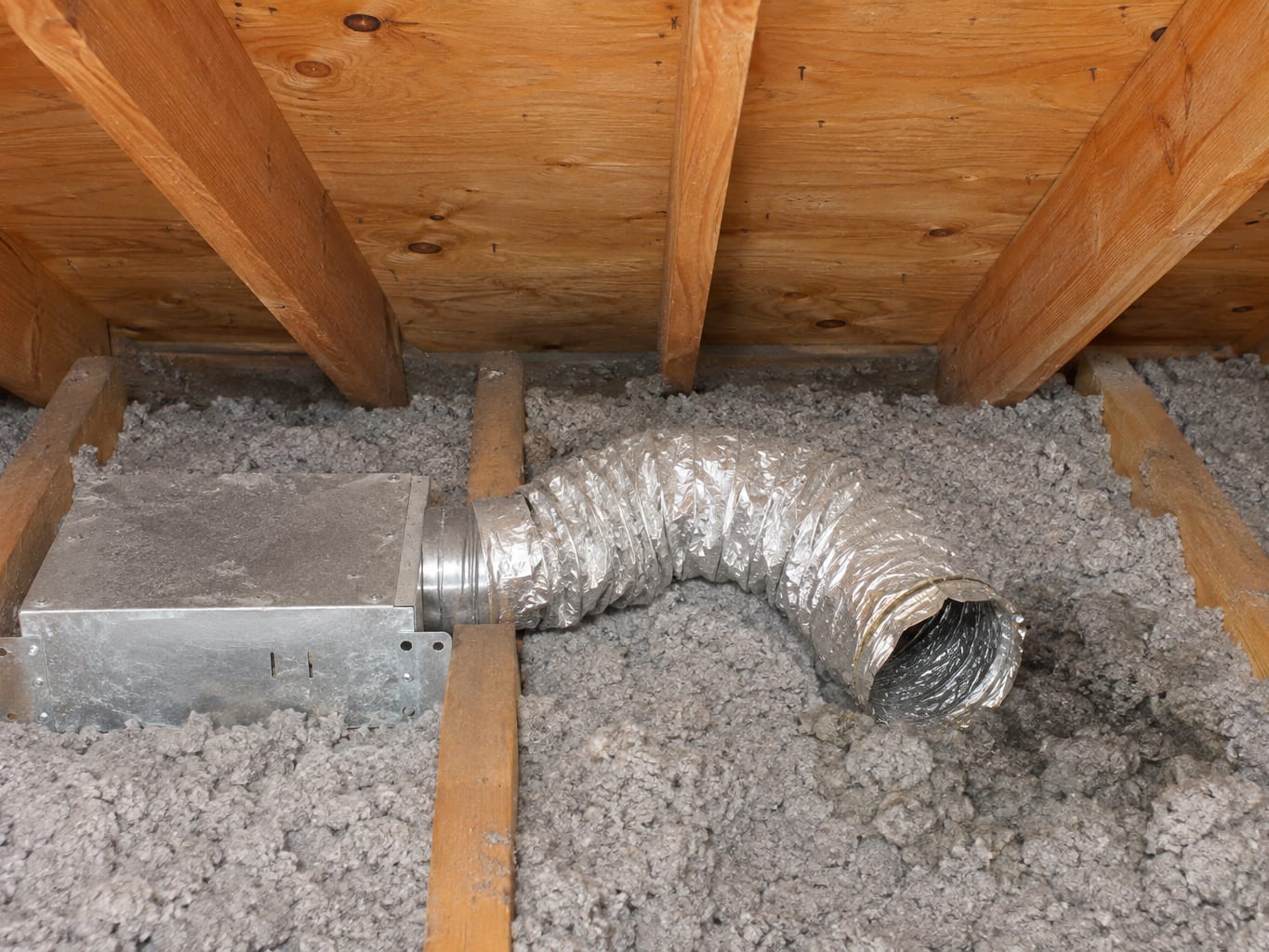
A fan's label rating alone does not establish how well it moves air. Duct length, bends, a disconnected duct or a blocked termination can all cut the airflow, and the fan should discharge outdoors rather than into an attic or another concealed space. Confirm fan capacity and duct routing with a qualified HVAC or electrical professional before you replace anything.
Wipe the shower walls after use, keep the door undercut clear and keep the humidity between 30 and 50 percent.
Can mold grow back after remediation?
Yes, if the moisture source remains. The EPA calls moisture control the key strategy for preventing and reducing mold growth. Growth that returns after professional work points to unresolved moisture, condensation, poor ventilation, a failed seal or contamination left in a porous or concealed material. Contact whoever did the work and ask for a reassessment before anyone cleans over it.
Frequently Asked Questions About Bathroom Mold That Keeps Coming Back
Why does mold return after I clean it?
The moisture that fed it is still there. Humid air that is not leaving the room, cracked caulk or grout, a slow plumbing leak or a wet material behind the surface can all keep growth coming back. Fix that cause first, then clean and dry the surface.
Is the bathroom fan too small, or venting into the attic?
Both are possible. Compare the CFM rating on the fan housing with the HVI guidance above, then follow the duct to where it ends. It should terminate outdoors, because a fan that discharges into an attic puts the same wet air into a concealed space.
How long should the fan run after a shower?
HVI recommends at least 20 minutes after each use. A timer or an automatic control handles that if your switch is manual.
Is the dark area on grout just surface growth, or is the wall wet behind it?
A soft wall, loose or hollow-sounding tile, repeated growth along the same line after cleaning and ventilating, or a stain on the other side of the wall all suggest water behind the surface. A moisture reading settles it.
Should I replace the caulk, the grout, the drywall or the ceiling tile?
Caulk and grout can be replaced after the area is cleaned and completely dry. Drywall, ceiling tile and insulation that stayed wet are usually replaced, because mold can grow into them.
Bathroom Mold, Quick Check
1. How long should a bathroom fan run after each use, according to HVI?
2. What airflow does HVI recommend for a bathroom up to 100 square feet?
3. Where should a bathroom fan discharge?
4. What must you never mix with bleach?
5. What is usually done with drywall, ceiling tile and insulation that stayed wet?
Pick an answer to begin.
The Bottom Line
Bathroom mold that keeps coming back is telling you where water is staying. Check the fan, the caulk and grout, the plumbing around the toilet, tub and vanity, and the ceiling above. Clean small hard-surface growth with detergent and water, dry it fully and replace material that stayed wet.
A dry bathroom with a fan that runs long enough, and a dated record of what you saw and repaired, protects the room, your household and your position with a landlord or insurer.
When growth is on drywall or ceiling material, keeps returning behind tile or inside a wall, spreads beyond a small patch or comes with a musty smell and no visible cause, we can help. Contact ExecPro Restoration & Cleaning in New Jersey at (888) 300-3772 or through our contact page, and our team will look at the moisture source first and coordinate any mold remediation and rebuild from there.
Bathroom Mold Terms
Tap a term to see what it means.
CFM. The airflow rating used for bathroom fans, such as 1 CFM per square foot with a minimum of 50 CFM for a bathroom up to 100 square feet.
Related Articles
Can a House With Mold Be Saved? What Decides the Scope
Whether a New Jersey house with mold can be saved comes down to the moisture source, the structure and the materials. See the steps, limits and next calls.
Mold in a NJ Rental: What a Tenant Does First and Who to Call
A tenant with mold in a NJ rental should notify the landlord in writing and document it. Learn which local office to call and when to get legal advice first.
Selling a House With Mold in NJ: Disclosure and Repairs
Selling a house with mold in New Jersey? Learn what the seller disclosure covers, your repair options, inspection deadlines and the records buyers ask for.