What Kills Mold on Hard Surfaces and Which Cleaners to Avoid
Cal HewittPublished
- mold remediation
- moisture control
- documentation
- new jersey
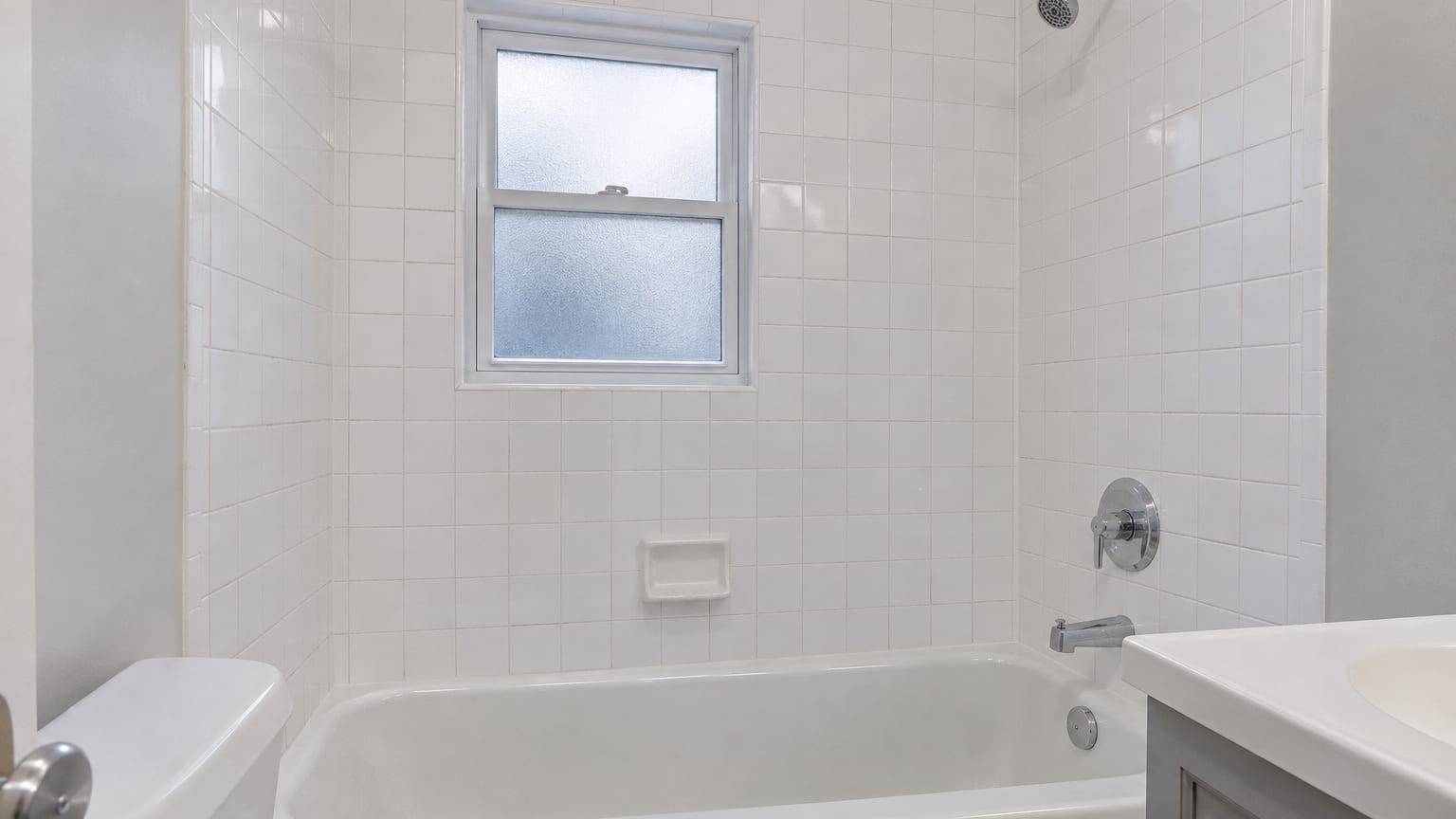
You have spotted a patch of mold, and you are deciding whether to clean it tonight. What kills mold on that spot depends on what the spot is made of, because a tile wall and a drywall ceiling call for different decisions.
The agencies give a plain starting point. On hard, nonporous surfaces, water and detergent followed by complete drying is the standard cleanup, and a patch smaller than about 10 square feet can usually be handled at home.
Bleach and other cleaners get most of the attention, and some combinations give off dangerous fumes. Below you will find what to use on which surface, what to keep apart, what to wear, and the size and depth at which a patch stops being a home project.
Key Takeaways
Moisture comes first
EPA calls moisture control the key to mold control, so the water source has to be fixed along with the cleanup.
Hard surfaces
Water and detergent, followed by complete drying, is EPA's standard approach for hard, nonporous surfaces.
Bleach has a ceiling
When bleach is used for mold cleanup, CDC's mold-cleanup guidance says to use no more than 1 cup in 1 gallon of water.
Never combine cleaners
CDC says bleach must never be mixed with ammonia or any other cleanser.
Size and depth decide
About 10 square feet is the line EPA uses, and growth that is hidden, deep in porous material or tied to large water damage calls for a professional.
Fix the Water First So the Patch Does Not Return
Mold needs moisture to grow. The New Jersey Department of Health says mold can grow on almost any material when oxygen, nutrients and moisture are available, and that it can digest and destroy the building materials where it grows. EPA calls moisture control the key to mold control and says cleanup has to be paired with fixing the water or moisture source. EPA also says water-damaged materials should ideally be dried within 24 to 48 hours to help prevent growth.
So, before you clean anything, look for where the water comes from. Common routes are a leaking pipe or fixture, a roof or window leak, seepage through a foundation wall, condensation on a cold surface, and humidity that never leaves a bathroom. NJDOH recommends identifying and correcting the source of excess water before remediation, and it calls visual inspection the most important step for understanding how far the growth extends.
What kills mold effectively?
For hard, nonporous surfaces, EPA recommends cleaning with water and detergent and drying the surface quickly and completely. Porous materials with growth deep inside them may need to be removed and replaced. In both cases, EPA says mold is likely to return if the water problem remains.
In the first hour, these steps protect your health and your options:
- Stop the moisture source if you can do it safely.
- Keep children and anyone with asthma, COPD, serious allergies or a weakened immune system away from the area.
- Leave the growth alone; do not disturb it or dry-brush it.
- Keep the heating and cooling system off if you suspect it is contaminated, because it could spread mold through the building.
- Photograph the condition before you discard anything, in case an insurance claim is involved.
Clean Hard Surfaces With Detergent and Water, and Know What Cleaning Cannot Reach
On hard, nonporous surfaces, EPA's approach is water and detergent, then complete drying. EPA's remediation guide names metal, glass and hard plastics as materials that can generally be dried, fully cleaned and reused. EPA's worker guide adds that structurally sound semi-porous materials such as wood and concrete can be cleaned with detergent and, when necessary, disinfected with bleach. CDC says bleach or dish detergent can be used depending on the water damage and where the mold is, and it advises ventilating when you use cleaning products.
EPA and CDC cleanup guidance does not treat vinegar, hydrogen peroxide, essential oils or other household products as universally effective mold remedies. If a product label makes a claim, that label is where the claim has to be supported. Detergent, water and complete drying remain the steps the agencies describe for a hard surface.
Porous materials are a different case. EPA says drywall, carpet and carpet backing, insulation, ceiling tile and other absorbent materials can be difficult or impossible to clean completely, because mold gets into their spaces, cavities and crevices. A spray on the face of a drywall panel does not reach what is inside it. EPA's worker guide says porous materials that have been wet for more than 48 hours should generally be removed and replaced, and its remediation guide says porous materials that are wet and visibly moldy may have to be discarded.
Hover or tap a row to highlight it.
| Material type | Examples | What the agencies describe |
|---|---|---|
| Hard, nonporous | Metal, glass and hard plastics | Clean with water and detergent, dry completely; these can generally be dried, fully cleaned and reused |
| Semi-porous and structurally sound | Wood and concrete | Clean with detergent and, when necessary, disinfect with bleach, per EPA's worker guide |
| Porous | Drywall, carpet and carpet backing, insulation, ceiling tile | Difficult or impossible to clean completely; wet for more than 48 hours generally means removal and replacement |
Removal is not automatic for every porous item. The decision depends on how far the growth has spread, how deep it goes, whether the material can be dried and cleaned fully, the condition of the material, and whether sewage or contaminated water was involved. Material that cannot be saved should be sealed in plastic bags before it is carried out, which EPA says reduces the spread of spores.
What kills mold instantly in walls?
No instant treatment is supported for mold inside a wall. EPA says mold can penetrate porous materials such as drywall and may be difficult or impossible to remove completely, so the response is to correct the moisture source, assess how far the growth extends and remove material that cannot be saved. Growth hidden inside a wall or another building cavity calls for a professional assessment.
What kills 100% of mold?
No product or process should be counted on to kill or remove all indoor mold. EPA says mold spores cannot be completely eliminated from indoor air and house dust, and the spores that remain will not grow when moisture is controlled. EPA also says dead mold can still cause allergic reactions, which is why the goal is to clean or remove the contamination and correct the moisture problem.
Use Bleach Within Its Limits and Keep It Away From Every Other Cleaner
Bleach is the cleaner most people reach for, so it helps to know what the agencies say about it. EPA does not recommend chlorine bleach or other biocides as routine mold-cleanup practice, and says professional judgment may support their use in particular circumstances, including where immune-compromised people are present. EPA describes the purpose of remediation as removing contamination and preventing exposure and material damage, not only killing organisms. CDC's mold-cleanup guidance says that when bleach is used, no more than 1 cup should go into 1 gallon of water.
Should you use bleach on mold?
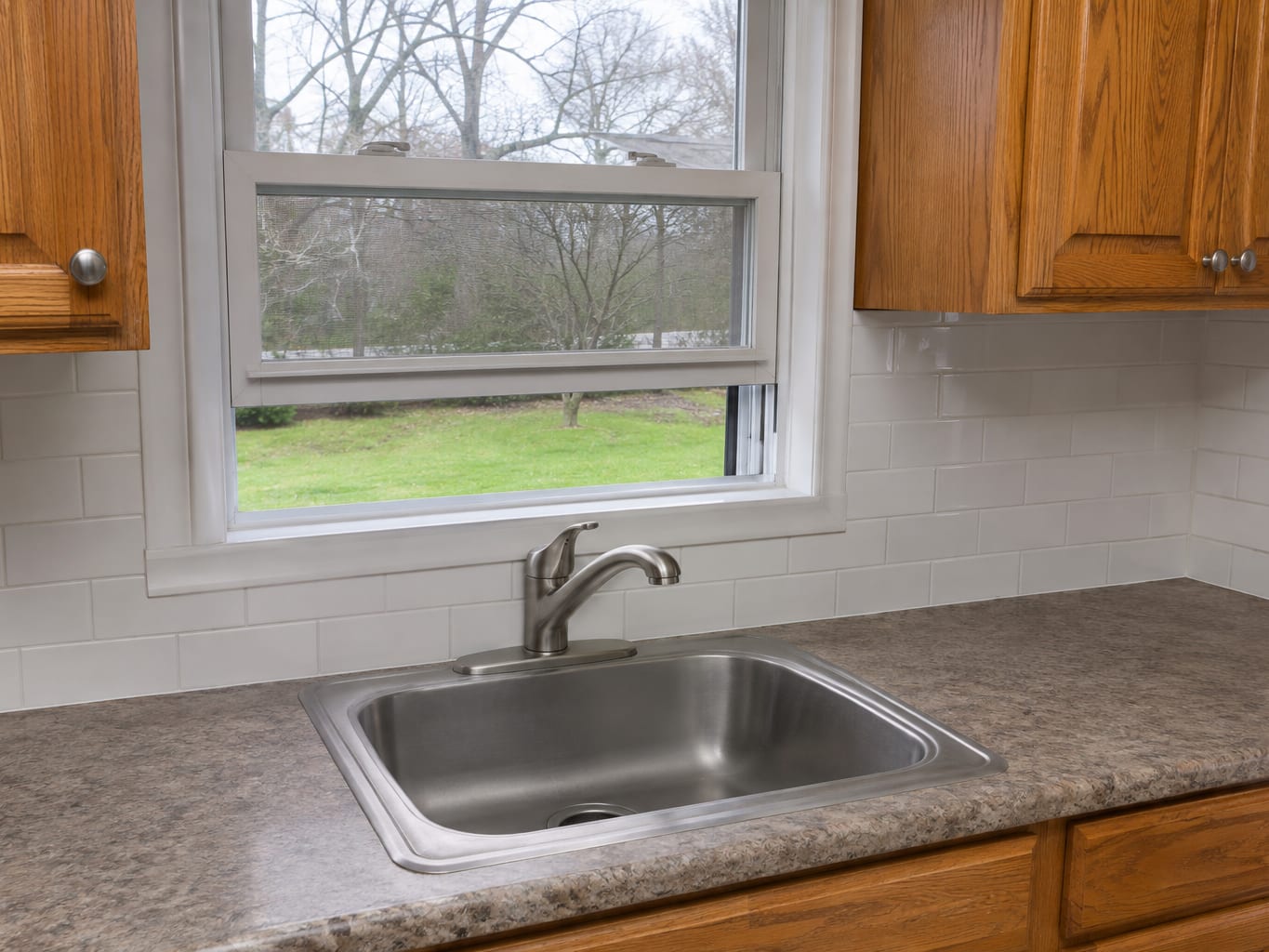
On a hard surface, detergent and water is the step EPA describes. If you decide to use bleach, the 1 cup in 1 gallon figure is CDC's maximum for mold cleanup, so it works as an upper limit and not as a recipe for every surface. CDC's bleach guidance says to clean visibly dirty surfaces with soap or detergent before disinfecting, to follow the product label, and to use regular unscented household bleach that contains 5 to 9 percent sodium hypochlorite. EPA's worker guide advises against using bleach on metal.
What should you never clean mold with?
Never mix bleach with ammonia or any other cleanser. CDC states this rule directly, and its bleach guidance broadens it to any disinfectant, because dangerous vapors may be released. EPA specifically warns against mixing chlorine bleach with cleaning solutions or detergents that contain ammonia, because toxic fumes can result. CDC's healthcare cleaning guidance adds that chlorine-releasing agents can release toxic chlorine when mixed with acids or ammonia.
In practice, that means one product at a time, with the room ventilated. Paint and caulk are not cleaners either. EPA says mold has to be cleaned and the surface dried before anything is painted or caulked over it.
Know When a Small Patch Is Still a Job for a Professional
EPA says a moldy area smaller than about 10 square feet, roughly a 3 by 3 foot patch, can usually be handled by a homeowner, subject to the material, the water source and anyone's health. Measure the patch with a tape before you start and decide which side of that line you are on. EPA says professional consultation is appropriate when:
- Mold growth covers more than about 10 square feet.
- A large amount of water damage is involved.
- Sewage or contaminated water caused the damage.
- The heating and cooling system may be contaminated, or the mold is near an air intake.
- Mold is hidden inside walls or other building cavities.
The same advice applies when the affected material is porous and cannot be cleaned completely, when a resident has health concerns, when cleanup would involve extensive demolition, dust or prolonged exposure, and when the material is valuable, structurally important or hard to restore.
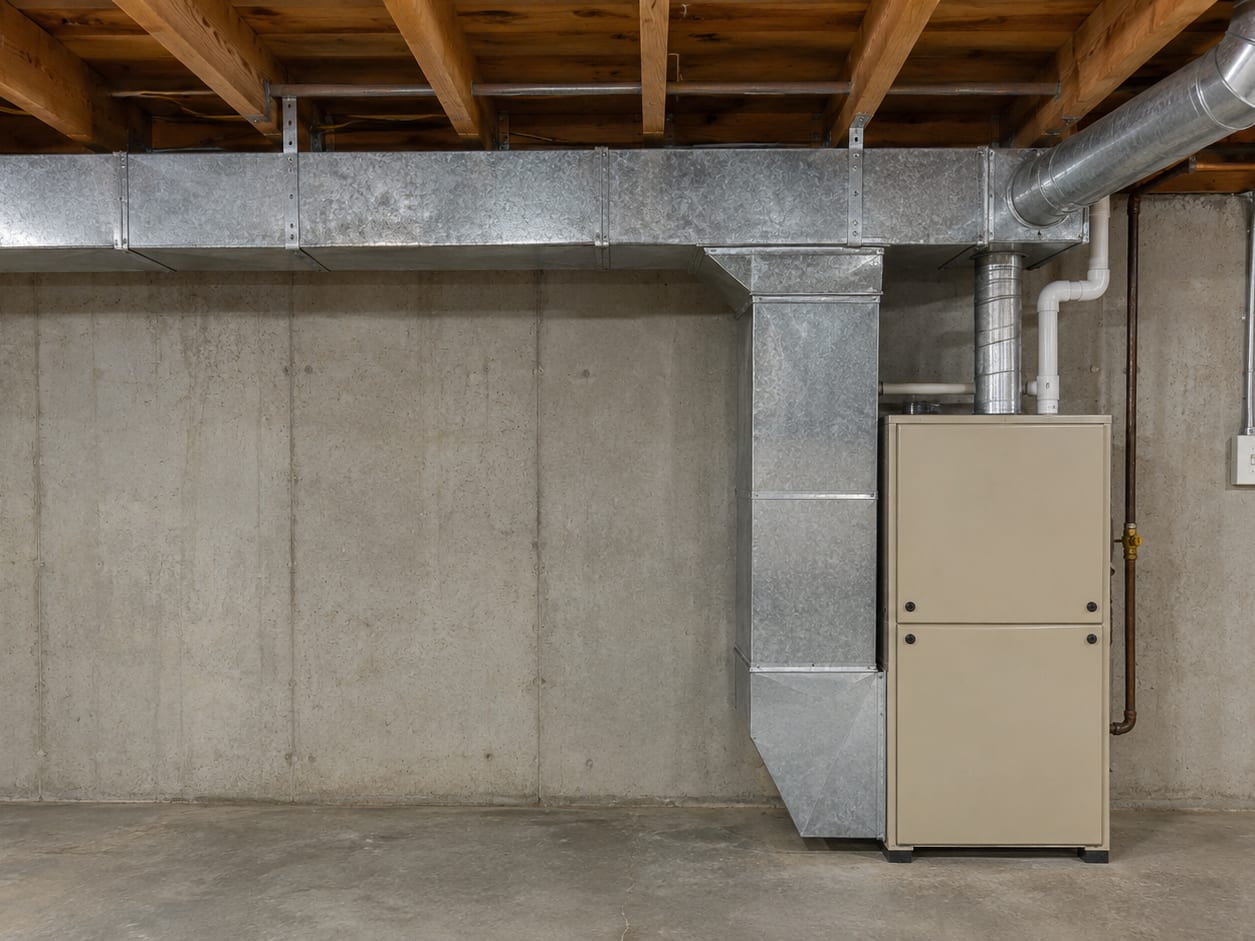
EPA's worker guidance sorts jobs into approximate size categories: less than 10 square feet, 10 to 30, 30 to 100, and more than 100. Larger areas call for progressively stronger controls, including isolating the work area, sealed ventilation, HEPA-filtered exhaust (a filter that traps very fine particles), airlocks, or negative-pressure containment when appropriate. A mold course chapter from EPA lays out the same tiers.
What kills mold spores in the air?
EPA says indoor mold spores cannot be completely eliminated. HEPA filtration can remove some airborne particles, but EPA says portable air cleaners and HVAC filters do not solve a mold problem, because they do not correct the moisture source or remove the contamination. If you suspect the HVAC system is contaminated, leave it off until it has been assessed.
Protect Your Lungs, Eyes and Skin During a Small Cleanup
For a small area, EPA recommends minimum protective gear of a NIOSH-approved N95 respirator, gloves, and properly fitted goggles that keep dust and small particles out. CDC recommends at least a NIOSH-approved N95 respirator, non-latex vinyl, nitrile or rubber gloves, and sealed goggles. Open-vent safety glasses do not give the same protection against dust and small particles.
Protective Gear for a Small Cleanup
N95 respirator
Both EPA and CDC name a NIOSH-approved N95 respirator as the minimum for a small area.
Gloves
CDC accepts non-latex vinyl, nitrile or rubber gloves, and EPA recommends longer gloves that reach toward the middle of the forearm.
Sealed goggles
Properly fitted, sealed goggles keep dust and small particles out, and open-vent safety glasses do not give the same protection.
Gloves for bleach
With bleach or another strong cleaning solution, EPA lists natural rubber, neoprene, nitrile, polyurethane and PVC as suitable materials.
Who stays away
CDC says people with asthma, COPD or compromised immunity should not be in a moldy home or present during its cleanup.
When it is past a home job
Extensive contamination, heavy growth, a lot of dust or prolonged work calls for EPA's more protective recommendations.
EPA recommends longer gloves that reach toward the middle of the forearm. If you are using bleach or another strong cleaning solution, EPA lists natural rubber, neoprene, nitrile, polyurethane and PVC as suitable glove materials. For extensive contamination, heavy growth, a lot of dust or prolonged work, EPA's more protective respiratory and clothing recommendations apply, and that is a signal the job has moved past a home cleanup.
CDC says people with asthma, COPD or compromised immunity should not be present in a moldy home or during its cleanup. If you believe mold is affecting your health, CDC advises talking with a healthcare provider.
Protect Your Insurance Options and Your Records Before You Discard Anything
Coverage for mold depends on the policy. The New Jersey Department of Banking and Insurance lists mold as commonly excluded unless it results from a covered loss, and it gives flood-related mold as an example of a loss that ordinary homeowners insurance would not cover. Sudden and accidental water damage appears among the common covered risks, while continuous and repeated seepage appears among the common exclusions. Your deductible, endorsements and the cause of the loss all matter.
So, report a possible covered loss promptly and ask the insurer what it covers and which documents it needs. NJDOBI advises photographing damaged property before you dispose of it when possible, keeping damaged property until the insurer inspects it or authorizes disposal, saving receipts and bills for temporary repairs, writing down your conversations, and providing an itemized damage list with receipts, photographs or other evidence of value.
If a professional does the work, NJDOH's mold guidelines say the inspection report should summarize the scope of the inspection, the mold conditions and the moisture conditions. Keep that report with your photographs and receipts, because it helps show what was affected and what was done about the water.
What a Professional Mold Remediation Scope Should Include
NJDOH says New Jersey has no state certification program for companies that perform mold or general indoor-air services. Its guidance recommends asking about a contractor's experience, the type and amount of liability insurance, the proposed remediation plan and the documentation you will receive. With that in mind, ask any company for a written scope before work starts.
A useful scope names the affected locations, the materials to be removed, how the moisture source will be corrected, the containment that will be used, the cleanup steps and the documentation you will get at the end. NJDOH's guidelines say the mold summary should identify locations, estimated size, materials affected and other possible contaminants, and that a remediation plan should address both moisture correction and mold cleanup.
ExecPro Restoration & Cleaning describes its approach on its mold removal page: moisture correction, containment, HEPA filtration, physical removal of contaminated materials, cleaning of salvageable hard surfaces, disposal of porous materials that cannot be cleaned, documentation, and post-remediation verification when it is needed for insurance, property management, lending or a real estate transaction. When drywall, flooring or other materials come out, the rebuild is a separate step, which our build-back services cover.
Frequently Asked Questions About Cleaning Mold at Home
Can detergent and water clean mold from a hard surface?
Yes, EPA says hard, nonporous surfaces can generally be cleaned with water and detergent and then dried completely. Drying matters as much as the washing, because a damp surface can support growth again.
Does a 3 by 3 foot patch fall under EPA's small-area guidance?
A 3 by 3 foot patch is about 9 square feet, which is just under the roughly 10 square foot line EPA uses. EPA says homeowners can usually handle an area that size, subject to the material, the moisture source and anyone's health.
Can I stay home while cleanup is underway?
CDC says people with asthma, COPD or compromised immunity should not be in a moldy home or present during its cleanup. Ask your healthcare provider what is right for anyone in your household with a lung condition or a weakened immune system.
Should I run the air conditioner or furnace?
Not if you suspect the system is contaminated, or if the mold is near an air intake. EPA says a system that may be contaminated should stay off until it has been assessed, since running it could spread mold through the building.
Will homeowners insurance pay for mold?
It depends on your policy. NJDOBI lists mold as commonly excluded unless it results from a covered loss, so report the damage promptly and ask your insurer what is covered.
Test Your Mold Cleanup Knowledge
1. What is EPA's standard approach for mold on a hard, nonporous surface?
2. About how large a patch can a homeowner usually handle, according to EPA?
3. What does CDC say about mixing bleach with other cleaners?
4. What is the most bleach CDC's mold-cleanup guidance says to use?
5. Which situation calls for a professional?
Pick an answer to begin.
Moving Forward
Start with the water, because mold returns where moisture stays. Clean hard surfaces with detergent and water and dry them completely, keep bleach away from every other cleaner, wear an N95 respirator, gloves and sealed goggles, and treat anything over about 10 square feet, anything inside a wall and anything on porous material that cannot be cleaned completely as a job for a professional.
Acting on the moisture and the size of the patch early protects the materials in your home and keeps a small problem from becoming a larger one. A written record of photographs, receipts and reports also keeps your insurance and property decisions simpler later.
If your patch is larger than about 10 square feet, sits on drywall, carpet or insulation, or keeps coming back, ExecPro Restoration & Cleaning can walk you through the next step for your New Jersey home. Call us at (888) 300-3772 or reach us through our contact page, and tell us what you see and where it is.
Mold Cleanup Terms
Tap a term to see what it means.
Nonporous surface. A hard surface such as metal, glass or hard plastic that can generally be dried, fully cleaned and reused.
Related Articles
Why Bathroom Mold Keeps Coming Back | ExecPro NJ
Bathroom mold coming back after cleaning? Check the fan, caulk, grout and hidden leaks, learn what is safe to clean and when to call a New Jersey professional.
What to Throw Away After Mold and What You Can Clean and Keep
Sorting belongings after mold in a New Jersey home? See what usually goes, what can be cleaned and kept, and what to document before anything is discarded.
Can a House With Mold Be Saved? What Decides the Scope
Whether a New Jersey house with mold can be saved comes down to the moisture source, the structure and the materials. See the steps, limits and next calls.