Black Mold Removal in Trenton, NJ: Whether to Stay, What to Touch and What It Takes
Cal HewittPublished Updated
- black mold removal
- black mold
- moisture source
- trenton nj
- new jersey
You have just found dark growth on a wall, a ceiling or a box of stored belongings, and everything you have read about black mold has made your stomach drop. It is probably evening, and you want a plain answer to a few plain questions. Can your family stay in the house tonight? What should nobody touch? Can you clean it yourself, and what does black mold removal in Trenton, NJ involve when it is done properly? If you rent, you may also be wondering whether a home with mold counts as unlivable. The answers depend on how big the growth is, where it is, how wet the building has been, and who lives there, and most of them can be worked out before anyone picks up a tool.
Key Takeaways
Keep vulnerable people away first
Children, pets and anyone with asthma, allergies, weakened immunity or chronic lung disease should stay out of the affected area.
Three things to leave alone
Do not disturb a large, hidden or flood-affected area, do not mix bleach with ammonia, and do not paint or caulk over growth.
Size sets the kind of help
EPA groups areas as under 10, 10 to 100, and over 100 square feet, and New Jersey guidance calls for a professional opinion at 10 to 100 and professional help above 100.
The visible patch can understate the job
Older wall assemblies can hide growth past what you can see, so ask for a written inspection report.
Cleanup lasts only if the water is fixed
The moisture source has to be corrected before remediation can be complete.
Keeping People Away From the Growth, and What Not to Touch
Start with the people. Keep children, pets and anyone with asthma, serious allergies, chronic lung disease or a weakened immune system out of the affected area. If the growth is in a room where one of them sleeps, use another room or another place for tonight. The New Jersey Department of Health says the amount of mold needed to cause health problems is not known, and it recommends considering the person who is exposed along with the extent and conditions of the growth. Infants, older adults, and people with allergies, asthma or other lung conditions may need greater caution.
Then, leave the growth alone. There are three things not to do tonight:
- Do not disturb a large, hidden or flood-affected area: Scrubbing, sanding or tearing into it can spread spores into rooms that are clean.
- Do not mix bleach with ammonia or other cleaners: The fumes are a hazard of their own.
- Do not paint or caulk over it: The growth is still there, and the water that fed it is too.
What you can do is stop the water source if you can do it safely, photograph the room, the source and any damaged belongings, and contact your insurer or property manager if a claim or a rental repair is involved. If there is sewage, floodwater, electrical danger, structural instability or trouble breathing, leave the area and use the right emergency or medical resource. CDC says a flooded home should be dried fully and quickly, within 24 to 48 hours where possible.
Whether the family can stay depends on the size of the area, where it is and who is in the home, and no single rule fits every house. A small patch in a room nobody uses is a very different night from a large area near where a child with asthma sleeps. When in doubt, sleep elsewhere for a night and get the growth looked at the next day.
The Size of the Patch Sets the Kind of Help You Need
EPA sorts affected areas into three sizes, and the sizes guide decisions about containment and cleanup:
The EPA remediation guide says these categories are not health-effect thresholds, so a patch under 10 square feet is not automatically harmless and a large one is not automatically dangerous. What they measure is how much containment and protective equipment the work calls for. New Jersey's resident guidance recommends a professional opinion for areas of 10 to 100 square feet and professional help above 100.
Size is only the visible part. Hidden growth, porous materials, contaminated water and sensitive occupants all push a job toward a professional even when the visible patch is small, and EPA's basic material-cleanup table applies to clean-water damage; suspected sewage or other contaminated water calls for stronger containment and protective measures. If the dark growth is on drywall, a ceiling or stored belongings such as books, paper or upholstered items, those materials may need to come out instead of being cleaned. Our mold removal page walks through which materials come out of a room and which stay.
How Far It Goes Past the Patch You Can See
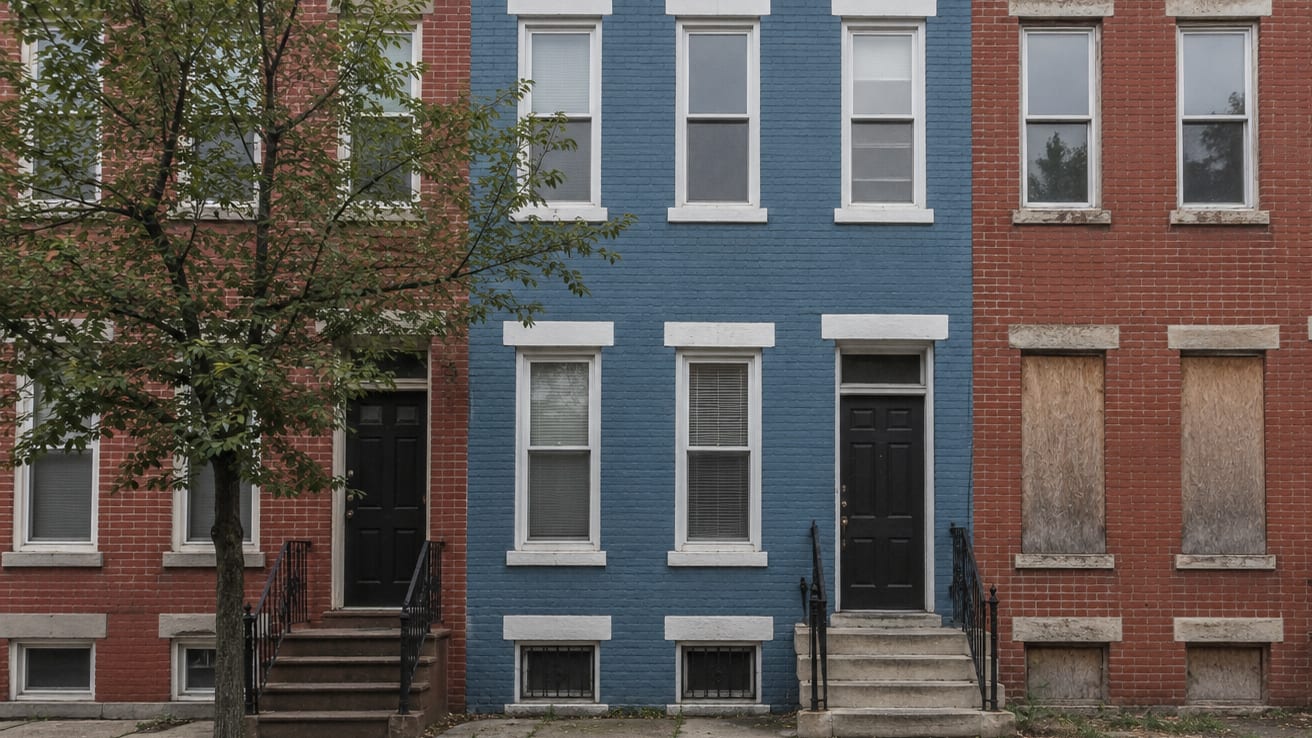
Half of Trenton's buildings are old. The city's Division of Housing Production says 51 percent of the city's structures were built before 1939. Older buildings can have masonry foundations and below-grade basements, plaster and lath walls, wood framing, and older wall assemblies, along with aging roofs, gutters, plumbing, flashing and drainage. Some are attached or closely spaced, and some were once industrial, commercial or mixed-use.
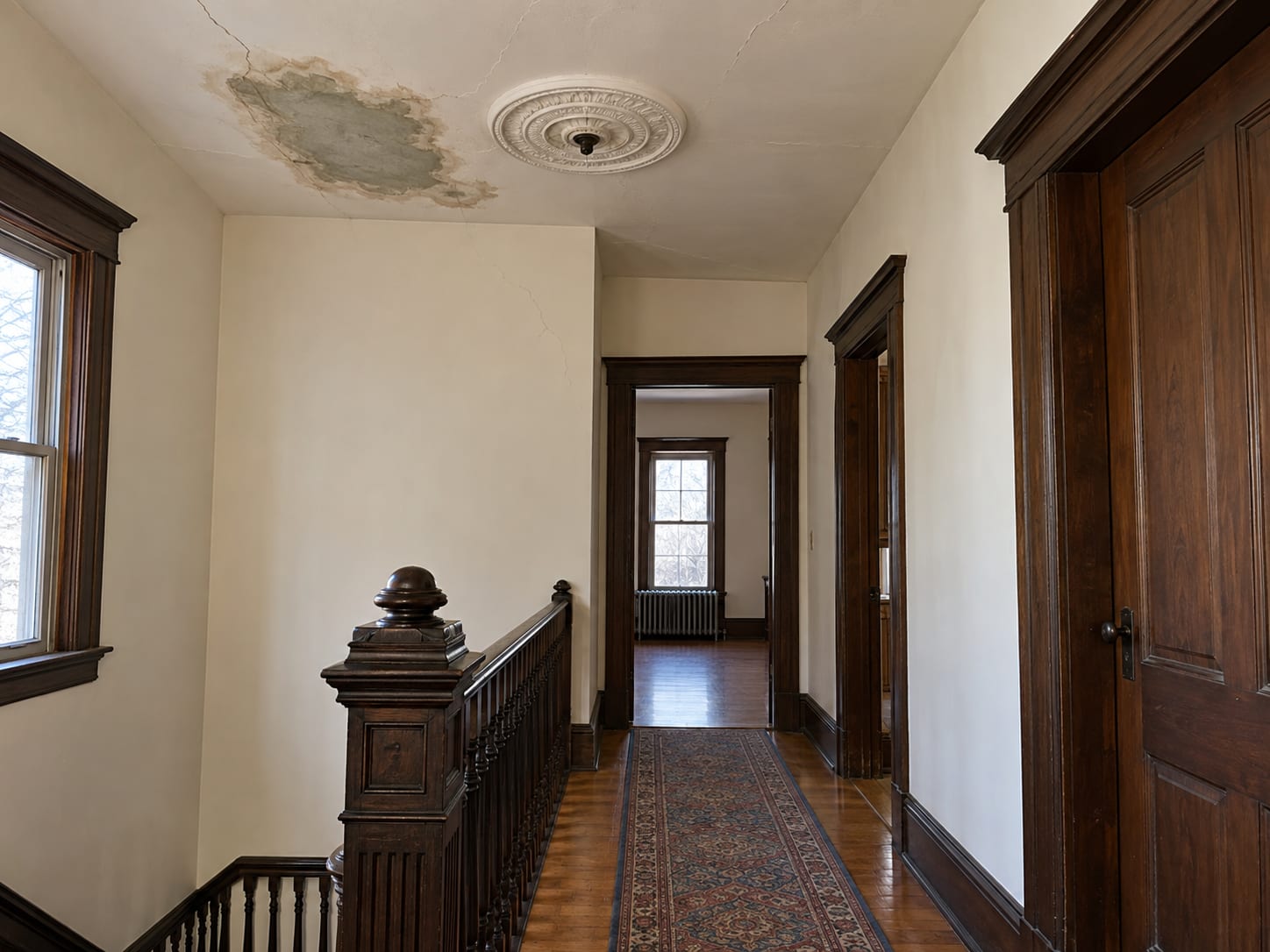
That age is the reason a visible patch can understate the job. Moisture that entered through a failing gutter, a flashing gap or a foundation wall can travel into a wall cavity, behind wallpaper, under paneling, inside cabinets or beneath flooring, and growth can follow it well past what shows on the surface. What decides the work is whether moisture reached porous materials, how far the contamination extends, whether the affected materials are hidden, and whether the building can be isolated during the work.
New Jersey's guidance says the water-intrusion problem should be fixed before mold can be completely remediated, and it recommends a written inspection report that identifies the areas inspected, the mold conditions, the suspected cause and the recommended corrective measures. That report is what turns a guess about a dark patch into a scope. A sound job then follows an order that your written scope should spell out:
- Find and stop the water source: Nothing else holds until this is done.
- Inspect visible and likely hidden areas: Then determine the affected materials and approximate extent.
- Decide on controls: Containment, protective equipment, negative air or controlled demolition, as the job requires.
- Remove or clean by porosity and condition: Porous materials with growth generally come out.
- Dry the structure and correct the moisture pathway: The pathway is the route the water took.
- Rebuild only when it is dry and the source is corrected: Rebuilding earlier closes wet material inside a wall.
- Document the work: Including any inspection or testing that was used.
Order of a Sound Black Mold Removal Job
- 1
Find and stop the water source
Nothing else holds until this is done.
- 2
Inspect visible and likely hidden areas
Then determine the affected materials and approximate extent.
- 3
Decide on controls
Containment, protective equipment, negative air or controlled demolition, as the job requires.
- 4
Remove or clean by porosity and condition
Porous materials with growth generally come out.
- 5
Dry the structure and correct the moisture pathway
The pathway is the route the water took.
- 6
Rebuild only when dry and the source is corrected
Rebuilding earlier closes wet material inside a wall.
- 7
Document the work
Including any inspection or testing that was used.
There is no universal duration for a Trenton job. A small, accessible surface may go quickly once the source is corrected, while a basement, wall cavity, HVAC system, flood-affected area or multi-room property can take longer. Ask the contractor to state the milestones for inspection, drying, removal, rebuilding and final documentation. The Trenton mold remediation page covers how we run the whole job in a building where people are living.
A Written, Room-by-Room Estimate Is the Only Price Worth Trusting
Searching for black mold removal near me will bring back many quotes, and a single average is not a reliable planning number for a Trenton house. The price depends on the scope, so compare written estimates. The main drivers are these:
- Area and levels: Total affected square footage, and the number of rooms and floors.
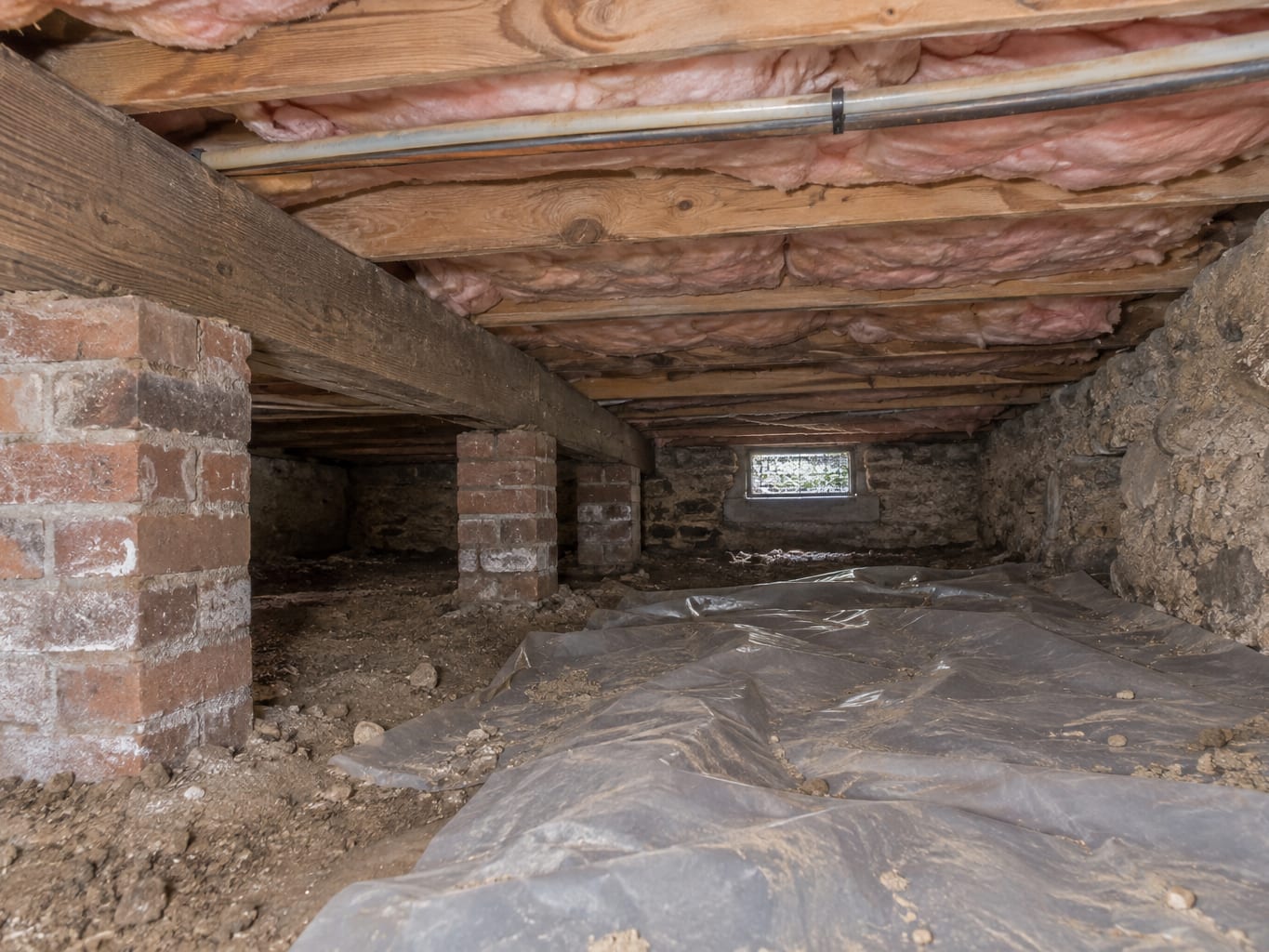
- Access: Basement, crawl space, attic, wall cavity or HVAC areas.
- Materials: Drywall, insulation, carpet, ceiling tile, books and upholstered contents, and whether they can be cleaned or must be replaced.
- Water type: Clean, gray, sewage-contaminated or flood-related water.
- Hidden growth: Behind wallpaper, drywall, paneling, cabinets or flooring.
- Controls: Containment, air filtration, negative air and protective equipment.
- Drying: Time and equipment.
- Source repairs: Plumbing, roofing, drainage, foundation or exterior repairs to stop a repeat.
- Contents and rebuilding: Cleaning, storage, disposal, and rebuilding after removal.
- Independent inspection or testing: When it is appropriate.
Hover or tap a row to highlight it.
| Cost driver | What it covers |
|---|---|
| Area and levels | Total affected square footage, and the number of rooms and floors |
| Access | Basement, crawl space, attic, wall cavity or HVAC areas |
| Materials | Drywall, insulation, carpet, ceiling tile, books and upholstered contents, and whether they can be cleaned or must be replaced |
| Water type | Clean, gray, sewage-contaminated or flood-related water |
| Hidden growth | Behind wallpaper, drywall, paneling, cabinets or flooring |
| Controls | Containment, air filtration, negative air and protective equipment |
| Drying | Time and equipment |
| Source repairs | Plumbing, roofing, drainage, foundation or exterior repairs to stop a repeat |
| Contents and rebuilding | Cleaning, storage, disposal, and rebuilding after removal |
| Independent inspection or testing | When it is appropriate |
New Jersey's guidance recommends getting multiple estimates because bids can differ a great deal. Each one should identify the cause, the affected locations, the estimated area, the materials, containment, removal, cleaning, drying, disposal, rebuilding and documentation. The same guidance recommends a written remediation plan, contractor references, confirmation that the contractor's liability insurance covers mold or microbial work, and a clear statement of who will do any testing. Color does not establish species, toxicity or project size, and CDC says the mold type does not need to be identified before removal, so a fair price is built on moisture, extent, material and access instead. Sampling is usually unnecessary when growth is visible, according to EPA, and there are no federal mold-spore limits for judging a building.
What a Written Estimate Should Name
The cause and the locations
Each estimate should identify the cause of the moisture and where the growth is.
The area and the materials
It should state the estimated area and the materials involved.
The work, stage by stage
Containment, removal, cleaning, drying, disposal, rebuilding and documentation each get their own line.
A written remediation plan
New Jersey guidance recommends a written plan, and multiple estimates, because bids can differ a great deal.
Contractor references
Ask for them before you sign.
Liability insurance
Confirm the contractor's liability insurance covers mold or microbial work.
Who does any testing
The estimate should say clearly who will do it.
Permits, Landlords and Associations: Who Has to Be Told
New Jersey does not regulate mold through a single statewide remediation permit. The state health department says local building-code offices generally address structural deficiencies such as leaks and plumbing problems, not mold contamination itself. In Trenton, the Division of Technical Services enforces the state Uniform Construction Code and issues building, plumbing, electrical and fire-protection permits. Ordinary repairs may not need a permit, but work that cuts away walls, removes structural elements, changes required egress, or alters plumbing, electrical or drainage systems can, so ask that office whether a particular tear-out or rebuild does. For a major renovation, the city advises consulting its Project Application Review Committee and the relevant subcode office. If the property is a designated landmark or in a historic district, ask the Landmarks Commission before any exterior repair, window work, façade change or drainage alteration.
If you rent, tell your landlord in writing and keep a copy. If you live in a condominium or a building with an association, read the governing documents and notify the association or property manager before anyone disturbs shared walls, floors, roofs or mechanical systems.
Insurance depends on the policy and the cause of the loss. It may pay when mold results from a covered sudden water loss and the policy includes mold coverage, but ordinary homeowners coverage commonly excludes flooding and may exclude mold unless it results from a covered loss, as the state's homeowners policy summary describes. Notify the insurer promptly, and keep photographs, videos, damaged-material lists, receipts, temporary-repair records, estimates, inspection reports, permit records and correspondence. New Jersey advises policyholders to make necessary temporary repairs, save receipts, document the damage, and wait for the insurer to review permanent repairs when the policy requires it.
Cleanup Holds Only if the Water Path Is Fixed
Cleaning or removing the growth is one part of the fix. CDC says mold should be removed and the moisture problem fixed, and it recommends keeping indoor humidity no higher than 50 percent. After a flood, dry the space within 24 to 48 hours where possible.
Trenton's geography matters here. A state vulnerability assessment identifies the city as vulnerable to riverine flooding, so a basement or lower level may need a different moisture investigation from an upper-floor bathroom leak. Heavy rain can overwhelm roofs, gutters, downspouts and foundation drainage, groundwater can push on basement walls, and materials that seem dry on the surface can stay damp inside after a storm. Winter pipe leaks and condensation can start a repeat. Ask the contractor to name the pathway the water took and how it was corrected, and check that basement, gutters and downspouts after the next hard rain.
Black Mold Removal, Quick Check
1. Which size range does EPA call a medium affected area?
2. Within what window should a flooded home be dried, where possible?
3. What does New Jersey guidance say should be fixed before mold can be completely remediated?
4. What share of Trenton's structures does the city say were built before 1939?
5. Does the color of a growth establish its species, toxicity or project size?
Pick an answer to begin.
Frequently Asked Questions About Black Mold Removal Trenton NJ
Is mold considered uninhabitable?
No single rule makes mold alone uninhabitable. What matters is whether the home has unsafe conditions: active leaks, contaminated floodwater, structural damage, essential areas that cannot be used, or conditions that require occupants to leave during the work. Loss-of-use insurance coverage may apply when a covered loss makes a home uninhabitable, but the policy controls. Renters should tell the landlord in writing, since the local building-code office handles leaks and plumbing problems. Ask the insurer, the landlord and the building official to evaluate the actual conditions.
What is the average cost of mold remediation in New Jersey?
A single average is not a reliable number. Price follows the affected area, material, access, hidden damage, water type, containment, drying, disposal, rebuilding and source repair. Request a written, room-by-room estimate.
Will insurance pay for mold remediation?
It may, when the mold results from a covered sudden water loss and the policy includes mold coverage. Review the policy and declarations page, notify the insurer promptly, document the damage, and ask what temporary work is authorized.
What permanently kills mold?
No product does it by itself. Remove or clean the growth, and correct the moisture source so it does not return.
Is mold remediation worth the cost?
The case for professional remediation grows with the extent, materials, moisture source and occupants. Larger areas, hidden contamination, porous materials, contaminated water and sensitive occupants all raise it.
Black Mold Removal Terms
Tap a term to see what it means.
Porous materials. Materials such as drywall, insulation, carpet, ceiling tile, books and upholstered items, which may need to come out instead of being cleaned.
Wrapping Up
Tonight, the plan is short: keep vulnerable people and pets away from the growth, leave it alone, photograph it and stop the water if you can do so safely. Tomorrow, get the size and the extent looked at, and ask for a written inspection report and a room-by-room estimate.
Doing it in that order protects your family now, and a properly documented job leaves you holding the report, the scope, the invoices and the photographs that an insurer, a landlord or a future buyer may ask for.
If you have dark growth in a Trenton, NJ home or apartment, ExecPro Restoration & Cleaning can inspect it, tell you how far it goes and put the scope in writing. Call us at (888) 300-3772 or contact us to set up an inspection, and read more about our mold remediation work.
Serving Trenton
ExecPro Restoration & Cleaning provides mold remediation services in Trenton, NJ, from inspection and testing through removal, drying, and post-remediation verification. Call (888) 300-3772 for 24/7 emergency response.
Related Articles
Basement Mold Remediation in Trenton, NJ: Old Masonry Cellars and Summer Rain
Finding growth on a masonry cellar wall starts with the water path. How old Trenton cellars are cleaned and dried, and what to fix so it does not return.
Mold Remediation in Trenton, NJ: Planning the Whole Job Around the People Living There
When tenants or family are still living in the house, mold remediation in Trenton, NJ has to be planned around them. See the steps, the scope and the records.
Attic Mold Remediation in Trenton, NJ: Old Roofs, Old Insulation and Houses That Sat Empty
Dark roof boards in an older house usually mean a leak, condensation or a fan venting into the attic. See how attic mold remediation in Trenton is scoped.