Mold Remediation in Trenton, NJ: Planning the Whole Job Around the People Living There
Cal HewittPublished Updated
- mold remediation
- moisture source
- property management
- trenton nj
- new jersey
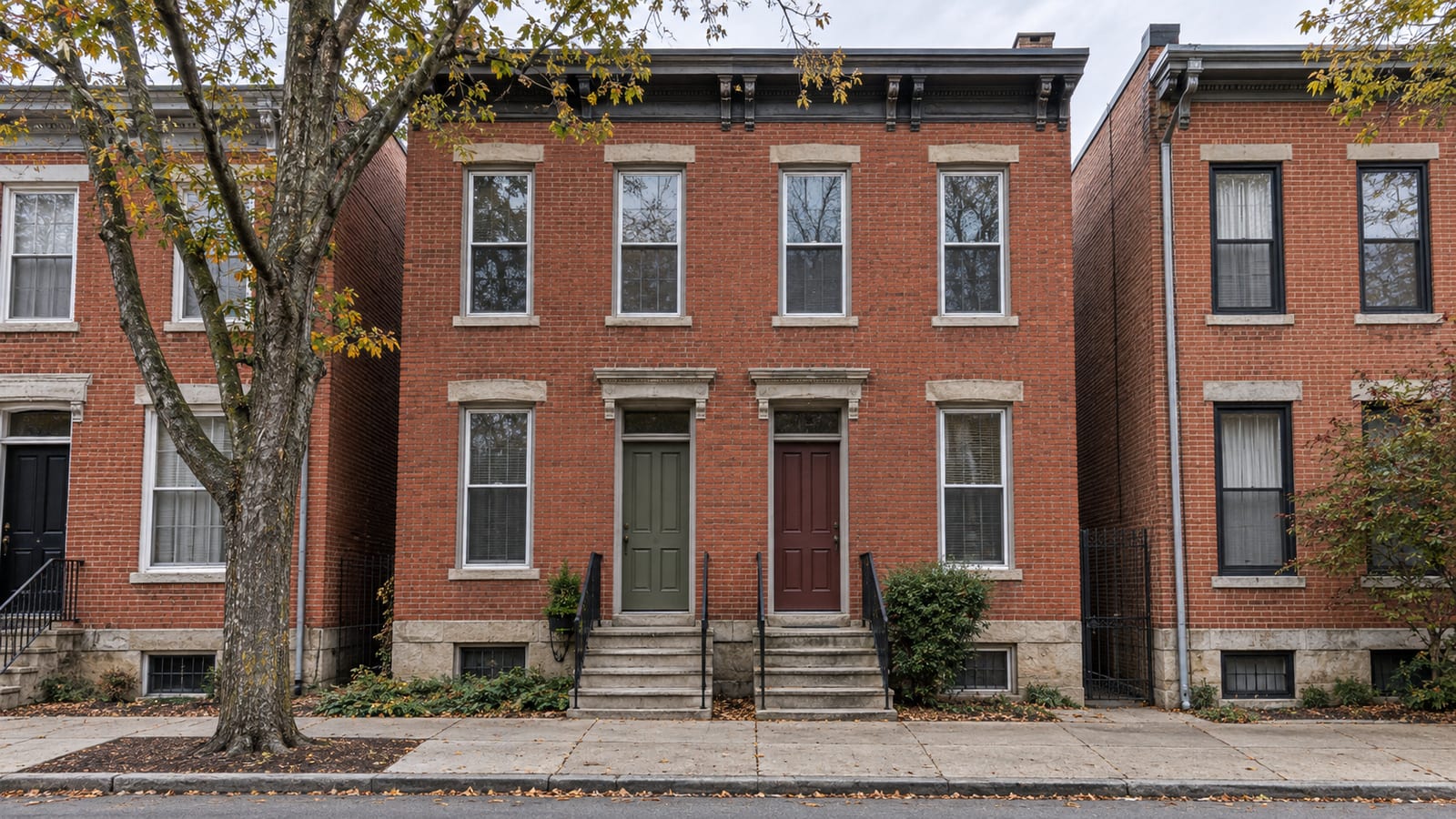
Mold remediation in Trenton, NJ gets complicated fast when somebody is still sleeping down the hall from the growth. You may own the house and live in it with your family, or you may own a building and rent out the units, and either way you have to hire one company to handle the whole job. Companies describe that job in very different ways, so it is hard to tell what is included, what changes the size of it, and what is left for you to sort out afterward. Whether anyone has to leave while the work happens is a fair question, and so is who needs to be told along the way. The answers depend on where the water came from, how far the growth runs behind the finish, and how the building is put together. What follows takes the job in order, so you know what to ask for and what paperwork should end up in your hands.
Key Takeaways
The water source comes first
EPA treats a project as unfinished until the moisture problem is fixed, moldy materials are removed or cleaned, and visible mold and moldy odor are gone.
Occupants shape the order of work
Ask the contractor to name, in writing, which rooms are off limits, for how long, and whether the HVAC system can keep running.
Price comes from a written scope
Ask for remediation, drying, demolition, repairs, reconstruction and testing on separate lines.
Each party holds different records
The owner keeps the scope and completion record, the tenant keeps the written notice to the landlord, and the insurer needs photographs, dates and the source of the loss.
Prevention is a repair
Dry wet materials within 24 to 48 hours, fix the leak or drainage problem, and keep indoor humidity under 60 percent.
The Whole Job, Planned Around the People Who Live There
Start with who is in the building. Trenton had 31,821 housing units in the 2020 Census, and a substantial share of them are rented. So, the person hiring a remediation company is often a landlord with tenants upstairs, an owner with a renter on the first floor, or a family that owns its home. Each carries a different piece of the job.
A landlord decides how the building keeps running while one unit or basement is closed off. A tenant tells the landlord about the problem in writing, which starts the record. A family decides where everyone sleeps if the affected room is a bedroom. EPA lists allergic reactions, asthma attacks in people who are allergic to mold, and irritation of the eyes, skin, nose, throat and lungs, so a household member with asthma or allergies deserves a separate conversation with a clinician.
A crew that plans around the household seals the work area off from living space and tells you when each room reopens. Before anyone signs, ask which rooms or units will be off limits and for how long, whether the heating and cooling system will run during the work, and who will be told, whether tenants, a property manager or an insurer. Those answers belong in the written scope.
Ask Before Anyone Signs
Which rooms or units are off limits
And for how long.
Whether the HVAC system keeps running
Ask whether the heating and cooling system will run during the work.
Who will be told
Tenants, a property manager or an insurer, as the case may be.
Where the answers live
In the written scope, so they are on paper before work starts.
The Building Sets the Scope: Shared Walls, Lower Floors and the Systems Behind Them
Two buildings with the same stain on the ceiling can be very different jobs. For scope, these parts of a property matter most:
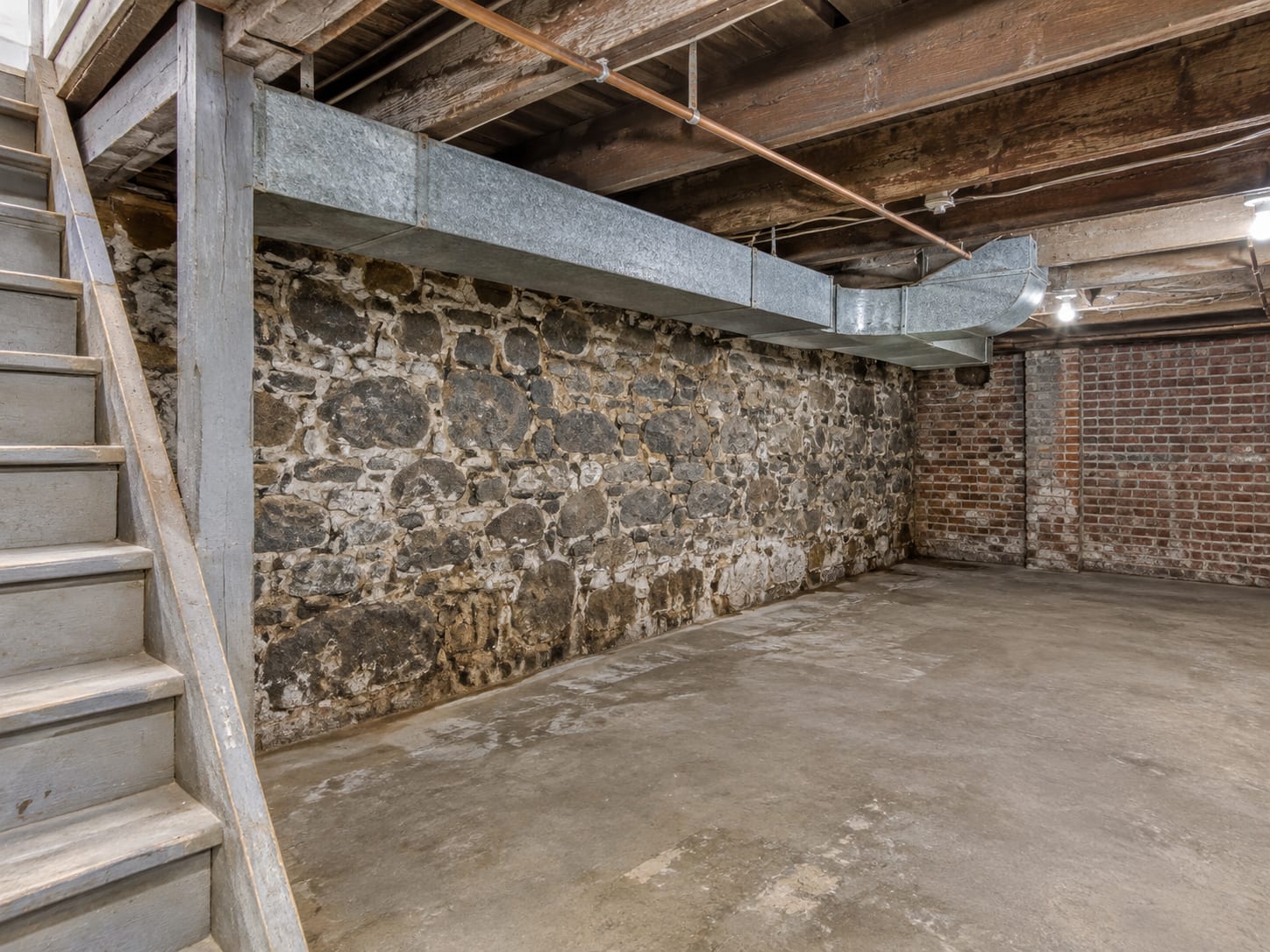
- Basements and crawl spaces: Growth on below-grade walls or floor joists can hide behind stored items or finishes, so the crew has to find how far it goes.
- Exterior masonry and below-grade walls: Water that enters here can travel into the wall and show up as a stain somewhere else.
- Roof, plumbing and HVAC: A slow roof leak or a failed supply line can feed growth for months, and ductwork can carry disturbed material to rooms far from the source.
- Shared walls and common areas: In a multifamily building, a problem in one apartment can reach the neighbor's wall or the shared hallway.
If your property sits in a low area, look up its flood status by street address on the Mercer County floodplain maps before deciding the water was a one-time leak. Flood exposure depends on the address and its elevation, so a neighbor's answer will not be yours. When the water was a flood or a sewage backup, the water category becomes a safety and cost factor of its own, and we would want to see the building before quoting.
Eight Steps From Water Source to Written Record
A sound remediation runs in a fixed order, and you can hold any company to it.
- Find and stop the water: The leak, drain backup or seepage gets fixed first, because cleaning mold while water still arrives is wasted work. Occupants may need to stop using a bathroom or washer until the line is repaired.
- Assess the visible and hidden extent: The crew looks past the stain to see what the moisture has touched. This sets the size of the whole job.
- Isolate the affected area: Where needed, the crew seals off the work zone so disturbed material does not drift into living space. This step decides whether a family can stay in the rest of the building.
- Remove or clean materials by porosity and condition: Porous materials with heavy growth generally come out, while hard surfaces and framing can often be cleaned. Which materials come out of a room is its own decision, made wall by wall.
- Dry the structure and contents: EPA recommends drying wet materials within 24 to 48 hours where possible. Drying equipment runs inside the building, so tell tenants in advance.
- Repair the damage and the original problem: This covers the leak, drainage or exterior opening that let water in, plus rebuilding removed finishes.
- Reinspect: Someone checks for visible mold, moldy odor and any sign of continuing water damage.
- Document: The written record lists the areas addressed and any repairs that remain.
Eight Steps From Water Source to Written Record
- 1
Find and stop the water
The leak, drain backup or seepage gets fixed first, because cleaning mold while water still arrives is wasted work.
- 2
Assess the visible and hidden extent
The crew looks past the stain to see what the moisture has touched, which sets the size of the whole job.
- 3
Isolate the affected area
Where needed, the work zone is sealed off so disturbed material does not drift into living space.
- 4
Remove or clean by porosity and condition
Porous materials with heavy growth generally come out, while hard surfaces and framing can often be cleaned.
- 5
Dry the structure and contents
EPA recommends drying wet materials within 24 to 48 hours where possible.
- 6
Repair the damage and the original problem
The leak, drainage or exterior opening that let water in, plus rebuilding removed finishes.
- 7
Reinspect
Someone checks for visible mold, moldy odor and any sign of continuing water damage.
- 8
Document
The written record lists the areas addressed and any repairs that remain.
The EPA guidance for commercial buildings and schools describes a project as complete when the moisture problem is fixed, moldy materials are removed or cleaned, and visible mold and moldy odors are gone. A written completion record is how you show that was true when the crew left.
No fixed timeline fits every building. The time depends on the affected area, concealed damage, how much material comes out, how fast drying goes, HVAC involvement, repairs, inspections and permits. What you can require is a written schedule with milestones for inspection, drying, demolition, repair, reconstruction and the final walk-through.
A Written Scope Sets the Price, Because No Average Predicts Your Job
Two companies can quote the same room and describe different work: one includes drying and rebuilding, and the other stops at cleaning. No reliable Trenton or New Jersey average exists to check them against, so the fair comparison is between written scopes for your own building. Size of the area, hidden growth, the amount of porous material, sewage or other contaminated water, containment and negative air (filtered fans that pull air out of the sealed area), HVAC involvement, contents, and access to an occupied building all move the number. Ask each company to fill in the same lines:
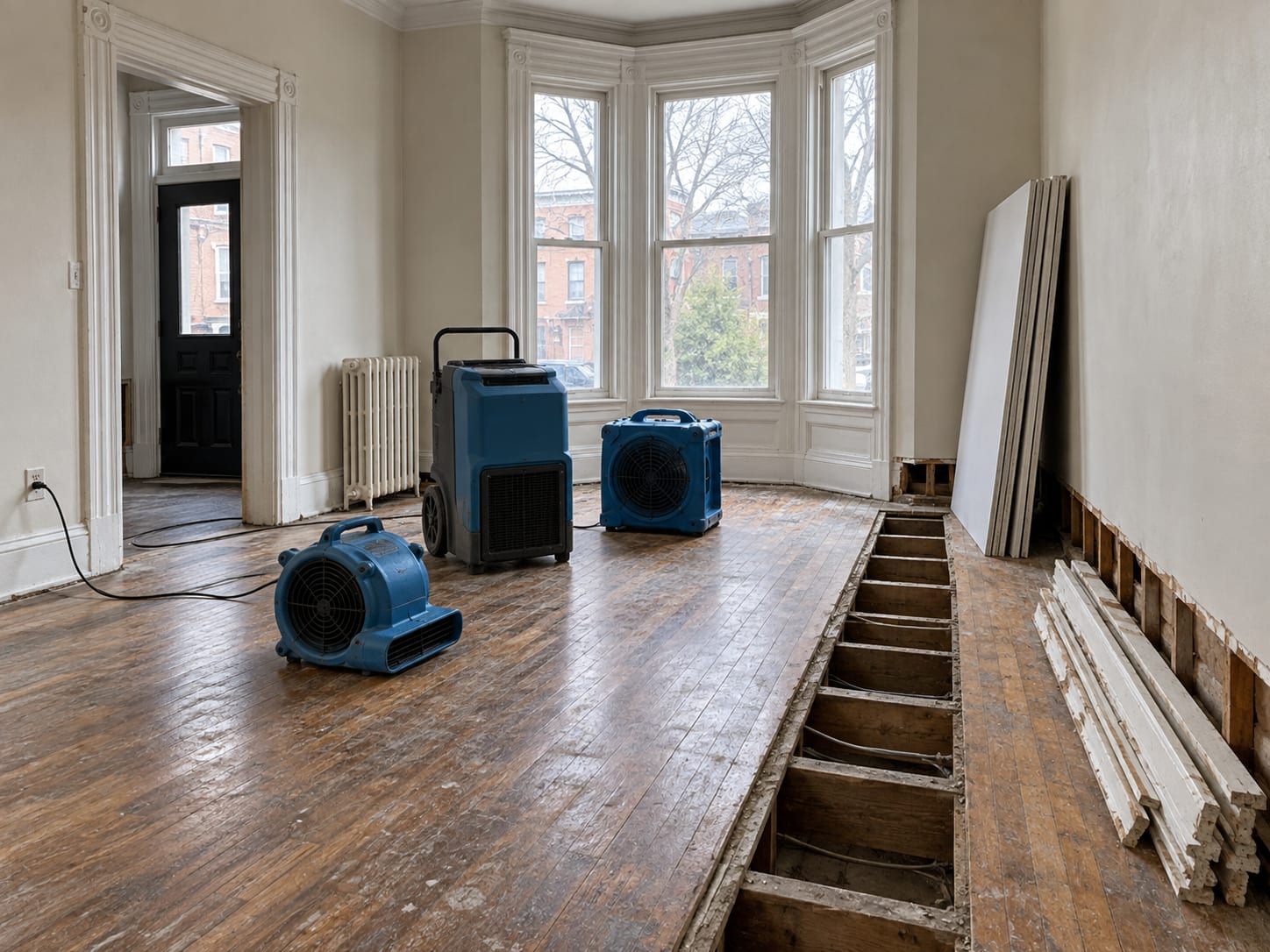
EPA points to larger areas, substantial water damage, contaminated water, HVAC involvement and occupant health concerns as reasons to bring in a professional. If your job has any of those, a professional quote is a fair cost.
Owner, Tenant and Insurer Each Hold a Different Piece of the Record
At the end of a job, three people usually need paper, and they need different paper. Plan for it at the start, because a photograph of the wall before demolition cannot be taken afterward.
The owner or landlord should end up with the signed scope, the schedule, invoices, moisture and drying records, photographs from before, during and after, disposal and repair records, and the completion record. A tenant should keep the written notice to the landlord with its date, any reply, photographs and a note of when the water or odor was first noticed. The insurer will ask for photographs, dates, invoices, moisture records, contractor reports, repair records and the source of the loss.
Hover or tap a row to highlight it.
| Who | What they keep |
|---|---|
| Owner or landlord | The signed scope, the schedule, invoices, moisture and drying records, photographs from before, during and after, disposal and repair records, and the completion record |
| Tenant | The written notice to the landlord with its date, any reply, photographs and a note of when the water or odor was first noticed |
| Insurer (asks for) | Photographs, dates, invoices, moisture records, contractor reports, repair records and the source of the loss |
Insurance depends on the policy and the cause of loss. Bulletin 03-24 from the New Jersey Department of Banking and Insurance is a guideline for insurers. It describes mold and fungus coverage at a $10,000 annual aggregate, with optional limits of $25,000 and $50,000, when the mold results from a covered peril during the policy period. It is no promise that a claim will be paid, so call your insurer or agent before demolition begins.
Trenton's Division of Technical Services administers the state Uniform Construction Code and Uniform Fire Code and issues permits for building, plumbing, electrical and fire-protection work. Whether a remediation needs a permit depends on the work; demolition, reconstruction, plumbing, electrical or structural repairs are the usual triggers. The city says plan review can take additional time, so ask Technical Services which parts of your project need permits before the rebuild is scheduled. Home-improvement contractors must be registered with the New Jersey Division of Consumer Affairs. If the building is a protected property, confirm planning, zoning or preservation review before altering it.
The First Hour, the First Day and the First Week Each Have Their Own Job
If you are reading this with growth or a damp smell in front of you, the order matters more than speed.
In the next hour, stop the water source if you can do it safely. Leave extensive growth alone rather than scrubbing it. Keep anyone with asthma, mold allergies or a weakened immune system away from the area, and do not run an HVAC system you suspect is contaminated. Photograph the condition and write down when the water or odor was first noticed. If flood or contaminated water is involved, stay away from electrical hazards and sewage.
In the next day, tell your insurer, and tell your landlord or property manager if you rent. Arrange an assessment when the affected area is larger than about 10 square feet, when water damage is substantial, when sewage is involved or when the HVAC system may be affected. A mold inspection can trace the moisture path, and whether to add a mold test is a separate decision. Start drying what can be dried safely; EPA stresses the 24 to 48 hour window.
In the next week, confirm the water source and building repairs are handled, keep every record, get the written completion record, and look for continuing moisture, visible mold or moldy odor.
The First Hour, the First Day and the First Week
- 1
In the next hour
Stop the water source if you can do it safely, leave extensive growth alone, keep vulnerable people away, and photograph the condition with a note of when the water or odor was first noticed.
- 2
In the next day
Tell your insurer, and your landlord or property manager if you rent. Arrange an assessment when the area is larger than about 10 square feet, water damage is substantial, sewage is involved or the HVAC system may be affected. Start drying what can be dried safely.
- 3
In the next week
Confirm the water source and building repairs are handled, keep every record, get the written completion record, and look for continuing moisture, visible mold or moldy odor.
The Repair Is What Keeps Mold From Coming Back
No product permanently kills mold by itself. EPA names moisture control as the key: clean or remove the growth, fix the water source and keep materials dry. It does not recommend routine bleach or other biocides as the central cleanup method, and it says indoor mold spores cannot all be eliminated, so the goal is to remove or clean the growth and stop the moisture. In an occupied building, that comes down to a short list:
- Keep humidity in range: Indoor relative humidity should generally stay under 60 percent, and 30 to 50 percent is better.
- Dry what gets wet: Dry wet or damp materials within 24 to 48 hours when possible, whether the cause was a leak, a spill or a storm.
- Repair the source: Roof leaks, plumbing, foundation and exterior openings, and drainage are the causes to fix; repainting the stain touches none of them.
- Watch the low areas: Basements, floor drains and windows near grade are where rain and backups enter, so check them after heavy storms.
- Report early: Tenants should tell the landlord in writing when a stain, smell or leak appears, and landlords should answer in writing.
Mold Remediation, Quick Check
1. Where should indoor relative humidity generally stay, according to EPA?
2. Within what window should wet or damp materials be dried when possible?
3. What annual aggregate mold and fungus coverage does Bulletin 03-24 describe as the base level?
4. What is the fair way to compare two remediation quotes?
5. How should a tenant tell the landlord about a mold problem?
Pick an answer to begin.
Frequently Asked Questions About Mold Remediation Trenton NJ
Can my family or tenants stay in the building during mold remediation?
It depends on the size and location of the growth, whether the HVAC system is involved, and the health of the people living there. People with asthma, allergies or a weakened immune system should stay away from the affected area. Ask the contractor to state in writing which rooms are off limits, for how long, and how the work area is sealed from the rest of the building.
What is the average cost of mold remediation in New Jersey?
No reliable statewide or Trenton average exists. Cost follows the size of the area, concealed damage, the material removed, the water category, containment, drying, repairs, reconstruction and testing. Ask for a written scope that separates those lines.
Will insurance pay for mold remediation?
It may, depending on the policy, its exclusions and limits, and the cause of loss. Bulletin 03-24 describes coverage at a $10,000 annual aggregate, with optional $25,000 and $50,000 limits, covering removal, the tear-out needed to reach the mold and testing when the mold follows a covered peril during the policy period. It guides insurers and promises nothing. Notify your insurer before demolition and keep photographs, dates and invoices.
Is mold remediation worth the cost?
It makes the most sense when growth is extensive, hidden, recurring, tied to substantial water damage or contaminated water, near HVAC equipment, or too large to clean safely yourself. Compare the scope with the cost of ongoing moisture, damaged materials and a partial cleaning that has to be repeated.
What should a tenant do first?
Put the problem to the landlord in writing, keep a copy, and contact the local building-code office about unrepaired leaks or structural problems.
Mold Remediation Terms
Tap a term to see what it means.
Negative air. Filtered fans that pull air out of the sealed work area.
Wrapping Up
A mold job in an occupied building is a sequence: stop the water, learn how far the growth goes, seal off the work area, remove or clean what needs it, dry, repair, reinspect and write it all down. The people living there set the schedule, the written scope sets the price, and the records set what the owner, the tenant and the insurer can show afterward.
Done in that order, the work leaves you a dry building, a clear record and a much smaller chance of doing the job twice.
If mold is in a Trenton, NJ house or building where people are still living, ExecPro Restoration & Cleaning can walk the property, write the scope in separate lines and plan the work around your household or your tenants. We handle the whole sequence, from the moisture source through drying, removal and the completion record. Call us at (888) 300-3772 or contact us, and read more about our Trenton mold remediation service or our broader mold remediation work.
Serving Trenton
ExecPro Restoration & Cleaning provides mold remediation services in Trenton, NJ, from inspection and testing through removal, drying, and post-remediation verification. Call (888) 300-3772 for 24/7 emergency response.
Related Articles
Basement Mold Remediation in Trenton, NJ: Old Masonry Cellars and Summer Rain
Finding growth on a masonry cellar wall starts with the water path. How old Trenton cellars are cleaned and dried, and what to fix so it does not return.
Attic Mold Remediation in Trenton, NJ: Old Roofs, Old Insulation and Houses That Sat Empty
Dark roof boards in an older house usually mean a leak, condensation or a fan venting into the attic. See how attic mold remediation in Trenton is scoped.
Black Mold Removal in Trenton, NJ: Whether to Stay, What to Touch and What It Takes
Is it safe to stay in the house tonight? Get the size-based answer, what not to touch and what black mold removal in Trenton, NJ takes to do properly.