Mold in a NJ Rental: What a Tenant Does First and Who to Call
Cal HewittPublished
- mold remediation
- moisture source
- documentation
- new jersey
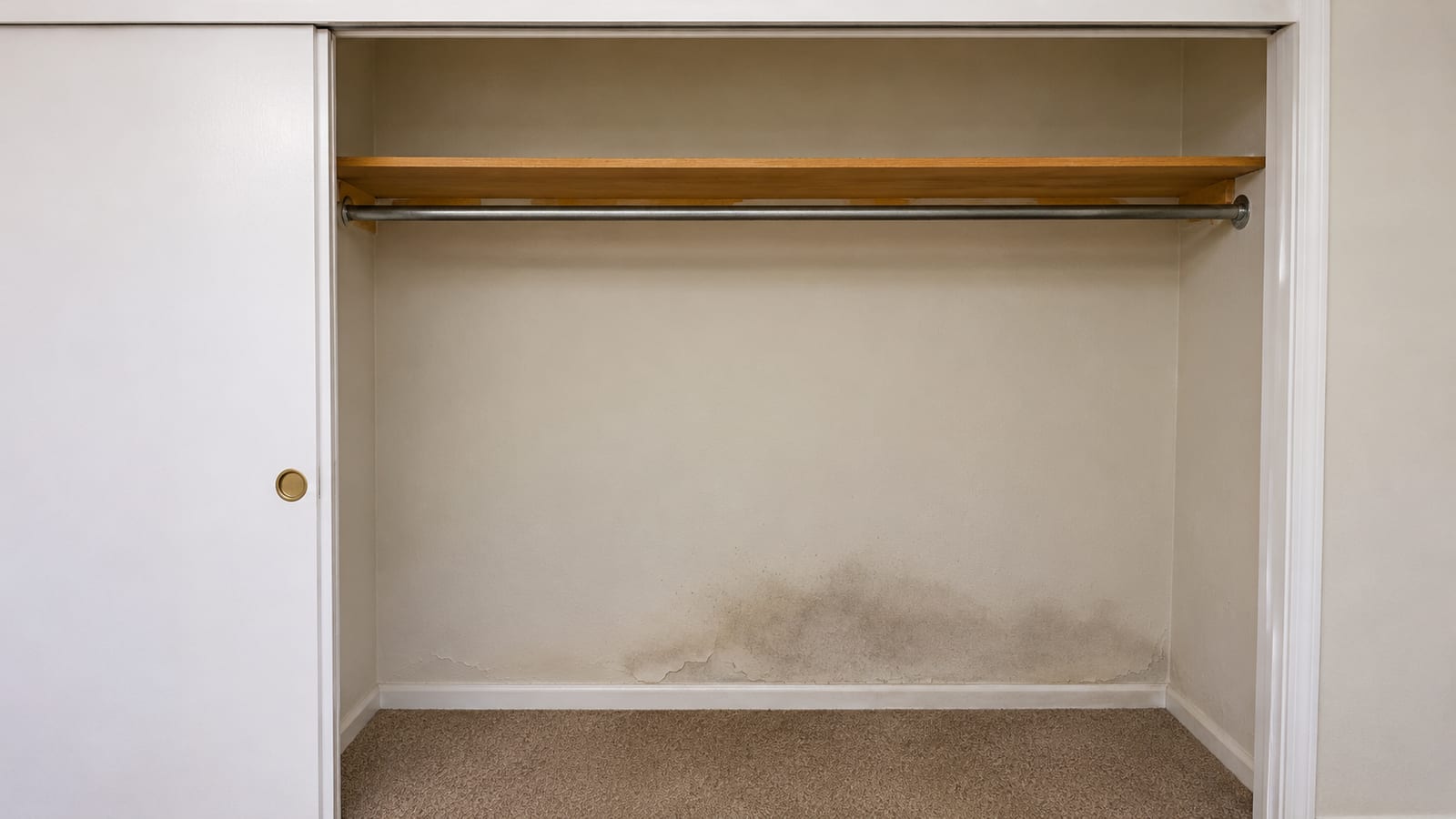
You have mold in your New Jersey apartment or rental house, and your landlord has been slow to respond. You want to know what to do first, how to put the problem in front of the landlord so it holds up later, and which office handles a leak or a building defect.
The first moves are the same whether the mold is a small patch on a bathroom ceiling or a larger stain behind a wall. Photograph it, protect your health, and send written notice that leaves proof of delivery.
Which office to call depends on how many units are in your building. The sections below take you through the next hour, the next day and the next week, and name the agencies, so you can send the notice tomorrow and keep a file that works for you.
Key Takeaways
Notice first
A written notice sent by a method that leaves delivery proof, such as certified mail, and copies of every record come before any other step.
Office by building type
One- and two-unit rentals go to municipal code enforcement, and buildings with three or more units fall under the NJ DCA Bureau of Housing Inspection.
Rent questions
Legal Services of New Jersey or an attorney comes before any rent-related step, moving out or signing a settlement.
Start With Photos, Safety and a Written Report in the First Hour
In the first hour, leave the growth alone, protect the people in the home and begin the record. These steps are the ones New Jersey agencies and CDC point to:
- Do not scrape, sand, cut or paint over the mold.
- Stop or limit the water source if it is safe to do so, such as turning off a fixture that is feeding an active leak.
- Take dated photographs and video of the mold, the water staining, the leak, any affected belongings and the surrounding room.
- Tell the landlord, property manager or emergency maintenance contact in writing, and include the address, the room, the apparent moisture source, how much damage you can see, the date you found it and any immediate safety concern.
- Keep people with asthma, COPD, a weakened immune system or severe mold sensitivity away from the area.
The New Jersey Department of Health says mold generally grows where excess water or moisture is present, so the leak or dampness behind the mold is the real target of the repair. If anyone in the home has symptoms, CDC advises seeing a healthcare provider. People with weakened immune systems should avoid moldy buildings and should not be present during mold removal.
Your Steps in Order
- 1
In the first hour
Leave the growth alone, limit the water source if it is safe, take dated photographs and video, and tell the landlord in writing.
- 2
By the end of the first day
Send formal written notice by a method that leaves delivery proof, such as certified mail, and use the landlord's portal or email as well.
- 3
Then call the right office
Use municipal code enforcement for a one- or two-unit rental, or the NJ DCA Bureau of Housing Inspection for a building with three or more units.
- 4
Before any rent-related step
Talk with Legal Services of New Jersey or an attorney before withholding rent, moving out or signing a settlement.
Your Written Notice and Your Records Are What Hold Up Later
By the end of the first day, send formal written notice by a method that preserves delivery evidence, such as certified mail. Use the landlord's normal maintenance portal or email as well. Legal Services of New Jersey's tenant materials recommend written notice, keeping a copy, and certified mail with a return receipt for important repair notices. Texts, portal messages and email can add to the formal notice, and they should not replace the delivery method your lease requires when you can use it.
A strong notice names the defect and not only the word mold. It includes:
- Your name, address, unit number and contact information.
- The date you found the problem, the dates it got worse, and the exact locations of mold, staining, dampness, peeling paint, wet drywall, odor or leaks.
- The apparent source of the water, if you know it, and whether anyone has symptoms or a medical vulnerability.
- A request for inspection, correction of the moisture source, drying and appropriate remediation, plus the dates and times you can give access.
- A request for the landlord's written repair plan and schedule, including emergency instructions.
Keep copies of the notice, your photographs and videos, the lease, maintenance requests, texts and every landlord response. Add wide photographs of the room and close-ups of the growth, with a ruler or familiar object for scale. Build a timeline of every call, message, inspection, repair and missed appointment, and save receipts for damaged belongings, cleaning, temporary lodging, transportation and medical visits. Photograph items before you discard them. CDC recommends photographing discarded items for insurance claims.
What to Keep in Your File
Notice and replies
Keep copies of the notice, the lease, maintenance requests, texts and every landlord response.
Photos and video
Take wide photographs of the room and close-ups of the growth, with a ruler or familiar object for scale.
A running timeline
Log every call, message, inspection, repair and missed appointment.
Receipts
Save receipts for damaged belongings, cleaning, temporary lodging, transportation and medical visits.
Items before disposal
Photograph items before you discard them, because CDC recommends this for insurance claims.
A Landlord's Repair Duty Turns on Severity, Notice, Access and Repairs
New Jersey residential leases carry an implied warranty of habitability. A New Jersey Superior Court decision describes habitable housing as including sufficient heat and ventilation, adequate light, plumbing and sanitation, and proper security and maintenance, and says a tenant must notify the landlord and allow sufficient time for repairs. The NJ DCA lists mold, leaks, broken toilets and broken windows as examples of serious health and safety defects, and says aesthetic defects alone do not support a habitability defense.
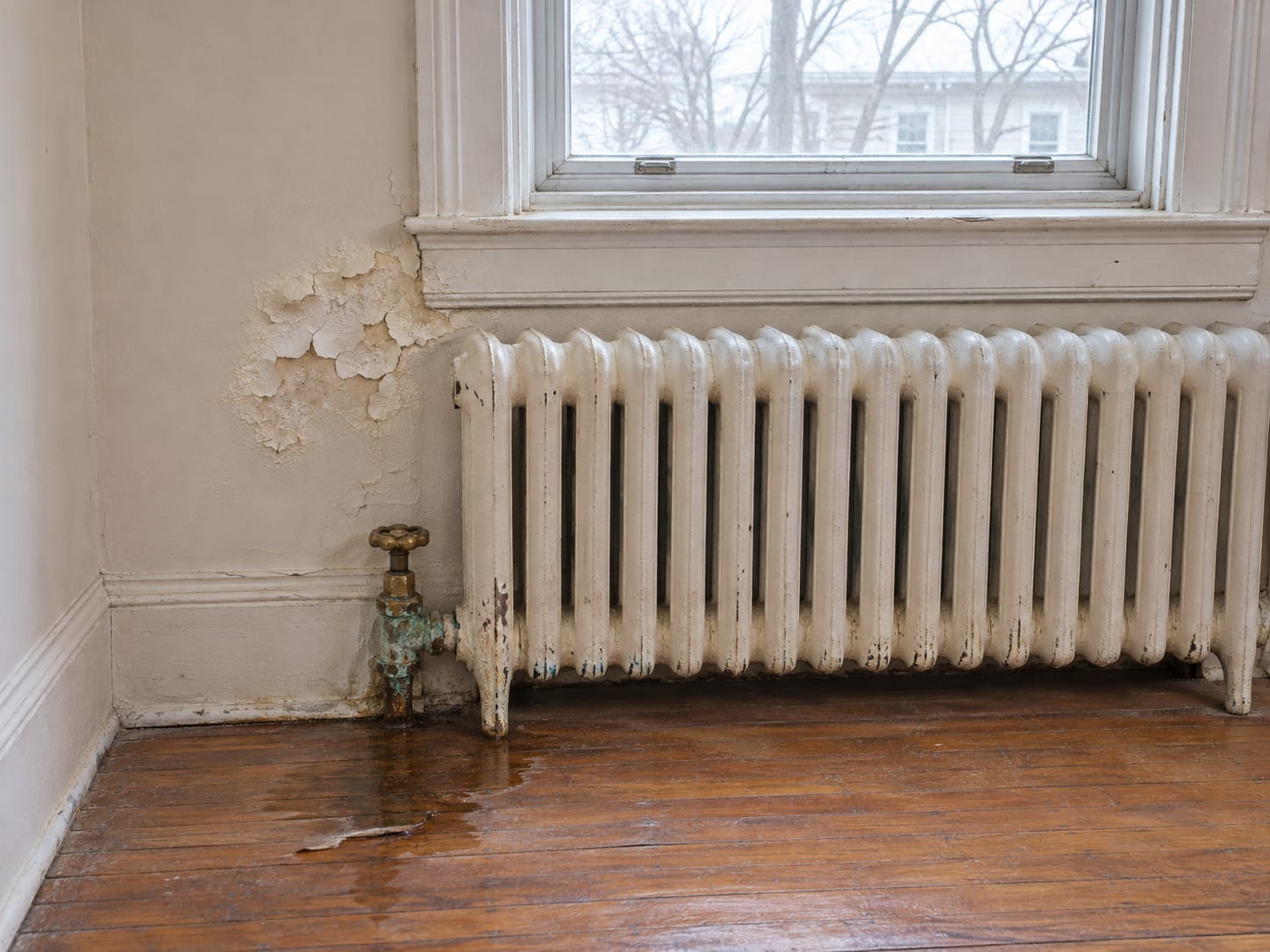
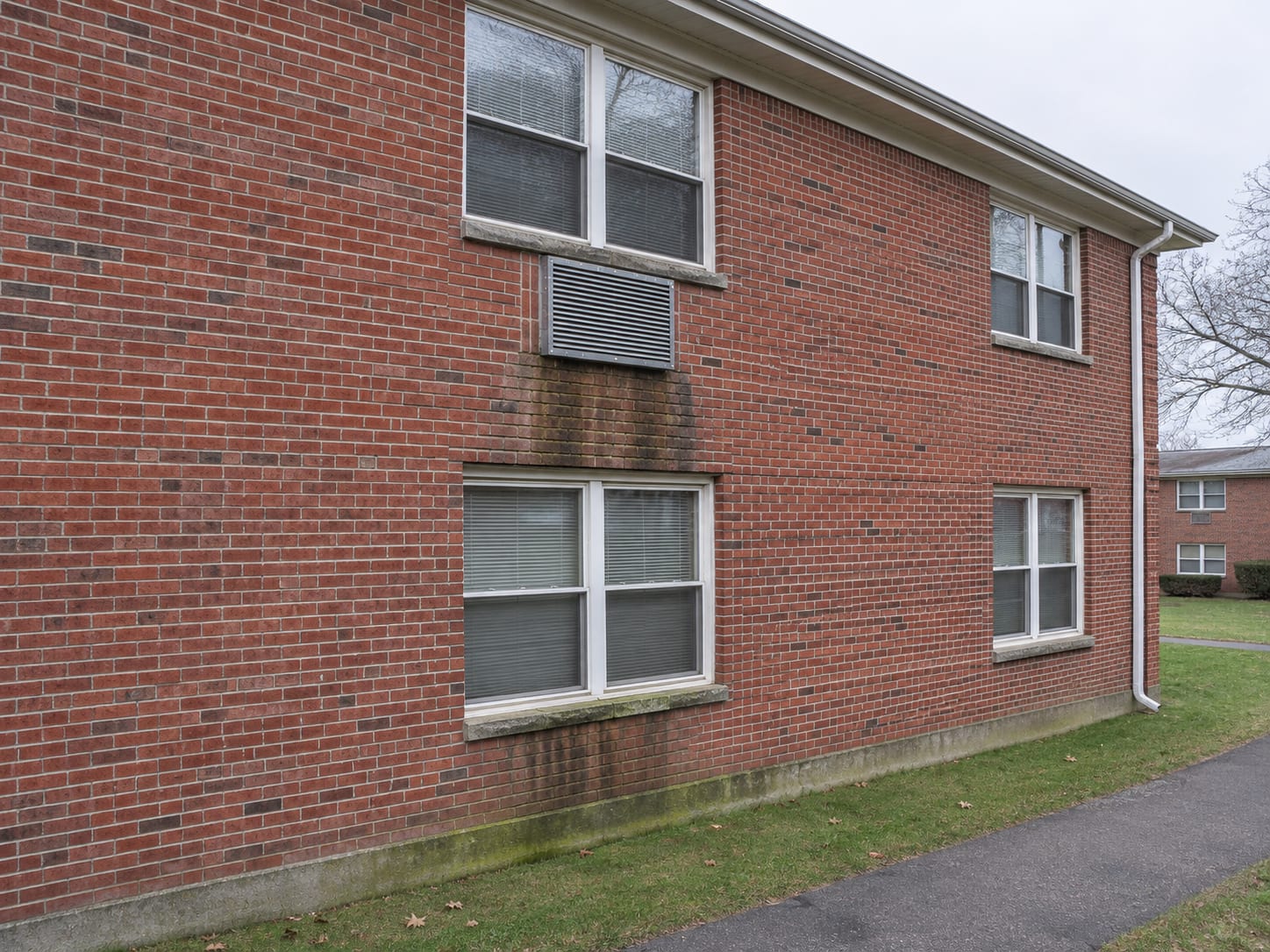
The landlord's repair duty is most relevant when mold is tied to roof or window leaks, plumbing leaks or failed fixtures, repeated basement seepage, damp walls, ceilings, floors or insulation, condensation from building systems, inadequate ventilation, or water intrusion that damages structural or finish materials. Reporting the specific defect, where the water enters, whether it is active, what materials are affected and when it began gives the landlord and any inspector something to act on.
What are my rights as a tenant if my apartment has mold in New Jersey?
New Jersey tenants have a right to safe and decent housing, and the implied warranty of habitability applies when a condition seriously affects living conditions and safety. Mold can be relevant when it is connected to leaks, dampness or other conditions that significantly affect habitability. Notify the landlord in writing, give reasonable access for inspection and repair, and keep your evidence. How the law applies to your unit is a question for Legal Services of New Jersey or an attorney.
Is mold considered uninhabitable?
No single fact settles that question. It depends on the severity, the location, the effect on living conditions, the underlying moisture problem, and whether your landlord received notice and had enough time to make repairs. DCA's materials tie rent-related remedies to specific conditions, including serious defects, notice, access for repairs and preservation of rent. A landlord can still file a nonpayment case, and a tenant may need to prove the defect and the notice in court. Talk with Legal Services of New Jersey or an attorney before any rent-related step.
Call the Office That Matches Your Building Type
For an unrepaired leak, plumbing failure, roof or window intrusion, unsafe ceiling or damaged wall, contact your municipality's construction-code or housing-code office. NJDOH specifically directs renters to the local building-code office for unrepaired leaks. The municipality sets its own complaint process and inspection schedule, so ask which office handles the specific condition in your unit.
The type of building decides where the state fits in. The Bureau of Housing Inspection at NJ DCA oversees the Hotel and Multiple Dwelling Law for hotels and multiple-family buildings with three or more dwelling units. DCA's habitability materials say one- and two-unit buildings generally fall under municipal ordinances and not under the Bureau. For a building with three or more units, DCA lists its State Inspection Section at 609-633-6227 and BHIInspections@dca.nj.gov.
A complaint to the Bureau should include the property address, municipality, county, unit information, a description of the leak or condition, the dates you notified the landlord, and photographs.
The local health department is the third office. New Jersey has 103 local health departments serving 564 municipalities, and the NJ DOH directory helps you find yours. A local health department may give public-health guidance or direct you to the agency responsible for a housing-code problem.
Hover or tap a row to highlight it.
| Your situation | Who to contact | What the post says |
|---|---|---|
| One- or two-unit rental | Municipal construction-code or housing-code office | These buildings generally fall under municipal ordinances, and the municipality sets its own complaint process |
| Building with three or more units | NJ DCA Bureau of Housing Inspection | Oversees the Hotel and Multiple Dwelling Law; State Inspection Section at 609-633-6227 and BHIInspections@dca.nj.gov |
| Local public-health question | Local health department | New Jersey has 103 local health departments serving 564 municipalities, and the NJ DOH directory helps you find yours |
| Rent or legal question | Legal Services of New Jersey or an attorney | Free help for low-income tenants at 1-888-LSNJ-LAW; DCA eviction help at evictionprevention@dca.nj.gov and 609-376-0810 |
What are the mold laws in New Jersey?
New Jersey does not use a single statewide mold-concentration standard to decide whether a rental must be vacated. NJDOH explains that government offices generally address structural deficiencies such as water leaks and plumbing problems and not mold contamination itself, so the leak is what you report. Housing obligations can still arise under the warranty of habitability and local housing codes.
For legal help, Legal Services of New Jersey offers free assistance to low-income tenants at 1-888-LSNJ-LAW and through its online intake system. DCA's process guide lists evictionprevention@dca.nj.gov and 609-376-0810 for tenants facing a case.
Professional Mold Remediation Fits After the Notice, Alongside the Landlord's Duty
Once you have given notice, a professional assessment can become part of the repair plan. NJDOH says that when the moisture source is not obvious, the building should be inspected to identify it before remediation. EPA says remediation is not complete until the moisture or water problem has been completely corrected.
EPA's mold course divides work by size: under about 10 square feet is generally a small area, 10 to 100 square feet generally calls for limited containment, and more than 100 square feet generally calls for full containment or a more extensive plan. NJDOH says New Jersey has no state certification program for companies that perform mold services, so ask any company about its experience and request a written scope.
ExecPro Restoration & Cleaning describes its mold removal work on its mold removal page: moisture-source identification, containment when needed, HEPA vacuuming, damp wiping of salvageable hard surfaces, removal of contaminated porous materials, drying, documentation, and build-back when required. The page states that residential projects commonly take one to three days, depending on size, location and drying requirements. Written notice to your landlord, a call to code enforcement, an insurance review and legal advice all still apply alongside that work.
You May Be Able to Stay During Cleanup, and You Should Leave the Work to the Professionals
Whether you can stay home depends on the work area, the containment, the size and location of the job, ventilation connections and the health of everyone in the home. A small job in one room is a different situation from drywall coming out of several rooms. Your landlord or the remediation professional can tell you how the work will be set up, and you can ask for that answer in writing. The answer is also worth sharing with your healthcare provider if anyone in the home has a lung condition.
Can I stay in my house during mold remediation?
EPA guidance generally treats areas larger than 10 square feet as needing more controlled professional procedures, with full containment generally used above 100 square feet. CDC says people with asthma, COPD, a weakened immune system or certain serious sensitivities should not remain in a moldy home or be present during cleanup. Others in the home should ask the remediation professional how the work zone will be isolated and whether temporary relocation makes sense. If you have breathing problems or worsening symptoms, a healthcare provider can advise whether you should stay away from the affected space.
Some jobs belong to trained crews, and these are the ones to leave alone:
- Scraping, sanding, painting over or caulking over mold; CDC says painting or caulking over it does not prevent its return and the water problem must be fixed.
- Tearing out walls, removing insulation or disturbing a heating and cooling system you suspect is contaminated.
- Mixing bleach with ammonia or any other cleaning product.
- Cleaning at all, if anyone in the home has asthma, COPD or a weakened immune system.
- Withholding rent, reducing rent, deducting repair costs, moving out or claiming constructive eviction based on internet advice.
EPA recommends professional help when mold covers more than about 10 square feet, when water damage is extensive, or when sewage or contaminated water is involved. For the rent-related items above, Legal Services of New Jersey or an attorney should advise you first.
Insurance Records, Damaged Belongings and Preventing a Repeat
Renters insurance commonly covers personal property and additional living expenses only when the loss itself is covered. The NJ Department of Banking and Insurance's renters guide lists mold as generally excluded unless it results from a covered loss, and lists continuous or repeated seepage, maintenance and pollution among common exclusions. A landlord's insurance generally addresses the building structure, while your policy may address your belongings and living expenses. Costs, coverage and responsibility cannot be read from the presence of mold alone, because the cause of the water, the policy wording, the date of loss, the deductible and who owns the damaged property all matter.
So, tell your insurer promptly if your belongings or temporary housing may be involved. The insurer may ask for an inspection, photographs, proof of ownership, receipts and records of what you did to limit the damage. Photograph an item before you throw it out, record its age and value, and check what the insurer needs before disposal when it is safe to wait.
To prevent a repeat, keep the dated sequence of the original condition, your notice, the access you offered, the repair of the moisture source, any remediation, your damaged belongings and your expenses. That file shows whether the cause was fixed and gives you a record if the mold returns.
Frequently Asked Questions About Mold in a New Jersey Rental
Should I wait until the landlord sees the mold?
No. Report the moisture source and the visible damage promptly, because leaks and damp materials can cause more property damage while you wait.
Is telling the superintendent enough?
Put the report in writing and keep proof of delivery. If someone promises a visit next week, ask for the inspection and repair schedule in writing.
Will New Jersey send someone to measure the mold?
Contact the local code office or health department about the leak or housing condition. NJDOH says government offices generally address structural deficiencies and not mold contamination itself.
Can I paint over the stain until the landlord responds?
No. CDC says painting or caulking over mold does not prevent its return, and the water problem must be fixed.
Can I stop paying rent because the apartment has mold?
Rent-related decisions need advice first. Contact Legal Services of New Jersey or an attorney before you take any rent-related step, move out or sign a settlement.
Test Your Tenant Mold Knowledge
1. How should you send formal written notice to a landlord?
2. Which office oversees buildings with three or more units?
3. Who should you talk to before withholding rent?
4. What does CDC say painting or caulking over mold does?
5. What do government offices generally address, according to NJDOH?
Pick an answer to begin.
Wrapping Up
Photograph the mold, protect the people in the home, and send a written notice by certified mail with the landlord's portal or email as a supplement. Contact municipal code enforcement for a one- or two-unit rental or the DCA Bureau of Housing Inspection for a building with three or more units, use the NJ DOH directory to find your local health department, and speak with Legal Services of New Jersey or an attorney before any rent-related step.
A dated file and a written repair plan make every later conversation easier, with your landlord, an inspector, an insurer or a lawyer. They also keep attention on the moisture source, which is what decides whether the mold comes back.
When you need a professional assessment as part of the repair plan, ExecPro Restoration & Cleaning can help with mold work in New Jersey, from moisture-source identification and removal through documentation and rebuild. Call us at (888) 300-3772 or reach us through our contact page, and bring your photographs and your written notice.
Tenant Mold Terms
Tap a term to see what it means.
Implied warranty of habitability. The rule in New Jersey residential leases that housing must have sufficient heat and ventilation, adequate light, plumbing and sanitation, and proper security and maintenance.
Related Articles
Can a House With Mold Be Saved? What Decides the Scope
Whether a New Jersey house with mold can be saved comes down to the moisture source, the structure and the materials. See the steps, limits and next calls.
Can Mold Come Back After Remediation: Causes and Warning Signs
Mold can return after remediation when moisture remains. Learn the warning signs, what records to request, and how to keep a remediated area dry in New Jersey.
Mold Remediation in Bridgewater, NJ: From the Water Source to the Records You Keep
From the first call to the final paperwork, see what mold remediation in Bridgewater, NJ includes, what sets the size of the job, and which records to keep.