Basement Mold Remediation in Trenton, NJ: Old Masonry Cellars and Summer Rain
Cal HewittPublished Updated
- basement mold remediation
- basement mold
- moisture source
- trenton nj
- new jersey
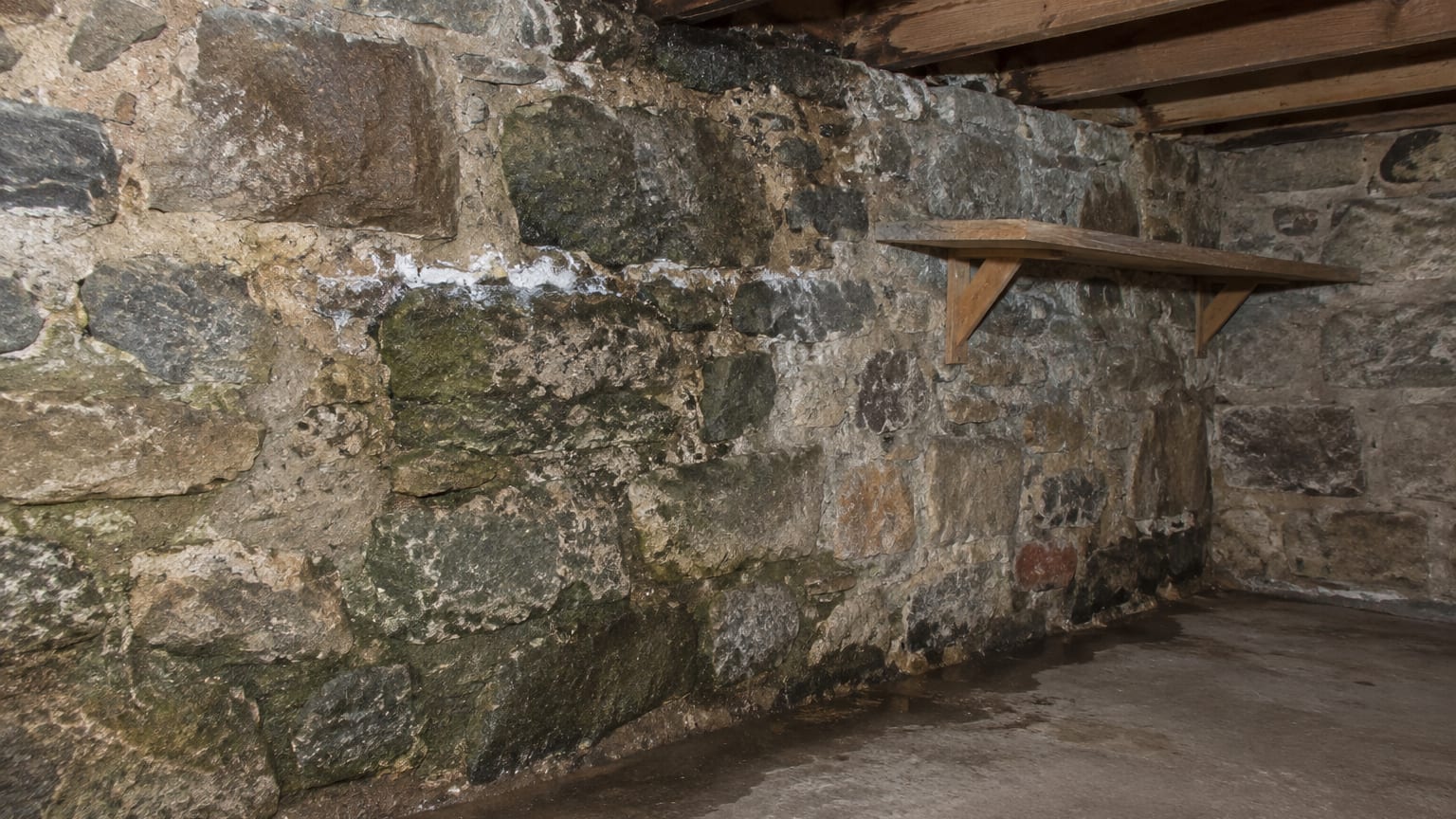
You go downstairs for the laundry or a box from the shelf, and the cellar smells damp before you even reach the bottom step. Or you can see it: growth on the foundation wall, on the cardboard boxes, or along the joists overhead. Maybe you cleaned it last year, and it came back after the first heavy summer rain. Basement mold remediation in Trenton, NJ is about two jobs, and the order matters. First find where the water is getting through the old masonry, and then remove and clean what the water damaged. Cleaning alone gives you a clean-looking wall until the next storm, so it helps to know where the water comes from before you pay anyone to scrub.
Key Takeaways
Water source first
EPA calls moisture control the key to mold control, and the New Jersey Department of Health says to identify and correct the moisture source before remediation, so surface cleaning alone will not keep a wet basement clean.
Call a professional for larger jobs
EPA recommends professional help when growth covers more than about 10 square feet, the water is contaminated, the HVAC system may be affected or someone in the home has asthma or an immune condition.
Rain normals are averages
Trenton's 45.63 inches of rain in an average year describes the weather station, and it does not measure your cellar, so have the water path traced at your address.
Finding the Water Path in an Old Masonry Cellar
Mold needs water, and in a cellar the water almost always has a route. Before any cleaning starts, someone should trace that route, because a basement that stays wet grows mold again no matter how well the wall was scrubbed. The New Jersey Department of Health advises identifying and correcting the moisture source before remediation, and EPA identifies moisture control as the central measure in preventing mold. The route is often one of these:
- Foundation seepage: Water moving through masonry or cinder-block walls after heavy rain or snowmelt.
- Floor-wall joints: The seam where the slab meets the wall is a common place for water to show up.
- Penetrations: Plumbing and mechanical lines that pass through the wall or floor.
- Sump-pump problems: A pump that stops, cannot keep up or discharges too close to the house.
- Grading and drainage: Soil that slopes toward the foundation, or gutters and downspouts that empty beside it.
- Condensation: Warm, humid air meeting cool masonry or cold pipes.
- Plumbing leaks: A slow drip inside a wall can wet a cellar for months.
Older cellars add hiding places. Trenton has a large stock of older housing, and older construction often means wood framing, masonry or cinder-block foundations, finished partitions and concealed paths behind wall finishes, around masonry and near plumbing or mechanical systems. Growth you can see on the wall may be a small part of what is wet. Whether a basement is unfinished, partly finished or fully finished, and how it was built, changes from one property to the next, so have the crew inspect yours and check behind finishes as part of the job.
What Do 45.63 Inches of Rain a Year Say About a Trenton Cellar?
NOAA's 1991 to 2020 climate normals for the Trenton Mercer County Airport station give 45.63 inches of precipitation in an average year. July has the highest monthly normal at 4.42 inches, and June (4.35 inches), August (4.22 inches) and December (4.04 inches) are among the wettest months. Rain arrives in every month of the year, so a cellar that lets water in has plenty of chances to show it.
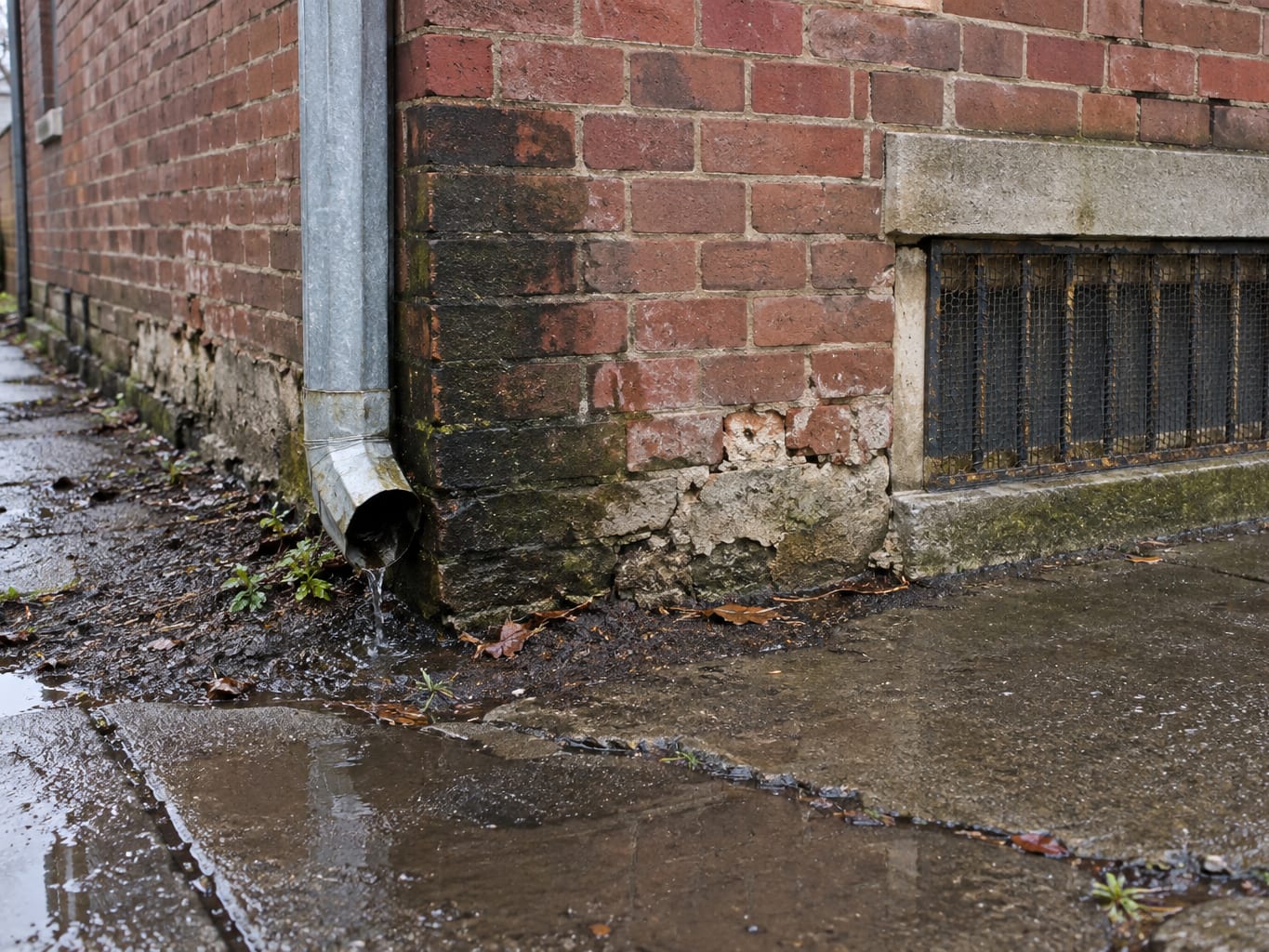
Those numbers are station averages for the region, and they do not measure any property. They tell you that rain is a regular event, and they cannot tell you whether your foundation lets water through. Treat a wet cellar as a property question and answer it with an inspection, not with the calendar.
Hover or tap a row to highlight it.
| Period | Precipitation normal |
|---|---|
| Average year | 45.63 inches |
| July (highest month) | 4.42 inches |
| June | 4.35 inches |
| August | 4.22 inches |
| December | 4.04 inches |
Trenton also sits on the Delaware River and has the Assunpink Creek, and the Delaware River Basin Commission publishes flood-forecast and inundation maps for both. Flood exposure varies by address, and the city name alone does not place a particular basement in a flood zone. If river or creek floodwater has been in your cellar, it is Category 3 water, which can carry sewage and chemicals, and it is handled differently from a clean supply leak. EPA's flooded home guidance explains the precautions.
Safe First Steps in a Wet or Musty Cellar
Start by protecting people. Keep everyone away from the area if the water may be contaminated, if electricity is involved or if disturbing the material could spread mold. If outlets or electrical equipment are wet, avoid contact and have the hazard addressed before going in. Do not touch visible mold with bare hands. Stop the active water source if you can do it safely, and do not run the HVAC system if it may be contaminated.
Photograph the room, the affected materials and the water source before you move anything, and call your insurer promptly if a claim may be involved. Do not paint, caulk or pour bleach over the growth, since covering it hides the problem and leaves the moisture in place.
If the area is small, the water is clean and there are no electrical or health concerns, EPA describes cleaning hard surfaces with detergent and water, drying completely and wearing gloves, goggles and an N95 respirator. EPA's mold cleanup guidance recommends professional help when there has been extensive water damage, when growth covers more than about 10 square feet, when the water is contaminated, when the HVAC system may be affected or when occupants have health concerns. Wet materials should be dried within 24 to 48 hours where possible, and mold may be assumed when flooded materials could not be dried in that time. Porous materials such as drywall, carpet, ceiling tile and insulation may need to be removed and not cleaned.
When to Call a Professional
Extensive water damage
The job is bigger than a wipe-down of a hard surface.
Growth over about 10 square feet
EPA recommends professional help past this size.
Contaminated water
Sewage, floodwater or chemicals change how the work is done.
HVAC system may be affected
Do not run the system if it may be contaminated.
Health concerns in the home
Asthma or an immune condition is a reason for more careful work.
Working in a Below-Grade Room With Masonry Walls
A basement remediation follows the water. The crew identifies and stops the moisture source, assesses the affected area and materials, and separates occupants and unaffected areas when needed. It then sets up containment, which is a sealed, controlled work area, and puts on protective equipment. Porous materials that cannot be cleaned come out. Salvageable hard and structural surfaces, including masonry and framing, are cleaned. After the materials are dry, the crew HEPA-vacuums, which means using a vacuum with a high-efficiency filter that traps fine particles. The structure is dried and checked with moisture readings, and the crew looks for hidden growth or recurring moisture before documenting the work with photographs, scope notes, removal records and readings. EPA's remediation guidance follows the same sequence.
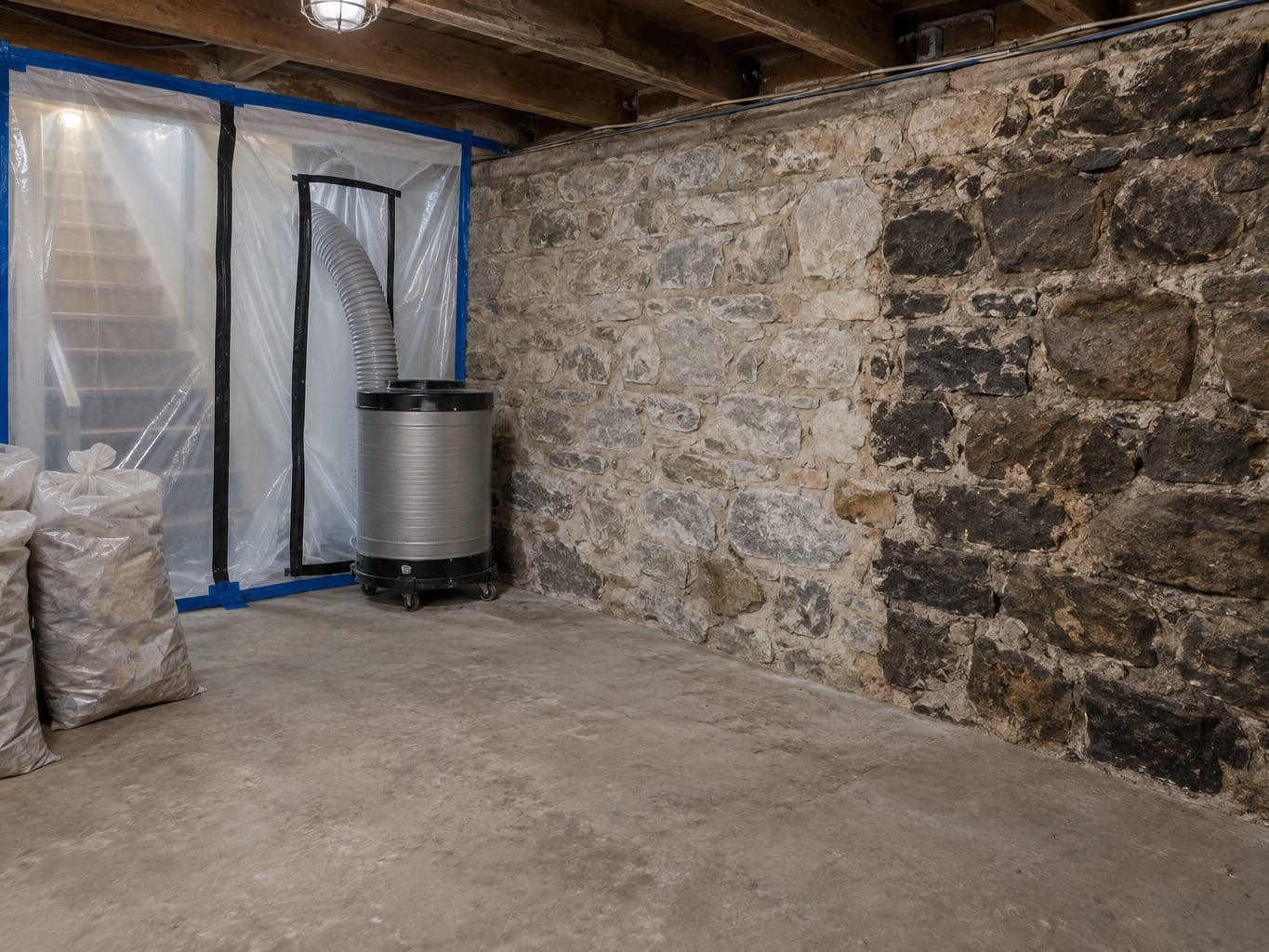
As a practice figure and not a guarantee, ExecPro Restoration & Cleaning describes active basement work as typically taking one to three days, depending on the affected area, how much material comes out and the containment and HEPA controls needed. Structural drying can add time, because materials have to reach verified dry readings before rebuilding. Access matters as well: narrow stairs, attached homes, occupied rental units, stored belongings, shared utility spaces and finished walls can slow a job, and clearing a path to the affected walls and floors helps.
How a Basement Remediation Runs
- 1
Find and stop the moisture source
The water path is traced first, because a wet basement grows mold again.
- 2
Assess the area and materials
The crew looks at what is affected and separates occupants and unaffected areas when needed.
- 3
Set up containment and protection
A sealed, controlled work area and protective equipment go in.
- 4
Remove what cannot be cleaned
Porous materials that cannot be cleaned come out.
- 5
Clean salvageable surfaces
Masonry, framing and other hard surfaces are cleaned.
- 6
HEPA-vacuum after drying
A vacuum with a high-efficiency filter traps fine particles once materials are dry.
- 7
Dry and check
The structure is dried and checked with moisture readings, and the crew looks for hidden growth or recurring moisture.
- 8
Document the work
Photographs, scope notes, removal records and readings.
What About Health Concerns, and Would a Test Help?
Mold can cause allergic reactions and can worsen asthma and other breathing problems, and EPA advises talking with a health professional when someone in the home has serious health concerns. Households with people who have severe allergies or asthma are a reason for more careful remediation, with tighter containment and closer attention to dust. Ask your doctor about symptoms, and tell the remediation crew who lives in the house.
A test is a separate question. EPA says a mold assessment is based mainly on a visual inspection and the history of moisture or water damage, and that testing may have limited usefulness. There are no established safe airborne mold levels or universal regulatory thresholds that say whether a basement is safe. So when you can see growth or a wet history, the more useful next step is finding the moisture and the hidden areas, such as the backs of walls, spaces under flooring, ceilings and HVAC components, that EPA lists as needing attention. EPA's page on who can test or clean a home explains the options in more detail.
How Much Will Basement Mold Remediation Cost?
An honest price needs a look at your basement and a written scope. These are the things that move it:
- Area affected: The square footage, and whether growth is limited to exposed concrete or has reached drywall, insulation, carpet, wood framing or finished walls.
- Water source: Its category, and whether sewage, floodwater or chemicals are involved.
- Hidden growth: Mold behind walls, under flooring or near HVAC equipment.
- Containment and air controls: HEPA filtration and negative-air setups.
- Demolition and disposal: Removal, bagging and hauling of material.
- Drying: Equipment and monitoring time.
- Source repairs: Plumbing, drainage, foundation, grading or sump-pump work.
- Rebuild: Walls, flooring, trim, insulation or finished rooms.
- Access and paperwork: Tight access in attached or occupied buildings, and testing or clearance documentation when an insurer, buyer or landlord asks for it.
EPA's size bands, under 10 square feet, 10 to 100 and over 100, help with planning, and they are not prices. Ask for a written scope that separates inspection, containment, removal, drying, cleaning, disposal, repairs and rebuilding. When you hire, note that New Jersey has no state certification program for mold-remediation companies, so ask for references and an itemized estimate.
Hover or tap a row to highlight it.
| Affected area | EPA class |
|---|---|
| Under 10 square feet | Small |
| 10 to 100 square feet | Medium |
| Over 100 square feet | Large |
Do You Need a Permit, and Will Insurance Pay?
Permits depend on the work. Trenton's Division of Technical Services issues building, plumbing, electrical and fire-protection permits, and many renovation projects need plan review. Cleaning and removal may differ from demolition, reconstruction, plumbing, electrical or structural changes, so confirm your scope with the office before rebuilding. If the building is in a historic district, exterior drainage, foundation, window, grading or facade work can need review from the Landmarks Commission, while interior-only cleaning may not.
Insurance depends on the policy and the cause. New Jersey's insurance bulletin on mold coverage describes coverage where the mold results from a covered peril during the policy period, and actual coverage turns on your policy, exclusions and deductible. Sudden accidental water damage may be treated differently from long-term seepage or flooding, so report the loss promptly and ask what documentation your insurer needs.
Keeping Water Out of the Cellar Next Summer
The water source decides whether the basement stays clean. Once the mold work is done, the fixes come from the list of water paths you traced at the start: repair leaking plumbing, service or replace a failing sump pump, correct grading and downspouts that send water toward the foundation, and address seepage through masonry and floor-wall joints. Snowmelt and heavy rain will test whatever you fixed, so it is worth confirming the repairs hold before the finishes go back.
Keep an eye on the room afterward. EPA says wet areas should be dried within 24 to 48 hours when possible, so if a storm brings water in, dry it quickly and check again a few days later. When the repair is done and the readings are dry, our build-back services can restore drywall, flooring, trim and finished space. Trenton homeowners with sewage-contaminated or storm-related water can also start with our water damage restoration team.
Frequently Asked Questions About Basement Mold Remediation Trenton NJ
What should I do first if I find mold or smell it in my basement?
Keep people away if the water may be contaminated, electricity is involved or disturbing the material could spread mold. Photograph everything, stop the water source if it is safe, and do not paint, caulk or bleach over the growth.
What permanently kills mold?
Cleaning or killing surface mold does not solve the problem if moisture remains. The lasting fix is to correct the water or humidity source, remove materials that cannot be cleaned, clean salvageable surfaces, dry the structure and prevent recurrence.
How long does basement mold remediation take?
Our typical active basement work takes one to three days, depending on the affected area, material removal, containment and HEPA controls. Structural drying can add time because materials must reach verified dry readings.
Is mold remediation worth the cost?
It depends on how much growth there is, where the water came from, which materials are affected and whether anyone in the home has health concerns. Professional work matters most when growth covers more than about 10 square feet, the water is contaminated, porous materials are involved or the HVAC system may be affected.
Will insurance pay for mold remediation?
It depends on your policy and the cause of the loss. Report the loss promptly and ask your insurer what documentation it requires.
Test Your Basement Mold Knowledge
1. What should be found before any cleaning starts?
2. About how large does growth need to be before EPA recommends professional help?
3. Within how many hours should wet materials be dried where possible?
4. Does New Jersey have a state certification program for mold-remediation companies?
Pick an answer to begin.
Final Thoughts
Basement mold comes down to water. Find the path, whether it is seepage through old masonry, a floor-wall joint, a pipe, a sump pump or a grading problem, then remove and clean what the water damaged, dry the structure and confirm it stays dry. Keep people safe in the meantime, leave large or contaminated jobs to professionals, and ask for a written, itemized scope.
A cellar handled this way is more likely to stay clean, and the work you paid for does not have to be repeated after the next heavy rain. The photographs, readings and records you keep also help with an insurer, a buyer or a landlord later.
If you have mold or a musty cellar in Trenton, NJ, ExecPro Restoration & Cleaning can trace the water, remove and clean what it damaged, and dry and document the space. Our basement mold remediation team works across Trenton, and you can contact us or call (888) 300-3772 to schedule a visit.
Basement Mold Terms
Tap a term to see what it means.
Containment. A sealed, controlled work area set up so the job does not spread mold to the rest of the house.
Serving Trenton
ExecPro Restoration & Cleaning provides mold remediation services in Trenton, NJ, from inspection and testing through removal, drying, and post-remediation verification. Call (888) 300-3772 for 24/7 emergency response.
Related Articles
Basement Mold Remediation in Bridgewater, NJ: Seepage, Sumps and a Musty Lower Level
A musty lower level after rain often means water is still getting in. How to read seepage, a struggling sump or a leak, and what removal in a basement involves.
Basement Mold Remediation in Robbinsville, NJ: Fieldstone, Poured Concrete and Rain That Soaks In
Whether the wall is fieldstone or poured concrete, basement mold remediation in Robbinsville starts with where rain gets in. Learn what shapes the scope.
Basement Mold Removal: What Comes Out, What Can Stay, and Why
Basement mold removal in NJ: see which materials usually come out, which can be cleaned and kept, when DIY stops and how to keep mold from coming back.