Basement Mold Remediation in Robbinsville, NJ: Fieldstone, Poured Concrete and Rain That Soaks In
Cal HewittPublished
- basement mold remediation
- basement mold
- moisture source
- robbinsville nj
- new jersey
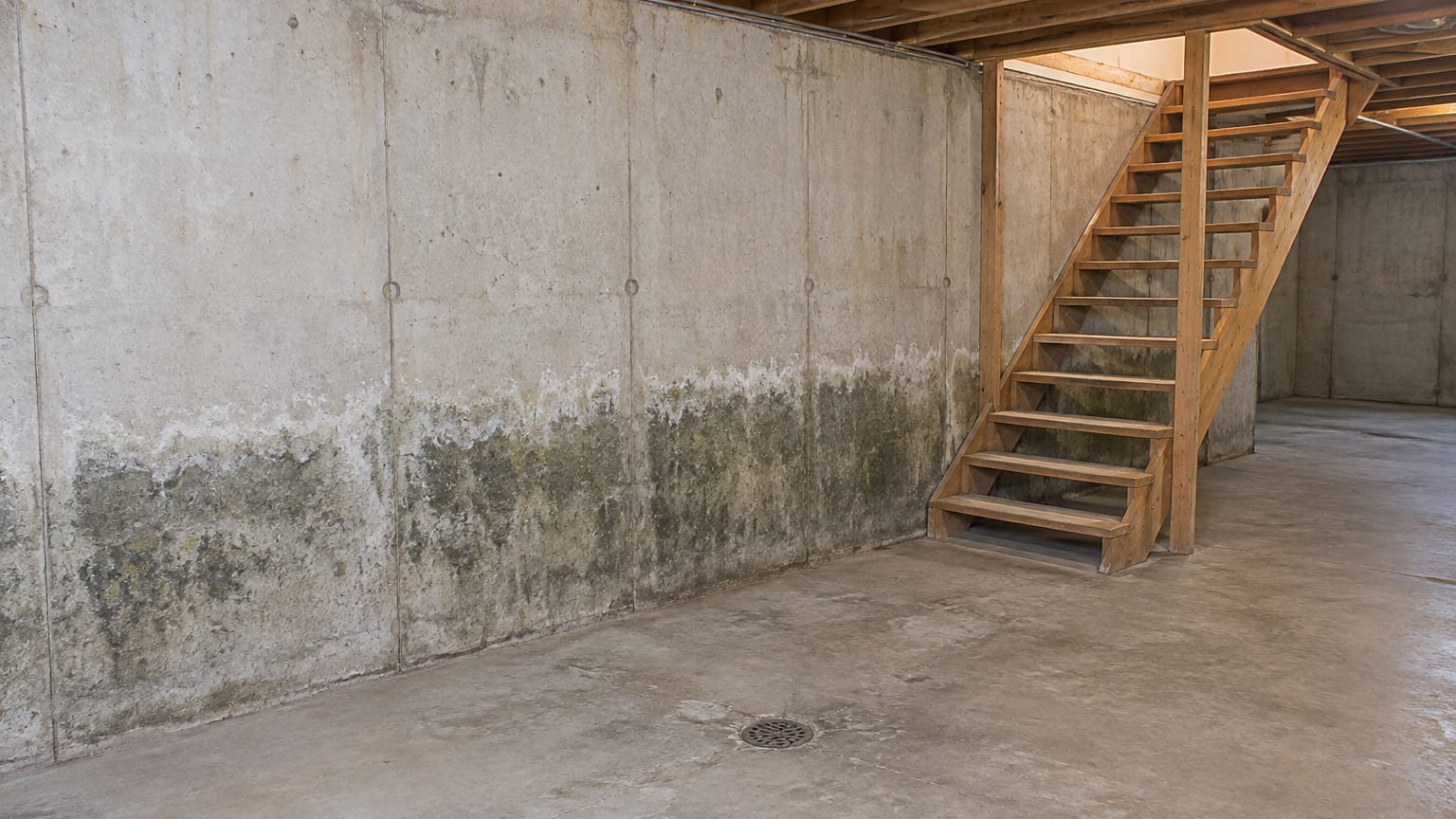
You walk downstairs and the air smells damp, or there is dark growth on the foundation wall, behind the drywall or under the carpet, and it seems worse after every long rain. You want the mold gone for good, and you want to know where the water is getting in before you pay anyone to scrub. Then the quotes arrive, and two contractors who looked at the same basement are thousands of dollars apart. That gap usually comes from what each one assumed about the wall, the water and the finished materials in front of them. Basement mold remediation in Robbinsville, NJ goes better when you can read those three things yourself and ask each contractor to put their answers in writing. The sections below take you from the wall, to the rain, to the order of the work, to what a fair quote lists.
Key Takeaways
The wall type sets the scope
An older fieldstone or masonry foundation, a poured-concrete foundation in a late-century subdivision and a finished lower level in a townhouse or condominium each open different walls, expose different surfaces and involve different people.
Fix the water outside before paying to fix it inside
Rain either runs off or soaks into the ground, so gutters, grading, the sump system and seepage through the wall come before any cleaning.
A quote should itemize eight things
Inspection, containment, demolition, drying, cleaning, disposal, rebuild and verification each get their own line, with the water source named.
Fieldstone, Block or Poured Concrete: Reading the Wall First
Start with what your foundation is made of, because the job changes with it. Robbinsville has older village and rural homes, late-century subdivisions, townhouses, condominiums and newer planned development, and a basement in each of them behaves differently. Nobody can tell you from the street which one you have, so the contractor should confirm the construction type at the visit and write it into the scope.
Hover or tap a row to highlight it.
| Wall type | What moisture and growth do | What shapes the scope |
|---|---|---|
| Older fieldstone or masonry | Moisture can travel through the mortar joints, and growth can sit in the joints and on the face of the wall | Sound hard surfaces may be cleaned rather than removed, but the wall can be hard to reach if paneling or framing covers it |
| Poured concrete in a late-century subdivision | The face is smoother and denser, and growth shows up on drywall, insulation, carpet or stored boxes put against it | The scope often centers on what was built in front of the concrete |
| Finished lower level in a townhouse or condominium | The walls, the utilities and sometimes the source of the water may be shared or controlled by an association | Ask your property manager who owns the wall and who must approve the work before anything is opened |
- Older fieldstone or masonry: Stone and block walls have mortar joints and a rough surface. Moisture can travel through them, and growth can sit in the joints and on the face of the wall. Hard surfaces that are still sound may be cleaned rather than removed, but a wall like this can also be hard to reach if it has been covered with paneling or framing.
- Poured concrete in a late-century subdivision: A poured wall has a smoother, denser face. Growth can show up on the materials put against it, such as drywall, insulation, carpet or stored boxes, so the scope often centers on what was built in front of the concrete.
- A finished lower level in a townhouse or condominium: The walls, the utilities and sometimes the source of the water may be shared or controlled by an association. Ask your property manager who owns the wall and who must approve the work before anything is opened.
Whichever wall you have, the New Jersey Department of Health mold guidelines call a visual inspection the most important step for identifying mold, the moisture source and the affected areas. When growth is visible, sampling is generally not needed to decide that cleanup is required. The written plan should describe the location, the materials and the estimated area, and it should say what is being done about the water. Our basement mold remediation page describes how we approach that plan.
Why Does the Basement Smell Worse After Long Rain?
Because the rain has to go somewhere. Robbinsville's 2022 Municipal Stormwater Management Plan explains that rainfall either runs off or soaks into the ground, feeding groundwater and stream base flow. The water that soaks in is the water your foundation has to hold back. When a downspout empties beside the wall, when the yard slopes toward the house, or when the sump pump cannot keep up, that water presses against the outside of the wall and looks for a way in.
That is why a basement that smells musty for days after a storm deserves a look outside before anyone treats the inside. Check these in order:
- Gutters and downspouts: Look for overflow, clogs and downspouts that end within a few feet of the foundation.
- Grading: The soil next to the house should slope away from the wall, not toward it.
- The sump system: Confirm the pump runs, the discharge line carries water away from the house and there is power during a storm.
- The wall itself: Look for damp streaks, mineral crust, cracks and wet spots near the floor line.
- Plumbing and appliances: A leaking supply line, a water heater or a washer hose can wet the same wall without any rain at all.
What to Check Outside, in Order
Gutters and downspouts
Look for overflow, clogs and downspouts that end within a few feet of the foundation.
Grading
The soil next to the house should slope away from the wall, not toward it.
The sump system
Confirm the pump runs, the discharge line carries water away from the house and there is power during a storm.
The wall itself
Look for damp streaks, mineral crust, cracks and wet spots near the floor line.
Plumbing and appliances
A leaking supply line, a water heater or a washer hose can wet the same wall without any rain at all.
The New Jersey guidelines recommend correcting the water-intrusion problem before remediation begins. Flood status also varies from one property to the next, so check your own address against current FEMA and New Jersey flood maps rather than assuming your street is like the next one.
How Does the Work Go, From Stopping the Water to Rebuilding?
The order of the work matters as much as the work. The sequence below follows New Jersey and EPA guidance and is the order you will live it in.
From Stopping the Water to Rebuilding
- 1
Stop the source
Shut off a leak or arrange water extraction if the water is still coming in and you cannot control it.
- 2
Photograph before you move anything
Capture the rooms, materials, contents and water lines. Call your insurer before you throw damaged items away.
- 3
Map the growth
A visual inspection finds the visible growth, the wet materials and the likely source.
- 4
Dry wet materials
EPA says water-damaged areas and items should be dried within 24 to 48 hours to help prevent mold growth.
- 5
Get a written remediation plan
It names the locations, materials, estimated area, moisture conditions and the fix for the water source.
- 6
Contain the work
Barriers and controlled airflow keep disturbance from spreading into the rest of the house.
- 7
Remove or clean
Porous materials such as drywall, insulation and carpet pad that show growth may need to come out. Hard surfaces that are sound can be cleaned.
- 8
Dry the structure and verify
The crew confirms moisture readings before anything is rebuilt.
- 9
Rebuild
Drywall, trim, flooring and finishes go back.
- Stop the source: Shut off a leak or arrange water extraction if the water is still coming in and you cannot control it. Keep people away from standing water near electrical equipment, sewage or unsafe footing.
- Photograph before you move anything: Capture the rooms, materials, contents and water lines. Call your insurer before you throw damaged items away.
- Map the growth: A visual inspection finds the visible growth, the wet materials and the likely source.
- Dry wet materials: EPA says water-damaged areas and items should be dried within 24 to 48 hours to help prevent mold growth.
- Get a written remediation plan: It names the locations, materials, estimated area, moisture conditions and the fix for the water source.
- Contain the work: Barriers and controlled airflow keep disturbance from spreading into the rest of the house.
- Remove or clean: Porous materials such as drywall, insulation and carpet pad that show growth may need to come out. Hard surfaces that are sound can be cleaned. Our post on which materials come out goes through them one by one.
- Dry the structure and verify: The crew confirms moisture readings before anything is rebuilt, and documentation follows when the insurer, a buyer or the project calls for it.
- Rebuild: Drywall, trim, flooring and finishes go back, often through our drywall replacement after mold work.
Insurance and permits touch this sequence in a few places. New Jersey homeowners policies exclude flood damage, and mold coverage is tied to a covered cause, so ask your insurer how the policy treats mold, water damage, testing, tear-out and rebuild, and keep photographs and receipts together. New Jersey's guidance on flood coverage explains where flood is treated separately. Putting a finished basement back may also need a permit, and the township construction office lists basement finishing among permit-required work, so ask the office before demolition begins. For the hiring side of the job, including what records you should hold at the end, see our post on hiring the whole mold remediation job.
When Should You Not Clean It Yourself?
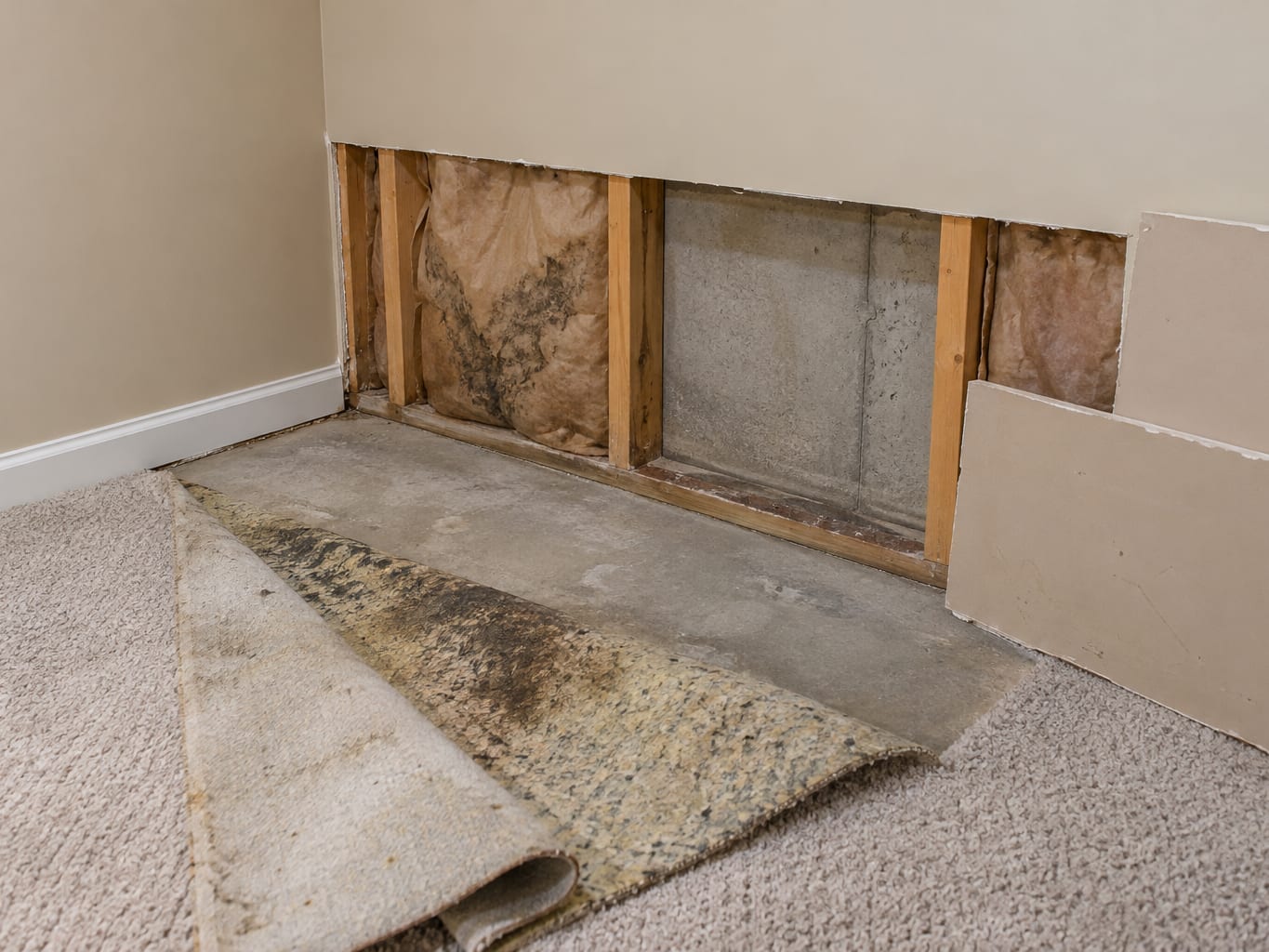
Some basement growth is a small, one-afternoon problem. EPA treats areas under about 10 square feet differently from larger ones, but that is a planning category, not a safety guarantee. A small patch on a hard surface is one thing. A patch that has run behind drywall, into insulation or under carpet is another.
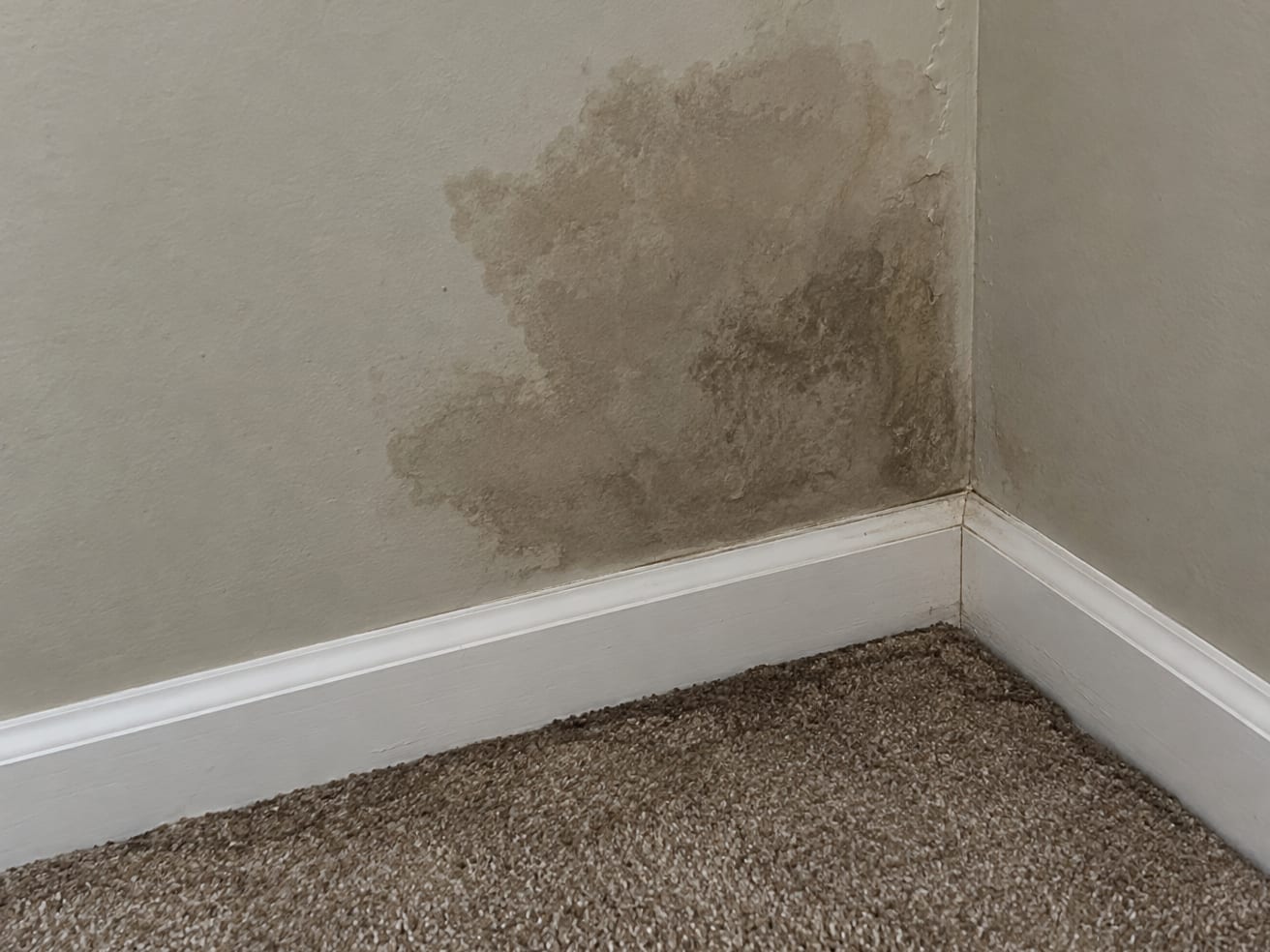
Hand the job to a professional when any of these apply:
- The area is large or the source is hidden: Growth that keeps returning, or that sits behind finished walls, usually means the water has not been found.
- Materials are saturated: Wet drywall, insulation or carpet pad can hold moisture and growth well beyond what you can see.
- The water was sewage or floodwater: These bring contamination that ordinary cleaning does not address.
- Someone in the house is at higher risk: People with asthma, COPD, immune suppression or chronic lung disease should not take part in cleanup and should stay away from the area during major work, per CDC guidance.
When to Hand the Job to a Professional
The area is large or the source is hidden
Growth that keeps returning, or that sits behind finished walls, usually means the water has not been found.
Materials are saturated
Wet drywall, insulation or carpet pad can hold moisture and growth well beyond what you can see.
The water was sewage or floodwater
These bring contamination that ordinary cleaning does not address.
Someone in the house is at higher risk
People with asthma, COPD, immune suppression or chronic lung disease should not take part in cleanup and should stay away from the area during major work.
If you do clean a small area, CDC recommends at least an N95 respirator, gloves and goggles, and larger demolition may call for a half-face or full-face respirator. Do not point a household fan across visible growth, because that can push spores into the rest of the house. Basements also carry hazards apart from mold: electrical equipment, slippery floors, sharp debris and poor airflow.
Health effects vary from person to person. CDC reports that damp and moldy environments may cause no symptoms for some people and a stuffy nose, sore throat, cough, wheezing, burning eyes or skin rash for others, and people with asthma or mold allergies may react more strongly. If anyone in your household has a reaction that worries you, talk with a clinician, and keep that person out of the basement while the work is under way.
Why One Basement Costs More Than the Next
A price you can rely on for your basement comes from a visit, so ask for the quote after someone has seen the space. What moves the number is the scope:
- Affected area: The size of the wet or moldy area, and whether growth stayed on exposed concrete or reached drywall, insulation, carpet, framing or wall cavities.
- The water source: A plumbing leak, a sump failure, foundation seepage, groundwater or a sewer backup call for different repairs, and the price is not final until the source is corrected.
- How long it stayed wet: The longer materials stay wet, the more of the structure needs drying.
- Finished materials: Walls, flooring, trim, insulation and built-in storage that must be removed and replaced.
- Contents: Belongings that must be packed, cleaned, discarded or stored.
- Contamination: Whether sewage or floodwater is involved.
- Containment and protection: Barriers, negative air and specialized protective equipment.
- Rebuild and permits: Whether a permit is needed for the rebuild, and how much of the finish work is included.
The best way to compare quotes is to ask each company for an itemized scope that separates inspection, containment, demolition, drying, cleaning, disposal, rebuild and verification. A total with no lines under it tells you nothing about what was left out. Ask each contractor to name the water source and say in writing whether fixing it is part of the price or someone else's job. Drying, including structural drying of the framing and slab, deserves its own line.
Hover or tap a row to highlight it.
| Cost driver | What it covers |
|---|---|
| Affected area | The size of the wet or moldy area, and whether growth stayed on exposed concrete or reached drywall, insulation, carpet, framing or wall cavities |
| The water source | A plumbing leak, a sump failure, foundation seepage, groundwater or a sewer backup call for different repairs |
| How long it stayed wet | The longer materials stay wet, the more of the structure needs drying |
| Finished materials | Walls, flooring, trim, insulation and built-in storage that must be removed and replaced |
| Contents | Belongings that must be packed, cleaned, discarded or stored |
| Contamination | Whether sewage or floodwater is involved |
| Containment and protection | Barriers, negative air and specialized protective equipment |
| Rebuild and permits | Whether a permit is needed for the rebuild, and how much of the finish work is included |
Keeping Rain Out of the Basement Next Season
Once the basement is dry, the goal is to keep water from coming back. Most of the work is outside.
- Gutters and downspouts: Clean them each season and extend the downspouts so they discharge well away from the wall.
- Grading: Add soil where the ground has settled toward the house so surface water runs away.
- A reliable sump with a backup: Test the pump before storm season and consider a battery backup so it keeps running when the power goes out.
- Humidity at or below 50 percent: CDC recommends keeping indoor humidity no higher than 50 percent. A dehumidifier and a simple humidity gauge in the basement make that easy to track.
- Stored items off the floor: Shelves keep belongings and cardboard away from a damp slab and the base of the wall.
No surface product replaces fixing the water problem, so the outside work is what keeps the basement clean. Keep the photographs, the written scope, the moisture readings and the invoices in one folder so the record is there if you file a claim or list the house.
Frequently Asked Questions About Basement Mold Remediation in Robbinsville, NJ
How much does basement mold remediation cost in New Jersey?
A statewide average does not set the price of your basement. The scope does: the affected area, the material that must come out, drying, containment, disposal, fixing the water source, contents and the rebuild. Ask for a property-specific, itemized estimate.
Will insurance pay for basement mold remediation?
It depends on the cause and the policy. New Jersey homeowners policies exclude flood damage. Mold tied to a covered sudden event may be treated differently from mold caused by repeated seepage, humidity or a neglected leak. Report the loss, photograph the conditions, keep receipts and ask your insurer how the policy handles mold, water damage, testing, tear-out and rebuilding.
Do I need a permit to put a finished basement back?
Possibly. Cleaning by itself is different from demolition and reconstruction, and the township construction office lists basement finishing among work that needs a construction permit. Electrical, plumbing and mechanical work can be part of that. Ask the office before demolition begins.
Should the growth be tested before it is cleaned?
Usually not. The New Jersey mold guidelines say sampling is generally unnecessary when mold is visible, and that the moisture source should be corrected before remediation. A written inspection and plan are what you need.
Is mold remediation worth the cost?
It is more likely to be worthwhile when mold is widespread, hidden, recurring, tied to wet porous materials, involves sewage or floodwater or affects someone at higher health risk. Compare the documented scope, source correction, drying, material replacement and verification, not just a treatment price.
Basement Mold Quick Check
1. What do the New Jersey mold guidelines call the most important step for identifying mold, the moisture source and the affected areas?
2. How soon does EPA say water-damaged areas and items should be dried?
3. What should be corrected before remediation begins?
4. Which way should the soil next to the house slope?
5. What indoor humidity level does CDC recommend not going above?
Pick an answer to begin.
Final Thoughts
Read the wall first, then find where the rain gets in, then decide what has to come out. Fix the water outside before paying to fix the inside, and keep the growth undisturbed until the plan is written. Get a quote that lists inspection, containment, demolition, drying, cleaning, disposal, rebuild and verification as separate lines, and ask the township whether the rebuild needs a permit.
Done in that order, the basement stays drier, the rebuilt walls have a reason to last and you hold the records that matter to an insurer or a buyer.
If you are standing in a damp basement in Robbinsville, NJ, ExecPro Restoration & Cleaning can inspect the wall, trace the water, remove and dry what has to go and coordinate the rebuild. We handle mold remediation, water damage restoration and build-back work, so the tear-out and the repair fit into one plan. Call us at (888) 300-3772 or contact us to schedule a visit.
Basement Mold Terms
Tap a term to see what it means.
Grading. The slope of the soil next to the house. It should carry surface water away from the wall.
Serving Robbinsville
ExecPro Restoration & Cleaning provides mold remediation services in Robbinsville, NJ, from inspection and testing through removal, drying, and post-remediation verification. Call (888) 300-3772 for 24/7 emergency response.
Related Articles
Basement Mold Remediation in Bridgewater, NJ: Seepage, Sumps and a Musty Lower Level
A musty lower level after rain often means water is still getting in. How to read seepage, a struggling sump or a leak, and what removal in a basement involves.
Basement Mold Remediation in Trenton, NJ: Old Masonry Cellars and Summer Rain
Finding growth on a masonry cellar wall starts with the water path. How old Trenton cellars are cleaned and dried, and what to fix so it does not return.
Basement Mold Removal: What Comes Out, What Can Stay, and Why
Basement mold removal in NJ: see which materials usually come out, which can be cleaned and kept, when DIY stops and how to keep mold from coming back.